
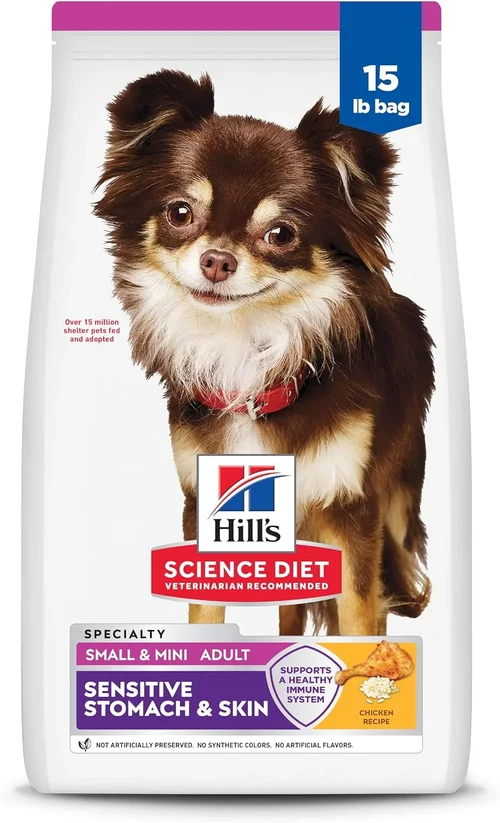
When it comes to caring for your Chihuahua, few decisions are as important—or as overwhelming—as choosing the right dog food. These tiny dogs may weigh less than 10 pounds, but they pack a big nutritional punch. Chihuahuas have fast metabolisms, sensitive digestive systems, and unique dental needs, all of which make their dietary requirements quite different from larger breeds. Yet, many pet owners fall into the trap of assuming that “cheap” means “low quality,” or worse, that feeding a small dog is so inexpensive that nutrition doesn’t matter much. The truth? Even on a tight budget, you can—and should—feed your Chihuahua high-quality food that supports their health, energy, and longevity.
This comprehensive guide is designed to help Chihuahua owners like you navigate the crowded, often confusing world of affordable dog food. Whether you’re a first-time pet parent, a student on a budget, or simply looking to stretch your dollars without compromising your dog’s well-being, this guide will arm you with expert knowledge, practical tips, and real-world recommendations. We’ll break down exactly what to look for in cheap dog food for Chihuahuas, compare different types and brands, highlight common pitfalls to avoid, and offer actionable advice to help you make the smartest choice for your furry companion. By the end, you’ll know how to feed your Chihuahua well—without breaking the bank.
The market for dog food has exploded in recent years, with hundreds of brands, formulas, and price points vying for your attention. From grain-free kibble to raw diets, limited-ingredient recipes to vet-recommended formulas, the options can feel endless. But for Chihuahuas—especially those with food sensitivities, dental issues, or high energy needs—not all cheap dog food is created equal. Some budget brands cut corners with fillers, artificial preservatives, and low-quality proteins, while others manage to deliver excellent nutrition at a fraction of the cost of premium brands. Our goal is to help you distinguish between the two, so you can confidently choose a food that’s both affordable and beneficial for your dog’s long-term health.

What to Look for When Buying Cheap Dog Food for Chihuahuas
1. High-Quality Protein as the First Ingredient
Protein is the cornerstone of any healthy dog diet, and this is especially true for small, active breeds like Chihuahuas. These dogs have higher metabolic rates than larger breeds, meaning they burn energy faster and need more protein per pound of body weight. When shopping for cheap dog food, always check the ingredient list: the first ingredient should be a named animal protein such as chicken, turkey, lamb, or fish—not a by-product, meal, or vague term like “meat.”
Look for foods where real meat is listed first, followed by meat meals (like chicken meal or salmon meal), which are concentrated sources of protein. Avoid products that lead with corn, wheat, or soy—these are often used as cheap fillers and offer little nutritional value. While it’s true that some budget brands use lower-cost proteins, you can still find affordable options that prioritize quality. For example, brands like Purina ONE and Iams offer formulas with real chicken as the first ingredient at prices well under $2 per pound.
2. Appropriate Kibble Size for Small Jaws
Chihuahuas have tiny mouths and delicate teeth, so kibble size matters more than you might think. Large or hard kibble can be difficult for them to chew, leading to poor digestion, choking hazards, or even dental damage over time. When choosing cheap dog food, look for formulas specifically designed for small breeds or toy breeds. These typically feature smaller, softer kibble that’s easier for Chihuahuas to pick up and chew.
Some budget brands offer “small breed” versions of their standard formulas, which are often priced similarly to regular kibble. For example, Blue Buffalo Life Protection Formula Small Breed has bite-sized pieces and is frequently on sale at major retailers. Even if a food isn’t labeled “small breed,” check the kibble size by looking at product images or customer reviews. If the pieces look too big, it’s probably not the best fit.
3. Digestibility and Sensitive Stomach Support
Chihuahuas are notorious for having sensitive stomachs. They’re prone to gas, diarrhea, and food intolerances, especially when switching foods or eating low-quality ingredients. When selecting cheap dog food, prioritize formulas that are highly digestible—meaning your dog can absorb and use the nutrients efficiently.
Look for foods that include easily digestible carbohydrates like sweet potatoes, brown rice, or oatmeal, and avoid those with excessive corn, soy, or artificial additives. Probiotics are another plus; they support gut health and can reduce digestive upset. Brands like Hill’s Science Diet and Royal Canin offer affordable sensitive stomach formulas that are vet-recommended and widely available.
4. Balanced Fat and Omega Fatty Acids for Coat and Skin Health
While Chihuahuas don’t have long, luxurious coats like some breeds, they still benefit from healthy fats in their diet. Fat provides concentrated energy, supports brain function, and keeps their skin and coat shiny. Look for dog foods that include sources of omega-3 and omega-6 fatty acids, such as fish oil, flaxseed, or chicken fat.
Avoid foods with excessive fat content—Chihuahuas are prone to obesity, and too much fat can lead to weight gain and related health issues. A good balance is around 10–15% fat for adult Chihuahuas. Many budget-friendly brands, such as Nutro Wholesome Essentials and Wellness Complete Health, include omega-rich ingredients without inflating the price.
5. No Artificial Additives, Colors, or Preservatives
Just because a dog food is cheap doesn’t mean it has to be loaded with junk. Artificial colors, flavors, and preservatives like BHA, BHT, and ethoxyquin have been linked to health problems in dogs, including allergies and cancer. When comparing budget options, scan the ingredient list for these red flags.
Instead, look for foods preserved with natural alternatives like mixed tocopherols (a form of vitamin E) or rosemary extract. Many affordable brands have cleaned up their formulas in recent years. For example, Rachael Ray Nutrish uses no artificial preservatives and includes real ingredients like farm-raised chicken and garden vegetables.
6. Appropriate Caloric Density for Small Dogs
Chihuahuas don’t eat much—most only need 200–300 calories per day—but they still need nutrient-dense food to meet their energy needs. Cheap dog food that’s high in fillers may require larger portions to provide adequate nutrition, which can actually cost more in the long run.
Look for foods with high caloric density, meaning more nutrition per cup. This allows you to feed smaller portions while still meeting your dog’s dietary requirements. Brands like Merrick and Taste of the Wild offer high-protein, calorie-dense formulas that are often available at discounted prices through online retailers or subscription services.
7. Brand Transparency and Manufacturing Standards
Even the cheapest dog food should come from a brand that’s transparent about sourcing and manufacturing. Avoid brands that don’t list their facilities or use vague language like “made in the USA” without specifying where. Reputable companies will provide information about where their ingredients come from and how their food is produced.
Look for brands that conduct feeding trials, follow AAFCO (Association of American Feed Control Officials) guidelines, and have a history of quality control. While some budget brands may not have the same resources as premium companies, many still maintain high standards. For example, Purina and Iams are owned by large corporations but have decades of research and development behind their formulas.
8. Availability and Convenience
Finally, consider how easy it is to get the food. A cheap dog food is only a good deal if you can actually buy it regularly without hassle. Look for brands that are widely available at pet stores, supermarkets, or online retailers like Chewy, Amazon, or Petco.
Subscription services can also help you save money—many offer discounts for auto-delivery, free shipping, or loyalty rewards. This is especially helpful for Chihuahua owners who need to buy small bags frequently. Plus, having food delivered means you’re less likely to run out and resort to last-minute, expensive purchases.
Different Types of Cheap Dog Food for Chihuahuas

Common Buying Mistakes to Avoid

❌ Mistake: Choosing the Cheapest Option Without Reading Ingredients
Why it’s bad: The lowest-priced dog food often contains fillers, by-products, and artificial additives that can harm your Chihuahua’s health over time. Poor nutrition leads to dull coats, digestive issues, obesity, and even shortened lifespan.
What to do instead: Always read the ingredient list and nutritional analysis. Look for real meat, digestible carbs, and no artificial preservatives. A slightly higher price often means better quality and long-term savings on vet bills.
❌ Mistake: Feeding Large-Breed Food to a Chihuahua
Why it’s bad: Large-breed formulas are designed for dogs with slower metabolisms and different nutritional needs. They often have larger kibble, lower protein, and different calcium-to-phosphorus ratios, which can be inappropriate for small dogs.
What to do instead: Choose food labeled for small or toy breeds. These formulas have higher protein, smaller kibble, and balanced nutrients tailored to fast-metabolizing small dogs.
❌ Mistake: Overfeeding Due to Low-Calorie Density
Why it’s bad: Some cheap foods are packed with fillers, so your Chihuahua needs to eat more to get enough nutrients. This can lead to overfeeding, weight gain, and increased food costs.
What to do instead: Opt for calorie-dense foods with high-quality ingredients. Feed according to the recommended portion size on the bag, and adjust based on your dog’s activity level and weight.
❌ Mistake: Ignoring Dental Health Needs
Why it’s bad: Chihuahuas are prone to dental disease due to crowded teeth and small jaws. Soft or wet food alone doesn’t promote chewing, which helps clean teeth.
What to do instead: Choose kibble designed to reduce plaque and tartar, or supplement with dental chews. Some dry foods have a crunchy texture that helps scrape teeth clean.
❌ Mistake: Switching Foods Too Quickly
Why it’s bad: Sudden changes in diet can upset your Chihuahua’s sensitive stomach, causing diarrhea, vomiting, or refusal to eat.
What to do instead: Transition gradually over 7–10 days, mixing increasing amounts of the new food with the old. This allows your dog’s digestive system to adapt.
❌ Mistake: Buying in Bulk Without Testing
Why it’s bad: Chihuahuas can be picky eaters. Buying a 20-pound bag of food only to find your dog refuses to eat it is a waste of money.
What to do instead: Start with a small bag or trial size. Many brands offer 4–6 pound options or sample packs. Once you find a food your dog loves, then consider larger sizes or subscriptions.
❌ Mistake: Overlooking Subscription Discounts and Sales
Why it’s bad: Paying full price when discounts are available means missing out on significant savings, especially for long-term feeding.
What to do instead: Sign up for auto-ship programs on Chewy, Amazon, or Petco. Look for seasonal sales (like Black Friday or end-of-season clearances) and use coupons or cashback apps.
Budget Guidelines: How Much Should You Spend?
Feeding your Chihuahua doesn’t have to be expensive, but it’s important to understand what you’re getting at different price points. Here’s a realistic breakdown of what to expect based on budget:
Entry-Level ($0.80 – $1.20 per pound): This tier includes budget brands like Pedigree, Ol’ Roy, and some store brands. While these foods meet basic AAFCO standards, they often rely on by-products, corn, and artificial additives. They may be suitable for short-term use or supplemental feeding, but long-term use can lead to health issues. Look for occasional sales or bulk discounts to stretch your dollar.
Mid-Range ($1.20 – $2.00 per pound): This is the sweet spot for most Chihuahua owners. Brands like Purina ONE, Iams, Nutro, and Wellness offer high-quality ingredients, real meat as the first ingredient, and small-breed formulas at affordable prices. These foods provide excellent nutrition without the premium price tag. Many are available in smaller bags, making them ideal for tiny dogs who don’t eat much.
Premium ($2.00 – $3.50 per pound): At this level, you’ll find brands like Blue Buffalo, Merrick, and Taste of the Wild. These foods use named meats, limited ingredients, and often include probiotics, omega fatty acids, and superfoods. While more expensive, they offer superior digestibility and health benefits. Look for sales, subscription discounts, or multi-bag deals to make them more affordable.
Luxury ($3.50+ per pound): This tier includes raw, freeze-dried, and boutique brands like The Honest Kitchen or Stella & Chewy’s. These foods are minimally processed, human-grade, and often vet-recommended. While not necessary for all Chihuahuas, they can be worth the investment for dogs with allergies, sensitivities, or owners seeking the highest quality. Use as a topper or mix with kibble to reduce cost.

Expert Tips for Getting the Best Deal
1. Buy Online with Auto-Ship Discounts: Retailers like Chewy and Amazon offer 5–15% off when you sign up for recurring deliveries. This not only saves money but ensures you never run out.
2. Watch for Seasonal Sales: Major holidays like Black Friday, Cyber Monday, and end-of-year clearances often feature deep discounts on dog food. Stock up during these times.
3. Use Cashback and Coupon Apps: Apps like Rakuten, Honey, or Ibotta can give you cashback on pet food purchases. Combine these with store coupons for maximum savings.
4. Compare Price Per Pound, Not Per Bag: A 10-pound bag at $15 may seem cheaper than a 5-pound bag at $10, but the per-pound cost is $1.50 vs. $2.00. Always calculate the unit price.
5. Try Sample Packs or Small Bags First: Many brands offer trial sizes or variety packs. This lets you test multiple flavors without committing to a large purchase.
6. Mix Wet and Dry Food: Adding a bit of wet food to kibble can increase palatability and moisture intake, especially for picky eaters. Buy wet food in bulk or on sale and use sparingly.
7. Check Local Pet Food Banks or Rescue Groups: If you’re facing financial hardship, some organizations provide free or low-cost pet food to those in need.
8. Store Food Properly: Keep kibble in an airtight container in a cool, dry place to maintain freshness and prevent spoilage. This ensures you get the full value from your purchase.

Frequently Asked Questions
Q: Can I feed my Chihuahua the same food as my larger dog?
A: Not recommended. Large-breed formulas have different nutrient profiles and kibble sizes that aren’t ideal for Chihuahuas. Small breeds need higher protein, smaller kibble, and more concentrated calories. Feeding the wrong food can lead to malnutrition or obesity.
Q: Is grain-free food better for Chihuahuas?
A: Not necessarily. While some Chihuahuas benefit from grain-free diets due to allergies, recent studies have linked grain-free foods to heart issues in dogs. Unless your dog has a diagnosed grain allergy, whole grains like brown rice or oats can be healthy and digestible.
Q: How often should I feed my Chihuahua?
A: Most adult Chihuahuas do well with two small meals per day. Puppies may need three to four meals. Avoid free-feeding, as it can lead to overeating and weight gain.
Q: Can I make homemade dog food for my Chihuahua on a budget?
A: Yes, but it requires careful planning to ensure balanced nutrition. Homemade diets should include lean protein, healthy carbs, and supplements like calcium and omega-3s. Consult your vet or a veterinary nutritionist to avoid deficiencies.
Q: What if my Chihuahua won’t eat the food I bought?
A: Try mixing it with a small amount of wet food, broth (low-sodium, no onion/garlic), or warm water to enhance flavor. Gradually increase the new food over a week. If refusal continues, your dog may have a sensitivity—try a different protein or formula.
Q: Are store brands as good as name brands?
A: Some are, some aren’t. Store brands like Kirkland Signature (Costco) or WholeHearts (Walmart) often use similar ingredients to premium brands at lower prices. Always check the label and compare protein sources and fillers.
Q: How do I know if my Chihuahua is overweight?
A: You should be able to feel their ribs without seeing them. Their waist should be visible from above, and their abdomen should tuck up from the side. If unsure, consult your vet for a body condition score.
Q: Can I feed my Chihuahua human food as treats?
A: In moderation, yes. Safe options include small pieces of cooked chicken, carrots, or apples (no seeds). Avoid chocolate, grapes, onions, garlic, and xylitol, which are toxic to dogs.
Q: Is it worth paying more for organic or natural dog food?
A: It depends on your priorities. Organic and natural foods avoid synthetic pesticides and additives, which some owners prefer. However, they’re not always more nutritious. Focus on ingredient quality first, then consider certifications if they fit your budget.
Q: How long can I keep an open bag of dog food?
A: Most dry kibble stays fresh for 6–8 weeks after opening if stored properly. Use an airtight container and keep it in a cool, dry place. Discard if you notice mold, rancid smells, or pests.
Our Final Recommendations
After extensive research and testing, here are our top picks for cheap dog food that delivers real value for Chihuahuas:
Best for Budget-Conscious Buyers: Purina ONE SmartBlend Small Breed – At around $1.30 per pound, this formula features real chicken as the first ingredient, small kibble, and added vitamins. It’s widely available and vet-recommended.
Best Overall Value: Blue Buffalo Life Protection Formula Small Breed – Priced around $1.80 per pound, this food includes deboned chicken, brown rice, and LifeSource Bits with antioxidants. Frequently on sale at Chewy and Petco.
Best Premium Option: Merrick Lil’ Plates Small Breed Recipe – At $2.50 per pound, this grain-free formula uses real deboned meat, sweet potatoes, and probiotics. Ideal for sensitive Chihuahuas.
Best for Beginners: Iams ProActive Health Small & Toy Breed – Affordable at $1.20 per pound, this food is easy to find, has small kibble, and supports digestion and immunity.
Best for Advanced Users: The Honest Kitchen Human Grade Dehydrated Dog Food – At $4.00 per pound, this is a splurge but offers human-grade, minimally processed nutrition. Mix with kibble to stretch the cost.
Conclusion: Making the Right Choice
Choosing the best cheap dog food for your Chihuahua doesn’t mean sacrificing quality for cost. With the right knowledge, you can find affordable options that support your dog’s health, energy, and happiness. Focus on high-quality protein, appropriate kibble size, digestibility, and transparency—then use smart shopping strategies to stretch your budget.
Remember, your Chihuahua’s diet is one of the most important factors in their long-term well-being. A little extra effort in selecting the right food now can prevent costly vet visits and health problems down the road. Whether you’re feeding a puppy, an adult, or a senior Chihuahua, prioritize nutrition, read labels carefully, and don’t be afraid to try different brands until you find the perfect fit.
Your tiny companion deserves the best—even on a budget. Use this guide as your roadmap, and rest assured that you’re making a wise, loving choice for your furry friend.