

Choosing the right dog food for your Labrador doesn’t have to break the bank—but it does require careful thought. Labradors are one of the most beloved dog breeds in the world, known for their friendly personalities, high energy levels, and tendency to gain weight easily. As a large, active breed with specific nutritional needs, Labs require a balanced diet that supports joint health, maintains a healthy weight, and promotes a shiny coat and strong immune system. Yet, many pet owners fall into the trap of assuming that “cheap” means “low quality,” or worse—overpaying for premium brands that don’t necessarily deliver better results.
This comprehensive buying guide is designed to help you navigate the crowded and often confusing world of affordable dog food options in 2026. Whether you’re a first-time Labrador owner on a tight budget or a seasoned pet parent looking to cut costs without compromising your dog’s health, this guide will equip you with expert knowledge, practical tips, and real-world recommendations. You’ll learn how to identify high-value, nutritious dog foods that won’t strain your wallet, avoid common pitfalls, and make informed decisions based on your dog’s unique needs. We’ll break down what truly matters in dog food formulation, compare different product types, and spotlight the best budget-friendly options currently available.
The market for dog food has evolved significantly in recent years. With rising inflation and increased awareness about pet nutrition, more brands are offering affordable yet high-quality formulas that meet AAFCO (Association of American Feed Control Officials) standards. At the same time, misleading marketing claims, filler ingredients, and hidden costs can make it difficult to distinguish value from value traps. Our goal is to cut through the noise and give you a clear, actionable roadmap to finding cheap dog food that actually delivers on nutrition, palatability, and long-term health benefits for your Labrador. By the end of this guide, you’ll not only know what to buy—but why it matters.

What to Look for When Buying Buying Guide
1. Nutritional Adequacy & AAFCO Compliance
One of the most critical factors when selecting any dog food—especially on a budget—is ensuring it meets established nutritional standards. Look for products that are labeled as “complete and balanced” and comply with AAFCO nutrient profiles for adult maintenance or growth (if you have a puppy). This means the food has undergone feeding trials or formulated to meet specific nutrient guidelines proven to support canine health. For Labradors, who are prone to obesity and joint issues like hip dysplasia, a diet with appropriate levels of protein (18–25%), fat (5–15%), and controlled calories is essential. Avoid foods that rely heavily on vague terms like “natural” or “premium” without backing them up with AAFCO statements. A cheap dog food that skimps on essential nutrients may save you money upfront but could lead to costly vet bills down the line due to malnutrition or diet-related illnesses.
2. Protein Source & Quality
Labradors thrive on diets rich in high-quality animal-based protein, which supports muscle maintenance, energy levels, and overall vitality. When evaluating cheap dog foods, always check the ingredient list: the first ingredient should be a named meat source such as “chicken,” “beef,” or “salmon”—not “meat meal” or “by-product meal” unless specified as high-quality (e.g., “chicken meal”). Whole meats contain more moisture and can inflate the protein percentage, while meat meals are concentrated sources of protein but vary in quality. Aim for formulas where animal protein makes up the majority of the first three ingredients. Plant-based proteins like corn gluten meal or soybean meal are cheaper fillers and less biologically appropriate for dogs. While some plant proteins are acceptable in moderation, they shouldn’t dominate the recipe—especially in a breed like the Labrador, which benefits from animal-derived amino acids like taurine and L-carnitine.
3. Healthy Fats & Omega Fatty Acids
Fat is a crucial energy source for active breeds like Labradors, but not all fats are created equal. Look for dog foods that include named fat sources such as chicken fat, salmon oil, or flaxseed—these provide essential fatty acids like omega-3 and omega-6, which support skin health, reduce inflammation, and promote a glossy coat. Avoid generic “animal fat” or unnamed oils, as these can come from low-quality or inconsistent sources. Omega-3 fatty acids, in particular, are vital for joint health and cognitive function, both of which are important for Labs as they age. Many budget-friendly brands now include these beneficial fats without significantly increasing cost. A good rule of thumb: if the food lists a specific oil or fat source early in the ingredient list and includes omega fatty acids in the guaranteed analysis, it’s likely a solid choice.
4. Carbohydrate Sources & Fiber Content
While dogs don’t require carbohydrates in their diet, they can be a useful source of energy and fiber—especially for large, active breeds. However, cheap dog foods often rely on low-cost, highly processed grains like corn, wheat, or soy, which can cause digestive upset or allergies in sensitive dogs. Better options include whole grains like brown rice, oats, or barley, as well as digestible vegetables like sweet potatoes or peas. These ingredients provide sustained energy and help regulate blood sugar. Fiber is also important for digestive health and weight management—Labs are notorious for overeating, so a food with moderate fiber (3–5%) can help them feel fuller longer. Avoid foods with excessive fillers or unnamed “grain fragments,” as these offer little nutritional value and may contribute to weight gain.
5. Absence of Harmful Additives & Fillers
Just because a dog food is inexpensive doesn’t mean it should be loaded with artificial preservatives, colors, or flavor enhancers. Ingredients like BHA, BHT, ethoxyquin, and propylene glycol have been linked to health concerns in dogs and should be avoided whenever possible. Similarly, watch out for excessive use of corn, soy, or wheat as primary ingredients—these are often used as cheap fillers and can trigger allergies or digestive issues. Instead, opt for brands that use natural preservatives like mixed tocopherols (vitamin E) or rosemary extract. While no dog food is entirely free of processing, choosing one with minimal artificial additives reduces the risk of long-term health problems and ensures your Labrador is getting real nutrition—not just bulk.
6. Brand Transparency & Manufacturing Practices
Not all budget dog food brands are created equal when it comes to transparency. Reputable companies will clearly state where their ingredients are sourced, how their food is manufactured, and whether it’s produced in facilities that follow strict safety protocols. Look for brands that provide detailed nutritional information, batch codes for traceability, and responsive customer service. Some lesser-known or private-label brands may cut corners by sourcing ingredients from questionable suppliers or using co-packers with lax quality control. Reading the company’s website, checking for third-party certifications (like USDA organic or non-GMO), and reviewing customer feedback can help you assess trustworthiness. A slightly higher price from a transparent brand is often worth the peace of mind—and better health outcomes—for your dog.
7. Palatability & Digestibility
Even the most nutritious dog food is useless if your Labrador won’t eat it or can’t digest it properly. Palatability refers to how appealing the food smells and tastes to your dog, which is influenced by ingredients like real meat, fat content, and natural flavorings. Digestibility measures how well your dog’s body can break down and absorb the nutrients—highly digestible foods result in smaller, firmer stools and less waste. Cheap dog foods that use low-quality proteins or excessive fillers often have poor digestibility, leading to gas, diarrhea, or constant hunger. To test this, consider buying a small bag first or looking for brands that offer money-back guarantees. Many affordable brands now use enzyme-rich formulations or probiotics to enhance digestibility, making them a smart choice for sensitive stomachs.
8. Packaging, Shelf Life & Storage
Finally, consider the practical aspects of buying and storing dog food. Budget-friendly options often come in larger bags, which can be cost-effective but may pose storage challenges—especially if you live in a humid or warm climate. Look for resealable bags or packaging that protects against moisture and pests. Check the “best by” date to ensure the food will stay fresh for the duration of use. Some cheaper brands use lower-quality packaging that allows oxygen to seep in, leading to rancid fats and spoiled food. Additionally, consider whether the brand offers smaller trial sizes or subscription options with auto-shipping, which can help you manage costs and ensure freshness. Proper storage in a cool, dry place—ideally in an airtight container—can extend shelf life and maintain nutritional integrity.
Different Types of Buying Guide
Common Buying Mistakes to Avoid
❌ Mistake: Choosing Based Solely on Price
Why it’s bad: The cheapest dog food often uses low-quality ingredients, fillers, and artificial additives that can harm your Labrador’s health over time. A diet lacking in essential nutrients may lead to obesity, skin problems, joint pain, and a weakened immune system—resulting in higher veterinary costs.
What to do instead: Focus on value, not just cost. Compare price per pound or per serving, and prioritize foods that offer high-quality protein, healthy fats, and AAFCO compliance. A slightly more expensive bag that lasts longer and keeps your dog healthier is ultimately more economical.
❌ Mistake: Ignoring the Ingredient List
Why it’s bad: Marketing claims like “natural,” “holistic,” or “premium” are unregulated and can be misleading. Without reading the ingredient list, you might be feeding your dog a diet full of corn, soy, and unnamed by-products.
What to do instead: Always check the first five ingredients. Look for named meat sources, whole grains or vegetables, and avoid vague terms like “meat meal” or “animal fat.” Use online tools or apps to decode ingredient lists if needed.
❌ Mistake: Overlooking Your Labrador’s Life Stage
Why it’s bad: Puppies, adults, and senior dogs have different nutritional needs. Feeding a senior formula to a growing puppy—or vice versa—can lead to developmental issues or weight gain.
What to do instead: Choose a food specifically formulated for your dog’s life stage. Look for labels like “for all life stages” or “adult maintenance” and match them to your Labrador’s age and activity level.
❌ Mistake: Buying in Bulk Without Testing
Why it’s bad: Purchasing a 40-pound bag of unfamiliar food can be wasteful if your dog refuses to eat it or has an adverse reaction. Some dogs are sensitive to certain proteins or grains.
What to do instead: Start with a small bag or trial size. Monitor your dog’s appetite, stool quality, energy levels, and coat condition for 2–3 weeks before committing to a large purchase.
❌ Mistake: Assuming All “Grain-Free” Foods Are Better
Why it’s bad: Grain-free diets have been linked to dilated cardiomyopathy (DCM) in some dogs, especially when they rely heavily on legumes like peas and lentils as protein substitutes. Not all Labradors need grain-free food.
What to do instead: Only choose grain-free if your dog has a diagnosed grain allergy. Otherwise, opt for formulas with whole grains like brown rice or oats, which provide fiber and energy without the DCM risk.
❌ Mistake: Neglecting Hydration
Why it’s bad: Dry kibble contains only 10% moisture, which can contribute to dehydration—especially in active breeds like Labs. Chronic low water intake may lead to urinary tract issues or kidney strain.
What to do instead: Always provide fresh water and consider mixing in wet food or adding broth (low-sodium, no onions/garlic) to increase moisture intake. Wet food or rehydrated freeze-dried options are great for hydration.
❌ Mistake: Not Adjusting Portions Based on Activity
Why it’s bad: Labradors are prone to obesity, and overfeeding—even on healthy food—can lead to joint stress, diabetes, and reduced lifespan. Many owners feed the same amount regardless of their dog’s exercise level.
What to do instead: Follow the feeding guidelines on the package as a starting point, then adjust based on your dog’s weight, energy, and body condition. Use a body condition score chart to assess if your Lab is at a healthy weight.
Budget Guidelines: How Much Should You Spend?
When it comes to feeding your Labrador, cost shouldn’t be the only factor—but it’s certainly a practical one. The good news is that you don’t need to spend a fortune to provide a nutritious diet. Here’s a realistic breakdown of what to expect at different price points in 2026:
Entry-Level ($0.50–$1.00 per pound): This tier includes many store-brand and private-label kibbles found at supermarkets and big-box retailers. While some options in this range are surprisingly decent—especially those that meet AAFCO standards and list real meat as the first ingredient—many rely on corn, soy, or wheat as fillers. Look for brands that avoid artificial preservatives and offer at least 20% protein. These foods are best for owners on a very tight budget who are willing to read labels carefully and monitor their dog’s health closely.
Mid-Range ($1.00–$1.80 per pound): This is the sweet spot for most Labrador owners. Brands in this category typically use higher-quality proteins (like chicken meal or salmon), include beneficial fats, and avoid major fillers. Many offer grain-free or limited-ingredient options, and some include probiotics or joint-supporting supplements like glucosamine. You’ll find both national brands and reputable online labels here. This tier offers the best balance of affordability, nutrition, and palatability.
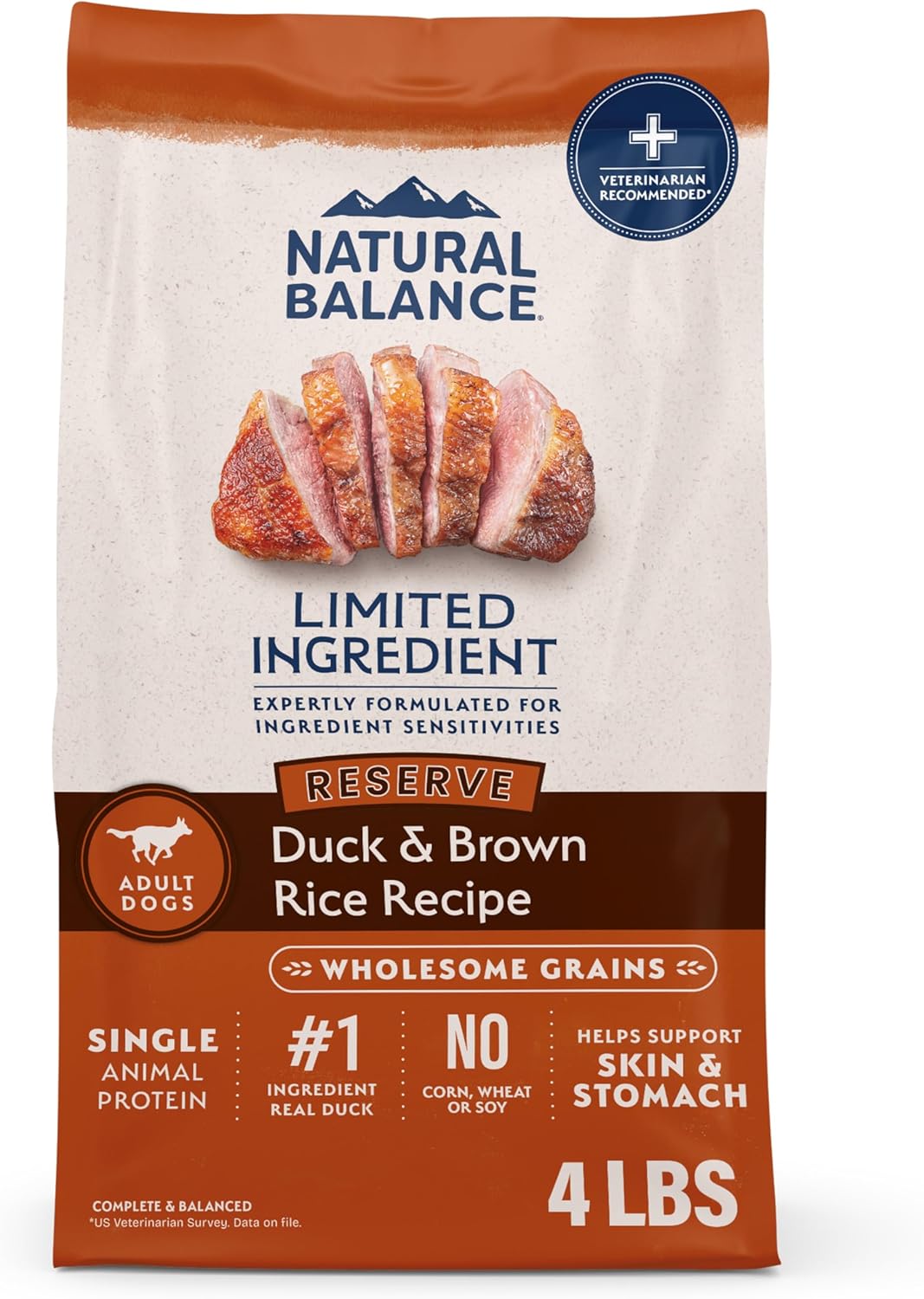
Premium ($1.80–$3.00 per pound): These foods often feature human-grade ingredients, novel proteins (like duck or venison), and advanced formulations tailored to specific health needs. While not strictly necessary for all Labs, premium options can be ideal for dogs with allergies, sensitive stomachs, or high activity levels. Some include fresh meats, cold-pressed processing, or added superfoods like blueberries and spinach. If your budget allows, this tier provides excellent long-term value.
Luxury ($3.00+ per pound): At this level, you’re paying for convenience, customization, and cutting-edge nutrition. Think fresh-cooked meal delivery services, raw diets, or vet-formulated recipes. While these options can be outstanding, they’re often overkill for the average Labrador and may not be sustainable for long-term feeding. Reserve this tier for dogs with complex medical needs or owners who prioritize gourmet-quality ingredients.

Expert Tips for Getting the Best Deal
- Buy in bulk during sales: Stock up on dog food during major sales events like Black Friday, Amazon Prime Day, or end-of-season clearances. Many retailers offer 20–30% off large bags.
- Subscribe and save: Sign up for auto-delivery programs from online retailers like Chewy, Amazon, or brand websites. These often include discounts (10–15%) and free shipping.
- Compare unit pricing: Don’t just look at the total price—check the cost per pound or per serving. A larger bag may seem expensive but could be cheaper per unit.
- Use cashback and coupons: Apps like Rakuten, Ibotta, or Fetch Rewards offer rebates on pet food purchases. Combine these with manufacturer coupons for maximum savings.
- Join loyalty programs: Pet stores like Petco and PetSmart offer points-based rewards that can be redeemed for free food or discounts.
- Consider store brands: Retailers like Costco (Kirkland Signature), Walmart (Pure Balance), and Target (Simply Nourish) offer high-quality, budget-friendly options that often match national brands in nutrition.
- Rotate proteins gradually: To prevent allergies and keep your dog interested, rotate between 2–3 affordable formulas (e.g., chicken, beef, salmon) every few months.
- Store food properly: Keep kibble in a cool, dry place in an airtight container to prevent spoilage and extend freshness—this reduces waste and saves money.

Frequently Asked Questions
Q: Can I feed my Labrador the cheapest dog food available?
A: While it’s possible, it’s not recommended. The cheapest options often lack essential nutrients and use low-quality ingredients that can harm your dog’s health over time. Instead, look for budget-friendly brands that still meet AAFCO standards and list real meat as the first ingredient.
Q: How often should I feed my adult Labrador?
A: Most adult Labs do well with two meals per day. This helps regulate digestion, prevents bloat, and supports healthy metabolism. Puppies may need three to four meals until they’re six months old.
Q: Is grain-free food better for Labradors?
A: Not necessarily. Grain-free diets are only beneficial if your dog has a diagnosed grain allergy. For most Labs, whole grains like brown rice or oats provide valuable fiber and energy. Avoid grain-free formulas high in legumes due to DCM concerns.
Q: Can I mix wet and dry food?
A: Absolutely! Mixing wet and dry food can improve palatability, increase hydration, and provide variety. Just adjust portions to avoid overfeeding—wet food is more calorie-dense per volume.
Q: How do I know if my Labrador is overweight?
A: Use a body condition score (BCS) chart. You should be able to feel your dog’s ribs without seeing them, and there should be a visible waist when viewed from above. If you can’t feel the ribs or see a rounded abdomen, your Lab may be overweight.
Q: Should I switch my dog’s food gradually?
A: Yes! Sudden changes can cause digestive upset. Transition over 7–10 days by mixing increasing amounts of the new food with the old, starting with 25% new and 75% old.
Q: Are homemade diets cheaper than commercial dog food?
A: Not usually. While homemade meals allow control over ingredients, they require careful balancing of nutrients and can become expensive when using quality meats and supplements. Commercial foods are formulated to be complete and balanced at a lower cost.
Q: Can puppies eat adult dog food?
A: No. Puppies need higher levels of protein, fat, and calories to support growth. Feeding adult food can lead to developmental issues. Choose a formula labeled for “growth” or “all life stages.”
Q: How long can I store opened dog food?
A: Dry kibble stays fresh for 6–8 weeks if stored in an airtight container in a cool, dry place. Wet food should be refrigerated and used within 3–5 days after opening.
Q: What should I do if my Labrador has food allergies?
A: Common signs include itchy skin, ear infections, or digestive issues. Consult your vet for testing, then try a limited-ingredient diet with a novel protein (like duck or salmon) and a single carbohydrate source.
Our Final Recommendations
Best for Budget-Conscious Buyers: Kirkland Signature Nature’s Domain Salmon Meal & Sweet Potato Recipe – Available at Costco, this grain-free formula features real salmon as the first ingredient, includes probiotics, and costs under $1.00 per pound. It’s AAFCO-compliant and highly rated by Labrador owners.
Best Overall Value: Purina ONE SmartBlend Chicken & Rice – A trusted national brand offering high digestibility, real chicken, and added vitamins at around $1.20 per pound. It’s widely available and backed by decades of research.
Best Premium Option: Taste of the Wild Pacific Stream Grain-Free – With real smoked salmon, probiotics, and antioxidant-rich fruits, this food supports joint health and coat shine. Priced at $1.80 per pound, it’s a step up without breaking the bank.
Best for Beginners: Iams ProActive Health Adult Large Breed – Specifically formulated for large breeds like Labs, this kibble includes glucosamine for joints and L-carnitine for weight management. It’s affordable, easy to find, and gentle on digestion.
Best for Advanced Users: The Honest Kitchen Human Grade Dehydrated Dog Food – While pricier (around $3.50 per pound when rehydrated), this human-grade, minimally processed food offers maximum nutrition and transparency. Ideal for owners who want raw benefits without the hassle.
Conclusion: Making the Right Choice
Finding cheap dog food for your Labrador doesn’t mean settling for less—it means making smarter, more informed choices. By focusing on nutritional quality, ingredient transparency, and your dog’s individual needs, you can feed your Lab a healthy, satisfying diet without overspending. Remember, the best dog food is one that supports long-term health, keeps your dog happy and energetic, and fits within your budget. Use the guidelines, tips, and recommendations in this guide to evaluate options critically, avoid common pitfalls, and prioritize value over price alone.
Every Labrador deserves a diet that fuels their adventures, protects their joints, and keeps their tail wagging for years to come. Whether you choose a budget kibble from Costco or a subscription-based fresh meal plan, the key is consistency, observation, and love. Monitor your dog’s weight, coat, energy, and digestion, and don’t hesitate to consult your veterinarian if you notice any changes. With the right food and care, your Labrador will thrive—no matter your budget.
Now that you’re equipped with expert knowledge, it’s time to take action. Start by reviewing your current dog food’s ingredient list, compare it to our recommendations, and consider trying a new affordable option. Your wallet—and your dog—will thank you.