

When it comes to feeding a Mastiff—one of the largest and most majestic dog breeds in the world—many owners assume that high-quality nutrition comes with a hefty price tag. But here’s the truth: you don’t need to break the bank to feed your gentle giant a balanced, nutritious diet. With rising pet food costs and inflation hitting household budgets, finding affordable yet healthy dog food for large breeds like Mastiffs has never been more important. This comprehensive buying guide is designed to help you navigate the crowded pet food market, identify truly nutritious options at budget-friendly prices, and avoid common pitfalls that could compromise your dog’s health—or your wallet.
In this guide, you’ll learn exactly what to look for in cheap dog food for Mastiffs, how to distinguish between “affordable” and “low-quality,” and which brands deliver real value without sacrificing essential nutrients. We’ll break down key factors like protein content, ingredient sourcing, digestibility, and breed-specific needs, all while keeping cost-effectiveness front and center. Whether you’re a first-time Mastiff owner or a seasoned guardian looking to trim expenses without cutting corners, this guide will equip you with the knowledge to make confident, informed decisions. By the end, you’ll know not only which foods offer the best bang for your buck but also how to stretch your budget further through smart shopping strategies and feeding practices.
The market for large-breed dog food is vast, with hundreds of brands claiming to support joint health, muscle development, and digestive wellness. However, not all budget-friendly formulas are created equal. Some cut costs by using fillers, by-products, or excessive carbohydrates—ingredients that may save money upfront but can lead to long-term health issues like obesity, joint strain, or allergies. Others strike a careful balance, offering high meat content, wholesome grains or grain alternatives, and added supplements like glucosamine and omega fatty acids—all at a reasonable price. Our goal is to spotlight those hidden gems: affordable dog foods that meet or exceed AAFCO (Association of American Feed Control Officials) standards for large-breed adults and seniors, support healthy growth in puppies, and promote longevity and vitality in your Mastiff.

What to Look for When Buying Cheap Dog Food for Mastiffs
1. High-Quality Protein as the First Ingredient
Protein is the cornerstone of any dog’s diet, but it’s especially critical for large breeds like Mastiffs, who require robust muscle maintenance, strong immune function, and sustained energy. When evaluating cheap dog food, always check the ingredient list: the first ingredient should be a named animal protein source—such as chicken, beef, lamb, or fish—not a by-product, meal derivative, or plant-based filler like corn gluten meal or soy. Whole meats provide complete amino acid profiles, including taurine and L-carnitine, which support heart health and metabolism.
Look for foods where real meat appears within the first two or three ingredients. For example, “deboned chicken” or “fresh salmon” is preferable to “chicken by-product meal” or “poultry meal,” which can vary widely in quality and digestibility. While meat meals (like “chicken meal”) are concentrated sources of protein and acceptable in moderation, they should not dominate the formula at the expense of whole meats. A good rule of thumb: if the first ingredient is a meat meal, the second should ideally be a whole meat or a high-quality fat source.
Mastiffs are prone to musculoskeletal issues, including hip dysplasia and arthritis, so adequate protein helps maintain lean muscle mass, which supports joint health. Additionally, high-protein diets can improve satiety, reducing the likelihood of overeating—a common problem in giant breeds prone to obesity. Avoid formulas where plant proteins (like pea protein or lentils) are listed before animal proteins, as these are less biologically appropriate and may not provide the full spectrum of essential amino acids your Mastiff needs.
2. Appropriate Fat Content for Energy and Coat Health
Fat is a concentrated source of energy and essential fatty acids, both of which are vital for Mastiffs, who have high caloric needs but are also prone to weight gain if overfed. Look for dog foods with fat levels between 12% and 16% for adult Mastiffs—this range supports energy demands without contributing to obesity. Puppies and highly active adults may benefit from slightly higher fat (up to 18%), while senior or less active dogs may do better on the lower end.
The source of fat matters just as much as the amount. High-quality fats come from named animal sources like chicken fat, salmon oil, or beef tallow—these are rich in omega-3 and omega-6 fatty acids, which promote a shiny coat, reduce inflammation, and support brain and eye health. Avoid generic terms like “animal fat” or “poultry fat,” which can be derived from low-quality or unspecified sources.
Omega-3 fatty acids, particularly EPA and DHA found in fish oils, are especially beneficial for large breeds. They help manage inflammation associated with joint conditions and may slow the progression of arthritis. Some budget-friendly brands now include flaxseed or canola oil as plant-based omega sources, but these are less bioavailable than marine-derived oils. If your chosen food uses plant-based omegas, consider supplementing with a fish oil capsule to ensure your Mastiff gets adequate DHA and EPA.
3. Digestible Carbohydrates and Fiber Sources
While dogs don’t require carbohydrates in the same way humans do, they can be a useful source of energy and fiber—especially for large breeds with high metabolic demands. The key is choosing digestible, low-glycemic carbs that don’t spike blood sugar or contribute to weight gain. Whole grains like brown rice, oatmeal, and barley are excellent choices, as they provide sustained energy and are gentle on the digestive system.
For dogs with grain sensitivities or allergies, grain-free options using sweet potatoes, peas, or lentils can be effective alternatives. However, recent FDA investigations have raised concerns about a potential link between certain grain-free diets (especially those high in legumes) and dilated cardiomyopathy (DCM) in dogs. While the evidence isn’t conclusive, it’s wise to choose grain-free formulas cautiously and ensure they include taurine or other heart-supportive nutrients.
Fiber is another important consideration. Mastiffs are prone to bloat (gastric dilatation-volvulus), a life-threatening condition, and adequate fiber can help regulate digestion and reduce the risk. Look for foods with 3–5% crude fiber, ideally from sources like beet pulp, pumpkin, or chicory root—these are highly fermentable and support gut health without causing gas or loose stools.
Avoid cheap fillers like corn, wheat, and soy, which are often used to bulk up kibble at low cost. These ingredients are not only less digestible but can also trigger allergies or sensitivities in some dogs. Similarly, watch out for excessive potato or tapioca starch, which may be used as a cheap binder in grain-free formulas but offer little nutritional value.
4. Joint Support Supplements (Glucosamine, Chondroitin, MSM)
Mastiffs are genetically predisposed to joint problems, including hip and elbow dysplasia, osteochondritis dissecans (OCD), and arthritis. Because of their rapid growth rate and massive size, supporting joint health from an early age is crucial. One of the best ways to do this through diet is by choosing foods that include joint-supportive supplements.
Glucosamine and chondroitin sulfate are naturally occurring compounds that help maintain cartilage integrity and reduce inflammation. Many premium dog foods include these in their formulas, but increasingly, budget-friendly brands are following suit. Look for foods that list glucosamine hydrochloride or chondroitin sulfate in the ingredient list—even if they’re toward the end, their presence indicates the manufacturer is prioritizing joint health.
Methylsulfonylmethane (MSM) is another beneficial additive that supports connective tissue and has anti-inflammatory properties. While not as common, some affordable formulas now include it. Additionally, foods rich in omega-3 fatty acids (as discussed earlier) provide natural anti-inflammatory benefits that complement joint supplements.
For growing Mastiff puppies, it’s especially important to avoid over-supplementation with calcium, which can accelerate bone growth and increase the risk of developmental orthopedic disease. Choose large-breed puppy formulas that are specifically balanced for controlled growth, with calcium levels between 1.0% and 1.8% and a calcium-to-phosphorus ratio of 1:1 to 1.3:1.
5. AAFCO Compliance and Life Stage Appropriateness
Not all dog foods are created equal when it comes to nutritional standards. The Association of American Feed Control Officials (AAFCO) sets guidelines for pet food nutrition, and any reputable brand should meet these standards. Look for a statement on the packaging that says the food is “formulated to meet the nutritional levels established by the AAFCO Dog Food Nutrient Profiles” or has undergone “feeding trials” to verify its adequacy.
This is especially important for Mastiffs, who have unique nutritional needs at different life stages. Puppies require higher protein and fat for growth, but excessive calories can lead to rapid growth and joint problems. Adult Mastiffs need balanced nutrition to maintain weight and muscle, while seniors benefit from lower-calorie, high-fiber formulas that support digestion and joint health.
Choose a food that matches your dog’s life stage: “for all life stages” is acceptable but may not be optimized for large-breed puppies or seniors. Instead, look for formulas labeled “for large breed adults” or “for senior large breeds,” which are specifically designed to address the metabolic and skeletal needs of giant dogs.
Avoid foods that make vague claims like “natural” or “premium” without AAFCO backing. These terms are not regulated and can be used marketing tactics. Similarly, be cautious of “complete and balanced” claims without supporting documentation—always verify the AAFCO statement.
6. Ingredient Transparency and Avoidance of Harmful Additives
Transparency in ingredient sourcing and manufacturing is a hallmark of trustworthy pet food brands. When evaluating cheap dog food, scrutinize the ingredient list for red flags like artificial colors, flavors, or preservatives (e.g., BHA, BHT, ethoxyquin), which have been linked to health concerns in dogs. Instead, look for natural preservatives like mixed tocopherols (vitamin E) or rosemary extract.
Meat by-products can be acceptable if they are named (e.g., “chicken by-products”), but avoid generic terms like “meat by-products” or “animal digest,” which may come from questionable sources. Similarly, avoid foods that list “corn syrup” or “sugar” as ingredients—these offer no nutritional value and can contribute to obesity and dental issues.
Some budget brands use “mystery meats” like “meat meal” or “animal fat” without specifying the source. While not inherently dangerous, these ingredients lack transparency and may vary in quality from batch to batch. Opt for brands that disclose the species of meat used in meals and fats.
Additionally, check where the food is manufactured. Foods made in the USA, Canada, or the EU are subject to stricter regulations and quality controls than those produced in countries with less oversight. Look for brands that conduct third-party testing or have certifications from organizations like the National Animal Supplement Council (NASC) or Global Animal Partnership (GAP).
7. Kibble Size and Texture for Large Jaws
Mastiffs have massive heads and powerful jaws, but that doesn’t mean they can handle any kibble size. In fact, oversized kibble can be difficult to chew and may increase the risk of choking or bloat if swallowed whole. Conversely, kibble that’s too small may not provide enough chewing resistance, leading to rapid eating and digestive upset.
Look for foods with kibble designed specifically for large or giant breeds. These typically feature larger, denser pieces that encourage slower eating and promote dental health through mechanical abrasion. Some brands even offer “jaw-friendly” shapes that are easier for big dogs to grip and chew.
Texture also matters. Dry kibble is the most cost-effective and convenient option, but some Mastiffs prefer a mix of dry and wet food, especially if they have dental issues or are picky eaters. If you choose to supplement with wet food, ensure it’s nutritionally balanced and not just a flavor enhancer.
Avoid foods with excessive dust or crumbling kibble, as this can indicate poor manufacturing quality and may lead to wasted food. A well-made kibble should hold its shape and have a consistent texture throughout the bag.
8. Brand Reputation and Customer Reviews
While price is important, it shouldn’t be the only factor in your decision. A brand’s reputation, customer service, and track record of safety are equally critical. Research brands that have been around for several years and have a history of transparency, recalls (or lack thereof), and positive customer feedback.
Look for reviews from other Mastiff owners, as they can provide insights into how the food performs in real-world conditions—digestibility, coat quality, energy levels, and stool consistency. Online forums like Reddit’s r/BigDogs or Facebook groups dedicated to Mastiff care are excellent resources for firsthand experiences.
Be wary of brands that rely heavily on marketing buzzwords like “holistic,” “ancestral,” or “biologically appropriate” without backing them up with science or transparency. Similarly, avoid companies that have had multiple recalls due to contamination, mislabeling, or nutritional imbalances.
Reputable brands often provide detailed nutritional information on their websites, including feeding guidelines, ingredient sourcing, and manufacturing practices. They may also offer customer support via phone or email to answer questions about their products.
Different Types of Cheap Dog Food for Mastiffs

Common Buying Mistakes to Avoid
❌ Mistake: Choosing the Cheapest Option Without Checking Ingredients
Why it’s bad: The lowest-priced dog food often uses fillers, by-products, and artificial additives that offer little nutritional value and may harm your Mastiff’s health over time. These foods can lead to obesity, allergies, digestive issues, and even chronic conditions like kidney disease or heart problems.
What to do instead: Prioritize ingredient quality over price. Look for foods where real meat is the first ingredient, and avoid those with corn, soy, or artificial preservatives. A slightly higher upfront cost can save you thousands in vet bills down the road.
❌ Mistake: Overlooking Life Stage and Breed-Specific Needs
Why it’s bad: Feeding a standard adult formula to a growing Mastiff puppy can result in nutritional deficiencies or excessive growth, increasing the risk of joint disorders. Similarly, senior Mastiffs need lower-calorie, high-fiber diets to maintain health.
What to do instead: Choose formulas specifically labeled for large-breed puppies, adults, or seniors. These are balanced to support controlled growth, joint health, and metabolic needs unique to giant breeds.
❌ Mistake: Ignoring Kibble Size and Eating Speed
Why it’s bad: Mastiffs are prone to bloat, a life-threatening condition often triggered by rapid eating. Oversized or poorly designed kibble can exacerbate this risk if swallowed whole.
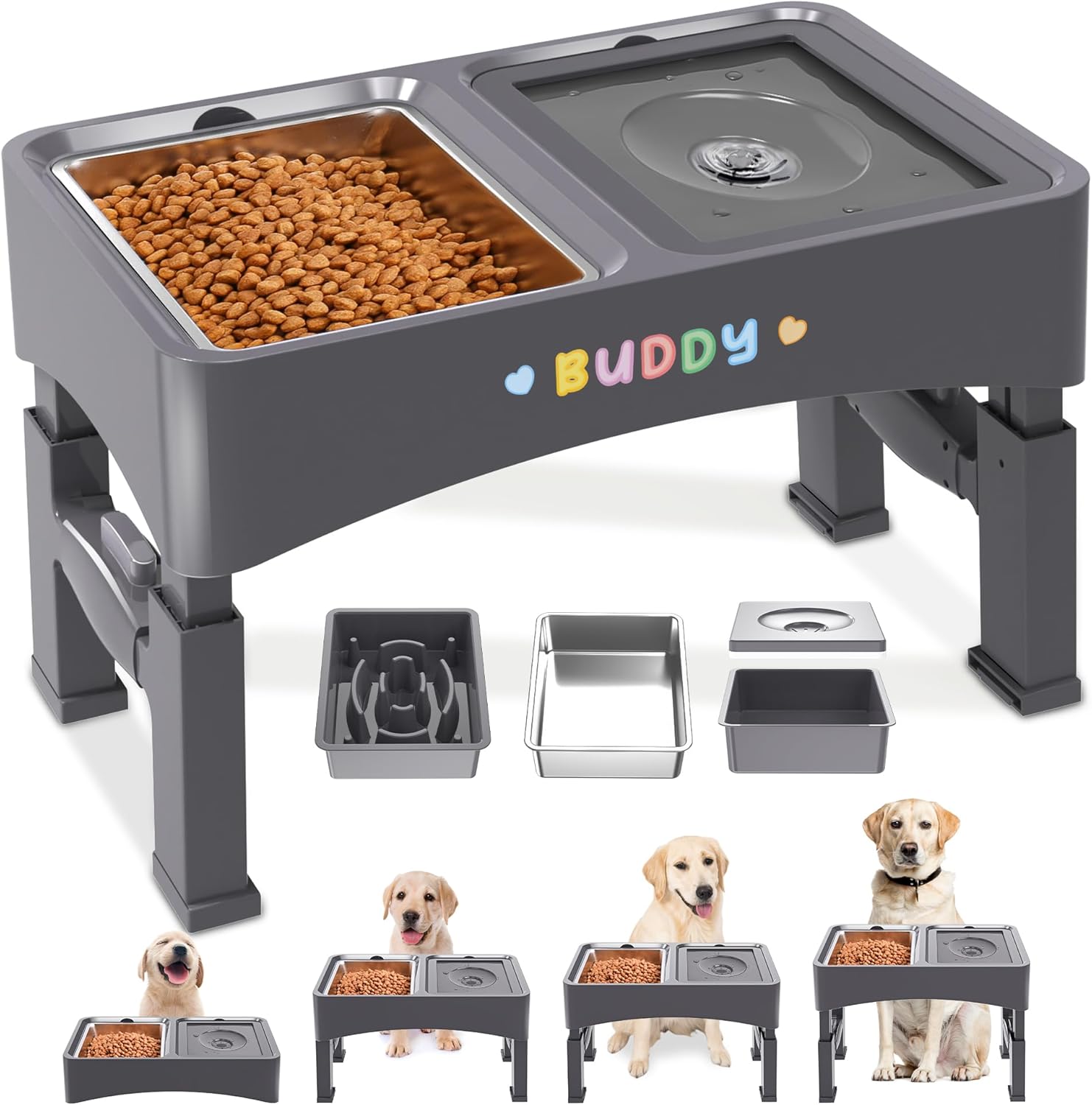
What to do instead: Select large-breed kibble that encourages chewing and slow eating. Consider using a slow-feeder bowl or puzzle feeder to further reduce the risk of bloat.
❌ Mistake: Not Transitioning Foods Gradually
Why it’s bad: Sudden changes in diet can cause digestive upset, including diarrhea, vomiting, and loss of appetite. Mastiffs have sensitive stomachs, and abrupt switches increase the risk of gastrointestinal distress.
What to do instead: Transition to a new food over 7–10 days, gradually increasing the proportion of new food while decreasing the old. Start with 25% new food and 75% old, then move to 50/50, then 75/25, before fully switching.
❌ Mistake: Relying Solely on Protein Percentage
Why it’s bad: A high protein percentage doesn’t guarantee quality. Plant-based proteins like pea or lentil protein are less digestible and may not provide complete amino acid profiles.
What to do instead: Focus on the source of protein. Animal-based proteins should dominate the ingredient list. Use protein percentage as a secondary metric, not the primary one.
❌ Mistake: Buying in Bulk Without Testing
Why it’s bad: Purchasing a large bag of food only to discover your Mastiff refuses to eat it or has an adverse reaction can be a costly mistake.
What to do instead: Start with a small bag or sample size to test palatability and digestibility. Many brands offer trial sizes or money-back guarantees.
❌ Mistake: Neglecting to Monitor Body Condition
Why it’s bad: Mastiffs are prone to obesity, which strains joints and shortens lifespan. Feeding guidelines on packaging are estimates and may not suit your dog’s individual needs.
What to do instead: Regularly assess your dog’s body condition using the rib test—you should be able to feel ribs without seeing them. Adjust portions based on activity level, age, and weight trends.
Budget Guidelines: How Much Should You Spend?
Feeding a Mastiff is a significant expense—these dogs can consume 6 to 10 cups of food per day, depending on age, size, and activity level. However, you don’t need to spend a fortune to feed them well. Here’s a realistic breakdown of what to expect at different price points:
Entry-Level ($1.00–$1.50 per pound): At this price, you’ll find basic kibble from store brands or lesser-known manufacturers. While some options are decent, many rely on fillers like corn and soy, and may lack joint supplements or high-quality proteins. Look for AAFCO-compliant formulas with named meat sources, but be prepared to supplement with joint support or omega oils if needed. This tier is best for short-term use or as a base to which you add fresh food.
Mid-Range ($1.50–$2.50 per pound): This is the sweet spot for most Mastiff owners. Brands in this range often include real meat as the first ingredient, digestible grains or grain alternatives, and added supplements like glucosamine and omega fatty acids. Many are made by reputable manufacturers and offer large-breed-specific formulas. You’ll find excellent value here, with foods that support long-term health without breaking the bank.
Premium ($2.50–$3.50 per pound): These foods typically feature higher meat content, novel proteins (like duck or venison), and minimal processing. They often include probiotics, prebiotics, and advanced joint support. While more expensive, they can reduce the need for supplements and may improve coat, energy, and digestion. Ideal for owners willing to invest in long-term health.
Luxury ($3.50+ per pound): At this level, you’re paying for convenience, exotic ingredients, or specialized formulations (e.g., raw, fresh, or human-grade). While nutritionally superior, these options are often overkill for most Mastiffs and can be cost-prohibitive for daily feeding. Reserve these for occasional treats or if your dog has specific medical needs.

Expert Tips for Getting the Best Deal
1. Buy in Bulk During Sales: Stock up on dog food during seasonal promotions like Black Friday, Amazon Prime Day, or end-of-season clearances. Many retailers offer 20–30% off large bags. Just ensure you have proper storage to keep kibble fresh.
2. Subscribe and Save: Use subscription services from Chewy, Amazon, or Petco to lock in discounts (often 10–15%) and avoid price hikes. You can usually pause or cancel anytime.
3. Compare Unit Prices: Don’t assume a larger bag is cheaper per pound. Always check the price per pound or per cup to compare value across brands and sizes.
4. Look for Store Brands from Trusted Retailers: Brands like Kirkland Signature (Costco), Wellness Core (sold at Petco), or Nature’s Recipe (Amazon) are often manufactured by top-tier companies and offer premium nutrition at mid-range prices.
5. Use Cashback and Rewards Programs: Sign up for cashback sites like Rakuten or use credit cards with pet-related rewards. Over time, these can add up to significant savings.
6. Avoid Impulse Buys on “Premium” Labels: Just because a food says “grain-free” or “holistic” doesn’t mean it’s better. Focus on ingredients and AAFCO compliance, not marketing.
7. Test Before Committing: Order sample sizes or small bags first. If your Mastiff loves it and digests it well, then invest in a larger quantity.
8. Store Food Properly: Keep kibble in an airtight container in a cool, dry place to prevent spoilage and extend shelf life. This reduces waste and saves money.
Frequently Asked Questions
Q: Can I feed my Mastiff the same food as my smaller dog?
A: Not recommended. Mastiffs have different nutritional needs, especially regarding calcium, phosphorus, and joint support. Large-breed formulas are designed to support controlled growth and reduce the risk of skeletal issues. Feeding a small-breed formula may lack essential nutrients or provide excessive calories.
Q: Is grain-free food better for Mastiffs?
A: Not necessarily. While grain-free diets can help dogs with grain allergies, they’re not inherently healthier. Some grain-free foods use legumes, which may be linked to heart issues. Choose based on your dog’s individual needs and consult your vet if unsure.
Q: How much should I feed my Mastiff?
A: Adult Mastiffs typically need 6–10 cups of high-quality kibble per day, split into two meals. Puppies may need more frequent feeding. Always follow the feeding guidelines on the package and adjust based on your dog’s weight, activity, and body condition.
Q: Can I mix wet and dry food?
A: Yes! Mixing wet food with dry can improve palatability, increase moisture intake, and help picky eaters. Just adjust portions to avoid overfeeding—wet food is calorie-dense.
Q: How often should I change my dog’s food?
A: There’s no need to change food unless your dog has allergies, digestive issues, or you’re switching life stages. Frequent changes can upset the stomach. When you do switch, do it gradually over 7–10 days.
Q: Are homemade diets cheaper than commercial food?
A: Not usually. While homemade meals allow control over ingredients, they require careful balancing of nutrients and can become expensive when feeding a 150+ pound dog. Commercial foods are formulated to meet AAFCO standards and are often more cost-effective.
Q: What should I do if my Mastiff gains weight?
A: Reduce portion sizes, increase exercise, and consider switching to a lower-calorie or weight-management formula. Avoid free-feeding and limit treats to 10% of daily calories.
Q: Can I feed my Mastiff raw food on a budget?
A: Raw feeding can be expensive, but budget-friendly options exist, such as frozen raw patties or DIY raw diets using affordable meats like chicken necks or beef hearts. Always consult a vet or canine nutritionist to ensure balance.
Q: How do I know if a food is causing an allergy?
A: Signs include itching, ear infections, digestive upset, or chronic licking. If suspected, try an elimination diet with a novel protein (like duck or venison) and single carbohydrate source for 8–12 weeks.
Q: Is it safe to buy dog food online?
A: Yes, as long as you purchase from reputable retailers like Chewy, Amazon, or the brand’s official website. Check for secure payment options and return policies.
Our Final Recommendations
Best for Budget-Conscious Buyers: Kirkland Signature Large Breed Adult – Made by Diamond Pet Foods, this formula features real chicken, brown rice, and added glucosamine. At under $1.50 per pound, it offers exceptional value and AAFCO compliance.
Best Overall Value: Purina Pro Plan Large Breed Adult – With high-quality protein, probiotics, and joint support, this mid-range option balances cost and nutrition. Widely available and trusted by veterinarians.
Best Premium Option: Wellness Core Large Breed – Grain-free, high-protein, and rich in omega fatty acids, this food supports muscle, coat, and joint health. Ideal for owners willing to invest a bit more.
Best for Beginners: Blue Buffalo Life Protection Formula Large Breed – Easy to find, with real meat, whole grains, and LifeSource Bits for added vitamins. A great starting point for new Mastiff owners.
Best for Advanced Users: Orijen Original or Regional Red – Biologically appropriate, with 85% animal ingredients and minimal processing. Best for those seeking raw-like nutrition without the hassle.
Conclusion: Making the Right Choice
Feeding your Mastiff doesn’t have to be a financial burden. With the right knowledge, you can find affordable dog food that supports your dog’s size, energy needs, and long-term health. The key is to prioritize quality ingredients, AAFCO compliance, and breed-specific nutrition—even when shopping on a budget. Avoid the temptation to cut corners with fillers or untested brands, and instead focus on value-driven options that deliver real nutrition.
Remember, the cheapest food isn’t always the most cost-effective if it leads to health problems down the line. Invest in your Mastiff’s diet now to save on vet bills, medications, and emotional stress later. Use the tips in this guide to compare brands, read labels like a pro, and make informed decisions that benefit both your wallet and your dog’s well-being.
Ultimately, the best cheap dog food for your Mastiff is one that keeps them healthy, happy, and thriving—without draining your bank account. Whether you choose a store brand, a mid-tier formula, or a premium option, the most important thing is consistency, quality, and love. Your gentle giant deserves nothing less.