
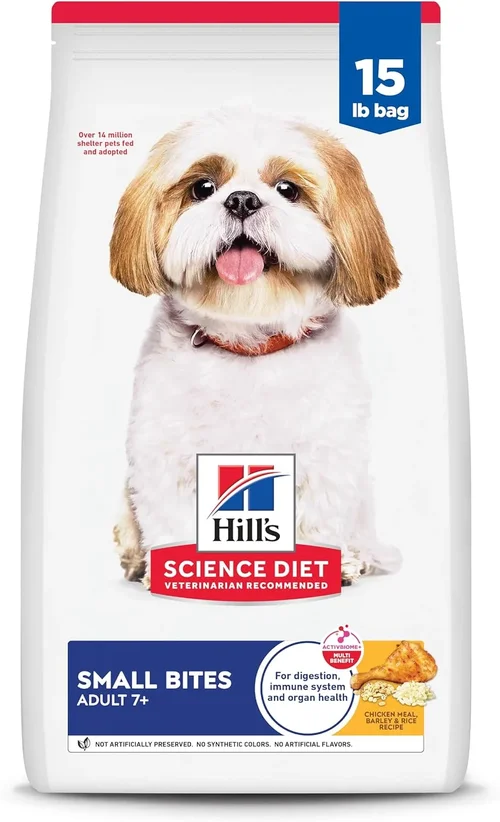
As our beloved canine companions age, their nutritional needs shift in ways that can significantly impact their health, energy levels, and overall quality of life. Senior dogs—typically those over seven years old, though this varies by breed and size—often experience slower metabolisms, reduced activity levels, joint stiffness, and increased susceptibility to chronic conditions like kidney disease, diabetes, or heart issues. Feeding them the right food becomes more than just a matter of preference; it’s a vital component of proactive healthcare. Unfortunately, many pet owners assume that quality senior dog food must come with a hefty price tag. While premium brands dominate the headlines, there’s a growing market of affordable, nutritionally balanced options that deliver real value without compromising on essential ingredients.
This guide is designed to cut through the noise and help you make an informed, budget-friendly decision when choosing the best cheap senior dog food in 2026. Whether you’re caring for a small terrier entering her golden years or a large breed like a Labrador showing early signs of aging, we’ll walk you through everything you need to know—from understanding key nutritional requirements to decoding ingredient labels, comparing product types, and avoiding common pitfalls. You’ll learn how to identify high-value formulas that support joint health, maintain lean muscle mass, promote digestive wellness, and keep your senior pup feeling vibrant, all while staying within a reasonable budget. The goal isn’t just to save money—it’s to ensure your dog receives optimal nutrition at a stage in life when it matters most.
The senior dog food market has evolved dramatically over the past decade. Once limited to a handful of expensive prescription diets or generic kibble with minimal age-specific benefits, today’s offerings include a wide spectrum of affordable, science-backed formulas tailored to older dogs. Major pet food manufacturers now recognize the demand for cost-effective senior nutrition, leading to innovations in ingredient sourcing, formulation transparency, and packaging efficiency. Online retailers, subscription services, and warehouse clubs have further driven down prices through bulk sales and direct-to-consumer models. As a result, pet owners no longer have to choose between affordability and quality. This guide will help you navigate that expanded landscape with confidence, empowering you to find a product that fits both your dog’s health needs and your financial reality.

What to Look for When Buying Buying Guide
1. Protein Content and Quality
Protein is the cornerstone of any senior dog’s diet, but not all proteins are created equal. As dogs age, their ability to process and utilize protein can decline, making it essential to choose foods with highly digestible, high-quality animal-based proteins. Look for named meat sources like chicken, turkey, lamb, or salmon listed as the first ingredient—avoid vague terms like “meat meal” or “animal by-product meal.” Aim for a minimum crude protein content of 18–22% for most senior dogs, though larger breeds may benefit from slightly higher levels to preserve muscle mass. However, dogs with kidney disease may require lower protein intake, so always consult your veterinarian if your dog has pre-existing conditions.
2. Fat Levels and Omega Fatty Acids
While senior dogs generally need fewer calories due to reduced activity, they still require healthy fats for energy, skin health, and cognitive function. Look for moderate fat content—typically between 10% and 15%—to avoid weight gain while supporting metabolic needs. Crucially, prioritize foods rich in omega-3 and omega-6 fatty acids, especially EPA and DHA from fish oil or flaxseed. These compounds help reduce inflammation, support brain health, and improve coat condition. Avoid foods with excessive saturated fats or unnamed fat sources like “animal fat,” which may come from low-quality rendering processes.
3. Joint Support Ingredients
Arthritis and joint stiffness are among the most common ailments in senior dogs. The best cheap senior dog foods include natural supplements like glucosamine, chondroitin, and MSM (methylsulfonylmethane), which help maintain cartilage integrity and reduce discomfort. Some formulas also incorporate green-lipped mussel extract or turmeric for additional anti-inflammatory benefits. While these ingredients won’t reverse advanced arthritis, they can slow progression and improve mobility when included consistently in the diet. Always verify that these supplements are present in meaningful amounts—not just trace quantities added for marketing purposes.
4. Digestive Health and Fiber
Aging digestive systems often struggle with nutrient absorption and regularity. Senior dog foods should include moderate levels of fiber—around 3–7%—to support healthy bowel movements without causing gas or bloating. Look for fermentable fibers like beet pulp, pumpkin, or chicory root, which act as prebiotics to nourish beneficial gut bacteria. Probiotics (live active cultures) are another plus, though their effectiveness depends on proper storage and viability. Avoid excessive fillers like corn, wheat, or soy, which can irritate sensitive stomachs and contribute to poor digestion.
5. Calorie Density and Portion Control
Senior dogs are prone to weight gain due to lower activity levels and slower metabolisms. Overweight seniors face increased risks of diabetes, joint stress, and heart disease. Therefore, choosing a calorie-controlled formula is essential. Most senior dog foods range from 300 to 400 kcal per cup, but always check the feeding guidelines based on your dog’s ideal weight—not current weight. Some budget brands offer “light” or “low-calorie” versions specifically for less active seniors. Avoid overfeeding by measuring portions accurately and adjusting based on body condition score rather than appetite alone.
6. Added Vitamins and Minerals
Senior dogs benefit from enhanced levels of certain vitamins and minerals to counteract age-related deficiencies. Antioxidants like vitamin E, vitamin C, and beta-carotene help combat oxidative stress and support immune function. Chelated minerals (e.g., zinc proteinate, iron amino acid chelate) are more bioavailable than inorganic forms, meaning your dog absorbs them more efficiently. Sodium should be limited—ideally under 0.3%—to reduce strain on the heart and kidneys. Always ensure the food meets AAFCO (Association of American Feed Control Officials) nutrient profiles for adult maintenance or senior dogs.
7. Ingredient Transparency and Sourcing
Even budget-friendly dog foods should prioritize ingredient transparency. Reputable brands clearly list all components, including the source of proteins, fats, and carbohydrates. Avoid products with artificial colors, flavors, or preservatives like BHA, BHT, or ethoxyquin—these have been linked to health concerns in long-term studies. Look for natural preservatives such as mixed tocopherols (vitamin E) or rosemary extract. While “grain-free” is trendy, it’s not necessary for all seniors; whole grains like brown rice or oats can provide valuable fiber and energy if your dog tolerates them well.
8. Brand Reputation and Recall History
Price shouldn’t come at the cost of safety. Research the manufacturer’s history for recalls, contamination issues, or misleading labeling. Established brands with third-party testing, transparent sourcing, and positive veterinary endorsements are more likely to deliver consistent quality—even in their budget lines. Check websites like the FDA’s pet food recall database or consumer review platforms for red flags. A slightly higher upfront cost may save you from costly vet bills down the line if a cheaper brand uses subpar ingredients or poor manufacturing practices.
Different Types of Buying Guide

Common Buying Mistakes to Avoid

❌ Mistake: Choosing Based Solely on Price
Why it’s bad: The cheapest option often uses low-quality proteins, excessive fillers, and artificial additives that can harm your senior dog’s health over time. Poor nutrition may lead to weight gain, digestive upset, or exacerbated chronic conditions.
What to do instead: Focus on value—not just cost. Compare price per pound or per serving, and evaluate ingredient quality. A slightly more expensive bag that lasts longer and keeps your dog healthier is ultimately more economical.
❌ Mistake: Ignoring Your Dog’s Specific Health Needs
Why it’s bad: Not all senior dogs have the same requirements. A dog with kidney disease needs a very different diet than one with arthritis or diabetes. Using a generic “senior” formula without considering individual health issues can worsen symptoms.
What to do instead: Consult your veterinarian before switching foods. Ask for recommendations based on your dog’s breed, weight, activity level, and medical history. Many vets can suggest affordable therapeutic or maintenance diets.
❌ Mistake: Overlooking Transition Periods
Why it’s bad: Sudden diet changes can cause vomiting, diarrhea, or refusal to eat—especially in older dogs with sensitive stomachs. This can lead to dehydration or nutritional gaps.
What to do instead: Gradually transition over 7–10 days by mixing increasing amounts of the new food with the old. Start with 25% new food and 75% old, then shift to 50/50, then 75/25, before going fully to the new formula.
❌ Mistake: Believing All “Natural” or “Organic” Labels
Why it’s bad: Terms like “natural” or “organic” are not strictly regulated in pet food and don’t guarantee nutritional adequacy or safety. Some budget brands use these labels as marketing tactics without meaningful differences in formulation.
What to do instead: Look for AAFCO statements on the packaging confirming the food meets nutritional standards. Verify certifications from reputable organizations like USDA Organic or NSF if those matter to you.
❌ Mistake: Feeding Based on Age Alone
Why it’s bad: Age is just one factor. A 10-year-old active Border Collie has very different needs than a sedentary 8-year-old Bulldog. Relying solely on age-based labels can result in under- or over-feeding.
What to do instead: Assess your dog’s body condition score (BCS), energy level, and vet recommendations. Adjust portions and formula type accordingly—some seniors thrive on adult maintenance food with added supplements.
❌ Mistake: Neglecting Hydration
Why it’s bad: Senior dogs are prone to dehydration, which can strain kidneys and worsen urinary tract issues. Dry kibble alone provides minimal moisture.
What to do instead: Add warm water, low-sodium broth, or switch to wet food occasionally to boost hydration. Ensure fresh water is always available and encourage drinking through puzzle feeders or multiple water stations.
❌ Mistake: Sticking to One Brand Indefinitely
Why it’s bad: Dogs can develop sensitivities or boredom with the same food over years. Limited ingredient rotation may also restrict nutrient diversity.
What to do instead: Rotate between 2–3 trusted brands or formulas every few months (with proper transitions). This can reduce allergy risk and keep mealtime exciting.
Budget Guidelines: How Much Should You Spend?
– Entry-Level ($10–$20 per 15-lb bag): What to expect… These are typically store-brand or value-line senior formulas found at big-box retailers. While they may contain basic proteins and grains, ingredient quality can vary. Look for options with named meat sources and avoid those heavy on corn, soy, or by-products. Best for healthy seniors with no major health concerns.
– Mid-Range ($20–$35 per 15-lb bag): Sweet spot for most buyers… This tier offers the best balance of affordability and nutrition. Brands in this range often include joint supplements, probiotics, and higher-quality proteins. Many are formulated with input from veterinary nutritionists and undergo third-party testing. Ideal for the majority of senior dogs.
– Premium ($35–$50 per 15-lb bag): For enthusiasts and professionals… These foods use human-grade ingredients, novel proteins (like duck or venison), and advanced formulations targeting specific aging concerns. Often grain-free or limited-ingredient, they’re great for dogs with allergies or sensitivities. Still more affordable than prescription diets.
– Luxury ($50+ per 15-lb bag): Top-tier features… Includes fresh, frozen, or custom meal plans with organic, locally sourced ingredients. Subscription services often fall here. While excellent for picky or medically complex seniors, they’re usually unnecessary for healthy dogs and can strain household budgets.

Expert Tips for Getting the Best Deal
– Time your purchases around seasonal sales: Major pet food retailers often run promotions in January (post-holiday), April (National Pet Month), and November (Black Friday). Stock up during these periods to lock in lower prices.
– Compare unit pricing online: Use websites like Chewy, Petco, or Amazon to compare price per pound across brands. Filter by “senior” and sort by best value—not just lowest total cost.
– Sign up for retailer newsletters: Stores like PetSmart, Chewy, and Walmart frequently send exclusive coupons or early access to sales via email.
– Check warehouse clubs: Costco, Sam’s Club, and BJ’s often carry large bags of reputable senior dog food at significant discounts—sometimes 30% less than grocery stores.
– Read return policies carefully: Some retailers won’t accept opened pet food returns. If your dog refuses the new food, you could be stuck with a full bag. Look for stores with flexible return windows or sample programs.
– Test small quantities first: Before committing to a 30-pound bag, buy a smaller size or request a sample (many brands offer these online). This minimizes waste if your dog doesn’t tolerate the food well.
– Consider store brands with caution: While Walmart’s Pure Balance or Costco’s Kirkland Signature can be excellent, always check the ingredient list and AAFCO statement. Some perform as well as national brands at half the price.
– Ask your vet about rebates or programs: Some manufacturers offer financial assistance or rebates for senior dogs, especially if transitioning from prescription diets. Your vet may have coupons or samples on hand.

Frequently Asked Questions
Q: How do I know when my dog is considered a senior?
A: Generally, dogs enter their senior years around age 7, but this varies by size. Small breeds (under 20 lbs) may not be seniors until 10–12, while giant breeds (over 90 lbs) can be seniors as early as 5–6. Signs include graying muzzle, reduced activity, stiffness, or changes in appetite. Your vet can help determine if your dog benefits from a senior-specific diet.
Q: Can I feed my senior dog regular adult dog food?
A: Yes, if your dog is healthy and maintains a good body condition. However, senior-specific formulas are optimized for aging metabolism, joint health, and digestion. If your dog shows signs of slowing down, consider switching—even if they’re technically still an “adult.”
Q: Is grain-free senior dog food better?
A: Not necessarily. Grain-free diets gained popularity due to allergy concerns, but recent FDA investigations linked them to heart issues in some dogs. Unless your senior has a diagnosed grain allergy, whole grains like oats or brown rice provide beneficial fiber and energy. Focus on overall ingredient quality instead.
Q: How often should I feed my senior dog?
A: Most seniors do well with two meals per day to aid digestion and prevent bloating. Smaller, more frequent meals may help dogs with dental pain or nausea. Always follow the feeding guidelines on the package and adjust based on weight and energy levels.
Q: What if my senior dog won’t eat the new food?
A: Try warming it slightly, adding low-sodium chicken broth, or mixing in a spoonful of wet food. Ensure the kibble isn’t too hard—some seniors struggle with chewing. If refusal persists beyond a few days, consult your vet to rule out dental or medical issues.
Q: Are homemade senior dog diets cheaper?
A: Not always. While cooking at home seems economical, balancing nutrients for seniors requires careful planning and often supplementation. Mistakes can lead to deficiencies or toxicities. If you choose homemade, work with a veterinary nutritionist and expect higher costs for quality ingredients.
Q: Do senior dogs need fewer calories?
A: Typically, yes—due to lower activity and slower metabolism. However, underweight seniors or very active individuals may need more. Use a body condition score chart (available from vets) to assess if your dog is too thin, ideal, or overweight, then adjust calories accordingly.
Q: Can I mix different senior dog foods?
A: Yes, as long as both are complete and balanced. Mixing can help transition foods or add variety. Avoid mixing prescription diets with regular food unless directed by your vet.
Q: How long does it take to see improvements after switching?
A: Most owners notice better energy, coat shine, or stool quality within 2–4 weeks. Joint supplements like glucosamine may take 6–8 weeks to show effects. Be patient and consistent.
Q: Is it safe to buy dog food online?
A: Absolutely—reputable online retailers offer competitive prices, detailed product info, and customer reviews. Just ensure the site is secure, check expiration dates upon delivery, and store food properly to maintain freshness.
Our Final Recommendations
– Best for Budget-Conscious Buyers: Purina ONE SmartBlend Senior – At around $18 for a 16.5-lb bag, this formula offers real chicken as the first ingredient, includes glucosamine for joints, and has added vitamins for immune support. Widely available and vet-recommended.
– Best Overall Value: Blue Buffalo Life Protection Formula Senior – Priced at $28–$32 per 15-lb bag, it features deboned chicken, brown rice, and LifeSource Bits packed with antioxidants. Includes glucosamine and chondroitin, with no poultry by-product meals.
– Best Premium Option: Wellness Complete Health Senior Deboned Chicken & Barley – Around $40 per 15-lb bag, this grain-inclusive recipe uses high-quality proteins, prebiotic fiber, and omega fatty acids. Ideal for seniors needing extra nutritional support without prescription costs.
– Best for Beginners: Iams ProActive Health Senior – Affordable ($22 per 15-lb bag), easy to find, and formulated with L-carnitine for lean muscle maintenance. Great for first-time senior food switchers due to its gentle transition profile.
– Best for Advanced Users: The Honest Kitchen Human-Grade Dehydrated Senior Recipe – At $45 for a 7-lb box (makes ~28 lbs when rehydrated), this minimally processed option uses whole foods and is ideal for owners who want control over ingredients and preparation.
Conclusion: Making the Right Choice
Choosing the best cheap senior dog food isn’t about finding the lowest price—it’s about finding the best nutritional value for your aging companion. As we’ve explored, senior dogs have unique needs that require thoughtful consideration of protein quality, joint support, digestion, and overall ingredient integrity. Fortunately, 2026 offers more affordable, science-driven options than ever before, allowing pet owners to provide excellent care without overspending.
Remember, every dog is an individual. What works for one senior may not suit another. Prioritize your dog’s health status, consult your veterinarian, and don’t hesitate to experiment within your budget to find the perfect match. Use the guidelines, avoid common pitfalls, and take advantage of expert tips to stretch every dollar while maximizing wellness.
Your senior dog has given you years of loyalty, love, and joy. The right food is one of the simplest, most impactful ways to return that devotion in their golden years. With the knowledge from this guide, you’re now equipped to make a confident, compassionate, and cost-effective choice—so your faithful friend can enjoy every moment with comfort, vitality, and dignity.