
If your dog is constantly scratching, suffering from ear infections, or dealing with digestive upset, food allergies could be the culprit—and chicken is one of the most common allergens in canine diets. Unlike humans, dogs don’t typically develop allergies overnight. Instead, they build up sensitivities over time through repeated exposure to certain proteins, with chicken topping the list. In fact, veterinary dermatologists estimate that up to 30% of dogs with food allergies react to chicken or chicken by-products. This makes choosing the right chicken-free dog food not just a preference, but a necessity for many pet parents.
Navigating the world of hypoallergenic and limited-ingredient dog foods can feel overwhelming. The market is flooded with options claiming to be “grain-free,” “natural,” or “sensitive stomach formulas,” but not all are created equal—and many still contain hidden chicken derivatives like chicken meal, chicken fat, or even hydrolyzed chicken protein. That’s why this guide exists: to cut through the marketing noise and give you science-backed, practical advice on selecting the best chicken-free dog food for dogs with allergies. Whether your pup has been diagnosed with a food allergy or you’re proactively switching to prevent future issues, we’ll walk you through everything you need to know—from ingredient decoding to budget considerations and top brand comparisons.
Over the past decade, the demand for alternative-protein dog foods has surged, driven by rising awareness of canine allergies and a growing emphasis on pet health. Major brands like Hill’s Science Diet, Royal Canin, and Purina have expanded their hypoallergenic lines, while niche players like The Honest Kitchen, Open Farm, and Zignature have carved out loyal followings with novel protein sources like duck, venison, and kangaroo. At the same time, pet owners are demanding greater transparency, leading to cleaner labels and third-party testing. This guide reflects the latest trends and formulations available in 2026, ensuring you’re equipped with up-to-date, expert-level insights to make the best choice for your dog’s unique needs.
What to Look for When Buying Chicken-Free Dog Food
1. Novel Protein Sources
When dogs develop allergies to common proteins like chicken, beef, or lamb, veterinarians often recommend switching to a novel protein—one your dog has never eaten before. Novel proteins reduce the likelihood of an immune reaction because the body hasn’t built up antibodies against them. Examples include duck, rabbit, venison, kangaroo, bison, and even fish like salmon or whitefish (though note: some dogs can also be allergic to fish).
Look for brands that clearly list the primary protein source and avoid vague terms like “meat meal” or “animal digest.” Ideally, the first ingredient should be a named, whole protein (e.g., “deboned duck” or “rabbit meal”). Be cautious with “hydrolyzed” proteins—while they’re broken down to prevent allergic reactions, some hydrolyzed formulas still use chicken as the base, so always check the label.
2. Limited Ingredient Formulas
Limited ingredient diets (LIDs) contain fewer components than standard kibble, making it easier to identify and eliminate allergens. A true LID should have one protein source and one carbohydrate source, with minimal added fats, fillers, or artificial additives. For example, a chicken-free LID might feature duck and sweet potato, or salmon and peas.
While “limited” doesn’t always mean “hypoallergenic,” these diets are ideal for dogs with suspected food sensitivities. Avoid products with long ingredient lists—even if they’re chicken-free, too many components increase the risk of cross-reactivity or hidden allergens. Also, be wary of “grain-free” labels; grains like rice or oats are rarely allergens, and removing them unnecessarily can lead to nutritional imbalances or heart issues linked to certain legumes.
3. Absence of Hidden Chicken Derivatives
Chicken can hide under many names on pet food labels. Even if a product claims to be “chicken-free,” it may still contain chicken meal, chicken fat, chicken broth, or chicken liver powder. These derivatives are highly allergenic because they retain the proteins that trigger immune responses.
Always scan the full ingredient list—not just the front label. The Association of American Feed Control Officials (AAFCO) requires full disclosure, so manufacturers must list all ingredients in descending order by weight. If you see any form of chicken (including “poultry fat,” which is often chicken-derived unless specified otherwise), avoid it. Some brands go the extra mile by stating “no chicken or chicken by-products” on the packaging, which adds an extra layer of assurance.
Common Chicken Derivatives to Avoid:
- Chicken meal
- Chicken fat (unless labeled “duck fat” or “salmon oil”)
- Chicken broth
- Chicken liver
- Poultry fat (often chicken)
- Hydrolyzed chicken protein
4. Complete and Balanced Nutrition
Just because a food is chicken-free doesn’t mean it’s nutritionally complete. Dogs require a balanced intake of protein, fats, carbohydrates, vitamins, and minerals to thrive. AAFCO nutritional adequacy statements on the packaging confirm whether the food meets standards for growth, maintenance, or all life stages.
Look for foods that specify they are “complete and balanced” and ideally backed by feeding trials (not just formulation). Avoid DIY or homemade diets unless formulated by a veterinary nutritionist—many lack essential nutrients like taurine, calcium, or vitamin E, which can lead to serious health issues over time. Even among commercial brands, quality varies: premium options often use human-grade ingredients and include probiotics, omega-3 fatty acids, and joint-supporting supplements like glucosamine.
5. Digestive Health Support
Food allergies often manifest as gastrointestinal symptoms—diarrhea, vomiting, gas, or chronic loose stools. A high-quality chicken-free diet should support digestive health through easily digestible ingredients and added functional components.
Prebiotics (like FOS and MOS) and probiotics help maintain a healthy gut microbiome, which plays a key role in immune regulation. Fiber sources such as pumpkin, beet pulp, or chicory root can improve stool quality. Avoid foods with excessive fillers like corn syrup, soy, or artificial preservatives (BHA, BHT), which can irritate sensitive stomachs. Some brands now include postbiotics—metabolites produced by probiotics—that have been shown to reduce inflammation and strengthen the gut barrier.
6. Brand Transparency and Testing
Not all pet food companies are equally transparent about sourcing, manufacturing, or testing. Reputable brands provide detailed information about where ingredients come from, how food is processed, and whether third-party labs verify safety and nutritional content.
Look for companies that publish feeding trial results, conduct regular pathogen testing (especially for salmonella and E. coli), and are members of the Pet Food Institute or Global Animal Partnership. Brands that offer batch-specific certificates of analysis (COAs) or QR codes linking to ingredient traceability are setting a higher standard. Avoid companies with a history of recalls or vague sourcing practices—especially those importing from regions with less stringent regulations.
7. Palatability and Acceptance
Even the most nutritionally sound diet is useless if your dog refuses to eat it. Palatability is crucial, especially for dogs with allergies who may already be feeling unwell or hesitant about new foods.
Some novel proteins like kangaroo or rabbit have a stronger odor that dogs love, while others like duck or salmon are naturally flavorful. Wet food options often have higher palatability due to moisture content and aroma. If your dog is a picky eater, consider mixing in a small amount of bone broth (ensure it’s onion- and garlic-free) or warming the food slightly to enhance scent. Gradual transitions over 7–10 days can also help prevent digestive upset and increase acceptance.
8. Veterinarian Recommendations and Clinical Support
While many chicken-free diets are available over the counter, dogs with confirmed or suspected food allergies should ideally be managed under veterinary supervision. Your vet can perform elimination diet trials, skin or blood tests, and recommend prescription-grade hypoallergenic foods if needed.
Prescription diets like Hill’s z/d or Royal Canin Hypoallergenic Hydrolyzed Protein are formulated in labs and undergo rigorous testing. They’re often more expensive but offer the highest level of safety for severe cases. That said, many over-the-counter options now rival prescription quality—just ensure they’re AAFCO-compliant and free from cross-contamination risks. Always consult your vet before making a switch, especially if your dog has concurrent health issues like pancreatitis or kidney disease.
Different Types of Chicken-Free Dog Food

Common Buying Mistakes to Avoid
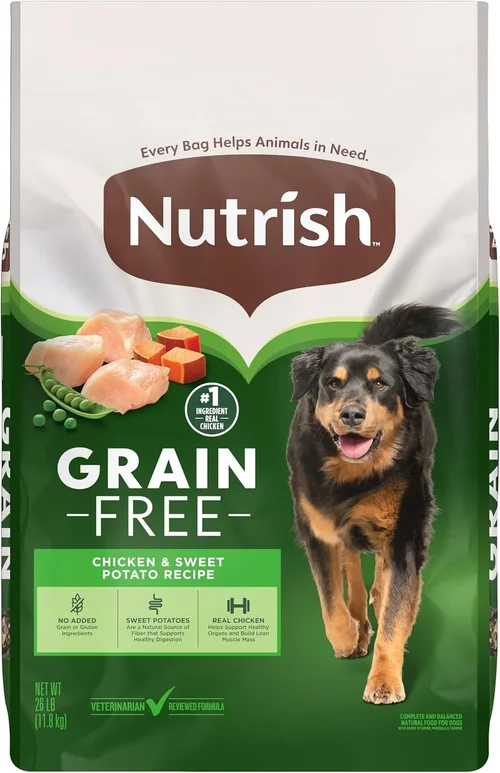
❌ Mistake: Assuming “Grain-Free” Means Allergy-Safe
Why it’s bad: Grain-free diets gained popularity due to marketing claims about being “more natural,” but grains like rice, oats, and barley are rarely allergens. In fact, the FDA has linked certain grain-free diets high in legumes (peas, lentils, chickpeas) to dilated cardiomyopathy (DCM) in dogs. Just because a food is grain-free doesn’t mean it’s safe for dogs with chicken allergies—and it might even introduce new risks.
What to do instead: Focus on protein source first. Choose a chicken-free diet that includes safe carbohydrates like sweet potato, pumpkin, or oatmeal. If your dog tolerates grains well, there’s no need to avoid them—they provide fiber and energy.
❌ Mistake: Switching Proteins Too Frequently
Why it’s bad: Constantly rotating proteins (“rotation feeding”) may seem like a good way to prevent allergies, but it can actually increase the risk of developing new sensitivities. Dogs need consistency during elimination trials to accurately identify triggers.
What to do instead: Stick to one novel protein for at least 8–12 weeks before evaluating results. Only rotate under veterinary guidance or after confirming tolerance. If you do rotate, keep a detailed food journal to track reactions.
❌ Mistake: Ignoring Cross-Contamination Risks
Why it’s bad: Even if a food is labeled chicken-free, it may be manufactured in facilities that also process chicken. Cross-contamination can trigger allergic reactions in sensitive dogs, especially those with severe allergies.
What to do instead: Choose brands that state “made in a dedicated facility” or “tested for cross-contamination.” Call customer service to ask about manufacturing practices. Brands like Zignature and Natural Balance emphasize allergen-safe production.
❌ Mistake: Overlooking Treats and Supplements
Why it’s bad: Many dog treats, dental chews, and supplements contain chicken or chicken by-products. Feeding these while on a chicken-free diet can sabotage your efforts and cause symptoms to persist.
What to do instead: Read treat labels carefully. Opt for single-ingredient treats like freeze-dried duck liver or sweet potato chews. Use the same protein in treats as in meals for consistency.
❌ Mistake: Relying Solely on Blood or Saliva Allergy Tests
Why it’s bad: Commercial pet allergy tests (especially saliva-based ones) are often unreliable and not scientifically validated. False positives are common, leading owners to unnecessarily eliminate safe foods.
What to do instead: Work with your vet to conduct a strict elimination diet trial—the gold standard for diagnosing food allergies. Feed only the new food and water for 8–12 weeks, with no treats, table scraps, or flavored medications.
❌ Mistake: Choosing Based on Price Alone
Why it’s bad: Cheap dog foods often use low-quality proteins, fillers, and artificial additives that can worsen allergies or lead to nutritional deficiencies. Saving money upfront may result in higher vet bills later.
What to do instead: Invest in a mid-to-premium chicken-free diet that prioritizes whole ingredients and transparency. Think of it as preventive healthcare—better nutrition reduces long-term medical costs.
❌ Mistake: Not Transitioning Gradually
Why it’s bad: Sudden diet changes can cause gastrointestinal upset, even in healthy dogs. For dogs with allergies, this can mask whether the new food is working or if symptoms are due to the transition itself.
What to do instead: Mix the new food with the old over 7–10 days, gradually increasing the proportion. Monitor stool quality, energy levels, and skin condition throughout.
Budget Guidelines: How Much Should You Spend?
Chicken-free dog food spans a wide price range, and while cost doesn’t always equal quality, it often reflects ingredient sourcing, manufacturing standards, and nutritional research. Here’s a realistic breakdown to help you plan:
- Entry-Level ($1.50–$2.50/lb): These options are typically found at big-box stores and may use less expensive novel proteins like duck meal or salmon meal. While some are decent (e.g., Purina Pro Plan Sensitive Skin & Stomach Salmon & Rice), others rely on fillers and lack transparency. Best for short-term use or dogs with mild sensitivities.
- Mid-Range ($2.50–$4.00/lb): This is the sweet spot for most pet owners. Brands like Wellness Simple, Blue Buffalo Basics, and Nutro Limited Ingredient offer high-quality, AAFCO-compliant formulas with clear labeling and minimal additives. Many include probiotics and omega fatty acids. Ideal for long-term feeding and moderate allergy management.
- Premium ($4.00–$6.50/lb): These diets use human-grade ingredients, novel proteins like kangaroo or rabbit, and often feature fresh or freeze-dried components. Brands such as The Honest Kitchen, Open Farm, and Zignature fall here. They’re excellent for dogs with multiple allergies or those needing top-tier nutrition. Many are manufactured in small batches with rigorous testing.
- Luxury ($6.50+/lb): Reserved for prescription hydrolyzed diets (e.g., Hill’s z/d, Royal Canin Hypoallergenic) or ultra-premium fresh foods (e.g., Nom Nom, Farmer’s Dog custom recipes). These are scientifically formulated, vet-recommended, and often require a prescription. Best for severe, life-threatening allergies or dogs unresponsive to other diets.

Expert Tips for Getting the Best Deal
- Buy in Bulk During Sales: Major retailers like Chewy, Petco, and Amazon often run seasonal promotions (e.g., Black Friday, National Pet Day). Stock up on 3–6 months’ supply when discounts hit 20–30%. Subscribe-and-save programs can add another 5–10% off.
- Check Veterinarian Clinics: Some vets carry prescription diets at competitive prices or offer loyalty programs. They may also provide samples to test palatability before committing.
- Look for Manufacturer Rebates: Brands like Hill’s and Royal Canin frequently offer mail-in rebates or free bags with purchase. Sign up for their newsletters to stay informed.
- Compare Online vs. In-Store: Online retailers often have lower overhead and better deals, but local pet stores may price-match or offer free delivery. Use price-comparison tools like PetFoodDirect or Google Shopping.
- Read Return Policies: Ensure the retailer allows returns if your dog doesn’t tolerate the food. Chewy and Petco have generous return windows, while some smaller shops may not.
- Test Small Bags First: Many brands offer 4–6 lb trial sizes. Use these to assess palatability and digestive response before buying a 25 lb bag.
- Join Loyalty Programs: Petco’s Pals Rewards, Chewy’s Autoship, and Amazon’s Subscribe & Save offer points, discounts, and free shipping. Over time, these add up to significant savings.
- Ask About Autoship Discounts: Most online retailers offer 5–15% off for recurring deliveries. Even if you skip occasionally, the base discount makes it worthwhile.

Frequently Asked Questions
Q: Can dogs be allergic to chicken fat?
A: Yes. Chicken fat retains proteins that can trigger allergic reactions, even though it’s a fat source. Always check labels and avoid any product listing “chicken fat” unless it’s explicitly from a non-chicken source (e.g., “duck fat”).
Q: Is salmon a safe alternative for dogs with chicken allergies?
A: Generally, yes—but some dogs can develop allergies to fish too. If your dog has never eaten fish, salmon is a good novel protein option. However, avoid if there’s a family history of seafood allergies or if your dog reacts to other fish-based foods.
Q: How long does it take to see improvement after switching to chicken-free food?
A: Most dogs show reduced itching and digestive issues within 2–4 weeks. Full improvement may take 8–12 weeks, especially for skin conditions. Keep a symptom journal to track progress.
Q: Can I make homemade chicken-free dog food?
A: Yes, but it’s risky without veterinary guidance. Homemade diets often lack essential nutrients like calcium, taurine, and vitamin E. If you choose this route, work with a board-certified veterinary nutritionist to formulate a balanced recipe.
Q: Are grain-free diets better for dogs with allergies?
A: Not necessarily. Grains are rarely allergens, and grain-free diets may increase DCM risk. Focus on protein source first. Many dogs do well on grain-inclusive, chicken-free diets with rice or oats.
Q: What if my dog reacts to multiple proteins?
A: This suggests a more complex allergy profile. Your vet may recommend a hydrolyzed protein diet or an elemental formula. In rare cases, a novel protein like alligator or crocodile (available from specialty brands) may be used.
Q: Can puppies eat chicken-free food?
A: Yes, as long as it’s labeled for “growth” or “all life stages” and meets AAFCO standards. Puppies have higher protein and calorie needs, so choose a formula designed for their life stage.
Q: Do I need a vet prescription for hydrolyzed diets?
A: Most hydrolyzed protein diets are prescription-only and require a vet’s authorization. This ensures proper diagnosis and monitoring. Over-the-counter “hypoallergenic” foods are not the same as true hydrolyzed formulas.
Q: Can I mix wet and dry chicken-free food?
A: Absolutely. Many owners combine wet and dry to increase palatability and moisture intake. Just ensure both are chicken-free and from the same protein line to avoid confusion during elimination trials.
Q: What if my dog still has symptoms on chicken-free food?
A: It could be environmental allergies (pollen, dust mites), a different food allergen, or a medical condition like yeast overgrowth. Consult your vet for further testing and treatment options.
Our Final Recommendations
- Best for Budget-Conscious Buyers: Blue Buffalo Basics Limited Ingredient Diet, Duck & Potato – At around $2.80/lb, this formula uses real duck as the first ingredient, includes prebiotic fiber, and avoids common allergens. Widely available and AAFCO-complete.
- Best Overall Value: Wellness Simple Limited Ingredient Diet, Salmon & Potato – Priced at $3.50/lb, it offers high digestibility, probiotics, and no artificial additives. Great for dogs with mild to moderate allergies and sensitive stomachs.
- Best Premium Option: Zignature Kangaroo Formula – At $5.20/lb, this grain-free, novel-protein kibble uses kangaroo from Australia, paired with chickpeas and peas. Highly palatable and manufactured in a dedicated facility to prevent cross-contamination.
- Best for Beginners: Purina Pro Plan Sensitive Skin & Stomach, Salmon & Rice – A trusted brand with vet backing, this $3.00/lb formula is easy to find, well-tolerated, and includes omega-6 fatty acids for skin health. Ideal for first-time switchers.
- Best for Advanced Users: The Honest Kitchen Human-Grade Dehydrated Food, Turkey – At $8.50/lb, this minimally processed, human-grade option uses free-range turkey and organic vegetables. Just add water—perfect for owners seeking maximum transparency and freshness.
Conclusion: Making the Right Choice
Choosing the right chicken-free dog food for allergies isn’t just about eliminating one ingredient—it’s about understanding your dog’s unique biology, reading labels like a detective, and making informed decisions based on science, not marketing. From novel proteins and limited ingredients to digestive support and brand transparency, every factor plays a role in your dog’s long-term health and comfort. While the process may feel daunting at first, the payoff—reduced itching, better digestion, and a happier, more energetic pup—is well worth the effort.
Remember, every dog is different. What works for one may not work for another. Start with a high-quality, clearly labeled chicken-free diet, transition slowly, and monitor your dog closely. Keep your vet in the loop, especially if symptoms persist. And don’t forget the little things—like checking treats and supplements—that can make or break your allergy management plan.
Ultimately, the best chicken-free dog food is the one that keeps your dog healthy, happy, and symptom-free. Use this guide as your roadmap, trust your instincts, and prioritize your dog’s well-being above all else. With the right knowledge and a little patience, you’ll find the perfect match—and give your furry friend the relief they deserve.