
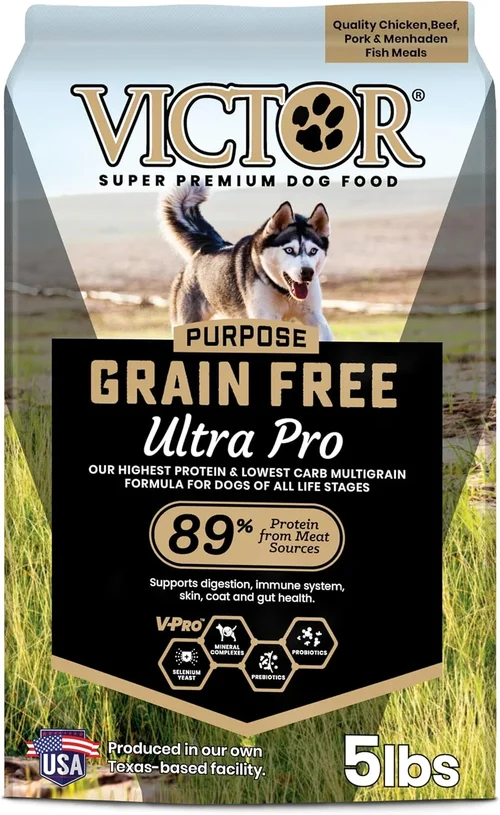
Pitbulls are more than just muscular, loyal companions—they’re high-energy athletes with unique nutritional needs that demand careful consideration when choosing their food. Whether you’re feeding an American Pit Bull Terrier, American Staffordshire Terrier, or Staffordshire Bull Terrier, understanding what goes into their kibble can make a world of difference in their health, energy levels, coat quality, and longevity. Unfortunately, the pet food market is flooded with options, many of which are marketed aggressively but lack the science-backed nutrition these powerful dogs truly need. That’s where this expert buying guide comes in.
In this comprehensive 2026 guide, we’ll cut through the noise and give you everything you need to make an informed decision about the best dog food for your pitbull. You’ll learn how to decode ingredient labels, understand protein sources, evaluate fat content, and identify red flags like fillers and artificial additives. We’ll also break down budget considerations, compare different food types (kibble, raw, wet, freeze-dried), and highlight common mistakes even experienced owners make. By the end, you’ll have a clear, actionable plan tailored to your dog’s age, activity level, and health status.
The dog food industry has evolved significantly over the past decade, with increasing transparency, stricter regulations, and a surge in premium, biologically appropriate formulas. Yet, misinformation still abounds—especially around “grain-free” diets, exotic proteins, and marketing buzzwords like “natural” or “holistic.” Our goal isn’t to sell you on a brand, but to empower you with knowledge so you can confidently choose a diet that supports your pitbull’s strength, vitality, and well-being for years to come.

What to Look for When Buying Dog Food for Pitbulls
1. High-Quality Animal Protein as the First Ingredient
Pitbulls are naturally muscular and active dogs, which means they require a diet rich in animal-based protein to support muscle maintenance, recovery, and overall metabolic function. Look for foods where a named meat source—such as chicken, beef, lamb, or fish—is listed as the very first ingredient. Avoid vague terms like “meat meal” or “animal by-product meal,” which can include low-quality or inconsistent protein sources.
Animal protein provides essential amino acids like taurine, L-carnitine, and arginine, which are critical for heart health, muscle development, and immune function. For adult pitbulls, aim for a minimum of 25–30% crude protein on a dry matter basis. Puppies and highly active adults may benefit from even higher levels (up to 32–35%). Always check the guaranteed analysis on the packaging and convert percentages to dry matter if the food contains moisture (e.g., wet food).
2. Healthy Fats for Energy and Coat Health
Fat is a concentrated energy source for active breeds like pitbulls. It supports brain function, reduces inflammation, and gives your dog’s coat a healthy, shiny appearance. Look for named fat sources such as chicken fat, salmon oil, or flaxseed oil. These provide essential fatty acids like omega-3 and omega-6, which are vital for skin health and joint mobility.
Avoid generic “animal fat” or unspecified vegetable oils. The ideal fat content for pitbulls ranges from 12% to 18% on a dry matter basis. Too little fat can lead to dry skin and low energy, while too much may contribute to weight gain—especially in less active or neutered dogs. If your pitbull has skin allergies or a dull coat, consider foods with added EPA/DHA from fish oil, which have been shown to reduce itching and improve coat quality.
3. Digestible Carbohydrates (Not Fillers)
While pitbulls don’t require large amounts of carbohydrates, they do benefit from moderate levels of digestible carbs for sustained energy. However, many commercial dog foods use cheap fillers like corn, wheat, soy, or potato starch—ingredients that offer little nutritional value and can trigger allergies or digestive upset.
Instead, look for whole, nutrient-dense carbohydrates such as sweet potatoes, peas, lentils, brown rice, or oats. These provide fiber, vitamins, and slow-releasing energy without spiking blood sugar. Legumes like chickpeas and lentils are increasingly common in premium formulas and are excellent sources of plant-based protein and fiber—just ensure they don’t dominate the ingredient list ahead of animal proteins.
4. Grain-Inclusive vs. Grain-Free: What’s Right for Your Pitbull?
The grain-free debate has raged for years, but recent FDA investigations have linked certain grain-free diets—especially those high in legumes like peas, lentils, and chickpeas—to an increased risk of dilated cardiomyopathy (DCM) in dogs, including some pitbulls. While not all grain-free foods are dangerous, the correlation is strong enough to warrant caution.
For most pitbulls, grain-inclusive diets are perfectly safe and often more balanced. Whole grains like oats, barley, and brown rice provide fiber, B vitamins, and sustained energy. Unless your dog has a diagnosed grain allergy (which is rare), there’s no compelling reason to avoid grains. In fact, some veterinarians now recommend grain-inclusive formulas as a safer default, especially for breeds prone to heart issues.
That said, if your pitbull has a confirmed grain sensitivity or thrives on a grain-free diet under veterinary supervision, choose a grain-free formula that uses alternative starches like tapioca or potato—and monitor heart health with regular vet checkups.
5. Life Stage and Activity Level Appropriateness
Not all dog foods are created equal—even within the same brand. Pitbulls have different nutritional needs depending on their age, size, and activity level. Puppies require higher protein and fat for growth, while seniors benefit from joint-supportive ingredients like glucosamine and lower calories to prevent obesity.
Active or working pitbulls (e.g., those in agility, protection sports, or frequent training) need calorie-dense food with higher fat and protein to fuel their exertion. Conversely, sedentary or overweight dogs should be fed a lower-calorie, high-fiber formula to support weight management without sacrificing nutrition.
Always select a food labeled for your dog’s specific life stage: “puppy,” “adult,” “senior,” or “all life stages.” Avoid feeding adult food to puppies or vice versa, as imbalances can lead to developmental issues or malnutrition.
6. Ingredient Transparency and Manufacturing Standards
A reputable dog food brand should be transparent about where its ingredients come from and how its food is made. Look for companies that:
– Source ingredients from trusted, audited suppliers
– Manufacture their own food (not through third-party co-packers)
– Conduct regular nutritional testing and AAFCO feeding trials
– Publish full ingredient sourcing information on their website
Avoid brands that use vague language like “flavor” instead of “chicken” or “meat” instead of a specific animal. Also, be wary of “mystery meats” like “animal digest” or “by-product meal” unless clearly defined.
7. Added Supplements and Functional Ingredients
Beyond basic macronutrients, the best dog foods for pitbulls include functional additives that support long-term health. Look for:
– Glucosamine and chondroitin for joint health (especially important for large, muscular breeds)
– Probiotics for digestive wellness
– Antioxidants (vitamin E, vitamin C, blueberries) for immune support
– Taurine and L-carnitine for heart health
– Yucca schidigera to reduce stool odor
These ingredients are particularly beneficial for pitbulls, who are prone to joint issues like hip dysplasia and elbow dysplasia, as well as skin allergies and heart conditions. While not all supplements are created equal, their presence indicates a brand’s commitment to holistic nutrition.
8. Brand Reputation and Customer Support
A brand’s reputation matters. Research how long the company has been in business, whether they’ve had recalls, and how they respond to customer concerns. Read reviews from other pitbull owners on forums like Reddit, Facebook groups, or specialized pet sites. A brand that stands behind its product with a satisfaction guarantee, responsive customer service, and educational resources is more likely to be trustworthy.
Avoid flash-in-the-pan brands that rely on influencer marketing but lack a proven track record. Established companies like Royal Canin, Hill’s Science Diet, Orijen, and Wellness have decades of research and development behind their formulas—though newer brands like The Honest Kitchen and Open Farm are also gaining credibility for their transparency and quality.
Different Types of Dog Food for Pitbulls

Each type has its pros and cons. Dry kibble remains the most popular due to affordability and convenience, but wet and raw options are gaining traction among health-conscious owners. Freeze-dried and dehydrated foods offer a middle ground—convenient like kibble but nutrient-rich like raw.
Common Buying Mistakes to Avoid
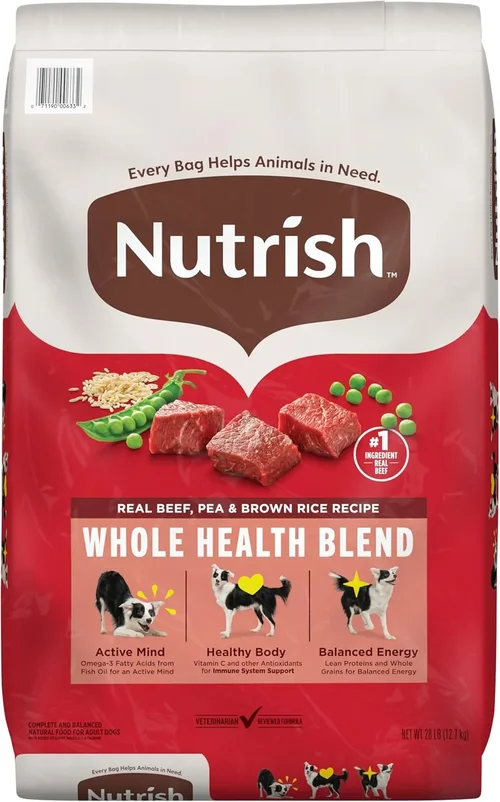
❌ Mistake: Choosing Based on Marketing Claims Alone
Why it’s bad: Terms like “natural,” “premium,” or “grain-free” are not regulated and can be used misleadingly. A bag may claim to be “high-protein” but list plant-based proteins like pea protein first, which are less bioavailable for dogs.
What to do instead: Always read the ingredient list and guaranteed analysis. Focus on the first 5–7 ingredients and verify protein sources. Use resources like DogFoodAdvisor.com or the AAFCO database to cross-check claims.
❌ Mistake: Overlooking Calorie Density
Why it’s bad: Pitbulls are prone to weight gain, especially if neutered or less active. Feeding a high-calorie food without adjusting portion sizes can lead to obesity, joint stress, and reduced lifespan.
What to do instead: Check the kcal/cup or kcal/kg on the label. Compare your dog’s daily caloric needs (use a vet-approved calculator) with the food’s energy density. Adjust portions accordingly and monitor body condition score monthly.
❌ Mistake: Switching Foods Too Quickly
Why it’s bad: Sudden diet changes can cause diarrhea, vomiting, or refusal to eat. Pitbulls with sensitive stomachs are especially vulnerable.
What to do instead: Transition over 7–10 days: start with 25% new food + 75% old, gradually increasing the ratio. If your dog has a history of digestive issues, extend the transition to 2–3 weeks.
❌ Mistake: Ignoring Life Stage Needs
Why it’s bad: Feeding adult food to a growing pitbull puppy can stunt development. Conversely, senior food for a young, active dog may lack sufficient protein and calories.
What to do instead: Match the food to your dog’s age, size, and activity level. Consult your vet if unsure—especially for large-breed puppies who need controlled calcium levels to prevent skeletal issues.
❌ Mistake: Buying the Cheapest Option
Why it’s bad: Low-cost foods often use fillers, by-products, and synthetic preservatives (like BHA/BHT), which can harm long-term health and increase vet bills.
What to do instead: Invest in quality nutrition now to avoid costly health problems later. Mid-range brands like Wellness Core or Nutro offer excellent value without breaking the bank.
❌ Mistake: Not Consulting a Veterinarian
Why it’s bad: Every dog is unique. A food that works for one pitbull may not suit another, especially if they have allergies, kidney issues, or food intolerances.
What to do instead: Schedule a nutritional consultation with your vet. They can recommend specific diets based on bloodwork, weight, and medical history.
❌ Mistake: Over-Supplementing
Why it’s bad: Adding extra vitamins, oils, or joint supplements to a complete and balanced diet can cause toxicity or imbalances.
What to do instead: Only supplement under veterinary guidance. Most premium foods already include optimal levels of essential nutrients.
Budget Guidelines: How Much Should You Spend?
– Entry-Level ($1.00–$2.00/lb): These foods often contain meat by-products, corn, soy, and artificial preservatives. While they meet minimum AAFCO standards, they may lack bioavailable nutrients and contribute to long-term health issues. Best for temporary use or multi-dog households on tight budgets.
– Mid-Range ($2.00–$3.50/lb): This is the sweet spot for most pitbull owners. Brands like Wellness, Nutro, and Blue Buffalo offer high-quality proteins, digestible carbs, and beneficial supplements. You’ll find grain-inclusive and limited-ingredient options, with transparent sourcing and no artificial additives.
– Premium ($3.50–$6.00/lb): Ideal for active, performance, or health-conscious dogs. These foods use human-grade ingredients, novel proteins (like duck or venison), and functional additives. Brands like Orijen, Acana, and Taste of the Wild fall here. Many are AAFCO-tested and manufactured in-house.
– Luxury ($6.00+/lb): Top-tier options include fresh, raw, or custom-formulated diets from companies like The Farmer’s Dog, Nom Nom, or Open Farm. These are often subscription-based, delivered fresh, and tailored to your dog’s needs. Best for owners willing to invest in cutting-edge nutrition.
Expert Tips for Getting the Best Deal
– Buy in bulk during sales: Stock up on kibble during Black Friday, Amazon Prime Day, or Chewy’s annual sales. Many brands offer 20–30% off large bags.
– Subscribe and save: Services like Chewy, Petco, or brand websites often give 10–15% off recurring orders. Set reminders to pause or cancel if needed.
– Check local pet food co-ops: Some communities have buying groups that negotiate discounts with premium brands.
– Compare unit pricing: Always look at price per pound or per 100 kcal—not the total bag price.
– Read return policies: Ensure the retailer allows returns if your dog doesn’t like the food or has an adverse reaction.
– Test small bags first: Before committing to a 30-lb bag, buy a 4–6 lb trial size to assess palatability and digestion.
– Ask your vet for samples: Many clinics receive free samples from reputable brands and are happy to share.
– Monitor recall alerts: Sign up for FDA pet food recall notifications to stay informed about safety issues.

Frequently Asked Questions
Q: Can pitbulls eat grain-free food?
A: Yes, but with caution. While some pitbulls thrive on grain-free diets, recent studies suggest a link between grain-free formulas high in legumes and DCM. If you choose grain-free, opt for brands that use alternative starches and consult your vet for heart monitoring.
Q: How much should I feed my pitbull?
A: It depends on age, weight, and activity level. A 50-lb adult pitbull typically needs 1,000–1,400 kcal/day. Always follow the feeding guidelines on the bag and adjust based on body condition. Use a measuring cup—never free-feed.
Q: Is raw food safe for pitbulls?
A: Raw diets can be safe if properly balanced and handled. However, they carry risks of bacterial contamination (Salmonella, E. coli) and nutritional imbalances if not formulated correctly. Consult a veterinary nutritionist before switching.
Q: Should I rotate my pitbull’s food?
A: Some owners rotate proteins to prevent sensitivities, but frequent changes can upset digestion. If rotating, do so gradually and limit to 2–3 trusted brands.
Q: What if my pitbull is overweight?
A: Choose a weight management formula with high protein, low fat, and added L-carnitine. Increase exercise and measure portions strictly. Avoid “light” foods that are just diluted with fillers.
Q: Are pitbulls prone to food allergies?
A: Yes. Common allergens include chicken, beef, wheat, and soy. If your dog has itching, ear infections, or digestive issues, try a limited-ingredient diet with novel proteins like duck or salmon.
Q: Can I mix wet and dry food?
A: Absolutely. Mixing can improve palatability, increase moisture intake, and provide variety. Just adjust portions to avoid overfeeding.
Q: How often should I change my pitbull’s food?
A: Only when necessary—due to age, health, or intolerance. Stable diets support gut health. If changing, do so gradually over 7–10 days.
Q: Is homemade food better?
A: Homemade diets can be excellent but require careful formulation to avoid deficiencies. Use recipes from veterinary nutritionists and supplement as needed.
Q: What’s the best food for a pitbull puppy?
A: Choose a large-breed puppy formula with 26–30% protein, 12–16% fat, and controlled calcium. Avoid “all life stages” unless labeled for large breeds.
Our Final Recommendations
– Best for Budget-Conscious Buyers: Wellness Complete Health Adult Deboned Chicken & Oatmeal Recipe – High-quality protein, grain-inclusive, no fillers, under $3/lb.
– Best Overall Value: Orijen Original Grain-Free Dry Dog Food – 85% animal ingredients, regionally sourced, AAFCO-tested, excellent for active pitbulls.
– Best Premium Option: The Farmer’s Dog Fresh Beef Recipe – Human-grade, customized, delivered fresh, ideal for picky or sensitive dogs.
– Best for Beginners: Hill’s Science Diet Adult Large Breed Chicken & Barley – Vet-recommended, balanced nutrition, easy to find, great for first-time owners.
– Best for Advanced Users: Open Farm RawMix Freeze-Dried Raw Patties – Ethically sourced, freeze-dried raw, high protein, perfect for rotational feeding or toppers.
Conclusion: Making the Right Choice
Choosing the best dog food for your pitbull isn’t just about picking the most expensive bag on the shelf—it’s about understanding your dog’s unique needs and matching them with a scientifically formulated, transparently sourced diet. From prioritizing animal protein and healthy fats to avoiding common pitfalls like fillers and rapid diet changes, every decision you make impacts your dog’s health and happiness.
Remember, the ideal food supports not just physical strength, but also digestive wellness, coat shine, energy levels, and long-term disease prevention. Whether you’re feeding a rambunctious puppy, a working adult, or a senior companion, the right nutrition is the foundation of a long, vibrant life.
Take the time to read labels, consult your veterinarian, and observe how your dog responds to different foods. Your pitbull depends on you—not just for love and training, but for the fuel that powers their powerful body and loyal heart. Invest wisely, feed thoughtfully, and enjoy every moment with your four-legged athlete.