

Coconut oil has surged in popularity among pet owners over the past decade, and for good reason. Once primarily used in human kitchens for its health benefits, this tropical oil has found a loyal following in the world of canine nutrition. From improving coat shine to supporting immune function, coconut oil is now a staple in many dog owners’ pantries. But with so many brands, forms, and claims flooding the market, choosing the right coconut oil for your dog can feel overwhelming. That’s where this comprehensive buying guide comes in.
This guide is designed to cut through the noise and give you the expert-level knowledge you need to make an informed decision. Whether you’re a first-time dog parent or a seasoned pet enthusiast, you’ll learn how to evaluate coconut oil based on purity, sourcing, processing methods, safety, and value. We’ll break down the science behind why coconut oil works for dogs, explain what to look for on labels, compare different types and brands, and help you avoid common pitfalls. By the end, you’ll not only know which coconut oil to buy—but also how to use it safely and effectively for your dog’s unique needs.
The market for pet-safe coconut oil has exploded, with options ranging from budget-friendly grocery store brands to premium, cold-pressed, organic varieties sold through specialty pet retailers. Some products are marketed specifically for dogs, while others are simply human-grade oils repackaged with pet-friendly labels. This diversity is great for choice, but it also increases the risk of buying a product that’s ineffective—or worse, potentially harmful. With so many variables at play, from lauric acid content to packaging and storage, it’s essential to understand what truly matters when selecting a high-quality coconut oil for your furry friend.

What to Look for When Buying Coconut Oil for Dogs
1. Purity and Ingredient Transparency
When it comes to coconut oil for dogs, purity is non-negotiable. The best products contain only one ingredient: coconut oil. Avoid brands that list additives, preservatives, artificial flavors, or fillers such as soybean oil, palm oil, or hydrogenated fats. These not only dilute the nutritional value but can also pose health risks to your dog over time. Always check the ingredient list—if it reads like a chemistry experiment, put it back on the shelf.
Look for labels that clearly state “100% pure coconut oil” or “single ingredient.” Some brands go a step further by specifying the type of coconut used (e.g., virgin, extra virgin, or refined) and whether it’s organic. Transparency is key: reputable manufacturers will disclose sourcing locations, extraction methods, and third-party testing results. Don’t hesitate to visit the brand’s website or contact customer service if information is missing.
2. Processing Method: Cold-Pressed vs. Refined
The way coconut oil is processed dramatically affects its quality and nutritional profile. Cold-pressed coconut oil is extracted without the use of heat or chemicals, preserving heat-sensitive nutrients like lauric acid, antioxidants, and medium-chain triglycerides (MCTs). This method ensures the oil retains its natural aroma, flavor, and health-promoting compounds, making it ideal for dogs.
In contrast, refined coconut oil undergoes high-heat processing, bleaching, and deodorizing to remove impurities and extend shelf life. While this makes it more shelf-stable and odorless, it also strips away many of the beneficial compounds. Refined oils are often labeled as “RBD” (refined, bleached, deodorized) and are typically cheaper, but they offer significantly fewer health benefits for your dog.
For optimal results, choose unrefined, cold-pressed, or virgin coconut oil. These terms are often used interchangeably, but “virgin” typically indicates the highest quality, as it’s made from fresh coconut meat rather than dried copra. Always verify the processing method on the label or product description.
3. Organic Certification
Organic certification is a strong indicator of quality and safety. Coconuts grown organically are cultivated without synthetic pesticides, herbicides, or genetically modified organisms (GMOs). This is especially important for dogs, who are more sensitive to chemical residues due to their smaller body size and unique metabolism.
Look for certifications from recognized bodies such as the USDA Organic, EU Organic, or Canada Organic logo. These labels ensure the coconuts were grown and processed according to strict organic standards. While organic coconut oil may cost slightly more, the peace of mind and reduced risk of toxin exposure make it a worthwhile investment for your dog’s long-term health.
Be cautious of brands that use vague terms like “natural” or “eco-friendly” without certification. These are marketing buzzwords with no regulatory meaning and do not guarantee organic practices.
4. Lauric Acid Content
Lauric acid is the star player in coconut oil’s health benefits for dogs. It makes up about 50% of the fatty acids in high-quality coconut oil and has potent antimicrobial, antiviral, and antifungal properties. When ingested, lauric acid converts into monolaurin in the body, which helps support your dog’s immune system and combat harmful pathogens.
Not all coconut oils contain the same amount of lauric acid. Factors like coconut variety, growing conditions, and processing methods can affect concentration. Premium, cold-pressed virgin coconut oil typically contains 45–50% lauric acid, while refined or low-quality oils may have significantly less.
While most labels don’t list exact percentages, you can infer quality from the processing method and brand reputation. If a product emphasizes its “high lauric acid” content, that’s a good sign—but always verify through third-party lab reports if available.
5. Packaging and Storage
Coconut oil is sensitive to light, heat, and air, all of which can degrade its quality over time. Exposure to these elements can lead to oxidation, rancidity, and loss of beneficial compounds. Therefore, packaging plays a crucial role in preserving freshness.
The best coconut oils come in dark glass jars or BPA-free, opaque plastic containers that block UV light. Avoid clear plastic tubs or bottles, as they offer little protection from light damage. Glass is generally preferred because it’s inert and doesn’t leach chemicals, but high-quality plastic can be acceptable if it’s food-grade and UV-resistant.
Check the seal and expiration date before purchasing. A broken seal or outdated product may indicate poor storage or handling. Once opened, store coconut oil in a cool, dark place—ideally in a pantry or cupboard away from the stove or window. Refrigeration is not necessary but can extend shelf life, especially in warm climates.
6. Brand Reputation and Transparency
Not all coconut oil brands are created equal. Some prioritize profit over quality, using misleading labels or sourcing from questionable suppliers. To avoid disappointment, choose brands with a strong reputation for transparency, ethical sourcing, and pet safety.
Research the company’s background: Do they specialize in pet products, or are they a general health food brand? Do they provide detailed information about sourcing, testing, and manufacturing? Brands that publish third-party lab results, ingredient traceability, and customer testimonials are more likely to be trustworthy.
Look for companies that are members of industry organizations like the National Animal Supplement Council (NASC) or the Pet Sustainability Coalition. These affiliations indicate a commitment to quality and accountability. Avoid brands with a history of recalls, lawsuits, or negative reviews related to contamination or false advertising.
7. Price and Value for Money
Price is an important consideration, but it shouldn’t be the sole deciding factor. While premium coconut oils may cost more upfront, they often provide better value in the long run due to higher potency, purity, and effectiveness. Cheap oils may save you a few dollars initially but could require larger doses or fail to deliver results, ultimately costing more.
Compare prices per ounce or gram to get an accurate sense of value. A $10 jar may seem expensive, but if it’s 16 oz of high-quality oil, it could last months with regular use. Conversely, a $5 tub might be only 8 oz of diluted or low-grade oil.
Consider your dog’s size and usage frequency. Small dogs may only need a teaspoon per day, while larger breeds might require more. Buying in bulk can reduce cost per unit, but only if you can use it before it expires. Most coconut oils have a shelf life of 2–3 years unopened, but once opened, aim to use within 6–12 months for best quality.
8. Third-Party Testing and Certifications
Third-party testing is the gold standard for verifying product quality and safety. Independent labs analyze coconut oil for contaminants like heavy metals, pesticides, mycotoxins, and microbial growth. They also verify label claims such as purity, lauric acid content, and absence of GMOs.
Look for certifications from organizations like NSF International, ConsumerLab, or the United States Pharmacopeia (USP). These seals indicate the product has been rigorously tested and meets strict standards. Some brands also publish Certificates of Analysis (COAs) on their websites, allowing you to view test results for specific batches.
If a brand doesn’t mention third-party testing, it’s a red flag. While not all small producers can afford extensive testing, reputable companies will at least conduct internal quality checks and be transparent about their processes.
Different Types of Coconut Oil for Dogs

Common Buying Mistakes to Avoid
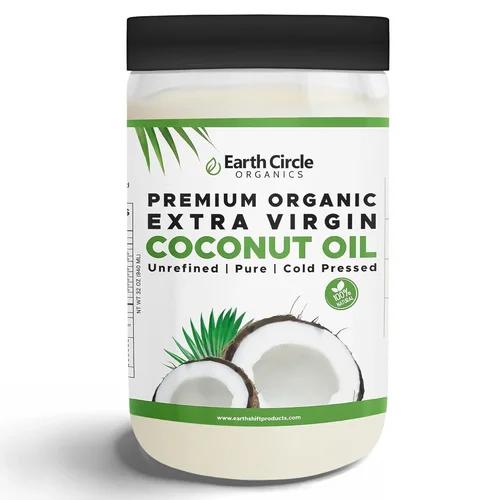
❌ Mistake: Choosing Based on Price Alone
Why it’s bad: Opting for the cheapest coconut oil can lead to purchasing a low-quality, refined, or adulterated product that offers little to no benefit—and may even harm your dog. Cheap oils often lack lauric acid, contain fillers, or are processed with harmful chemicals.
What to do instead: Focus on value, not just cost. Compare price per ounce and prioritize purity, processing method, and certifications. A slightly more expensive oil that’s cold-pressed and organic will deliver better results and last longer with proper dosing.
❌ Mistake: Ignoring the Label
Why it’s bad: Many pet owners grab the first coconut oil they see without reading the ingredient list or checking for key details like “virgin,” “cold-pressed,” or “organic.” This can result in buying a product that’s not suitable for dogs.
What to do instead: Always read the label carefully. Look for single-ingredient products, avoid additives, and verify processing methods. If the label is vague or missing critical information, choose a different brand.
❌ Mistake: Buying Human-Grade Without Verification
Why it’s bad: Just because a coconut oil is labeled “human-grade” doesn’t mean it’s safe or ideal for dogs. Some human products contain added flavors, essential oils, or preservatives that are toxic to pets.
What to do instead: Only use human-grade coconut oil if it’s 100% pure, unrefined, and free of additives. When in doubt, choose a product specifically formulated for pets or consult your veterinarian.
❌ Mistake: Overlooking Packaging
Why it’s bad: Clear plastic containers expose coconut oil to light, accelerating oxidation and rancidity. This not only reduces potency but can also create harmful compounds over time.
What to do instead: Choose oils packaged in dark glass or opaque, BPA-free containers. Store in a cool, dark place and use within the recommended timeframe after opening.
❌ Mistake: Assuming All Coconut Oils Are Equal
Why it’s bad: Coconut oil varies widely in quality, composition, and processing. Assuming all brands are the same can lead to inconsistent results and wasted money.
What to do instead: Educate yourself on the differences between virgin, refined, and fractionated oils. Match the type to your dog’s needs—e.g., use virgin for immune support and fractionated for digestive issues.
❌ Mistake: Not Consulting a Veterinarian
Why it’s bad: While coconut oil is generally safe, it’s not suitable for all dogs—especially those with pancreatitis, obesity, or certain metabolic conditions. Introducing it without professional guidance can worsen health issues.
What to do instead: Always consult your vet before adding coconut oil to your dog’s diet, especially if they have pre-existing health conditions or are on medication.
❌ Mistake: Overfeeding
Why it’s bad: Coconut oil is calorie-dense and high in saturated fat. Overfeeding can lead to weight gain, diarrhea, or pancreatitis, particularly in small or sensitive dogs.
What to do instead: Start with a small dose—½ to 1 teaspoon per 10 pounds of body weight per day—and gradually increase if tolerated. Monitor your dog’s stool and energy levels.
Budget Guidelines: How Much Should You Spend?
When it comes to coconut oil for dogs, your budget should reflect your priorities—whether that’s affordability, quality, or long-term health benefits. Here’s a breakdown of what to expect at different price points:
Entry-Level ($6–$12 per 16 oz): These are typically refined or RBD coconut oils found in grocery stores. They’re budget-friendly and suitable for occasional use, such as adding to meals or treating dry paws. However, they lack the full spectrum of nutrients found in virgin oils and may contain chemical residues. Best for pet owners on a tight budget or those using coconut oil sparingly.
Mid-Range ($12–$20 per 16 oz): This is the sweet spot for most dog owners. These oils are usually cold-pressed, virgin, and often organic. They offer a good balance of quality, purity, and affordability. Brands in this range typically provide transparent labeling, third-party testing, and reliable sourcing. Ideal for daily use and dogs with moderate health needs.
Premium ($20–$30 per 16 oz): Premium coconut oils are top-tier in terms of sourcing, processing, and testing. They’re often single-origin, certified organic, and packaged in glass. These oils are rich in lauric acid and free from contaminants. Best for health-conscious owners, dogs with allergies or chronic conditions, or those seeking the highest possible quality.
Luxury ($30+ per 16 oz): At this level, you’re paying for exclusivity, artisanal production, or added benefits like MCT concentration or pet-specific formulations. These products may include extras like probiotics, omega-3s, or calming herbs. While not necessary for all dogs, they can be valuable for pets with specific therapeutic needs or owners who prioritize holistic wellness.
Expert Tips for Getting the Best Deal
Finding high-quality coconut oil for your dog doesn’t have to break the bank. With a few smart strategies, you can get the best product at the best price. Here are expert-backed tips to help you save money without sacrificing quality:
- Buy in Bulk During Sales: Many online retailers and pet stores offer discounts on larger sizes or multi-packs during seasonal sales (e.g., Black Friday, Prime Day, or end-of-summer clearance). Stock up when prices drop, but only if you can use it before expiration.
- Subscribe and Save: Sign up for auto-delivery programs on platforms like Amazon, Chewy, or the brand’s website. These often include 5–15% discounts and free shipping, making recurring purchases more affordable.
- Check Warehouse Clubs: Stores like Costco, Sam’s Club, and BJ’s often carry high-quality coconut oil in large quantities at lower per-unit costs. Just ensure the product meets your standards for purity and processing.
- Compare Online Retailers: Prices can vary significantly between websites. Use price comparison tools or check multiple platforms (e.g., Amazon, Walmart, Thrive Market, iHerb) to find the best deal. Don’t forget to factor in shipping costs.
- Look for Coupons and Cashback: Sign up for newsletters, loyalty programs, or cashback apps like Rakuten or Honey. Many brands offer first-time buyer discounts or referral bonuses.
- Read Return Policies: Before purchasing, especially online, check the return policy. Some retailers allow returns if the product is unopened, giving you a safety net if the oil doesn’t meet expectations.
- Test Small First: If you’re trying a new brand, buy a smaller size first to test your dog’s tolerance and the oil’s quality. This prevents wasting money on a large container that doesn’t work.
- Join Pet Owner Communities: Online forums, Facebook groups, and Reddit communities often share deals, reviews, and insider tips. Members frequently post discount codes or alert others to sales.

Frequently Asked Questions
Q: Can I use any coconut oil for my dog?
A: Not all coconut oils are safe for dogs. Avoid products with added flavors, sweeteners, or preservatives. Stick to 100% pure, unrefined, cold-pressed coconut oil—preferably organic and labeled for pet use or human consumption.
Q: How much coconut oil should I give my dog?
A: Start with ¼ to ½ teaspoon per 10 pounds of body weight daily. Gradually increase to 1 teaspoon per 10 pounds if tolerated. Always consult your vet, especially for small dogs or those with health conditions.
Q: Can coconut oil help with my dog’s skin allergies?
A: Yes, coconut oil has anti-inflammatory and antimicrobial properties that can soothe itchy, irritated skin. Apply topically to dry patches or add to food to support skin health from within. However, it’s not a cure—consult your vet for underlying causes.
Q: Is coconut oil safe for puppies?
A: Coconut oil can be given to puppies over 8 weeks old, but in very small amounts (¼ teaspoon or less). Puppies have sensitive digestive systems, so introduce it slowly and monitor for diarrhea.
Q: Can coconut oil cause pancreatitis in dogs?
A: In rare cases, yes—especially if given in large amounts or to dogs prone to pancreatitis. The high fat content can trigger inflammation. Always start with a small dose and avoid if your dog has a history of pancreatic issues.
Q: Should I refrigerate coconut oil?
A: Refrigeration is not required but can help preserve freshness, especially in warm climates. Coconut oil solidifies below 76°F (24°C), so it’s normal for it to be hard at room temperature. Simply scoop out what you need and let it soften.
Q: Can I use coconut oil on my dog’s paws?
A: Absolutely! Coconut oil is excellent for moisturizing cracked or dry paws. Apply a thin layer and let it absorb. Just ensure your dog doesn’t lick it off immediately, as ingestion in large amounts can cause stomach upset.
Q: How long does coconut oil last?
A: Unopened, high-quality coconut oil can last 2–3 years. Once opened, use within 6–12 months for best quality. Store in a cool, dark place and check for rancidity (sour smell or unusual color).
Q: Is fractionated coconut oil better for dogs?
A: Fractionated coconut oil (MCT oil) is more easily digested and less likely to cause diarrhea, making it ideal for dogs with sensitive stomachs. However, it lacks lauric acid, so it’s less effective for immune support. Choose based on your dog’s needs.
Q: Can coconut oil replace my dog’s regular supplements?
A: No. While coconut oil offers many benefits, it should complement—not replace—a balanced diet and vet-recommended supplements. Always consult your veterinarian before making changes to your dog’s nutrition plan.
Our Final Recommendations
After extensive research and analysis, here are our top picks for the best coconut oil for dogs in 2026:
Best for Budget-Conscious Buyers: Viva Naturals Organic Virgin Coconut Oil – At around $15 for 16 oz, this cold-pressed, organic oil offers excellent value. It’s USDA-certified, third-party tested, and comes in a glass jar. Perfect for daily use without breaking the bank.
Best Overall Value: Carrington Farms Organic Coconut Oil – Priced at $18 for 16 oz, this brand delivers high purity, rich lauric acid content, and transparent sourcing. It’s a favorite among pet owners for its consistency and effectiveness.
Best Premium Option: Dr. Harvey’s Coconut Oil for Dogs – Specifically formulated for pets, this organic, cold-pressed oil includes added MCTs and is packaged in eco-friendly glass. At $28 for 16 oz, it’s ideal for dogs with health challenges or owners seeking top-tier quality.
Best for Beginners: Now Foods Virgin Coconut Oil – A trusted brand with clear labeling and affordable pricing ($12 for 16 oz). It’s widely available, easy to find, and great for first-time users wanting a reliable, no-frills option.
Best for Advanced Users: Bulletproof XCT Oil – While technically a fractionated MCT oil, this premium product is ideal for dogs needing quick energy or digestive support. At $25 for 8 oz, it’s concentrated and highly bioavailable, best for experienced pet owners.
Conclusion: Making the Right Choice
Choosing the best coconut oil for your dog is about more than just picking a jar off the shelf—it’s about understanding what truly matters for your pet’s health and well-being. From purity and processing to packaging and price, every detail plays a role in determining whether a product will deliver real benefits or simply take up space in your pantry.
This guide has equipped you with the knowledge to navigate the crowded market with confidence. You now know how to read labels, evaluate brands, avoid common pitfalls, and select a coconut oil that aligns with your dog’s needs and your budget. Remember, the best choice isn’t always the most expensive—it’s the one that’s safe, effective, and sustainable for your lifestyle.
Before making your final decision, take a moment to reflect on your dog’s age, size, health status, and dietary habits. Consult your veterinarian if you’re unsure, and start with a small amount to monitor tolerance. With the right coconut oil, you’re not just enhancing your dog’s meals—you’re supporting their vitality, comfort, and happiness for years to come.
Now that you’re armed with expert insights, it’s time to make your purchase. Whether you’re treating dry skin, boosting immunity, or simply adding a nutritional boost to your dog’s diet, the right coconut oil can make a meaningful difference. Choose wisely, use responsibly, and enjoy the journey of caring for your furry friend.