

If your dog is constantly scratching, licking their paws, or suffering from recurring ear infections and digestive upset, you’re not alone—and you’re not helpless. Food allergies in dogs are more common than many pet owners realize, and identifying the right diet can be a game-changer for your furry friend’s comfort, health, and overall quality of life. In fact, according to veterinary dermatologists, adverse food reactions affect up to 30% of dogs with skin conditions and up to 20% of those with chronic gastrointestinal issues. The good news? A carefully selected commercial dog food can significantly reduce or even eliminate these symptoms, allowing your pup to thrive again.
This comprehensive buying guide is designed to cut through the noise and confusion that often surrounds dog food for allergies. With hundreds of brands, formulas, and marketing claims flooding the market, it’s easy to feel overwhelmed. Our goal is to empower you with expert-level knowledge so you can make an informed, confident decision—whether you’re dealing with a newly diagnosed allergy or have been searching for relief for months. You’ll learn how to decode ingredient labels, understand different types of hypoallergenic diets, avoid common pitfalls, and choose a food that aligns with your dog’s specific needs and your budget.
The market for allergy-friendly dog food has evolved dramatically over the past decade. What was once a niche category limited to prescription diets and limited-ingredient kibble has now expanded into a diverse ecosystem that includes hydrolyzed proteins, novel protein sources, grain-free options, and even fresh-cooked or freeze-dried formulations. Major brands like Royal Canin, Hill’s Science Diet, Purina Pro Plan, and Blue Buffalo now offer specialized lines, while boutique brands like The Honest Kitchen, Ziwi, and Open Farm cater to owners seeking premium, minimally processed alternatives. With so many choices, the key is knowing what truly matters—and what’s just marketing fluff.
What to Look for When Buying Buying Guide
1. Protein Source and Novelty
The most common allergens in dog food are proteins—particularly beef, chicken, dairy, and eggs. When selecting a diet for a dog with suspected food allergies, the protein source is arguably the most critical factor. Look for novel proteins—those your dog has never been exposed to before. Examples include venison, duck, rabbit, kangaroo, or even insect-based proteins like black soldier fly larvae. Novel proteins reduce the likelihood of an immune reaction because the dog’s system hasn’t developed antibodies against them.
Alternatively, consider hydrolyzed protein diets, where proteins are broken down into tiny fragments too small to trigger an allergic response. These are often prescription-only and highly effective for dogs with multiple or severe allergies. Brands like Hill’s z/d and Royal Canin Hydrolyzed Protein are clinically proven and widely recommended by veterinarians.
Avoid foods that list vague terms like “meat meal” or “poultry by-product meal,” as these can contain allergenic proteins. Always check the ingredient list: the first ingredient should be a clearly identified, single-source protein.
2. Limited Ingredient Formulas
Limited ingredient diets (LIDs) are specifically formulated to minimize the number of potential allergens. These typically contain one protein source and one carbohydrate source, along with minimal additives. For example, a typical LID might feature salmon and sweet potato, or lamb and pea. The fewer ingredients, the easier it is to identify and eliminate the culprit if a reaction occurs.
However, “limited ingredient” doesn’t automatically mean “hypoallergenic.” Some LIDs still include common allergens like chicken or wheat. Always read the full ingredient list—not just the front label. Look for brands that are transparent about sourcing and avoid artificial preservatives, colors, and flavors, which can also trigger sensitivities.
Popular LID brands include Natural Balance L.I.D., Merrick Limited Ingredient, and Wellness Simple. These are widely available and often more affordable than prescription options, making them a great starting point for mild to moderate allergies.
3. Grain Inclusion or Exclusion
Contrary to popular belief, grains are not a leading cause of food allergies in dogs. In fact, studies show that only about 10–15% of food-allergic dogs react to grains like wheat, corn, or soy. The real culprits are usually animal proteins. That said, some dogs do have grain sensitivities, and eliminating grains may help reduce inflammation and improve digestion.
If you choose a grain-free diet, ensure it’s not just swapping grains for legumes like peas, lentils, or chickpeas—which have been linked to potential heart issues (dilated cardiomyopathy or DCM) in some dogs, especially when they make up a large portion of the diet. Instead, look for grain-free formulas that use safe, digestible carbohydrates like sweet potatoes, tapioca, or pumpkin.
For most dogs, a grain-inclusive diet with high-quality grains like oats, barley, or brown rice is perfectly safe and may even provide beneficial fiber and nutrients. The key is balance and individual response—not dogma.
4. Additives, Preservatives, and Fillers
Artificial additives are a common but often overlooked trigger for allergic reactions. Ingredients like BHA, BHT, ethoxyquin, and artificial colors (e.g., Red 40, Yellow 5) can cause skin irritation, hyperactivity, and digestive upset in sensitive dogs. Similarly, fillers like corn syrup, soy, and unnamed “by-products” offer little nutritional value and may provoke immune responses.
Opt for foods that use natural preservatives such as mixed tocopherols (vitamin E), rosemary extract, or ascorbic acid (vitamin C). These are safer and less likely to cause adverse reactions. Also, avoid foods with long ingredient lists full of unpronounceable chemicals—simplicity is key when managing allergies.
Look for certifications like AAFCO (Association of American Feed Control Officials) compliance, which ensures the food meets basic nutritional standards. However, don’t rely solely on this—many high-quality allergy diets exceed AAFCO requirements.
5. Digestibility and Gut Health Support
A dog’s digestive system plays a central role in immune function—up to 70% of the immune system resides in the gut. When the gut lining is compromised (a condition known as “leaky gut”), undigested food particles can enter the bloodstream, triggering allergic reactions. Therefore, choosing a highly digestible food is essential for dogs with allergies.
Look for ingredients that support gut health, such as prebiotics (e.g., fructooligosaccharides or FOS), probiotics (live beneficial bacteria), and easily digestible proteins. Fiber sources like pumpkin, beet pulp, and psyllium can also help regulate digestion and reduce inflammation.
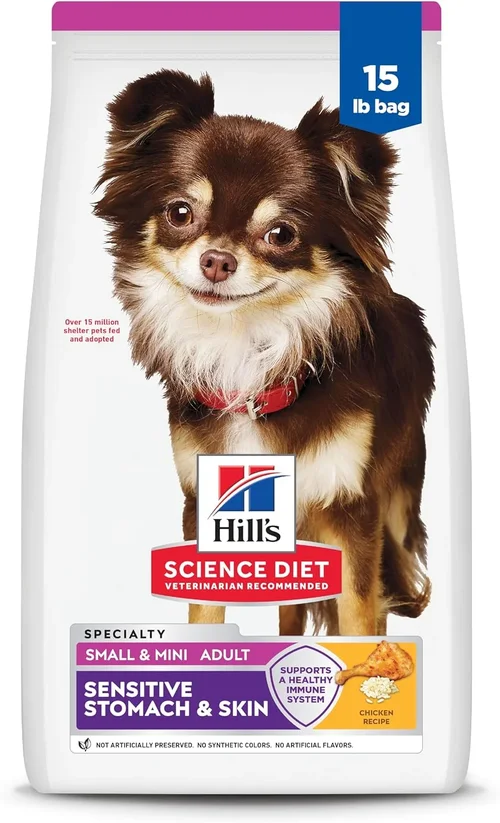
Highly digestible foods result in smaller, firmer stools and less gas—both signs that your dog is absorbing nutrients efficiently. Brands like Purina Pro Plan Sensitive Skin & Stomach and Hill’s Science Diet Sensitive Stomach & Skin are formulated with digestibility in mind and include gut-supportive ingredients.
6. Brand Transparency and Quality Control
Not all dog food brands are created equal when it comes to quality control and ingredient sourcing. Some manufacturers use vague labeling, inconsistent formulations, or source ingredients from unreliable suppliers. For dogs with allergies, consistency is critical—even small changes in ingredients can trigger a reaction.
Choose brands that are transparent about their sourcing, manufacturing processes, and testing procedures. Look for companies that conduct regular third-party testing for contaminants like heavy metals, mycotoxins, and pathogens. Brands like The Honest Kitchen, Open Farm, and Ziwi publish detailed sourcing information and batch testing results online.
Avoid brands that outsource manufacturing to multiple facilities without strict oversight. Ideally, the company should own or closely monitor its production lines to ensure consistency and safety.
7. Veterinarian Involvement and Prescription Options
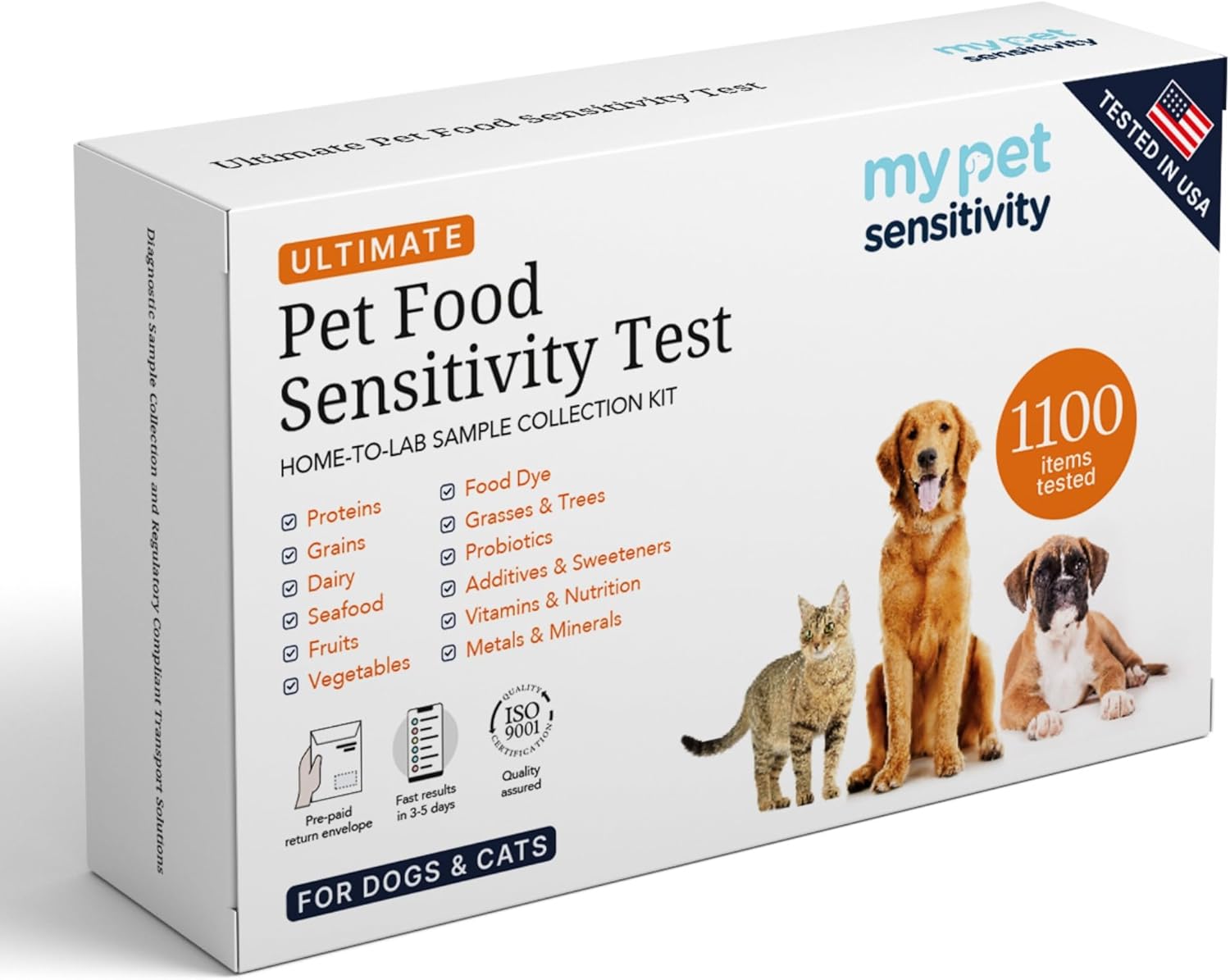
For severe or persistent allergies, a veterinarian’s guidance is invaluable. Food allergies are diagnosed through an elimination diet trial—typically lasting 8–12 weeks—during which the dog eats only a novel or hydrolyzed protein diet with no treats, table scraps, or flavored medications. If symptoms improve, the original food is reintroduced to confirm the allergy.
Prescription diets like Hill’s z/d, Royal Canin Hydrolyzed Protein, or Purina HA are formulated under strict veterinary supervision and are often necessary for accurate diagnosis and long-term management. These diets are scientifically tested and guaranteed to be free of common allergens.
While over-the-counter options can be effective for mild cases, they should not replace veterinary advice. Self-diagnosing and switching foods repeatedly can delay proper treatment and worsen symptoms. Always consult your vet before starting an elimination diet.
8. Price vs. Value
Allergy-friendly dog food often comes with a higher price tag, especially prescription or premium brands. However, cost should not be the sole deciding factor. A cheaper food that triggers allergies can lead to expensive vet bills, medications, and prolonged discomfort for your dog.
Consider the cost per day rather than per bag. A $70 bag of high-quality kibble may last longer and require smaller portions due to higher digestibility, making it more economical in the long run. Also, factor in potential savings from reduced medical expenses and improved quality of life.
That said, you don’t need to break the bank. Many mid-range brands offer excellent value without compromising on quality. Look for sales, subscription discounts, and bulk-buying options to stretch your budget.
Different Types of Buying Guide

Common Buying Mistakes to Avoid
❌ Mistake: Assuming All “Grain-Free” Foods Are Hypoallergenic
Why it’s bad: Grain-free does not equal allergy-friendly. Many grain-free diets replace grains with legumes or potatoes, which can still cause sensitivities. Additionally, the protein source may remain a common allergen like chicken or beef.
What to do instead: Focus on the protein source and overall ingredient quality, not just the absence of grains. Choose a diet with a novel or hydrolyzed protein if allergies are suspected.
❌ Mistake: Switching Foods Too Frequently
Why it’s bad: Constantly changing diets can irritate the digestive system and make it impossible to identify the true allergen. It also prevents the dog’s system from adapting to a new food.
What to do instead: Stick to one diet for at least 8–12 weeks during an elimination trial. Only switch if symptoms persist or worsen, and do so under veterinary guidance.
❌ Mistake: Ignoring Treats and Supplements
Why it’s bad: Even if the main food is hypoallergenic, flavored treats, toothpaste, or supplements can contain hidden allergens that undermine the entire diet.
What to do instead: Use only hypoallergenic treats made with the same protein source as the main diet. Avoid rawhides, pig ears, and flavored medications unless approved by your vet.
❌ Mistake: Relying Solely on Marketing Claims
Why it’s bad: Terms like “natural,” “holistic,” or “premium” are not regulated and can be misleading. A food labeled “natural” may still contain allergenic ingredients.
What to do instead: Read the ingredient list and guaranteed analysis. Look for specific, identifiable ingredients and avoid vague terms like “meat meal” or “animal digest.”
❌ Mistake: Skipping the Elimination Diet
Why it’s bad: Jumping to conclusions without proper testing can lead to unnecessary dietary restrictions or missed diagnoses. Environmental allergies, parasites, or infections can mimic food allergies.
What to do instead: Work with your veterinarian to conduct a proper elimination diet trial. This is the gold standard for diagnosing food allergies.
❌ Mistake: Overlooking Digestibility
Why it’s bad: Even a novel protein can cause issues if it’s poorly digested. Low digestibility leads to larger stools, gas, and potential nutrient deficiencies.
What to do instead: Choose foods with high digestibility scores and gut-supportive ingredients like probiotics and prebiotics.
❌ Mistake: Not Considering Long-Term Sustainability
Why it’s bad: A diet that’s too expensive or hard to find may not be sustainable, leading to inconsistent feeding and potential relapses.
What to do instead: Choose a diet that fits your budget and is readily available. Consider subscription services or bulk purchasing to ensure consistency.
Budget Guidelines: How Much Should You Spend?
- Entry-Level ($2.00–$3.50/lb): These diets often include basic limited ingredient formulas from brands like Purina ONE Sensitive Skin & Stomach or Iams ProActive Health Sensitive. While affordable, they may contain common proteins like chicken or beef and fewer gut-supportive ingredients. Best for dogs with mild sensitivities or as a short-term trial.
- Mid-Range ($3.50–$5.50/lb): This is the sweet spot for most dog owners. Brands like Natural Balance, Merrick, and Wellness offer high-quality LIDs with novel proteins, natural preservatives, and good digestibility. These diets balance cost and quality, making them ideal for long-term use.
- Premium ($5.50–$8.00/lb): These include prescription hydrolyzed diets (e.g., Hill’s z/d) and premium novel protein formulas (e.g., Ziwi Peak, Open Farm). They offer superior ingredient quality, rigorous testing, and clinical efficacy. Best for dogs with confirmed allergies or severe symptoms.
- Luxury ($8.00+/lb): Fresh-cooked or freeze-dried raw diets from brands like The Honest Kitchen, Nom Nom, or Stella & Chewy’s fall into this category. These are minimally processed, human-grade, and highly palatable but come with a high price tag. Ideal for owners prioritizing whole-food nutrition and willing to invest in their dog’s health.
Expert Tips for Getting the Best Deal
- Buy in Bulk or Subscribe: Many online retailers (e.g., Chewy, Amazon) offer discounts for auto-shipping or bulk purchases. This ensures you never run out and often saves 10–20%.
- Watch for Seasonal Sales: Major sales occur around Black Friday, Prime Day, and end-of-season clearances. Stock up during these periods, but only if the food is suitable for long-term storage.
- Check Veterinary Clinics: Some vets offer discounts on prescription diets or loyalty programs. Ask if they have sample packs or trial sizes to test before committing.
- Compare Unit Prices: Always compare price per pound or per cup, not total bag price. A larger bag isn’t always cheaper per unit.
- Read Return Policies: Ensure the retailer allows returns if your dog doesn’t tolerate the food. Some brands offer money-back guarantees for allergy diets.
- Test with Small Quantities: Before buying a full bag, try a small sample or 4–6 lb bag to assess palatability and digestive response.
- Join Loyalty Programs: Brands like Open Farm and The Honest Kitchen offer rewards points, referral bonuses, and exclusive discounts for members.
- Consider Homemade Alternatives: If commercial options are too expensive, consult a veterinary nutritionist to formulate a balanced homemade diet. This requires careful planning but can be cost-effective long-term.

Frequently Asked Questions
Q: How long does it take to see improvement on an allergy diet?
A: Most dogs show improvement within 2–4 weeks, but a full elimination trial should last 8–12 weeks. Skin issues may take longer to resolve than digestive symptoms. Be patient and consistent.
Q: Can puppies eat allergy-friendly dog food?
A: Yes, but ensure the food is labeled for “growth” or “all life stages” and meets AAFCO puppy requirements. Puppies have higher nutritional needs, so choose a formula with adequate protein, fat, and DHA for brain development.
Q: Are raw diets safe for dogs with allergies?
A: Raw diets can be effective due to minimal processing, but they carry risks of bacterial contamination (e.g., Salmonella) and nutritional imbalances if not properly formulated. Consult your vet before starting a raw diet.
Q: Can dogs outgrow food allergies?
A: Unlike humans, dogs rarely outgrow food allergies. Once a dog develops an allergy to a protein, it’s usually lifelong. However, symptoms can be managed with the right diet.
Q: What if my dog reacts to a novel protein?
A: Some dogs develop allergies to multiple proteins. In such cases, hydrolyzed protein diets are often the best option, as the proteins are too small to trigger a reaction.
Q: Can I mix allergy food with regular food?
A: No. Mixing can introduce allergens and compromise the elimination trial. Feed only the prescribed diet during the trial period.
Q: Are grain-free diets linked to heart disease?
A: The FDA has investigated a potential link between grain-free diets high in legumes and DCM in dogs. While not all grain-free foods are risky, choose brands that limit legumes and include taurine-rich ingredients.
Q: How do I know if it’s a food allergy or environmental allergy?
A: Food allergies typically cause year-round symptoms, especially digestive issues and chronic ear infections. Environmental allergies (e.g., pollen, dust) often cause seasonal itching and skin inflammation. A vet can help differentiate through testing and diet trials.
Q: Can I make my own hypoallergenic dog food at home?
A: Yes, but it requires careful formulation to ensure nutritional balance. Work with a veterinary nutritionist to create a recipe that meets your dog’s needs and avoids allergens.
Q: What should I do if my dog’s symptoms don’t improve?
A: Re-evaluate the diet for hidden allergens, consult your vet for further testing, or consider a different protein source. In some cases, environmental factors or secondary infections may be contributing.
Our Final Recommendations
- Best for Budget-Conscious Buyers: Natural Balance L.I.D. Limited Ingredient Diets – Affordable, widely available, and offers multiple novel protein options like duck and sweet potato. Great for mild sensitivities.
- Best Overall Value: Merrick Limited Ingredient Diet – High-quality ingredients, excellent digestibility, and available in both kibble and canned forms. Offers great palatability and gut support.
- Best Premium Option: Hill’s Prescription Diet z/d – Clinically proven hydrolyzed protein formula ideal for severe allergies. Requires a vet’s prescription but offers the highest level of safety and efficacy.
- Best for Beginners: Purina Pro Plan Sensitive Skin & Stomach – Easy to find, affordable, and formulated with salmon and rice. A reliable starting point for dogs with mild to moderate sensitivities.
- Best for Advanced Users: The Honest Kitchen Human Grade Dehydrated Dog Food – Whole-food, minimally processed, and customizable. Ideal for owners who want control over ingredients and are willing to invest in premium nutrition.
Conclusion: Making the Right Choice
Choosing the best commercial dog food for allergies is not just about finding a product—it’s about understanding your dog’s unique needs, working with veterinary professionals, and committing to a consistent, evidence-based approach. While the journey may involve trial and error, the payoff is a healthier, happier, and more comfortable life for your beloved pet.
Remember, no single diet works for every dog. What helps one pup may not suit another. Prioritize transparency, digestibility, and ingredient quality over flashy labels or trends. And never underestimate the value of professional guidance—your veterinarian is your best ally in navigating the complex world of canine allergies.
By applying the insights from this guide—whether you’re selecting a limited ingredient formula, investing in a hydrolyzed protein diet, or exploring fresh food options—you’re taking a proactive step toward long-term wellness. Your dog deserves nothing less than the best. Start today, stay informed, and give your furry friend the gift of relief.