
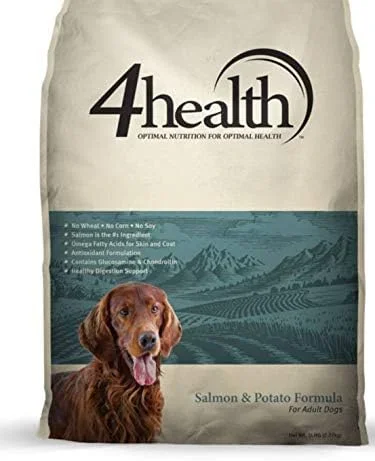
When it comes to your dog’s health, few decisions are as impactful as choosing the right food. Just like humans, dogs thrive on nutrition—not just calories. The commercial dog food market is flooded with options, from budget-friendly kibble to premium raw blends, making it overwhelming for even the most dedicated pet parent. With so many brands touting “natural,” “grain-free,” or “veterinarian-recommended” labels, it’s easy to get lost in marketing claims that don’t always reflect real nutritional value. This guide exists to cut through the noise and help you make an informed, confident decision based on science, transparency, and your dog’s unique needs.
In this comprehensive buyer’s guide, you’ll learn how to evaluate commercial dog food like a pro. We’ll break down the essential factors that truly matter—from ingredient quality and nutritional balance to life stage suitability and brand reliability. Whether you’re feeding a rambunctious puppy, a senior dog with joint concerns, or a working breed with high energy demands, we’ll show you how to match your dog’s biology with the right diet. You’ll also discover common pitfalls to avoid, smart budgeting strategies, and expert tips to get the best value without compromising on health. By the end, you’ll have a clear roadmap to choose dog food that supports longevity, vitality, and overall well-being.
The commercial dog food industry is evolving rapidly. In 2026, we’re seeing greater emphasis on transparency, sustainability, and species-appropriate nutrition. Brands are responding to consumer demand with cleaner labels, ethically sourced proteins, and formulations backed by veterinary nutritionists. However, not all trends are beneficial—some are marketing gimmicks. Our goal is to arm you with knowledge so you can distinguish between what’s truly healthy and what’s just clever packaging. From understanding AAFCO standards to decoding ingredient lists, this guide covers everything you need to know to feed your dog with confidence.

What to Look for When Buying Buying Guide
1. Ingredient Quality & Sourcing
The foundation of any great dog food is high-quality ingredients. Start by looking at the first five ingredients on the label—these make up the bulk of the formula. Ideally, you want a named animal protein (like “chicken,” “salmon,” or “lamb”) as the first ingredient, not a vague term like “meat meal” or “by-product meal.” Whole meats are preferable to rendered meals, though high-quality meals can still be nutritious if properly processed.
Be wary of fillers such as corn, soy, and wheat, which offer little nutritional value and can trigger allergies in sensitive dogs. Artificial preservatives like BHA, BHT, and ethoxyquin should also raise red flags. Instead, look for natural preservatives like mixed tocopherols (vitamin E) or rosemary extract. Ethically sourced ingredients—such as humanely raised poultry or sustainably caught fish—are increasingly available and worth considering if animal welfare matters to you.
Transparency matters. Reputable brands disclose where their ingredients come from and often partner with trusted farms or fisheries. Some even provide traceability codes so you can see the origin of your dog’s food. Avoid brands that use vague terms like “animal fat” or “meat by-products” without specifying the source.
2. Nutritional Adequacy & AAFCO Compliance
All commercial dog foods should meet standards set by the Association of American Feed Control Officials (AAFCO). Look for a statement on the packaging that says the food is “complete and balanced” for a specific life stage—such as “growth,” “maintenance,” or “all life stages.” This ensures the food provides all essential nutrients in proper proportions.
However, AAFCO compliance alone doesn’t guarantee quality. Some foods meet minimum requirements but lack optimal nutrient density. For example, a food might meet protein requirements with low-biological-value plant proteins instead of high-quality animal sources. Always check the guaranteed analysis for protein, fat, fiber, and moisture content. Adult dogs typically need 18–25% protein and 5–15% fat, while puppies require higher levels for growth.
Consider your dog’s individual needs. Active breeds may benefit from higher fat and calorie content, while senior dogs might need joint-supportive nutrients like glucosamine and chondroitin. Foods formulated for specific conditions (e.g., kidney support, weight management) should be vet-approved and based on clinical research.
3. Life Stage & Breed-Specific Needs
Not all dogs have the same nutritional requirements. Puppies need more calories, protein, and calcium for growth, while senior dogs benefit from lower calories, higher fiber, and joint-supportive ingredients. Large-breed puppies, in particular, require controlled calcium and phosphorus levels to prevent skeletal issues.
Breed size also matters. Small breeds often have faster metabolisms and may prefer smaller kibble sizes, while large breeds can suffer from bloat and benefit from foods that promote slower eating. Some brands offer breed-specific formulas tailored to these needs—though these aren’t always necessary if a general high-quality food meets your dog’s requirements.
Activity level is another factor. Working dogs, agility competitors, or highly active pets may need performance formulas with increased fat and easily digestible carbohydrates. Conversely, sedentary dogs risk weight gain and should be fed lower-calorie, high-fiber diets to maintain a healthy weight.
4. Digestibility & Gut Health
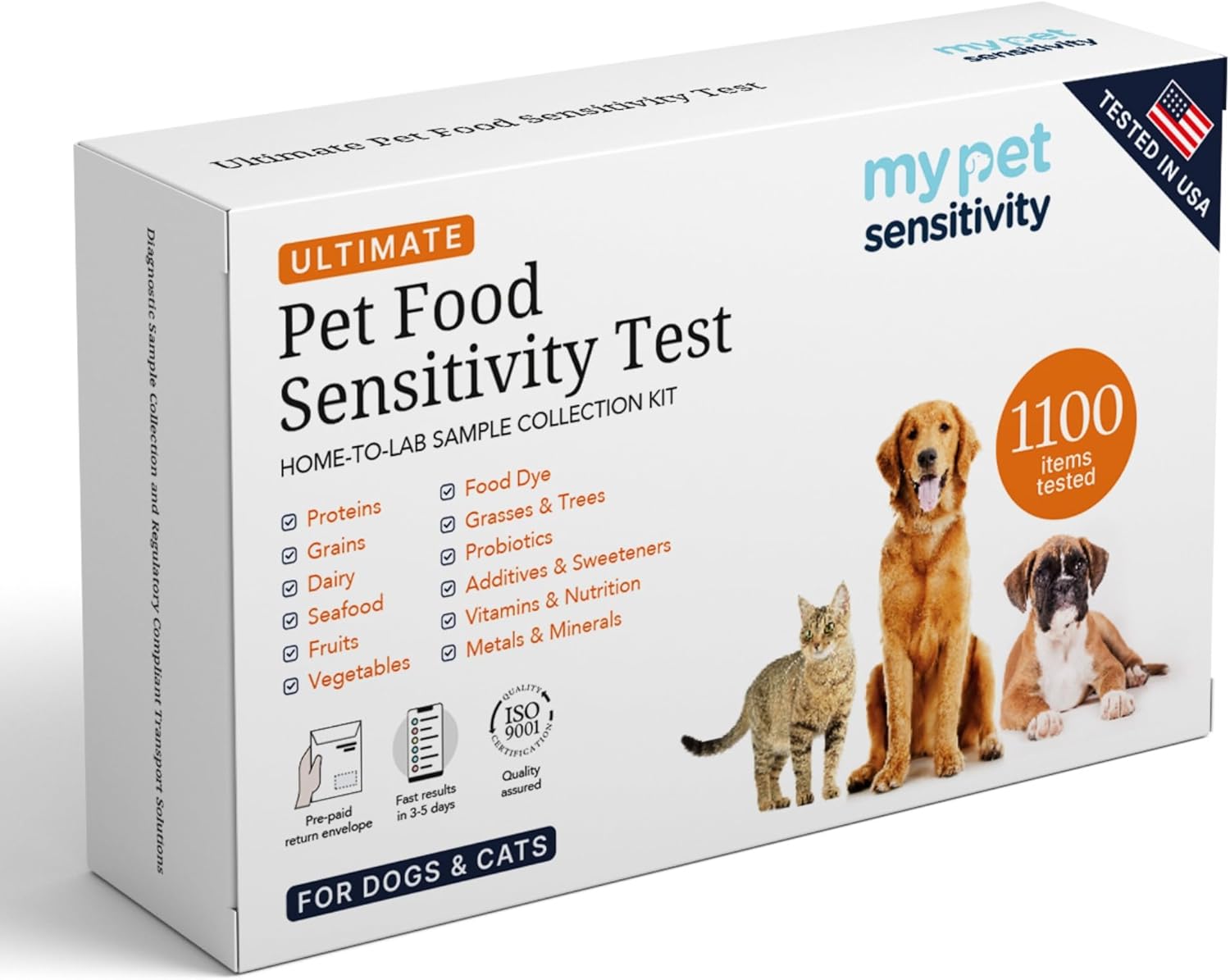
A food can have premium ingredients, but if your dog can’t digest it, it’s not doing its job. Digestibility refers to how well your dog’s body can break down and absorb nutrients. Highly digestible foods result in smaller, firmer stools and better energy levels.
Look for foods with probiotics, prebiotics (like FOS and MOS), and easily digestible proteins. Probiotics support a healthy gut microbiome, which is linked to immune function, mood, and even skin health. Ingredients like pumpkin, sweet potato, and oats can also aid digestion and provide gentle fiber.
Avoid foods with excessive fillers or hard-to-digest grains. Some dogs are sensitive to certain carbohydrates, so if your dog experiences gas, diarrhea, or loose stools, it may be time to switch formulas. Rotating proteins occasionally can also help prevent food sensitivities from developing.
5. Additives, Preservatives & Artificial Ingredients
While some additives are necessary (like vitamins and minerals), others are best avoided. Artificial colors, flavors, and preservatives serve no nutritional purpose and may contribute to hyperactivity or allergic reactions in sensitive dogs. Common culprits include red 40, yellow 5, and propylene glycol (used in some “moist” foods).
Natural preservatives like vitamin E (mixed tocopherols), vitamin C (ascorbic acid), and citric acid are safer alternatives. Some brands use fermentation-derived preservatives or vacuum-sealed packaging to extend shelf life without chemicals.
Be cautious of “natural” claims. While the term is regulated to some extent, it doesn’t guarantee the absence of synthetic additives. Always read the full ingredient list. If you can’t pronounce it or don’t recognize it as food, it’s probably not ideal for your dog.
6. Brand Reputation & Transparency
Not all dog food brands are created equal. Research the company behind the product. Do they manufacture their own food, or do they rely on third-party co-packers? In-house manufacturing often allows for better quality control.
Look for brands that conduct feeding trials, publish nutritional research, and are transparent about sourcing and production. Companies that voluntarily exceed AAFCO standards or partner with veterinary nutritionists tend to be more trustworthy. Avoid brands with a history of recalls or vague labeling.
Customer service matters too. A responsive company that answers questions about ingredients, sourcing, or recalls shows they stand behind their product. Online reviews can be helpful, but focus on detailed, verified purchases rather than generic praise or complaints.
7. Price vs. Value
Higher price doesn’t always mean better quality, but extremely cheap food often cuts corners on ingredients. Budget kibbles may use low-grade proteins, fillers, and synthetic additives to keep costs down. That said, many mid-range brands offer excellent nutrition at reasonable prices.
Calculate cost per pound or per meal to compare value. A $60 bag of premium food may last longer and provide better nutrition than a $30 bag that requires larger portions. Consider the long-term health benefits: a high-quality diet can reduce vet bills by preventing obesity, allergies, and digestive issues.
Don’t forget to factor in your dog’s size and appetite. A small dog eats less, so even premium food may be affordable. Large breeds consume more, so cost efficiency becomes more important. Look for bulk discounts, subscription plans, or loyalty programs to save money without sacrificing quality.
8. Packaging & Freshness
Proper packaging helps maintain freshness and prevent spoilage. Look for resealable bags, especially for larger sizes, to keep kibble crisp and prevent oxidation. Oxygen absorbers or nitrogen-flushed packaging can extend shelf life and preserve nutrient integrity.
Avoid damaged or bloated bags, which may indicate contamination or spoilage. Store food in a cool, dry place away from sunlight. Use airtight containers to prevent pests and moisture, but don’t transfer food until the original bag is nearly empty to avoid cross-contamination.
Check the “best by” date and rotate stock to use older bags first. While most dry foods last 6–12 months unopened, opened bags should be used within 6 weeks for optimal freshness. Wet food should be refrigerated after opening and used within 3–5 days.
Different Types of Buying Guide
Common Buying Mistakes to Avoid

❌ Mistake: Choosing Based Solely on Price
Why it’s bad: Cheap dog food often uses low-quality ingredients, fillers, and artificial additives that can lead to health problems over time. While budget constraints are real, feeding a poor diet may result in higher vet bills due to obesity, allergies, or digestive issues.
What to do instead: Focus on value, not just cost. Calculate cost per meal and prioritize brands that offer high-quality ingredients at a reasonable price. Look for sales, bulk discounts, or subscription plans to make premium food more affordable.
❌ Mistake: Ignoring Life Stage Requirements
Why it’s bad: Feeding adult food to a puppy or senior food to a young dog can lead to nutritional imbalances. Puppies need more calories and calcium for growth, while seniors benefit from joint support and easier digestion.
What to do instead: Always choose food labeled for your dog’s life stage. If your dog has special needs (e.g., weight management, kidney support), consult your vet for a tailored recommendation.
❌ Mistake: Falling for Marketing Buzzwords
Why it’s bad: Terms like “natural,” “holistic,” or “grain-free” sound impressive but aren’t strictly regulated. Some grain-free diets have been linked to heart issues (DCM) in certain breeds due to imbalanced amino acids.
What to do instead: Read the ingredient list and guaranteed analysis. Focus on real food ingredients and nutritional adequacy rather than flashy labels. When in doubt, ask the manufacturer for clarification.
❌ Mistake: Not Transitioning Foods Gradually
Why it’s bad: Switching dog food abruptly can cause digestive upset, including diarrhea, vomiting, or refusal to eat. Dogs have sensitive digestive systems that need time to adapt.
What to do instead: Transition over 7–10 days by mixing increasing amounts of the new food with the old. Start with 25% new food and gradually increase to 100%. Monitor your dog’s stool and energy levels during the switch.
❌ Mistake: Overlooking Portion Control
Why it’s bad: Even the best food can cause weight gain if overfed. Obesity leads to joint problems, diabetes, and reduced lifespan. Feeding guidelines on bags are estimates and may not suit every dog.
What to do instead: Use a measuring cup to portion meals accurately. Adjust based on your dog’s weight, activity level, and body condition. Regularly assess your dog’s ribs—you should be able to feel them without a thick fat layer.
❌ Mistake: Sticking to One Brand Forever
Why it’s bad: While consistency is good, never rotating proteins or brands can increase the risk of developing food sensitivities. Limited ingredient exposure may also reduce dietary flexibility.
What to do instead: Rotate proteins every few months (e.g., chicken, beef, fish) to provide variety and reduce allergy risk. If your dog has no issues, occasional rotation is beneficial. Always transition gradually.
❌ Mistake: Ignoring Your Dog’s Individual Response
Why it’s bad: Every dog is unique. What works for one may not work for another. Relying solely on reviews or recommendations without observing your dog’s health can lead to poor choices.
What to do instead: Monitor your dog’s coat, energy, stool quality, and weight. If you notice dull fur, excessive shedding, or digestive issues, it may be time to reassess the diet. Keep a food journal to track changes.
Budget Guidelines: How Much Should You Spend?
- Entry-Level ($1.00–$2.00/lb): These foods often contain fillers, by-products, and synthetic additives. While they meet basic AAFCO standards, they may not support optimal health long-term. Best for temporary use or multi-dog households with tight budgets.
- Mid-Range ($2.00–$4.00/lb): This is the sweet spot for most pet owners. Brands in this range use quality proteins, limited fillers, and natural preservatives. Many offer life stage-specific formulas and good digestibility. Examples include Wellness Core, Taste of the Wild, and Blue Buffalo Life Protection.
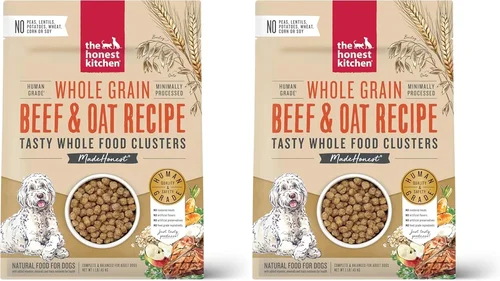
- Premium ($4.00–$8.00/lb): These foods feature human-grade ingredients, novel proteins, and advanced nutrition. Often include probiotics, joint support, and antioxidant blends. Ideal for dogs with sensitivities, high activity, or owners prioritizing long-term health. Brands like Orijen, Acana, and The Honest Kitchen fall here.
- Luxury ($8.00+/lb): Top-tier options include fresh, raw, or custom-formulated diets. Often require refrigeration or special handling. Best for dogs with medical conditions or owners willing to invest in cutting-edge nutrition. Examples: Nom Nom, Farmer’s Dog, and Stella & Chewy’s freeze-dried.
Expert Tips for Getting the Best Deal
- Buy in Bulk: Larger bags often cost less per pound. Just ensure you can store them properly to maintain freshness.
- Subscribe & Save: Many online retailers (Chewy, Amazon) offer discounts for recurring deliveries. You’ll never run out, and you’ll save 5–15%.
- Watch for Sales: Major holidays (Black Friday, Prime Day) and pet-specific events (National Pet Day) often feature deep discounts on premium brands.
- Compare Retailers: Prices vary between pet stores, big-box retailers, and online shops. Use price comparison tools or apps to find the best deal.
- Check Return Policies: If your dog doesn’t like the food or has a reaction, you should be able to return it. Reputable retailers often accept unopened bags.
- Ask for Samples: Some brands offer free samples or trial sizes. This lets you test the food before committing to a full bag.
- Join Loyalty Programs: Pet stores like Petco and Chewy offer points, rewards, and exclusive discounts for members.
- Consider Mixed Feeding: Combining dry and wet food can improve palatability and hydration while keeping costs manageable.

Frequently Asked Questions
Q: Is grain-free dog food better?
A: Not necessarily. While grain-free diets help dogs with grain allergies, most dogs digest grains like rice and oats just fine. The FDA has investigated a potential link between grain-free diets and dilated cardiomyopathy (DCM) in some breeds, so consult your vet before switching.
Q: How often should I change my dog’s food?
A: There’s no set rule. If your dog is healthy and thriving, there’s no need to change. However, rotating proteins every 3–6 months can reduce allergy risk and provide nutritional variety.
Q: Can I make my own dog food at home?
A: Yes, but it’s challenging to balance nutrients properly. Homemade diets require careful planning and supplementation. Consult a veterinary nutritionist to ensure your recipe meets AAFCO standards.
Q: What’s the difference between “chicken meal” and “chicken”?
A: “Chicken” refers to fresh meat with high water content. “Chicken meal” is rendered, dehydrated meat with more concentrated protein. Both can be high-quality, but whole meat is generally preferred as a first ingredient.
Q: How much should I feed my dog?
A: Follow the feeding guidelines on the bag as a starting point, then adjust based on your dog’s weight, activity, and body condition. Use a measuring cup—never free-feed unless advised by your vet.
Q: Is wet food better than dry?
A: Wet food has higher moisture content, which benefits dogs with urinary or kidney issues. Dry food is convenient and can help reduce tartar. Many owners use a combination for balance.
Q: What should I do if my dog refuses to eat the new food?
A: Try mixing it with warm water or low-sodium broth to enhance aroma. Gradually increase the ratio over 7–10 days. If refusal persists, your dog may have a sensitivity—consult your vet.
Q: Are raw diets safe?
A: Raw diets carry a risk of bacterial contamination (Salmonella, E. coli) for both pets and humans. If you choose raw, handle it carefully, clean bowls thoroughly, and discuss risks with your veterinarian.
Q: How long does dog food last?
A: Unopened dry food lasts 6–12 months. Opened bags should be used within 6 weeks. Wet food lasts 2–3 years unopened and 3–5 days refrigerated after opening.
Q: Can puppies eat adult dog food?
A: No. Puppies need more calories, protein, and calcium for growth. Adult food lacks the necessary nutrients and can stunt development.
Our Final Recommendations
- Best for Budget-Conscious Buyers: Taste of the Wild High Prairie – Offers quality proteins, probiotics, and grain-free options at a mid-range price. Great for active dogs and sensitive stomachs.
- Best Overall Value: Wellness Core Original – High-protein, limited ingredient formula with real meat, no fillers, and added glucosamine. Ideal for most adult dogs.
- Best Premium Option: Orijen Original – Biologically appropriate with 85% animal ingredients, including fresh and raw meats. Excellent for dogs needing high energy and optimal nutrition.
- Best for Beginners: Blue Buffalo Life Protection – Widely available, trusted brand with clear labeling and life stage formulas. Easy transition for new pet owners.
- Best for Advanced Users: The Honest Kitchen Human-Grade Dehydrated – Minimal processing, whole-food ingredients, and customizable portions. Perfect for owners who want fresh-like food without raw handling.
Conclusion: Making the Right Choice
Choosing the best commercial dog food isn’t about finding the most expensive or trendiest option—it’s about matching your dog’s unique needs with a diet that supports lifelong health. From ingredient quality and nutritional balance to life stage suitability and digestibility, every factor plays a role in your dog’s well-being. Avoid common pitfalls like over-relying on marketing claims or ignoring portion control, and always prioritize transparency and your dog’s individual response.
Remember, the best food is one your dog enjoys, digests well, and thrives on. Whether you’re feeding a tiny Chihuahua or a giant Great Dane, a senior with arthritis or a puppy full of energy, there’s a commercial option that fits. Use this guide as your roadmap, consult your veterinarian when needed, and don’t be afraid to experiment—within reason—to find the perfect match.
Your dog depends on you for more than love and walks. They rely on you to make smart, informed decisions about their nutrition. By investing time in understanding what goes into their bowl, you’re investing in their longevity, happiness, and quality of life. Start today—your dog’s health is worth it.