
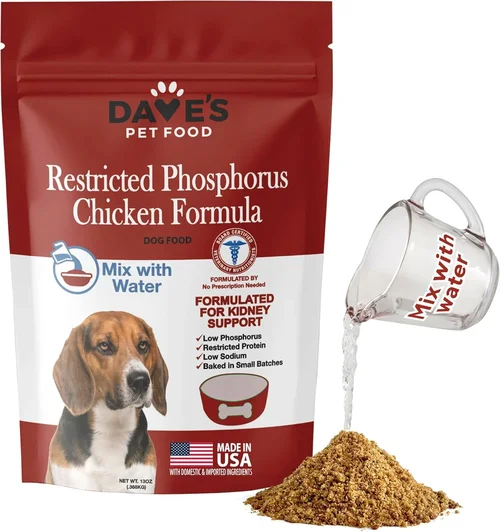
Kidney disease in dogs is one of the most common—and most serious—health challenges faced by pet owners, especially as their furry companions age. According to veterinary studies, chronic kidney disease (CKD) affects approximately 1 in 10 dogs over the age of 10, and early detection combined with proper dietary management can significantly slow disease progression and improve quality of life. When a dog is diagnosed with kidney disease, one of the most impactful changes you can make is switching to a therapeutic or kidney-supportive diet. But with hundreds of commercial dog food brands on the market—many claiming to support kidney health—it’s easy to feel overwhelmed, confused, or even misled.
This comprehensive buying guide is designed to cut through the noise and help you make an informed, confident decision about the best commercial dog food for kidney disease in 2026. Whether your dog is in the early stages of CKD or has been managing the condition for years, nutrition plays a pivotal role in supporting kidney function, reducing toxin buildup, and maintaining energy and muscle mass. In this guide, you’ll learn exactly what to look for in a kidney-friendly dog food, how to interpret ingredient labels, how to avoid common pitfalls, and how to choose a product that fits both your dog’s medical needs and your budget. We’ll also compare different types of kidney diets, break down pricing tiers, and offer expert-backed recommendations based on veterinary guidelines, clinical research, and real-world feedback from pet owners.
The market for kidney-supportive dog food has evolved significantly in recent years. While prescription diets from veterinary brands like Hill’s and Royal Canin still dominate the space, there’s been a surge in high-quality over-the-counter (OTC) options that offer comparable nutritional profiles without requiring a vet visit. These include brands like Purina Pro Plan, Blue Buffalo, and even some boutique holistic lines that focus on low-phosphorus, low-sodium, and high-quality protein sources. However, not all “kidney-friendly” labels are created equal. Some products make vague claims without backing them up with science, while others may lack essential nutrients or use fillers that could worsen your dog’s condition. Our goal is to equip you with the knowledge to distinguish between marketing hype and truly therapeutic nutrition, so you can give your dog the best possible care at every stage of their kidney journey.

What to Look for When Buying Buying Guide
1. Low Phosphorus Content
Phosphorus is one of the most critical nutrients to manage in dogs with kidney disease. Damaged kidneys struggle to filter and excrete excess phosphorus, leading to a buildup in the bloodstream—a condition known as hyperphosphatemia. High phosphorus levels can accelerate kidney damage, contribute to secondary hyperparathyroidism, and even cause bone demineralization. For this reason, the cornerstone of any kidney-supportive diet is reduced phosphorus content.
Veterinary nutritionists recommend that dogs with CKD consume diets containing less than 0.5% phosphorus on a dry matter basis (DMB), with some advanced cases requiring levels as low as 0.3%. To calculate dry matter content, you’ll need to subtract the moisture percentage from 100 and then divide the phosphorus percentage by that number. For example, if a food contains 8% moisture and 0.6% phosphorus, the dry matter phosphorus level is 0.6 / (100 – 8) = 0.65%. This is above the recommended threshold for moderate to severe CKD.
Look for foods that explicitly state “low phosphorus” or list phosphorus content on the label. Prescription diets like Hill’s k/d or Royal Canin Renal typically contain 0.3–0.5% phosphorus DMB. Some OTC options, such as Purina Pro Plan NF Kidney Function, also meet these standards. Avoid foods with bone meal, meat by-products, or organ meats listed early in the ingredients, as these are high in phosphorus.
2. High-Quality, Restricted Protein
Protein restriction is a common recommendation for dogs with kidney disease, but it’s one of the most misunderstood aspects of renal nutrition. The goal isn’t to eliminate protein entirely—dogs still need amino acids to maintain muscle mass, immune function, and overall health. Instead, the focus should be on providing high-quality, highly digestible protein in moderate amounts.
Damaged kidneys have difficulty processing the waste products of protein metabolism, particularly urea and ammonia. High-protein diets can increase the workload on the kidneys and worsen azotemia (elevated blood urea nitrogen). However, too little protein can lead to muscle wasting, weakness, and malnutrition—especially in older dogs.
The ideal kidney diet contains moderate protein levels (14–20% DMB) from high-quality sources like egg, chicken, or fish. These proteins are more efficiently utilized by the body, meaning less waste is produced. Look for foods that list a named animal protein as the first ingredient (e.g., “chicken” or “salmon”) and avoid those with vague terms like “meat meal” or “animal digest.”
Prescription renal diets often use egg as a primary protein source because it’s highly bioavailable and low in phosphorus. Some newer OTC formulas, like Blue Buffalo Natural Veterinary Diet KS, also use egg and lean meats while keeping protein levels in the therapeutic range.
3. Controlled Sodium Levels
Sodium plays a dual role in kidney disease: too much can increase blood pressure and strain the kidneys, while too little can lead to electrolyte imbalances. Dogs with CKD are at higher risk for hypertension, which can further damage kidney tissue. Therefore, sodium intake should be carefully controlled—not eliminated, but reduced to safe levels.
The recommended sodium content for dogs with kidney disease is less than 0.3% DMB. Most prescription renal diets fall within this range, typically containing 0.1–0.25% sodium. However, many commercial “light” or “senior” diets still contain 0.4% or more, which may be too high for dogs with compromised kidney function.
Avoid foods with added salt (sodium chloride) listed in the top five ingredients. Also, be cautious with treats and table scraps, as these can significantly increase sodium intake. If your dog enjoys treats, opt for low-sodium options like plain cooked carrots or specially formulated renal treats from brands like Hill’s or Royal Canin.
4. Added Omega-3 Fatty Acids
Omega-3 fatty acids, particularly EPA (eicosapentaenoic acid) and DHA (docosahexaenoic acid), have been shown to have anti-inflammatory and renoprotective effects in dogs with kidney disease. These fatty acids help reduce inflammation in the kidneys, lower blood pressure, and may slow the progression of CKD.
Studies published in the Journal of Veterinary Internal Medicine have demonstrated that dogs fed diets supplemented with omega-3s experience slower declines in kidney function and improved survival rates. The optimal dosage is around 300–500 mg of EPA per 100 kcal of food, though this can vary based on your dog’s size and disease stage.
Look for foods that list fish oil, salmon oil, or algae oil as a source of omega-3s. Avoid products that only contain plant-based omega-3s like flaxseed oil, as these are not efficiently converted to EPA and DHA in dogs. Prescription diets like Hill’s k/d and Royal Canin Renal Support often include fish oil, but some OTC options, such as Purina Pro Plan NF, also provide meaningful levels of omega-3s.
5. Enhanced Antioxidants and B Vitamins
Chronic kidney disease increases oxidative stress in the body, leading to cellular damage and accelerated aging. Antioxidants like vitamins E and C, beta-carotene, and selenium help neutralize free radicals and support overall cellular health. Additionally, dogs with CKD often lose water-soluble B vitamins through increased urine output, making supplementation essential.
Look for foods that include antioxidant blends or list vitamins E, C, and B-complex in the guaranteed analysis. Many prescription renal diets are fortified with these nutrients. For example, Hill’s k/d contains a patented antioxidant complex, while Royal Canin Renal Support includes added B vitamins to compensate for urinary losses.
Avoid foods with artificial preservatives like BHA, BHT, or ethoxyquin, as these can contribute to oxidative stress. Natural preservatives like mixed tocopherols (vitamin E) are safer and more beneficial for dogs with kidney disease.
6. Palatability and Digestibility
One of the biggest challenges in managing kidney disease is ensuring your dog actually eats the food. Dogs with CKD often experience reduced appetite, nausea, or food aversions due to toxin buildup in the blood. If a dog refuses to eat, even the most nutritionally perfect diet won’t help.
Palatability is crucial. Look for foods with strong aromas and flavors that appeal to dogs. Many renal diets use added fats, broths, or flavor enhancers to make the food more enticing. Some brands, like Royal Canin, offer both dry and wet versions of their renal formulas, allowing you to mix textures or switch formats if your dog loses interest.
Digestibility is equally important. Highly digestible ingredients reduce the workload on the digestive system and ensure your dog absorbs maximum nutrients. Foods with prebiotics (like FOS and MOS) or probiotics can also support gut health, which is often compromised in dogs with CKD.
If your dog is a picky eater, consider warming the food slightly or adding a small amount of low-sodium broth to enhance flavor. Always transition slowly—over 7 to 10 days—to avoid gastrointestinal upset.
7. Moisture Content (Wet vs. Dry Food)
Hydration is critical for dogs with kidney disease. Damaged kidneys lose the ability to concentrate urine, leading to increased water loss and dehydration. Wet food can help increase fluid intake, as it contains 70–80% moisture compared to 10% in dry kibble.
For dogs with early to moderate CKD, wet food is often recommended to support hydration. However, some dogs prefer dry food, and it’s easier to store and measure. The best approach may be a combination: feeding wet food as a topper or mixing it with dry kibble.
When choosing wet food, check the ingredient list for the same kidney-friendly criteria: low phosphorus, moderate high-quality protein, and added omega-3s. Avoid gravy-based products that may be high in sodium or fillers.
8. Brand Reputation and Veterinary Backing
Not all dog food brands are created equal, especially when it comes to medical nutrition. When managing a chronic condition like kidney disease, it’s essential to choose a brand with a strong reputation for quality, transparency, and scientific research.
Prescription brands like Hill’s Science Diet, Royal Canin, and Purina Pro Plan Veterinary Diets are developed in collaboration with veterinary nutritionists and backed by clinical studies. These companies invest heavily in research and undergo rigorous quality control. Their renal formulas are often the gold standard in veterinary medicine.
That said, some OTC brands have made significant strides in kidney nutrition. Blue Buffalo Natural Veterinary Diet, for example, offers a renal support formula that meets many of the same nutritional benchmarks as prescription diets. However, always consult your veterinarian before switching from a prescription to an OTC product, as the formulation may not be identical.
Avoid boutique or “grain-free” brands that make unsubstantiated health claims. Just because a food is labeled “natural” or “holistic” doesn’t mean it’s appropriate for kidney disease. In fact, some grain-free diets have been linked to heart issues in dogs, and many contain high levels of legumes, which can be hard on the kidneys.
Different Types of Buying Guide

Common Buying Mistakes to Avoid
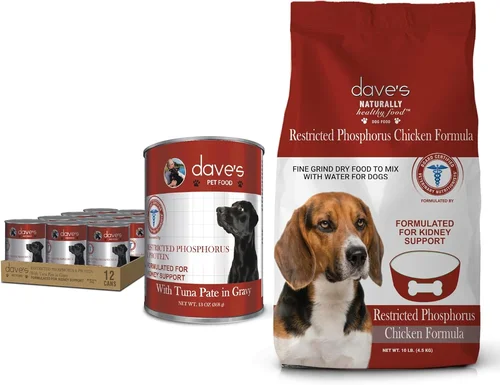
❌ Mistake: Choosing a Food Based Solely on “Grain-Free” or “Natural” Labels
Why it’s bad: Many pet owners assume that “grain-free” or “natural” automatically means healthier, but these terms are not regulated and don’t guarantee kidney safety. In fact, grain-free diets often contain high levels of legumes (like peas and lentils), which can be hard on the kidneys and have been linked to dilated cardiomyopathy (DCM) in dogs. Additionally, “natural” doesn’t mean low in phosphorus or sodium.
What to do instead: Focus on the actual nutrient profile—phosphorus, protein, sodium, and omega-3 content—rather than marketing buzzwords. Always read the guaranteed analysis and ingredient list, and consult your vet before making a switch.
❌ Mistake: Overlooking Moisture Content and Hydration
Why it’s bad: Dehydration worsens kidney function and can lead to acute kidney injury. Dogs with CKD often don’t drink enough water on their own, and dry food provides minimal hydration. Feeding only kibble can exacerbate the problem.
What to do instead: Prioritize wet food or mix wet and dry to increase fluid intake. Encourage drinking by using fountains, adding water to meals, or offering low-sodium broths.
❌ Mistake: Switching Diets Too Quickly
Why it’s bad: Sudden dietary changes can cause gastrointestinal upset, including vomiting, diarrhea, or refusal to eat. This is especially dangerous for dogs with kidney disease, who may already have reduced appetites.
What to do instead: Transition gradually over 7–10 days, mixing increasing amounts of the new food with the old. Monitor your dog’s stool, energy, and appetite during the switch.
❌ Mistake: Ignoring Treats and Table Scraps
Why it’s bad: Treats can make up 10–20% of a dog’s daily caloric intake and often contain high levels of phosphorus, sodium, or fat. Feeding inappropriate treats can undermine the benefits of a therapeutic diet.
What to do instead: Use kidney-safe treats like plain cooked vegetables, low-phosphorus commercial treats, or small pieces of the renal diet itself. Always account for treats in your dog’s daily calorie count.
❌ Mistake: Assuming All “Senior” Diets Are Kidney-Friendly
Why it’s bad: While senior diets are lower in calories and protein than standard adult foods, they are not formulated for kidney disease. Many still contain phosphorus levels too high for dogs with CKD and lack added omega-3s or antioxidants.
What to do instead: Only use senior diets if your dog has very mild kidney changes and your vet approves. For any stage of CKD, a renal-specific formula is preferable.
❌ Mistake: Not Monitoring Bloodwork After Diet Changes
Why it’s bad: Diet changes can affect kidney values, but without blood tests, you won’t know if the food is working. Phosphorus, creatinine, BUN, and SDMA levels should be monitored regularly to assess progress.
What to do instead: Schedule follow-up vet visits every 3–6 months to check kidney function and adjust the diet as needed. Keep a journal of your dog’s weight, appetite, and water intake.
❌ Mistake: Buying Based on Price Alone
Why it’s bad: While budget is important, the cheapest option may not meet your dog’s medical needs. Low-cost foods often use lower-quality ingredients, higher phosphorus levels, or lack essential nutrients.
What to do instead: Balance cost with quality. Look for the best nutritional value within your budget, and consider that investing in the right food can reduce future vet bills and improve your dog’s longevity.
Budget Guidelines: How Much Should You Spend?
– Entry-Level ($1.50–$2.20 per pound): This tier includes senior or light diets from mainstream brands like Iams, Pedigree, or generic store brands. These foods are lower in protein and calories but often lack the precise nutrient control needed for kidney disease. They may be suitable for very early CKD under veterinary supervision, but are not recommended for moderate to severe cases. Expect minimal omega-3s, higher phosphorus, and less palatability.
– Mid-Range ($2.20–$3.50 per pound): This is the sweet spot for most dog owners managing kidney disease. It includes OTC renal support formulas like Purina Pro Plan NF, Blue Buffalo Natural Veterinary Diet KS, and some store-brand therapeutic lines. These foods offer balanced nutrition, low phosphorus, added omega-3s, and good palatability. They’re accessible without a prescription and provide excellent value for the price.
– Premium ($3.50–$5.00 per pound): This tier features prescription renal diets from Hill’s, Royal Canin, and Purina Veterinary Diets. These are the gold standard in kidney nutrition, with clinically proven formulations, rigorous quality control, and veterinary backing. They’re ideal for dogs with moderate to severe CKD or those not responding to OTC options. While more expensive, they offer peace of mind and optimal disease management.
– Luxury ($5.00+ per pound): This category includes fresh, homemade, or raw kidney diets prepared by veterinary nutritionists or specialty pet food services. These diets offer complete customization and high palatability but require significant time, effort, and cost. They’re best for owners with the resources to manage complex dietary needs and who want maximum control over ingredients.
Expert Tips for Getting the Best Deal
– Buy in Bulk During Sales: Many online retailers (like Chewy, Petco, or Amazon) offer discounts on larger bags or subscription plans. Sign up for auto-ship to save 5–15% and never run out.
– Ask Your Vet for Samples: Most veterinary clinics provide free samples of prescription diets. This lets you test palatability before committing to a full bag.
– Compare Dry Matter Costs: A $30 bag of wet food may seem expensive, but when adjusted for moisture, it could be cheaper per calorie than a $20 bag of dry food. Always compare on a dry matter basis.
– Check for Manufacturer Rebates: Brands like Hill’s and Royal Canin often offer mail-in rebates or loyalty programs for prescription diets.
– Mix Wet and Dry: Combining textures can improve palatability and hydration while reducing overall cost. Use wet food as a topper rather than the main meal.
– Don’t Overfeed: Follow feeding guidelines based on your dog’s ideal weight, not current weight. Overfeeding increases phosphorus and calorie intake, which can worsen kidney strain.
– Read Return Policies: If your dog refuses the food, you want to be able to return or exchange it. Chewy and Petco offer generous return windows for unopened bags.
– Consult a Veterinary Nutritionist: For complex cases, a board-certified veterinary nutritionist can create a custom diet plan, potentially saving money in the long run by avoiding trial and error.
Frequently Asked Questions
Q: Can I feed my dog with kidney disease regular dog food?
A: It’s not recommended. Regular dog food typically contains higher levels of phosphorus, protein, and sodium, which can accelerate kidney damage. Even “senior” diets are not formulated for kidney disease and may not provide the necessary nutrient restrictions. Always choose a diet specifically designed for renal support.
Q: How often should I feed my dog with kidney disease?
A: Most dogs do well with two meals per day, but some may benefit from smaller, more frequent meals to reduce nausea and improve appetite. Consult your vet to determine the best feeding schedule based on your dog’s symptoms and stage of disease.
Q: Is it safe to add supplements to a renal diet?
A: Only under veterinary guidance. Some supplements, like fish oil, can be beneficial, but others—such as phosphorus binders or potassium supplements—require precise dosing. Never add supplements without your vet’s approval, as they can interact with medications or worsen imbalances.
Q: Can puppies or young dogs get kidney disease?
A: Yes, though it’s less common. Congenital kidney disease can affect puppies, and certain breeds (like Shih Tzus, Cocker Spaniels, and Bull Terriers) are predisposed. If a young dog is diagnosed, work closely with a vet to choose an appropriate diet that supports growth while protecting kidney function.
Q: How long can a dog live with kidney disease on a special diet?
A: With early detection and proper management, many dogs live 2–4 years or more after diagnosis. Diet is one of the most important factors in slowing progression. Regular vet checkups, hydration, and medication (if needed) also play key roles.
Q: Can I make homemade kidney diet for my dog?
A: Yes, but it requires careful planning and veterinary supervision. Homemade diets must be balanced to avoid deficiencies or excesses. Work with a veterinary nutritionist to create a recipe that meets your dog’s specific needs.
Q: What if my dog refuses to eat the kidney diet?
A: Try warming the food, adding low-sodium broth, or mixing in a small amount of their old food. Offer small, frequent meals and consider appetite stimulants if recommended by your vet. Never force-feed or switch back to an inappropriate diet without consulting your veterinarian.
Q: Are there any human foods safe for dogs with kidney disease?
A: Limited options. Cooked egg whites, plain rice, and small amounts of cooked carrots or green beans are generally safe. Avoid high-phosphorus foods like dairy, meat, and processed snacks. Always check with your vet before introducing new foods.
Q: Can kidney disease be reversed with diet?
A: Unfortunately, chronic kidney disease cannot be reversed, but it can often be slowed significantly with proper nutrition. The goal of a renal diet is to reduce toxin buildup, support kidney function, and improve quality of life—not to cure the disease.
Q: Should I switch to a kidney diet as soon as my dog is diagnosed?
A: Yes, especially if bloodwork shows elevated creatinine, BUN, or phosphorus. Early dietary intervention can delay progression and improve long-term outcomes. Even in Stage 1 CKD, a kidney-supportive diet is beneficial.
Our Final Recommendations
– Best for Budget-Conscious Buyers: Purina Pro Plan NF Kidney Function – This OTC renal diet offers excellent nutritional balance at a lower price than prescription options. It’s low in phosphorus, contains added omega-3s, and is widely available online and in stores.
– Best Overall Value: Hill’s Prescription Diet k/d – The gold standard in kidney nutrition, k/d is clinically proven to slow CKD progression. It’s highly palatable, available in wet and dry forms, and backed by decades of research.
– Best Premium Option: Royal Canin Renal Support – Known for its precise nutrient control and high digestibility, this prescription diet is ideal for dogs with advanced CKD. It includes a patented antioxidant complex and is formulated for long-term use.
– Best for Beginners: Blue Buffalo Natural Veterinary Diet KS – A great entry point for owners new to kidney diets, this OTC formula is easy to find, affordable, and meets key nutritional criteria without requiring a vet visit.
– Best for Advanced Users: Homemade Renal Diet (Vet-Approved) – For owners willing to invest time and effort, a custom homemade diet offers maximum control. Work with a veterinary nutritionist to ensure balance and safety.
Conclusion: Making the Right Choice
Choosing the best commercial dog food for kidney disease is one of the most important decisions you’ll make as a pet owner. It’s not just about feeding your dog—it’s about giving them the best chance at a longer, more comfortable life. While the process can feel overwhelming, remember that you’re not alone. With the right information, support from your veterinarian, and a focus on key nutritional factors like low phosphorus, high-quality protein, and added omega-3s, you can make a confident, informed choice.
Prioritize your dog’s individual needs over marketing claims or trends. Whether you opt for a prescription diet, an OTC formula, or a homemade plan, consistency and monitoring are key. Regular vet visits, bloodwork, and attention to your dog’s behavior and appetite will help you adjust as needed. And don’t forget the power of love, hydration, and comfort—sometimes the simplest things make the biggest difference.
Your dog depends on you, and with the right diet, you can be their greatest advocate. Take the time to research, ask questions, and choose wisely. Because when it comes to kidney disease, every meal matters.