
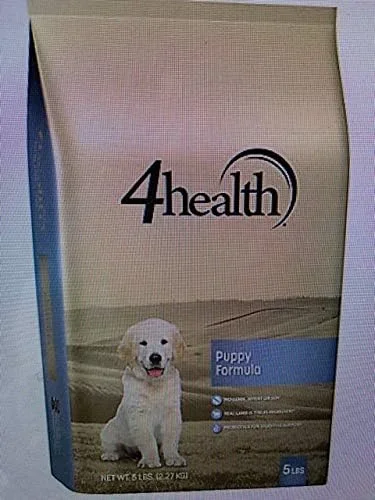
Puppies are more than just adorable bundles of energy—they’re growing at an astonishing rate, and their nutritional needs are vastly different from adult dogs. In fact, during their first year of life, a puppy can gain up to 100 times its birth weight. This rapid development demands a carefully balanced diet rich in high-quality proteins, healthy fats, essential vitamins, and minerals. Choosing the right commercial dog food isn’t just about convenience; it’s a foundational decision that impacts your puppy’s long-term health, immune function, bone development, and even behavior.
With so many options flooding the market—ranging from budget-friendly kibble to premium grain-free formulas—it’s easy for even the most well-intentioned pet parents to feel overwhelmed. Labels like “natural,” “holistic,” or “vet-recommended” can be misleading, and not all puppy foods are created equal. Some may lack critical nutrients, while others might include fillers or artificial additives that do more harm than good. That’s why this comprehensive buying guide exists: to cut through the noise and help you make an informed, confident choice based on science, expert insight, and real-world experience.
In this guide, you’ll learn exactly what to look for in a high-quality puppy food, how to interpret ingredient lists and nutritional labels, and how to match your puppy’s unique needs—like breed size, activity level, and health conditions—to the best formula available. We’ll also break down common misconceptions, highlight red flags to avoid, and provide actionable tips to get the most value for your money. Whether you’re raising a tiny Chihuahua or a future Great Dane, this guide will equip you with everything you need to nourish your pup for a lifetime of vitality.
—

What to Look for When Buying Buying Guide
1. Nutritional Adequacy & AAFCO Compliance
The most important factor when selecting puppy food is whether it meets the nutritional standards set by the Association of American Feed Control Officials (AAFCO). Look for a statement on the packaging that says the food is “formulated to meet the nutritional levels established by the AAFCO Dog Food Nutrient Profiles for Growth” or “for all life stages.” This ensures the food contains the right balance of protein, fat, calcium, phosphorus, and other essential nutrients required for healthy growth.
Be cautious of vague claims like “complete and balanced” without AAFCO verification. Some brands market themselves as premium but fail to meet these baseline standards. Additionally, large-breed puppies (over 50 pounds at maturity) have different calcium-to-phosphorus ratios than small breeds—too much calcium can lead to skeletal abnormalities. Always check if the food is specifically designed for your puppy’s size category.
2. High-Quality Protein Sources
Protein is the building block of muscle, skin, coat, and immune cells—all of which are developing rapidly in puppies. The first ingredient should always be a named animal protein source, such as “chicken,” “salmon,” or “lamb,” not “meat meal” or “animal by-products.” Whole meats provide complete amino acid profiles, including taurine and L-carnitine, which support heart health and metabolism.
Avoid foods where grains or starches appear before meat. While some carbohydrates are fine (and even beneficial), protein should dominate the formula. For example, a food listing “chicken meal” as the first ingredient is acceptable—it’s a concentrated form of dehydrated meat—but “corn gluten meal” or “wheat flour” as top ingredients is a red flag. Aim for at least 22–32% crude protein on a dry matter basis, depending on your puppy’s breed and activity level.
3. Healthy Fats & DHA for Brain Development
Fat provides concentrated energy and supports brain, eye, and nervous system development. Look for sources like chicken fat, salmon oil, flaxseed, or canola oil. Crucially, docosahexaenoic acid (DHA), an omega-3 fatty acid found in fish oils, plays a vital role in cognitive and visual development. Studies show puppies fed DHA-enriched diets perform better in learning tasks and have improved retinal function.
The ideal fat content for puppies ranges from 8% to 20% (dry matter basis). However, avoid excessive fat, especially in less active puppies, as it can contribute to obesity. Also, steer clear of generic “vegetable oil” or “animal fat”—these are often low-quality and lack nutritional specificity. Instead, opt for clearly identified fat sources that contribute meaningful omega-3 and omega-6 fatty acids.
4. Digestibility & Gut Health Support
A puppy’s digestive system is still maturing, so highly digestible ingredients are essential to prevent upset stomachs, diarrhea, or nutrient malabsorption. Foods with prebiotics (like fructooligosaccharides or FOS), probiotics, and easily digestible proteins (such as deboned chicken or turkey) promote a healthy gut microbiome.
Ingredients like beet pulp, pumpkin, and chicory root can aid digestion without causing gas or bloating. Conversely, excessive fillers like corn, soy, or wheat can irritate sensitive stomachs and reduce overall nutrient absorption. If your puppy has a history of digestive issues, consider limited-ingredient diets or formulas with added digestive enzymes.
5. Breed-Specific Formulations
Not all puppies grow at the same rate or face the same health risks. Large and giant breeds (e.g., German Shepherds, Great Danes) require controlled levels of calcium and phosphorus to prevent rapid bone growth, which can lead to joint disorders like hip dysplasia. Small and toy breeds (e.g., Pomeranians, Yorkshire Terriers) need smaller kibble sizes and higher calorie density to meet their fast metabolisms.
Many reputable brands now offer breed-specific puppy foods tailored to these needs. For instance, Royal Canin and Hill’s Science Diet have formulas for “large breed puppies” and “small breed puppies” that adjust nutrient ratios accordingly. Even within medium breeds, activity level and predisposition to certain conditions (like allergies or obesity) should influence your choice.
6. Ingredient Transparency & Sourcing
Trustworthy brands are transparent about where their ingredients come from and how they’re processed. Look for companies that disclose their manufacturing facilities, sourcing practices, and quality control measures. Avoid brands that use vague terms like “meat derivatives” or “animal digest.”
Ideally, the food should be made in facilities that follow Good Manufacturing Practices (GMP) and are regularly audited. Some premium brands even publish third-party test results for contaminants like heavy metals or mycotoxins. While this level of transparency may come at a higher price, it offers peace of mind—especially given past recalls linked to contaminated pet food.
7. Price vs. Value
It’s tempting to reach for the cheapest bag on the shelf, but puppy food is one area where cutting corners can cost you—and your pup—dearly. Lower-priced foods often rely on fillers, artificial preservatives (like BHA or BHT), and low-quality proteins that don’t support optimal growth.
That said, expensive doesn’t always mean better. Focus on value: how much high-quality nutrition you’re getting per dollar. A mid-range food with real meat, AAFCO compliance, and no artificial additives often outperforms a pricier brand with flashy marketing but inferior ingredients. Calculate cost per pound and consider how long the bag will last based on your puppy’s feeding schedule.
8. Palatability & Transition Ease
Even the most nutritious food is useless if your puppy refuses to eat it. Palatability matters—especially during the transition from mother’s milk or previous food. Look for foods with natural flavor enhancers like real meat juices or broth, rather than artificial flavors or excessive salt.
When switching foods, do so gradually over 7–10 days by mixing increasing amounts of the new food with the old. Sudden changes can cause digestive upset. If your puppy is a picky eater, consider wet food toppers or rotating between two trusted brands to maintain interest without compromising nutrition.
—
Different Types of Buying Guide

—
Common Buying Mistakes to Avoid
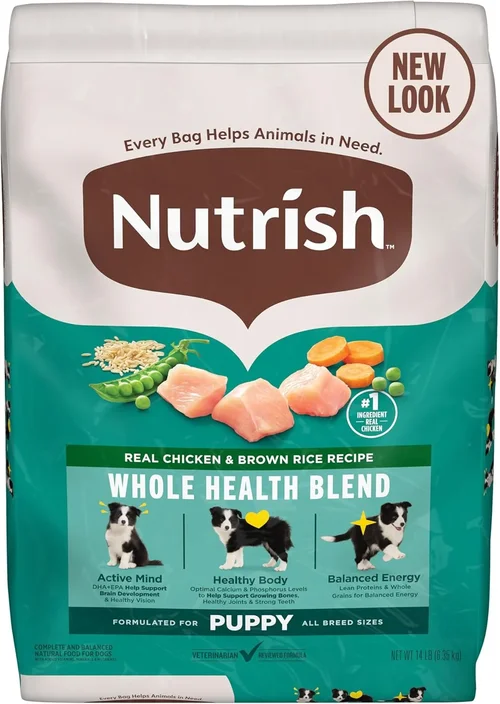
❌ Mistake: Choosing Based Solely on Marketing Claims
Why it’s bad: Terms like “natural,” “holistic,” or “premium” are not regulated by the FDA or AAFCO. A bag labeled “grain-free” might still contain potato starch or peas as fillers, which offer little nutritional value and may even be linked to heart issues in some dogs.
What to do instead: Ignore the front of the bag and go straight to the ingredient list and guaranteed analysis. Verify AAFCO statements and research the brand’s reputation independently.
❌ Mistake: Feeding Adult Dog Food to Puppies
Why it’s bad: Adult dog food lacks the higher protein, fat, and calorie density puppies need for growth. Long-term feeding can result in stunted development, weakened immunity, and nutrient deficiencies.
What to do instead: Always select a formula labeled for “puppies” or “all life stages.” Even if your puppy is large, don’t switch to adult food until they’re at least 12–18 months old (longer for giant breeds).
❌ Mistake: Overlooking Kibble Size
Why it’s bad: Large kibble can be difficult for small breeds to chew, leading to choking or poor digestion. Conversely, tiny kibble may not provide enough chewing resistance for large breeds, reducing dental benefits.
What to do instead: Choose a kibble size appropriate for your puppy’s mouth. Many brands offer small, medium, and large kibble options—match them to your breed.
❌ Mistake: Ignoring Transition Periods
Why it’s bad: Switching foods abruptly can cause vomiting, diarrhea, or refusal to eat. Puppies have sensitive digestive systems that need time to adapt.
What to do instead: Gradually mix the new food with the old over 7–10 days, increasing the proportion of new food each day. Monitor stool consistency and appetite closely.
❌ Mistake: Overfeeding Due to “Free-Feeding”
Why it’s bad: Leaving food out all day can lead to obesity, especially in less active puppies. It also makes it hard to monitor appetite changes, which can be early signs of illness.
What to do instead: Follow portion guidelines on the packaging and feed measured meals 3–4 times daily for young puppies, tapering to 2 meals by 6–8 months. Use a kitchen scale for accuracy.
❌ Mistake: Assuming All “Grain-Free” Foods Are Better
Why it’s bad: Grain-free diets have been under FDA investigation for potential links to dilated cardiomyopathy (DCM) in dogs, especially when legumes like peas or lentils replace grains as primary ingredients.
What to do instead: Unless your puppy has a diagnosed grain allergy, whole grains like oats, barley, or brown rice can be healthy, digestible sources of energy and fiber.
❌ Mistake: Not Consulting a Veterinarian
Why it’s bad: Every puppy is unique. Health conditions like allergies, congenital issues, or metabolic disorders require specialized nutrition that over-the-counter foods may not address.
What to do instead: Schedule a puppy wellness visit and discuss dietary needs with your vet. They can recommend therapeutic or prescription diets if necessary.
—
Budget Guidelines: How Much Should You Spend?
- Entry-Level ($15–$25 per 15–20 lb bag): These foods often meet basic AAFCO standards but may use lower-quality proteins (like meat by-products) and include fillers such as corn or soy. Suitable for short-term use or multi-dog households on tight budgets, but not ideal for long-term puppy development.
- Mid-Range ($25–$45 per 15–20 lb bag): This is the sweet spot for most pet parents. Brands in this tier typically feature named meat sources, minimal fillers, and added nutrients like DHA and probiotics. Examples include Purina Pro Plan Puppy, Iams ProActive Health, and Nutro Wholesome Essentials. You get reliable nutrition without overspending.
- Premium ($45–$70 per 15–20 lb bag): These formulas prioritize high meat content, novel proteins (like duck or venison), and functional ingredients such as glucosamine, chondroitin, and superfoods (blueberries, kale). Ideal for puppies with sensitivities, high energy needs, or owners who want to invest in long-term health. Brands like Wellness CORE, Blue Buffalo Life Protection, and Orijen Puppy fall here.
- Luxury ($70+ per 15–20 lb bag): Top-tier options include freeze-dried raw, air-dried, or human-grade ingredients. While nutritionally excellent, they may be overkill for average puppies and come with steep price tags. Best reserved for show dogs, working breeds, or those with complex health needs.
—

Expert Tips for Getting the Best Deal
- Buy in Bulk During Sales: Major retailers like Chewy, Petco, and Amazon often run seasonal promotions (e.g., Black Friday, Prime Day). Stock up during these periods—just ensure the food won’t expire before your puppy finishes it.
- Subscribe & Save: Most online pet stores offer 5–15% off for recurring deliveries. This locks in savings and ensures you never run out.
- Compare Unit Prices: Don’t assume larger bags are cheaper per pound. Always check the price per pound or ounce listed on the shelf tag or website.
- Check Veterinarian Rebates: Some prescription or therapeutic puppy foods offer rebates or free samples through your vet. Ask during check-ups.
- Read Return Policies: If your puppy refuses the food or has an adverse reaction, you’ll want a hassle-free return. Chewy and Petco typically allow returns even after opening.
- Test Small Quantities First: Before committing to a 20-pound bag, buy a small trial size or split a bag with a friend. Observe your puppy’s energy, coat, stool, and appetite.
- Watch for Recalls: Sign up for FDA recall alerts or use apps like Pet Food Recall Tracker to stay informed about safety issues.
- Consider Store Brands: Retailers like Costco (Kirkland Signature), Target (Simply Nourish), and Walmart (Ol’ Roy Premium) now offer high-quality puppy lines that rival name brands at lower prices.
—

Frequently Asked Questions
Q: Can I feed my puppy human food instead of commercial dog food?
A: While small amounts of cooked, unseasoned meats or vegetables (like carrots or green beans) can be safe treats, human food lacks the precise nutrient balance puppies need. Relying on table scraps can lead to deficiencies or obesity. Stick to AAFCO-compliant puppy food as the primary diet.
Q: How often should I feed my puppy?
A: Puppies under 3 months should eat 4 meals daily; 3–6 months, 3 meals; and after 6 months, 2 meals per day. Adjust based on your vet’s advice and the food’s caloric density.
Q: Is grain-free puppy food better?
A: Not necessarily. Unless your puppy has a confirmed grain allergy, whole grains provide valuable fiber and energy. The FDA has raised concerns about grain-free diets potentially contributing to heart disease, so consult your vet before choosing one.
Q: My puppy has diarrhea after switching food. What should I do?
A: This is common during transitions. Slow down the switch process, add a probiotic supplement, or try a bland diet (boiled chicken and rice) for a day or two. If symptoms persist beyond 48 hours, contact your vet.
Q: Can I mix wet and dry food?
A: Absolutely! Many owners combine both for added moisture, flavor, and texture. Just adjust portions to avoid overfeeding—wet food is less calorie-dense than dry.
Q: When should I switch from puppy to adult food?
A: Small breeds can transition around 9–12 months; large breeds should wait until 12–18 months. Giant breeds may need puppy food until 24 months. Your vet can help determine the right timing.
Q: Are raw diets safe for puppies?
A: Raw diets carry risks of bacterial contamination (like Salmonella) and nutritional imbalances if not properly formulated. If you’re interested, work with a veterinary nutritionist to create a balanced plan.
Q: What’s the deal with “by-product meal”?
A: Contrary to popular belief, named by-product meals (like “chicken by-product meal”) are safe and nutritious—they include organ meats like liver and kidneys, which are rich in vitamins. Avoid generic “meat by-product meal,” which can include unspecified sources.
Q: How do I know if my puppy is getting enough nutrients?
A: Signs of good nutrition include a shiny coat, healthy weight gain, firm stools, high energy, and strong teeth/gums. Regular vet check-ups with growth monitoring are the best way to confirm.
Q: Can I make homemade puppy food?
A: Yes, but it’s challenging to get the balance right. Homemade diets require precise ratios of protein, fat, calcium, and supplements. Consult a board-certified veterinary nutritionist to avoid deficiencies.
—
Our Final Recommendations
- Best for Budget-Conscious Buyers: Purina Pro Plan Puppy Large Breed – Offers excellent large-breed-specific nutrition with real chicken, DHA, and controlled calcium at an affordable price ($35 for 34 lbs).
- Best Overall Value: Hill’s Science Diet Puppy Small Bites – Veterinarian-recommended, highly digestible, with high-quality ingredients and small kibble perfect for little mouths ($42 for 15.5 lbs).
- Best Premium Option: Orijen Puppy – Biologically appropriate with 85% animal ingredients, including fresh regional meats, organs, and cartilage. Ideal for owners prioritizing ancestral nutrition ($78 for 25 lbs).
- Best for Beginners: Blue Buffalo Life Protection Puppy – Easy-to-find, widely available, with real deboned chicken, DHA, and no poultry by-product meals. Great for first-time puppy parents ($45 for 18 lbs).
- Best for Advanced Users: Stella & Chewy’s Freeze-Dried Raw Puppy Patties – For those willing to invest in raw nutrition without the hassle of handling raw meat. High in protein, low in carbs, and packed with probiotics ($85 for 12 oz, but highly concentrated).
—
Conclusion: Making the Right Choice
Choosing the best commercial dog food for your puppy is one of the most impactful decisions you’ll make as a pet parent. It’s not just about filling their bowl—it’s about laying the foundation for a long, healthy, and vibrant life. By prioritizing AAFCO compliance, high-quality proteins, appropriate nutrient ratios, and breed-specific needs, you’re giving your puppy the best possible start.
Remember, no single food is perfect for every puppy. What works for a Labrador may not suit a Shih Tzu. Stay observant: watch your puppy’s energy levels, coat condition, stool quality, and growth rate. Be willing to adjust based on their individual response. And never hesitate to consult your veterinarian—they’re your greatest ally in navigating your puppy’s nutritional journey.
Ultimately, the best puppy food is the one that meets your dog’s unique needs, fits your budget, and gives you confidence in its quality. Use this guide as your roadmap, trust your instincts, and enjoy every moment of watching your little one thrive. Because a well-fed puppy isn’t just happy—they’re set up for a lifetime of health, love, and tail wags.