
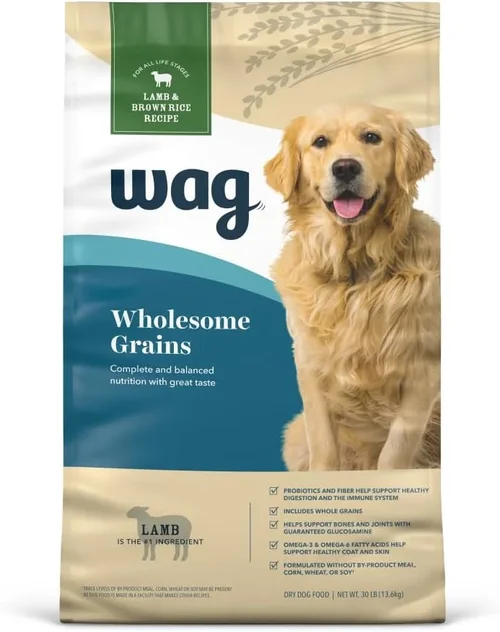
When it comes to raising a happy, healthy French Bulldog, few decisions are as important as choosing the right dry dog food. These adorable, compact companions may look like low-maintenance pets, but their unique physiology—brachycephalic (flat-faced) structure, sensitive digestion, prone to allergies, and tendency toward obesity—demands a specialized nutritional approach. Unlike larger breeds or more resilient dogs, Frenchies require a carefully balanced diet that supports their energy needs without overloading them with fillers, artificial additives, or hard-to-digest ingredients. Unfortunately, many commercial dog foods on the market today are formulated for general canine health, not the specific needs of small, brachycephalic breeds. This can lead to digestive upset, skin irritation, weight gain, and even long-term health complications.
That’s where this comprehensive buying guide comes in. Whether you’re a first-time French Bulldog owner or a seasoned breeder looking to optimize your dog’s nutrition, this guide is designed to help you navigate the crowded and often confusing world of commercial dry dog food. We’ve analyzed dozens of top-rated brands, consulted veterinary nutritionists, and reviewed real-world feedback from Frenchie owners to bring you the most up-to-date, science-backed recommendations for 2026. You’ll learn exactly what to look for in a high-quality kibble, how to avoid common pitfalls, and which formulas truly deliver on their promises. From ingredient quality and digestibility to price, availability, and brand reputation, we’ve covered every angle to ensure your French Bulldog gets the nutrition they deserve.
The market for premium dog food has exploded in recent years, with new brands launching monthly and established companies constantly reformulating their recipes. While this abundance of choice is great in theory, it can be overwhelming—especially when you’re trying to find the best dry food for a breed as finicky as the French Bulldog. Some foods claim to be “grain-free” or “all-natural,” but these labels don’t always mean what they seem. Others are packed with protein but lack the right balance of fats, fiber, and essential vitamins. And then there’s the issue of kibble size and shape: Frenchies have small mouths and short muzzles, making it difficult for them to chew large or oddly shaped pieces. This guide cuts through the noise, offering clear, actionable advice so you can make an informed decision with confidence.

What to Look for When Buying Buying Guide
1. High-Quality Animal Protein as the First Ingredient
Protein is the cornerstone of any dog’s diet, but for French Bulldogs, it’s especially critical. These energetic little dogs need a steady supply of high-quality animal protein to maintain muscle mass, support their metabolism, and fuel their playful antics. When evaluating dry dog food, always check the ingredient list: the first ingredient should be a named animal protein source such as chicken, duck, salmon, or lamb—not a by-product, meal, or vague term like “meat.” Whole meats are preferable to meals because they contain more moisture and are less processed, which can improve digestibility.
French Bulldogs are prone to food sensitivities, so it’s also wise to consider novel proteins like venison, rabbit, or kangaroo if your dog has shown signs of allergies. These less common proteins are less likely to trigger immune responses. Additionally, look for foods that list the protein source with specificity—e.g., “deboned chicken” rather than “poultry.” This transparency indicates higher quality and better sourcing practices. Avoid foods that rely heavily on plant-based proteins like corn gluten meal or soy, as these are less biologically appropriate for dogs and can contribute to gas and bloating—common issues in Frenchies due to their brachycephalic anatomy.
2. Limited, Digestible Carbohydrates
While dogs don’t require carbohydrates in the same way humans do, they do benefit from easily digestible carbs that provide sustained energy and support gut health. For French Bulldogs, who are prone to digestive upset and flatulence, choosing the right carbohydrates is crucial. Opt for foods that use whole grains like brown rice, oats, or quinoa, or starchy vegetables such as sweet potatoes and peas. These ingredients are rich in fiber, which aids digestion and helps regulate bowel movements.
Avoid foods that list corn, wheat, or soy as primary ingredients—these are common allergens and can be difficult for Frenchies to digest. Also, be cautious with “grain-free” formulas that replace grains with large amounts of legumes like lentils or chickpeas. While grain-free diets were once trendy, recent studies have raised concerns about a potential link between legume-heavy diets and dilated cardiomyopathy (DCM) in dogs. Unless your Frenchie has a diagnosed grain allergy, a moderate amount of whole grains is often a safer, more balanced choice. The key is moderation and digestibility: carbs should complement the diet, not dominate it.
3. Healthy Fats for Skin, Coat, and Energy
Fats are a concentrated source of energy and play a vital role in maintaining healthy skin and a shiny coat—two areas where French Bulldogs often struggle. Due to their wrinkled skin and tendency toward allergies, Frenchies are prone to dryness, itching, and infections. A diet rich in omega-3 and omega-6 fatty acids can help reduce inflammation, support skin barrier function, and minimize allergic reactions.
Look for foods that include sources like chicken fat, fish oil, flaxseed, or canola oil. These provide a balanced ratio of essential fatty acids. Fish oil, in particular, is rich in EPA and DHA, which have been shown to reduce itching and improve coat quality. Avoid foods that use generic “animal fat” or vegetable oils high in omega-6 without balancing omega-3s, as this can promote inflammation. The ideal fat content for a French Bulldog is typically between 12% and 18%, depending on activity level and age. Puppies and active adults may need more, while senior or less active dogs benefit from slightly lower fat levels to prevent weight gain.
4. Small, Easy-to-Chew Kibble Size
One of the most overlooked factors in choosing dog food for French Bulldogs is kibble size and shape. Frenchies have short muzzles and small mouths, which makes it difficult for them to pick up, chew, and swallow large or irregularly shaped kibble. Large pieces can lead to choking, gagging, or incomplete chewing, which in turn can cause digestive issues like bloating or vomiting—especially dangerous in brachycephalic breeds prone to respiratory distress.
When selecting a dry food, look for brands that specifically design their kibble for small or toy breeds. These formulas typically feature smaller, rounder, or softer pieces that are easier for Frenchies to manage. Some brands even offer “bite-sized” or “mini” kibble options. You can test the kibble by placing a few pieces in your hand—if they feel too hard or too large, they’re likely not ideal. Additionally, consider soaking the kibble in warm water or low-sodium broth for a few minutes to soften it, especially for puppies or senior dogs with dental issues. This simple step can make a big difference in your Frenchie’s comfort and digestion.
5. No Artificial Additives, Fillers, or By-Products
French Bulldogs are notoriously sensitive to artificial ingredients, which can trigger allergies, digestive upset, or behavioral changes. When scanning the ingredient list, avoid foods that contain artificial colors (like Red 40 or Blue 2), artificial flavors, or preservatives such as BHA, BHT, or ethoxyquin. These chemicals have been linked to health concerns in dogs and offer no nutritional benefit.
Also, steer clear of fillers like corn syrup, maltodextrin, or cellulose, which are used to bulk up the food without adding value. Similarly, avoid “by-products” or “meat meals” unless they are clearly labeled and from reputable sources. While some meat meals can be nutritious, vague terms like “poultry by-product meal” raise red flags about quality and sourcing. Instead, choose foods that use natural preservatives like mixed tocopherols (a form of vitamin E) or rosemary extract. These are safer and align with a clean, wholesome diet.
6. Probiotics and Digestive Enzymes for Gut Health
Digestive health is a major concern for French Bulldogs, who often suffer from gas, diarrhea, or constipation due to their sensitive stomachs. To support a healthy gut microbiome, look for dry dog foods that include probiotics—live beneficial bacteria that aid digestion and boost immunity. Common strains include Lactobacillus acidophilus and Bifidobacterium animalis. These can help reduce flatulence, improve stool quality, and enhance nutrient absorption.
Some premium formulas also include prebiotics (like chicory root or beet pulp) and digestive enzymes (such as amylase, lipase, and protease), which further support gut function. These ingredients are especially helpful for Frenchies with chronic digestive issues or those transitioning from one food to another. While not all dogs need supplemental probiotics, they can be a game-changer for sensitive breeds. Just be sure the probiotics are listed on the packaging and are viable at the time of purchase—heat and storage can kill live cultures.
7. Appropriate Caloric Density for Weight Management
French Bulldogs are prone to obesity, which can exacerbate breathing problems, joint stress, and heart issues. Because of their compact size and lower activity levels (compared to larger breeds), they don’t need as many calories as you might think. Overfeeding—even with high-quality food—can quickly lead to weight gain.
When choosing a dry dog food, check the caloric content per cup. Most adult French Bulldogs require between 300 and 400 calories per day, depending on age, size, and activity level. Look for foods that provide around 350–400 calories per cup, so you can measure portions accurately without overfeeding. Foods with higher caloric density may seem like a good value, but they can encourage overeating if you’re not careful. Conversely, low-calorie foods may require larger volumes, which can be impractical for small dogs.
Also, consider the life stage of your Frenchie. Puppies need more calories and protein for growth, while seniors benefit from lower-calorie, joint-supportive formulas. Some brands offer breed-specific or life-stage-specific recipes tailored to small breeds, which can simplify portion control and nutritional balance.
8. Brand Transparency and Third-Party Testing
Not all dog food brands are created equal when it comes to quality control and ingredient sourcing. To ensure you’re feeding your French Bulldog a safe, nutritious product, choose brands that prioritize transparency and third-party testing. Reputable companies will openly share information about where their ingredients come from, how their food is manufactured, and whether it’s tested for contaminants like heavy metals, mycotoxins, or bacteria.
Look for brands that are members of the Association of American Feed Control Officials (AAFCO) and clearly state that their food meets AAFCO nutrient profiles for your dog’s life stage. Additionally, some companies voluntarily submit their products for testing by independent labs or publish nutritional analyses on their websites. Avoid brands that are vague about sourcing or make exaggerated claims without evidence. Reading customer reviews and checking for recalls can also provide insight into a brand’s reliability. When in doubt, consult your veterinarian or a veterinary nutritionist for recommendations.
Different Types of Buying Guide
Common Buying Mistakes to Avoid
❌ Mistake: Choosing Food Based Solely on Price
Why it’s bad: While budget is important, opting for the cheapest dog food often means sacrificing quality. Low-cost brands frequently use fillers, by-products, and artificial preservatives that can harm your Frenchie’s health over time. Cheap kibble may also be harder to digest, leading to more vet visits and higher long-term costs.
What to do instead: Focus on value, not just price. Look for mid-range brands that offer high-quality ingredients at a reasonable cost. Consider the cost per pound and per serving, and factor in your dog’s health outcomes. A slightly more expensive food that reduces allergies or digestive issues can save you money on vet bills.
❌ Mistake: Ignoring Kibble Size and Shape
Why it’s bad: French Bulldogs struggle with large or oddly shaped kibble due to their short muzzles. This can lead to choking, gagging, or improper chewing, which increases the risk of bloat or digestive upset.
What to do instead: Always check the kibble size before buying. Choose brands that offer small, round, or soft pieces designed for toy or small breeds. If needed, soften the kibble with water or broth to make it easier to eat.
❌ Mistake: Overlooking Food Transition Guidelines
Why it’s bad: Switching dog food too quickly can cause diarrhea, vomiting, or refusal to eat. French Bulldogs are especially sensitive to dietary changes, and abrupt transitions can disrupt their gut microbiome.
What to do instead: Gradually transition over 7–10 days. Start by mixing 25% new food with 75% old food, then increase the ratio every few days until you’re feeding 100% new food. Monitor your dog’s stool and energy levels throughout the process.
❌ Mistake: Falling for Marketing Buzzwords
Why it’s bad: Terms like “natural,” “holistic,” or “grain-free” sound appealing but aren’t regulated by the FDA or AAFCO. A food labeled “natural” can still contain harmful additives, and “grain-free” doesn’t always mean healthier.
What to do instead: Read the ingredient list and guaranteed analysis, not just the front label. Look for specific, high-quality ingredients and avoid vague or exaggerated claims. When in doubt, consult your vet.
❌ Mistake: Feeding Adult Food to Puppies (or Vice Versa)
Why it’s bad: Puppies need more protein, fat, and calories for growth, while adult foods are formulated for maintenance. Feeding the wrong life-stage food can lead to malnutrition or obesity.
What to do instead: Choose a food that matches your Frenchie’s life stage. Puppies should eat puppy-formulated kibble until around 10–12 months of age. Seniors benefit from lower-calorie, joint-supportive formulas.
❌ Mistake: Not Consulting a Veterinarian
Why it’s bad: Every dog is different, and what works for one Frenchie may not suit another. Without professional guidance, you might miss underlying health issues or nutritional deficiencies.
What to do instead: Schedule a nutritional consultation with your vet, especially if your dog has allergies, digestive problems, or chronic conditions. They can recommend specific brands or therapeutic diets tailored to your dog’s needs.
Budget Guidelines: How Much Should You Spend?
- Entry-Level ($25–$40 per 15–20 lb bag): These foods often contain lower-quality proteins, fillers, and artificial additives. While they meet basic nutritional standards, they may not support optimal health for sensitive breeds like French Bulldogs. Best for temporary use or owners on a tight budget.
- Mid-Range ($45–$65 per 15–20 lb bag): This is the sweet spot for most French Bulldog owners. These foods typically feature named animal proteins, digestible carbs, and natural preservatives. Brands like Wellness CORE Small Breed and Blue Buffalo Life Protection Small Breed fall into this category and offer excellent value.
- Premium ($70–$90 per 15–20 lb bag): Ideal for owners who prioritize ingredient quality and digestive health. These formulas often include novel proteins, probiotics, and omega-rich fats. Brands like Orijen Small Breed and Acana Regionals are popular choices for Frenchies with sensitivities.
- Luxury ($95+ per 15–20 lb bag): Top-tier options with organic, human-grade, or veterinary-grade ingredients. These are best for dogs with medical conditions or owners who want the absolute best. Examples include The Honest Kitchen (dehydrated) and Royal Canin Veterinary Diet (prescription-only).

Expert Tips for Getting the Best Deal
- Buy in bulk during seasonal sales: Look for discounts around Black Friday, Prime Day, or end-of-season clearances. Stock up when prices drop, but ensure the food has a long shelf life.
- Subscribe for auto-delivery: Most online pet stores (Chewy, Petco, Amazon) offer subscription discounts and free shipping. This also ensures you never run out.
- Compare cost per pound and per serving: A cheaper bag may actually cost more per meal if it’s less nutrient-dense. Calculate the true value based on your dog’s daily intake.
- Check for rebates and loyalty programs: Some brands offer cashback or points for repeat purchases. Sign up for newsletters to get exclusive coupons.
- Read return policies: If your Frenchie doesn’t like the food or has a reaction, you’ll want a hassle-free return option. Most reputable retailers accept unopened bags.
- Test small bags first: Before committing to a large purchase, buy a small bag to see how your dog reacts. This minimizes waste and financial risk.
- Ask your vet for samples: Many veterinary clinics provide free samples of therapeutic or premium diets. This is a great way to try before you buy.

Frequently Asked Questions
Q: Can French Bulldogs eat grain-free food?
A: Grain-free food is safe for French Bulldogs only if they have a diagnosed grain allergy. Otherwise, whole grains like brown rice or oats are beneficial and easier to digest. Recent studies suggest that grain-free diets high in legumes may increase the risk of heart disease in some dogs, so consult your vet before making the switch.
Q: How often should I feed my French Bulldog?
A: Adult French Bulldogs should be fed twice daily—once in the morning and once in the evening. Puppies under 6 months may need 3–4 smaller meals. Free-feeding (leaving food out all day) can lead to overeating and obesity.
Q: What if my Frenchie refuses to eat the new food?
A: This is common during transitions. Try mixing the new food with a small amount of wet food, broth, or a topper like freeze-dried liver. Gradually increase the ratio over 7–10 days. If refusal persists beyond two weeks, consult your vet to rule out medical issues.
Q: Are raw or homemade diets better for French Bulldogs?
A: While some owners swear by raw or homemade diets, they require careful planning to ensure nutritional balance. French Bulldogs are prone to deficiencies if their diet isn’t properly formulated. If you choose this route, work with a veterinary nutritionist to create a balanced recipe.
Q: How can I tell if a food is causing an allergic reaction?
A: Signs include itching, ear infections, red paws, vomiting, or diarrhea. If you suspect a food allergy, try an elimination diet with a limited ingredient formula. Common allergens include chicken, beef, dairy, and wheat.
Q: Should I add supplements to my Frenchie’s diet?
A: Most high-quality commercial foods provide complete nutrition, so supplements aren’t usually necessary. However, omega-3 fatty acids (from fish oil) can benefit skin and coat health. Always consult your vet before adding supplements to avoid overdosing.
Q: Can I mix different brands of dog food?
A: Yes, but do so gradually and in small amounts. Mixing can help transition between foods or add variety, but sudden changes or large ratios can upset your dog’s stomach. Stick to one primary brand and use others as occasional toppers.
Q: How long can dry dog food be stored?
A: Unopened bags can last 6–12 months past the “best by” date if stored in a cool, dry place. Once opened, use within 6 weeks and seal tightly to prevent spoilage. Avoid storing in humid areas like garages.
Our Final Recommendations
- Best for Budget-Conscious Buyers: Blue Buffalo Life Protection Small Breed – Offers high-quality ingredients, small kibble, and balanced nutrition at an affordable price.
- Best Overall Value: Wellness CORE Small Breed Grain-Free – Packed with protein, probiotics, and omega fatty acids, with no fillers or artificial additives.
- Best Premium Option: Orijen Small Breed – Biologically appropriate, high-protein formula with fresh regional ingredients and small kibble size.
- Best for Beginners: Royal Canin French Bulldog Adult – Specifically formulated for Frenchies, with kibble shape designed for their muzzle and ingredients to support digestion and skin health.
- Best for Advanced Users: Acana Regionals Grass-Fed Lamb – Limited ingredient, high-protein diet ideal for dogs with sensitivities or those on a rotational feeding plan.
Conclusion: Making the Right Choice
Choosing the best dry dog food for your French Bulldog is one of the most impactful decisions you’ll make as a pet owner. It affects everything from their energy levels and coat shine to their digestion, weight, and long-term health. While the market is flooded with options, the key is to focus on quality, suitability, and consistency. Prioritize high-quality animal protein, digestible carbohydrates, healthy fats, and small kibble size—and always read beyond the marketing claims.
Remember, every French Bulldog is unique. What works for one may not work for another, so be patient during transitions and attentive to your dog’s reactions. When in doubt, consult your veterinarian. With the right food, your Frenchie can thrive—enjoying a happy, healthy life full of snuggles, play, and tail wags. Use this guide as your roadmap, and you’ll be well-equipped to make the best choice for your beloved companion in 2026 and beyond.