
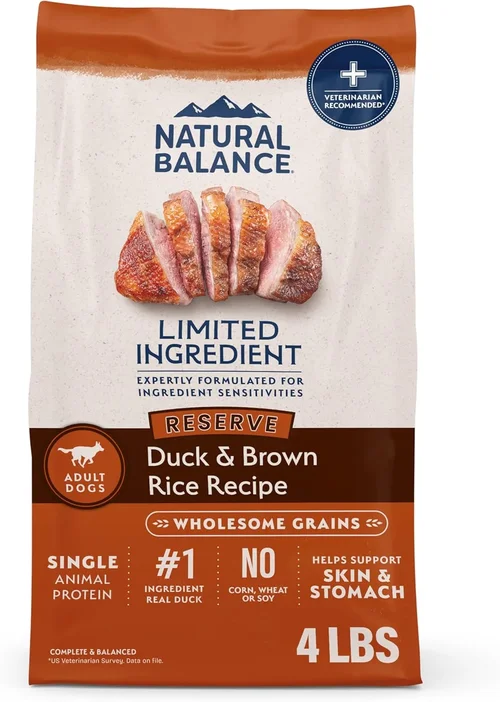
Choosing the right complete dog food for your Labrador isn’t just about picking a bag off the shelf—it’s about making a long-term investment in your dog’s health, energy, and longevity. Labradors are one of the most popular dog breeds in the world, known for their friendly nature, intelligence, and boundless enthusiasm. But they’re also prone to specific health challenges, including obesity, joint issues like hip and elbow dysplasia, and food sensitivities. That’s why feeding them a balanced, high-quality diet tailored to their unique needs is essential. With so many options flooding the market—from grain-free formulas to raw-inspired kibble and prescription diets—it’s easy to feel overwhelmed. This guide cuts through the noise to help you make an informed, confident decision.
In this comprehensive buying guide, you’ll learn exactly what to look for when selecting complete dog food for your Labrador in 2026. We’ll break down the key nutritional factors that matter most for this active, medium-to-large breed, explain how to interpret ingredient lists like a pro, and help you navigate budget considerations without compromising quality. Whether you’re a first-time Labrador owner or a seasoned pet parent looking to upgrade your pup’s diet, this guide will equip you with expert-level knowledge to choose a food that supports healthy weight management, strong joints, a shiny coat, and overall vitality. We’ll also compare different types of dog food, highlight common pitfalls to avoid, and provide actionable tips to get the best value for your money.
The dog food market has evolved significantly in recent years, with brands increasingly focusing on transparency, science-backed formulations, and breed-specific nutrition. However, not all “complete and balanced” claims are created equal. Some foods may meet basic AAFCO standards but fall short in delivering optimal nutrition for a Labrador’s high metabolism and predisposition to weight gain. Others may use misleading marketing tactics—like front-label buzzwords such as “natural” or “premium”—without delivering on substance. By the end of this guide, you’ll understand how to read beyond the packaging, evaluate nutritional adequacy, and select a food that truly meets your Labrador’s needs at every life stage.
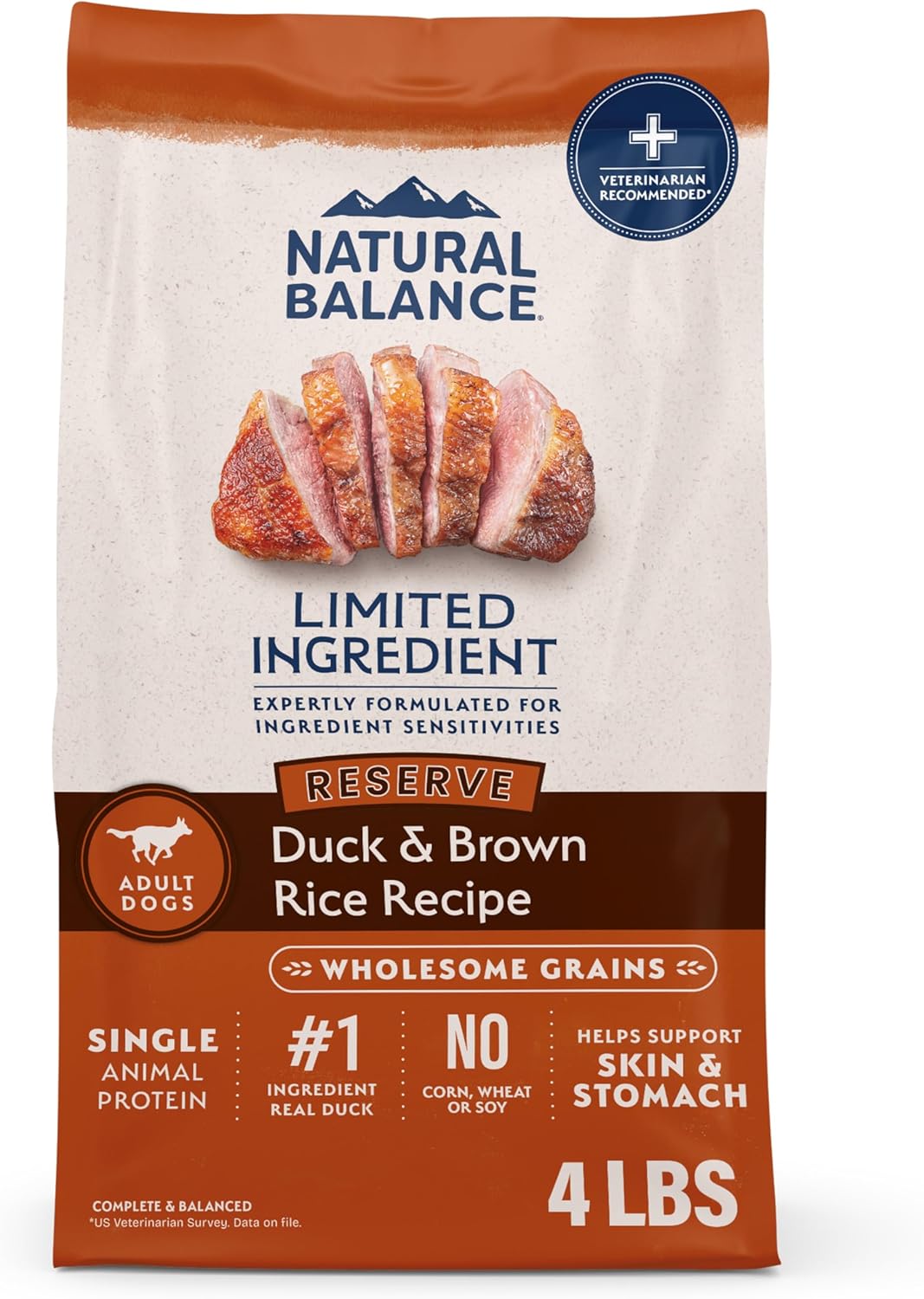
What to Look for When Buying Complete Dog Food for Labradors
1. High-Quality Protein Sources
Protein is the cornerstone of any Labrador’s diet. As active, muscular dogs, Labradors require a diet rich in animal-based protein to support lean muscle mass, energy levels, and overall cellular function. Look for foods where the first ingredient is a named meat source—such as deboned chicken, turkey, lamb, or salmon—rather than vague terms like “meat meal” or “poultry by-product.” Ideally, the protein should come from whole meats or meat meals that specify the animal source (e.g., “chicken meal” vs. “animal meal”). Aim for a minimum of 22–26% crude protein for adult Labradors, with higher levels (26–30%) recommended for puppies or highly active dogs. Avoid foods that rely heavily on plant-based proteins like soy, corn gluten meal, or pea protein as primary protein sources, as these are less bioavailable and may not meet your dog’s amino acid needs.
2. Healthy Fats for Energy and Coat Health
Fats are a concentrated source of energy for Labradors, who thrive on physical activity. They also play a critical role in maintaining a healthy skin and shiny coat, reducing inflammation, and supporting brain function. Look for foods that include animal-based fats like chicken fat, salmon oil, or lamb fat—these are rich in essential fatty acids, particularly omega-3 and omega-6. Omega-3s, found in fish oil and flaxseed, help reduce joint inflammation and support cognitive health, which is especially important for aging Labradors. Avoid foods with excessive amounts of plant oils like corn or soybean oil, which are high in omega-6 and can promote inflammation when not balanced with omega-3s. A fat content of 12–16% is ideal for most adult Labradors, with slightly higher levels acceptable for working or pregnant dogs.
3. Controlled Calorie Density to Prevent Obesity
Labradors are notorious for their love of food and tendency to gain weight easily. In fact, studies show that up to 60% of Labradors in the U.S. are overweight or obese, which can lead to diabetes, joint stress, and reduced lifespan. Therefore, calorie control is one of the most important factors when choosing a complete dog food. Look for formulas specifically designed for large breeds or weight management, which typically contain fewer calories per cup while still providing complete nutrition. Avoid calorie-dense foods with high fat or carbohydrate content unless your dog is highly active. Check the feeding guidelines on the packaging—these should be based on your dog’s ideal weight, not current weight. For example, a sedentary 70-pound Labrador may only need 1,400–1,600 calories per day, while an active one might require 1,800–2,000.
4. Joint Support Ingredients
Due to their size and genetics, Labradors are at high risk for hip and elbow dysplasia, arthritis, and other joint issues. Feeding a diet that supports joint health from an early age can make a significant difference in their quality of life as they age. Look for foods that include glucosamine and chondroitin—natural compounds that help maintain cartilage integrity and reduce inflammation. These are often added to large-breed formulas but may also be found in premium adult or senior diets. Additionally, omega-3 fatty acids (especially EPA and DHA from fish oil) have been shown to reduce joint stiffness and improve mobility. Some brands also include green-lipped mussel extract or turmeric for added anti-inflammatory benefits. While these ingredients won’t prevent genetic conditions entirely, they can slow progression and improve comfort.
5. Digestive Health and Fiber Content
A healthy digestive system is essential for nutrient absorption and overall well-being. Labradors can be prone to gas, bloating, and sensitive stomachs, so choosing a food with easily digestible ingredients and appropriate fiber levels is crucial. Look for foods that include prebiotic fibers like beet pulp, chicory root, or dried fermentation products, which feed beneficial gut bacteria. Avoid excessive fillers like corn, wheat, or soy, which can be hard to digest and may trigger allergies. Moderate fiber content (3–5%) helps regulate bowel movements and supports satiety, which is helpful for weight management. Probiotics are another plus—live beneficial bacteria that can improve digestion and immune function. While not required by AAFCO, many high-quality brands now include probiotics in their formulations.
6. Life Stage Appropriateness
Not all dog foods are suitable for every life stage. Puppies, adults, and seniors have different nutritional needs, and feeding the wrong formula can lead to developmental issues or health problems. Labrador puppies, for example, grow rapidly and require higher levels of protein, fat, and calories—but not too much calcium, which can cause skeletal abnormalities. Look for foods labeled “for growth” or “for all life stages” that meet AAFCO standards for puppies. Adult Labradors (1–7 years) benefit from balanced nutrition that supports energy and weight control, while senior dogs (7+) may need reduced calories, increased joint support, and easier-to-digest ingredients. Avoid feeding adult food to puppies or senior food to young, active dogs, as this can lead to deficiencies or excesses.
7. Ingredient Transparency and Sourcing
With growing concerns about pet food safety and sustainability, ingredient transparency has become a top priority for discerning pet owners. Reputable brands will clearly list all ingredients, avoid artificial preservatives (like BHA, BHT, or ethoxyquin), and provide information about sourcing and manufacturing practices. Look for companies that use human-grade ingredients, conduct third-party testing, and are transparent about where their meat, vegetables, and grains come from. Avoid brands that use vague terms like “meat by-products” or “animal digest,” which can indicate low-quality or inconsistent sourcing. Additionally, check if the food is manufactured in facilities that follow strict quality control standards—ideally in the U.S., Canada, or EU, where regulations are more stringent.
8. Brand Reputation and Veterinary Endorsements
While a shiny label and catchy slogan might catch your eye, it’s the brand’s track record that truly matters. Research the company’s history—have they had recalls? Do they employ veterinary nutritionists? Are their formulas developed with scientific input? Brands like Royal Canin, Hill’s Science Diet, and Purina Pro Plan have veterinary backing and conduct extensive research, making them reliable choices. However, smaller boutique brands like The Honest Kitchen, Open Farm, or Wellness may offer higher ingredient quality and transparency. Look for brands that publish feeding trials or have their recipes formulated by board-certified veterinary nutritionists. Online reviews can be helpful, but prioritize feedback from long-term users and veterinarians over one-off complaints.
Different Types of Complete Dog Food for Labradors

Each type of dog food has its strengths and ideal use cases. Dry kibble remains the most popular choice due to its affordability, convenience, and dental benefits—chewing helps reduce plaque buildup. However, some Labradors may benefit from the higher moisture content of wet food, especially if they don’t drink enough water. Grain-free options have gained popularity, but recent FDA investigations have raised concerns about a potential link between grain-free diets and dilated cardiomyopathy (DCM) in dogs, particularly when legumes like peas or lentils are used as primary ingredients. Unless your Labrador has a confirmed grain allergy, a balanced diet with whole grains like brown rice or oats may be safer.
Fresh and refrigerated foods, such as those from The Farmer’s Dog or Nom Nom, offer minimally processed, human-grade ingredients and are formulated by veterinary nutritionists. These are excellent for owners who want maximum control over their dog’s diet but come at a higher cost and require refrigeration. Raw and freeze-dried diets appeal to those following a “biologically appropriate” feeding philosophy, but they require careful handling to avoid bacterial contamination and may not be nutritionally balanced without supplementation. Always consult your veterinarian before switching to a raw diet, especially for large breeds like Labradors.
Common Buying Mistakes to Avoid
❌ Mistake: Choosing Based on Marketing Claims Alone
Why it’s bad: Phrases like “all-natural,” “holistic,” or “premium” are not regulated by the FDA or AAFCO and can be used freely by any brand. A food labeled “grain-free” might still contain high levels of potatoes or peas, which can be problematic for some dogs. Relying on front-label buzzwords can lead you to overpay for a product that doesn’t deliver on nutrition.
What to do instead: Always read the ingredient list and guaranteed analysis. Focus on the first five ingredients—they make up the bulk of the food. Look for real meat, named fat sources, and whole grains or vegetables. Ignore flashy packaging and focus on substance.
❌ Mistake: Overfeeding Due to Misleading Guidelines
Why it’s bad: Feeding charts on dog food bags are general estimates and often assume an “average” activity level. Labradors, especially neutered or sedentary ones, are prone to weight gain. Overfeeding—even with high-quality food—can lead to obesity, joint stress, and reduced lifespan.
What to do instead: Use the feeding guidelines as a starting point, then adjust based on your dog’s body condition. Feel your dog’s ribs—you should be able to feel them without a thick layer of fat. Consult your vet for a personalized feeding plan and consider using a measuring cup to avoid free-feeding.
❌ Mistake: Ignoring Life Stage Needs
Why it’s bad: Feeding adult food to a growing Labrador puppy can result in nutritional deficiencies, while feeding puppy food to an adult can lead to excessive weight gain. Senior dogs have different calorie and nutrient requirements than younger dogs.
What to do instead: Choose a food specifically formulated for your dog’s life stage. Look for AAFCO statements on the packaging that confirm the food meets requirements for growth, maintenance, or all life stages. Transition gradually when switching formulas to avoid digestive upset.
❌ Mistake: Switching Foods Too Frequently
Why it’s bad: Constantly changing your dog’s diet can disrupt their digestive system, leading to diarrhea, gas, or food sensitivities. It also makes it difficult to determine if a particular food is causing an issue.
What to do instead: Stick with a high-quality food for at least 6–8 weeks before evaluating its effectiveness. If you need to switch, do so gradually over 7–10 days by mixing increasing amounts of the new food with the old. This allows your dog’s gut microbiome to adjust.
❌ Mistake: Overlooking Additives and Preservatives
Why it’s bad: Artificial preservatives like BHA, BHT, and ethoxyquin have been linked to health concerns in dogs, including liver damage and cancer. While natural preservatives like mixed tocopherols (vitamin E) are safer, some brands still use synthetic options to extend shelf life.
What to do instead: Choose foods preserved with natural alternatives. Check the ingredient list for “mixed tocopherols,” “rosemary extract,” or “ascorbic acid.” Avoid products with chemical-sounding preservatives, especially if your dog has a sensitive system.
❌ Mistake: Not Considering Your Dog’s Individual Needs
Why it’s bad: Every Labrador is different. One dog may thrive on a high-protein diet, while another may develop skin issues or digestive problems. Ignoring signs like itching, ear infections, or loose stools can lead to chronic health issues.
What to do instead: Monitor your dog’s response to their food. Keep a journal of energy levels, coat condition, stool quality, and any behavioral changes. If problems persist, consult your vet or a veterinary nutritionist. Consider an elimination diet if food allergies are suspected.
❌ Mistake: Buying the Cheapest Option Available
Why it’s bad: Low-cost dog foods often use fillers, by-products, and low-quality proteins to cut costs. While they may meet basic AAFCO standards, they don’t provide optimal nutrition and can lead to health problems over time.
What to do instead: View dog food as a long-term investment in your dog’s health. A slightly more expensive food with high-quality ingredients can reduce vet bills and improve quality of life. Look for value in mid-range brands that balance cost and quality.
Budget Guidelines: How Much Should You Spend?
When it comes to feeding your Labrador, cost is a real consideration—especially since large breeds eat a lot. However, skimping on quality can lead to higher expenses down the line in the form of medical bills or supplements. Here’s a breakdown of what to expect at different price points:
– Entry-Level ($1.00–$1.75/lb): These foods typically use meat by-products, corn, wheat, and soy as primary ingredients. While they may be “complete and balanced,” they often lack high-quality protein and rely on fillers. Best for temporary use or multi-dog households on a tight budget, but not recommended for long-term feeding.
– Mid-Range ($1.75–$3.00/lb): This is the sweet spot for most Labrador owners. Brands in this range—such as Purina Pro Plan, Iams, or Nutro—offer real meat as the first ingredient, moderate fat levels, and added vitamins and minerals. Many include probiotics, joint support, and omega fatty acids. You’ll find both grain-inclusive and grain-free options, with good ingredient transparency.
– Premium ($3.00–$5.00/lb): These foods use high-quality, often human-grade ingredients, with named meat meals, whole grains, and superfoods like blueberries or kale. Brands like Wellness, Blue Buffalo, and Merrick fall into this category. They’re ideal for dogs with sensitivities, active lifestyles, or owners who want to feed a more natural diet without going raw.
– Luxury ($5.00+/lb): At this level, you’re paying for convenience, customization, and cutting-edge nutrition. Fresh food delivery services like The Farmer’s Dog or Ollie offer portioned, vet-formulated meals made with human-grade ingredients. Freeze-dried raw brands like Stella & Chewy’s or Primal also fall here. These are best for owners who prioritize ingredient quality and are willing to invest in their dog’s long-term health.

Expert Tips for Getting the Best Deal
– Buy in Bulk During Sales: Stock up on dog food during major sales events like Black Friday, Amazon Prime Day, or end-of-season clearances. Many retailers offer 20–30% off large bags. Just ensure you have proper storage to keep kibble fresh.
– Subscribe and Save: Online retailers like Chewy, Amazon, and Petco offer subscription services with discounts (usually 5–15%) and free shipping. You can adjust delivery frequency and pause or cancel anytime.
– Compare Unit Prices: Don’t just look at the total price—compare cost per pound or per cup. A 30-lb bag may seem expensive upfront but could be cheaper per serving than a 15-lb bag.
– Check for Rebates and Loyalty Programs: Some brands offer mail-in rebates or points-based rewards. Sign up for newsletters to get exclusive coupons and early access to promotions.
– Read Return Policies: If your dog doesn’t like the food or has a reaction, you’ll want to return it. Choose retailers with flexible return windows (at least 30 days) and clear policies on opened bags.
– Ask Your Vet for Samples: Many veterinary clinics receive free samples from pet food companies. Ask if they have any trial sizes of prescription or therapeutic diets—great for testing before committing.
– Consider Store Brands: Retailers like Costco (Kirkland Signature), Walmart (Pure Balance), and Target (Simply Nourish) offer high-quality private-label dog foods at lower prices. Many are manufactured by the same companies as name brands.
– Test Before Committing: If possible, buy a small bag first to see how your dog reacts. Look for improvements in energy, coat shine, stool consistency, and appetite over 4–6 weeks.

Frequently Asked Questions
Q: Can I feed my Labrador a grain-free diet?
A: Grain-free diets are safe for most Labradors, but only if they’re nutritionally balanced and don’t rely heavily on legumes like peas, lentils, or potatoes as primary ingredients. The FDA has investigated a potential link between certain grain-free diets and dilated cardiomyopathy (DCM), especially in breeds not genetically predisposed to the condition. If your dog has a confirmed grain allergy, grain-free may be necessary—otherwise, whole grains like brown rice or oats can be beneficial sources of fiber and energy.
Q: How often should I feed my Labrador?
A: Adult Labradors should be fed twice daily—once in the morning and once in the evening. This helps regulate metabolism, prevents bloating, and supports digestive health. Puppies under six months may need three to four meals per day, gradually reducing to two as they mature.
Q: Is wet food better than dry food?
A: Wet food has higher moisture content, which can benefit dogs who don’t drink enough water, especially seniors or those with kidney issues. It’s also more palatable for picky eaters. However, dry food is more convenient, cost-effective, and helps reduce tartar buildup. Many owners use a combination—mixing wet food into kibble for added flavor and hydration.
Q: How do I know if my Labrador is overweight?
A: You should be able to feel your dog’s ribs without pressing hard, and they should have a visible waist when viewed from above. If their belly sags or you can’t feel their ribs, they may be overweight. Your vet can assess their body condition score (BCS) and recommend a weight management plan.
Q: Can I make homemade dog food for my Labrador?
A: Yes, but it requires careful planning to ensure nutritional balance. Homemade diets must include the right ratios of protein, fat, carbohydrates, vitamins, and minerals. Consult a veterinary nutritionist to formulate a balanced recipe. Improperly balanced homemade diets can lead to deficiencies or excesses over time.
Q: Should I add supplements to my Labrador’s food?
A: If you’re feeding a complete, high-quality dog food, additional supplements are usually unnecessary. However, some dogs benefit from joint supplements (glucosamine, omega-3s) or probiotics, especially as they age. Always consult your vet before adding supplements to avoid overdosing or interactions.
Q: How long can I store an opened bag of dog food?
A: Once opened, dry dog food should be stored in an airtight container and used within 6–8 weeks to maintain freshness and prevent rancidity. Keep it in a cool, dry place away from sunlight. Wet food should be refrigerated and used within 3–5 days.
Q: What should I do if my Labrador has food allergies?
A: Symptoms of food allergies include itching, ear infections, vomiting, or diarrhea. Common allergens include beef, chicken, dairy, wheat, and soy. An elimination diet—feeding a novel protein and carbohydrate source for 8–12 weeks—can help identify triggers. Work with your vet to determine the best approach.
Our Final Recommendations
– Best for Budget-Conscious Buyers: Purina Pro Plan Adult Large Breed Formula – Offers excellent value with real chicken, glucosamine for joints, and probiotics for digestion. Priced around $2.20/lb, it’s a reliable choice for everyday feeding.
– Best Overall Value: Wellness Complete Health Large Breed Adult – Features deboned chicken, brown rice, and added omega fatty acids. Balanced nutrition, transparent sourcing, and no artificial additives make it a top pick for most Labradors.
– Best Premium Option: The Farmer’s Dog Fresh Food – Customized, human-grade meals delivered to your door. Formulated by vets and made with whole ingredients, it’s ideal for owners who want the best for their dog and don’t mind the higher cost.
– Best for Beginners: Hill’s Science Diet Large Breed Adult – Veterinarian-recommended, easy to find, and formulated for large-breed needs. Great for first-time owners who want a trusted, no-fuss option.
– Best for Advanced Users: Open Farm Freeze-Dried Raw – For owners comfortable with raw feeding, this offers high meat content, ethical sourcing, and no grains or fillers. Requires rehydration but delivers top-tier nutrition.
Conclusion: Making the Right Choice
Choosing the best complete dog food for your Labrador is one of the most important decisions you’ll make as a pet owner. It’s not just about filling their bowl—it’s about supporting their health, energy, and happiness for years to come. By focusing on high-quality protein, healthy fats, joint support, and life stage appropriateness, you can ensure your Labrador thrives on a diet that meets their unique needs. Avoid common pitfalls like overfeeding, relying on marketing claims, or ignoring individual sensitivities, and always prioritize transparency and nutritional adequacy.
Remember, the best food for your dog is the one that keeps them at a healthy weight, has a shiny coat, firm stools, and plenty of energy. While budget is a factor, view dog food as an investment in your Labrador’s long-term well-being. Whether you choose a mid-range kibble, a fresh food subscription, or a premium raw diet, the key is consistency and attention to detail. Consult your veterinarian, monitor your dog’s response, and don’t be afraid to adjust as needed. With the knowledge from this guide, you’re now equipped to make a confident, informed choice that will keep your Labrador healthy, happy, and by your side for many years to come.