

Storing your dog’s food properly isn’t just about convenience—it’s a critical part of responsible pet ownership. Whether you’re feeding kibble, freeze-dried raw, or dehydrated meals, how you store that food directly impacts its freshness, nutritional value, and safety. A poor storage solution can lead to rancid fats, mold growth, pest infestations, or even bacterial contamination that could make your dog seriously ill. With so many dog food containers flooding the market in 2026—from basic plastic bins to smart airtight systems with digital tracking—it’s easy to feel overwhelmed. That’s why this guide exists: to cut through the noise and help you make an informed, confident decision based on science, practicality, and real-world performance.
In this comprehensive buying guide, you’ll learn exactly what to look for when choosing the best container for storing dog food. We’ll break down the essential factors like material safety, airtight sealing, capacity, portability, and ease of cleaning. You’ll also discover the different types of containers available—plastic, metal, ceramic, and smart tech-enabled models—and how they compare in terms of durability, cost, and functionality. Plus, we’ll share expert tips on avoiding common pitfalls, maximizing your budget, and maintaining your container for long-term use. Whether you have a tiny Chihuahua who eats half a cup a day or a Great Dane consuming five pounds of kibble weekly, this guide will equip you with the knowledge to choose a storage solution that keeps your pup’s meals fresh, safe, and delicious.
The dog food storage market has evolved dramatically over the past few years. What was once limited to repurposed coffee cans or flimsy plastic tubs now includes high-tech options with humidity sensors, portion control lids, and even app connectivity. At the same time, eco-conscious consumers are demanding sustainable materials and reusable designs. With prices ranging from under $10 for basic models to over $200 for premium smart containers, there’s something for every budget—but not every option is worth your money. This guide will help you navigate that landscape with clarity and confidence, ensuring you invest in a container that truly meets your needs without overspending or compromising on quality.

What to Look for When Buying Buying Guide
1. Airtight Seal Quality
The single most important feature in any dog food container is its ability to create and maintain an airtight seal. Oxygen is the enemy of dry dog food—it causes fats to oxidize (turn rancid), vitamins to degrade, and flavors to fade. Over time, exposure to air can turn nutritious kibble into stale, unappetizing pellets that your dog may refuse to eat. An effective airtight seal prevents moisture, humidity, and airborne contaminants from entering the container, preserving freshness for weeks or even months after opening the original bag.
Look for containers with silicone gaskets, double-locking lids, or compression seals. Test the seal by closing the lid and trying to slide a piece of paper underneath—if it slips out easily, the seal isn’t tight enough. High-quality containers often use food-grade silicone rings that remain flexible over time and don’t degrade with repeated washing. Avoid containers that rely solely on snap-on lids without gaskets, as these rarely provide true airtight protection.
2. Material Safety & Non-Toxicity
Your dog’s food container should be made from materials that are safe for long-term food contact and won’t leach harmful chemicals into the kibble. Many budget plastic containers are made from low-grade polypropylene or polystyrene, which can release microplastics or endocrine-disrupting compounds like BPA (even if labeled “BPA-free,” some alternatives like BPS may pose similar risks). Opt for containers made from FDA-approved, food-grade materials such as high-density polyethylene (HDPE), Tritan copolyester, or stainless steel.
Stainless steel is naturally non-porous, odor-resistant, and completely inert—meaning it won’t react with food or absorb smells. It’s also recyclable and incredibly durable. However, it’s heavier and more expensive than plastic. If you choose plastic, verify that it’s labeled “food-safe” and free from phthalates, BPA, and other toxic additives. Avoid clear acrylic or polycarbonate plastics unless they’re specifically certified as food-grade, as these can degrade over time and scratch easily, creating hiding spots for bacteria.
3. Capacity & Portion Control
Choosing the right size container is crucial for both freshness and convenience. A container that’s too small forces you to refill it constantly, increasing exposure to air each time you open it. Conversely, a container that’s too large may leave too much empty space, allowing residual air to accelerate spoilage. As a general rule, select a container that holds no more than a 2–4 week supply of food for your dog, depending on how quickly you go through a bag.
Many modern containers now include built-in portion control features, such as measuring scoops, sliding dividers, or graduated markings on the interior. These are especially helpful for multi-dog households or owners who need precise feeding amounts for weight management. Some smart containers even integrate digital scales or app-based portion tracking, allowing you to monitor your dog’s intake remotely. Consider your dog’s breed, appetite, and feeding schedule when deciding on capacity—small breeds may only need a 5–10 lb container, while large breeds could require 30–50 lbs or more.
4. Ease of Cleaning & Maintenance
A dog food container that’s difficult to clean quickly becomes a breeding ground for bacteria, mold, and lingering odors. Residual kibble dust, grease, and moisture can accumulate in corners, under lids, or around seals—especially if your dog eats oily or high-fat diets. Look for containers with smooth, seamless interiors, removable gaskets, and dishwasher-safe components. Avoid designs with intricate hinges, hidden crevices, or non-removable parts that trap debris.
Stainless steel and high-quality Tritan plastic are typically the easiest to clean and sanitize. Some containers feature wide-mouth openings or flip-top lids that allow full access for scrubbing. If you plan to wash your container by hand, ensure all parts can be disassembled without tools. For busy pet parents, a dishwasher-safe model can save significant time and effort. Regular cleaning (at least once a month, or immediately if you notice odors or residue) is essential to prevent cross-contamination between batches of food.
5. Pest & Rodent Resistance
One of the most overlooked aspects of dog food storage is protection against pests. Mice, rats, ants, and pantry moths are highly attracted to the scent of kibble and can infiltrate poorly sealed containers in minutes. Once inside, they can contaminate the food with droppings, urine, or eggs, posing serious health risks to your dog. A truly effective container must be pest-proof—not just airtight.
Metal containers, particularly those with reinforced lids and locking mechanisms, offer the best defense against rodents, which can chew through thin plastic. Look for containers with metal latches, heavy-duty hinges, or screw-top lids that create a physical barrier. Some premium models include magnetic locks or child-proof closures that also deter curious critters. If you live in an area with high pest activity (e.g., rural homes, garages, or basements), prioritize rodent-resistant designs. Even in urban apartments, ants and fruit flies can be a problem—so never assume your home is immune.
6. Portability & Mobility Features
If you travel with your dog, feed multiple times a day in different locations, or simply want to move the container from the pantry to the kitchen counter, portability becomes a key consideration. Heavy, bulky containers can be awkward to handle—especially when full. Look for features like built-in wheels, ergonomic handles, or lightweight construction that make transportation easier.
Rolling containers with locking casters are ideal for large-capacity bins (30+ lbs), allowing you to glide them across floors without lifting. Some models include fold-down handles or recessed grips for better control. For smaller containers, a comfortable carry handle or shoulder strap can make a big difference. If you frequently take your dog camping or to daycare, consider a compact, leak-proof travel container that fits in a backpack. Just ensure that portability doesn’t compromise seal integrity—wheels and handles should be sturdy and not interfere with the lid’s closure.
7. Transparency & Visibility
Being able to see how much food is left without opening the container saves time, reduces air exposure, and helps you plan refills. Clear plastic or glass containers offer full visibility, but they come with a trade-off: light exposure can degrade certain nutrients in dog food, especially vitamins A and E, which are sensitive to UV rays. Dark or opaque containers protect against light but hide the contents.
The best compromise is a container with a translucent or tinted body that blocks UV light while still allowing you to gauge volume. Some models feature a viewing window or level indicator on the side. Others use smart technology—like LED lights that activate when the lid opens—to illuminate the interior without constant exposure. If you choose a fully transparent container, store it in a dark cupboard or pantry to minimize light damage. For raw or freeze-dried diets, which are especially light-sensitive, opaque or metal containers are strongly recommended.
8. Brand Reputation & Customer Support
Not all dog food container brands are created equal. Some prioritize aesthetics over functionality, while others cut corners on material quality to reduce costs. Researching brand reputation can save you from buying a container that cracks after a few months or develops odors that won’t wash out. Look for companies with a track record in pet products or food storage, positive customer reviews, and transparent manufacturing practices.
Reliable brands often provide detailed product specifications, material certifications, and responsive customer service. Check if they offer warranties, replacement parts (like gaskets or latches), or satisfaction guarantees. Brands like IRIS, Gamma2, and PetSafe have established themselves as leaders in pet storage, while newer entrants like Furbo and Petlibro focus on smart features. Avoid generic or unbranded containers sold on discount marketplaces unless they have verified reviews and clear safety certifications. A reputable brand may cost slightly more upfront but will likely save you money and frustration in the long run.
Different Types of Buying Guide
Common Buying Mistakes to Avoid

❌ Mistake: Choosing Based Solely on Price
Why it’s bad: The cheapest containers often use thin, low-quality plastic that cracks, warps, or fails to seal properly. They may also contain harmful chemicals that leach into food over time. Saving $10 upfront could cost you more in spoiled food, vet bills, or replacement containers down the line.
What to do instead: Treat your dog food container as a long-term investment in your pet’s health. Allocate a reasonable budget based on your dog’s size and feeding needs, and prioritize features like airtight seals and food-safe materials over flashy designs or ultra-low prices.
❌ Mistake: Ignoring the Importance of Airtightness
Why it’s bad: Many buyers assume all “sealable” containers are equally effective. In reality, poor seals allow oxygen and moisture to enter, accelerating spoilage. Your dog may start refusing meals, or worse—consume rancid food that causes digestive upset.
What to do instead: Always verify the seal mechanism before buying. Look for silicone gaskets, double locks, or compression lids. Read customer reviews that specifically mention freshness retention over several weeks.
❌ Mistake: Overlooking Cleaning Requirements
Why it’s bad: A container that’s hard to clean becomes a bacterial hotspot. Residual grease and kibble dust can lead to mold, yeast, or Salmonella contamination—especially dangerous for immunocompromised dogs.
What to do instead: Choose containers with smooth interiors, removable parts, and dishwasher-safe components. If hand-washing, ensure all nooks are accessible. Clean your container at least monthly, or immediately after switching food types.
❌ Mistake: Buying a Container Too Large for Your Needs
Why it’s bad: Large containers with small amounts of food leave excessive air space, which speeds up oxidation. They’re also heavier, harder to move, and more prone to tipping over.
What to do instead: Match the container size to your dog’s consumption rate. For most households, a 15–30 lb capacity is ideal. Use multiple smaller containers if you feed different diets (e.g., kibble and raw).
❌ Mistake: Assuming All “BPA-Free” Plastics Are Safe
Why it’s bad: BPA-free doesn’t mean toxin-free. Many alternatives like BPS or BPF have similar endocrine-disrupting effects. Low-grade plastics may still contain phthalates or other harmful additives.
What to do instead: Verify that the plastic is FDA-approved for food contact and labeled as “food-grade.” When in doubt, opt for stainless steel or glass.
❌ Mistake: Neglecting Pest Protection
Why it’s bad: Rodents and insects can chew through thin plastic or slip through gaps in poorly designed lids. Contaminated food can cause illness or infest your home.
What to do instead: In pest-prone areas, choose metal containers with reinforced lids. Even in cities, use containers with tight seals and store them off the floor if possible.
❌ Mistake: Not Testing Before Committing
Why it’s bad: Online photos can be misleading. A container may look sturdy but feel flimsy in person, or have a lid that doesn’t close properly.
What to do instead: If buying in-store, inspect the seal, weight, and build quality. For online purchases, check return policies and read detailed reviews from verified buyers.
Budget Guidelines: How Much Should You Spend?
When it comes to dog food containers, your budget should align with your dog’s size, your storage environment, and how much you value convenience and longevity. Here’s a breakdown of what to expect at different price points in 2026:
Entry-Level ($10 – $25): These are typically basic plastic bins with snap-on lids, often sold in multipacks. While affordable, they rarely offer true airtight seals and may degrade quickly. Best for temporary use, small dogs, or as backup containers. Look for brands like Sterilite or IRIS that offer decent quality at this range—but avoid ultra-cheap generics.
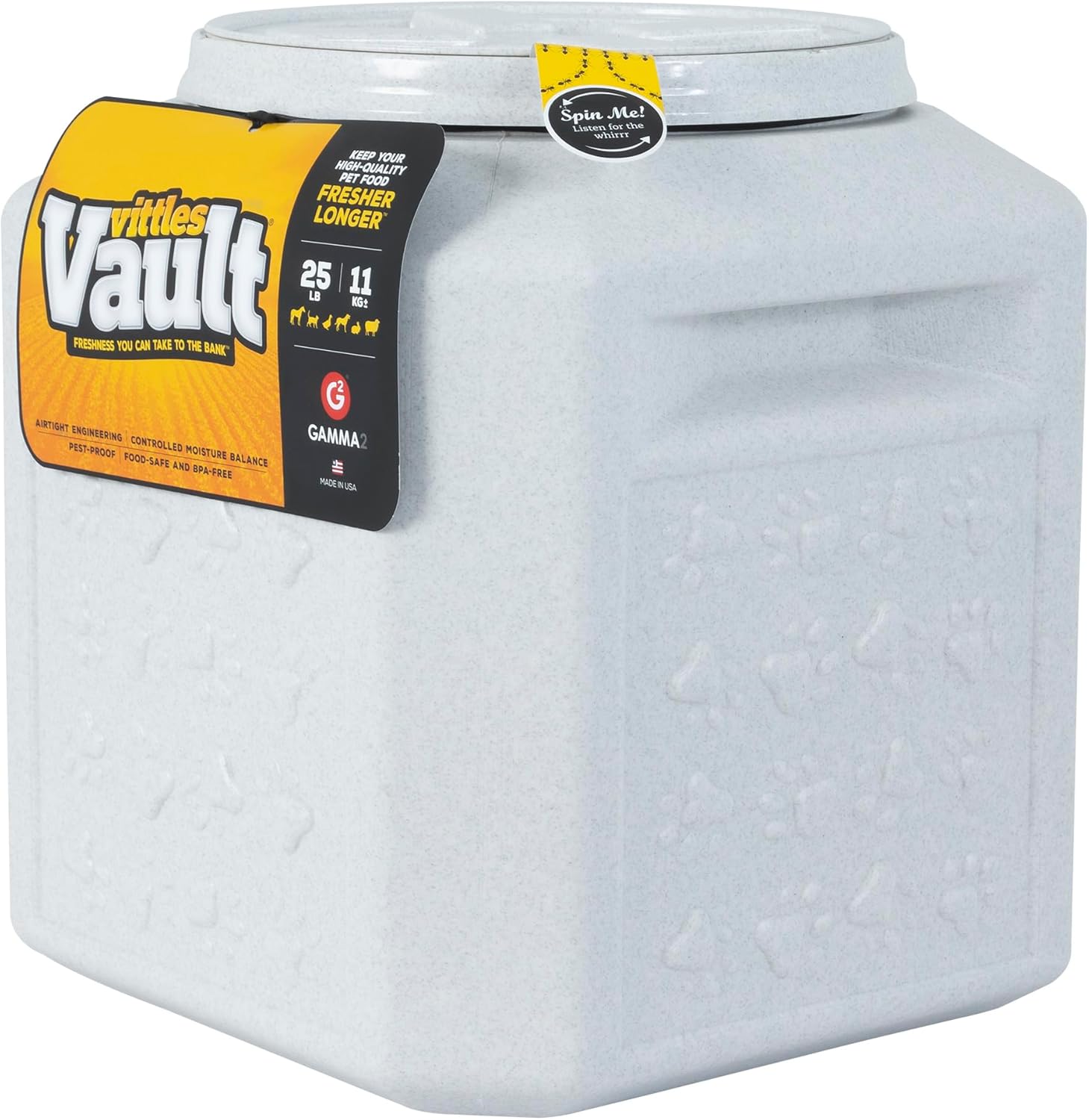
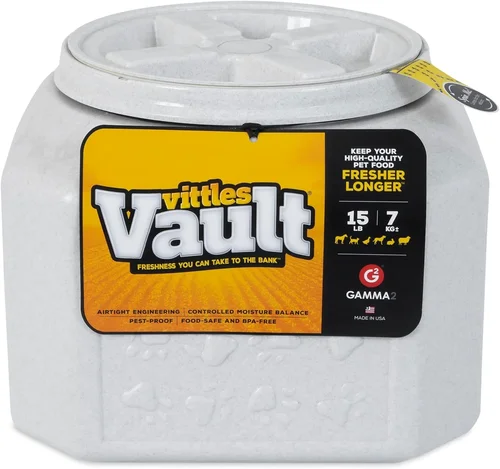
Mid-Range ($25 – $60): This is the sweet spot for most pet owners. Containers in this tier usually feature silicone gaskets, sturdy hinges, and food-grade materials. Brands like Gamma2 Vittles Vault or IRIS Airtight Pet Food Containers offer excellent value here. You’ll get reliable freshness protection, easy cleaning, and decent durability—ideal for medium to large dogs with regular feeding schedules.
Premium ($60 – $120): These containers prioritize advanced features: double seals, stainless steel construction, rolling bases, or integrated scoops. They’re built to last years and often come with warranties. Perfect for multi-dog households, raw feeders, or those storing food in garages or sheds where temperature fluctuations are common.
Luxury ($120+): Reserved for smart containers with digital displays, app integration, humidity sensors, or automatic portion control. Models like the Petlibro Smart Feeder or Furbo Dog Camera + Container combo fall here. These are best for tech enthusiasts, busy professionals, or owners managing medical diets requiring precise measurements.
Expert Tips for Getting the Best Deal
- Buy During Pet Industry Sales: Major retailers like Chewy, Petco, and Amazon offer deep discounts during Black Friday, Prime Day, and National Pet Day (April 11). Sign up for newsletters to get early access to deals.
- Check Warehouse Clubs: Costco and Sam’s Club often carry high-quality containers in bulk at lower per-unit costs—great if you need multiple sizes.
- Read Verified Purchase Reviews: Focus on reviews from buyers who’ve used the container for weeks or months. Look for comments about seal integrity, odor retention, and durability.
- Consider Refurbished or Open-Box: Premium brands sometimes sell refurbished smart containers at 30–50% off. These are tested and come with warranties.
- Bundle with Other Pet Supplies: Some retailers offer discounts when you buy a container alongside food, bowls, or toys.
- Test the Return Policy: Ensure you can return the container if it doesn’t meet expectations. Avoid sellers with restocking fees or short windows.
- Look for Warranty Coverage: Reputable brands often offer 1–3 year warranties. This protects against defects and gives you confidence in the product’s longevity.
- DIY Upgrade: If you already have a decent container, improve its seal by adding a food-grade silicone gasket or storing it inside a larger airtight bin.

Frequently Asked Questions
Q: Can I store dog food in its original bag inside a container?
A: Yes—and it’s actually recommended! Keeping the food in its original bag (with the top folded and clipped) inside an airtight container provides double protection. The bag preserves the manufacturer’s freshness seal, while the container guards against pests and moisture. Just ensure the bag fits comfortably without tearing.
Q: How long does dog food stay fresh in a container?
A: With a proper airtight container, unopened kibble can stay fresh for 4–6 weeks after opening the bag. High-fat or raw diets may spoil faster—use within 2–3 weeks. Always check for off smells, discoloration, or clumping before feeding.
Q: Are metal containers safe for dog food?
A: Absolutely. Food-grade stainless steel is non-toxic, non-porous, and won’t react with food. It’s one of the safest and most durable options available. Just avoid aluminum or painted metals, which can corrode or chip.
Q: Do I need a container if I feed my dog daily?
A: Yes. Even with daily feeding, exposing kibble to air each time you scoop accelerates spoilage. A container minimizes air exposure and keeps pests out—especially important if you store food in a garage or basement.
Q: Can I put wet dog food in these containers?
A: Most dry food containers aren’t designed for wet food, which requires refrigeration and airtight sealing to prevent spoilage. Use dedicated, refrigerator-safe containers with tight lids for wet food, and clean them after each use.
Q: Will a container prevent my dog’s food from smelling?
A: A high-quality airtight container will significantly reduce odor leakage, but some strong-smelling diets (like fish-based kibble) may still emit faint scents. Stainless steel and glass contain odors best; porous plastics can absorb smells over time.
Q: Are smart containers worth the extra cost?
A: It depends on your lifestyle. If you travel often, have multiple dogs, or need precise portion control, smart features like app alerts and automatic dispensing add real value. For casual users, a simple airtight bin may suffice.
Q: How often should I clean my dog food container?
A: Clean it at least once a month, or immediately if you switch food types, notice odors, or see residue. Deep clean with hot soapy water or run it through the dishwasher (if safe to do so).
Q: Can I store homemade dog food in these containers?
A: Only if the food is fully dehydrated or freeze-dried. Homemade cooked meals require refrigeration and should be stored in sealed, fridge-safe containers for no more than 3–5 days.
Q: Do containers work for cat food too?
A: Yes! The same principles apply. Just ensure the container is the right size for your cat’s consumption and consider smaller portions to maintain freshness.
Our Final Recommendations
Best for Budget-Conscious Buyers: IRIS Airtight Pet Food Container (25 lb) – At around $30, this plastic bin offers a reliable silicone gasket, BPA-free materials, and a wide mouth for easy scooping. Ideal for small to medium dogs and indoor use.
Best Overall Value: Gamma2 Vittles Vault Outback (40 lb) – Priced under $60, this heavy-duty plastic container features a patented Gamma Seal lid, rodent-resistant design, and stackable build. A favorite among veterinarians and pet shelters.
Best Premium Option: PetSafe Healthy Pet Simply Feed Automatic Feeder + Storage – At $150+, this stainless steel smart system combines a 25 lb airtight reservoir with programmable dispensing and app control. Perfect for tech-savvy owners or those with strict feeding schedules.
Best for Beginners: Simplehuman Pet Food Storage Can (10 lb) – With a push-button airtight lid, clear body, and compact size, this $40 container is user-friendly and stylish enough for kitchen counters. Great for first-time buyers.
Best for Advanced Users: Petlibro Smart Dog Food Container with Camera – This $200+ system includes a 30 lb stainless steel bin, HD camera, two-way audio, and real-time freshness monitoring via app. Ideal for remote monitoring and multi-pet households.
Conclusion: Making the Right Choice
Choosing the right dog food container isn’t just about keeping kibble tidy—it’s about safeguarding your dog’s health, preserving nutrition, and simplifying your daily routine. From airtight seals and pest resistance to material safety and ease of cleaning, every factor we’ve covered plays a vital role in ensuring your pet’s meals remain fresh, safe, and appetizing. While the market offers endless options in 2026, the best container for you is the one that aligns with your dog’s needs, your lifestyle, and your budget.
Don’t let flashy marketing or low prices distract you from what truly matters: functionality, durability, and peace of mind. Whether you opt for a simple plastic bin or a high-tech smart system, prioritize quality over gimmicks. Remember, a well-chosen container pays for itself in reduced food waste, fewer vet visits, and happier, healthier dogs. Take the time to assess your priorities, read reviews, and invest wisely. Your furry friend deserves nothing less.
Now that you’re equipped with expert knowledge, it’s time to make your choice. Browse our recommended models, compare features, and select the container that fits your life. And once you’ve made the switch, you’ll wonder how you ever managed without it. Here’s to fresher food, fuller bowls, and wagging tails for years to come.