

Storing your dog’s food properly isn’t just about keeping kibble in a bin—it’s about preserving nutrition, preventing spoilage, and protecting your pet’s health. Whether you feed dry kibble, wet food, or raw diets, the container you choose plays a critical role in maintaining freshness, flavor, and safety. A poor storage solution can lead to rancid fats, mold growth, pest infestations, or even bacterial contamination—risks that no responsible pet owner should ignore.
In this comprehensive guide, we’ll walk you through everything you need to know to choose the best dog food container for your household. From understanding key features like airtight seals and UV protection to comparing different materials, sizes, and price points, we’ve done the research so you don’t have to. You’ll learn how to avoid common pitfalls, identify high-quality options across budget ranges, and make an informed decision based on your dog’s needs, your lifestyle, and your home environment. With the pet food storage market flooded with options—from basic plastic bins to smart, tech-enabled containers—it’s easy to feel overwhelmed. But by the end of this guide, you’ll have the confidence and knowledge to pick a container that keeps your pup’s meals safe, tasty, and nutritious for weeks or even months.

What to Look for When Buying Buying Guide
1. Airtight Seal Quality
The single most important feature in any dog food container is its ability to create and maintain an airtight seal. Oxygen is the enemy of freshness—it accelerates oxidation, which causes fats in kibble to go rancid and diminishes the potency of vitamins and nutrients. A truly airtight container prevents moisture, air, and pests from entering while locking in aroma and crunch. Look for containers with silicone gaskets, snap-lock lids, or compression seals. Test the seal by closing the lid and trying to slide a piece of paper underneath—if it pulls out easily, the seal isn’t tight enough. High-quality airtight containers often include pressure-release valves or one-way vents that allow carbon dioxide (released naturally by kibble) to escape without letting oxygen in.
2. Material Safety and Durability
The material your container is made from directly impacts your dog’s health and the longevity of the product. Avoid containers made from low-grade plastics, especially those containing BPA, phthalates, or other endocrine-disrupting chemicals. These can leach into food over time, especially when exposed to heat or sunlight. Food-grade, BPA-free plastic is a safe minimum standard, but stainless steel and high-density polyethylene (HDPE) are superior choices for durability and chemical stability. Stainless steel resists scratches, odors, and bacteria buildup, making it ideal for raw or wet food storage. HDPE is lightweight, impact-resistant, and won’t absorb smells. Glass is another safe option but is heavier and more fragile, so it’s less practical for large quantities.
3. Capacity and Size Compatibility
Choosing the right size container depends on how much your dog eats, how often you shop for food, and how much space you have at home. A container that’s too small means frequent refills and increased exposure to air each time you open it. One that’s too large may take up unnecessary space or make it hard to access the bottom kibble. Measure your typical bag size—most dry food comes in 4-, 15-, 30-, or 40-pound bags—and choose a container that holds at least one full bag with room to spare. For multi-dog households or large breeds, consider 50+ pound capacities. Also, think about vertical vs. horizontal space: tall, narrow containers save floor space but may be harder to clean, while wide, low-profile bins offer easy access but require more counter or pantry room.
4. Ease of Cleaning and Maintenance
Dog food containers should be easy to clean to prevent bacterial growth, odor buildup, and cross-contamination. Look for designs with smooth interiors, removable lids, and dishwasher-safe components. Avoid containers with hard-to-reach corners, crevices, or complex locking mechanisms that trap crumbs and moisture. Some models include built-in scoops or flip-top dispensers, but these can complicate cleaning—ensure they’re removable or accessible. Stainless steel and HDPE are naturally easier to sanitize than porous plastics. If you feed raw or wet food, opt for containers that can be thoroughly disinfected with pet-safe cleaners. Regular cleaning (every 2–4 weeks) is essential, so choose a design that won’t deter you from maintaining it.
5. Pest and Rodent Resistance
Nothing ruins a bag of premium dog food faster than ants, mice, or pantry moths. A good container must be pest-proof, not just airtight. Look for thick, rigid walls that rodents can’t chew through, and lids that lock securely. Some containers come with reinforced latches or metal hinges for added security. If you live in an area with high pest activity—especially rural or suburban homes near fields or forests—consider stacking containers with tight seals or using secondary storage in a sealed cabinet. Transparent containers may help you spot infestations early, but opaque or UV-blocking materials are better for preserving nutrients. Avoid containers with flimsy plastic latches or gaps around the lid, as even tiny openings can invite insects.
6. UV Protection and Light Blocking
Sunlight and artificial light degrade fats and vitamins in dog food, leading to nutrient loss and off-flavors. Containers made from clear or translucent plastic offer visibility but offer little protection against UV rays. For long-term storage, choose opaque containers or those specifically labeled as UV-resistant. Dark-colored plastics (like black, navy, or charcoal) naturally block more light than clear or white ones. If you prefer a see-through design for convenience, look for tinted containers or store them in a dark pantry or cabinet. This is especially important if you buy in bulk and store food for several months. Nutrient degradation happens gradually, so even if the food looks fine, it may not be providing optimal nutrition.
7. Portability and Mobility Features
If you travel with your dog, move the container frequently, or have limited strength, portability becomes a key factor. Look for containers with built-in handles, wheels, or ergonomic grips. Some large-capacity models include caster wheels for easy rolling across floors. Lightweight materials like HDPE reduce strain, but ensure they’re still durable. For camping, road trips, or multi-level homes, consider smaller, portable containers (5–15 lbs) that can be filled from a larger main bin. Avoid containers that are top-heavy or lack stability—tipping over can spill food and create a mess. If you have arthritis or mobility issues, a container with a flip-top lid or automatic dispenser may be easier to use than one requiring two hands to open.
8. Additional Features and Smart Technology
Modern dog food containers offer a range of convenience features that go beyond basic storage. Some include built-in measuring scoops, portion control dials, or automatic dispensers that release set amounts at scheduled times. Smart containers connect to Wi-Fi and allow you to monitor food levels via a smartphone app, receive refill alerts, or even dispense food remotely. While these features add cost, they can be invaluable for busy pet parents, multi-pet households, or dogs on strict diets. However, ensure that smart components are easy to clean and don’t compromise the airtight seal. Battery life, app reliability, and data privacy are also considerations. For most users, a high-quality manual container with a good seal and scoop is sufficient, but tech-savvy owners may appreciate the added control.
Different Types of Buying Guide

Common Buying Mistakes to Avoid
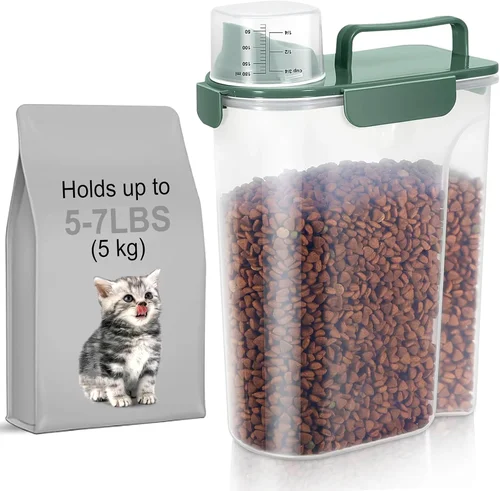
❌ Mistake: Using the Original Dog Food Bag
Why it’s bad: While convenient, the original bag offers minimal protection against air, moisture, and pests. The thin plastic or paper material tears easily, and folding the top doesn’t create an airtight seal. Over time, kibble exposed to air loses freshness and nutritional value.
What to do instead: Transfer food to a dedicated airtight container immediately after opening. If you must keep the bag, use a clip or vacuum sealer, but a proper container is far more effective.
❌ Mistake: Choosing a Container That’s Too Small
Why it’s bad: A container that barely fits one bag forces you to refill frequently, increasing exposure to air and contamination. It also makes it harder to scoop out the last bits of food.
What to do instead: Select a container that holds at least one full bag with 10–20% extra space. This reduces refill frequency and ensures easy access to all the food.
❌ Mistake: Ignoring Material Safety
Why it’s bad: Low-quality plastics can leach harmful chemicals into food, especially when exposed to heat or sunlight. This poses long-term health risks to your dog.
What to do instead: Always choose food-grade, BPA-free materials. Stainless steel and HDPE are the safest options for long-term storage.
❌ Mistake: Overlooking Cleaning Accessibility
Why it’s bad: Containers with complex lids, fixed scoops, or narrow openings are difficult to clean, leading to mold, bacteria, and odor buildup.
What to do instead: Opt for simple, modular designs with removable parts. Dishwasher-safe components make maintenance effortless.
❌ Mistake: Buying Based on Looks Alone
Why it’s bad: A stylish container may lack essential features like airtight seals or UV protection. Prioritizing aesthetics over function compromises food safety.
What to do instead: Focus on performance features first—seal quality, material, and capacity—then choose a design that fits your home.
❌ Mistake: Neglecting Pest Protection
Why it’s bad: Even small gaps in the lid can invite ants, moths, or rodents, ruining your food and creating a hygiene hazard.
What to do instead: Choose containers with reinforced latches, thick walls, and tight seals. Store in a secure location if pests are a concern.
❌ Mistake: Assuming All “Airtight” Claims Are Equal
Why it’s bad: Marketing terms like “airtight” are not regulated. Some containers claim to be airtight but fail under real-world conditions.
What to do instead: Read verified customer reviews and test the seal yourself. Look for silicone gaskets and compression lids for true airtight performance.
Budget Guidelines: How Much Should You Spend?
- Entry-Level ($15–$40): Ideal for small dogs or short-term storage. These are typically plastic bins with basic airtight lids. While affordable, they may lack durability, UV protection, or pest resistance. Best for occasional use or supplemental storage.
- Mid-Range ($40–$80): The sweet spot for most pet owners. These containers offer high-quality materials (HDPE or stainless steel), reliable airtight seals, and practical features like handles or scoops. They balance cost, performance, and longevity.
- Premium ($80–$150): Designed for large breeds, multi-dog homes, or raw feeders. Features include rolling bases, stackable designs, and enhanced durability. Often made from stainless steel or heavy-duty HDPE with superior seals.
- Luxury ($150+): Top-tier options with smart technology, automated dispensing, app connectivity, and premium materials. Best for tech enthusiasts, busy professionals, or those managing complex feeding routines.
Expert Tips for Getting the Best Deal
- Buy during seasonal sales: Pet supply retailers often discount storage containers during back-to-school (August), Black Friday (November), and post-holiday clearance (January). Sign up for newsletters to get early alerts.
- Compare online and in-store prices: Online retailers like Chewy, Amazon, and Petco often offer better deals and free shipping. However, in-store shopping lets you inspect build quality firsthand.
- Check return policies: Ensure the seller offers a hassle-free return window (at least 30 days) in case the container doesn’t meet your expectations.
- Look for bundle deals: Some brands sell containers with scoops, labels, or cleaning brushes at a discount. These add-ons can save money in the long run.
- Read verified reviews: Focus on reviews from customers who’ve used the container for months, not just days. Look for comments about seal durability, cleaning ease, and pest resistance.
- Consider long-term value: A $100 container that lasts 5 years is a better investment than a $20 one that cracks in 6 months. Prioritize durability and safety over upfront cost.
- Test before committing: If possible, buy a smaller version first to evaluate performance. Many brands offer multiple sizes of the same model.
- Watch for warranty coverage: Reputable brands often include 1–3 year warranties against defects. This protects your investment and reflects confidence in product quality.

Frequently Asked Questions
Q: Can I store wet dog food in these containers?
A: Yes, but only if the container is specifically designed for wet or raw food. Look for stainless steel or glass containers with airtight, leak-proof lids. Avoid porous plastics that can absorb odors. Clean thoroughly after each use to prevent bacterial growth.
Q: How long can I store dog food in a container?
A: Dry kibble stored in an airtight, cool, dark container can last 6–12 weeks after opening, depending on the brand and ingredients. Check the “best by” date and smell the food regularly. If it smells rancid or stale, discard it.
Q: Are plastic containers safe for dog food?
A: Only if they are labeled food-grade and BPA-free. High-density polyethylene (HDPE) is a safe, durable plastic option. Avoid containers with recycling codes 3 (PVC) or 7 (may contain BPA).
Q: Do I need a container if I feed my dog daily?
A: Yes. Even with daily feeding, exposure to air degrades food quality over time. An airtight container preserves freshness between meals and protects against pests.
Q: Can I put the container in the garage or basement?
A: Avoid extreme temperatures and humidity. Garages and basements often experience temperature swings and moisture, which can spoil food. Store containers in a cool, dry, indoor location like a pantry or closet.
Q: Are smart containers worth the cost?
A: They’re worth it if you travel often, have multiple pets, or need precise portion control. For most owners, a high-quality manual container is sufficient and more cost-effective.
Q: How do I clean a dog food container?
A: Empty and rinse the container weekly. Wash with warm, soapy water and a bottle brush. For deep cleaning, use a vinegar-water solution or pet-safe disinfectant. Allow to air dry completely before refilling.
Q: Can rodents chew through plastic containers?
A: Yes, especially thin or low-density plastics. Choose thick-walled HDPE or stainless steel containers with secure latches. Store in a sealed cabinet if rodents are a concern.
Q: Should I label my container?
A: Yes. Label with the food type, brand, and opening date to track freshness and avoid mix-ups, especially in multi-pet homes.
Q: Can I use a human food storage container for dog food?
A: Only if it’s food-grade, airtight, and easy to clean. Avoid containers with strong odors or residues. Dedicated pet food containers are designed with hygiene and safety in mind.
Our Final Recommendations
- Best for Budget-Conscious Buyers: IRIS USA Airtight Pet Food Container – Affordable, reliable, and available in multiple sizes. Features a snap-lock lid and BPA-free plastic.
- Best Overall Value: Simplehuman Pet Food Storage Container – Durable stainless steel, airtight seal, and sleek design. Easy to clean and built to last.
- Best Premium Option: PetSafe Healthy Pet Simply Feed – Smart dispenser with app control, portion scheduling, and large capacity. Ideal for tech-savvy owners.
- Best for Beginners: Gamma2 Vittles Vault – Simple, effective, and widely praised for its airtight seal and pest resistance. Great first container.
- Best for Advanced Users: Petlibro Automatic Feeder with Camera – Combines storage, dispensing, and remote monitoring. Perfect for busy or traveling pet parents.
Conclusion: Making the Right Choice
Choosing the right dog food container is about more than convenience—it’s a commitment to your pet’s health and well-being. The best container preserves nutrition, prevents contamination, and fits seamlessly into your lifestyle. By prioritizing airtight seals, safe materials, proper sizing, and ease of cleaning, you can ensure your dog enjoys fresh, high-quality meals every day. Avoid common mistakes like using the original bag or ignoring pest protection, and invest in a solution that offers long-term value. Whether you’re feeding a Chihuahua or a Great Dane, a single pup or a pack, there’s a container out there that meets your needs. Take the time to evaluate your priorities, compare options, and make a choice that keeps your furry friend happy, healthy, and well-fed for years to come. Your dog deserves nothing less.