
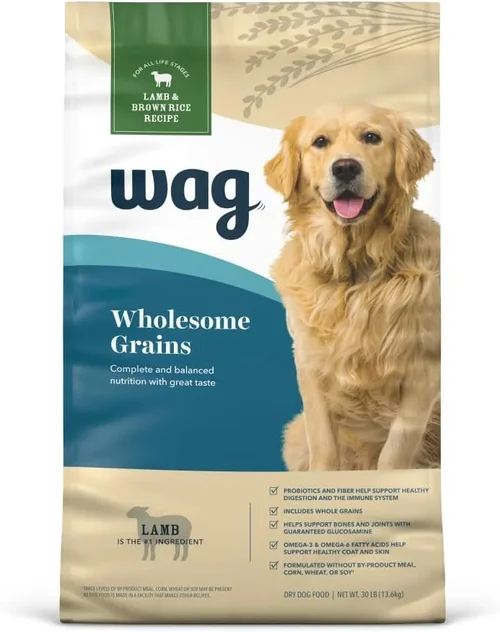
When it comes to feeding your large breed dog, the stakes are higher than ever. Large and giant breeds—think German Shepherds, Golden Retrievers, Great Danes, and Mastiffs—have unique nutritional needs that go far beyond simply filling their bowls with kibble. These dogs grow rapidly during puppyhood, mature slowly into adulthood, and face increased risks of joint problems, obesity, and digestive sensitivities. That’s why choosing the right dog food isn’t just about convenience or cost—it’s about long-term health, mobility, and quality of life.
Costco has become a go-to destination for pet owners looking to balance premium nutrition with value. With its bulk offerings, trusted private labels, and rotating inventory of national brands, Costco offers a surprisingly robust selection of dog food tailored to large breeds. But with so many options—Kirkland Signature, Purina Pro Plan, Royal Canin, Iams, and more—it’s easy to feel overwhelmed. This comprehensive buying guide cuts through the noise. Whether you’re a first-time large breed owner or a seasoned dog parent looking to upgrade your pup’s diet, this guide will equip you with everything you need to make an informed, confident decision.
In this guide, we’ll walk you through the critical factors to consider when selecting large breed dog food at Costco, compare top-performing formulas across different categories, highlight common pitfalls to avoid, and provide expert-backed recommendations based on ingredient quality, nutritional balance, affordability, and real-world performance. We’ll also break down budget tiers, share insider tips for scoring the best deals, and answer your most pressing questions—all so you can feed your big buddy the best without breaking the bank.
The large breed dog food market is crowded, but not all kibble is created equal. Many brands market themselves as “large breed formulas,” but subtle differences in protein sources, fat content, calcium-to-phosphorus ratios, and added supplements can make a world of difference in your dog’s energy levels, coat condition, joint health, and digestion. Costco’s unique position as a bulk retailer means you can often access high-quality nutrition at a fraction of the price you’d pay elsewhere—especially if you know what to look for. From understanding guaranteed analysis labels to decoding ingredient lists, we’ll demystify the process and help you find a formula that supports your dog’s size, age, activity level, and health goals.

What to Look for When Buying Large Breed Dog Food
1. Protein Content and Source
Protein is the cornerstone of any dog’s diet, but for large breeds, the type and amount matter even more. Large breed dogs require moderate to high levels of high-quality animal protein—typically between 22% and 26% for adults—to support muscle maintenance without overstimulating growth. However, unlike small breeds, they don’t need excessive protein, which can strain developing kidneys or contribute to rapid weight gain.
Look for named animal proteins as the first ingredient—such as “chicken,” “deboned lamb,” or “salmon”—rather than vague terms like “meat meal” or “poultry by-product meal.” Whole meats provide complete amino acid profiles, while meals (like chicken meal) are concentrated sources of protein that have been rendered to remove moisture. Both can be excellent, but whole meats are generally preferred for digestibility and bioavailability.
Avoid formulas where plant-based proteins (like corn gluten meal or soybean meal) dominate the top ingredients. While some plant protein is acceptable, large breeds thrive on animal-based nutrition. Also, be cautious of “fillers” disguised as protein sources—these offer little nutritional value and can lead to weight gain.
2. Fat Content and Omega Fatty Acids
Fat provides concentrated energy and supports skin, coat, and brain health. For large breed dogs, fat should typically range from 10% to 15% in adult formulas. Too little fat can lead to dry skin and dull coats, while too much can contribute to obesity—a serious concern for large breeds prone to joint stress.
Look for healthy fat sources like chicken fat, salmon oil, or flaxseed. These provide essential fatty acids, particularly omega-3 and omega-6. Omega-3s (EPA and DHA) are especially important for reducing inflammation, supporting joint health, and promoting cognitive function. Dogs don’t produce these fatty acids naturally, so they must come from their diet.
Avoid formulas with unnamed fat sources like “animal fat” or excessive amounts of plant oils high in omega-6 (like corn oil), which can promote inflammation when not balanced with omega-3s. A good rule of thumb: if the label lists “fish oil” or “salmon oil” among the top five ingredients, it’s a strong indicator of anti-inflammatory support.
3. Calcium-to-Phosphorus Ratio
This is one of the most critical—and often overlooked—factors for large breed dogs. Rapid growth in puppies and improper mineral balance in adults can lead to skeletal disorders like hip dysplasia, osteochondrosis, and joint deformities. The ideal calcium-to-phosphorus ratio for large breed dogs is between 1.2:1 and 1.4:1.
Excess calcium is particularly dangerous for large breed puppies, as it can accelerate bone growth and disrupt proper joint development. Adult large breeds also benefit from controlled calcium levels to maintain bone density without overloading the system. Always check the guaranteed analysis on the label for calcium and phosphorus percentages. If the ratio is skewed—especially if calcium exceeds 1.5% in puppy formulas—steer clear.
Many premium large breed formulas are specifically designed to meet these ratios. Kirkland Signature Large Breed Puppy, for example, maintains a balanced 1.2:1 ratio, making it a safe choice for growing giants.
4. Glucosamine and Chondroitin
Joint health is a top priority for large and giant breeds. These dogs are genetically predisposed to arthritis, hip dysplasia, and other musculoskeletal issues. Supplementing their diet with glucosamine and chondroitin can help maintain cartilage integrity, reduce inflammation, and improve mobility—especially as they age.
Look for formulas that include these supplements naturally or through added sources. Some brands use chicken meal or pork meal that retains natural glucosamine, while others add it synthetically. Either way, aim for at least 500 mg of glucosamine per 1,000 kcal of food. Chondroitin should be present in similar or slightly lower amounts.
Costco’s Kirkland Signature Large Breed Adult formula includes both glucosamine and chondroitin, making it a standout in the value category. Purina Pro Plan Large Breed also offers joint-supporting formulas with added supplements.
5. Fiber and Digestive Health
Large breed dogs often have sensitive digestive systems. High fiber content—typically between 3% and 5%—helps regulate bowel movements, supports gut microbiome health, and can aid in weight management by promoting satiety.
Look for soluble and insoluble fiber sources like beet pulp, pumpkin, oat bran, and dried chicory root. Beet pulp is a common and effective fiber source that supports healthy digestion without causing gas or loose stools when used appropriately. Avoid excessive corn, wheat, or soy, which can be hard to digest and may trigger allergies.
Prebiotics like FOS (fructooligosaccharides) and MOS (mannanoligosaccharides) are also beneficial. They feed good gut bacteria and improve nutrient absorption. Many premium Costco formulas include these, especially in the Kirkland Signature and Purina lines.
6. Calorie Density and Feeding Guidelines
Large breed dogs have lower metabolic rates than smaller dogs, meaning they need fewer calories per pound of body weight. Overfeeding is a leading cause of obesity in big dogs, which in turn exacerbates joint problems and shortens lifespan.
Check the calorie content per cup or per kilogram on the label. Most large breed adult formulas range from 330 to 380 kcal per cup. Puppies may require slightly more, but still within a controlled range to prevent rapid growth.
Follow the feeding guidelines on the bag, but adjust based on your dog’s age, activity level, and body condition. A sedentary 100-pound dog may need 20% fewer calories than an active one. Use a body condition score chart (available from veterinarians) to assess if your dog is at an ideal weight.
7. Ingredient Transparency and Avoidance of Fillers
Not all ingredients are created equal. High-quality dog food lists whole, recognizable ingredients and avoids artificial additives, excessive fillers, and by-products.
Steer clear of:
– Artificial colors, flavors, or preservatives (like BHA, BHT, or ethoxyquin)
– Corn, wheat, and soy as primary ingredients (common allergens and fillers)
– “Meat by-products” without specification
– Excessive carbohydrate sources like rice, barley, or potatoes (unless your dog has specific needs)
Instead, look for:
– Whole grains like brown rice or oats (easier to digest)
– Natural preservatives like mixed tocopherols (vitamin E)
– Named meat meals (e.g., “chicken meal”)
– Functional ingredients like probiotics, antioxidants, and vitamins
Costco’s Kirkland Signature line is known for its clean ingredient profiles and transparency, often rivaling premium brands at a fraction of the cost.
8. Brand Reputation and AAFCO Compliance
Always choose dog food that meets AAFCO (Association of American Feed Control Officials) standards. Look for a statement on the label like: “Formulated to meet the nutritional levels established by the AAFCO Dog Food Nutrient Profiles for [life stage].”
This ensures the food has been tested or formulated to meet minimum nutritional requirements. For large breeds, choose formulas labeled for “large breed puppies,” “adult maintenance,” or “all life stages” (if appropriate).
Reputable brands invest in research, conduct feeding trials, and maintain quality control. Kirkland Signature, Purina, Royal Canin, and Iams all have strong track records. Avoid obscure or untested brands, even if they’re cheap.
Different Types of Large Breed Dog Food at Costco

Common Buying Mistakes to Avoid

❌ Mistake: Choosing Based Solely on Price
Why it’s bad: While Costco offers great value, the cheapest option isn’t always the best. Low-cost kibble often contains fillers, by-products, and artificial additives that can harm your dog’s health over time. Poor nutrition leads to vet bills, allergies, and chronic conditions—costing far more in the long run.
What to do instead: Focus on cost per pound and ingredient quality. A $40 bag that lasts two months and keeps your dog healthy is better than a $25 bag that causes digestive issues. Calculate the cost per serving and prioritize formulas with high meat content and joint support.
❌ Mistake: Ignoring Life Stage Formulas
Why it’s bad: Feeding an adult formula to a puppy—or vice versa—can disrupt growth, metabolism, and nutrient absorption. Large breed puppies need controlled calories and calcium to grow steadily, while seniors need joint support and easier digestion.
What to do instead: Match the food to your dog’s life stage. Use “large breed puppy” for dogs under 15 months, “adult” for 1–7 years, and “senior” for dogs over 7. Some brands offer “all life stages” formulas, but these are less tailored.
❌ Mistake: Overlooking Feeding Guidelines
Why it’s bad: Large breed dogs are prone to obesity. Overfeeding—even with premium food—leads to weight gain, joint stress, and reduced lifespan. Many owners misjudge portion sizes, especially with dense kibble.
What to do instead: Follow the feeding chart on the bag, but adjust based on your dog’s body condition. Weigh your dog monthly and use a body condition score (BCS) chart. If your dog is gaining weight, reduce portions by 10–15%.
❌ Mistake: Switching Foods Too Quickly
Why it’s bad: Sudden diet changes can cause diarrhea, vomiting, or refusal to eat. Large breed dogs often have sensitive stomachs, and abrupt transitions disrupt gut flora.
What to do instead: Transition over 7–10 days. Start with 25% new food and 75% old, increasing the ratio every 2–3 days. Monitor stool quality and energy levels. If issues arise, slow the transition.
❌ Mistake: Not Reading the Ingredient List
Why it’s bad: Marketing claims like “natural” or “premium” don’t guarantee quality. Some foods use misleading labels or hide poor ingredients lower on the list.
What to do instead: Always read the first five ingredients. Prioritize named meats, avoid fillers, and check for artificial additives. Use resources like the Dog Food Advisor or AAFCO guidelines to verify claims.
❌ Mistake: Assuming All “Large Breed” Foods Are Equal
Why it’s bad: Not all large breed formulas are created equal. Some are just repackaged adult foods with minor tweaks. Others lack essential supplements like glucosamine or proper calcium balance.
What to do instead: Compare guaranteed analysis, ingredient lists, and added benefits. Look for formulas specifically designed for large breeds—not just marketed as such.
❌ Mistake: Neglecting Hydration
Why it’s bad: Dry kibble contains only 10% moisture. Large breed dogs, especially seniors, are at risk of dehydration, which can lead to kidney issues and urinary problems.
What to do instead: Add warm water or low-sodium broth to kibble to increase moisture. Consider rotating with wet food occasionally. Always provide fresh water and monitor intake.
Budget Guidelines: How Much Should You Spend?
Feeding a large breed dog is a significant expense, but smart shopping at Costco can stretch your dollar without sacrificing quality. Here’s a breakdown of what to expect at different price tiers:
Entry-Level ($0.20–$0.30 per lb):
This tier includes Kirkland Signature Large Breed Adult and Iams ProActive Health. These formulas offer solid nutrition at an unbeatable price. They’re AAFCO-compliant, include joint support, and use named protein sources. Ideal for budget-conscious owners with healthy, active dogs. Expect moderate protein (22–24%), controlled fat, and basic supplements.
Mid-Range ($0.30–$0.45 per lb):
Purina Pro Plan and Kirkland Signature Puppy fall here. These offer enhanced digestibility, probiotics, higher meat content, and better fat sources. Great for dogs with sensitivities or higher activity levels. You’ll see improved coat quality, energy, and stool consistency.
Premium ($0.45–$0.60 per lb):
Royal Canin Large Breed formulas dominate this tier. They feature precise nutrient ratios, breed-specific formulations, and extensive research backing. Best for puppies, seniors, or dogs with health concerns. Expect superior palatability, targeted support, and vet recommendations.
Luxury ($0.60+ per lb):
While Costco rarely carries ultra-premium brands like Orijen or Acana, occasional rotations may include high-end options. These focus on raw-inspired diets, novel proteins, and minimal processing. Only necessary for dogs with severe allergies or owners seeking the absolute best.

Expert Tips for Getting the Best Deal
1. Shop During Seasonal Sales: Costco typically runs dog food promotions in March–April and September–October. These are the best times to buy, with discounts up to $10 per bag.
2. Compare Cost Per Pound: Don’t just look at the total price. Divide the bag price by its weight to find the true cost. A $50 40-lb bag is cheaper per pound than a $30 20-lb bag.
3. Use the Costco App: The app alerts you to in-store promotions, digital coupons, and new arrivals. You can also check inventory before visiting.
4. Buy Kirkland Signature for Value: Kirkland’s large breed formulas are formulated by experts and cost 30–40% less than name brands with similar quality.
5. Check Return Policies: Costco allows returns on opened dog food if your dog doesn’t like it. This lets you test new formulas risk-free.
6. Rotate Proteins: To prevent allergies, rotate between chicken, lamb, and salmon-based formulas every few months. Costco’s variety makes this easy.
7. Monitor Your Dog’s Response: Track energy, coat, stool, and weight for 4–6 weeks after switching. If improvements are seen, stick with it. If not, try a different formula.
8. Consider Auto-Ship: While Costco doesn’t offer subscriptions, you can set calendar reminders to restock every 6–8 weeks based on your dog’s consumption.

Frequently Asked Questions
Q: Is Kirkland Signature dog food safe for large breeds?
A: Yes. Kirkland Signature Large Breed formulas are AAFCO-compliant, formulated by veterinary nutritionists, and include joint support, balanced minerals, and high-quality proteins. Many vets recommend them for their value and safety.
Q: Can I feed large breed puppy food to my adult dog?
A: Not recommended. Puppy formulas are higher in calories, fat, and calcium, which can lead to obesity and joint stress in adults. Use adult formulas once your dog reaches 12–15 months.
Q: How often should I feed my large breed dog?
A: Most large breeds do well with two meals per day. This aids digestion, prevents bloat, and maintains steady energy. Avoid free-feeding.
Q: What’s the best way to transition to a new food?
A: Mix 25% new food with 75% old for 2–3 days, then 50/50 for 2–3 days, then 75% new for 2–3 days, then 100% new. Monitor for digestive upset.
Q: Does Costco carry grain-free large breed food?
A: Occasionally, but not consistently. Kirkland Signature offers a grain-free option, but it’s not specifically for large breeds. Most large breed dogs don’t need grain-free diets unless they have allergies.
Q: How much should a 100-pound dog eat per day?
A: Typically 4–6 cups, depending on the food’s calorie density and the dog’s activity level. Always follow the feeding guide and adjust based on body condition.
Q: Can large breed dogs eat small breed food?
A: Not ideal. Small breed foods are higher in calories and fat, which can lead to weight gain in large dogs. Stick to formulas designed for their size.
Q: Is it okay to mix wet and dry food?
A: Yes, and it can improve hydration and palatability. Just adjust dry food portions to avoid overfeeding. Costco carries wet food options that pair well with kibble.
Q: What if my dog has food allergies?
A: Try a limited-ingredient diet with novel proteins (duck, salmon) and single carbohydrates (sweet potato). Kirkland Signature offers a sensitive skin and stomach formula.
Q: How long does a 40-lb bag last?
A: For a 100-pound dog eating 5 cups daily, a 40-lb bag lasts about 3–4 weeks, depending on kibble density. Larger dogs may go through it faster.
Our Final Recommendations
Best for Budget-Conscious Buyers: Kirkland Signature Large Breed Adult
At $0.25–$0.30 per lb, this formula delivers exceptional value with real chicken, glucosamine, and balanced nutrition. Ideal for healthy adult large breeds.
Best Overall Value: Kirkland Signature Large Breed Puppy
Perfect for growing giants, with controlled calcium, DHA for brain development, and joint support—all at a fraction of the cost of premium brands.
Best Premium Option: Royal Canin Large Breed Puppy
For owners willing to invest in precision nutrition, this formula offers scientifically calibrated minerals and growth support. Best for puppies at risk of joint issues.
Best for Beginners: Purina Pro Plan Large Breed
Easy to find, vet-recommended, and highly digestible. Great for first-time large breed owners or dogs with sensitive stomachs.
Best for Active or Working Dogs: Purina Pro Plan Sport 30/20
While not labeled “large breed,” this high-protein, high-fat formula supports endurance and muscle recovery in active large breeds. Available seasonally at Costco.
Conclusion: Making the Right Choice
Choosing the right dog food for your large breed is one of the most impactful decisions you’ll make as a pet owner. It affects everything from their energy and coat to their joints and longevity. Costco offers an impressive range of options that balance quality, nutrition, and affordability—especially when you know what to look for.
By focusing on protein quality, fat balance, mineral ratios, and added supplements like glucosamine, you can find a formula that supports your dog’s unique needs. Avoid common pitfalls like overfeeding, ignoring life stages, or choosing based solely on price. Instead, prioritize transparency, AAFCO compliance, and real-world results.
Whether you’re feeding a rambunctious puppy, a loyal adult, or a wise senior, the right food can make all the difference. Use this guide to compare options, understand labels, and make confident choices. And remember—your dog’s health is worth the investment. With the right knowledge and a little planning, you can give your big buddy the nutrition they deserve—without overspending.
Start by assessing your dog’s age, size, activity level, and health status. Then, match them to one of our top recommendations. Monitor their response, adjust as needed, and enjoy the peace of mind that comes from knowing you’re feeding them the best. Your dog may not say “thank you” in words, but their wagging tail, shiny coat, and joyful leaps will speak volumes.