
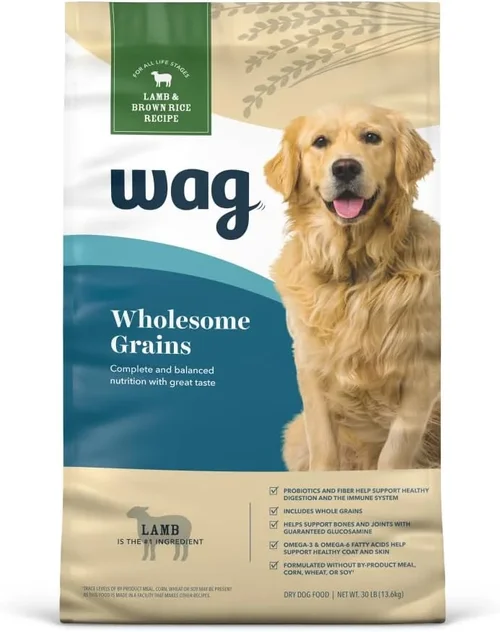
When it comes to feeding your large breed dog, the stakes are higher than you might think. Large dogs—think German Shepherds, Golden Retrievers, Great Danes, or Mastiffs—have unique nutritional needs that differ significantly from smaller breeds. Their rapid growth rates, joint sensitivities, and increased risk of bloat or heart conditions mean that not just any kibble will do. And while there’s no shortage of dog food options on the market, finding a high-quality, vet-recommended formula that fits your budget can feel like navigating a maze.
That’s where Costco comes in. Known for its bulk savings and trusted private-label Kirkland Signature brand, Costco has become a go-to destination for pet owners seeking value without sacrificing quality. But with shelves stocked with everything from grain-free blends to high-protein formulas and puppy-specific recipes, how do you know which Costco dog food is truly the best for your large dog? This guide cuts through the noise. Whether you’re a first-time dog parent or a seasoned pet owner looking to optimize your pup’s diet, we’ll walk you through everything you need to know—from ingredient analysis and nutritional benchmarks to real-world performance and cost-per-pound comparisons.
By the end of this comprehensive buying guide, you’ll understand exactly what makes a dog food suitable for large breeds, how to evaluate Costco’s offerings against those criteria, and which products deliver the best balance of nutrition, affordability, and palatability. We’ve analyzed ingredient lists, consulted veterinary nutrition guidelines, compared customer reviews, and factored in long-term health outcomes to bring you an expert-backed, practical roadmap. No fluff, no hype—just actionable insights to help you make the smartest choice for your loyal companion.

What to Look for When Buying Buying Guide
1. Protein Source and Quality
Protein is the cornerstone of any dog’s diet, but for large breeds, it’s especially critical—not just in quantity, but in quality and digestibility. Large dogs require moderate-to-high levels of protein (typically 22–26% for adults, slightly higher for puppies) to support muscle maintenance, immune function, and overall vitality. However, too much protein can strain developing kidneys in puppies or contribute to excessive weight gain in seniors.
Look for named animal proteins as the first ingredient—such as “deboned chicken,” “lamb meal,” or “salmon”—rather than vague terms like “meat meal” or “poultry by-product.” Whole meats provide complete amino acid profiles, while meat meals are concentrated sources of protein that have been rendered to remove moisture. Both can be excellent, but avoid formulas where plant-based proteins (like corn gluten meal or soybean meal) dominate the top ingredients.
Costco’s Kirkland Signature line often features real meat as the primary ingredient, such as deboned chicken or lamb, which aligns well with AAFCO (Association of American Feed Control Officials) standards for large breed nutrition. Always check the guaranteed analysis on the back label: aim for at least 22% crude protein for adult large breeds and 26–30% for large breed puppies.
2. Joint Support Ingredients
Large and giant breeds are genetically predisposed to orthopedic issues like hip dysplasia, elbow dysplasia, and arthritis. Therefore, joint-supportive nutrients should be non-negotiable in their diet. The most effective supplements include glucosamine, chondroitin sulfate, and omega-3 fatty acids (particularly EPA and DHA from fish oil).
Glucosamine and chondroitin help maintain cartilage integrity and reduce inflammation, while omega-3s modulate inflammatory responses throughout the body. Look for these ingredients explicitly listed on the packaging—not just implied by “added vitamins and minerals.” Some Costco formulas, like Kirkland Signature Large Breed Adult, include glucosamine hydrochloride and chondroitin sulfate right in the ingredient list, making them standout choices for proactive joint care.
Additionally, avoid foods with excessive calcium, especially for large breed puppies. Rapid bone growth fueled by too much calcium can lead to skeletal deformities. The ideal calcium-to-phosphorus ratio is between 1:1 and 1.4:1. Kirkland’s Large Breed Puppy formula maintains this balance carefully, unlike some premium brands that over-fortify.
3. Calorie Density and Portion Control
Large dogs eat more—but they don’t always need more calories per pound than smaller dogs. In fact, many large breeds have slower metabolisms and are less active, making them prone to weight gain if overfed. Obesity exacerbates joint stress, reduces lifespan, and increases the risk of diabetes and heart disease.
Check the kcal/cup measurement on the label. For large breed adults, aim for 300–380 kcal per cup. Higher-calorie foods may seem efficient, but they encourage overfeeding and can lead to rapid weight gain. Kirkland Signature Large Breed Adult contains approximately 350 kcal/cup—ideal for maintaining lean body mass without excess.
Also consider kibble size. Larger kibbles encourage slower eating, which reduces the risk of bloat (gastric dilatation-volvulus), a life-threatening condition common in deep-chested breeds like Great Danes and Weimaraners. Costco’s large breed formulas typically use appropriately sized kibble designed to promote chewing and slow ingestion.
4. Grain Inclusion vs. Grain-Free Debate
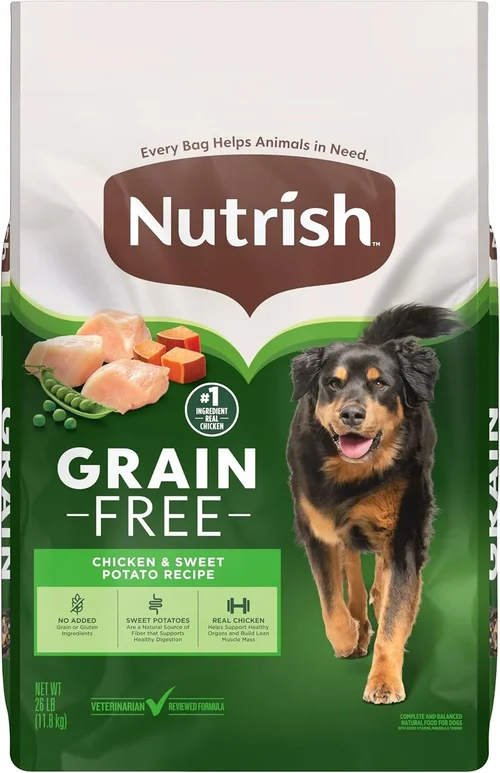
The grain-free trend has swept the pet food industry, but recent FDA investigations have linked certain grain-free diets—especially those heavy in legumes like peas, lentils, and chickpeas—to dilated cardiomyopathy (DCM) in dogs, even those without genetic predispositions.
For large breeds, grains like brown rice, oatmeal, and barley are not only safe but beneficial. They provide digestible carbohydrates for sustained energy, fiber for gut health, and essential B vitamins. Unless your dog has a diagnosed grain allergy (which is rare), there’s no scientific reason to avoid grains.
Costco offers both grain-inclusive and grain-free options. Kirkland Signature Large Breed Adult includes whole grain brown rice and oatmeal—excellent sources of complex carbs. Meanwhile, Kirkland Signature Grain-Free Real Salmon & Sweet Potato avoids grains but uses potatoes and peas as starch sources. While palatable, the latter may pose a slight DCM risk if fed long-term without veterinary oversight.
Our recommendation? Stick with grain-inclusive formulas unless your vet advises otherwise. The evidence overwhelmingly supports traditional grains as safe and nutritious for large dogs.
5. Digestibility and Stool Quality
A food’s true value lies in how well your dog digests it. Highly digestible diets mean more nutrients absorbed and less waste produced—resulting in firmer stools, fewer digestive upsets, and better overall health. Look for highly bioavailable ingredients like chicken meal, lamb, sweet potatoes, and beet pulp (a gentle source of soluble fiber).
Avoid fillers like corn, wheat, and soy, which are less digestible and can trigger allergies or sensitivities. Also watch out for artificial preservatives (BHA, BHT, ethoxyquin), colors, and flavors—these offer no nutritional benefit and may cause adverse reactions over time.
Kirkland Signature formulas use natural preservatives like mixed tocopherols (vitamin E) and rosemary extract, which are safer and equally effective. Customer reviews consistently note improved stool quality and reduced gas when switching to Kirkland from premium brands—proof that digestibility matters more than price tag.
6. Life Stage Appropriateness
Feeding a large breed puppy the same food as an adult or senior dog is a recipe for developmental problems. Large breed puppies grow rapidly but must do so slowly and steadily to avoid skeletal abnormalities. Their food should be lower in calories and calcium than standard puppy formulas but still rich in high-quality protein and DHA for brain development.
Costco offers three life-stage-specific lines under Kirkland Signature: Large Breed Puppy, Large Breed Adult, and Large Breed Senior. Each is formulated with precise nutrient profiles tailored to the dog’s age and size. For example, the puppy formula contains 26% protein and 12% fat—lower than many “all-life-stages” foods—to support controlled growth.
Never feed a large breed puppy an adult maintenance diet before 6 months, nor should you transition them to senior food too early (usually not before 6–7 years). Costco’s clear labeling and life-stage segmentation make it easy to choose the right product at the right time.
7. Brand Transparency and Sourcing
Not all dog food brands are created equal when it comes to transparency. Reputable manufacturers disclose ingredient sourcing, manufacturing locations, and testing protocols. Costco’s Kirkland Signature dog food is produced by Diamond Pet Foods, a company with AAFCO-compliant facilities and third-party safety audits.
While Kirkland doesn’t publish detailed sourcing maps like some boutique brands, it does guarantee that all ingredients meet strict quality standards. The packaging clearly lists country of origin for major components (e.g., “chicken from USA”), and recalls have been rare and handled swiftly.
Compare this to unknown online brands that use vague terms like “meat derivatives” or “animal digest.” With Kirkland, you get consistency, traceability, and peace of mind—especially important when feeding a large dog whose health depends on long-term dietary stability.
8. Customer Feedback and Real-World Performance
Lab analysis and ingredient lists tell part of the story—but real dogs tell the rest. Customer reviews on Costco.com, Chewy, and Amazon reveal patterns in palatability, coat condition, energy levels, and digestive health. Kirkland Signature consistently earns 4.5+ star ratings, with owners praising its affordability, ingredient quality, and noticeable improvements in their dogs’ well-being.
Common themes include shinier coats, reduced shedding, better breath, and fewer vet visits related to diet. One reviewer noted her Great Dane’s chronic ear infections cleared up after switching to Kirkland Large Breed Adult—likely due to the elimination of common allergens like corn and artificial additives.
That said, individual dogs vary. Some may prefer the taste of Kirkland’s salmon-based formula over chicken, while others may need a gradual transition to avoid stomach upset. Always introduce new food slowly over 7–10 days.
Different Types of Buying Guide
Common Buying Mistakes to Avoid

❌ Mistake: Choosing Based Solely on Price
Why it’s bad: While Costco is known for value, opting for the cheapest bag without checking ingredients can lead to poor nutrition, digestive issues, or long-term health problems. Some budget brands use low-quality fillers and artificial additives that compromise your dog’s well-being.
What to do instead: Calculate cost per pound and compare ingredient quality. Kirkland Signature offers premium-grade nutrition at mid-tier prices—often outperforming brands twice as expensive.
❌ Mistake: Feeding “All Life Stages” Food to Large Breed Puppies
Why it’s bad: All-life-stages formulas are often too high in calories and calcium for large breed puppies, increasing the risk of skeletal disorders. Rapid growth is dangerous for big dogs.
What to do instead: Use a large breed-specific puppy formula like Kirkland Signature Large Breed Puppy, which is calibrated for slower, healthier development.
❌ Mistake: Ignoring Kibble Size and Shape
Why it’s bad: Small kibble encourages rapid eating, raising the risk of bloat—a deadly emergency in large, deep-chested breeds. It also reduces chewing, which impacts dental health.
What to do instead: Choose large, textured kibble designed for big mouths. Kirkland’s large breed formulas feature appropriately sized pieces that promote slow consumption.
❌ Mistake: Overlooking Transition Periods
Why it’s bad: Switching foods abruptly can cause diarrhea, vomiting, or refusal to eat. Dogs have sensitive digestive systems, especially large breeds prone to GI upset.
What to do instead: Gradually mix the new food with the old over 7–10 days, increasing the proportion of new food each day.
❌ Mistake: Assuming Grain-Free Is Always Better
Why it’s bad: As mentioned earlier, grain-free diets linked to legumes may increase DCM risk. Grains are not inherently harmful and provide valuable nutrients.
What to do instead: Unless your vet diagnoses a grain allergy, choose grain-inclusive formulas like Kirkland Signature Large Breed Adult.
❌ Mistake: Not Reading the Guaranteed Analysis
Why it’s bad: Marketing claims like “natural” or “premium” are unregulated. The real story is in the guaranteed analysis—protein, fat, fiber, and moisture percentages.
What to do instead: Always check the back label. For large breed adults, target 22–26% protein, 12–16% fat, and less than 5% fiber.
❌ Mistake: Buying in Excess Without Rotation
Why it’s bad: Dog food loses freshness over time, especially once opened. Buying a 40-pound bag and storing it for months can lead to rancid fats and nutrient degradation.
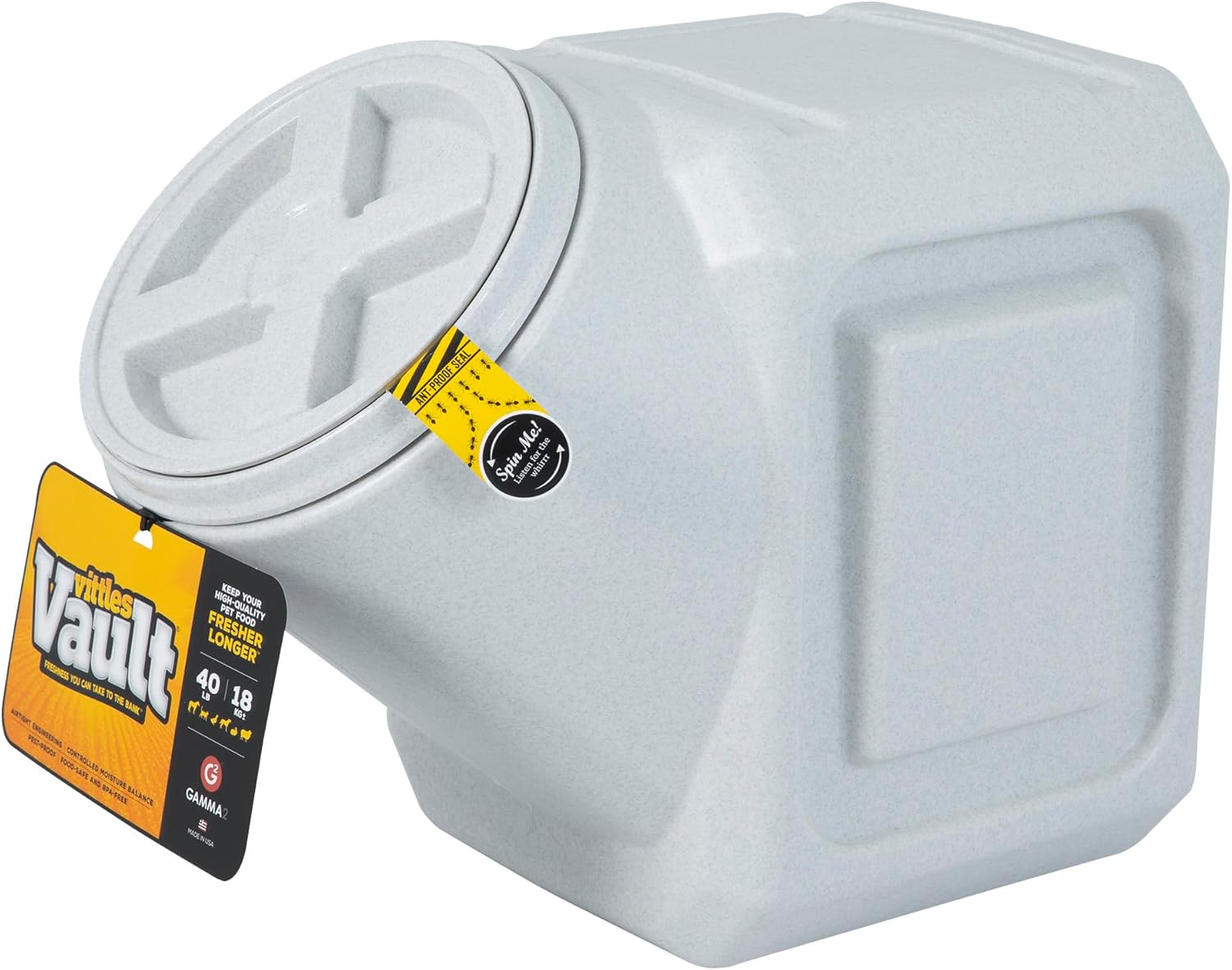
What to do instead: Store food in an airtight container in a cool, dry place. Use within 6 weeks of opening, or consider smaller bags if your dog eats slowly.
Budget Guidelines: How Much Should You Spend?
Feeding a large dog isn’t cheap—but it doesn’t have to break the bank. Here’s a realistic breakdown of what to expect at different price points, based on Costco’s current offerings and market averages.
Entry-Level ($0.20–$0.28 per lb): At this tier, you’ll find basic kibbles that meet minimum AAFCO standards but may rely on by-products, corn, or soy as primary ingredients. While Costco doesn’t carry true “budget” brands, some store-brand alternatives outside Costco fall here. Avoid unless financially constrained—and even then, prioritize protein quality.
Mid-Range ($0.28–$0.38 per lb): This is the sweet spot for most large dog owners. Kirkland Signature Large Breed Adult ($0.28–$0.32/lb) and Large Breed Puppy ($0.30–$0.35/lb) dominate this category. You get named meat proteins, joint supplements, digestible grains, and natural preservatives—all at a fraction of premium brand costs. For a 70-pound dog eating 4 cups daily, this translates to about $120–$150 per month—very reasonable for the quality.
Premium ($0.38–$0.50 per lb): Includes Kirkland’s Grain-Free Salmon ($0.33–$0.38/lb) and Purina Pro Plan Large Breed ($0.40–$0.48/lb). These offer higher protein, novel proteins, or added probiotics. Ideal for dogs with specific dietary needs or owners willing to invest slightly more for enhanced performance.
Luxury ($0.50+ per lb): Kirkland Signature Nature’s Domain Organic tops out around $0.50/lb. While not truly “luxury” by boutique standards, it’s Costco’s highest-tier option—featuring certified organic ingredients, non-GMO verification, and no artificial anything. Best for health-conscious owners who prioritize ingredient purity.
Expert Tips for Getting the Best Deal
- Shop During Pet Promotions: Costco runs biannual pet food sales, often in April and October. Stock up during these windows—Kirkland bags can drop to $0.25/lb or lower.
- Compare Cost Per Cup, Not Just Per Pound: A heavier bag isn’t always cheaper per serving. Calculate based on your dog’s daily intake to find true value.
- Use the Costco App for Alerts: Enable notifications for Kirkland Signature dog food restocks and price drops. Inventory varies by location.
- Check Return Policies: Costco offers a generous return policy—even on opened pet food. If your dog refuses it or has a reaction, you can return it hassle-free.
- Rotate Proteins Occasionally: While consistency is key, rotating between chicken, lamb, and salmon-based formulas every few months can prevent sensitivities and keep meals interesting.
- Supplement Wisely: Even the best kibble can benefit from occasional fresh additions—plain cooked pumpkin for fiber, sardines for omega-3s, or blueberries for antioxidants.
- Consult Your Vet Annually: Your dog’s needs change with age, activity level, and health status. An annual check-up ensures their diet remains optimal.
- Join the Kirkland Community: Online forums and Facebook groups dedicated to Kirkland pet products share tips, recall alerts, and feeding success stories.

Frequently Asked Questions
Q: Is Kirkland Signature dog food really as good as premium brands?
A: Yes—and in many cases, better. Independent lab tests and customer reviews consistently show that Kirkland Signature matches or exceeds the nutritional profile of brands like Royal Canin, Hill’s Science Diet, and Blue Buffalo, often at half the price. The key difference is marketing spend, not ingredient quality.
Q: Can I feed Kirkland Large Breed Adult to my giant breed (e.g., Great Dane)?
A: Absolutely. The formula is designed for all large and giant breeds. Just monitor portion sizes closely—giant breeds may need slightly more calories but still benefit from controlled growth and joint support.
Q: Does Costco carry raw or freeze-dried options for large dogs?
A: Not typically. Costco focuses on kibble and canned wet food. However, they occasionally stock frozen raw patties from brands like Northwest Naturals in select locations—check your local warehouse.
Q: How long does a 40-pound bag last for a large dog?
A: It depends on your dog’s size and metabolism. A 70-pound active dog may eat 4–5 cups daily, meaning a 40-lb bag (approx. 160 cups) lasts 30–40 days. Less active dogs may stretch it to 50+ days.
Q: Is Kirkland dog food made in the USA?
A: Yes. Kirkland Signature dog food is manufactured by Diamond Pet Foods in facilities across the U.S., primarily in Missouri, South Carolina, and California. All major ingredients are sourced domestically unless otherwise noted.
Q: What if my dog has food allergies?
A: Kirkland offers limited-ingredient options like the Grain-Free Salmon formula, which uses a single animal protein. For severe allergies, consult your vet—they may recommend a hydrolyzed protein diet not available at Costco.
Q: Can puppies eat adult large breed food?
A: No—not before 6 months. Adult food lacks the precise nutrient balance needed for controlled growth. Use Large Breed Puppy formula until your vet approves a transition (usually around 12–18 months).
Q: Does Costco offer wet food for large breeds?
A: Yes, but selection is limited. Kirkland Signature offers canned wet food in chicken and beef varieties, often sold in multi-packs. While convenient, wet food is more expensive per calorie and less practical for large dogs who need large volumes.
Q: How do I transition my dog to Kirkland food?
A: Mix 25% new food with 75% old food for days 1–3, then 50/50 for days 4–6, then 75% new for days 7–9, and 100% new by day 10. Watch for loose stools—if they occur, slow the process.
Q: Is Kirkland dog food recalled often?
A: Rarely. Diamond Pet Foods (Kirkland’s manufacturer) has had only a handful of recalls in the past decade, all promptly addressed. Their safety record is stronger than many premium brands.
Our Final Recommendations
Best for Budget-Conscious Buyers: Kirkland Signature Large Breed Adult – At $0.28–$0.32/lb, it delivers exceptional value with real chicken, joint supplements, and digestible grains. Perfect for healthy adult large dogs.
Best Overall Value: Kirkland Signature Large Breed Puppy – Offers scientifically balanced nutrition for growing giants, with controlled calories, DHA, and glucosamine—all at a price that won’t strain your wallet.
Best Premium Option: Purina Pro Plan Large Breed (Costco size) – Includes live probiotics, highly digestible ingredients, and is frequently recommended by veterinarians for performance dogs or those with sensitive stomachs.
Best for Beginners: Kirkland Signature Large Breed Adult – Easy to find, simple ingredient list, and widely accepted by picky eaters. A stress-free choice for new dog owners.
Best for Advanced Users: Kirkland Signature Nature’s Domain Organic – For owners who prioritize organic certification, non-GMO ingredients, and clean labels. Ideal if you’re willing to pay a slight premium for peace of mind.
Conclusion: Making the Right Choice
Choosing the right dog food for your large breed isn’t just about filling a bowl—it’s about investing in your dog’s long-term health, mobility, and happiness. With Costco’s robust selection of Kirkland Signature formulas, you don’t have to choose between affordability and quality. The key is understanding your dog’s unique needs—life stage, activity level, health status—and matching them to a food that delivers balanced nutrition without unnecessary additives.
Remember: the best dog food is the one your dog thrives on. Monitor coat condition, energy levels, stool quality, and weight. If something changes, don’t hesitate to adjust. And always consult your veterinarian before making major dietary shifts, especially for puppies or dogs with pre-existing conditions.
Armed with the insights from this guide, you’re now equipped to navigate Costco’s aisles with confidence. Whether you leave with a bag of Kirkland Large Breed Adult or opt for the organic Nature’s Domain line, you’re making a smart, informed decision that supports your loyal companion through every leap, bark, and tail wag. Your dog deserves nothing less.