
[FEATURED_IMAGE_PLACEOLDER]
Choosing the right daily food for your dog is one of the most impactful decisions you’ll make as a pet parent. It’s not just about filling their bowl—it’s about fueling their energy, supporting their immune system, maintaining a healthy coat, and even influencing their behavior and lifespan. With thousands of dog food brands flooding the market, each claiming to be “the best,” it’s easy to feel overwhelmed. From grain-free kibble to raw diets, limited-ingredient formulas to vet-recommended prescription blends, the options are endless—and often confusing.
This comprehensive buying guide cuts through the noise. Whether you’re a first-time dog owner or a seasoned pet enthusiast, our goal is to equip you with the knowledge, tools, and confidence to make an informed decision. We’ll walk you through the essential factors to consider, compare different types of dog food, highlight common pitfalls, and offer expert-backed recommendations tailored to real-world needs. By the end of this guide, you won’t just know what to buy—you’ll understand why it matters.
The dog food industry has evolved dramatically over the past decade. What was once a simple choice between dry and wet food has now expanded into a complex ecosystem of nutritional philosophies, ingredient sourcing standards, and dietary trends. Premium brands emphasize human-grade ingredients and transparency, while budget options focus on affordability and shelf stability. Meanwhile, veterinary nutritionists continue to refine our understanding of canine dietary needs based on age, breed, activity level, and health conditions. This guide reflects the latest insights from veterinary science, pet nutrition research, and consumer feedback to help you navigate this dynamic landscape with clarity and confidence.
What to Look for When Buying Dog Food
1. Nutritional Adequacy & AAFCO Compliance
The foundation of any good dog food is its nutritional profile. Look for products that meet the standards set by the Association of American Feed Control Officials (AAFCO). AAFCO doesn’t approve individual brands, but it establishes nutrient profiles and feeding trial guidelines that reputable manufacturers follow. Always check the label for a statement like: “Formulated to meet the nutritional levels established by the AAFCO Dog Food Nutrient Profiles for [life stage].” This ensures the food provides complete and balanced nutrition for your dog’s specific needs—whether they’re a puppy, adult, or senior.
Pay attention to the guaranteed analysis, which lists minimum percentages of crude protein and fat, and maximum percentages of fiber and moisture. For most adult dogs, a protein content of 18–25% is ideal, though active or working dogs may benefit from higher levels. Fat should typically range from 5–15%, supporting skin health and energy. Avoid foods that rely heavily on fillers like corn, wheat, or soy without clear nutritional justification.
2. Ingredient Quality & Sourcing
Not all proteins are created equal. The first ingredient listed should be a named animal protein source—such as “chicken,” “salmon,” or “lamb”—not a vague term like “meat meal” or “poultry by-product.” Whole meats are preferable, but high-quality meat meals (rendered, concentrated protein sources) can also be excellent, especially if they specify the animal (e.g., “chicken meal” vs. “meat meal”).
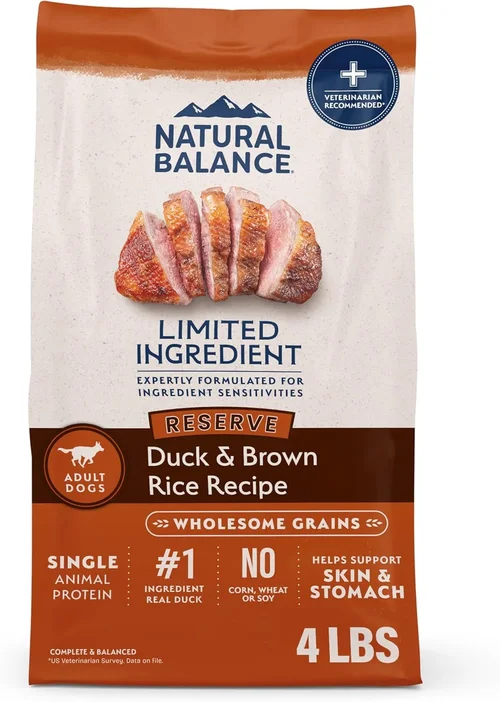
Look for whole grains like brown rice or oats over refined grains, and avoid artificial preservatives (BHA, BHT, ethoxyquin), colors, and flavors. Natural preservatives like mixed tocopherols (vitamin E) or rosemary extract are safer long-term choices. If your dog has sensitivities, consider limited-ingredient diets with novel proteins (like duck or venison) and single carbohydrate sources.
3. Life Stage & Breed-Specific Needs
Dogs have different nutritional requirements depending on their age, size, and breed. Puppies need higher protein and fat for growth, while seniors benefit from lower calories and added joint support (like glucosamine and chondroitin). Large-breed puppies require controlled calcium and phosphorus levels to prevent rapid bone growth that can lead to joint issues.
Small breeds often thrive on smaller kibble sizes and higher-calorie foods, while giant breeds may need larger kibble to encourage slower eating and reduce bloat risk. Some brands offer breed-specific formulas (e.g., for German Shepherds or Golden Retrievers), which can be helpful but aren’t always necessary—focus on life stage and health status first.
4. Digestibility & Gut Health
A food’s nutritional value means little if your dog can’t digest it properly. High digestibility ensures more nutrients are absorbed and less waste is produced. Look for foods with easily digestible proteins (like chicken or turkey) and prebiotic fibers (such as beet pulp or chicory root) that support healthy gut bacteria.
Probiotics are another plus—especially for dogs with sensitive stomachs or those transitioning between diets. While not all probiotics survive processing, some brands use stabilized strains designed to remain active. If your dog frequently experiences gas, diarrhea, or loose stools, consider a highly digestible formula or consult your vet about gastrointestinal support.
5. Allergies & Sensitivities
Food allergies and intolerances are more common than many owners realize. Common allergens include beef, dairy, chicken, eggs, wheat, and soy. Symptoms can range from chronic ear infections and itchy skin to digestive upset. If you suspect an allergy, work with your veterinarian to conduct an elimination diet—feeding a novel protein and carbohydrate source for 8–12 weeks while avoiding all other foods and treats.
Limited-ingredient diets (LIDs) are designed for this purpose, but not all LIDs are created equal. Ensure the food contains only one protein and one carbohydrate source, and avoid “flavor” additives that could mask additional ingredients. Hydrolyzed protein diets, where proteins are broken down to avoid immune detection, are another option for severe cases and are typically available through vets.
6. Budget & Price Range
Dog food prices vary widely—from under $1 per pound for economy brands to over $5 per pound for premium or raw options. While it’s tempting to go for the cheapest option, remember that quality ingredients cost more. However, higher price doesn’t always mean better nutrition. Some mid-range brands offer excellent value with high-quality ingredients at reasonable prices.
Calculate cost per feeding rather than per bag. A $60 bag that lasts two months may be more economical than a $30 bag that lasts only three weeks. Also consider subscription services, which often offer discounts and free shipping. Factor in your dog’s size and appetite—large dogs will naturally cost more to feed, so prioritize value without compromising on nutrition.
7. Brand Reputation & Transparency
Not all dog food companies are equally committed to quality. Research brands that prioritize transparency—those that disclose ingredient sourcing, manufacturing locations, and testing procedures. Look for companies that conduct feeding trials (not just formulation) and have a history of recalls or safety issues.
Reputable brands often have veterinary nutritionists on staff and publish detailed nutritional information online. Avoid companies that use vague marketing terms like “natural” or “holistic” without clear definitions—these aren’t regulated by AAFCO. Check third-party reviews, customer feedback, and recall histories on sites like the FDA’s pet food recall database.
8. Packaging & Storage
Proper packaging helps preserve freshness and prevent contamination. Look for resealable bags, especially for larger kibble bags, to maintain crunch and prevent spoilage. Opaque or dark packaging can protect nutrients from light degradation. Avoid damaged or bloated bags, which may indicate bacterial growth or improper sealing.
Storage matters too. Keep dog food in a cool, dry place away from sunlight. Use airtight containers to prevent pests and moisture, but never transfer food directly from the bag into a container without cleaning it first—residual oils can go rancid. Most dry food stays fresh for 6–8 weeks after opening, while wet food should be refrigerated and used within 3–5 days.
Different Types of Dog Food

Common Buying Mistakes to Avoid
❌ Mistake: Choosing Based Solely on Marketing Claims
Why it’s bad: Terms like “grain-free,” “natural,” or “premium” are often used for marketing, not nutrition. Grain-free diets, for example, have been linked to dilated cardiomyopathy (DCM) in some dogs due to legume-heavy formulations. Relying on buzzwords can lead to poor dietary choices.
What to do instead: Read the ingredient list and guaranteed analysis. Focus on protein source, digestibility, and AAFCO compliance rather than flashy labels. Consult your vet if you’re unsure about a trend.
❌ Mistake: Ignoring Your Dog’s Individual Needs
Why it’s bad: Feeding a high-protein diet to a sedentary senior dog or a low-calorie food to a working Border Collie can lead to malnutrition or obesity. One-size-fits-all approaches rarely work.
What to do instead: Assess your dog’s age, weight, activity level, and health status. Use feeding guidelines on the package as a starting point, then adjust based on body condition score (a visual and tactile assessment of fat cover).
❌ Mistake: Overlooking Transition Periods
Why it’s bad: Switching foods abruptly can cause digestive upset, including vomiting and diarrhea. Dogs have sensitive gastrointestinal systems that need time to adapt.
What to do instead: Gradually transition over 7–10 days. Start with 25% new food and 75% old, increasing the ratio every few days until fully switched. Monitor for signs of intolerance.
❌ Mistake: Feeding Too Many Treats
Why it’s bad: Treats should make up no more than 10% of your dog’s daily caloric intake. Overfeeding treats can lead to obesity, nutrient imbalances, and picky eating habits.
What to do instead: Choose healthy, low-calorie treats or use small pieces of their regular kibble as rewards. Measure treat portions and subtract them from daily food allowance.
❌ Mistake: Sticking to One Brand Forever
Why it’s bad: While consistency is important, never rotating foods can limit nutrient diversity and increase allergy risk. Some dogs also develop preferences that make future transitions harder.
What to do instead: Rotate between 2–3 high-quality brands or formulas every few months. This can reduce sensitivity buildup and keep your dog interested in mealtime.
❌ Mistake: Ignoring Expiration Dates
Why it’s bad: Expired food may lose nutritional value or become rancid, especially fats. Feeding spoiled food can cause illness.
What to do instead: Always check “best by” dates before purchasing and feeding. Store food properly and use within recommended timeframes after opening.
❌ Mistake: Not Consulting a Veterinarian
Why it’s bad: Self-diagnosing dietary needs can mask underlying health issues. For example, increased thirst and appetite could signal diabetes, not just hunger.
What to do instead: Schedule annual check-ups and discuss your dog’s diet with your vet. They can recommend specific formulas for conditions like kidney disease, obesity, or food allergies.
Budget Guidelines: How Much Should You Spend?
- Entry-Level ($1.00–$1.75/lb): These foods often contain lower-quality proteins, fillers, and artificial additives. While they meet basic AAFCO standards, they may lack optimal digestibility and nutrient density. Best for short-term use or multi-dog households on tight budgets—but monitor your dog’s health closely.
- Mid-Range ($1.75–$3.00/lb): This is the sweet spot for most pet owners. Brands in this range typically use named meat sources, whole grains, and natural preservatives. Many offer life-stage-specific formulas and good palatability. Examples include Wellness Core, Blue Buffalo Life Protection, and Nutro Wholesome Essentials.
- Premium ($3.00–$5.00/lb): These foods emphasize high-protein, low-carb formulations with human-grade ingredients. Often grain-free or limited-ingredient, they’re ideal for active dogs, those with sensitivities, or owners prioritizing ingredient transparency. Brands like Orijen, Acana, and The Honest Kitchen fall here.
- Luxury ($5.00+/lb): Top-tier options include fresh, raw, or freeze-dried diets with minimal processing. These are often subscription-based and delivered frozen. While nutritionally excellent, they require more storage and handling. Suitable for dogs with complex dietary needs or owners willing to invest in premium care.
Expert Tips for Getting the Best Deal
- Buy in Bulk (When Practical): Larger bags often cost less per pound. If you have storage space and a dog with consistent eating habits, buying 30–40 lb bags can save 15–20%.
- Subscribe & Save: Many online retailers (Chewy, Amazon) offer 5–15% off with auto-ship programs. You’ll never run out, and shipping is often free.
- Watch for Seasonal Sales: Major discounts occur around Black Friday, Cyber Monday, and end-of-season clearances. Stock up during these periods.
- Compare Retailers: Prices vary between pet stores, big-box retailers, and online platforms. Use price comparison tools or apps to find the best deal.
- Check for Rebates & Coupons: Manufacturers often offer mail-in rebates or digital coupons through their websites or apps. Sign up for newsletters to stay informed.
- Consider Store Brands: Some pet store chains (like Petco’s WholeHearted or Chewy’s Tylee’s) offer high-quality, affordable alternatives to name brands.
- Ask Your Vet About Samples: Many vet clinics provide free samples of prescription or therapeutic diets. This lets you test before committing.
- Read Return Policies: Ensure the retailer allows returns if your dog doesn’t like the food or has a reaction. Most reputable sellers offer 30-day guarantees.
Frequently Asked Questions
Q: Is grain-free dog food better?
A: Not necessarily. While grain-free diets can help dogs with grain allergies, most dogs don’t need them. Recent FDA investigations linked certain grain-free diets high in legumes to DCM. Unless your vet recommends it, whole grains like rice or oats can be healthy carbohydrate sources.
Q: How much should I feed my dog?
A: Feeding guidelines on the package are a starting point, but individual needs vary. Use your dog’s body condition score—ribs should be felt but not seen. Adjust portions based on weight changes, activity, and vet recommendations.
Q: Can I mix wet and dry food?
A: Yes! Many owners combine both for added moisture, flavor, and texture. Just adjust portions to avoid overfeeding. Wet food is higher in moisture and lower in calories per volume, so balance accordingly.
Q: Is raw food safe?
A: Raw diets carry risks of bacterial contamination (like Salmonella) and nutritional imbalances if not properly formulated. If you choose raw, opt for commercially prepared, balanced recipes and practice strict hygiene. Consult your vet first.
Q: How often should I change my dog’s food?
A: There’s no set rule, but rotating every 3–6 months can reduce allergy risk and keep meals interesting. Always transition gradually over 7–10 days.
Q: What if my dog is a picky eater?
A: Try warming wet food, adding bone broth (low-sodium, no onions), or mixing in a small amount of cooked meat. Avoid feeding table scraps, which can encourage pickiness. If refusal persists, consult your vet to rule out medical issues.
Q: Are homemade diets a good option?
A: They can be, but they require careful planning to ensure nutritional balance. Work with a veterinary nutritionist to create a recipe. Homemade diets often lack essential nutrients like calcium and taurine if not properly formulated.
Q: How do I know if my dog has a food allergy?
A: Symptoms include chronic itching, ear infections, gastrointestinal issues, and skin rashes. Unlike food intolerances (which cause digestive upset), allergies involve the immune system. An elimination diet under veterinary supervision is the gold standard for diagnosis.
Q: Can puppies eat adult dog food?
A: No. Puppies need higher protein, fat, and calories for growth. Adult food lacks the necessary nutrients and can stunt development. Use puppy-specific formulas until 12–18 months, depending on breed size.
Q: Is it okay to feed my dog once a day?
A: Most adult dogs do well with two meals per day, which helps regulate digestion and prevent bloat. Puppies and some seniors may need more frequent feeding. Consult your vet for personalized advice.
Our Final Recommendations
- Best for Budget-Conscious Buyers: Purina ONE SmartBlend – Offers solid nutrition with real meat as the first ingredient, AAFCO-compliant, and widely available at under $2/lb.
- Best Overall Value: Wellness Core Original – High-protein, grain-free formula with probiotics and omega fatty acids. Priced around $3/lb, it balances quality and affordability.
- Best Premium Option: Orijen Original – Biologically appropriate with 85% animal ingredients, including fresh and raw meats. Ideal for active dogs and those with sensitivities.
- Best for Beginners: Blue Buffalo Life Protection Formula – Easy-to-find, vet-recommended, with clear labeling and life-stage options. Great for first-time owners.
- Best for Advanced Users: The Farmer’s Dog – Fresh, human-grade meals delivered to your door. Customized to your dog’s profile, with full transparency and veterinary oversight.
Conclusion: Making the Right Choice
Choosing the best daily food for your dog isn’t about finding the most expensive or trendiest option—it’s about matching your dog’s unique needs with a product that delivers consistent, high-quality nutrition. From understanding AAFCO standards to recognizing the signs of food sensitivities, this guide has equipped you with the knowledge to make confident, informed decisions. Remember, the best diet is one that supports your dog’s health, energy, and happiness over the long term.
Prioritize transparency, digestibility, and life-stage appropriateness. Don’t be swayed by marketing gimmicks, and always consult your veterinarian when in doubt. Your dog relies on you for their well-being, and a thoughtful approach to nutrition is one of the greatest gifts you can give. Start with small changes, observe how your dog responds, and adjust as needed. With the right food, your furry friend will thrive—inside and out.