
When it comes to feeding your large breed dog, nutrition isn’t just about filling their bowl—it’s about fueling their growth, supporting joint health, maintaining a healthy weight, and ensuring long-term vitality. As dogs grow larger, their dietary needs become more complex. Large breeds like Great Danes, German Shepherds, and Labrador Retrievers require precise ratios of protein, fat, calcium, phosphorus, and essential fatty acids to support strong bones, lean muscle, and overall well-being. Unfortunately, many commercial kibbles fall short in delivering optimal nutrition, often relying on fillers, artificial preservatives, and low-quality protein sources.
This is where dehydrated dog food enters the conversation—a rising star in the pet nutrition world. Unlike traditional kibble that’s heavily processed at high temperatures, dehydrated dog food is gently dried at low temperatures to preserve nutrients, enzymes, and natural flavors. The result? A minimally processed, highly digestible meal that closely mimics a fresh, whole-food diet. For large breed owners, this means better nutrient absorption, improved digestion, healthier skin and coat, and reduced risk of bloat and joint issues. But with so many brands and formulations on the market, choosing the right dehydrated food can feel overwhelming.
That’s why this guide exists. Whether you’re a first-time dog parent or a seasoned pet owner looking to upgrade your dog’s diet, this comprehensive buying guide will walk you through everything you need to know about selecting the best dehydrated dog food for large breeds in 2026. You’ll learn how to evaluate ingredients, understand nutritional requirements, compare brands, avoid common pitfalls, and make a confident, informed decision that supports your dog’s health for years to come. We’ll also break down budget considerations, expert tips, and real-world recommendations so you can find a product that fits both your dog’s needs and your lifestyle.
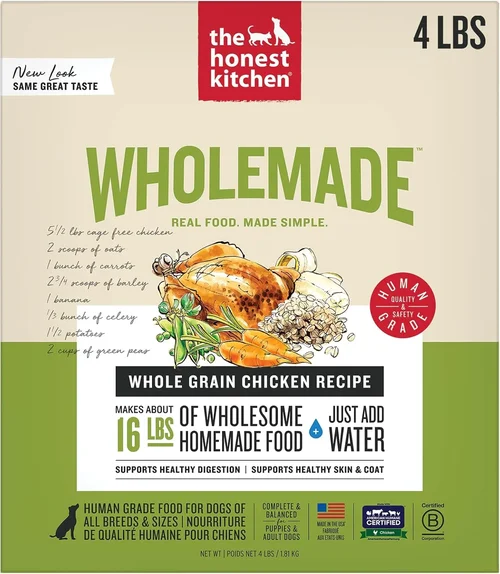
The market for dehydrated dog food has exploded in recent years, driven by growing consumer awareness of pet health and the demand for cleaner, more transparent ingredients. Brands like The Honest Kitchen, Stella & Chewy’s, Sojos, and Primal have led the charge, offering human-grade, non-GMO, and grain-free options that appeal to health-conscious pet parents. But not all dehydrated foods are created equal—especially when it comes to large breeds. What works for a small terrier may not meet the caloric density, joint support, or metabolic needs of a 100-pound mastiff. This guide cuts through the noise, focusing specifically on formulations designed for larger dogs, with an emphasis on science-backed nutrition, ingredient quality, and long-term health outcomes.

What to Look for When Buying Buying Guide
1. High-Quality Protein Sources
Protein is the cornerstone of any dog’s diet, but it’s especially critical for large breeds, who need sustained energy and lean muscle support. When evaluating dehydrated dog food, look for named animal proteins as the first ingredient—such as “chicken,” “turkey,” or “lamb”—rather than vague terms like “meat meal” or “animal by-products.” Whole meats or meat meals should make up the majority of the protein content. For large breeds, aim for a minimum of 25–30% crude protein on a dry matter basis. This ensures your dog gets enough amino acids like taurine, lysine, and methionine, which are vital for heart health, immune function, and tissue repair.
Avoid foods that rely heavily on plant-based proteins like peas, lentils, or soy as primary protein sources. While these can contribute to protein content, they don’t provide the complete amino acid profile that animal proteins do. Additionally, some large breeds may be sensitive to legumes, which have been linked to dilated cardiomyopathy (DCM) in certain cases. Always check the ingredient list: if you see a long list of legumes or grains before meat, it’s a red flag. Opt for brands that use human-grade, ethically sourced meats and clearly state the origin of their ingredients.
2. Balanced Calcium-to-Phosphorus Ratio
One of the most overlooked yet critical factors in large breed nutrition is the calcium-to-phosphorus ratio. Large and giant breeds are prone to developmental orthopedic diseases like hip dysplasia and osteochondrosis if their diet contains too much or too little calcium. The ideal ratio is between 1.2:1 and 1.4:1 (calcium to phosphorus). Excess calcium can lead to rapid bone growth, while too little can result in weak bones and fractures.
Dehydrated dog food often includes bone meal or ground bone to naturally balance these minerals. However, not all brands get it right. Some use synthetic calcium supplements, which may not be as bioavailable. Always check the guaranteed analysis on the packaging for calcium and phosphorus levels. For example, a food with 1.5% calcium and 1.2% phosphorus has a ratio of 1.25:1—perfect for large breeds. Avoid foods with calcium levels above 2% or phosphorus below 0.8%, as these can disrupt bone development.
Additionally, puppies of large breeds should not be fed high-calcium diets meant for small breeds or all-life-stage foods. Their growth plates close later, and over-supplementation can cause irreversible damage. Choose dehydrated formulas specifically labeled for “large breed puppies” or “large/giant breed adults” to ensure proper mineral balance.
3. Appropriate Caloric Density and Portion Control
Large breed dogs have slower metabolisms than smaller dogs, meaning they don’t need as many calories per pound of body weight. Overfeeding is a common issue that leads to obesity, joint stress, and reduced lifespan. Dehydrated dog food is typically more calorie-dense than kibble because it’s less processed and contains higher-quality ingredients. This means you’ll feed less by volume, but it’s essential to follow feeding guidelines based on your dog’s weight, age, and activity level.
Look for brands that provide clear, breed-specific feeding charts. For example, a 70-pound adult German Shepherd may need 1,400–1,600 calories per day, while a 120-pound Great Dane might require 2,000–2,400. Some dehydrated foods come with a feeding calculator on their website, which can help you customize portions. Avoid overfeeding by measuring meals precisely and monitoring your dog’s body condition score (BCS)—you should be able to feel their ribs without seeing them.
4. Joint Support Ingredients
Joint health is a top concern for large breed owners. Conditions like arthritis, hip dysplasia, and elbow dysplasia are prevalent in breeds like Rottweilers, Saint Bernards, and Newfoundlands. The right diet can help manage inflammation, support cartilage repair, and maintain mobility. Look for dehydrated foods that include natural joint-supporting ingredients such as glucosamine, chondroitin, MSM (methylsulfonylmethane), and green-lipped mussel.
These compounds are often added as supplements, but some brands incorporate them through whole-food sources. For example, green-lipped mussel is rich in omega-3 fatty acids and glycosaminoglycans, which reduce inflammation and support connective tissue. Similarly, foods that include chicken feet, trachea, or cartilage naturally provide glucosamine and chondroitin.
Omega-3 fatty acids from fish oil or flaxseed also play a key role in reducing joint inflammation. Aim for a food with an omega-6 to omega-3 ratio of 5:1 or lower. This balance helps modulate the immune response and supports skin, coat, and joint health. Avoid foods high in omega-6 fatty acids (like corn or soybean oil), which can promote inflammation when not balanced with omega-3s.
5. Digestibility and Gut Health
Large breeds often have sensitive digestive systems, and poor digestion can lead to gas, diarrhea, or nutrient deficiencies. Dehydrated dog food is generally more digestible than kibble because it retains natural enzymes and doesn’t undergo high-heat extrusion. However, digestibility also depends on ingredient quality and the presence of probiotics and prebiotics.
Look for formulas that include live probiotics (like Lactobacillus or Bifidobacterium) to support gut flora and immune function. Prebiotics such as chicory root, pumpkin, or beet pulp feed beneficial bacteria and improve stool quality. Some brands also add digestive enzymes like amylase, lipase, and protease to aid in breaking down proteins, fats, and carbohydrates.
Avoid foods with excessive fiber from low-quality sources like cellulose or peanut hulls. While fiber is important for digestion, too much can interfere with nutrient absorption. A moderate fiber content of 3–5% is ideal for large breeds. Also, check for artificial flavors, colors, or preservatives like BHA, BHT, or ethoxyquin—these can irritate the gut and have been linked to long-term health issues.
6. Grain-Free vs. Grain-Inclusive Options
The grain-free debate continues to spark controversy in the pet food world. While grain-free diets were once touted as the gold standard, recent FDA investigations have raised concerns about their link to DCM in dogs, particularly when they rely heavily on legumes like peas and lentils. However, this doesn’t mean grains are inherently bad—many large breeds tolerate and even benefit from whole grains like oats, barley, or brown rice.
The key is balance. Grain-free dehydrated foods can be excellent for dogs with grain allergies or sensitivities, but they should not use legumes as primary carbohydrate sources. If you choose grain-free, ensure the food includes digestible carbs like sweet potatoes, tapioca, or chickpeas in moderation. Conversely, grain-inclusive options can provide sustained energy and fiber, which support healthy digestion and blood sugar regulation.
For most large breeds, a grain-inclusive formula with high-quality grains is a safe and nutritious choice. However, if your dog has a diagnosed grain allergy or shows signs of food intolerance (itching, ear infections, digestive upset), a carefully formulated grain-free option may be better. Always consult your veterinarian before making dietary changes, especially if your dog has a history of heart issues.
7. Brand Transparency and Sourcing
Not all dehydrated dog food brands are transparent about where their ingredients come from or how their food is made. Reputable companies will provide detailed information about sourcing, manufacturing practices, and third-party testing. Look for brands that use human-grade ingredients, are USDA-inspected, and publish full ingredient traceability.
Check if the brand conducts AAFCO (Association of American Feed Control Officials) feeding trials or follows AAFCO nutrient profiles. This ensures the food meets minimum nutritional standards for your dog’s life stage. Also, look for certifications like Non-GMO Project Verified, Certified Humane, or Global Animal Partnership (GAP) rated, which indicate higher ethical and quality standards.
Avoid brands that use vague terms like “natural flavors” or “animal digest.” These can mask low-quality ingredients. Instead, choose companies that list every ingredient clearly and explain their sourcing philosophy. Many top brands publish annual sustainability reports or have open-door policies for factory tours, demonstrating their commitment to transparency.
8. Rehydration Time and Convenience
One of the practical considerations of dehydrated dog food is how easy it is to prepare. Most brands require rehydration with warm water, but the time and method can vary. Some foods rehydrate in 5–10 minutes, while others may take 20–30 minutes. For busy pet parents, quick rehydration is a major plus.
Look for brands that offer consistent texture and minimal clumping. Some dehydrated foods come in pre-portioned pouches or trays, making meal prep faster and more accurate. Others offer bulk bags that require scooping, which can be more economical but less convenient.
Consider your lifestyle: if you travel frequently or have a multi-dog household, a brand with resealable packaging and long shelf life (once opened) is ideal. Also, check if the food can be stored at room temperature or requires refrigeration after rehydration. Most dehydrated foods are shelf-stable until rehydrated, but once mixed with water, they should be used within 24 hours and kept cold.
Different Types of Buying Guide

Common Buying Mistakes to Avoid

❌ Mistake: Choosing Based on Price Alone
Why it’s bad: While budget is important, the cheapest dehydrated dog food often uses lower-quality ingredients, fillers, or synthetic supplements. This can lead to poor digestion, nutrient deficiencies, and long-term health problems—especially in large breeds with higher caloric needs.
What to do instead: Focus on value, not just cost. Calculate the cost per pound or per meal, and compare ingredient quality. A slightly more expensive food with human-grade meat and no fillers may actually be more economical in the long run due to better digestibility and reduced vet bills.
❌ Mistake: Ignoring Feeding Guidelines
Why it’s bad: Overfeeding dehydrated food can lead to obesity, joint stress, and bloat. Since dehydrated food is calorie-dense, it’s easy to accidentally give too much, especially if you’re used to feeding kibble.
What to do instead: Always follow the brand’s feeding chart based on your dog’s weight and activity level. Use a measuring cup or kitchen scale for accuracy. Monitor your dog’s body condition monthly and adjust portions as needed.
❌ Mistake: Switching Foods Too Quickly
Why it’s bad: Sudden diet changes can cause digestive upset, including diarrhea and vomiting. Large breeds are especially sensitive to abrupt transitions.
What to do instead: Transition over 7–10 days by mixing increasing amounts of the new food with the old. Start with 25% new food and 75% old, then gradually increase to 100%. This allows the gut microbiome to adapt.
❌ Mistake: Overlooking Rehydration Instructions
Why it’s bad: Feeding dehydrated food without proper rehydration can lead to dehydration, choking, or digestive issues. Some dogs may not drink enough water to compensate.
What to do instead: Always rehydrate with warm water or bone broth according to the package instructions. Let it sit for the recommended time until it reaches a soft, mash-like consistency. Stir well to avoid dry pockets.
❌ Mistake: Assuming All “Natural” Foods Are Equal
Why it’s bad: The term “natural” is not strictly regulated in pet food. Some brands use it as a marketing tactic while including low-quality ingredients or artificial preservatives.
What to do instead: Read the full ingredient list and guaranteed analysis. Look for specific meat sources, no artificial additives, and third-party certifications. Don’t rely solely on front-label claims.
❌ Mistake: Not Consulting a Veterinarian
Why it’s bad: Every dog is unique. A food that works for one large breed may not suit another, especially if your dog has health conditions like kidney disease, allergies, or heart issues.
What to do instead: Discuss dietary changes with your vet, particularly if your dog is on medication or has a medical history. Your vet can help you choose a formula that supports their specific needs.
❌ Mistake: Storing Rehydrated Food Improperly
Why it’s bad: Once rehydrated, dehydrated dog food becomes perishable. Leaving it at room temperature for too long can promote bacterial growth.
What to do instead: Store rehydrated food in the refrigerator and use within 24 hours. If you prepare multiple meals, portion them into containers and label with the date. Never leave rehydrated food out for more than 2 hours.
Budget Guidelines: How Much Should You Spend?
– Entry-Level ($2.50–$3.50/lb): What to expect at this price point are dehydrated foods that may use meal-based proteins (like chicken meal) instead of whole meats, and include some fillers like potatoes or peas. While still better than most kibbles, these options may lack the nutrient density and transparency of higher-tier brands. Best for budget-conscious owners willing to compromise slightly on ingredient quality.
– Mid-Range ($3.50–$4.50/lb): This is the sweet spot for most large breed owners. Foods in this range typically feature named whole meats, balanced minerals, and added joint support. Brands like The Honest Kitchen and Sojos offer excellent options here with human-grade ingredients and clear sourcing. You’ll get good digestibility, minimal fillers, and reliable nutrition without breaking the bank.
– Premium ($4.50–$6.00/lb): For enthusiasts and professionals, premium dehydrated foods offer top-tier ingredients like grass-fed lamb, wild-caught fish, and organic vegetables. These brands often conduct feeding trials, use air-drying instead of heat, and include superfoods like kale, blueberries, and turmeric. Ideal for performance dogs, show dogs, or those with specific health needs.
– Luxury ($6.00+/lb): Top-tier brands like Primal and Stella & Chewy’s fall into this category, offering raw-coated dehydrated meals with minimal processing and maximum nutrient retention. These are often used by competitive dog owners or those feeding a raw-style diet. While expensive, they provide unparalleled quality and are worth the investment for dogs with high metabolic demands or chronic health issues.

Expert Tips for Getting the Best Deal
– Buy in bulk during seasonal sales: Many pet food brands offer discounts during Black Friday, Cyber Monday, or end-of-season clearances. Stock up on 3–6 months’ worth to save 15–25%.
– Subscribe and save: Most online retailers (Chewy, Amazon, brand websites) offer subscription discounts of 10–20% for recurring orders. This also ensures you never run out.
– Compare cost per meal, not per bag: A smaller bag of high-density food may actually be cheaper per serving than a larger bag of lower-quality food. Use the brand’s feeding calculator to estimate daily cost.
– Check for loyalty programs: Brands like The Honest Kitchen and Sojos offer reward points, referral bonuses, and free shipping for members.
– Read return policies: Ensure the retailer allows returns if your dog doesn’t like the food. Some brands offer sample packs or money-back guarantees.
– Test with a small bag first: Before committing to a large purchase, buy a small pouch to see how your dog reacts. Look for improved energy, coat shine, and stool quality.
– Combine with whole foods: To stretch your budget, mix dehydrated food with fresh additions like cooked eggs, plain yogurt, or steamed veggies. This boosts nutrition without doubling costs.
– Watch for recalls and reviews: Follow pet food recall alerts and read recent customer reviews. A brand with a history of recalls or negative feedback may not be worth the risk.

Frequently Asked Questions
Q: Is dehydrated dog food safe for large breed puppies?
A: Yes, but only if it’s specifically formulated for large breed puppies. These formulas have controlled calcium and phosphorus levels to support slow, steady growth. Avoid all-life-stage or small-breed puppy foods, as they may contain too much calcium.
Q: How long does dehydrated dog food last?
A: Unopened, most dehydrated foods have a shelf life of 12–24 months. Once opened, store in a cool, dry place and use within 6–8 weeks. Rehydrated food should be refrigerated and used within 24 hours.
Q: Can I feed dehydrated food to a senior large breed?
A: Absolutely. Senior-specific dehydrated foods are lower in calories, higher in joint support, and easier to digest. Look for added glucosamine, chondroitin, and omega-3s.
Q: Will dehydrated food prevent bloat?
A: While no food can guarantee prevention, dehydrated food may reduce risk when rehydrated properly. It encourages slower eating and reduces air ingestion. Combine with elevated feeders and multiple small meals per day.
Q: Is dehydrated food better than raw?
A: Dehydrated food offers many benefits of raw—high protein, minimal processing—without the risks of bacterial contamination. It’s a safer, more convenient alternative for most owners.
Q: Can I mix dehydrated food with kibble?
A: Yes, but transition gradually. Mixing can help ease the switch and add variety. However, ensure the combined diet meets nutritional needs and doesn’t exceed calorie limits.
Q: Do I need to add supplements?
A: Most complete dehydrated foods don’t require supplements. However, if your dog has specific needs (e.g., joint issues), consult your vet about adding fish oil or glucosamine.
Q: Is dehydrated food suitable for dogs with allergies?
A: Yes, especially limited-ingredient formulas. Look for novel proteins like duck or rabbit and avoid common allergens like chicken, beef, or grains if needed.
Q: How much water should I use for rehydration?
A: Follow the package instructions, typically 1 part food to 1.5–2 parts water. Adjust based on your dog’s preference—some like it thicker, others more soupy.
Q: Can I travel with dehydrated dog food?
A: Yes! It’s lightweight, doesn’t require refrigeration, and rehydrates easily with bottled water. Perfect for road trips, camping, or hotel stays.
Our Final Recommendations
– Best for Budget-Conscious Buyers: Sojos Complete Grain-Free Dog Food – Offers excellent value at around $3.20/lb, with human-grade ingredients and easy rehydration. Great for large breeds needing a clean, affordable diet.
– Best Overall Value: The Honest Kitchen Human Grade Dehydrated Dog Food – A balanced mix of quality, transparency, and price ($4.00/lb). Their “Embark” formula is ideal for large breeds with joint support and whole-food ingredients.
– Best Premium Option: Primal Freeze-Dried Nuggets – While technically freeze-dried, Primal’s air-dried line offers similar benefits with raw-coated nutrition. Perfect for performance dogs or those with sensitive systems.
– Best for Beginners: Honest Kitchen Pour & Store Pouches – Pre-portioned, easy to prepare, and come with clear feeding guides. Ideal for first-time dehydrated food users.
– Best for Advanced Users: Stella & Chewy’s Freeze-Dried Raw – Offers raw-style nutrition with the convenience of dehydrated food. Their “Dinner Patties” are rich in protein and perfect for active large breeds.
Conclusion: Making the Right Choice
Choosing the best dehydrated dog food for your large breed is about more than just picking a brand—it’s about investing in your dog’s long-term health, happiness, and quality of life. From supporting joint health and digestion to ensuring proper growth and energy levels, the right diet can make a profound difference. By focusing on high-quality proteins, balanced minerals, joint support, and brand transparency, you can confidently navigate the crowded market and find a food that truly meets your dog’s needs.
Remember, every dog is unique. What works for a neighbor’s Labrador may not suit your Mastiff. Take the time to read labels, consult your vet, and observe how your dog responds to new food. Start with a small bag, monitor energy, coat, and digestion, and adjust as needed. And don’t forget to factor in convenience, budget, and lifestyle—because the best food is one you can consistently provide.
As we move into 2026, the trend toward minimally processed, nutrient-dense pet food shows no sign of slowing. Dehydrated dog food sits at the intersection of science, convenience, and compassion—offering a modern solution to age-old nutritional challenges. Whether you’re feeding a growing puppy, an active adult, or a senior giant, there’s a dehydrated option that can support their journey.
So take the leap. Your dog deserves food that fuels their adventures, protects their joints, and keeps their tail wagging for years to come. Use this guide as your roadmap, trust your instincts, and make a choice that aligns with your values and your dog’s well-being. After all, the best diet is one that’s not just good for your dog—but one you feel good about feeding.