
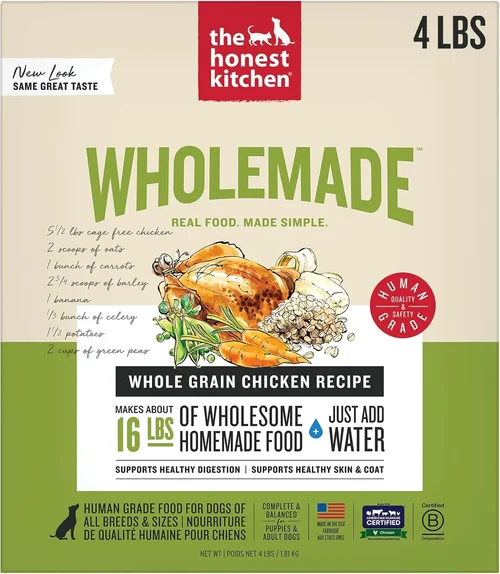
As our beloved canine companions enter their golden years, their nutritional needs shift in subtle yet significant ways. Senior dogs—typically those over seven years of age, though this varies by breed and size—often experience slower metabolisms, reduced activity levels, joint stiffness, and changes in digestive efficiency. These physiological shifts mean that the food they’ve thrived on for years may no longer be the best fit. Enter dehydrated dog food: a rising star in the pet nutrition world, especially for aging pups. Unlike traditional kibble, which is heavily processed and often contains fillers and preservatives, dehydrated food retains much of its natural nutritional integrity through a gentle drying process that removes moisture without high heat. This makes it easier to digest, richer in bioavailable nutrients, and often more palatable for senior dogs with diminished appetites or dental issues.
This comprehensive buyer’s guide is designed to help you navigate the growing market of dehydrated dog food tailored specifically for seniors. Whether you’re a first-time senior dog owner or a seasoned pet parent looking to upgrade your pup’s diet, you’ll find everything you need to make an informed, confident decision. We’ll break down the key factors to consider—from ingredient quality and digestibility to price, brand reputation, and ease of preparation—so you can choose a food that supports your dog’s health, energy, and overall well-being in their later years. You’ll also learn about different types of dehydrated formulas, common pitfalls to avoid, budget considerations, and expert tips to get the most value for your money. By the end of this guide, you’ll have a clear roadmap to selecting the best dehydrated dog food for your senior companion.
The market for senior-specific pet nutrition has expanded rapidly in recent years, driven by increased awareness of holistic pet care and the desire to extend both the length and quality of our dogs’ lives. Dehydrated dog food, once a niche product favored by raw feeders and health-conscious pet owners, has now entered the mainstream, with a wide range of options available from reputable brands. These products promise the convenience of dry food with the nutritional benefits of fresh, whole ingredients. For senior dogs, this combination can be transformative—supporting joint health, maintaining lean muscle mass, aiding digestion, and even improving coat condition and energy levels. However, not all dehydrated foods are created equal, and the abundance of choices can be overwhelming. This guide cuts through the noise, offering expert insights and practical advice to help you find the right fit for your aging dog.

What to Look for When Buying Buying Guide
1. High-Quality, Digestible Protein Sources
Protein is the cornerstone of any senior dog’s diet, but not all protein is created equal. As dogs age, their ability to process and utilize protein can decline, making it essential to choose foods with highly digestible, bioavailable protein sources. Look for named animal proteins listed first on the ingredient panel—such as deboned chicken, turkey, lamb, or salmon—rather than vague terms like “meat meal” or “animal by-products.” These whole proteins are easier on the digestive system and help maintain muscle mass, which naturally diminishes with age. Additionally, senior dogs benefit from moderate protein levels—too much can strain the kidneys, while too little fails to support muscle health. Aim for formulas with 22–28% crude protein, depending on your dog’s activity level and health status. Brands that use human-grade, hormone-free, and antibiotic-free meats are ideal, as they reduce the risk of contaminants and support overall wellness.
2. Joint and Mobility Support Ingredients
Arthritis and joint stiffness are common concerns for senior dogs, and diet plays a crucial role in managing these conditions. The best dehydrated foods for seniors include natural joint-supporting ingredients such as glucosamine, chondroitin, MSM (methylsulfonylmethane), and omega-3 fatty acids (especially EPA and DHA from fish oil). These compounds help reduce inflammation, support cartilage health, and improve mobility. Some formulas also incorporate functional ingredients like green-lipped mussel, turmeric, or boswellia, which have anti-inflammatory properties. When evaluating a product, check the guaranteed analysis or supplement panel to ensure these ingredients are present in meaningful amounts. For example, a minimum of 500 mg of glucosamine per 1,000 kcal is a good benchmark. If your dog has been diagnosed with arthritis, consult your veterinarian about whether additional supplements may be needed alongside their diet.
3. Fiber Content and Digestive Health
Digestive efficiency often declines with age, leading to issues like constipation, gas, or irregular bowel movements. Fiber plays a vital role in maintaining gut health, but the type and amount matter greatly. Look for dehydrated foods that include a balance of soluble and insoluble fiber from whole food sources such as pumpkin, sweet potato, chicory root, or flaxseed. These ingredients support healthy digestion without causing bloating or discomfort. Prebiotics like inulin or FOS (fructooligosaccharides) are also beneficial, as they feed the good bacteria in the gut, promoting a balanced microbiome. Avoid formulas with excessive amounts of cellulose or beet pulp, which can be harsh on sensitive stomachs. A fiber content of 3–6% is generally appropriate for senior dogs, though individual needs may vary. If your dog has a history of digestive issues, consider a formula with added probiotics for extra support.
4. Low to Moderate Fat Levels
While fat is a concentrated source of energy, senior dogs typically require fewer calories due to reduced activity levels. Excess fat can lead to weight gain, which puts additional strain on joints and organs. The ideal dehydrated food for seniors should contain moderate fat levels—typically between 10% and 15% on a dry matter basis. This provides enough energy without contributing to obesity. Look for healthy fat sources like chicken fat, salmon oil, or flaxseed oil, which also supply essential fatty acids for skin and coat health. Omega-3 fatty acids, in particular, are anti-inflammatory and support brain function, which can help combat cognitive decline in older dogs. Avoid foods with unnamed fat sources or excessive plant-based oils like corn or soybean oil, which are less beneficial and may contribute to inflammation.
5. Limited, Whole Food Ingredients
One of the biggest advantages of dehydrated dog food is its focus on whole, minimally processed ingredients. For senior dogs, this means fewer fillers, artificial additives, and unnecessary carbohydrates. A high-quality formula should list real food ingredients first—such as meat, vegetables, fruits, and healthy grains or grain alternatives—and avoid artificial colors, flavors, preservatives, and by-products. The ingredient list should be short and recognizable, reflecting a commitment to simplicity and transparency. For example, instead of “chicken by-product meal,” look for “deboned chicken” or “chicken liver.” Similarly, avoid formulas that rely heavily on corn, wheat, or soy, which are common allergens and offer little nutritional value. The best brands use human-grade ingredients and clearly state their sourcing practices, giving you confidence in what you’re feeding your dog.
6. Appropriate Caloric Density and Portion Control
Senior dogs often have lower energy needs, but they still require nutrient-dense food to stay healthy. Dehydrated foods vary in caloric density, so it’s important to choose a formula that matches your dog’s activity level and body condition. Overfeeding can lead to weight gain, while underfeeding may result in muscle loss and low energy. Check the feeding guidelines on the packaging, which are usually based on your dog’s weight and activity level. Most dehydrated foods provide 350–450 kcal per cup when rehydrated, but this can vary. Use a kitchen scale to measure portions accurately, as volume measurements can be inconsistent. If your dog is overweight, consider a lower-calorie formula or adjust portion sizes accordingly. Regular body condition scoring—assessing your dog’s rib visibility and waistline—can help you monitor their weight and adjust their diet as needed.
7. Ease of Preparation and Rehydration
One of the main appeals of dehydrated food is its convenience, but not all brands are equally user-friendly. The best formulas rehydrate quickly and completely with warm water, typically within 5–10 minutes, without leaving a gritty or slimy texture. Look for products that specify rehydration instructions and recommend a 1:1 or 1:1.5 ratio of food to water. Some brands offer single-serve pouches or pre-portioned meals, which are ideal for travel or dogs with specific dietary needs. Avoid foods that require lengthy soaking or multiple water changes, as this can be time-consuming and impractical for daily use. Additionally, consider the packaging—resealable bags or containers help maintain freshness and prevent spoilage. If you’re new to dehydrated food, start with a small trial size to see how your dog responds to the texture and taste.
8. Brand Transparency and Third-Party Testing
With so many pet food brands on the market, it’s essential to choose one that prioritizes transparency and safety. Reputable companies provide detailed information about their sourcing, manufacturing processes, and ingredient quality. Look for brands that conduct third-party testing for contaminants like heavy metals, pesticides, and bacteria, and publish the results on their website or upon request. Certifications such as AAFCO (Association of American Feed Control Officials) compliance, USDA organic, or non-GMO verification can also indicate higher standards. Additionally, check whether the brand has a history of recalls or consumer complaints. Reading customer reviews and consulting with your veterinarian can provide further insight into a brand’s reliability. A trustworthy company will stand behind its products with clear labeling, responsive customer service, and a commitment to continuous improvement.
Different Types of Buying Guide

Common Buying Mistakes to Avoid
❌ Mistake: Choosing Based Solely on Price
Why it’s bad: While budget is important, the cheapest dehydrated food often cuts corners on ingredient quality, using lower-grade proteins, fillers, or artificial additives. This can lead to poor digestion, nutrient deficiencies, and long-term health issues. Senior dogs are especially vulnerable to subpar nutrition due to their reduced metabolic efficiency and potential health conditions.
What to do instead: Focus on value, not just cost. Compare price per pound or per serving, and consider the nutritional density and ingredient quality. A slightly more expensive food with high-quality ingredients may actually be more economical in the long run by reducing vet bills and improving your dog’s quality of life.
❌ Mistake: Ignoring the Ingredient List
Why it’s bad: Many pet owners are swayed by marketing claims like “natural” or “premium” without checking the actual ingredients. These terms are not regulated and can be misleading. A food labeled “grain-free” might still contain low-quality proteins or excessive legumes, which can be problematic for some dogs.
What to do instead: Always read the ingredient list carefully. Look for whole, named animal proteins at the top, minimal fillers, and recognizable fruits and vegetables. Avoid foods with vague terms like “meat meal” or “animal digest,” and steer clear of artificial preservatives like BHA, BHT, or ethoxyquin.
❌ Mistake: Overlooking Rehydration Time and Texture
Why it’s bad: Some dehydrated foods take a long time to rehydrate or result in a mushy, unappealing texture. This can discourage dogs from eating, especially seniors with reduced appetites or dental issues. Poor rehydration can also lead to digestive upset if the food isn’t fully soaked.
What to do instead: Choose brands that specify quick rehydration (under 10 minutes) and offer a texture similar to fresh food. Look for customer reviews that mention ease of preparation and palatability. If possible, try a small sample before committing to a large purchase.
❌ Mistake: Not Considering Your Dog’s Specific Health Needs
Why it’s bad: Every senior dog is different. A food that works for a healthy 8-year-old may not be suitable for a 12-year-old with kidney disease or diabetes. Feeding the wrong diet can exacerbate existing conditions or lead to new health problems.
What to do instead: Consult your veterinarian before making any dietary changes, especially if your dog has chronic health issues. Choose a formula that aligns with their specific needs—such as low-phosphorus for kidney health or low-glycemic for diabetes—and monitor their response closely.
❌ Mistake: Switching Foods Too Quickly
Why it’s bad: Sudden diet changes can cause digestive upset, including diarrhea, vomiting, or loss of appetite. Senior dogs are particularly sensitive to dietary transitions due to their slower digestive systems.
What to do instead: Transition gradually over 7–10 days, mixing increasing amounts of the new food with the old. Start with 25% new food and 75% old, then move to 50/50, then 75/25, before fully switching. This allows your dog’s system to adapt without stress.
❌ Mistake: Buying in Bulk Without Testing
Why it’s bad: Dehydrated food can be expensive, and buying a large quantity without knowing if your dog likes it or tolerates it well can lead to waste and frustration. Some dogs may refuse certain flavors or textures, especially if they’re picky eaters.
What to do instead: Start with a small trial size or single-serve pouches to test acceptance and digestibility. Once you’re confident it’s a good fit, you can purchase larger quantities or subscribe for regular delivery.
❌ Mistake: Ignoring Expiration Dates and Storage
Why it’s bad: Dehydrated food has a long shelf life, but it’s not indefinite. Storing it improperly—such as in a humid environment or near heat—can lead to spoilage, mold, or nutrient degradation. Feeding expired food can cause illness.
What to do instead: Check the expiration date before purchasing and store the food in a cool, dry place in a sealed container. Use opened bags within the recommended time frame, usually 6–8 weeks, to maintain freshness and nutritional value.
Budget Guidelines: How Much Should You Spend?
When it comes to dehydrated dog food for seniors, price can vary significantly based on ingredient quality, brand reputation, and formulation complexity. However, understanding budget tiers can help you make a smart investment in your dog’s health without overspending.
Entry-Level ($2.50–$3.50 per lb): These options are typically grain-inclusive and may use more processed protein sources or by-products. While they offer the convenience of dehydrated food, they may lack the premium ingredients and joint-supporting supplements found in higher-tier products. Best for budget-conscious owners with healthy senior dogs who don’t have specific dietary restrictions. Expect basic nutrition but limited functional benefits.
Mid-Range ($3.50–$4.50 per lb): This is the sweet spot for most senior dog owners. These formulas often feature named animal proteins, limited fillers, and added supplements like glucosamine, omega-3s, and probiotics. They strike a balance between affordability and quality, making them ideal for dogs with mild joint issues or digestive sensitivities. Many reputable brands fall into this category, offering excellent value for the price.
Premium ($4.50–$5.50 per lb): Premium dehydrated foods use human-grade, organic, or sustainably sourced ingredients. They often include novel proteins (like duck or venison), functional superfoods (such as blueberries or kale), and advanced joint or cognitive support blends. These are best for dogs with specific health concerns or owners who prioritize holistic nutrition. The higher cost reflects superior ingredient quality and rigorous testing.
Luxury ($5.50+ per lb): At the top end of the spectrum, luxury dehydrated foods offer veterinary-grade formulations, single-protein recipes, and custom blends tailored to individual health needs. These products may be recommended for dogs with chronic conditions like kidney disease, diabetes, or severe allergies. While expensive, they provide targeted nutrition and peace of mind for owners willing to invest in their dog’s long-term health.
Expert Tips for Getting the Best Deal
Navigating the world of senior dog nutrition doesn’t have to break the bank. With a few strategic moves, you can find high-quality dehydrated food at a fair price while ensuring your dog gets the best possible care.
1. Buy During Seasonal Sales: Many pet food brands offer discounts during holidays like Black Friday, Cyber Monday, or National Pet Day. Sign up for email newsletters from your favorite brands to get early access to promotions and exclusive coupons.
2. Compare Prices Across Retailers: Don’t assume your local pet store has the best deal. Check online retailers like Chewy, Amazon, and the brand’s official website. Prices can vary significantly, and online stores often offer free shipping on larger orders.
3. Look for Trial Sizes or Sample Packs: Before committing to a full bag, try a small sample. Many brands offer single-serve pouches or trial sizes at a reduced cost. This allows you to test palatability and digestibility without a large upfront investment.
4. Join Loyalty Programs: Sign up for rewards programs from pet food retailers or brands. These often include points for purchases, birthday discounts, and early access to sales. Over time, these perks can add up to significant savings.
5. Read Customer Reviews Carefully: Reviews can reveal hidden issues like poor rehydration, bad smell, or digestive problems. Look for detailed feedback from owners of senior dogs, as their experiences will be most relevant to your situation.
6. Check for Veterinarian Discounts: Some brands offer discounts for veterinary professionals or their clients. If your vet recommends a specific food, ask if they have a partnership with the manufacturer for reduced pricing.
7. Consider Subscription Services: Monthly subscriptions often come with discounts and free shipping. They also ensure you never run out, which is especially important for senior dogs on a consistent diet.
8. Monitor for Recalls and Safety Alerts: Stay informed about product recalls through the FDA’s pet food recall database or brand newsletters. A great deal isn’t worth it if the food is unsafe.

Frequently Asked Questions
Q: Is dehydrated dog food safe for senior dogs with kidney disease?
A: It depends on the formulation. Dogs with kidney disease require low-phosphorus, low-sodium diets with moderate, high-quality protein. Some dehydrated brands offer veterinary-specific formulas designed for kidney support. Always consult your veterinarian before switching diets, as they can recommend the best option based on your dog’s lab results and overall health.
Q: How long does dehydrated dog food last after opening?
A: Once opened, most dehydrated dog food should be used within 6–8 weeks if stored in a cool, dry place in a sealed container. Exposure to air and moisture can lead to spoilage or nutrient loss. Always check the packaging for specific storage instructions.
Q: Can I mix dehydrated food with kibble?
A: Yes, but it’s best to transition gradually. Start by mixing a small amount of rehydrated food with your dog’s current kibble, increasing the ratio over 7–10 days. This helps prevent digestive upset and allows your dog to adjust to the new texture and taste.
Q: Do I need to add supplements to dehydrated food?
A: Most high-quality dehydrated foods are nutritionally complete and balanced, so additional supplements aren’t necessary unless recommended by your vet. However, if your dog has specific health issues—like arthritis or cognitive decline—your veterinarian may suggest targeted supplements like fish oil or joint support formulas.
Q: Is dehydrated food better than raw food for seniors?
A: Dehydrated food offers many of the benefits of raw feeding—such as high nutrient retention and minimal processing—without the risks of bacterial contamination or the hassle of handling raw meat. It’s often easier to store, prepare, and digest, making it a safer and more convenient option for senior dogs.
Q: Can dehydrated food help with weight management in senior dogs?
A: Yes, especially if it’s lower in fat and calories. Many dehydrated formulas are nutrient-dense, meaning your dog gets more nutrition per calorie, helping them feel full without overeating. Pairing the right food with portion control and regular exercise is key to maintaining a healthy weight.
Q: How much water should I add when rehydrating?
A: Most brands recommend a 1:1 or 1:1.5 ratio of food to water by volume. For example, 1 cup of dehydrated food typically requires 1 to 1.5 cups of warm water. Follow the instructions on the package, as ratios can vary by brand and recipe.
Q: Is dehydrated food suitable for dogs with dental issues?
A: Absolutely. Once rehydrated, dehydrated food has a soft, moist texture that’s easy for dogs with missing teeth or gum disease to chew and swallow. It’s often more palatable than dry kibble, encouraging eating in dogs with dental pain.
Q: Can I travel with dehydrated dog food?
A: Yes! Dehydrated food is lightweight, compact, and doesn’t require refrigeration, making it ideal for travel. Pack it in resealable bags or containers, and bring a portable bowl and water for rehydration on the go.
Q: How do I know if my senior dog is tolerating the new food well?
A: Monitor your dog’s energy levels, coat condition, stool quality, and appetite. Healthy signs include firm stools, a shiny coat, consistent energy, and enthusiasm at mealtime. If you notice vomiting, diarrhea, lethargy, or refusal to eat, discontinue the food and consult your vet.
Our Final Recommendations
After extensive research and analysis, here are our top picks for the best dehydrated dog food for seniors in 2026:
Best for Budget-Conscious Buyers: The Honest Kitchen Grain-Free Turkey Recipe
This mid-range option offers excellent value with human-grade turkey, sweet potatoes, and pumpkin. It’s easy to rehydrate, supports digestion, and includes joint-friendly ingredients like turmeric. At around $3.75 per lb, it’s affordable without sacrificing quality.
Best Overall Value: Stella & Chewy’s Freeze-Dried Raw Patties – Senior Recipe
Though technically freeze-dried, this product functions similarly to dehydrated food and is formulated specifically for seniors. It features cage-free chicken, glucosamine, and probiotics, with a texture that’s easy for older dogs to eat. Priced at $4.25 per lb, it’s a standout for nutrition and palatability.
Best Premium Option: Open Farm Homestead Turkey & Chicken
This grain-free, ethically sourced formula uses regenerative farming practices and includes functional ingredients like coconut oil and chia seeds. It’s rich in omega-3s and supports joint and cognitive health. At $5.00 per lb, it’s a top-tier choice for owners who prioritize sustainability and holistic nutrition.
Best for Beginners: Sojos Complete Grain-Free Dog Food Mix
Sojos offers a simple, affordable dehydrated mix that you can customize with your own protein (like cooked chicken or eggs). It’s easy to prepare, budget-friendly at $3.00 per lb, and great for owners new to dehydrated feeding.
Best for Advanced Users: Ziwi Peak Air-Dried Lamb
While air-dried rather than dehydrated, Ziwi Peak uses a similar low-heat process and offers a high-protein, limited-ingredient recipe ideal for seniors with sensitivities. It’s rich in natural glucosamine and chondroitin from green-lipped mussel. At $6.50 per lb, it’s a luxury option for discerning pet parents.
Conclusion: Making the Right Choice
Choosing the right dehydrated dog food for your senior companion is one of the most impactful decisions you can make for their health and happiness. As dogs age, their nutritional needs evolve, and a high-quality, easily digestible diet can make a world of difference in their energy, mobility, and overall well-being. Dehydrated food offers a compelling blend of convenience, nutrition, and palatability—especially for older dogs who may struggle with dry kibble or have sensitive stomachs.
Throughout this guide, we’ve explored the key factors to consider, from protein quality and joint support to ingredient transparency and ease of preparation. We’ve compared different types of dehydrated formulas, highlighted common mistakes to avoid, and provided budget guidelines to help you find the best value for your needs. We’ve also shared expert tips to help you save money and make informed decisions, along with answers to the most frequently asked questions.
Ultimately, the best food for your senior dog is one that meets their unique health requirements, fits your lifestyle, and fits your budget. Take the time to read labels, consult your veterinarian, and observe how your dog responds to new foods. Remember, small changes in diet can lead to big improvements in quality of life.
Your senior dog has given you years of love, loyalty, and joy. Now, it’s your turn to give them the gift of optimal nutrition. With the insights from this guide, you’re well-equipped to make a choice that supports their golden years with vitality, comfort, and dignity. Start today—your dog’s health is worth it.