
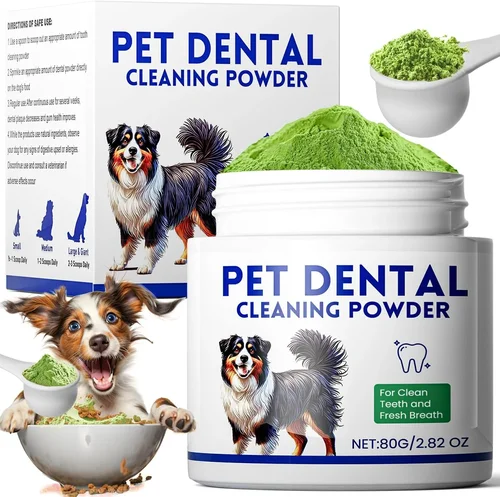
Dental health in small dogs is one of the most overlooked yet critical aspects of their overall well-being. While many pet owners focus on shiny coats, high energy, and digestive health, they often neglect the silent epidemic affecting up to 80% of dogs by age three: dental disease. Tartar buildup, gum inflammation, and tooth decay don’t just cause bad breath—they can lead to painful infections, tooth loss, and even systemic issues affecting the heart, liver, and kidneys. For small breeds like Chihuahuas, Pomeranians, Dachshunds, and Yorkshire Terriers, the risk is even higher due to their crowded teeth and tendency to retain food particles.
This comprehensive buying guide is designed to help you make an informed, confident decision when selecting the best dental dog food for your small dog. Whether you’re a first-time pet parent or a seasoned dog owner looking to upgrade your pup’s diet, this guide will walk you through everything you need to know—from understanding how dental food works to evaluating ingredients, comparing brands, and avoiding common pitfalls. We’ve analyzed dozens of products, consulted veterinary nutritionists, and reviewed real-world feedback from thousands of pet owners to bring you a trusted, up-to-date resource for 2026.
The market for dental dog food has exploded in recent years, with more brands than ever claiming to support oral health. From kibble with special textures to formulas enriched with enzymes and antioxidants, the options can be overwhelming. But not all dental foods are created equal. Some offer minimal benefits, while others are scientifically proven to reduce plaque and tartar. This guide cuts through the noise, helping you identify what truly matters—so you can choose a food that not only supports your dog’s teeth and gums but also fits your budget, lifestyle, and your dog’s unique needs.

What to Look for When Buying Dental Dog Food
1. Dental-Specific Kibble Design
One of the most important features of effective dental dog food is the physical design of the kibble. Unlike regular kibble, dental-specific formulas are engineered with larger, denser, or uniquely shaped pieces that encourage chewing. This mechanical action helps scrape away plaque and tartar as your dog gnaws on the food. For small dogs, whose teeth are tightly packed and prone to trapping food, this is especially crucial.
Look for kibble that is specifically labeled as “dental,” “oral care,” or “tartar control.” These products often have a larger diameter or a twisted, ring-like shape that increases chewing time and surface contact with teeth. Brands like Hill’s Science Diet and Royal Canin use proprietary kibble designs—such as Hill’s kibble with a unique texture that resists crumbling—to maximize abrasion against tooth surfaces.
Avoid kibble that is too small or soft, as it can be swallowed whole without any chewing benefit. Even if the ingredients support oral health, the mechanical cleaning effect is lost if your dog doesn’t chew properly. For small breeds, aim for kibble that is slightly larger than standard small-breed kibble—typically around 8–10mm in diameter—to promote adequate chewing without being difficult to eat.
2. Ingredients That Support Oral Health
While kibble design handles the mechanical cleaning, the ingredients in dental dog food play a vital role in supporting long-term oral health. Look for formulas that include ingredients scientifically proven to reduce plaque, fight bacteria, or support gum health.
Key ingredients to prioritize include:
– Enzymes (e.g., glucose oxidase, lactoperoxidase): These natural enzymes help break down bacteria in saliva, reducing the formation of plaque.
– Antioxidants (e.g., vitamin E, vitamin C, selenium): These support the immune system and reduce inflammation in the gums, which is essential for preventing gingivitis.
– Calcium and phosphorus: Essential for strong tooth enamel. Look for balanced levels that support remineralization without contributing to tartar.
– Crude fiber (moderate levels): Helps maintain digestive health and can contribute to kibble texture that promotes chewing.
– Natural preservatives (e.g., mixed tocopherols): Avoid artificial preservatives like BHA, BHT, and ethoxyquin, which have been linked to health concerns.
Avoid foods with excessive fillers like corn, wheat, and soy, which can contribute to plaque buildup and offer little nutritional value. Also, be cautious with high-sugar ingredients such as molasses or beet pulp in large quantities—while some fiber is beneficial, too much sugar can feed oral bacteria.
3. AAFCO Nutritional Adequacy Statement
Any high-quality dog food—dental or otherwise—must meet the nutritional standards set by the Association of American Feed Control Officials (AAFCO). This ensures the food provides complete and balanced nutrition for your dog’s life stage (puppy, adult, or senior).
Look for a statement on the packaging that says something like: “Animal feeding tests substantiate that [Product Name] provides complete and balanced nutrition for adult maintenance,” or “Formulated to meet the nutritional levels established by the AAFCO Dog Food Nutrient Profiles.”
This is especially important for small dogs, who have higher metabolic rates and specific nutritional needs. A dental food that lacks proper AAFCO certification may be missing essential vitamins, minerals, or amino acids, potentially leading to deficiencies over time.
Avoid products that only claim to be “natural” or “premium” without AAFCO backing. These terms are not regulated and don’t guarantee nutritional completeness.
4. Small Breed-Specific Formulation
Small dogs have unique dietary needs that differ from larger breeds. They require more calories per pound of body weight, higher fat content for energy, and smaller kibble sizes that are easy to chew. However, dental foods for small breeds must strike a balance—large enough to promote chewing, but not so large that they’re difficult to eat.
Look for formulas explicitly labeled for “small breeds” or “toy breeds.” These are typically higher in protein and fat, with kibble sizes optimized for smaller mouths. Brands like Blue Buffalo, Wellness, and Iams offer dental lines tailored to small dogs.
Additionally, small breeds are prone to hypoglycemia (low blood sugar), so consistent feeding and nutrient-dense meals are essential. A dental food that supports oral health without compromising energy levels is ideal.
5. Palatability and Digestibility
Even the most scientifically advanced dental food won’t help if your dog refuses to eat it. Palatability—how much your dog enjoys the taste and texture—is a critical factor. Small dogs, in particular, can be picky eaters, so switching to a new food requires careful consideration.
Look for dental foods with high-quality protein sources as the first ingredient, such as real chicken, turkey, or salmon. These not only appeal to dogs’ taste preferences but also support muscle maintenance and overall health.
Digestibility is equally important. A food that causes gas, bloating, or loose stools may indicate poor ingredient quality or formulation. Choose brands that use highly digestible proteins and prebiotic fibers (like chicory root or beet pulp in moderation) to support gut health.
6. Brand Reputation and Transparency
Not all pet food brands are created equal. Some have a long history of research, veterinary partnerships, and rigorous quality control, while others prioritize marketing over science. When choosing a dental dog food, consider the brand’s reputation, manufacturing practices, and transparency.
Look for brands that:
– Conduct feeding trials and publish nutritional research
– Manufacture their own food (not outsourced to third parties)
– Provide clear ingredient sourcing information
– Have a history of recalls or safety issues (check FDA databases)
Reputable brands like Hill’s Science Diet, Royal Canin, Purina Pro Plan, and Blue Buffalo have invested heavily in veterinary nutrition and offer dental formulas backed by clinical studies. Smaller, boutique brands may offer natural ingredients but may lack the research to support their dental claims.
7. Price and Value for Money
Dental dog food tends to be more expensive than standard kibble due to specialized ingredients and kibble design. However, price doesn’t always correlate with quality. Some premium brands charge a high price for minimal added benefit, while others offer excellent value.
Consider the cost per pound or per cup, and compare it to the nutritional profile and dental benefits. A slightly more expensive food that reduces the need for professional dental cleanings (which can cost $300–$800) may save you money in the long run.
Look for bulk discounts, subscription plans, or loyalty programs from reputable retailers. Many online pet stores offer 10–15% off first orders or free shipping on larger bags.
8. Veterinary Recommendations and Certifications
One of the strongest indicators of a dental food’s effectiveness is whether it’s recommended by veterinarians or carries certifications from dental health organizations.
The Veterinary Oral Health Council (VOHC) is a trusted authority that tests and approves dental products for their ability to reduce plaque and tartar. Look for the VOHC Seal of Acceptance on the packaging—this means the product has been scientifically proven to meet their standards.
Brands like Hill’s Science Diet Oral Care, Royal Canin Dental, and Purina DentaLife have earned VOHC approval, giving pet owners confidence in their efficacy.
Different Types of Dental Dog Food

Common Buying Mistakes to Avoid
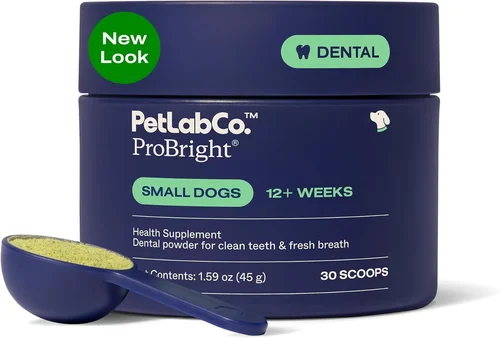
❌ Mistake: Choosing Based on Marketing Claims Alone
Why it’s bad: Many brands use buzzwords like “dental care,” “tartar control,” or “fresh breath” without scientific backing. These claims can be misleading if not supported by VOHC approval or clinical studies.
What to do instead: Always verify claims by checking for VOHC seals, reading ingredient lists, and researching independent reviews. Don’t rely solely on packaging or advertising.
❌ Mistake: Ignoring Kibble Size and Texture
Why it’s bad: If the kibble is too small or soft, your dog may swallow it whole, negating any mechanical cleaning benefits. This is especially common with small breeds that eat quickly.
What to do instead: Choose dental kibble that is larger and more textured than standard kibble. Observe your dog’s eating habits and adjust if they’re not chewing properly.
❌ Mistake: Overlooking Life Stage and Breed Needs
Why it’s bad: A dental food formulated for large breeds may not meet the caloric or nutritional needs of a small dog. Similarly, puppy formulas lack the specific nutrients adult dogs require.
What to do instead: Select a dental food labeled for your dog’s life stage (adult, senior, puppy) and breed size (small, toy). This ensures balanced nutrition alongside dental benefits.
❌ Mistake: Switching Foods Too Quickly
Why it’s bad: Abrupt changes in diet can cause digestive upset, including diarrhea, vomiting, or refusal to eat. This is especially risky for small dogs with sensitive stomachs.
What to do instead: Transition gradually over 7–10 days, mixing increasing amounts of the new food with the old. Monitor your dog’s stool and appetite during the switch.
❌ Mistake: Assuming All Dental Foods Are Equal
Why it’s bad: Some “dental” foods offer minimal benefits—perhaps just a slightly larger kibble or added parsley for breath freshening. These won’t significantly reduce plaque or tartar.
What to do instead: Look for foods with proven ingredients (enzymes, antioxidants) and VOHC approval. Compare products side by side using the factors outlined in this guide.
❌ Mistake: Neglecting Regular Dental Checkups
Why it’s bad: No dog food can replace professional dental cleanings. Even with the best dental diet, plaque can harden into tartar, requiring veterinary intervention.
What to do instead: Combine dental food with regular vet visits, tooth brushing, and dental chews. Think of food as one part of a comprehensive oral care routine.
❌ Mistake: Buying the Cheapest Option
Why it’s bad: Low-cost dental foods often use inferior ingredients, fillers, and lack research-backed formulations. They may save money upfront but cost more in vet bills later.
What to do instead: Invest in a mid-range or premium dental food with proven efficacy. Consider the long-term savings on dental treatments and improved quality of life for your dog.
Budget Guidelines: How Much Should You Spend?
– Entry-Level ($20–$30 per 10–12 lb bag): These are basic dental formulas with larger kibble and minimal added ingredients. They may help with mechanical cleaning but lack enzymes or antioxidants. Best for dogs with mild plaque and budget-conscious owners. Examples include Iams ProActive Health Dental.
– Mid-Range ($30–$45 per 10–12 lb bag): This is the sweet spot for most pet owners. These foods offer a balance of quality ingredients, dental-specific kibble design, and some added oral health benefits. Many are VOHC-approved and suitable for daily feeding. Examples include Blue Buffalo Dental Health and Purina DentaLife.
– Premium ($45–$60 per 10–12 lb bag): These are scientifically formulated with enzymes, antioxidants, and advanced kibble textures. Often recommended by veterinarians and backed by clinical studies. Ideal for dogs with a history of dental issues. Examples include Hill’s Science Diet Oral Care and Royal Canin Dental.
– Luxury ($60+ per 10–12 lb bag): Top-tier options with human-grade ingredients, limited recalls, and extensive research. May include novel proteins, superfoods, and custom kibble shapes. Best for owners prioritizing premium nutrition and long-term health. Examples include The Honest Kitchen and Open Farm (dental-specific lines).
Expert Tips for Getting the Best Deal
– Buy in bulk during sales: Major retailers like Chewy, Petco, and Amazon often run seasonal promotions (e.g., Black Friday, National Pet Day). Stock up during these times to save 15–25%.
– Subscribe and save: Many online stores offer 5–15% off with auto-ship programs. This ensures you never run out and locks in a lower price.
– Compare prices across retailers: Use price comparison tools or apps to find the best deal. Sometimes local pet stores offer price matching.
– Check for manufacturer rebates: Brands like Hill’s and Royal Canin occasionally offer mail-in rebates or free sample programs.
– Read return policies: If your dog doesn’t like the food, you want to be able to return it. Choose retailers with flexible return windows.
– Test with small bags first: Before committing to a large bag, buy a smaller size to see if your dog accepts it and if it agrees with their digestion.
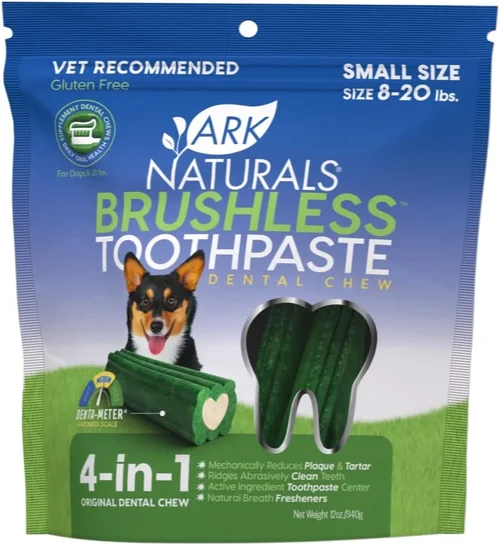
– Combine with dental chews: For maximum benefit, pair dental food with VOHC-approved chews like Greenies or Whimzees. This multi-pronged approach enhances plaque control.
– Monitor your dog’s dental health: Take photos of your dog’s teeth every few months. Look for signs of improvement—less tartar, healthier gums, fresher breath.

Frequently Asked Questions
Q: Can dental dog food replace tooth brushing?
A: No, dental food cannot fully replace tooth brushing. While it helps reduce plaque and tartar, brushing remains the gold standard for oral hygiene. Aim to brush your dog’s teeth 2–3 times per week, if not daily.
Q: How long does it take to see results from dental dog food?
A: Most owners notice improvements in breath and visible tartar reduction within 4–8 weeks of consistent feeding. However, results vary based on the dog’s age, diet history, and oral health.
Q: Is dental food safe for puppies?
A: Only if it’s specifically formulated for puppies. Adult dental foods may not meet the nutritional needs of growing dogs. Look for AAFCO statements indicating suitability for growth.
Q: Can I mix dental food with regular kibble?
A: Yes, but it may dilute the dental benefits. For best results, feed dental food as the primary diet. If mixing, use a 75:25 ratio (dental to regular).
Q: Are grain-free dental foods better?
A: Not necessarily. Grain-free diets are only beneficial if your dog has a grain allergy. Otherwise, whole grains can be part of a healthy diet. Focus on dental-specific features rather than grain content.
Q: What if my dog has severe dental disease?
A: Consult your veterinarian. Severe cases may require a prescription dental diet, professional cleaning, or even tooth extraction. Dental food is preventive and supportive, not curative.
Q: Can senior dogs eat dental food?
A: Absolutely. In fact, senior dogs are at higher risk for dental disease. Look for senior-specific dental formulas that support joint health and digestion alongside oral care.
Q: Are there dental foods for dogs with allergies?
A: Yes. Many brands offer limited-ingredient or hypoallergenic dental options. Look for single-protein sources (e.g., duck, salmon) and avoid common allergens like chicken, beef, or wheat.
Q: How often should I feed dental food?
A: Feed it as your dog’s main diet, following the recommended daily amount based on weight and activity level. Consistency is key for long-term benefits.
Q: Can dental food cause weight gain?
A: It depends on the calorie content and portion size. Some dental foods are calorie-dense due to higher fat content. Measure portions carefully and adjust based on your dog’s weight and energy needs.
Our Final Recommendations
– Best for Budget-Conscious Buyers: Iams ProActive Health Dental Small Breed – Affordable, VOHC-approved, and designed specifically for small dogs with larger kibble for chewing.
– Best Overall Value: Blue Buffalo Dental Health Small Breed – Combines natural ingredients, dental kibble design, and added antioxidants at a mid-range price.
– Best Premium Option: Hill’s Science Diet Oral Care Small Breed – Clinically proven, VOHC-approved, and recommended by veterinarians for effective plaque and tartar control.
– Best for Beginners: Purina DentaLife Small Breed – Unique ring-shaped kibble, highly palatable, and easy to find in most stores.
– Best for Advanced Users: Royal Canin Dental Small Breed – Advanced formulation with enzymes and precise kibble texture, ideal for dogs with a history of dental issues.
Conclusion: Making the Right Choice
Choosing the best dental dog food for your small dog is about more than just fresh breath—it’s about protecting their long-term health, comfort, and quality of life. Dental disease is preventable, and the right food can be a powerful tool in your arsenal. By focusing on kibble design, ingredients, AAFCO standards, and veterinary recommendations, you can make a decision that supports not just your dog’s teeth, but their overall well-being.
Remember, no single product is a magic solution. Combine dental food with regular brushing, vet checkups, and dental chews for the best results. And don’t be afraid to experiment—what works for one dog may not work for another. Your dog’s health is unique, and your choices should reflect that.
Take the time to evaluate your options, read labels carefully, and consult your veterinarian. The investment you make today in your dog’s dental health will pay dividends in fewer vet visits, less pain, and more happy, healthy years together. Your small dog deserves nothing less.