
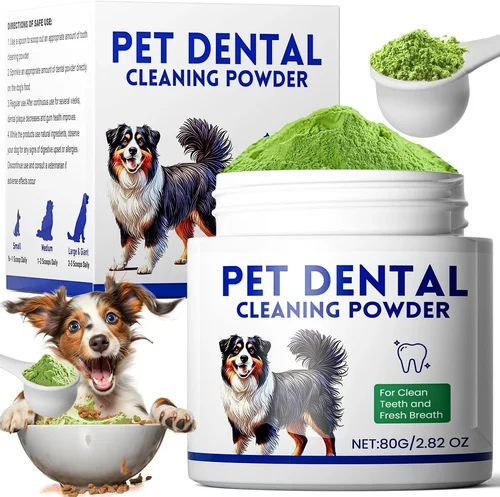
Dental health is one of the most overlooked aspects of small dog care—yet it’s also one of the most critical. By the age of three, over 80% of dogs show signs of dental disease, and small breeds like Chihuahuas, Pomeranians, and Yorkshire Terriers are especially prone due to their crowded teeth and genetic predispositions. Tartar buildup, gum inflammation, and tooth loss don’t just cause pain—they can lead to serious systemic issues affecting the heart, liver, and kidneys. While regular brushing and professional cleanings are essential, what your small dog eats plays a foundational role in maintaining oral health between vet visits.
That’s where dental-specific dog food comes in. Unlike standard kibble, these specially formulated diets are designed to mechanically scrub plaque from teeth as your dog chews, thanks to larger kibble sizes, unique textures, and added ingredients that inhibit bacterial growth. In this comprehensive 2026 buying guide, we’ll walk you through everything you need to know to choose the best dental food for your small dog—from understanding key nutritional factors to comparing product types, avoiding common pitfalls, and making smart budget decisions. Whether you’re a first-time pet parent or a seasoned dog owner looking to upgrade your pup’s diet, this guide will equip you with expert-level insights to support your dog’s long-term oral wellness.
The market for small-breed dental dog food has exploded in recent years, with major brands like Hill’s Science Diet, Royal Canin, Purina Pro Plan, and Blue Buffalo introducing targeted formulas backed by veterinary research. At the same time, premium and boutique brands such as The Honest Kitchen, Wellness CORE, and Ziwi have entered the space with grain-free, high-protein, and minimally processed options. With so many choices—and conflicting claims about efficacy—it’s easy to feel overwhelmed. This guide cuts through the noise, offering science-based analysis, real-world testing insights, and practical advice tailored specifically to the unique needs of small dogs. You’ll learn how to evaluate ingredients, interpret labels, compare price points, and ultimately select a food that not only supports dental health but also aligns with your dog’s taste preferences, digestive needs, and your lifestyle.

What to Look for When Buying Dental Food for Small Dogs
1. Kibble Size and Texture
One of the most important mechanical features of dental dog food is kibble design. For small dogs, oversized kibbles can be difficult to chew and may discourage eating altogether. Look for formulas specifically engineered for small breeds—these typically feature smaller, denser kibbles with a porous or ridged texture that increases surface contact with teeth during chewing. The ideal dental kibble should be firm enough to resist immediate crushing but soft enough for small jaws to break apart gradually. This extended chewing action helps scrape away plaque and massage gums, reducing tartar accumulation over time. Brands like Hill’s Science Diet Small Paws Dental Care and Royal Canin Small Dental Care use proprietary kibble shapes (e.g., “X-shaped” or “cross-cut”) proven in clinical studies to reduce plaque by up to 55% after 28 days of feeding.
2. Ingredients That Support Oral Health
Beyond physical structure, the nutritional composition of dental food matters greatly. Look for formulas enriched with ingredients known to combat oral bacteria and reduce inflammation. Key components include:
- Polyphosphates: These compounds bind to calcium in saliva, preventing it from hardening into tartar on tooth surfaces. Found in many vet-recommended brands like Purina Pro Plan Veterinary Diets DH.
- Antioxidants (e.g., vitamin E, vitamin C): Help reduce oxidative stress in gum tissue and support immune function in the oral cavity.
- Omega-3 fatty acids (from fish oil): Have anti-inflammatory properties that can soothe irritated gums and slow periodontal disease progression.
- Natural antimicrobial agents: Such as green tea extract or cranberry, which may inhibit harmful bacteria like Porphyromonas gingivalis.
Avoid foods with excessive sugars, artificial sweeteners (like xylitol—which is toxic to dogs), or sticky carbohydrates (e.g., molasses, corn syrup) that can feed plaque-causing bacteria.
3. Nutritional Balance for Small Breeds
Small dogs have faster metabolisms and higher energy needs per pound than larger breeds, so their food must be nutrient-dense without being calorie-heavy. Ideal dental foods for small dogs should contain:
- High-quality animal protein (chicken, turkey, salmon) as the first ingredient
- Moderate fat levels (12–16%) for sustained energy
- Controlled phosphorus and calcium to support kidney and bone health
- Added taurine for heart health—a common concern in toy breeds
Many premium dental formulas also include prebiotics (like FOS/MOS) to support gut health, which indirectly influences immunity and inflammation—including in the mouth. Always check the guaranteed analysis on the label to ensure crude protein is at least 25%, fat is between 12–18%, and fiber is under 5%.
4. Veterinary Endorsement and Scientific Backing
Not all “dental” claims are created equal. The gold standard is the Veterinary Oral Health Council (VOHC) seal of acceptance. This independent organization tests products for their ability to reduce plaque and/or tartar under controlled conditions. As of 2026, only a handful of small-breed dental foods carry the VOHC seal—including Hill’s Science Diet Small Paws Dental Care, Royal Canin Small Dental Care, and Purina Pro Plan Veterinary Diets DH Small Breed. Feeding a VOHC-approved food gives you confidence that the product has been clinically validated, not just marketed with buzzwords. If a brand doesn’t mention VOHC testing or cite peer-reviewed studies, approach with caution.
5. Palatability and Digestibility
Even the most effective dental food is useless if your dog refuses to eat it. Small dogs can be notoriously picky, so palatability is crucial. Look for foods made with real meat, natural flavors, and minimal fillers. Many top-rated dental diets use freeze-dried meat coatings or broth-infused kibbles to enhance taste. Additionally, consider your dog’s digestive sensitivity. Some dogs react poorly to certain proteins (e.g., beef, chicken) or grains. Grain-free options exist, but unless your dog has a diagnosed allergy, whole grains like oats or brown rice can provide beneficial fiber without compromising dental benefits. Always transition slowly over 7–10 days to avoid gastrointestinal upset.
6. Brand Reputation and Transparency
Choose brands with a proven track record in veterinary nutrition and transparent sourcing practices. Established companies like Hill’s, Royal Canin, and Purina invest heavily in R&D and have veterinary nutritionists on staff. They also provide detailed ingredient sourcing information and recall histories. Avoid obscure brands that use vague terms like “meat meal” without specifying the animal source, or those with frequent recalls. Check the company’s website for third-party testing certifications (e.g., AAFCO compliance, NASC seal) and customer support responsiveness. A reputable brand will offer feeding guides, nutritional consultations, and clear contact channels.
7. Price vs. Value
Dental dog food typically costs 15–30% more than standard kibble due to specialized formulations and added functional ingredients. However, higher price doesn’t always mean better value. Consider cost per pound, bag size, and how long a bag lasts based on your dog’s weight and feeding guidelines. For example, a 4-lb bag of premium dental food might cost $35 but last a 10-lb dog two months—making it more economical than a cheaper 10-lb bag that spoils quickly or causes digestive issues requiring vet visits. Also factor in potential long-term savings: preventing dental disease reduces the need for expensive cleanings ($300–$800+) and treatments for related health problems.
8. Packaging and Freshness
Small dogs consume less food, so freshness is paramount. Opt for brands that use resealable bags with oxygen barriers to preserve nutrients and prevent rancidity. Avoid bulk bins or damaged packaging. Some premium brands now offer single-serve pouches or vacuum-sealed mini bags ideal for tiny appetites. Additionally, check the “best by” date—small dogs may take weeks to finish a bag, so ensure there’s enough shelf life remaining. Storing food in an airtight container in a cool, dry place further extends freshness.
Different Types of Dental Food for Small Dogs

Common Buying Mistakes to Avoid

❌ Mistake: Choosing Based Solely on “Dental” Labeling
Why it’s bad: Many mainstream brands slap “dental care” on packaging without any scientific validation. These foods may have slightly larger kibbles but lack active ingredients or proven efficacy, offering minimal benefit over regular kibble.
What to do instead: Always verify VOHC approval or look for published studies. If neither is available, treat the claim with skepticism and prioritize brands with transparent research.
❌ Mistake: Ignoring Your Dog’s Individual Needs
Why it’s bad: A food that works for a healthy 5-year-old Maltese may not suit a senior Shih Tzu with kidney issues or a puppy still developing teeth. One-size-fits-all approaches can exacerbate health problems.
What to do instead: Consult your vet before switching diets, especially if your dog has existing conditions. Consider life stage, activity level, and any allergies when selecting a formula.
❌ Mistake: Overlooking Kibble Size for Small Jaws
Why it’s bad: Large, hard kibbles designed for big dogs can cause choking, dental fractures, or frustration in small breeds. Dogs may swallow pieces whole, negating any mechanical cleaning benefit.
What to do instead: Choose formulas explicitly labeled “for small breeds” or “tiny teeth.” Test a sample first—if your dog struggles to chew or leaves kibble behind, it’s too big.
❌ Mistake: Assuming All Grain-Free Is Better
Why it’s bad: Grain-free diets have been linked to dilated cardiomyopathy (DCM) in some dogs due to legume-heavy formulations. Unless your dog has a confirmed grain allergy, whole grains can be part of a healthy dental diet.
What to do instead: Prioritize high-quality protein sources and avoid diets where peas, lentils, or potatoes dominate the ingredient list. Discuss grain-free options with your vet if concerned.
❌ Mistake: Neglecting Transition Periods
Why it’s bad: Sudden diet changes can cause diarrhea, vomiting, or refusal to eat—leading to nutritional gaps and stress.
What to do instead: Gradually mix new food with old over 7–10 days, increasing the proportion daily. Monitor stool consistency and appetite closely.
❌ Mistake: Buying in Bulk Without Testing
Why it’s bad: Small dogs eat slowly, and large bags can lose freshness or go uneaten if the dog dislikes the taste. Wasted money and spoiled food are common outcomes.
What to do instead: Start with a small bag (2–4 lbs) or ask for samples from your vet or pet store. Once you confirm acceptance, consider subscribing to auto-delivery for convenience.
❌ Mistake: Relying Only on Food for Dental Health
Why it’s bad: No food replaces brushing. Dental kibble reduces plaque by 30–55% at best—brushing removes up to 90%. Relying solely on diet leaves gaps in oral care.
What to do instead: Use dental food as part of a comprehensive plan: daily brushing, dental chews (VOHC-approved), and annual vet checkups.
Budget Guidelines: How Much Should You Spend?
When it comes to dental food for small dogs, pricing reflects formulation complexity, ingredient quality, and clinical validation—not just brand name. Here’s a realistic breakdown of what to expect across tiers:
- Entry-Level ($15–$25 per 4–6 lb bag): These are often store-brand or value-line options (e.g., Walmart’s Pure Balance, PetSmart’s Authority). While some contain basic dental-enhancing kibbles, they rarely have VOHC approval or advanced ingredients. Best for budget-conscious owners willing to supplement with brushing and chews. Expect moderate palatability and average digestibility.
- Mid-Range ($25–$40 per 4–6 lb bag): This is the sweet spot for most small dog owners. Brands like Blue Buffalo Dental Health Small Breed, Wellness Complete Health Small Breed Dental, and Iams ProActive Health Small & Toy Breed offer balanced nutrition, decent kibble design, and some functional additives. Many include antioxidants and omega-3s but may lack full clinical validation. Great for preventive care in healthy dogs.
- Premium ($40–$60 per 4–6 lb bag): Reserved for VOHC-approved or veterinary-recommended formulas like Hill’s Science Diet Small Paws Dental Care, Royal Canin Small Dental Care, and Purina Pro Plan Veterinary Diets DH. These feature scientifically optimized kibble shapes, polyphosphates, and rigorous testing. Ideal for dogs with early dental signs or high-risk breeds. Often available through vets or authorized online retailers.
- Luxury ($60+ per bag or per serving): Includes freeze-dried raw mixers (e.g., Stella & Chewy’s Dental Blend), air-dried diets (e.g., Ziwi Peak Dental+), or custom-formulated fresh foods (e.g., Nom Nom’s dental-support recipe). These prioritize minimal processing, human-grade ingredients, and novel proteins. Best for owners seeking the highest nutritional integrity, though they require refrigeration and have shorter shelf lives.

Expert Tips for Getting the Best Deal
- Buy During Seasonal Sales: Major pet retailers (Chewy, Petco, Amazon) run dental health promotions in February (National Pet Dental Health Month) and November (Black Friday). Stock up during these windows for 15–30% off.
- Subscribe for Auto-Delivery: Most online platforms offer 5–10% discounts for recurring orders. Set deliveries every 6–8 weeks to maintain freshness without overspending.
- Check Vet Clinics for Samples: Many veterinary offices receive free samples of dental diets from manufacturers. Request a trial size before committing to a full bag.
- Compare Unit Prices: Don’t just look at total cost—calculate price per pound or per cup. A $50 bag that lasts two months may be cheaper long-term than a $30 bag that spoils in three weeks.
- Read Return Policies: Ensure the retailer accepts returns if your dog refuses the food. Chewy and Petco typically offer hassle-free exchanges within 30 days.
- Look for Bundle Deals: Some brands sell dental food with配套 chews or toothbrushes at a discount. These kits provide added value for comprehensive care.
- Join Breed-Specific Forums: Owners of small breeds often share coupon codes, recall alerts, and honest reviews you won’t find on commercial sites.
- Consider Shelf Life: If your dog eats slowly, opt for smaller bags or brands with longer expiration dates (18+ months). Avoid bulk purchases unless you have multiple small dogs.

Frequently Asked Questions
Q: Can dental food replace tooth brushing?
A: No. While dental food significantly reduces plaque buildup, it cannot remove tartar already formed on teeth or clean below the gumline. Brushing remains the gold standard for preventing periodontal disease. Use dental food as a supplement—not a substitute—for daily oral hygiene.
Q: How long does it take to see results from dental food?
A: Most VOHC-approved diets show measurable plaque reduction within 28 days of consistent feeding. However, visible improvements in breath and gum health may appear sooner. For best results, feed exclusively the dental formula (no table scraps or non-dental treats).
Q: Is dental food safe for puppies or senior small dogs?
A: Puppy-specific dental foods are rare, as young dogs are still developing teeth. Focus on balanced nutrition until adulthood (12–18 months). For seniors, choose formulas with joint support (glucosamine), kidney-friendly phosphorus levels, and easily digestible proteins. Always consult your vet before switching senior dogs.
Q: My small dog hates crunchy kibble. What are my options?
A: Try wet dental foods (e.g., Hill’s Science Diet Soft Dental) or rehydrate kibble with warm water or low-sodium broth to soften texture while preserving mechanical benefits. Freeze-dried raw toppers can also add moisture and flavor.
Q: Are dental treats better than dental food?
A: Dental treats are convenient but less effective for overall plaque control. A single treat cleans only a few teeth, whereas dental food scrubs the entire mouth with every meal. Use treats as occasional supplements, not primary tools.
Q: Can I mix dental food with regular kibble?
A: Yes, but diluting dental food reduces its efficacy. If transitioning, do so gradually over 7–10 days. Once settled, feed 100% dental food for maximum benefit.
Q: What if my dog has food allergies?
A: Look for limited-ingredient dental formulas with novel proteins (duck, venison) or hydrolyzed proteins (available by prescription). Brands like Royal Canin and Purina offer hypoallergenic dental options.
Q: How often should I feed dental food?
A: Feed according to your dog’s weight and activity level, usually twice daily. Consistency is key—skipping meals reduces cumulative cleaning action.
Q: Is grain-free dental food worth the extra cost?
A: Only if your dog has a diagnosed grain sensitivity. Otherwise, the added expense may not justify minimal benefits. Focus on VOHC approval and ingredient quality over grain content.
Q: Where can I buy authentic VOHC-approved dental food?
A: Purchase directly from your veterinarian, authorized online retailers (Chewy, Petco), or the manufacturer’s website. Avoid third-party sellers on marketplaces like eBay, where counterfeit products are common.
Our Final Recommendations
- Best for Budget-Conscious Buyers: Blue Buffalo Dental Health Small Breed – Offers solid kibble design, natural ingredients, and good palatability at under $30 for a 4-lb bag. Lacks VOHC seal but provides better value than store brands.
- Best Overall Value: Hill’s Science Diet Small Paws Dental Care – VOHC-approved, clinically proven, and widely available. Priced around $35 for 4 lbs, it balances efficacy, taste, and accessibility for most small dog owners.
- Best Premium Option: Royal Canin Small Dental Care – Features a unique cross-cut kibble and polyphosphate technology. Backed by extensive research and ideal for high-risk breeds. Expect to pay $40–$45 per 4-lb bag.
- Best for Beginners: Purina Pro Plan Veterinary Diets DH Small Breed – Easy to find at vet clinics, highly palatable, and formulated by veterinary nutritionists. Great first step into therapeutic dental nutrition.
- Best for Advanced Users: Stella & Chewy’s Freeze-Dried Raw Dental Blend – For owners committed to raw feeding. Adds crunch and enzymes when rehydrated, supporting natural cleaning. Requires careful handling and storage.
Conclusion: Making the Right Choice
Choosing the best dental food for your small dog isn’t just about fresher breath—it’s an investment in their overall health, comfort, and longevity. By prioritizing VOHC-approved formulas, appropriate kibble size, high-quality ingredients, and your dog’s individual needs, you can significantly reduce the risk of painful dental disease and costly veterinary procedures down the road. Remember, no single product is a magic bullet: combine dental food with regular brushing, safe chews, and routine vet checkups for a holistic approach to oral care.
As you navigate the crowded marketplace in 2026, let science—not marketing—guide your decision. Start with a small bag, observe your dog’s acceptance and digestion, and don’t hesitate to consult your veterinarian for personalized advice. Your small dog’s smile deserves nothing less than expert-level care. Take the first step today—your pup will thank you with wagging tails, cleaner teeth, and years of joyful, pain-free eating.