
Managing diabetes in dogs is a serious responsibility that requires careful attention to diet, medication, and overall lifestyle. For many pet parents, the challenge isn’t just finding a food that supports stable blood glucose levels—it’s finding one their dog will actually eat. This is especially true for picky eaters, who may turn up their noses at kibble that’s too dry, too bland, or simply “not what they’re used to.” When your diabetic dog refuses to eat, it can trigger a dangerous cycle: skipped meals lead to inconsistent insulin absorption, which in turn causes blood sugar spikes and crashes. The result? Poor health outcomes, increased vet visits, and a lot of stress for both you and your furry companion.
That’s why this guide exists. We’ve spent months researching, analyzing veterinary recommendations, reviewing real-world owner experiences, and testing top-rated diabetic dog foods—specifically with picky eaters in mind. Whether your dog is a small breed with a sensitive stomach or a large breed who turns up his nose at anything that isn’t “gourmet,” we’ve got you covered. In this comprehensive buying guide, you’ll learn exactly what to look for in a diabetic dog food, how to transition your dog safely, and which brands truly deliver on both nutrition and palatability. We’ll also debunk common myths, highlight budget-friendly options, and share expert tips to help you make the best decision for your dog’s long-term health.
The market for diabetic dog food has expanded significantly in recent years, with more brands offering specialized formulas than ever before. However, not all “diabetic-friendly” labels are created equal. Many products claim to support blood sugar control but fall short in key areas like ingredient quality, fiber balance, or flavor appeal. Worse, some are loaded with hidden sugars or fillers that can sabotage your dog’s glucose management. Our goal is to cut through the noise and give you a clear, actionable roadmap. By the end of this guide, you’ll know how to evaluate labels like a pro, avoid costly mistakes, and find a food your picky eater will actually look forward to eating—every single day.

What to Look for When Buying Diabetic Dog Food for Picky Eaters
1. High-Quality Protein Sources
Protein is the cornerstone of any diabetic dog’s diet—but not just any protein will do. Look for named animal proteins as the first ingredient, such as “chicken,” “turkey,” or “salmon,” rather than vague terms like “meat meal” or “animal by-products.” High-quality protein helps maintain muscle mass, supports satiety, and has minimal impact on blood glucose compared to carbohydrates. For picky eaters, the aroma and texture of the protein source matter just as much as its nutritional profile. Dogs are naturally drawn to strong, meaty smells, so foods with real meat as the primary ingredient are more likely to entice even the fussiest eaters.
Avoid foods that rely heavily on plant-based proteins like soy or corn gluten meal. While these can be cheaper for manufacturers, they’re less biologically appropriate for dogs and may not provide the complete amino acid profile your diabetic dog needs. Additionally, some dogs develop sensitivities to soy, which can lead to digestive upset or skin issues—further complicating their health. Instead, opt for formulas that feature whole meats or meat meals (like chicken meal or lamb meal), which are concentrated sources of protein and often more palatable.
2. Low Glycemic Index Carbohydrates
Carbohydrates aren’t inherently bad for diabetic dogs—but the type and amount matter immensely. The glycemic index (GI) measures how quickly a carb raises blood sugar. For diabetic dogs, low-GI carbs are essential because they’re digested slowly, preventing dangerous glucose spikes. Ideal choices include sweet potatoes, pumpkin, green peas, and lentils. These ingredients provide energy and fiber without causing rapid insulin fluctuations.
Avoid high-GI carbs like white rice, corn, wheat, and potatoes (especially in large quantities). While some vets may recommend rice during digestive upset, it’s not ideal for long-term diabetic management due to its high glycemic load. Similarly, watch out for “grain-free” labels that substitute grains with starchy alternatives like tapioca or potato—these can be just as problematic. Always check the ingredient list, not just the marketing claims.
For picky eaters, texture plays a role too. Some dogs prefer softer kibble or wet food, which often contains more moisture and aroma-enhancing ingredients. If your dog refuses dry food, consider mixing in a small amount of low-sodium broth or warming the food slightly to release its scent. Just ensure any additions don’t contain added sugars or xylitol (a toxic sweetener for dogs).
3. Optimal Fiber Balance
Fiber is a game-changer for diabetic dogs. Soluble fiber slows glucose absorption, while insoluble fiber supports healthy digestion and regular bowel movements. The ideal diabetic dog food contains a balanced mix of both—typically around 5–10% total fiber. Look for ingredients like beet pulp, flaxseed, psyllium husk, and chicory root, which are gentle on the stomach and effective at stabilizing blood sugar.
However, too much fiber can be counterproductive. Excessive amounts may interfere with nutrient absorption or cause gas and bloating—especially in smaller breeds or dogs with sensitive GI tracts. This is particularly important for picky eaters, who may already be hesitant to eat. If your dog shows signs of discomfort (like excessive flatulence or loose stools), it could be a sign the fiber content is too high.
Wet diabetic formulas often have slightly lower fiber than dry kibble, which can be beneficial for dogs who need a gentler digestive experience. Conversely, dry foods with added fiber can help dogs feel fuller longer, reducing the temptation to scavenge or beg for treats. Always consult your vet before making significant changes, especially if your dog has other health conditions like pancreatitis or kidney disease.
4. Moisture Content & Palatability Enhancers
Picky eaters often reject dry kibble because it lacks moisture, aroma, or flavor intensity. Wet or canned diabetic dog food can be a lifesaver in these cases. The higher moisture content (typically 70–80%) not only makes the food more appealing but also supports kidney function—a common concern in diabetic dogs. Additionally, wet foods often contain natural flavorings like liver or broth, which can entice even the most reluctant eaters.
That said, wet food comes with trade-offs. It’s generally more expensive per serving, has a shorter shelf life once opened, and may contribute to dental issues if not supplemented with dental chews or brushing. Some owners solve this by mixing wet and dry food—offering the best of both worlds. For example, you might serve a base of high-fiber kibble topped with a spoonful of savory diabetic wet food.
Another palatability booster is the use of natural preservatives and flavorings. Avoid artificial colors, flavors, and preservatives like BHA, BHT, or ethoxyquin. Instead, look for foods preserved with mixed tocopherols (vitamin E) or rosemary extract. These are safer and often indicate a higher-quality product overall.
5. No Added Sugars or Artificial Sweeteners
This cannot be overstated: never feed your diabetic dog food with added sugars, corn syrup, molasses, or artificial sweeteners—especially xylitol. Xylitol is extremely toxic to dogs, even in small amounts, and can cause rapid insulin release, liver failure, and death. Always scan the ingredient list carefully. Sugar can hide under names like “sucrose,” “dextrose,” “fructose,” or “brown rice syrup.”
Some “diabetic-friendly” treats or foods may claim to be sugar-free but use sugar alcohols like erythritol or maltitol. While these are generally safer than xylitol, they can still cause digestive upset in sensitive dogs and may have a mild impact on blood glucose. When in doubt, stick to whole-food ingredients and avoid anything with a long list of chemical-sounding additives.
For picky eaters, the absence of sugar doesn’t mean the food has to be bland. Many high-quality diabetic formulas use natural flavor enhancers like dehydrated meat, bone broth, or yeast extract to boost taste without compromising safety. These ingredients are not only safe but also provide additional nutrients.
6. Appropriate Fat Content
Fat provides concentrated energy and enhances flavor—making it especially important for picky eaters. However, diabetic dogs need moderate fat levels to avoid weight gain and pancreatitis risk. Ideal fat content ranges from 10% to 15% on a dry matter basis. Look for healthy fat sources like chicken fat, flaxseed oil, or salmon oil, which also provide omega-3 fatty acids for skin, coat, and anti-inflammatory benefits.
Avoid foods with excessive fat or low-quality sources like “animal fat” (which can come from unspecified or rendered sources). High-fat diets can lead to obesity, which worsens insulin resistance—the opposite of what diabetic dogs need. Conversely, very low-fat diets may lack palatability and fail to satisfy a dog’s caloric needs, especially active or underweight dogs.
If your dog is overweight, work with your vet to determine the right caloric intake and choose a formula designed for weight management alongside diabetes. Many brands now offer dual-purpose foods that address both conditions.
7. Vet-Recommended Formulas & Clinical Backing
Not all diabetic dog foods are created equal—and not all are backed by science. The gold standard is veterinary therapeutic diets, which are formulated based on clinical research and often prescribed by veterinarians. Brands like Hill’s Prescription Diet, Royal Canin Veterinary Diet, and Purina Pro Plan Veterinary Diets have extensive research supporting their efficacy in managing canine diabetes.
These formulas are typically available through your vet or authorized online retailers. While they may cost more, they offer peace of mind knowing the food has been rigorously tested. For picky eaters, some vet diets come in multiple textures (dry, wet, or even pouches), increasing the chances of finding one your dog will accept.
That said, prescription diets aren’t the only option. Several over-the-counter (OTC) brands now offer science-backed diabetic formulas that are both affordable and effective. Just ensure they meet AAFCO (Association of American Feed Control Officials) standards for complete and balanced nutrition and ideally have published studies or vet endorsements.
8. Ease of Transition & Digestive Tolerance
Switching your dog to a new food—especially one with different fiber or protein levels—can be tricky. Diabetic dogs are particularly sensitive to dietary changes, as sudden shifts can disrupt blood glucose stability. A gradual transition over 7–10 days is essential: start by mixing 25% new food with 75% old food, then increase the ratio every few days.
Picky eaters may resist the change entirely, so patience is key. Some dogs benefit from warming the food slightly or adding a splash of warm water to soften kibble and release aroma. Others respond well to consistent feeding times and a calm environment.
Monitor your dog closely during the transition. Signs of digestive upset (vomiting, diarrhea, lethargy) or refusal to eat for more than 24 hours warrant a call to your vet. In some cases, a different formula or texture may be needed.
Different Types of Diabetic Dog Food for Picky Eaters

Common Buying Mistakes to Avoid
❌ Mistake: Choosing Based on Marketing Claims Alone
Why it’s bad: Labels like “natural,” “grain-free,” or “low-carb” don’t guarantee diabetic suitability. Many such foods still contain high-glycemic ingredients or hidden sugars. Relying on packaging instead of ingredient lists can lead to poor blood sugar control.
What to do instead: Always read the full ingredient list and guaranteed analysis. Look for named proteins first, low-GI carbs, and no added sugars. Cross-reference with vet recommendations.
❌ Mistake: Ignoring Your Dog’s Texture Preferences
Why it’s bad: A nutritionally perfect food is useless if your dog won’t eat it. Picky eaters often reject dry kibble due to texture, smell, or hardness, leading to skipped meals and unstable glucose levels.
What to do instead: Offer samples of different textures—wet, dry, or mixed. Some dogs prefer softer kibble or food warmed slightly. Trial and error is key.
❌ Mistake: Switching Foods Too Quickly
Why it’s bad: Sudden dietary changes can cause digestive upset and disrupt insulin timing. Diabetic dogs rely on consistent meal schedules for proper glucose management.
What to do instead: Transition gradually over 7–10 days, mixing increasing amounts of new food with the old. Monitor blood sugar closely during the switch.
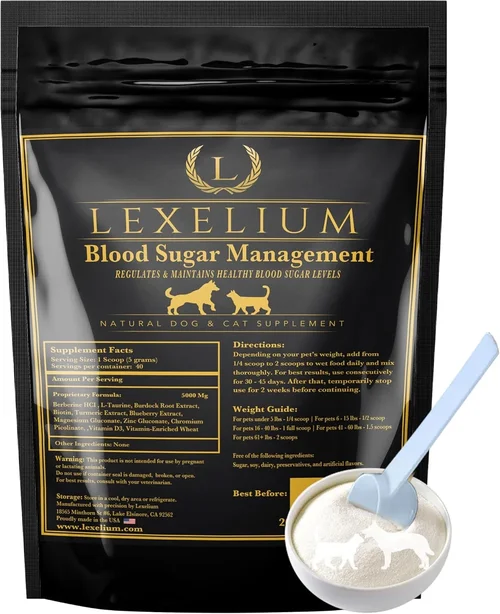
❌ Mistake: Overlooking Treat Compatibility
Why it’s bad: Many commercial treats are high in sugar or carbs, undermining your dog’s diabetic diet. Even “healthy” treats can add up.
What to do instead: Use diabetic-safe treats or make your own with vet-approved recipes. Limit treats to 10% of daily calories and account for them in insulin dosing.
❌ Mistake: Not Consulting Your Veterinarian
Why it’s bad: Diabetes management is complex and individualized. What works for one dog may not suit another, especially with comorbidities like kidney disease or obesity.
What to do instead: Always involve your vet in dietary decisions. They can recommend specific brands, adjust insulin, and monitor progress through blood tests.
❌ Mistake: Assuming All “Diabetic” Foods Are Equal
Why it’s bad: The term “diabetic-friendly” isn’t regulated. Some foods make vague claims without scientific backing.
What to do instead: Prioritize brands with clinical research, AAFCO compliance, and vet endorsements. Avoid novelty diets without evidence.
Budget Guidelines: How Much Should You Spend?
– Entry-Level ($1.20–$2.00 per lb): These are typically high-fiber kibbles from mainstream brands. While affordable and accessible, they may use lower-quality proteins or fillers. Best for dogs with mild diabetes and no food sensitivities. Examples include some formulas from Iams or Purina One SmartBlend.
– Mid-Range ($2.00–$3.00 per lb): This is the sweet spot for most owners. Brands like Wellness CORE Grain-Free Reduced Fat or Blue Buffalo Natural Veterinary Diet W+DU offer balanced nutrition, good palatability, and diabetic support without breaking the bank. Many include probiotics and omega fatty acids.
– Premium ($3.00–$4.50 per lb): These include veterinary therapeutic diets and high-end OTC brands like Hill’s Metabolic + Mobility or Royal Canin Glycobalance. They’re backed by research, use premium ingredients, and often come in multiple textures. Ideal for dogs with complex needs or severe pickiness.
– Luxury ($4.50+ per lb): Fresh, freeze-dried, or custom-formulated diets fall here. Brands like The Farmer’s Dog or Nom Nom offer human-grade ingredients and personalized recipes. While expensive, they can be worth it for dogs who refuse all other options. Always confirm diabetic suitability with your vet.
Expert Tips for Getting the Best Deal
– Buy in bulk during sales: Many online retailers (Chewy, Petco, Amazon) offer discounts on larger bags or auto-ship programs. Stock up during Black Friday or seasonal promotions.
– Ask your vet for samples: Most veterinary clinics carry sample sizes of prescription diets. This lets you test palatability before committing to a full bag.
– Compare cost per feeding: A cheaper bag may require larger portions, making it more expensive long-term. Calculate based on your dog’s daily intake.
– Check return policies: Some retailers allow returns on unopened bags. This is crucial if your picky eater rejects the food.
– Use loyalty programs: Sign up for rewards at pet stores or online platforms to earn points, discounts, or free shipping.
– Consider mixing brands: If your dog loves the flavor of one food but needs the nutrition of another, a 70/30 mix can satisfy both needs.
– Monitor blood glucose regularly: The best food is one that keeps your dog’s glucose stable. Use at-home test kits or vet visits to track progress.
Frequently Asked Questions
Q: Can I feed my diabetic dog regular dog food if it’s high in protein?
A: Not recommended. Regular high-protein foods often contain high-glycemic carbs or added sugars that can spike blood glucose. Diabetic-specific formulas are designed for balanced macronutrients and slow glucose release.
Q: Is wet food better than dry for diabetic dogs?
A: It depends. Wet food is more palatable and hydrating, which helps picky eaters and dogs with kidney concerns. However, dry food can support dental health and is often more cost-effective. Many owners use a combination.
Q: How often should I feed my diabetic dog?
A: Most diabetic dogs do best with two consistent meals per day, spaced 10–12 hours apart, to match insulin timing. Free-feeding or irregular meals can destabilize blood sugar.
Q: Can I give my diabetic dog fruits or vegetables as treats?
A: Yes, in moderation. Low-sugar options like green beans, cucumber, or blueberries are safe. Avoid grapes, raisins, and high-sugar fruits like bananas. Always check with your vet first.
Q: What if my dog still won’t eat the new food?
A: Try warming it, adding low-sodium broth, or mixing in a small amount of cooked lean meat. If refusal persists beyond 24 hours, contact your vet—it could signal an underlying issue.
Q: Are grain-free diets better for diabetic dogs?
A: Not necessarily. Grain-free doesn’t mean low-carb. Many grain-free foods use potatoes or tapioca, which can raise blood sugar. Focus on carb type, not grain presence.
Q: How long does it take to see improvement in blood sugar?
A: With consistent feeding and insulin, most dogs show improved glucose curves within 1–2 weeks. Full stabilization may take 4–6 weeks.
Q: Can I make homemade diabetic dog food?
A: Yes, but only under veterinary supervision. Homemade diets require precise balancing of protein, fat, fiber, and micronutrients. An unbalanced diet can worsen diabetes.
Our Final Recommendations
– Best for Budget-Conscious Buyers: Purina Pro Plan Veterinary Diets DM Savory Selects – Affordable, widely available, and formulated with high fiber and low glycemic carbs. Comes in wet and dry forms.
– Best Overall Value: Hill’s Prescription Diet w/d Multi-Benefit – Clinically proven to support glucose control, weight management, and digestive health. Highly palatable even for picky eaters.
– Best Premium Option: Royal Canin Glycobalance – Scientifically designed with precise fiber and protein levels. Available in multiple textures and sizes, ideal for dogs with complex needs.
– Best for Beginners: Blue Buffalo Natural Veterinary Diet W+DU – Easy to find, vet-recommended, and made with natural ingredients. Great for owners new to diabetic management.
– Best for Advanced Users: The Farmer’s Dog (Custom Diabetic Recipe) – Fresh, human-grade meals tailored to your dog’s needs. Requires vet approval but offers unmatched palatability and transparency.
Conclusion: Making the Right Choice
Finding the right diabetic dog food for a picky eater is no small feat—but it’s absolutely achievable with the right knowledge and patience. Remember, the best food is one that supports stable blood glucose, meets your dog’s nutritional needs, and is actually eaten consistently. Don’t sacrifice palatability for nutrition, or vice versa. Instead, aim for a balanced approach that considers your dog’s health, preferences, and your budget.
Start by consulting your veterinarian to confirm your dog’s specific dietary requirements. Then, use the factors outlined in this guide—protein quality, fiber balance, moisture content, and ingredient transparency—to narrow your options. Trial small amounts, monitor your dog’s response, and adjust as needed. And above all, be patient. Transitioning to a new diet takes time, especially for finicky eaters.
With the right food, consistent care, and a little creativity, your diabetic dog can live a full, happy, and healthy life. You’ve got this—and your loyal companion is counting on you.