

When it comes to raising a healthy, happy Labrador Retriever, few decisions are as impactful as choosing the right diet. Labs are one of the most beloved dog breeds in the world—known for their boundless energy, affectionate nature, and loyalty. But they’re also prone to specific health challenges, including obesity, joint issues like hip and elbow dysplasia, skin sensitivities, and digestive problems. These predispositions make nutrition not just a matter of preference, but a cornerstone of long-term wellness.
That’s why finding the best diet dog food for Labs isn’t just about filling a bowl—it’s about investing in your dog’s quality of life. With thousands of dog food brands flooding the market, each claiming to be “premium,” “natural,” or “vet-recommended,” it’s easy for even the most dedicated pet parent to feel overwhelmed. Misinformation abounds, and marketing buzzwords often obscure what truly matters: ingredient quality, nutritional balance, and suitability for your Lab’s life stage, activity level, and health status.
This comprehensive buying guide is designed to cut through the noise. Whether you’re welcoming a rambunctious Labrador puppy into your home, managing the weight of a middle-aged couch potato, or supporting a senior Lab with joint stiffness, this guide will equip you with the knowledge to make an informed, confident choice. You’ll learn how to evaluate ingredients, understand labeling claims, avoid common pitfalls, and select a diet that supports your dog’s unique needs—without overspending or compromising on quality. By the end, you’ll know exactly what to look for in a diet dog food for Labs and how to tailor your choice to your dog’s individual profile.

What to Look for When Buying Diet Dog Food for Labs
1. High-Quality Protein Sources
Protein is the foundation of any canine diet, especially for active breeds like Labs. Look for named animal proteins as the first ingredient—such as deboned chicken, turkey meal, salmon, or lamb. Avoid vague terms like “meat meal” or “animal by-product meal,” which can include low-quality or inconsistent sources. For Labs prone to weight gain, lean proteins help maintain muscle mass without excess fat. Additionally, consider the protein digestibility; highly digestible proteins (like those from poultry or fish) ensure your dog absorbs more nutrients and produces less waste.
2. Controlled Calorie and Fat Content
Labs have a notorious love for food and a slower metabolism as they age, making them highly susceptible to obesity. Obesity exacerbates joint problems, increases diabetes risk, and shortens lifespan. Therefore, diet dog food for Labs should offer moderate fat levels (typically 10–15%) and controlled calorie density. Look for formulas specifically labeled “weight management,” “light,” or “reduced calorie.” These often include L-carnitine—a compound that helps convert fat into energy—and higher fiber to promote satiety. Avoid foods with excessive fat or fillers like corn syrup, which contribute empty calories.
3. Joint-Supportive Nutrients
Hip and elbow dysplasia are common in Labs, and nutrition plays a preventive and supportive role. Diets rich in glucosamine, chondroitin, and omega-3 fatty acids (especially EPA and DHA from fish oil) help maintain cartilage health and reduce inflammation. Some premium formulas also include green-lipped mussel extract or turmeric for added anti-inflammatory benefits. If your Lab is already showing signs of stiffness or reduced mobility, consider therapeutic diets formulated with these joint-supportive ingredients.
4. Digestive Health and Fiber Balance
Labs often have sensitive stomachs and may suffer from gas, loose stools, or food intolerances. A diet with easily digestible carbohydrates and prebiotic fibers (like beet pulp, pumpkin, or chicory root) supports gut health and regular bowel movements. Avoid artificial colors, flavors, and preservatives (such as BHA, BHT, or ethoxyquin), which can trigger digestive upset. Limited-ingredient diets can be helpful for dogs with known allergies or sensitivities.
5. Life Stage and Activity Level Appropriateness
Not all diet dog foods are created equal across life stages. Puppies need higher protein and fat for growth, while seniors benefit from lower calories and added joint support. Active adult Labs may thrive on performance formulas, whereas sedentary dogs need weight-control options. Always choose a food labeled for your Lab’s specific life stage (puppy, adult, senior) and adjust based on their activity level. Overfeeding high-calorie food to a low-energy dog is a fast track to weight gain.
6. Ingredient Transparency and Sourcing
Reputable brands disclose not only what’s in their food but where it comes from. Look for companies that source ingredients from trusted regions (like the U.S., Canada, or New Zealand) and avoid controversial additives. Check for AAFCO (Association of American Feed Control Officials) statements on the packaging, which confirm the food meets nutritional standards for your dog’s life stage. Be wary of brands that use excessive fillers (corn, wheat, soy) or vague ingredient lists.
7. Brand Reputation and Veterinary Backing
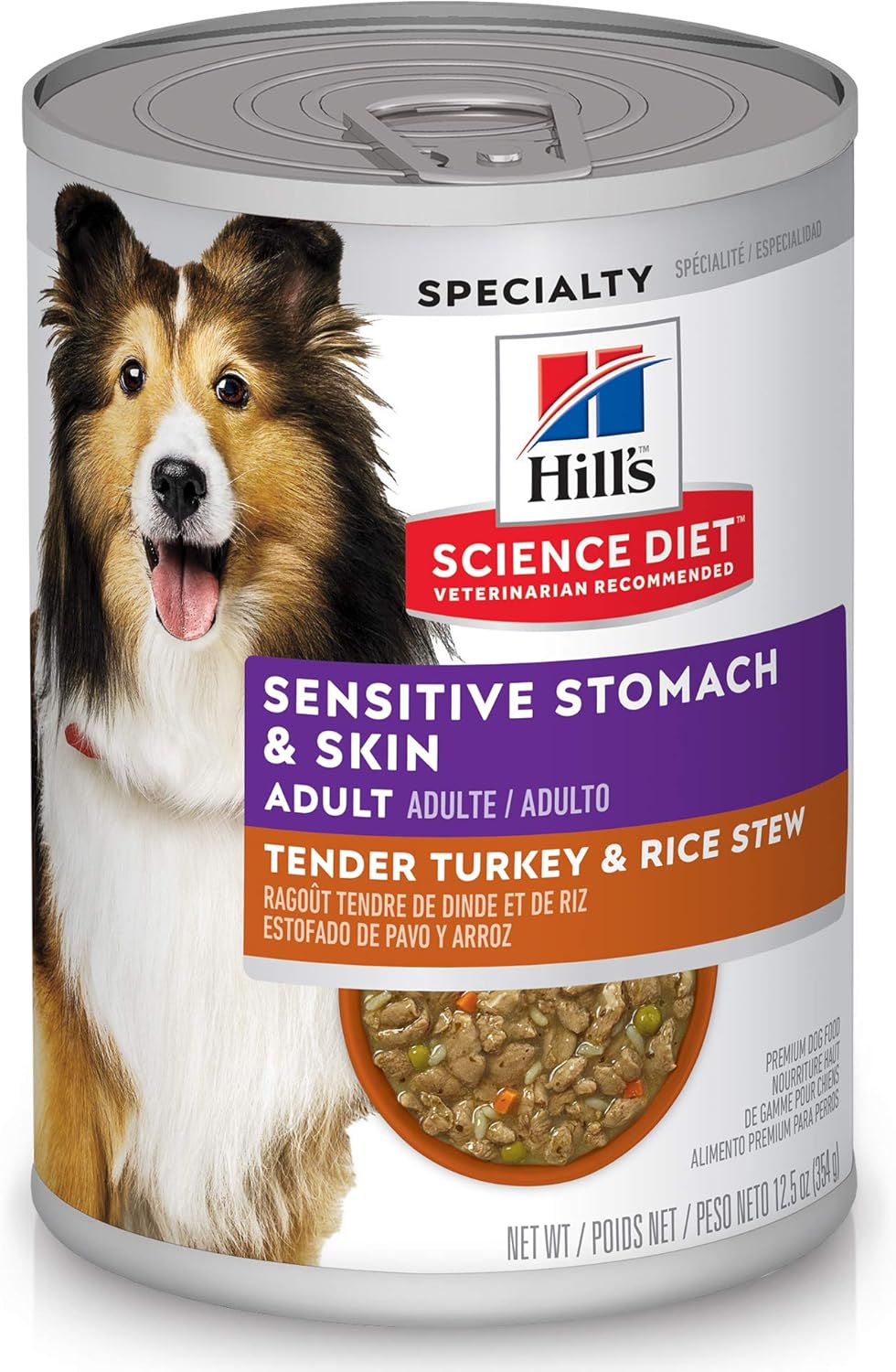
While no brand is perfect, some have earned trust through consistent quality, scientific research, and transparency. Brands like Hill’s Science Diet, Royal Canin, Purina Pro Plan, and Wellness have veterinary nutritionists on staff and conduct feeding trials. Emerging brands like The Honest Kitchen, Open Farm, and Orijen focus on human-grade ingredients and ethical sourcing. Research customer reviews, recall history, and whether the brand offers customer support or vet consultations.
8. Palatability and Transition Ease
Even the healthiest food won’t help if your Lab refuses to eat it. Labs are generally food-motivated, but sudden diet changes can cause digestive upset. Choose a food with natural flavor enhancers (like real meat broth or dried liver) rather than artificial additives. When switching diets, transition gradually over 7–10 days by mixing increasing amounts of the new food with the old. This reduces the risk of diarrhea or refusal.
Different Types of Diet Dog Food for Labs

Common Buying Mistakes to Avoid

❌ Mistake: Choosing Based Solely on Price
Why it’s bad: Cheap dog food often relies on fillers, by-products, and synthetic additives that offer little nutritional value. Over time, this can lead to health issues, higher vet bills, and reduced lifespan.
What to do instead: View dog food as a long-term investment in health. Compare cost per pound and cost per feeding, not just the sticker price. Mid-range and premium brands often provide better value through higher digestibility and fewer health complications.
❌ Mistake: Ignoring the Ingredient List
Why it’s bad: Marketing claims like “natural” or “holistic” are unregulated and meaningless without ingredient transparency. A food labeled “chicken flavor” may contain almost no real chicken.
What to do instead: Always read the ingredient list. The first three ingredients should be high-quality proteins. Avoid foods where grains or fillers appear before meat. Use resources like DogFoodAdvisor.com to compare brands.
❌ Mistake: Overfeeding “Diet” or “Light” Foods
Why it’s bad: Even reduced-calorie foods can lead to weight gain if portions are too large. Many owners assume “light” means “free feeding,” which is dangerous.
What to do instead: Follow the feeding guidelines on the bag and adjust based on your dog’s body condition. Use a measuring cup—not a scoop—and consider using a food scale for accuracy. Regular weigh-ins and body condition scoring (ribs should be felt, not seen) are essential.
❌ Mistake: Switching Diets Too Quickly
Why it’s bad: Sudden changes can cause diarrhea, vomiting, or food refusal. Labs with sensitive stomachs are especially vulnerable.
What to do instead: Transition over 7–10 days: start with 25% new food and 75% old, gradually increasing the ratio. Monitor stool quality and energy levels. If issues persist, consult your vet.
❌ Mistake: Assuming All Labs Have the Same Needs
Why it’s bad: A working Labrador in field trials has vastly different caloric and nutrient needs than a retired family pet. One-size-fits-all feeding leads to under- or over-nutrition.
What to do instead: Assess your Lab’s age, weight, activity level, and health status. Puppies, seniors, and dogs with medical conditions may require prescription or therapeutic diets.
❌ Mistake: Falling for “Grain-Free = Healthier” Myth
Why it’s bad: The FDA has linked grain-free diets high in legumes (peas, lentils, chickpeas) to dilated cardiomyopathy (DCM) in dogs, including Labs. Most dogs don’t need grain-free food.
What to do instead: Only choose grain-free if your Lab has a confirmed grain allergy (rare). Otherwise, opt for whole grains like brown rice or oats, which provide fiber and energy.
❌ Mistake: Neglecting Hydration
Why it’s bad: Dry kibble contains only 10% moisture, which can contribute to urinary issues, especially in male Labs prone to bladder stones.
What to do instead: Add warm water or low-sodium broth to kibble, or incorporate wet food into the diet. Ensure fresh water is always available, especially after exercise.
Budget Guidelines: How Much Should You Spend?
– Entry-Level ($15–$25 per 30-lb bag): These foods often contain by-products, fillers, and artificial preservatives. While they meet basic AAFCO standards, they may lack optimal nutrition for long-term health. Best for temporary use or multi-dog households on a tight budget—but not ideal for Labs with health concerns.
– Mid-Range ($25–$45 per 30-lb bag): This is the sweet spot for most Lab owners. Brands like Purina Pro Plan, Iams, and Nutro offer balanced nutrition with quality proteins, joint support, and digestive aids. Many include probiotics and omega fatty acids. Great value for the price.
– Premium ($45–$70 per 30-lb bag): These diets feature named meat meals, limited fillers, and added functional ingredients like glucosamine, L-carnitine, and antioxidants. Brands like Hill’s Science Diet, Royal Canin, and Wellness Core are popular choices. Ideal for Labs with specific health needs or owners prioritizing preventive care.
– Luxury ($70+ per 30-lb bag or $60+ per 10–15 lbs for fresh/raw): Includes freeze-dried raw, air-dried, and fresh refrigerated foods from brands like The Honest Kitchen, Open Farm, and Stella & Chewy’s. These offer minimal processing, high bioavailability, and human-grade ingredients. Best for owners willing to invest in top-tier nutrition and convenience.

Expert Tips for Getting the Best Deal
– Buy in Bulk During Sales: Major retailers like Chewy, Petco, and Amazon often run seasonal promotions (Black Friday, Prime Day, end-of-season clearances). Stock up on 2–3 bags when prices drop, but check expiration dates.
– Subscribe and Save: Most online pet stores offer 5–15% off for auto-ship subscriptions. This ensures you never run out and locks in a lower price. You can usually pause or cancel anytime.
– Compare Unit Prices: Don’t just look at the total cost—check the price per pound or per cup. A larger bag may seem expensive but offer better value. Use the formula: (Total Price) ÷ (Weight in lbs) = Cost per lb.
– Look for Manufacturer Rebates: Brands like Hill’s and Royal Canin often offer mail-in rebates or free vet consultations with purchase. Check their websites or ask your veterinarian.
– Ask Your Vet for Samples: Many vet clinics carry sample sizes of therapeutic or prescription diets. Try before you buy to ensure your Lab likes the taste and tolerates it well.
– Read Return Policies: If your dog refuses the food or has a reaction, you want to be able to return it. Chewy and Petco have generous return windows; smaller retailers may not.
– Consider Store Brands: Some pet stores (like Petco’s WholeHearted or Costco’s Kirkland Signature) offer high-quality, affordable alternatives to name brands. These often use similar ingredients at lower prices.
– Join Loyalty Programs: Sign up for rewards programs at Petco, Chewy, or local pet stores. Points can be redeemed for discounts, free shipping, or exclusive offers.
Frequently Asked Questions
Q: Can I feed my Lab a raw diet?
A: Yes, but it requires careful planning. Raw diets can offer benefits like improved coat, dental health, and digestion, but they carry risks of bacterial contamination (Salmonella, E. coli) and nutritional imbalances if not properly formulated. If you choose raw, use commercially prepared, balanced recipes or consult a veterinary nutritionist. Always practice strict hygiene when handling raw meat.
Q: How often should I feed my Lab?
A: Adult Labs do best with two meals per day to prevent bloat (gastric dilatation-volvulus), a life-threatening condition. Puppies under 6 months may need 3–4 meals. Avoid vigorous exercise 1–2 hours before and after eating.
Q: Is grain-free food better for Labs?
A: Not necessarily. Most Labs tolerate grains well, and whole grains provide beneficial fiber and energy. Grain-free diets are only recommended if your dog has a confirmed grain allergy—which is rare. The FDA warns that some grain-free diets may increase DCM risk.
Q: How do I know if my Lab is overweight?
A: Use the Body Condition Score (BCS) system. You should be able to feel your dog’s ribs without seeing them, see a waist when viewed from above, and an abdominal tuck from the side. If you can’t feel the ribs or see fat deposits over the hips or base of the tail, your Lab may be overweight.
Q: Can I mix wet and dry food?
A: Absolutely! Many owners combine wet food (for palatability and hydration) with dry kibble (for dental health and convenience). Just adjust portions to avoid overfeeding. A common ratio is ½ cup wet + 1½ cups dry per meal.
Q: Should senior Labs switch to senior food?
A: Yes, around age 7–8. Senior formulas are lower in calories, higher in fiber, and often include joint support and antioxidants. They help manage weight and support aging organs. However, if your senior Lab is still active, a regular adult formula may be fine—consult your vet.
Q: What’s the deal with “by-product meal”?
A: By-product meal includes clean, non-rendered parts of slaughtered animals, such as liver, kidneys, and lungs. While not inherently bad, it’s less consistent in quality than named meat meals. Avoid foods where by-products are the primary ingredient.
Q: How long can I store opened dog food?
A: Dry kibble should be used within 6 weeks of opening to prevent rancidity. Store in an airtight container in a cool, dry place. Wet food must be refrigerated and used within 3–5 days.
Q: Can diet food help with itchy skin?
A: Yes. Food allergies or sensitivities can cause skin irritation. Limited-ingredient diets with novel proteins (like duck, venison, or salmon) and omega-3 fatty acids can reduce itching and improve coat health. If symptoms persist, see your vet to rule out environmental allergies.
Q: Is it okay to feed my Lab table scraps?
A: In moderation, and only safe foods. Avoid chocolate, grapes, onions, garlic, and fatty or spicy foods. Small amounts of cooked chicken, carrots, or green beans can be healthy treats—but keep them under 10% of daily calories.
Our Final Recommendations
– Best for Budget-Conscious Buyers: Purina Pro Plan Weight Management Chicken & Rice Formula – Offers excellent nutrition at an affordable price, with real chicken, L-carnitine, and probiotics. Widely available and vet-trusted.
– Best Overall Value: Hill’s Science Diet Perfect Weight – Clinically proven to help dogs lose weight and maintain it. Contains natural ingredients, fiber for fullness, and joint-supportive nutrients. Ideal for Labs prone to obesity.
– Best Premium Option: Royal Canin Labrador Retriever Adult – Specifically formulated for Labs, with tailored kibble shape for slower eating, glucosamine for joints, and balanced calories. Backed by extensive breed-specific research.
– Best for Beginners: Wellness CORE Grain-Free Reduced Fat – Easy to digest, high in protein, and free from fillers. Great for owners new to premium diets who want a straightforward, healthy option.
– Best for Advanced Users: The Honest Kitchen Human-Grade Dehydrated Dog Food – Made with whole, human-grade ingredients and gently dehydrated to preserve nutrients. Requires rehydration but offers unmatched transparency and quality.
Conclusion: Making the Right Choice
Choosing the best diet dog food for your Labrador isn’t about finding the most expensive or trendiest option—it’s about understanding your dog’s unique needs and matching them with a scientifically balanced, high-quality diet. From managing weight and supporting joints to promoting digestion and skin health, the right food can significantly impact your Lab’s vitality and longevity.
Remember, no single food is perfect for every dog. What works for a high-energy field trial Lab may not suit a senior couch potato. Stay observant: monitor your dog’s weight, coat condition, energy levels, and stool quality. Be willing to adjust based on feedback from your dog—and your veterinarian.
Invest in transparency, prioritize ingredient quality over marketing claims, and don’t hesitate to seek professional guidance. With the knowledge from this guide, you’re now equipped to navigate the crowded pet food aisle with confidence. Your Labrador deserves nothing less than the best—and with the right diet, you’re giving them the foundation for a long, joyful, and healthy life by your side.