

Large breed dogs—think Great Danes, German Shepherds, Golden Retrievers, and Mastiffs—come with unique nutritional needs that go far beyond just eating more food. Their size, growth rate, metabolism, and susceptibility to joint and digestive issues mean that a standard diet simply won’t cut it. As a pet parent, choosing the right diet dog food for your large breed companion isn’t just about convenience or cost—it’s about supporting their long-term health, mobility, and quality of life. With so many options flooding the market, each claiming to be “specially formulated” or “veterinarian recommended,” it’s easy to feel overwhelmed. That’s where this guide comes in.
In this comprehensive buying guide, you’ll learn exactly what to look for when selecting the best diet dog food for large breeds in 2026. We’ll break down the science behind large breed nutrition, highlight key ingredients and red flags, compare different types of diets, and help you avoid common pitfalls. Whether you’re feeding a growing puppy, an active adult, or a senior giant breed, we’ve got actionable advice tailored to your dog’s stage of life and lifestyle. You’ll also find real-world budget breakdowns, expert tips for getting the best value, and honest recommendations based on ingredient quality, brand transparency, and customer feedback.
The market for large breed dog food has evolved significantly in recent years. Brands now offer everything from grain-free kibble to fresh-cooked meals, raw diets, and prescription formulas—all targeting the specific needs of bigger dogs. But not all “large breed” labels are created equal. Some are marketing gimmicks; others are genuinely formulated with joint support, controlled calcium levels, and balanced omega fatty acids in mind. Our goal is to cut through the noise and give you the knowledge and tools to make a confident, informed decision that supports your dog’s health for years to come.
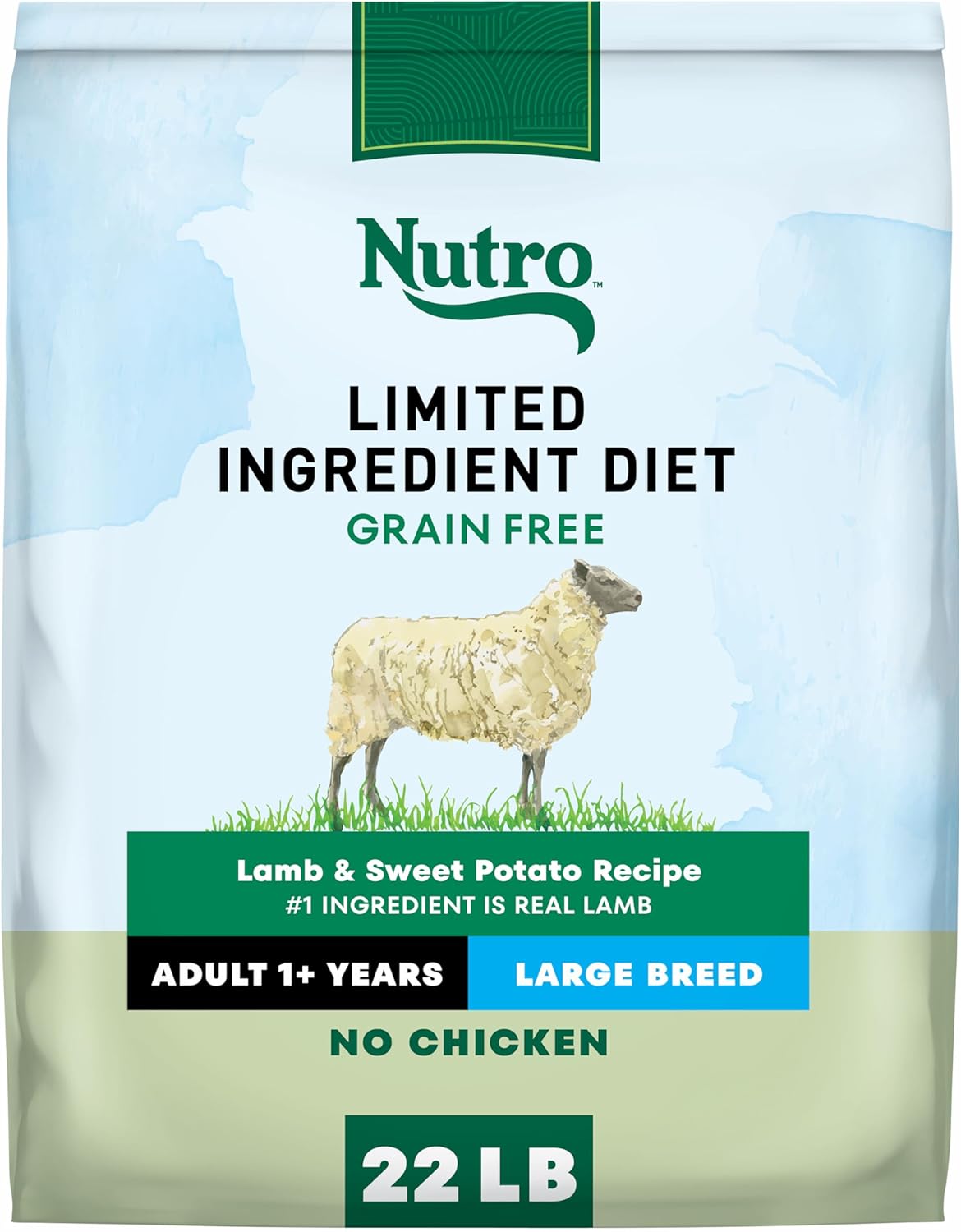
What to Look for When Buying Buying Guide
1. Protein Quality and Source
Protein is the cornerstone of any dog’s diet, but for large breeds, the type and quality of protein matter even more. Large breed dogs require high-quality, highly digestible animal-based proteins to support lean muscle mass without overloading their systems. Look for named meat sources like “chicken meal,” “deboned salmon,” or “lamb” as the first ingredient—not vague terms like “meat meal” or “animal by-product.”
Why does this matter? Low-quality proteins can lead to poor nutrient absorption, increased stool volume, and even allergies. For large breeds prone to bloat or sensitive digestion, easily digestible proteins reduce gastrointestinal stress. Aim for a minimum of 22–26% crude protein for adults and 26–30% for puppies, but always check the guaranteed analysis on the label. Also, avoid diets with excessive protein (over 30% for adults), as this can strain kidneys in predisposed breeds.
2. Controlled Calcium and Phosphorus Levels
One of the most critical—and often overlooked—factors in large breed nutrition is mineral balance, especially calcium and phosphorus. Large and giant breed puppies grow rapidly, and too much calcium can lead to skeletal abnormalities like osteochondrosis or hip dysplasia. The ideal calcium-to-phosphorus ratio should be between 1:1 and 1.5:1.
For adult large breeds, excess calcium isn’t as risky, but it’s still important to avoid over-supplementation. Diets labeled “for large breed puppies” will typically have lower calcium levels (around 1.0–1.5%) compared to regular puppy food. Always check the guaranteed analysis: if calcium exceeds 1.8%, it may be too high for a growing giant breed. Similarly, avoid foods with added bone meal or excessive dairy derivatives unless specifically recommended by a vet.
Phosphorus should also be monitored—too much can impair kidney function over time, especially in aging large breeds. Look for phosphorus levels between 0.8% and 1.2% for adults.
3. Joint Support Ingredients
Large breeds are genetically predisposed to joint issues like hip dysplasia, elbow dysplasia, and arthritis. That’s why joint-supporting ingredients should be non-negotiable in their diet. Key compounds to look for include:
- Glucosamine and Chondroitin: Naturally occurring compounds that support cartilage health and reduce inflammation.
- Omega-3 Fatty Acids (EPA/DHA): Found in fish oil, these reduce joint inflammation and improve mobility.
- MSM (Methylsulfonylmethane): A sulfur compound that supports connective tissue.
- Green-Lipped Mussel: A natural source of glucosamine and omega-3s, increasingly used in premium diets.
These ingredients are especially important for breeds like Labradors, Rottweilers, and Saint Bernards. While supplements can be added separately, it’s more convenient—and often more effective—to get them built into the food. Look for at least 500 mg of glucosamine per 1,000 kcal in the diet.
4. Calorie Density and Portion Control
Large breeds don’t need as many calories per pound as smaller dogs—in fact, overfeeding is one of the top causes of obesity in big dogs. Obesity puts extra strain on joints, heart, and metabolism, increasing the risk of diabetes and reducing lifespan. That’s why calorie-controlled diets are essential.
Look for foods labeled “light,” “reduced calorie,” or “weight management” if your dog is prone to weight gain. These typically contain 300–350 kcal per cup, compared to 400+ in standard formulas. However, don’t sacrifice nutrition for low calories—ensure the food still meets AAFCO standards for complete and balanced nutrition.
Portion control is equally important. Use a measuring cup (not a coffee mug!) and follow feeding guidelines based on your dog’s ideal weight, not current weight. Adjust portions based on activity level: a working German Shepherd needs more than a couch-potato Bulldog.
5. Digestive Health and Fiber Content
Large breeds are more susceptible to bloat (gastric dilatation-volvulus or GDV), a life-threatening condition where the stomach twists. While genetics and eating habits play a role, diet can help reduce risk. Foods that promote slow, steady digestion are ideal.
Look for moderate fiber levels (3–6%) from sources like beet pulp, pumpkin, or chicory root. These support gut motility and healthy stool formation. Avoid diets with excessive fillers like corn, wheat, or soy—these can cause gas and bloating. Probiotics (like Lactobacillus or Bifidobacterium) are also beneficial, especially for dogs with sensitive stomachs.
Kibble size matters too. Larger kibble pieces encourage chewing, which slows eating and reduces air swallowing—a known GDV risk factor. Some brands offer “large breed kibble” that’s specifically designed to be harder and larger.
6. Grain Inclusion vs. Grain-Free
The grain-free debate has raged for years, but recent FDA investigations have linked certain grain-free diets (especially those high in legumes like peas, lentils, and chickpeas) to dilated cardiomyopathy (DCM) in dogs. While large breeds aren’t the primary concern, it’s still wise to approach grain-free with caution.
Grains like brown rice, oats, and barley are excellent sources of complex carbohydrates, fiber, and B vitamins. They’re easily digestible and help maintain steady energy levels. Unless your dog has a diagnosed grain allergy (which is rare), there’s no need to avoid grains.
If you do choose grain-free, ensure the diet uses safe starch sources like sweet potato or tapioca—and avoid those heavy on legumes. Always consult your vet before switching to a grain-free formula.
7. Brand Transparency and AAFCO Compliance
Not all dog food brands are created equal. Some are backed by veterinary nutritionists, conduct feeding trials, and publish detailed ingredient sourcing information. Others rely on vague marketing claims and third-party manufacturing with little oversight.
Always check for AAFCO (Association of American Feed Control Officials) statements on the label. This tells you whether the food meets nutritional standards for your dog’s life stage (e.g., “complete and balanced for adult maintenance” or “for growth of large breed puppies”). Avoid foods that only claim to be “formulated to meet AAFCO standards” without actual feeding trials—this means they haven’t been tested on real dogs.
Transparent brands will list the country of origin for ingredients, provide contact information for customer service, and often have veterinary nutritionists on staff. Look for certifications like USDA Organic, Non-GMO Project Verified, or B Corp status as additional trust signals.
8. Life Stage Appropriateness
Large breed dogs have different nutritional needs at each stage of life. Puppies require controlled growth formulas to prevent skeletal issues, adults need maintenance diets with joint support, and seniors benefit from lower-calorie, high-fiber options with added antioxidants.
Never feed a large breed puppy food labeled for “all life stages” unless it’s specifically formulated for large breeds. These often have too much calcium and energy, leading to rapid growth and joint damage. Similarly, senior large breeds may need reduced phosphorus and added glucosamine, which aren’t always present in adult formulas.
Always match the food to your dog’s age, size, and activity level. If you’re unsure, consult your veterinarian or a board-certified veterinary nutritionist.
Different Types of Buying Guide

Common Buying Mistakes to Avoid

❌ Mistake: Choosing Based Solely on Price
Why it’s bad: Cheap dog food often uses low-quality ingredients, fillers, and artificial preservatives that can lead to health problems over time. While budget is important, skimping on nutrition can result in higher vet bills down the line.
What to do instead: Focus on cost per pound or cost per meal, not just the sticker price. A $50 bag that lasts two months may be better value than a $30 bag that lasts three weeks. Prioritize ingredient quality and AAFCO compliance over upfront savings.
❌ Mistake: Ignoring Feeding Guidelines
Why it’s bad: Overfeeding is a leading cause of obesity in large breeds, which exacerbates joint pain, heart disease, and diabetes. Underfeeding can lead to malnutrition and low energy.
What to do instead: Use a measuring cup and follow the feeding chart on the bag. Adjust based on your dog’s body condition score (you should be able to feel—but not see—their ribs). Weigh your dog monthly and tweak portions accordingly.
❌ Mistake: Switching Foods Too Quickly
Why it’s bad: Sudden diet changes can cause diarrhea, vomiting, or refusal to eat. Large breeds with sensitive stomachs are especially prone to digestive upset.
What to do instead: Transition over 7–10 days: start with 25% new food and 75% old, gradually increasing the ratio. If your dog has a history of GI issues, extend the transition to 2–3 weeks.
❌ Mistake: Falling for Marketing Hype
Why it’s bad: Terms like “natural,” “premium,” or “holistic” aren’t regulated. A food labeled “grain-free” might be high in legumes and linked to DCM.
What to do instead: Read the ingredient list and guaranteed analysis. Look beyond the front label. Research the brand’s reputation, recall history, and whether they conduct feeding trials.
❌ Mistake: Not Considering Your Dog’s Activity Level
Why it’s bad: A sedentary Mastiff needs fewer calories than an agility-trained Belgian Malinois. Feeding the same food to both can lead to weight gain or energy deficits.
What to do instead: Choose a formula that matches your dog’s lifestyle. Active dogs may benefit from higher fat and protein, while less active dogs need lower-calorie, high-fiber options.
❌ Mistake: Overlooking Dental Health
Why it’s bad: Large breeds are prone to periodontal disease, which can lead to tooth loss and systemic infections. Kibble can help, but not all kibble is created equal.
What to do instead: Choose kibble designed to reduce tartar (look for VOHC approval). Supplement with dental chews or water additives if needed.
❌ Mistake: Not Consulting a Veterinarian
Why it’s bad: Every dog is unique. A diet that works for one German Shepherd may not suit another with kidney issues or food allergies.
What to do instead: Schedule a nutritional consultation with your vet, especially when switching diets or managing a health condition. They can recommend specific brands or prescription formulas.
Budget Guidelines: How Much Should You Spend?
- Entry-Level ($25–$40 per 30 lb bag): These diets meet basic AAFCO standards but may use lower-quality proteins, fillers, and artificial preservatives. Brands like Purina One Large Breed or Iams ProActive Health fall here. Suitable for healthy, low-activity dogs on a tight budget—but monitor for digestive issues or weight gain.
- Mid-Range ($40–$65 per 30 lb bag): The sweet spot for most owners. These foods use named meat meals, include joint support ingredients, and avoid major fillers. Examples include Hill’s Science Diet Large Breed, Royal Canin Giant Adult, and Wellness CORE Large Breed. Great balance of quality and affordability.
- Premium ($65–$90 per 30 lb bag): For owners prioritizing ingredient sourcing and transparency. These diets often include human-grade proteins, probiotics, and superfoods like blueberries or kale. Brands like Orijen, Acana, and Fromm Family Foods offer excellent nutrition with minimal processing.
- Luxury ($90+ per bag or $100+/month for fresh): Top-tier options like The Farmer’s Dog, Nom Nom, or Open Farm. These use fresh, human-grade ingredients, custom portioning, and sustainable sourcing. Ideal for dogs with allergies, picky eaters, or owners willing to invest in long-term health.

Expert Tips for Getting the Best Deal
- Buy in Bulk During Sales: Major retailers like Chewy, Petco, and Amazon often run 20–30% off sales during holidays (Black Friday, Memorial Day). Stock up on 2–3 bags when prices drop.
- Subscribe and Save: Most online pet stores offer 5–15% off for auto-delivery. You’ll never run out, and you save money long-term.
- Check for Rebates and Coupons: Brands like Hill’s and Royal Canin frequently offer mail-in rebates or digital coupons through their websites.
- Compare Unit Prices: A 40 lb bag isn’t always cheaper per pound than a 30 lb bag. Always calculate cost per pound or per cup.
- Look for Loyalty Programs: Petco’s Pals Rewards or Chewy’s Autoship program give points, free shipping, and exclusive discounts.
- Consider Store Brands: Some private-label lines (like Kirkland Signature Nature’s Domain) offer premium ingredients at mid-range prices.
- Ask Your Vet for Samples: Many vets keep samples of prescription or therapeutic diets. Try before you buy to see if your dog likes it.
- Read Return Policies: If your dog refuses the food, can you return it? Chewy and Petco offer generous return windows—use them.

Frequently Asked Questions
Q: Can I feed my large breed puppy regular puppy food?
A: No—especially if they’re a giant breed (over 70 lbs adult weight). Regular puppy food is too high in calcium and calories, which can cause rapid growth and skeletal problems. Always choose a formula labeled “for large breed puppies.”
Q: How often should I feed my large breed dog?
A: Adult large breeds do best with two meals per day to reduce bloat risk. Puppies under 6 months may need 3–4 smaller meals. Avoid free-feeding.
Q: Is raw food safe for large breeds?
A: Raw diets can be safe if properly balanced and handled hygienically. However, they require careful planning to avoid nutritional deficiencies. Consult a veterinary nutritionist before starting.
Q: My dog is overweight—should I switch to a “light” formula?
A: Yes, but ensure the light formula still has high protein and joint support. Avoid “diet” foods that are just low in fat and high in fillers. Combine with increased exercise and portion control.
Q: Can large breed dogs eat small breed food?
A: Technically yes, but it’s not ideal. Small breed food is higher in calories and fat, which can lead to weight gain in less active large dogs. Stick to large breed formulas for better nutrient balance.
Q: How do I know if my dog’s food is working?
A: Look for consistent energy, healthy coat, firm stools, and stable weight. If your dog is lethargic, has diarrhea, or develops skin issues, the food may not be suitable.
Q: Are grain-free diets better for large breeds?
A: Not necessarily. Unless your dog has a grain allergy, whole grains provide valuable fiber and nutrients. Grain-free diets high in legumes may pose DCM risks.
Q: Should I add supplements to my dog’s food?
A: Only if recommended by your vet. Many large breed foods already include glucosamine, omega-3s, and probiotics. Over-supplementing can cause imbalances.
Q: How long can I keep opened dog food?
A: Store in an airtight container in a cool, dry place. Most kibble stays fresh for 6–8 weeks after opening. Wet food should be refrigerated and used within 3–5 days.
Q: What if my dog refuses to eat the new food?
A: Try mixing in a small amount of wet food, bone broth (low-sodium), or warming the kibble slightly. If refusal persists after 3–4 days, consult your vet—it could signal an underlying issue.
Our Final Recommendations
- Best for Budget-Conscious Buyers: Purina Pro Plan Large Breed Adult – Offers solid nutrition with real chicken, glucosamine, and probiotics at an affordable price. AAFCO-compliant and widely available.
- Best Overall Value: Hill’s Science Diet Large Breed Adult – Backed by veterinary research, includes joint support, and is formulated for optimal digestion. Great for most healthy large breeds.
- Best for Beginners: Royal Canin Giant Adult – Specifically designed for dogs over 100 lbs, with precise nutrient levels and large kibble to slow eating. Easy to find and vet-recommended.
- Best for Advanced Users: The Farmer’s Dog – Fresh, human-grade meals customized to your dog’s needs. Requires subscription but offers unparalleled transparency and palatability.
Best Premium Option: Orijen Original – High-protein, biologically appropriate diet with fresh regional ingredients. Ideal for active dogs and owners willing to invest in top-tier nutrition.
Conclusion: Making the Right Choice
Choosing the best diet dog food for your large breed is one of the most impactful decisions you’ll make as a pet parent. It’s not just about filling their bowl—it’s about supporting their joints, digestion, energy, and longevity. From protein quality and mineral balance to life stage appropriateness and brand transparency, every detail matters. While the market offers endless options, the right choice comes down to understanding your dog’s unique needs and matching them with a food that delivers real, science-backed nutrition.
Don’t let marketing claims or price tags cloud your judgment. Instead, use the tools in this guide—ingredient analysis, feeding guidelines, budget planning, and expert tips—to make a confident, informed decision. Remember, the best diet is one that keeps your dog healthy, happy, and thriving for years to come. And when in doubt, consult your veterinarian. They’re your partner in your dog’s wellness journey.
Your large breed dog deserves the best. Start feeding them like it.