
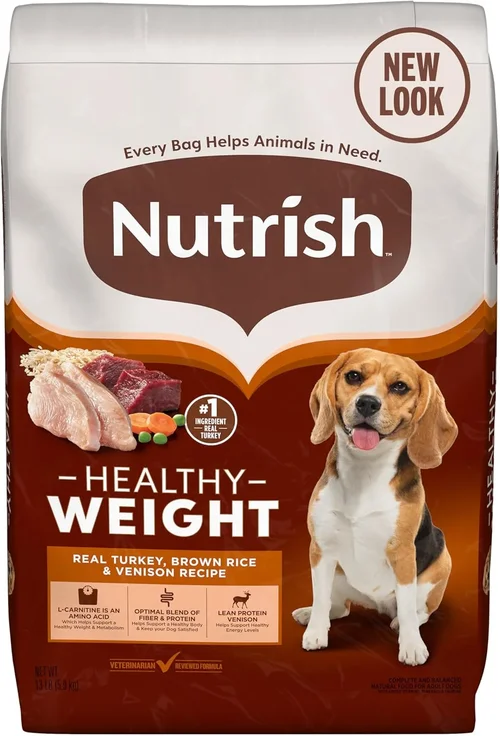
Obesity in dogs is more than just a cosmetic concern—it’s a serious health issue that affects millions of pets worldwide. According to the Association for Pet Obesity Prevention, over 50% of dogs in the United States are classified as overweight or obese. This alarming statistic isn’t just a number; it represents shortened lifespans, increased risk of diabetes, joint problems, heart disease, and reduced quality of life for our beloved companions. As pet parents, we want our dogs to thrive—not just survive—and nutrition plays a pivotal role in achieving that goal.
That’s where this guide comes in. Whether you’re dealing with a slightly pudgy pup or a dog struggling with significant weight gain, choosing the right diet dog food can make all the difference. But with hundreds of “weight management” formulas on the market—each claiming to be the best—it’s easy to feel overwhelmed. How do you separate marketing hype from science-backed nutrition? What ingredients actually help dogs lose weight safely? And how do you ensure your dog still gets all the essential nutrients while cutting calories?
In this comprehensive buying guide, we’ll cut through the noise and give you everything you need to make an informed decision. You’ll learn how to evaluate diet dog foods based on real nutritional value, understand key ingredients that support healthy weight loss, avoid common pitfalls, and find options that fit your budget and your dog’s unique needs. From prescription veterinary diets to high-quality over-the-counter brands, we’ve researched, analyzed, and compared the top contenders so you don’t have to. By the end of this guide, you’ll be equipped with expert-level knowledge to choose a diet food that helps your dog shed excess pounds—safely, effectively, and sustainably.
The market for weight management dog food has exploded in recent years, driven by growing awareness of pet obesity and advances in veterinary nutrition. Today’s options range from vet-recommended therapeutic formulas to premium kibble enriched with metabolism-boosting ingredients like L-carnitine and fiber blends. Some brands focus on high-protein, low-carb profiles to preserve lean muscle mass during weight loss, while others emphasize satiety through added fiber to keep dogs feeling full longer. There are grain-free versions, limited-ingredient diets for sensitive stomachs, and even fresh-cooked meal delivery services tailored for weight loss.
But not all “diet” dog foods are created equal. Many commercial brands use misleading labeling—calling their products “light,” “lean,” or “weight control”—while still containing fillers, artificial additives, or excessive carbohydrates that can hinder weight loss. Others may reduce calories too drastically, leading to nutrient deficiencies or metabolic slowdown. That’s why it’s crucial to look beyond the packaging and dive into the ingredient list, guaranteed analysis, and feeding guidelines. This guide will teach you exactly how to do that, empowering you to choose a food that supports your dog’s long-term health—not just a quick fix.

What to Look for When Buying Diet Dog Food
1. Calorie Density and Guaranteed Analysis
Calorie content is the cornerstone of any effective weight management diet. Overweight dogs need fewer calories than their ideal-weight counterparts, but they still require balanced nutrition. Look for foods that provide fewer than 350 kcal per cup for dry kibble, though this can vary based on kibble size and density. Always check the guaranteed analysis on the label—this section lists minimum protein and fat percentages and maximum fiber and moisture levels. For weight loss, aim for:
– Protein: 25–35% (to maintain muscle mass)
– Fat: 8–15% (lower than maintenance diets)
– Fiber: 8–15% (to promote satiety)
– Moisture: Typically under 10% for dry food
Avoid foods that rely on vague terms like “reduced calorie” without providing specific kcal/cup data. Reputable brands will list metabolizable energy (ME) values, which give a more accurate picture of usable calories.
2. High-Quality Protein Sources
Protein is essential during weight loss because it helps preserve lean muscle mass while the dog burns fat for energy. When dogs lose weight too quickly or on low-protein diets, they risk muscle wasting, which can slow metabolism and make future weight management harder. Choose foods where the first ingredient is a named animal protein—such as chicken, turkey, lamb, or fish—not a by-product or plant-based filler.
Look for foods with at least 25% crude protein on a dry matter basis (DMB). To calculate DMB, use this formula: (Protein % ÷ (100 – Moisture %)) × 100. For example, a food with 28% protein and 10% moisture has a DMB protein of (28 ÷ 90) × 100 = 31.1%. This ensures you’re comparing apples to apples across brands.
3. Fiber Type and Amount
Fiber plays a dual role in weight management: it adds bulk to the diet without adding calories, and it helps dogs feel full longer, reducing begging and overeating. However, not all fiber is equal. Soluble fibers like beet pulp, psyllium husk, and chicory root ferment in the gut and produce short-chain fatty acids that support gut health. Insoluble fibers like cellulose add volume but offer less nutritional benefit.
Aim for a total fiber content of 8–15%. Too little fiber won’t curb appetite, while too much can cause digestive upset or reduce nutrient absorption. Look for a blend of both soluble and insoluble fibers for optimal results. Avoid foods that rely solely on corn bran or wheat middlings—these are often low-cost fillers with minimal functional benefit.
4. Presence of Metabolic Support Ingredients
Some diet dog foods include ingredients scientifically shown to support healthy weight loss. L-carnitine, for example, is an amino acid that helps transport fatty acids into cells to be burned for energy. Studies have shown that dogs fed diets supplemented with L-carnitine lose weight more effectively and retain more muscle mass.
Other beneficial additives include:
– Medium-chain triglycerides (MCTs): Easily digested fats that provide energy without being stored as fat
– Green-lipped mussel: Contains omega-3s that may reduce inflammation in overweight dogs
– Yucca schidigera: May improve digestion and reduce stool odor
– Probiotics: Support gut health, which is linked to metabolism and appetite regulation
While these aren’t deal-breakers, their presence often indicates a brand invested in evidence-based formulation.
5. Carbohydrate Quality and Quantity
Carbohydrates aren’t inherently bad—they provide energy and fiber—but many commercial dog foods overload on cheap, high-glycemic carbs like corn, wheat, and rice. These can spike blood sugar and contribute to fat storage, especially in sedentary dogs.
For weight management, prioritize complex carbohydrates with low glycemic indexes, such as sweet potatoes, peas, lentils, and oats. These digest slowly, providing steady energy and helping regulate appetite. Avoid foods where grains or starches appear in the top three ingredients unless they’re whole, minimally processed forms.
Also, beware of “grain-free” labels. While grain-free diets can be helpful for dogs with allergies, they often replace grains with starchy legumes or potatoes, which can still be high in calories. Grain-free doesn’t automatically mean low-calorie.
6. Brand Transparency and Manufacturing Standards
Not all pet food companies are equally transparent about their sourcing, manufacturing, or testing practices. Look for brands that:
– Conduct AAFCO (Association of American Feed Control Officials) feeding trials or formulate to meet AAFCO nutrient profiles
– Use human-grade ingredients (if labeled as such)
– Perform regular third-party testing for contaminants
– Provide clear contact information and customer support
Avoid brands that use vague language like “natural” without certification or that don’t disclose where their food is made. The FDA has issued warnings about certain imported pet foods linked to contamination or nutritional imbalances.
7. Veterinarian Recommendation and Prescription Options
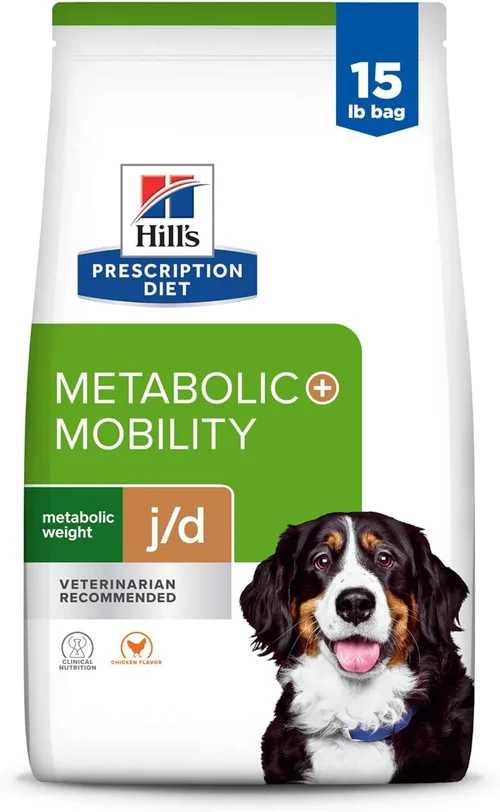
For dogs with significant obesity, underlying health conditions (like hypothyroidism), or those who haven’t responded to over-the-counter diets, a prescription veterinary diet may be necessary. These foods are formulated under strict veterinary supervision and often contain precise nutrient profiles, controlled calorie counts, and added supplements like L-carnitine or joint-support compounds.
Common prescription brands include Hill’s Prescription Diet r/d, Royal Canin Veterinary Diet Obesity Management, and Purina Pro Plan Veterinary Diets OM. These are typically sold only through veterinarians and require a prescription. While more expensive, they offer the highest level of nutritional precision and are often covered by pet insurance.
8. Palatability and Transition Ease
Even the best diet food won’t work if your dog refuses to eat it. Palatability is crucial—especially during the transition period, which should take 7–10 days. Gradually mix the new food with the old, increasing the proportion each day to avoid digestive upset.
Some brands add natural flavor enhancers like chicken fat, liver powder, or yeast extract to improve taste without artificial additives. If your dog is a picky eater, consider rotating between two vet-approved diet foods to prevent boredom.
Different Types of Diet Dog Food

Common Buying Mistakes to Avoid
❌ Mistake: Choosing Based Solely on “Light” or “Low-Fat” Labels
Why it’s bad: Many “light” dog foods reduce fat but compensate with high-carb fillers like corn or wheat, which can still contribute to weight gain. Fat isn’t inherently bad—it’s a concentrated energy source, and some fat is necessary for absorbing fat-soluble vitamins. Over-restricting fat can lead to dry skin, dull coat, and reduced palatability.
What to do instead: Focus on overall calorie density and macronutrient balance. A food with slightly higher fat but lower carbs and higher protein may be more effective for weight loss than a “low-fat” formula packed with starch.
❌ Mistake: Feeding the Same Amount as Regular Food
Why it’s bad: Even if you switch to a diet food, continuing to feed the same volume can prevent weight loss. Many owners assume “diet” means “free feeding,” but portion control is essential. Overfeeding any food—even low-calorie ones—leads to weight gain.
What to do instead: Follow the feeding guidelines on the package, but adjust based on your dog’s progress. Weigh your dog every 2–4 weeks and reduce portions by 10–15% if weight loss stalls. Use a measuring cup—not a scoop—to ensure accuracy.
❌ Mistake: Ignoring Treats and Table Scraps
Why it’s bad: Treats can account for up to 20% of a dog’s daily caloric intake. Feeding high-calorie biscuits, cheese, or people food undermines even the best diet plan. A single piece of cheddar cheese can contain as many calories as a full meal for a small dog.
What to do instead: Limit treats to 10% of daily calories. Choose low-calorie options like carrots, green beans, or commercial treats under 20 kcal each. Better yet, use kibble from your dog’s meal as training rewards.
❌ Mistake: Switching Foods Too Quickly
Why it’s bad: Abrupt changes in diet can cause diarrhea, vomiting, or refusal to eat. Dogs have sensitive digestive systems, and sudden shifts in protein, fat, or fiber can disrupt gut flora.
What to do instead: Transition over 7–10 days. Start with 25% new food and 75% old, then increase the ratio every 2–3 days until fully switched. If your dog has a sensitive stomach, extend the transition to 2–3 weeks.
❌ Mistake: Not Consulting a Veterinarian
Why it’s bad: Obesity can be a symptom of underlying issues like hypothyroidism, Cushing’s disease, or arthritis. Without a proper diagnosis, diet alone may not resolve the problem. Additionally, rapid weight loss can be dangerous for certain breeds or health conditions.
What to do instead: Schedule a vet visit before starting any weight loss plan. Your vet can rule out medical causes, calculate your dog’s ideal weight, and recommend a safe rate of loss (typically 1–2% of body weight per week).
❌ Mistake: Expecting Immediate Results
Why it’s bad: Healthy weight loss in dogs is gradual. Expecting rapid results can lead to frustration or over-restricting calories, which can cause muscle loss or metabolic slowdown.
What to do instead: Be patient and consistent. Most dogs lose 1–2% of their body weight per week. Celebrate small victories—improved energy, easier movement, or fitting into old harnesses—as signs of progress.
❌ Mistake: Buying the Cheapest Option Available
Why it’s bad: Budget diets often use low-quality ingredients, excessive fillers, and inadequate protein. They may meet minimum AAFCO standards but lack the nutritional density needed for safe weight loss. In the long run, poor nutrition can lead to health issues that cost more in vet bills.
What to do instead: Invest in a mid-range or premium diet food with high-quality ingredients. Think of it as preventive healthcare—better nutrition now reduces the risk of costly diseases later.
Budget Guidelines: How Much Should You Spend?
– Entry-Level ($0.80–$1.50 per cup): These foods are often sold at big-box stores and use cost-saving ingredients like corn, wheat, and meat by-products. While some meet basic nutritional standards, they may lack metabolic support ingredients and rely on fillers. Best for short-term use or dogs with mild weight concerns, but not ideal for long-term weight management.
– Mid-Range ($1.50–$2.50 per cup): This is the sweet spot for most pet owners. Brands in this tier use named protein sources, moderate fiber, and often include L-carnitine or probiotics. Examples include Blue Buffalo Weight Control, Nutro Ultra Weight Management, and Wellness CORE Reduced Fat. These offer excellent value and are widely available.
– Premium ($2.50–$4.00 per cup): These foods prioritize human-grade ingredients, novel proteins (like duck or salmon), and advanced formulations. Brands like Orijen Fit & Trim, Acana Light & Fit, and Taste of the Wild Prey Limited Ingredient Diet fall here. They’re ideal for dogs with sensitivities or owners who want the highest quality nutrition.
– Luxury ($4.00+ per cup): Includes prescription veterinary diets and fresh meal delivery services like The Farmer’s Dog Weight Management or Nom Nom’s Light Recipe. These offer precise calorie control, fresh ingredients, and personalized portions. Best for dogs with complex health needs or owners willing to invest in top-tier care.
Expert Tips for Getting the Best Deal
– Buy during seasonal sales: Pet food brands often run promotions in January (New Year’s resolutions) and September (back-to-school). Sign up for newsletters to get early access to discounts.
– Compare online retailers: Chewy, Amazon, and Petco often have lower prices than local stores, plus auto-ship discounts. Check for subscription deals that save 5–15% on recurring orders.
– Look for manufacturer rebates: Brands like Hill’s and Royal Canin frequently offer mail-in rebates or free vet consultations with purchase. These can offset the cost of prescription diets.
– Check return policies: If your dog doesn’t like the food, you want the option to return it. Most reputable online retailers allow returns within 30 days, even for opened bags.
– Test small bags first: Before committing to a 30-pound bag, buy a 4–6 lb trial size to see if your dog accepts the food and tolerates it well.
– Ask your vet about samples: Many veterinary clinics provide free samples of prescription diets. This lets you test the food before purchasing.
– Consider mixing wet and dry: Adding a small amount of low-calorie wet food can increase palatability and hydration without significantly increasing calories.
– Track your dog’s progress: Keep a weight log and adjust portions as needed. This prevents overfeeding and ensures steady, healthy weight loss.

Frequently Asked Questions
Q: How long does it take for a dog to lose weight on a diet food?
A: Healthy weight loss in dogs is typically 1–2% of body weight per week. For a 60-pound dog, that’s about 0.6 to 1.2 pounds weekly. Most dogs see noticeable changes within 4–8 weeks, but significant weight loss may take 3–6 months depending on starting weight and activity level.
Q: Can I feed diet food to my healthy-weight dog?
A: Generally, no. Diet foods are formulated for lower calorie needs and may lack sufficient energy for active or underweight dogs. Feeding them long-term can lead to weight loss or nutrient deficiencies. Stick to maintenance formulas unless advised otherwise by your vet.
Q: Is grain-free diet food better for weight loss?
A: Not necessarily. Grain-free diets eliminate grains but often replace them with starchy legumes or potatoes, which can still be high in calories. The key is calorie control and ingredient quality, not the presence or absence of grains.
Q: Should I exercise my dog while on a diet?
A: Absolutely. Exercise boosts metabolism, builds muscle, and improves mood. Start with short, low-impact walks and gradually increase duration and intensity. Always consult your vet before starting a new exercise regimen, especially for older or arthritic dogs.
Q: What if my dog loses weight too quickly?
A: Rapid weight loss (more than 2% per week) can be dangerous, especially in large breeds. It may indicate over-restriction, illness, or an unsuitable diet. Reduce portion sizes slightly and consult your vet if weight loss continues too fast.
Q: Can puppies or senior dogs be on diet food?
A: Puppies should never be on weight-loss diets—they need extra calories and nutrients for growth. Senior dogs may benefit from weight management if overweight, but choose formulas with joint support and easy digestion. Always get vet approval first.
Q: Are homemade diets a good option for weight loss?
A: Homemade diets can work but require careful planning to ensure nutritional balance. Consult a veterinary nutritionist to formulate a recipe. Improperly balanced homemade diets can lead to deficiencies or excesses that harm your dog’s health.
Q: How do I know if my dog is at a healthy weight?
A: Use the Body Condition Score (BCS) system. You should be able to feel your dog’s ribs without pressing hard, see a waist when viewed from above, and observe an abdominal tuck from the side. Your vet can assess your dog’s ideal weight and BCS.
Q: Can I mix two different diet foods?
A: Yes, but only if both are formulated for weight management and approved by your vet. Mixing can help with palatability or transition, but avoid combining high-protein and high-fiber formulas without guidance, as it may cause digestive upset.
Q: What if my dog doesn’t like the diet food?
A: Try warming it, adding low-sodium broth, or mixing in a small amount of wet food. If refusal persists after 10–14 days, switch to a different brand. Never force-feed or starve your dog—this can lead to hepatic lipidosis, a life-threatening condition.
Our Final Recommendations
– Best for Budget-Conscious Buyers: Blue Buffalo Life Protection Formula Healthy Weight – Offers solid protein content, natural ingredients, and L-carnitine at an affordable price. Widely available and palatable for most dogs.
– Best Overall Value: Wellness CORE Reduced Fat – High-protein, grain-free, and packed with probiotics and fiber. Excellent for maintaining muscle while losing fat, and reasonably priced for its quality.
– Best Premium Option: Orijen Fit & Trim – Biologically appropriate with 85% animal ingredients, low carbs, and high protein. Ideal for active dogs needing lean mass preservation.
– Best for Beginners: Nutro Ultra Weight Management – Easy to find, gentle on digestion, and includes a blend of superfoods. Great for first-time dieters or sensitive stomachs.
– Best for Advanced Users (Medical Needs): Hill’s Prescription Diet r/d – Clinically proven for weight loss, vet-recommended, and includes L-carnitine and high fiber. Requires a prescription but offers the most precise control.
Conclusion: Making the Right Choice
Choosing the right diet dog food for an overweight dog is one of the most impactful decisions you can make for their health and happiness. It’s not just about shedding pounds—it’s about improving mobility, boosting energy, preventing disease, and adding years to your dog’s life. By focusing on calorie density, high-quality protein, functional fiber, and metabolic support ingredients, you can select a food that supports safe, sustainable weight loss.
Remember, no single food is perfect for every dog. Consider your pet’s age, breed, activity level, and any underlying health conditions. Always consult your veterinarian before starting a new diet, especially if your dog has medical issues. And don’t forget the importance of portion control, exercise, and consistent monitoring.
This guide has equipped you with the knowledge to cut through marketing claims and make informed choices. Whether you opt for a budget-friendly kibble or a premium prescription formula, the key is consistency and commitment. With the right food and a little patience, your dog can achieve a healthier weight—and enjoy a happier, more active life by your side. Start today, and take the first step toward a brighter, leaner future for your furry friend.