
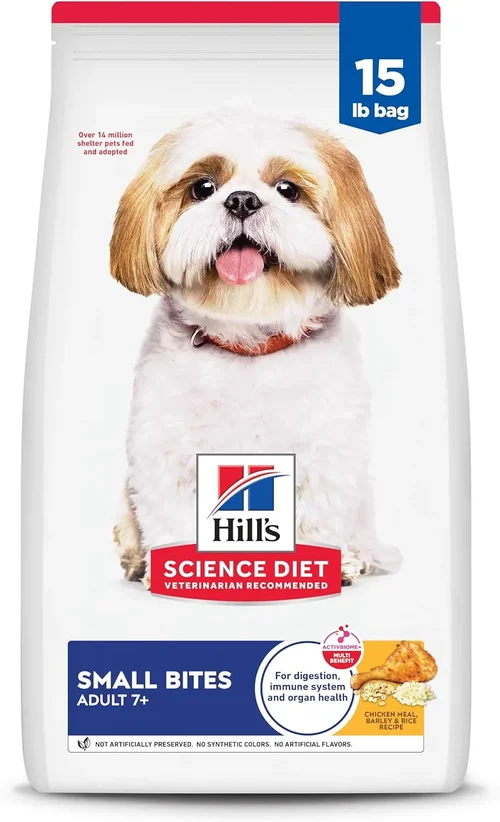
Poodles are more than just elegant show dogs—they’re intelligent, energetic companions with unique nutritional needs that evolve throughout their lives. Whether you have a spirited Toy Poodle, a graceful Standard, or a clever Miniature, one thing remains constant: their diet plays a pivotal role in their overall health, coat quality, energy levels, and longevity. Unfortunately, not all dog foods are created equal—and what works for a Labrador may not suit your Poodle’s sensitive digestion or predisposition to certain health issues like skin allergies, dental problems, or joint concerns.
That’s why choosing the right diet dog food for your Poodle isn’t just about convenience—it’s a critical investment in their well-being. With thousands of options flooding the market, from grain-free kibble to raw frozen meals and prescription diets, it’s easy to feel overwhelmed. This comprehensive guide cuts through the noise. We’ll walk you through every factor that matters—from ingredient quality and life stage appropriateness to budget considerations and common pitfalls—so you can make an informed, confident decision. By the end, you’ll know exactly what to look for, what to avoid, and how to find a diet that supports your Poodle’s breed-specific needs now and in the years to come.
The pet food industry has exploded in recent years, driven by growing awareness of canine nutrition and a surge in premium, science-backed formulations. Brands now offer everything from limited-ingredient diets for sensitive stomachs to high-protein formulas tailored for active adults and senior-specific blends rich in joint-supporting nutrients. Yet, with this abundance comes confusion: misleading marketing claims, vague labeling, and inconsistent quality standards can make even the savviest pet parent second-guess their choices. Our goal is to equip you with expert-level knowledge so you can navigate this complex landscape with clarity and confidence—ensuring your Poodle thrives on a diet that’s truly built for them.

What to Look for When Buying Diet Dog Food for Poodles
1. High-Quality Protein Sources
Protein is the cornerstone of any healthy canine diet, but for Poodles—especially active or working lines—it’s non-negotiable. Look for named animal proteins as the first ingredient, such as “deboned chicken,” “salmon meal,” or “turkey.” Avoid vague terms like “meat meal” or “animal by-products,” which can include low-quality fillers. Poodles benefit from highly digestible proteins that support lean muscle mass without overloading their kidneys. Ideally, protein should make up at least 25–30% of an adult Poodle’s diet (higher for puppies). Animal-based proteins also provide essential amino acids like taurine and L-carnitine, which support heart health—a known concern in some Poodle lines.
2. Appropriate Fat Content and Omega Fatty Acids
Healthy fats are vital for Poodles, whose curly coats require constant nourishment to stay soft, shiny, and free from matting. Look for sources like chicken fat, flaxseed, salmon oil, or coconut oil—these provide omega-3 and omega-6 fatty acids that reduce inflammation, support skin health, and promote a lustrous coat. Aim for a fat content between 12–18% for most adult Poodles. Too little fat leads to dry, flaky skin; too much can contribute to weight gain, especially in less active or senior dogs. Cold-water fish oils (like those from salmon or sardines) are particularly beneficial due to their high EPA and DHA content, which also support brain function and cognitive health.
3. Limited, Digestible Carbohydrates
While dogs don’t require carbs, they can be useful energy sources—especially for active Poodles. However, many commercial kibbles rely on cheap, hard-to-digest grains like corn, wheat, or soy, which can trigger allergies or digestive upset in sensitive breeds. Opt for easily digestible, low-glycemic carbohydrates such as sweet potatoes, peas, lentils, or oats. These provide sustained energy without spiking blood sugar and are less likely to cause gas or loose stools. Grain-free isn’t always better—some Poodles tolerate whole grains like brown rice or quinoa perfectly well. The key is moderation and quality: avoid fillers and focus on nutrient-dense starches that complement the protein and fat profile.
4. Life Stage and Size-Specific Formulations
Poodles come in three sizes—Toy, Miniature, and Standard—and each has distinct nutritional needs. Toy Poodles (under 10 lbs) have faster metabolisms and may benefit from smaller kibble sizes and higher calorie density. Miniatures (10–15 lbs) often fall into a sweet spot, but still need careful portion control to avoid obesity. Standards (over 45 lbs) are prone to joint issues like hip dysplasia, so they benefit from glucosamine, chondroitin, and controlled calcium levels. Additionally, life stage matters: puppies need higher protein and fat for growth, while seniors require fewer calories but more fiber, joint support, and antioxidants. Always choose a formula labeled for your Poodle’s specific life stage (e.g., “puppy,” “adult,” “senior”) and size category when available.
5. Digestive Health Support
Poodles are known for having sensitive stomachs. Look for diets that include prebiotics (like chicory root or FOS/MOS) and probiotics to support gut flora and improve nutrient absorption. Fiber sources such as pumpkin, beet pulp, or psyllium husk can help regulate bowel movements and prevent diarrhea or constipation. Avoid artificial preservatives (BHA, BHT, ethoxyquin), colors, and excessive sodium, which can irritate the digestive tract. If your Poodle has chronic GI issues, consider a limited-ingredient diet (LID) with a single novel protein (e.g., duck, venison) and a single carbohydrate source to minimize allergen exposure.
6. Dental Health Considerations
Poodles are highly susceptible to dental disease due to their small mouths and tightly packed teeth. Kibble texture matters: look for crunchy, abrasive formulas designed to reduce plaque and tartar buildup. Some brands incorporate dental-enhancing ingredients like parsley, green tea extract, or sodium hexametaphosphate. Avoid soft, sticky foods or treats that cling to teeth. While diet alone won’t replace brushing, choosing a food that supports oral hygiene can significantly reduce the risk of periodontal disease—a leading cause of tooth loss and systemic infection in small breeds.
7. Brand Transparency and Safety Standards
Not all pet food companies prioritize safety and transparency. Choose brands that conduct regular AAFCO (Association of American Feed Control Officials) feeding trials or formulate to meet their nutritional profiles. Look for clear ingredient sourcing information, third-party testing for contaminants (like heavy metals or mycotoxins), and recall histories. Reputable brands will list their manufacturing facilities and often provide batch-specific nutritional analysis upon request. Avoid companies that use vague language like “natural flavors” without specifying sources or those with a history of frequent recalls.
8. Palatability and Your Poodle’s Preferences
Even the most nutritious food is useless if your Poodle refuses to eat it. Poodles can be picky eaters, so palatability is crucial. Some dogs prefer wet food for its aroma and moisture content, while others thrive on dry kibble. Consider rotating between textures or mixing wet and dry to keep meals interesting. Freeze-dried raw toppers or broth drizzles can enhance appeal without compromising nutrition. Always transition slowly over 7–10 days when switching foods to avoid digestive upset. If your Poodle consistently rejects a high-quality diet, consult your vet—it could signal an underlying health issue.
Different Types of Diet Dog Food for Poodles

Common Buying Mistakes to Avoid
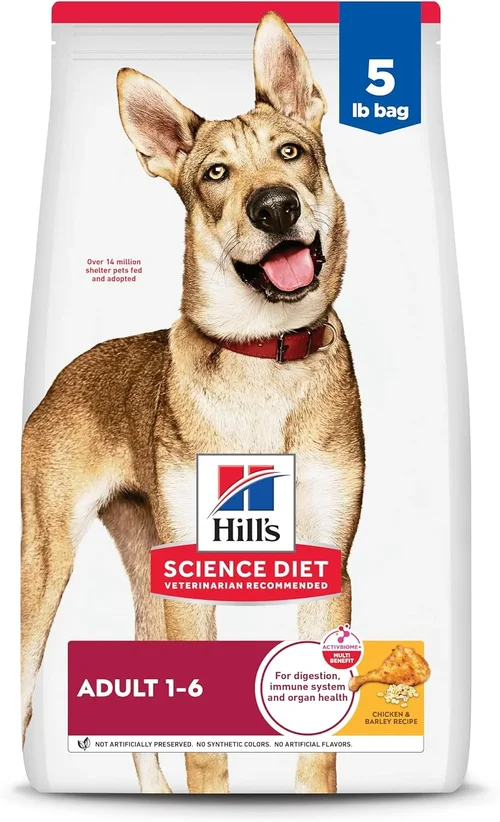
❌ Mistake: Choosing Based Solely on Price
Why it’s bad: Cheap dog food often contains fillers, by-products, and synthetic additives that offer little nutritional value and can harm your Poodle over time. Low-cost kibbles may also use poor-quality proteins that are harder to digest, leading to increased stool volume, gas, and nutrient deficiencies.
What to do instead: Focus on cost per pound and cost per serving rather than upfront price. A mid-range food that meets AAFCO standards and uses real meat as the first ingredient will save you money in vet bills down the line. Think of it as an investment in long-term health.
❌ Mistake: Ignoring Life Stage and Size Needs
Why it’s bad: Feeding a puppy formula to a senior Poodle—or vice versa—can lead to imbalanced nutrition. Puppies need more calcium and calories; seniors need joint support and lower fat. Toy Poodles have different metabolic rates than Standards, and using the wrong kibble size can affect chewing and digestion.
What to do instead: Always check the label for “formulated for” or “complete and balanced for” your dog’s life stage. When possible, choose size-specific formulas (e.g., “small breed” or “large breed”) to ensure proper nutrient density and kibble design.
❌ Mistake: Falling for Marketing Buzzwords
Why it’s bad: Terms like “natural,” “holistic,” or “grain-free” sound impressive but aren’t regulated by the FDA or AAFCO. A food labeled “grain-free” might still contain high levels of legumes linked to dilated cardiomyopathy (DCM), while “natural” doesn’t guarantee safety or quality.
What to do instead: Read the ingredient list and guaranteed analysis, not the front of the bag. Look for specific, identifiable ingredients and avoid vague terms. Verify AAFCO compliance and research the brand’s reputation independently.
❌ Mistake: Overfeeding or Underfeeding
Why it’s bad: Poodles are prone to obesity, which exacerbates joint problems, diabetes, and heart disease. Conversely, underfeeding can lead to muscle wasting and low energy. Many owners rely on generic feeding guidelines that don’t account for individual metabolism, activity level, or health status.
What to do instead: Use the feeding chart as a starting point, then adjust based on your Poodle’s body condition score (aim for a visible waist and palpable ribs). Weigh your dog monthly and consult your vet if you’re unsure. Consider using a kitchen scale for precise portions.
❌ Mistake: Switching Foods Too Quickly
Why it’s bad: Sudden diet changes can cause vomiting, diarrhea, or refusal to eat. Poodles’ sensitive digestive systems need time to adapt to new proteins, fats, and fibers.
What to do instead: Transition over 7–10 days: start with 25% new food + 75% old, gradually increasing the ratio every 2–3 days. If your Poodle has a history of GI issues, extend the transition to 2–3 weeks.
❌ Mistake: Neglecting Hydration
Why it’s bad: Dry kibble contains only 6–10% moisture, which isn’t enough for optimal kidney and urinary health—especially in small breeds prone to bladder stones.
What to do instead: Always provide fresh water and consider adding wet food, bone broth (unsalted), or water to kibble to increase intake. Senior or inactive Poodles benefit greatly from higher-moisture diets.
❌ Mistake: Not Consulting a Veterinarian
Why it’s bad: Every Poodle is unique. Health conditions like allergies, thyroid issues, or kidney disease require specialized nutrition that over-the-counter foods may not address.
What to do instead: Schedule annual check-ups and discuss your dog’s diet with your vet. If you notice changes in coat, energy, stool, or appetite, seek professional advice before making major dietary changes.
Budget Guidelines: How Much Should You Spend?
- Entry-Level ($1.50–$2.50/lb): These foods often use meat by-products, corn, and soy as primary ingredients. While they meet basic AAFCO standards, they may lack optimal digestibility and nutrient density. Best for temporary use or multi-dog households on tight budgets—but not ideal for long-term Poodle health.
- Mid-Range ($2.50–$4.00/lb): This is the sweet spot for most Poodle owners. Brands in this tier use named meats, digestible carbs, and added supplements like omega fatty acids and probiotics. Examples include Wellness CORE, Blue Buffalo Life Protection, and Nutro Ultra. You get excellent value without compromising on quality.
- Premium ($4.00–$6.00/lb): Formulated for performance and longevity, these diets feature human-grade ingredients, novel proteins, and advanced functional additives (e.g., turmeric, green-lipped mussel). Ideal for show dogs, highly active Poodles, or those with mild sensitivities. Brands like Orijen, Acana, and The Honest Kitchen fall here.
- Luxury ($6.00+/lb): Includes raw, freeze-dried, and custom-formulated diets. These offer minimal processing, maximum bioavailability, and often include organic or ethically sourced ingredients. Best for owners prioritizing cutting-edge nutrition or managing complex health conditions—but require more time, storage, and budget.

Expert Tips for Getting the Best Deal
- Buy in Bulk During Sales: Major retailers like Chewy, Petco, and Amazon offer 20–30% off during seasonal promotions (e.g., Black Friday, Prime Day). Stock up on 3–6 months’ supply if your Poodle tolerates the food well.
- Subscribe and Save: Most online pet stores offer 5–15% discounts for auto-ship subscriptions. You’ll never run out, and shipping is often free.
- Check Local Co-Ops and Vet Clinics: Some veterinary offices sell prescription or premium foods at competitive prices, sometimes with loyalty programs.
- Read Return Policies: Ensure the retailer accepts returns if your Poodle doesn’t like the food. Many premium brands offer money-back guarantees.
- Compare Unit Prices: A 15-lb bag isn’t always cheaper per pound than a 30-lb bag. Always divide total cost by weight to compare fairly.
- Look for Coupons and Rebates: Sign up for brand newsletters (e.g., Royal Canin, Hill’s) for exclusive offers. Apps like Rakuten also offer cashback on pet purchases.
- Test Small Quantities First: Before committing to a large bag, buy a sample or small size to assess palatability and digestibility.
- Consider Multi-Packs: Wet food is often cheaper per ounce when bought in variety packs rather than individual cans.

Frequently Asked Questions
Q: Can I feed my Poodle a vegetarian or vegan diet?
A: While dogs are omnivores and can survive on plant-based diets, it’s extremely challenging to meet all their nutritional needs—especially taurine, vitamin B12, and essential amino acids—without careful supplementation. The FDA and veterinary nutritionists strongly caution against homemade vegan diets unless formulated by a board-certified veterinary nutritionist. For most Poodles, a high-quality animal-protein-based diet is safest and most beneficial.
Q: How often should I feed my Poodle?
A: Puppies under 6 months should eat 3–4 times daily. Adults do well with two meals per day to prevent bloat and maintain steady energy. Seniors may benefit from smaller, more frequent meals if they have digestive or dental issues. Always establish a consistent schedule.
Q: Is grain-free food better for Poodles?
A: Not necessarily. While some Poodles have grain allergies, most tolerate grains like oats or rice perfectly. The 2018 FDA investigation linked certain grain-free diets high in legumes (peas, lentils) to DCM in dogs. Unless your vet confirms a grain allergy, there’s no need to avoid grains—focus on overall ingredient quality instead.
Q: Should I add supplements to my Poodle’s food?
A: If you’re feeding a complete, balanced commercial diet, most dogs don’t need extra supplements. However, senior Poodles may benefit from glucosamine/chondroitin for joints, omega-3s for coat health, or probiotics for digestion. Always consult your vet before adding anything—over-supplementation can be harmful.
Q: How do I know if my Poodle is allergic to their food?
A: Food allergies typically manifest as chronic itching (especially around ears, paws, and belly), ear infections, or gastrointestinal issues like vomiting or diarrhea. Unlike environmental allergies, food allergies don’t respond to antihistamines. An elimination diet under veterinary supervision is the gold standard for diagnosis.
Q: Can I mix wet and dry food?
A: Absolutely! Many owners combine both for variety, enhanced palatability, and added moisture. Just adjust portions to avoid overfeeding—wet food is less calorie-dense than kibble, so you’ll need more by volume.
Q: What’s the best food for a senior Poodle?
A: Look for senior-specific formulas with reduced calories, increased fiber, joint support (glucosamine, chondroitin), and antioxidants (vitamins C and E). Lower phosphorus levels help protect kidney function. Brands like Hill’s Science Diet Senior, Purina Pro Plan Bright Mind, and Royal Canin Aging Care are excellent options.
Q: How long can I store opened dog food?
A: Dry kibble stays fresh for 4–6 weeks in a sealed container in a cool, dry place. Wet food should be refrigerated and used within 3–5 days. Freeze-dried or raw diets have longer shelf lives but require proper freezer storage.
Q: Is raw feeding safe for Poodles?
A: Raw diets can offer benefits like improved coat and digestion, but they carry risks of bacterial contamination (Salmonella, E. coli) and nutritional imbalances if not properly formulated. If you choose raw, use commercially prepared, balanced products—not DIY recipes—and practice strict hygiene.
Q: Should I rotate my Poodle’s food regularly?
A: Rotation can prevent boredom and reduce the risk of developing sensitivities to a single protein. However, frequent changes can upset sensitive stomachs. If you rotate, do so every 2–3 months and transition slowly. Stick to similar formulations (e.g., chicken-based kibbles) to minimize digestive disruption.
Our Final Recommendations
- Best for Budget-Conscious Buyers: Blue Buffalo Life Protection Formula Small Breed – Offers real chicken, brown rice, and LifeSource Bits with antioxidants at an affordable price. Great for Toy and Miniature Poodles.
- Best Overall Value: Wellness CORE Grain-Free Small Breed – High-protein, limited-ingredient recipe with turkey and chicken meal, plus probiotics and omega fatty acids. Excellent digestibility and coat support.
- Best Premium Option: Orijen Original Grain-Free – Biologically appropriate with 85% animal ingredients, including fresh regional meats. Ideal for active or show-line Poodles needing top-tier nutrition.
- Best for Beginners: Purina Pro Plan Sensitive Skin & Stomach (Salmon & Rice) – Veterinarian-recommended, easy to find, and formulated for sensitive systems. Gentle on digestion and supports skin health.
- Best for Advanced Users: The Honest Kitchen Human-Grade Dehydrated Dog Food (Turkey) – Minimal processing, whole-food ingredients, and customizable hydration. Perfect for owners who want control over their Poodle’s diet without raw feeding risks.
Conclusion: Making the Right Choice
Choosing the best diet dog food for your Poodle is one of the most impactful decisions you’ll make as a pet parent. It’s not just about filling a bowl—it’s about fueling a life full of energy, vitality, and joy. From prioritizing high-quality proteins and healthy fats to understanding life stage needs and avoiding common pitfalls, every detail matters. Remember, the “best” food is the one that aligns with your Poodle’s unique physiology, lifestyle, and health status—not the one with the flashiest packaging or highest price tag.
Take the time to read labels, consult your veterinarian, and observe how your dog responds. A shiny coat, firm stools, steady energy, and a happy demeanor are the true signs of a well-chosen diet. And while trends come and go, the fundamentals of canine nutrition remain constant: real food, balanced ratios, and consistent care. Your Poodle deserves nothing less.
So go ahead—armed with this guide, you’re ready to make a confident, informed choice. Whether you’re welcoming a new puppy or caring for a golden-year companion, the right diet will help your Poodle thrive for years to come. Start today, and watch the difference a great meal can make.