
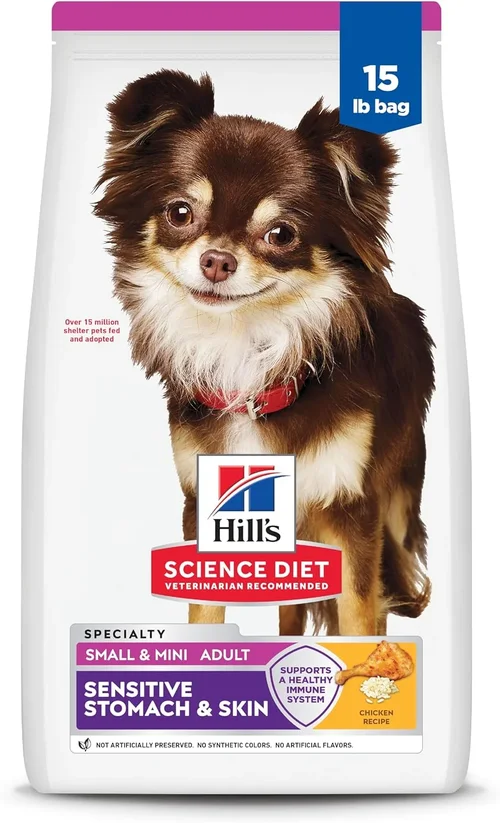
When it comes to caring for your small breed dog, nutrition is one of the most critical—and often overlooked—components of long-term health. Small dogs, typically weighing under 20 pounds, have unique metabolic needs that differ significantly from their larger counterparts. They burn energy faster, are prone to dental issues, and can be more susceptible to weight gain if not fed appropriately. That’s why choosing the right diet dog food isn’t just a matter of preference—it’s a vital part of responsible pet ownership.
This comprehensive buyer’s guide is designed to help you navigate the crowded and often confusing world of commercial dog food, with a specific focus on small breeds in need of weight management or general dietary support. Whether your Chihuahua is packing on a few extra ounces, your Dachshund is slowing down with age, or your Pomeranian simply needs a more balanced diet, we’ll walk you through everything you need to know to make an informed decision. You’ll learn how to read labels like a pro, understand ingredient quality, compare price points, and avoid common pitfalls that could compromise your dog’s health.
The market for diet dog food has exploded in recent years, with dozens of brands offering “light,” “low-calorie,” “weight control,” and “small breed” formulas. While this variety is a good thing, it also means more noise and marketing hype to sift through. Some products claim to be “vet-recommended” or “clinically proven,” but not all live up to the hype. Our goal is to cut through the clutter and deliver expert-level, science-backed advice so you can confidently choose a food that supports your dog’s ideal body condition, energy levels, and overall well-being.

What to Look for When Buying Buying Guide
1. Caloric Density and Portion Control
One of the most important factors when selecting diet dog food for small breeds is caloric density. Small dogs have high metabolisms, but they also have tiny stomachs. This means they need nutrient-dense food that delivers maximum nutrition in minimal volume—without excess calories that lead to weight gain. Look for formulas that provide around 300–400 kcal per cup, depending on your dog’s size and activity level. Overfeeding even a “light” formula can still result in obesity, so precise portion control is essential.
When evaluating caloric content, always check the feeding guidelines on the packaging. These should be based on your dog’s ideal weight, not current weight. For example, if your 12-pound dog is overweight and should weigh 10 pounds, feed according to the 10-pound recommendation. This helps avoid unintentional overfeeding. Additionally, consider foods that use fiber sources like beet pulp, pumpkin, or cellulose to promote satiety—helping your dog feel full longer without adding extra calories.
2. Protein Quality and Source
High-quality protein is non-negotiable, even in diet formulas. Small breeds need lean protein to maintain muscle mass, especially as they age and become less active. Look for named animal proteins as the first ingredient—such as “chicken meal,” “deboned turkey,” or “salmon”—rather than vague terms like “meat meal” or “animal by-product meal.” These less specific sources may contain lower-quality proteins and fillers.
The protein content should ideally fall between 25% and 35% on a dry matter basis (DMB). To calculate DMB, remove the moisture percentage from the guaranteed analysis. For example, if a food is 10% moisture and lists 28% crude protein, the DMB protein is 28 / (100 – 10) = 31.1%. This ensures you’re comparing apples to apples across brands. Avoid diets that rely heavily on plant-based proteins like corn gluten meal or soy as primary protein sources—these are less bioavailable and may not meet your dog’s amino acid needs.
3. Fat Content and Healthy Fats
While diet foods are often lower in fat, it’s important that the fat that remains is high-quality and beneficial. Small breeds need healthy fats for skin, coat, and brain health, but excess fat contributes to weight gain. Aim for a fat content between 8% and 15% DMB. Look for named fat sources such as “chicken fat” or “salmon oil” rather than generic “animal fat.”
Omega-3 and omega-6 fatty acids are particularly valuable. These support joint health, reduce inflammation, and promote a shiny coat. Sources like flaxseed, chia seeds, and fish oil are excellent indicators of a well-balanced formula. Avoid foods with excessive saturated fats or those that list “lard” or “beef tallow” as primary fat sources unless your dog has specific dietary needs that justify them.
4. Fiber Type and Digestibility
Fiber plays a crucial role in weight management by increasing bulk in the digestive tract and slowing gastric emptying, which helps your dog feel fuller longer. However, not all fiber is created equal. Soluble fibers like beet pulp, pumpkin, and psyllium husk are highly fermentable and support gut health, while insoluble fibers like cellulose add bulk but offer fewer nutritional benefits.
Look for a total fiber content between 5% and 10% DMB. Too much fiber can lead to loose stools or reduced nutrient absorption, while too little won’t provide the satiety needed for weight control. Also, consider the digestibility of the food—highly digestible ingredients mean more nutrients are absorbed and less waste is produced. Premium brands often publish digestibility studies; if a company doesn’t provide this data, it’s a red flag.
5. Carbohydrate Sources and Glycemic Index
Carbohydrates aren’t inherently bad—they provide energy—but the type and quality matter greatly. Small breeds are prone to blood sugar spikes, especially if they’re diabetic or insulin-resistant. Choose foods with low-glycemic carbohydrates like sweet potatoes, peas, lentils, and oats. Avoid corn, wheat, and white rice, which can cause rapid glucose increases.
Whole grains like brown rice or quinoa are acceptable in moderation, but should not dominate the ingredient list. The ideal diet food uses complex carbs that release energy slowly, supporting stable metabolism. Also, be cautious of “grain-free” labels—while some dogs benefit from grain-free diets, many grain-free formulas replace grains with high-starch legumes like chickpeas or potatoes, which can still spike blood sugar and contribute to weight gain.
6. Added Functional Ingredients
Modern diet dog foods often include functional additives designed to support specific health concerns. For small breeds, look for ingredients that address common issues like dental health, joint support, and immune function. For example, kibble designed with a smaller, denser shape can help reduce plaque buildup by encouraging chewing. Some brands add enzymes or probiotics to improve digestion and nutrient absorption.
Glucosamine and chondroitin are beneficial for joint health, especially in breeds prone to patellar luxation or intervertebral disc disease (like Dachshunds). Antioxidants like vitamin E, vitamin C, and selenium support immune function and combat oxidative stress. Avoid foods with artificial preservatives (BHA, BHT, ethoxyquin), colors, or flavors. Natural preservatives like mixed tocopherols (vitamin E) and rosemary extract are safer and more effective long-term.
7. Brand Transparency and Manufacturing Standards
Not all dog food companies are created equal. Look for brands that are transparent about their sourcing, manufacturing processes, and quality control. Reputable companies will disclose where their ingredients come from, whether they conduct in-house testing, and if they follow AAFCO (Association of American Feed Control Officials) guidelines.
Check if the food is formulated to meet AAFCO nutrient profiles for “maintenance” or “all life stages.” While “complete and balanced” is a good start, it doesn’t guarantee quality. Some brands go beyond AAFCO by conducting feeding trials, which is the gold standard for nutritional adequacy. Also, consider whether the company has a history of recalls. A quick search on the FDA’s pet food recall database can reveal patterns of contamination or formulation issues.
8. Palatability and Acceptance
Even the most nutritionally perfect food is useless if your dog refuses to eat it. Small breeds can be notoriously picky eaters, so palatability is a real concern. Look for foods that use natural flavor enhancers like real meat broth, dried liver, or yeast extract. Avoid artificial flavors or excessive salt, which can be harmful in large amounts.
If your dog has previously rejected diet foods, consider transitioning slowly over 7–10 days, mixing increasing amounts of the new food with the old. Some brands offer sample sizes or money-back guarantees, which can help you test acceptance without committing to a full bag. Also, consider the kibble size—small breeds prefer smaller, softer pieces that are easier to chew and digest.
Different Types of Buying Guide

Common Buying Mistakes to Avoid

❌ Mistake: Choosing Based Solely on “Light” or “Diet” Labels
Why it’s bad: The terms “light,” “lite,” and “diet” are not strictly regulated. Some “light” foods are only marginally lower in calories than regular formulas, and may still contribute to weight gain if overfed. Relying on marketing labels without checking actual caloric content can lead to poor dietary choices.
What to do instead: Always check the kcal per cup or per 100g on the label. Compare this number across brands and choose the one that best matches your dog’s energy needs. Use a calorie calculator or consult your vet for personalized recommendations.
❌ Mistake: Overfeeding “Healthy” Ingredients
Why it’s bad: Just because a food contains “real chicken” or “organic vegetables” doesn’t mean it’s low in calories. Many premium or natural diets are energy-dense, and overfeeding can still lead to obesity. Small dogs only need 200–400 calories per day, depending on size and activity.
What to do instead: Follow feeding guidelines based on ideal weight, not current weight. Use a measuring cup or kitchen scale to ensure accuracy. Adjust portions based on your dog’s body condition score (BCS)—aim for a BCS of 4–5 on a 9-point scale.
❌ Mistake: Ignoring the Ingredient List Order
Why it’s bad: Ingredients are listed by weight, so the first few items make up the bulk of the food. If the first ingredient is corn or wheat, the food is likely carb-heavy and not ideal for weight management.
What to do instead: Look for a named animal protein as the first ingredient. The first 5–7 ingredients should ideally be high-quality proteins, healthy fats, and digestible carbs. Avoid foods where grains or by-products dominate the top of the list.
❌ Mistake: Switching Foods Too Quickly
Why it’s bad: Sudden dietary changes can cause digestive upset, including diarrhea, vomiting, or refusal to eat. Small breeds are especially sensitive to abrupt transitions.
What to do instead: Transition over 7–10 days, gradually increasing the new food while decreasing the old. Start with 25% new food and 75% old, then move to 50/50, then 75/25, before going 100% new. Monitor stool quality and appetite throughout.
❌ Mistake: Not Considering Life Stage and Activity Level
Why it’s bad: A senior, sedentary dog has very different nutritional needs than a young, active puppy. Feeding a high-energy formula to an older dog can lead to weight gain and joint stress.
What to do instead: Choose a formula appropriate for your dog’s life stage (puppy, adult, senior) and activity level. Senior small breeds often benefit from lower-calorie, joint-supportive diets, while active dogs may need slightly higher fat and protein.
❌ Mistake: Overlooking Dental Health
Why it’s bad: Small breeds are prone to dental disease due to crowded teeth and poor chewing habits. Soft or wet foods don’t provide the mechanical cleaning action that dry kibble does.
What to do instead: Choose kibble designed for small breeds with a shape and texture that encourages chewing. Look for foods with added dental benefits like sodium hexametaphosphate or enzymes. Consider dental chews or regular vet cleanings as part of a comprehensive oral care plan.
❌ Mistake: Buying the Cheapest Option Available
Why it’s bad: Low-cost diets often use fillers, by-products, and artificial additives to cut costs. These ingredients offer little nutritional value and may contribute to long-term health issues.
What to do instead: Invest in a mid-range or premium diet that prioritizes quality ingredients. While more expensive upfront, high-quality food can reduce vet bills and improve longevity. Look for sales, bulk discounts, or subscription services to save money.
Budget Guidelines: How Much Should You Spend?
– Entry-Level ($15–$25 per 10–15 lb bag): These diets often use lower-quality proteins, grains, and fillers. While they may meet basic nutritional requirements, they’re not ideal for weight management or long-term health. Best for temporary use or dogs with no health concerns. Examples include some store-brand “light” formulas.
– Mid-Range ($25–$45 per 10–15 lb bag): This is the sweet spot for most small breed owners. These foods typically feature named meat meals, healthy fats, and functional ingredients like probiotics or joint support. Brands like Wellness CORE Reduced Fat, Blue Buffalo Life Protection Healthy Weight, and Nutro Ultra Weight Management fall into this category. They offer excellent value without breaking the bank.
– Premium ($45–$70 per 10–15 lb bag): Premium diets use human-grade ingredients, novel proteins (like duck or venison), and advanced formulations. They often include superfoods like blueberries, kale, and coconut oil. Brands such as Orijen Fit & Trim, Acana Light & Fit, and The Honest Kitchen are excellent choices for owners who want the best for their pets.
– Luxury ($70+ per bag or $3–$6 per meal): These include fresh, frozen, or dehydrated raw diets, often sold through subscription services. Brands like Nom Nom, Farmer’s Dog, and Open Farm offer customized, minimally processed meals. While expensive, they provide unparalleled ingredient quality and convenience. Ideal for owners with the budget to prioritize convenience and whole-food nutrition.

Expert Tips for Getting the Best Deal
– Buy in bulk during seasonal sales: Many retailers offer discounts on dog food during holidays like Black Friday, Memorial Day, or end-of-season clearance. Stock up when prices drop, but ensure the food won’t expire before use.
– Subscribe and save: Online retailers like Chewy, Amazon, and Petco offer subscription services with 5–15% off regular prices. Set a delivery schedule that matches your usage to avoid waste.
– Compare unit prices: Don’t just look at the total price—check the cost per pound or per 100 kcal. A larger bag may seem expensive but could be cheaper per unit than smaller packages.
– Check for rebates and loyalty programs: Some brands offer mail-in rebates or points-based rewards. Sign up for newsletters to receive exclusive coupons and early access to sales.
– Read return policies: If your dog doesn’t like the food, you want the option to return it. Look for retailers with flexible return windows, especially for unopened bags.
– Ask your vet for samples: Many veterinary clinics receive free samples from manufacturers. Ask if they have trial sizes of diet formulas your dog can test before committing.
– Monitor your dog’s response: Keep a food journal noting appetite, energy, coat condition, and stool quality. This helps you assess whether the diet is working and whether adjustments are needed.
– Rotate proteins occasionally: While consistency is important, rotating between two high-quality diet formulas (e.g., chicken and fish) can prevent food sensitivities and keep your dog interested.

Frequently Asked Questions
Q: Can I feed my small breed dog regular dog food if I reduce the portion?
A: Not recommended. Regular dog food is formulated for average energy needs and may not provide the right balance of nutrients for weight management. Diet formulas are specifically designed to be lower in calories while maintaining nutritional adequacy. Reducing portions of regular food can lead to deficiencies in essential vitamins and minerals.
Q: How long does it take to see results from a diet dog food?
A: Most dogs begin to show improved body condition within 4–8 weeks of consistent feeding. Weight loss should be gradual—about 1–2% of body weight per week. Rapid weight loss can be dangerous, especially in small breeds. Monitor progress with regular weigh-ins and body condition scoring.
Q: Is grain-free diet food better for small breeds?
A: Not necessarily. Grain-free diets are beneficial for dogs with confirmed grain allergies, but most small breeds tolerate grains well. In fact, some grain-free formulas are higher in starchy legumes, which can contribute to weight gain. Focus on ingredient quality and caloric density rather than grain content alone.
Q: Can I mix wet and dry diet food?
A: Yes, and many owners do. Mixing can improve palatability and increase moisture intake, which is especially helpful for dogs prone to urinary issues. Just adjust the total calories to avoid overfeeding. For example, if you add 1/4 can of wet food, reduce the dry food by an equivalent caloric amount.
Q: What if my dog is underweight?
A: Diet foods are not suitable for underweight dogs. Instead, choose a high-calorie, nutrient-dense formula designed for weight gain. Look for foods with higher fat content (15–20% DMB) and easily digestible proteins. Consult your vet to rule out underlying health issues.
Q: Are homemade diets a good alternative?
A: Homemade diets can be nutritious but require careful formulation to avoid deficiencies. Unless you’re working with a veterinary nutritionist, it’s risky to rely solely on homemade meals. If you choose this route, use balanced recipes from reputable sources and supplement as needed.
Q: How often should I feed my small breed dog?
A: Small breeds benefit from 2–3 smaller meals per day to maintain stable blood sugar and prevent hypoglycemia. Free-feeding is not recommended, especially for dogs on weight management plans.
Q: Can diet food cause digestive issues?
A: Any dietary change can cause temporary digestive upset. To minimize this, transition slowly and choose highly digestible formulas. If issues persist beyond 10–14 days, consult your vet—your dog may have a food sensitivity or intolerance.
Q: Is it safe to feed diet food to puppies or pregnant dogs?
A: No. Diet formulas are lower in calories and certain nutrients needed for growth and reproduction. Puppies, pregnant, or lactating dogs require energy-dense, nutrient-rich food. Use a formula labeled for “all life stages” or specifically for puppies.
Q: How do I know if my dog is at a healthy weight?
A: Use the body condition score (BCS) system. You should be able to feel your dog’s ribs without seeing them, see a waist when viewed from above, and an abdominal tuck from the side. If you can’t feel the ribs or see no waist, your dog may be overweight.
Our Final Recommendations
– Best for Budget-Conscious Buyers: Blue Buffalo Life Protection Formula Healthy Weight Small Breed – Offers excellent value with real chicken, whole grains, and L-carnitine for fat metabolism. Priced under $35 for a 15 lb bag.
– Best Overall Value: Wellness CORE Reduced Fat Small Breed – High protein (33% DMB), low fat (12% DMB), and packed with probiotics and omega fatty acids. A top performer in both nutrition and palatability.
– Best Premium Option: Orijen Fit & Trim – Biologically appropriate with 85% animal ingredients, including fresh and raw meats. Ideal for owners who want the closest thing to a natural diet.
– Best for Beginners: Nutro Ultra Weight Management Small Breed – Easy to find in stores, gentle on digestion, and features a blend of superfoods. Great for first-time diet food users.
– Best for Advanced Users: The Honest Kitchen Human-Grade Dehydrated Food (Lean) – Made with human-grade ingredients, minimally processed, and customizable. Requires rehydration but offers unparalleled transparency and quality.
Conclusion: Making the Right Choice
Choosing the best diet dog food for your small breed is about more than just weight loss—it’s about supporting a long, healthy, and active life. By focusing on caloric density, protein quality, digestibility, and functional ingredients, you can find a formula that meets your dog’s unique needs. Avoid common pitfalls like overfeeding, ignoring ingredient lists, or relying on marketing claims. Instead, use the tools and knowledge in this guide to make a confident, informed decision.
Remember, every dog is different. What works for one Chihuahua may not suit another. Monitor your dog’s response closely, adjust as needed, and don’t hesitate to consult your veterinarian for personalized advice. With the right diet, your small breed companion can maintain an ideal weight, enjoy boundless energy, and thrive for years to come.
Take the first step today—review your current food, assess your dog’s body condition, and explore the options that align with your budget and values. Your dog’s health is worth the investment.