
When it comes to caring for a Yorkshire Terrier—commonly known as a Yorkie—every detail matters. These tiny, energetic dogs may weigh in at just 4 to 7 pounds, but their nutritional needs are anything but small. As one of the most popular toy breeds in the world, Yorkies require a carefully balanced diet to support their fast metabolism, delicate digestive systems, and long, silky coats. Unfortunately, many pet owners unknowingly feed their Yorkies generic dog food that doesn’t meet their unique dietary requirements, leading to weight gain, skin issues, dental problems, and even chronic health conditions.
Choosing the right diet dog food for your Yorkie isn’t just about picking a brand with a cute label or a high price tag. It’s about understanding your dog’s specific nutritional needs, life stage, activity level, and any existing health concerns. Whether your Yorkie is a playful puppy, a spry adult, or a senior with slowing metabolism, the food you choose plays a critical role in their overall well-being. With so many options on the market—ranging from grain-free kibble to raw diets and prescription formulas—it’s easy to feel overwhelmed. That’s where this comprehensive guide comes in.
In this article, you’ll learn everything you need to know to make an informed, confident decision when selecting diet dog food for your Yorkie. We’ll break down the key factors to consider, from ingredient quality and protein sources to caloric density and digestibility. You’ll discover the different types of dog food available, how to avoid common pitfalls, and how to stretch your budget without compromising on nutrition. Whether you’re a first-time Yorkie owner or a seasoned pet parent looking to optimize your dog’s diet, this guide will equip you with expert-level knowledge to support your furry friend’s health for years to come. The pet food market is flooded with options, but not all are created equal—especially for small breeds like Yorkies. By the end of this guide, you’ll know exactly what to look for and how to choose a diet that truly nourishes your dog from the inside out.

What to Look for When Buying Buying Guide
1. High-Quality Protein Sources
Protein is the cornerstone of any healthy dog diet, and for Yorkies, it’s especially important. These small dogs have a high metabolic rate, meaning they burn energy quickly and need a steady supply of amino acids to maintain muscle mass, support organ function, and fuel their active lifestyles. Look for dog foods that list a named animal protein as the first ingredient—such as chicken, turkey, lamb, or salmon. Avoid vague terms like “meat meal” or “animal by-product meal,” which can include low-quality or inconsistent sources.
For Yorkies, animal-based proteins are more bioavailable than plant-based ones, meaning their bodies can absorb and use them more efficiently. A good rule of thumb is to choose a formula with at least 25–30% crude protein on a dry matter basis. However, it’s not just about quantity—quality matters too. Opt for whole meats or meat meals that are clearly defined (e.g., “chicken meal” rather than “poultry meal”). Additionally, consider whether your Yorkie has any food sensitivities. Some dogs do better with novel proteins like duck or venison, especially if they’ve shown signs of allergies or digestive upset.
2. Appropriate Fat Content for Energy and Coat Health
Fats are another essential macronutrient for Yorkies, providing concentrated energy and supporting skin and coat health. Yorkies are prone to dry skin and dull, brittle fur, so a diet rich in healthy fats can make a noticeable difference in their appearance and comfort. Look for foods containing omega-3 and omega-6 fatty acids, particularly from sources like fish oil, flaxseed, or chia seeds.
The ideal fat content for adult Yorkies typically ranges from 12% to 18% on a dry matter basis. Puppies and highly active dogs may benefit from slightly higher levels, while senior or less active dogs may need less to prevent weight gain. Avoid foods with excessive fat or those listing generic “animal fat” without specifying the source, as this can indicate low-quality ingredients.
It’s also important to consider the balance between omega-3 and omega-6 fatty acids. While both are beneficial, an imbalance can contribute to inflammation. A ratio of 5:1 to 10:1 (omega-6 to omega-3) is generally considered optimal. Some premium dog foods now include added EPA and DHA—omega-3s found in fish oil—which support brain health and reduce inflammation.
3. Digestibility and Gut Health Support
Yorkies have sensitive digestive systems, and even minor dietary changes can lead to upset stomachs, gas, or diarrhea. That’s why digestibility is a critical factor when choosing diet dog food. Highly digestible foods ensure that your dog absorbs more nutrients and produces less waste, which is not only healthier but also more convenient for owners.
Look for formulas that include easily digestible carbohydrates like sweet potatoes, peas, or oats—avoid corn, wheat, and soy, which are common allergens and harder to digest. Probiotics are another valuable addition, as they support a healthy gut microbiome. Ingredients like dried fermentation products or specific strains such as Lactobacillus acidophilus can improve digestion and boost immunity.
Prebiotics, such as chicory root or beet pulp, also play a key role by feeding the beneficial bacteria in your dog’s gut. A healthy gut microbiome not only aids digestion but can also influence mood, skin health, and even behavior. If your Yorkie has a history of digestive issues, consider a limited-ingredient diet or one specifically formulated for sensitive stomachs.
4. Caloric Density and Portion Control
Because Yorkies are so small, they require fewer calories than larger breeds—but their energy needs per pound of body weight are actually higher. This means their food must be nutrient-dense to meet their requirements without overfeeding. Overfeeding is a common problem among Yorkie owners, often leading to obesity, which can exacerbate joint issues, diabetes, and heart disease.
When evaluating dog food, check the calorie content per cup or per kilogram. Most adult Yorkies need between 200 and 300 calories per day, depending on age, activity level, and metabolism. Puppies may need up to 500 calories daily during growth phases. Choose a food that provides adequate nutrition in smaller portions to help maintain a healthy weight.
Avoid foods with excessive fillers like corn gluten meal, brewers rice, or cellulose, which add bulk without nutritional value. These ingredients can lead to overeating as your dog tries to meet their energy needs. Instead, opt for formulas with high-quality proteins, healthy fats, and digestible carbs that deliver more nutrition per bite.
5. Life Stage and Health-Specific Formulas
Not all dog food is created equal—especially when it comes to life stage. Puppies, adults, and seniors have vastly different nutritional needs, and feeding the wrong type can lead to deficiencies or health problems. For example, puppy food is higher in calories, protein, and fat to support rapid growth, while senior formulas are often lower in calories and include joint-supporting ingredients like glucosamine and chondroitin.
If your Yorkie has specific health concerns—such as dental issues, kidney disease, or food allergies—look for therapeutic or prescription diets recommended by your veterinarian. These formulas are scientifically designed to manage conditions and should only be used under professional guidance.
Even within life stages, there are variations. Some brands offer “small breed” or “toy breed” formulas that are specially sized for tiny mouths and formulated to meet the unique needs of dogs under 20 pounds. These often include smaller kibble, higher protein, and added nutrients like taurine for heart health.
6. Ingredient Transparency and Sourcing
One of the biggest red flags in pet food is vague or misleading ingredient labeling. Terms like “natural flavors,” “animal digest,” or “by-product meal” offer little insight into what your dog is actually eating. Reputable brands are transparent about their sourcing and manufacturing processes, often listing the country of origin for key ingredients and avoiding artificial preservatives, colors, or flavors.
Look for brands that use human-grade ingredients and have third-party certifications, such as AAFCO (Association of American Feed Control Officials) compliance, which ensures the food meets minimum nutritional standards. Some companies also undergo independent testing or publish nutritional adequacy statements on their packaging.
Avoid foods with BHA, BHT, or ethoxyquin—synthetic preservatives linked to health concerns. Instead, opt for natural preservatives like mixed tocopherols (vitamin E) or rosemary extract. If possible, choose brands that conduct feeding trials rather than just formulating to meet nutrient profiles, as this provides real-world evidence of digestibility and palatability.
7. Kibble Size and Texture
Yorkies have small mouths and delicate jaws, so kibble size matters more than you might think. Large or hard kibbles can be difficult for them to chew, leading to poor digestion or even choking hazards. Look for small, soft, or semi-moist kibbles designed specifically for toy breeds.
Some brands offer “bite-sized” or “mini” kibble that’s easier for Yorkies to pick up and chew. This not only improves digestion but also encourages slower eating, which can reduce the risk of bloat—a serious condition more common in small dogs. If your Yorkie tends to gulp their food, consider a slow-feeder bowl or a formula with a unique kibble shape that promotes chewing.
Texture is also important for dental health. While dry kibble can help reduce plaque buildup, some Yorkies benefit from a mix of wet and dry food. Wet food can be easier to chew for older dogs with dental issues and helps increase hydration, which is crucial for kidney function.
8. Brand Reputation and Customer Support
With so many pet food brands on the market, it’s essential to choose one with a solid reputation for quality and safety. Research the company’s history—have there been recalls? Do they manufacture their own food, or do they outsource to third-party facilities? Brands that control their own production often have stricter quality control measures.
Customer support is another often-overlooked factor. If your Yorkie has a reaction to a food or you have questions about ingredients, you want a company that responds promptly and knowledgeably. Look for brands with accessible customer service, clear return policies, and educational resources on their websites.
Online reviews can be helpful, but take them with a grain of salt. Focus on patterns—if multiple owners report similar issues with digestibility or palatability, it’s worth investigating. Also, consider whether the brand offers a satisfaction guarantee or free samples, which can help you test the food before committing.
Different Types of Buying Guide

Common Buying Mistakes to Avoid
❌ Mistake: Choosing Based on Price Alone
Why it’s bad: Cheap dog food often contains fillers, by-products, and low-quality proteins that don’t meet your Yorkie’s nutritional needs. Over time, this can lead to malnutrition, obesity, or chronic health issues. Saving a few dollars upfront may cost you hundreds in vet bills later.
What to do instead: Focus on value, not just price. Look for foods that offer high-quality ingredients at a reasonable cost. Mid-range brands often provide excellent nutrition without the premium price tag. Consider the cost per serving rather than per bag to get a true sense of value.
❌ Mistake: Ignoring Life Stage Requirements
Why it’s bad: Feeding adult food to a puppy or senior food to an active adult can result in nutrient deficiencies or excesses. Puppies need more calories and calcium for growth, while seniors need fewer calories and more joint support.
What to do instead: Always choose a formula labeled for your Yorkie’s life stage—puppy, adult, or senior. If your dog has special needs, consult your vet for a tailored recommendation.
❌ Mistake: Overlooking Ingredient Lists
Why it’s bad: The first five ingredients make up the majority of the food. If they include corn, soy, or unnamed meat meals, your dog isn’t getting the nutrition they need.
What to do instead: Read labels carefully. Prioritize foods with whole meats, named meat meals, and digestible carbs. Avoid artificial additives and vague terms.
❌ Mistake: Feeding Too Much or Too Little
Why it’s bad: Overfeeding leads to obesity, while underfeeding can cause weakness and poor coat condition. Yorkies are prone to both extremes due to their small size.
What to do instead: Follow feeding guidelines on the package, but adjust based on your dog’s weight, activity level, and body condition. Use a scale for accuracy and monitor your dog’s weight monthly.
❌ Mistake: Switching Foods Too Quickly
Why it’s bad: Sudden changes can upset your Yorkie’s stomach, causing diarrhea or vomiting. Their digestive system needs time to adapt.
What to do instead: Transition gradually over 7–10 days, mixing increasing amounts of the new food with the old. This reduces the risk of digestive upset.
❌ Mistake: Ignoring Your Dog’s Preferences
Why it’s bad: Even the healthiest food is useless if your dog won’t eat it. Picky eaters may refuse food that’s too dry, hard, or bland.
What to do instead: Offer samples or small bags first. Consider mixing wet and dry food or warming it slightly to enhance aroma. Palatability matters for long-term success.
❌ Mistake: Not Consulting a Veterinarian
Why it’s bad: You may miss underlying health issues that require a specialized diet. Self-diagnosing can delay proper treatment.
What to do instead: Schedule regular check-ups and discuss your dog’s diet with your vet. They can recommend formulas based on bloodwork, weight, and medical history.
Budget Guidelines: How Much Should You Spend?
Entry-Level ($15–$25 per 4–6 lb bag): These foods often contain fillers like corn and wheat, with lower-quality protein sources. While they meet basic AAFCO standards, they may not support optimal health long-term. Best for temporary use or owners on a tight budget, but not recommended as a permanent solution.
Mid-Range ($25–$40 per 4–6 lb bag): This is the sweet spot for most Yorkie owners. These foods use named meats, digestible carbs, and natural preservatives. Brands in this range often include probiotics, omega fatty acids, and small kibble sizes. They offer excellent nutrition without the premium price.
Premium ($40–$60 per 4–6 lb bag): These formulas feature high-protein, grain-free, or limited-ingredient recipes. They may include novel proteins, superfoods like blueberries or kale, and added supplements for joint or immune support. Ideal for dogs with sensitivities or owners seeking top-tier nutrition.
Luxury ($60+ per 4–6 lb bag): Top-tier brands with human-grade ingredients, raw or freeze-dried options, and extensive quality testing. These are often sold through specialty retailers or veterinarians. Best for enthusiasts or dogs with complex health needs, but not necessary for every pet.

Expert Tips for Getting the Best Deal
- Buy in bulk when possible: Larger bags often cost less per pound. Just ensure you can store the food properly to maintain freshness.
- Sign up for loyalty programs: Many pet stores offer discounts, free shipping, or points for future purchases.
- Watch for seasonal sales: Black Friday, end-of-season clearances, and subscription discounts can save you 20–30%.
- Compare online vs. in-store prices: Online retailers often have lower overhead and better deals, but factor in shipping costs.
- Ask for samples: Some brands offer free samples or trial sizes. This lets you test palatability before committing.
- Check return policies: If your Yorkie doesn’t like the food or has a reaction, you want the option to return or exchange it.
- Rotate proteins occasionally: This can prevent food sensitivities and keep your dog interested in mealtime.
- Store food properly: Use airtight containers and keep in a cool, dry place to preserve nutrients and prevent spoilage.
Frequently Asked Questions
Q: Can Yorkies eat grain-free dog food?
A: Yes, but only if they have a diagnosed grain allergy or sensitivity. Most dogs don’t need grain-free diets, and recent studies have raised concerns about a potential link between grain-free foods and dilated cardiomyopathy (DCM) in some breeds. Always consult your vet before switching.
Q: How often should I feed my Yorkie?
A: Puppies under 6 months should be fed 3–4 times daily. Adults do well with 2 meals per day. Seniors may benefit from smaller, more frequent meals to aid digestion.
Q: Is wet food better than dry food for Yorkies?
A: Wet food has higher moisture content, which can benefit hydration and is easier to chew. However, dry kibble supports dental health and is more convenient. Many owners use a combination of both.
Q: Can I make homemade dog food for my Yorkie?
A: Yes, but it requires careful planning to ensure balanced nutrition. Consult a veterinary nutritionist to create a complete recipe. Homemade diets can be risky if not properly formulated.
Q: How do I know if my Yorkie is overweight?
A: You should be able to feel their ribs without seeing them. Their waist should be visible from above, and you should see a tuck in the abdomen from the side. If unsure, ask your vet for a body condition score.
Q: Should I give my Yorkie supplements?
A: Most dogs on a balanced diet don’t need supplements. However, some benefit from omega-3s, glucosamine, or probiotics. Always consult your vet before adding anything to their diet.
Q: What should I do if my Yorkie refuses to eat?
A: First, rule out medical issues. Then, try warming the food, adding a topper like bone broth, or switching textures. Avoid feeding table scraps, as this can encourage picky eating.
Q: How long can I keep opened dog food?
A: Dry kibble should be used within 6 weeks of opening if stored properly. Wet food should be refrigerated and used within 3–5 days.
Q: Are raw diets safe for Yorkies?
A: Raw diets can be nutritious but carry risks of bacterial contamination and nutritional imbalances. If you choose raw, use commercially prepared, balanced formulas and practice strict hygiene.
Q: Can I feed my Yorkie human food?
A: Some human foods are safe in moderation, like cooked chicken, carrots, or plain yogurt. Avoid chocolate, grapes, onions, and anything with xylitol. When in doubt, stick to dog food.
Our Final Recommendations
Best for Budget-Conscious Buyers: Blue Buffalo Life Protection Formula Small Breed – Offers high-quality ingredients, small kibble, and balanced nutrition at a mid-range price. Includes real chicken, brown rice, and added vitamins.
Best Overall Value: Wellness CORE Grain-Free Small Breed – High-protein, grain-free formula with deboned turkey, probiotics, and omega fatty acids. Excellent for active Yorkies with no sensitivities.
Best Premium Option: Orijen Original Small Breed – Biologically appropriate with 85% animal ingredients, including fresh and raw meats. Ideal for owners seeking top-tier nutrition and willing to invest.
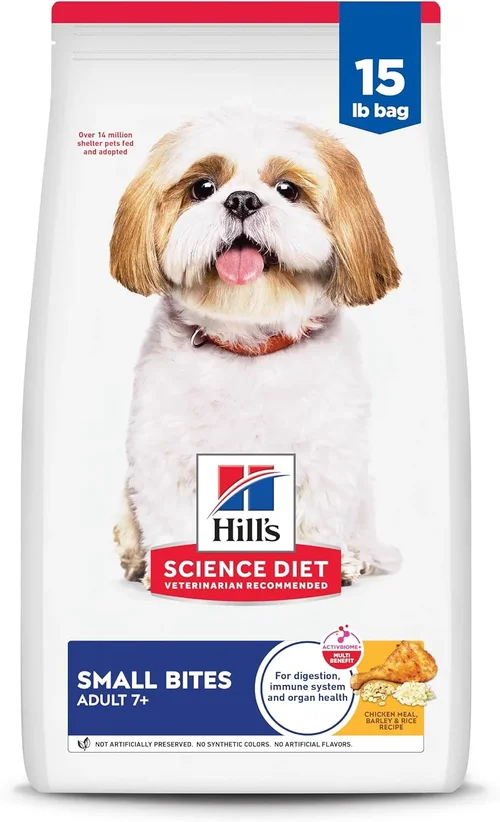
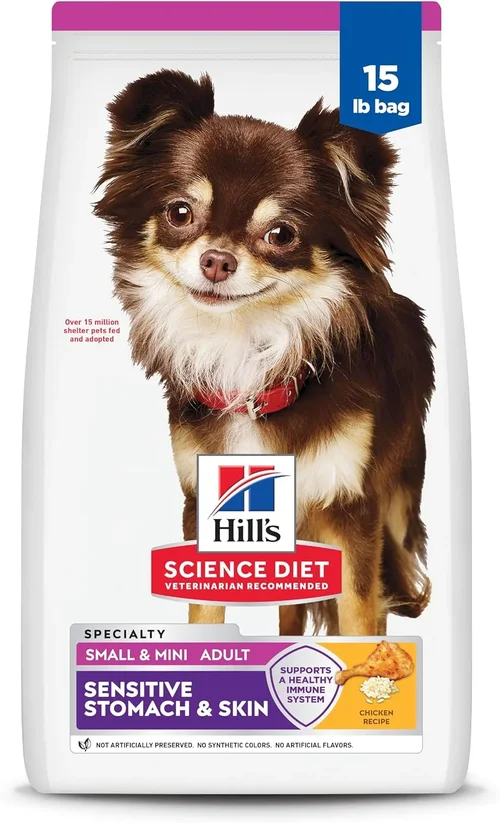
Best for Beginners: Hill’s Science Diet Small Paws – Veterinarian-recommended, easy to digest, and widely available. Great for first-time owners or dogs with sensitive stomachs.
Best for Advanced Users: Stella & Chewy’s Freeze-Dried Raw Patties – Raw, minimally processed diet with high meat content and added probiotics. Best for experienced owners committed to a raw feeding lifestyle.
Conclusion: Making the Right Choice
Choosing the right diet dog food for your Yorkie is one of the most important decisions you’ll make as a pet owner. It affects everything from their energy levels and coat shine to their longevity and quality of life. While the market offers countless options, the best choice is one that aligns with your dog’s unique needs, your budget, and your lifestyle.
Remember, there’s no one-size-fits-all solution. What works for one Yorkie may not work for another. Pay attention to how your dog responds to different foods—watch for changes in energy, stool quality, coat condition, and overall behavior. And never hesitate to consult your veterinarian for personalized advice.
By prioritizing high-quality ingredients, appropriate life stage formulas, and digestibility, you’ll set your Yorkie up for a healthy, happy life. Whether you choose a premium kibble, a raw diet, or a vet-recommended therapeutic formula, the key is consistency and care. Your Yorkie may be small, but their nutritional needs are mighty—and with the right food, they’ll thrive for years to come.