
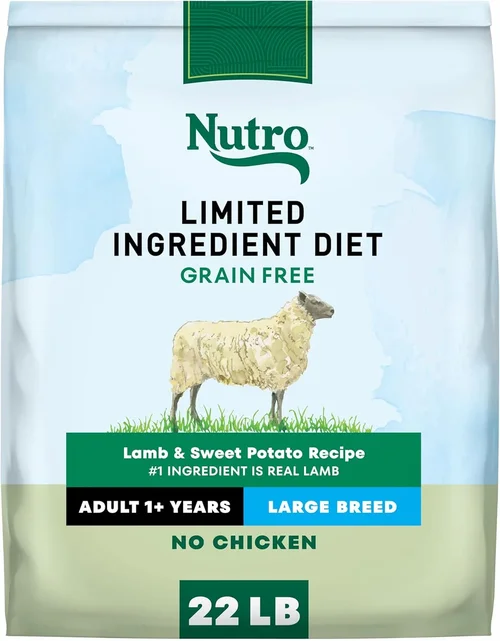
When it comes to caring for large and giant breed dogs, nutrition plays a pivotal role in their long-term health, mobility, and overall quality of life. Unlike smaller breeds, big dogs—typically defined as those weighing over 50 pounds—have unique dietary needs that directly impact their growth, joint integrity, digestion, and energy levels. Whether you’re raising a Great Dane puppy, maintaining an adult Mastiff, or supporting a senior Saint Bernard, choosing the right diet food isn’t just about filling a bowl—it’s about investing in your dog’s vitality and longevity. Unfortunately, the pet food market is flooded with options, many of which are marketed with buzzwords like “premium,” “natural,” or “grain-free” that don’t always translate to nutritional adequacy for large breeds.
This comprehensive buying guide is designed to cut through the noise and help you make an informed, science-backed decision. You’ll learn how to evaluate ingredients, understand label claims, compare different types of diet food, and avoid common pitfalls that could compromise your dog’s health. We’ll cover everything from budget considerations and ingredient quality to specialized formulas for weight management, joint support, and sensitive digestion. Whether you’re feeding a growing puppy, an active adult, or a senior dog with mobility issues, this guide will equip you with the knowledge to choose the best diet food for your big dog’s specific life stage and health needs.
The market for large breed dog food has evolved significantly in recent years, with manufacturers responding to growing awareness of breed-specific health concerns such as hip dysplasia, obesity, bloat, and heart conditions. Today, you’ll find a wide range of options—from kibble and wet food to freeze-dried raw and fresh-cooked meals—each claiming to be the ultimate solution. However, not all “big dog formulas” are created equal. Some are formulated with excessive calories that can lead to rapid growth in puppies, while others lack essential nutrients like glucosamine, chondroitin, or omega-3 fatty acids that support joint and coat health. This guide will help you navigate these complexities and select a diet that truly meets your dog’s needs.
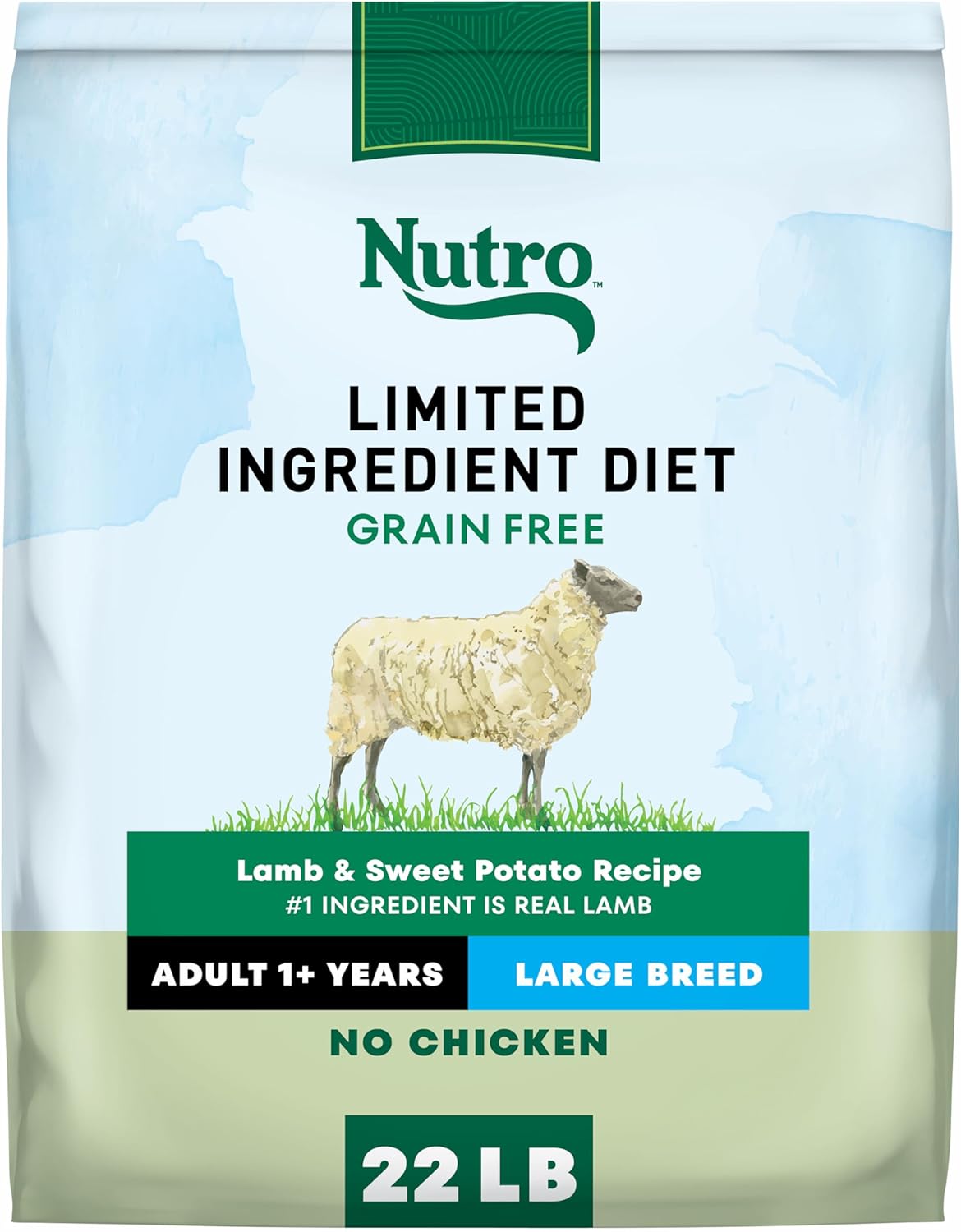
What to Look for When Buying Buying Guide
1. Life Stage and Size-Specific Formulation
One of the most critical factors in choosing diet food for big dogs is ensuring the formula is tailored to their life stage and size. Large and giant breed puppies, for example, have different nutritional requirements than adult or senior dogs. Rapid growth in large breeds can lead to skeletal abnormalities such as osteochondrosis or hip dysplasia, so puppy food for big dogs must contain controlled levels of calcium and phosphorus to support steady, healthy bone development. Look for labels that specify “for large breed puppies” or “formulated for dogs over 70 lbs.” These formulas typically have lower calorie density and balanced calcium-to-phosphorus ratios (ideally around 1.2:1).
For adult big dogs, the focus shifts to maintaining lean muscle mass, supporting joint health, and preventing obesity. Adult formulas should include high-quality protein sources (at least 22–26% crude protein), moderate fat (10–15%), and added joint supplements like glucosamine and chondroitin. Senior large breed dogs, on the other hand, benefit from reduced-calorie diets with added fiber for digestion, antioxidants for immune support, and omega-3 fatty acids to reduce inflammation. Always match the food to your dog’s age, weight, and activity level to avoid underfeeding or overfeeding.
2. High-Quality Protein Sources
Protein is the cornerstone of any dog’s diet, but for big dogs, the source and quality of protein matter even more. Large breeds require adequate protein to maintain muscle mass, support tissue repair, and sustain energy levels. However, not all proteins are equal. Look for named animal proteins as the first ingredient—such as “deboned chicken,” “lamb meal,” or “salmon”—rather than vague terms like “meat meal” or “animal by-product meal.” These latter ingredients can come from low-quality or inconsistent sources and may not provide the complete amino acid profile your dog needs.
Ideal protein sources for big dogs include lean meats like chicken, turkey, lamb, and fish. Fish-based proteins, especially salmon and menhaden, are excellent because they’re rich in omega-3 fatty acids, which help reduce inflammation and support skin and coat health. Avoid foods that rely heavily on plant-based proteins like corn gluten meal or soy, as these are less biologically available to dogs and can contribute to digestive issues. The Association of American Feed Control Officials (AAFCO) recommends a minimum of 18% protein for adult maintenance and 22.5% for growth, but many premium large breed formulas exceed these levels with high-quality animal proteins.
3. Controlled Calorie and Fat Content
Big dogs are prone to obesity, which can exacerbate joint problems, reduce mobility, and shorten lifespan. Therefore, calorie control is essential—especially for less active or senior dogs. Large breed diets should be moderately calorie-dense, typically ranging from 300 to 400 kcal per cup, depending on the formula. Foods labeled “weight management” or “light” are ideal for dogs who need to lose weight or maintain a healthy body condition.
Fat is a concentrated source of energy, but too much can lead to weight gain. Look for fat levels between 10% and 15% for adult dogs. However, the type of fat matters just as much as the quantity. Healthy fats from sources like chicken fat, flaxseed, and fish oil provide essential fatty acids (like EPA and DHA) that support brain function, reduce inflammation, and promote a shiny coat. Avoid foods with excessive vegetable oils or unnamed fat sources. Additionally, some premium brands include L-carnitine, an amino acid that helps convert fat into energy and supports weight loss in overweight dogs.
4. Joint and Bone Support Ingredients
Joint health is a top concern for large and giant breed dogs. Conditions like hip dysplasia, elbow dysplasia, and arthritis are common in breeds such as German Shepherds, Rottweilers, and Great Danes. To support joint integrity, look for diets that include proven joint-supportive ingredients. Glucosamine and chondroitin sulfate are naturally occurring compounds that help maintain cartilage health and reduce joint inflammation. Many high-quality large breed foods include these as added supplements.
Omega-3 fatty acids, particularly EPA and DHA from fish oil, are also crucial for reducing inflammation and improving mobility. Studies have shown that dogs with osteoarthritis experience less pain and improved activity levels when fed diets rich in omega-3s. Additionally, some formulas include green-lipped mussel extract, which contains glycosaminoglycans that support joint lubrication. Avoid foods that rely solely on synthetic additives or lack these functional ingredients—your dog’s long-term comfort depends on proactive joint care.
5. Digestive Health and Fiber Content
Big dogs often have sensitive digestive systems and are at higher risk for bloat (gastric dilatation-volvulus or GDV), a life-threatening condition more common in deep-chested breeds. To support digestive health, choose foods with moderate to high fiber content (3–7%) from natural sources like beet pulp, pumpkin, chicory root, and flaxseed. These ingredients promote healthy gut motility, support beneficial gut bacteria, and help regulate stool quality.
Probiotics are another valuable addition, especially in diets for dogs with sensitive stomachs or those prone to diarrhea. Look for strains like Lactobacillus acidophilus or Enterococcus faecium listed on the ingredient panel. Prebiotics, such as fructooligosaccharides (FOS) and mannan oligosaccharides (MOS), feed these good bacteria and enhance nutrient absorption. Avoid foods with excessive fillers like corn, wheat, or soy, which can cause gas, bloating, and allergic reactions in some dogs.
6. Ingredient Transparency and Avoidance of Fillers
Not all dog foods are created equal, and ingredient quality can vary dramatically between brands. Always read the ingredient list carefully—ingredients are listed by weight, so the first few items should be high-quality proteins, not grains or by-products. Avoid foods that contain artificial preservatives like BHA, BHT, or ethoxyquin, which have been linked to health concerns in dogs. Instead, look for natural preservatives like mixed tocopherols (vitamin E) or rosemary extract.
Fillers such as corn, wheat, and soy are often used to bulk up kibble but offer little nutritional value and can trigger allergies or digestive upset. While some grains are safe and digestible (like oats or brown rice), they should not dominate the ingredient list. Similarly, avoid “mystery meats” like “meat meal” or “animal digest”—these can come from rendered sources and may include parts not fit for human consumption. Transparency is key: reputable brands will disclose sourcing practices and provide detailed nutritional information.
7. Brand Reputation and AAFCO Compliance
When it comes to your dog’s health, brand trust matters. Choose manufacturers with a proven track record of quality, safety, and transparency. Look for brands that conduct feeding trials and meet AAFCO (Association of American Feed Control Officials) standards. AAFCO compliance ensures that the food provides complete and balanced nutrition for your dog’s life stage. You’ll typically see a statement on the packaging like “Formulated to meet the nutritional levels established by the AAFCO Dog Food Nutrient Profiles for [life stage].”
Reputable brands often invest in research, employ veterinary nutritionists, and undergo third-party testing for contaminants like heavy metals or mycotoxins. Avoid lesser-known brands with vague labeling or those that have had recent recalls. Reading customer reviews and checking sites like the FDA’s pet food recall database can also help you assess a brand’s reliability. Some of the most trusted names in large breed nutrition include Royal Canin, Hill’s Science Diet, Purina Pro Plan, and Wellness Core.
8. Palatability and Feeding Experience
Even the most nutritious food won’t benefit your dog if they won’t eat it. Palatability is especially important for picky eaters or dogs transitioning from a different diet. Large breed kibble should be appropriately sized—too small and it’s swallowed whole, too large and it’s difficult to chew. Many brands offer “jumbo” or “large breed” kibble designed to encourage slower eating, which can help reduce the risk of bloat.
Wet food or toppers can enhance flavor and moisture intake, which is beneficial for dogs prone to urinary issues. Some owners mix wet and dry food to improve acceptance. If your dog is hesitant to try a new diet, transition gradually over 7–10 days by mixing increasing amounts of the new food with the old. Monitor your dog’s appetite, energy levels, and stool quality during the transition—these are good indicators of how well the food is being tolerated.
Different Types of Buying Guide

Common Buying Mistakes to Avoid
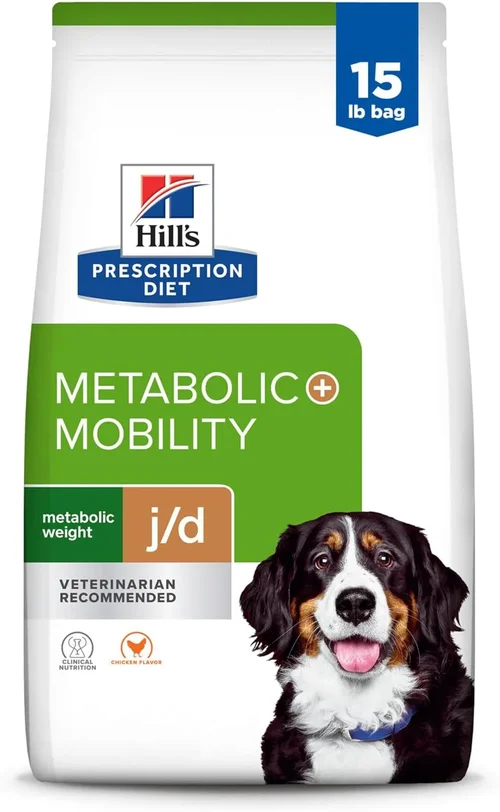
❌ Mistake: Choosing Food Based Solely on Price
Why it’s bad: Opting for the cheapest dog food may save money upfront, but it often leads to higher veterinary bills down the line. Low-cost brands frequently use fillers, by-products, and artificial additives that can cause allergies, digestive issues, and long-term health problems. Poor nutrition can weaken the immune system, accelerate joint degeneration, and reduce lifespan.
What to do instead: View dog food as a health investment. Calculate the cost per day rather than per bag—premium foods often require smaller portions due to higher nutrient density. Look for value in quality ingredients, not just low price tags.
❌ Mistake: Ignoring Life Stage Requirements
Why it’s bad: Feeding adult food to a growing large breed puppy can stunt development, while feeding puppy food to an adult dog can lead to obesity and joint stress. Each life stage has unique nutritional needs that must be met for optimal health.
What to do instead: Always select a formula labeled for your dog’s specific life stage—puppy, adult, or senior. If your dog is a large breed, ensure the label specifies “large breed” to account for controlled growth and joint support.
❌ Mistake: Overlooking Ingredient Quality
Why it’s bad: Vague ingredient lists like “meat meal” or “animal fat” can hide low-quality or unsafe sources. Fillers like corn and soy offer little nutritional value and can trigger allergies or digestive upset.
What to do instead: Read the ingredient list carefully. Prioritize named animal proteins as the first ingredient and avoid artificial preservatives, colors, and unnamed by-products. Choose brands that disclose sourcing and manufacturing practices.
❌ Mistake: Feeding Excessive Treats or Table Scraps
Why it’s bad: Treats and human food can quickly add extra calories, leading to weight gain. Some foods, like chocolate, onions, and grapes, are toxic to dogs. Overfeeding treats can also disrupt nutrient balance.
What to do instead: Limit treats to no more than 10% of your dog’s daily caloric intake. Choose healthy, low-calorie options like carrots, green beans, or specially formulated dog treats. Use treats strategically for training, not as emotional rewards.
❌ Mistake: Not Transitioning Foods Gradually
Why it’s bad: Switching dog food abruptly can cause diarrhea, vomiting, or refusal to eat. The digestive system needs time to adapt to new ingredients and nutrient profiles.
What to do instead: Transition over 7–10 days by gradually increasing the proportion of new food while decreasing the old. Start with 25% new food and 75% old, then move to 50/50, 75/25, and finally 100% new food. Monitor your dog’s digestion throughout.
❌ Mistake: Ignoring Portion Control
Why it’s bad: Overfeeding is a leading cause of obesity in big dogs, which increases the risk of diabetes, heart disease, and joint problems. Underfeeding can lead to malnutrition and low energy.
What to do instead: Follow the feeding guidelines on the package as a starting point, then adjust based on your dog’s weight, activity level, and body condition. Use a measuring cup—never free-feed. Regularly assess your dog’s body condition score (BCS) to ensure they’re at a healthy weight.
❌ Mistake: Assuming All “Natural” or “Grain-Free” Foods Are Better
Why it’s bad: The terms “natural” and “grain-free” are not regulated and don’t guarantee nutritional adequacy. Some grain-free diets have been linked to dilated cardiomyopathy (DCM) in dogs due to high legume content.
What to do instead: Focus on complete and balanced nutrition rather than marketing claims. Choose foods that meet AAFCO standards and are appropriate for your dog’s life stage. Consult your veterinarian before switching to grain-free diets.
Budget Guidelines: How Much Should You Spend?
- Entry-Level ($20–$35 per 30–40 lb bag): These foods are often available at big-box stores and supermarkets. While convenient, they may contain fillers, by-products, and artificial additives. Best for short-term use or supplemental feeding, but not ideal for long-term health.
- Mid-Range ($35–$55 per 30–40 lb bag): This is the sweet spot for most dog owners. These brands offer higher-quality proteins, better ingredient sourcing, and added functional nutrients like glucosamine and probiotics. Examples include Purina Pro Plan Large Breed, Hill’s Science Diet Large Breed, and Iams ProActive Health.
- Premium ($55–$80 per 30–40 lb bag): These diets use human-grade ingredients, minimal processing, and advanced formulations. They often include novel proteins, superfoods, and high levels of omega-3s. Brands like Wellness Core, Blue Buffalo Wilderness, and Nutro Ultra fall into this category.
- Luxury ($80+ per bag or subscription-based): Top-tier options include fresh-cooked meals (The Farmer’s Dog, Nom Nom), freeze-dried raw (Stella & Chewy’s, Primal), and prescription diets. These offer the highest ingredient quality and customization but come at a significant cost. Best for dogs with specific health needs or owners prioritizing optimal nutrition.

Expert Tips for Getting the Best Deal
- Buy in Bulk: Purchasing larger bags (30–40 lbs) typically reduces the cost per pound. Just ensure you can store the food properly to maintain freshness.
- Subscribe and Save: Many online retailers (Chewy, Amazon) offer discounts for auto-shipping dog food. This also ensures you never run out.
- Watch for Sales: Major holidays (Black Friday, Memorial Day) often feature discounts on pet food. Sign up for brand newsletters to receive exclusive offers.
- Use Rewards Programs: Stores like Petco and Chewy offer loyalty programs that earn points for future discounts or free products.
- Compare Unit Prices: Check the price per pound or per cup to compare value across brands and sizes.
- Ask Your Vet: Some veterinarians offer discounts on prescription or therapeutic diets. They may also have samples or coupons for premium brands.
- Read Return Policies: Ensure the retailer allows returns if your dog doesn’t like the food or has an adverse reaction.
- Test Small Quantities First: Before committing to a large bag, buy a small size or sample to assess palatability and digestibility.

Frequently Asked Questions
Q: How much should I feed my big dog?
A: Feeding amounts vary by weight, age, and activity level. Most large breed adult dogs require 3–6 cups of high-quality kibble per day, divided into two meals. Always follow the feeding guidelines on the package and adjust based on your dog’s body condition. Use a measuring cup—never estimate.
Q: Can I feed my large breed puppy regular adult dog food?
A: No. Large breed puppies need specialized formulas with controlled calcium and phosphorus to support slow, steady growth. Adult food lacks the necessary nutrient density and can lead to developmental orthopedic diseases.
Q: Is grain-free food better for big dogs?
A: Not necessarily. While some dogs benefit from grain-free diets due to allergies, there’s no evidence that grains are harmful to most dogs. In fact, some grain-free diets have been linked to heart issues. Choose based on your dog’s individual needs and consult your vet.
Q: How often should I change my dog’s food?
A: There’s no need to change food unless your dog has a health issue, dietary intolerance, or you’re transitioning to a life stage formula. Frequent changes can upset digestion. When switching, do so gradually over 7–10 days.
Q: What are the signs of a poor diet in big dogs?
A: Common signs include dull coat, excessive shedding, digestive issues (diarrhea, gas), low energy, weight gain or loss, and joint stiffness. If you notice these symptoms, evaluate the food’s ingredients and consult your veterinarian.
Q: Can big dogs eat raw food?
A: Raw diets can be nutritious but require careful handling to avoid bacterial contamination. Freeze-dried or fresh raw options are safer than homemade raw diets. Always consult your vet before starting a raw feeding regimen.
Q: How do I prevent bloat in my big dog?
A: Feed smaller, frequent meals (2–3 per day), avoid vigorous exercise before and after eating, use a slow feeder bowl, and elevate food and water dishes. Choose foods with digestible ingredients and moderate fiber.
Q: Are supplements necessary if I feed high-quality food?
A: Not always. Complete and balanced diets should provide all essential nutrients. However, some dogs benefit from additional joint supplements (glucosamine), omega-3s, or probiotics—especially if they have health conditions. Consult your vet before adding supplements.
Q: How long does it take to see improvements in my dog’s health after switching food?
A: You may notice improvements in coat shine, energy, and stool quality within 2–4 weeks. Joint and mobility improvements can take 6–8 weeks, especially with added supplements.
Q: Can I mix wet and dry food?
A: Yes, many owners mix wet and dry food to enhance palatability and moisture intake. Just adjust portions to avoid overfeeding. Wet food is especially helpful for dogs with dental issues or low water intake.
Our Final Recommendations
- Best for Budget-Conscious Buyers: Purina Pro Plan Large Breed Adult – Offers excellent value with high-quality protein, joint support, and AAFCO compliance at an affordable price.
- Best Overall Value: Hill’s Science Diet Large Breed Adult – Trusted by veterinarians, this formula provides balanced nutrition, digestive support, and joint health benefits with consistent quality.
- Best Premium Option: Wellness Core Large Breed Recipe – Grain-free, high-protein, and rich in omega-3s, this diet supports lean muscle, coat health, and overall vitality.
- Best for Beginners: Iams ProActive Health Large Breed – Easy to find, affordable, and formulated with essential nutrients for large breed health. Great for first-time owners.
- Best for Advanced Users: The Farmer’s Dog (Fresh-Cooked) – Customized, human-grade meals delivered to your door. Ideal for owners who want complete control over ingredients and portion sizes.
Conclusion: Making the Right Choice
Choosing the best diet food for your big dog is one of the most important decisions you’ll make as a pet owner. It affects everything from their energy levels and coat shine to their joint health and lifespan. By focusing on life stage, ingredient quality, joint support, and digestive health, you can ensure your dog receives the nutrition they need to thrive. Avoid common pitfalls like price-based decisions, abrupt food changes, and ignoring portion control. Instead, prioritize transparency, AAFCO compliance, and your dog’s individual needs.
Remember, no single food is perfect for every dog. What works for a 70-pound active Labrador may not suit a 120-pound senior Great Dane. Take the time to observe your dog’s response to new food—monitor their weight, energy, coat, and digestion. Consult your veterinarian regularly, especially if your dog has health conditions or dietary sensitivities.
Ultimately, the best diet food is one that keeps your big dog healthy, happy, and active for years to come. Use this guide as your roadmap, but trust your instincts and your dog’s cues. With the right nutrition, your loyal companion will continue to bring joy, comfort, and unconditional love to your life. Start evaluating your options today—your dog’s future health depends on it.