
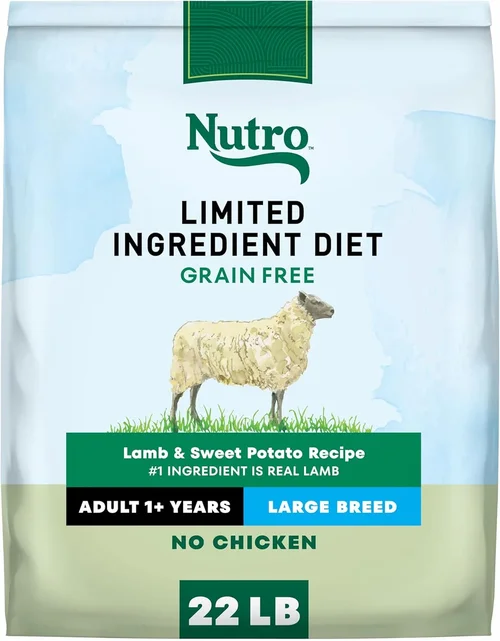
When it comes to raising a large breed dog—whether it’s a gentle giant like a Great Dane, a loyal Labrador, or a powerful Mastiff—nutrition isn’t just about filling their bowl. It’s about laying the foundation for a long, healthy, and active life. Large breed dogs have unique physiological needs that differ significantly from smaller breeds. Their rapid growth phases, joint sensitivity, and predisposition to certain health conditions mean that their diet must be carefully balanced to support proper development and long-term wellness. Unfortunately, many pet owners unknowingly feed their large dogs generic or inappropriate food, which can lead to obesity, skeletal disorders, digestive issues, and shortened lifespans.
This comprehensive buying guide is designed to cut through the noise and confusion surrounding dog food marketing. With hundreds of brands, formulas, and price points flooding the market, choosing the right diet for your large breed companion can feel overwhelming. That’s where we come in. Our goal is to equip you with the knowledge, tools, and expert insights needed to make an informed, confident decision. Whether you’re a first-time dog owner or a seasoned pet parent, this guide will walk you through every critical factor—from ingredient quality and caloric density to life stage appropriateness and brand transparency. By the end, you’ll know exactly what to look for, what to avoid, and how to find the best diet food that aligns with your dog’s specific needs and your budget.
The market for large breed dog food has evolved dramatically in recent years. Gone are the days when “large breed” simply meant bigger kibble. Today’s premium formulas are scientifically formulated with precise nutrient ratios, functional ingredients, and advanced delivery systems to support joint health, maintain ideal body condition, and promote digestive balance. From high-protein, low-calorie options to grain-free and limited-ingredient diets, the choices are vast—but not all are created equal. In this guide, we’ll explore the top contenders, compare different types of diets, highlight common pitfalls, and provide actionable recommendations based on real-world performance, veterinary input, and customer feedback. Let’s dive in and ensure your big dog gets the nutrition they deserve.
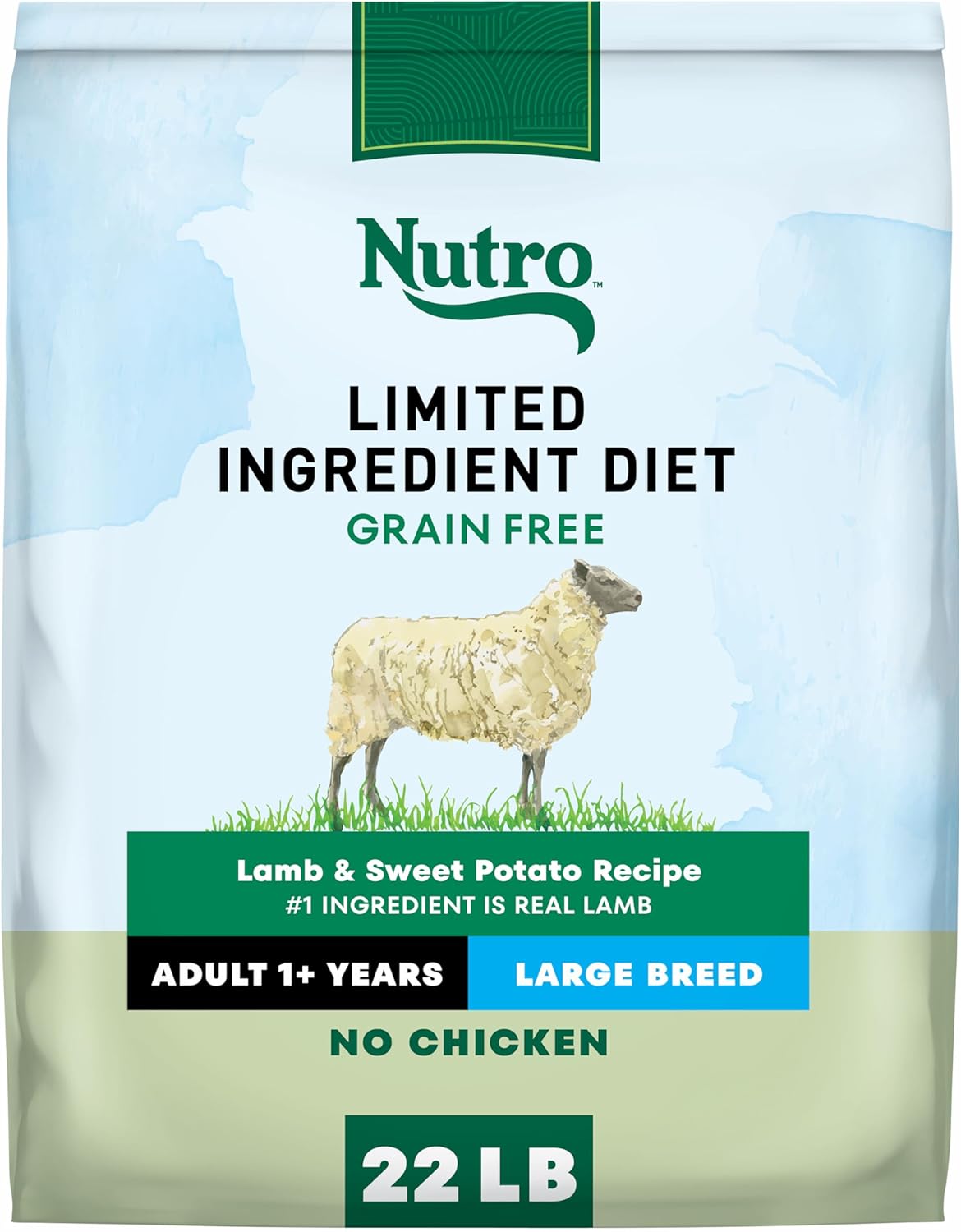
What to Look for When Buying Diet Food for Large Breed Dogs
1. Appropriate Caloric Density and Portion Control
Large breed dogs require fewer calories per pound of body weight compared to smaller breeds, yet their sheer size means they still consume substantial amounts of food. Overfeeding is one of the most common mistakes owners make, leading to obesity—a major risk factor for joint problems, diabetes, and heart disease. The ideal diet food for large breeds should be calorie-controlled without sacrificing nutritional completeness. Look for formulas that provide between 300–350 kcal per cup, depending on the dog’s age and activity level. Additionally, the food should support satiety—meaning your dog feels full longer—thanks to high fiber content and quality protein sources. Avoid foods with excessive fillers like corn, wheat, or soy, which can spike calories without adding meaningful nutrition.
2. Balanced Calcium-to-Phosphorus Ratio
One of the most critical—and often overlooked—aspects of large breed nutrition is the calcium-to-phosphorus ratio. Puppies of large and giant breeds are especially vulnerable to developmental orthopedic diseases like hip dysplasia and osteochondrosis if their diet contains too much calcium or an imbalanced mineral profile. The optimal Ca:P ratio for large breed puppies is between 1.2:1 and 1.4:1. Adult large breeds also benefit from this balance to maintain bone density without overloading the skeletal system. Always check the guaranteed analysis on the label. Excess calcium can lead to abnormal bone growth, while too little can weaken bones over time. Reputable brands will clearly state these ratios and tailor them specifically for large breed physiology.
3. High-Quality Protein Sources
Protein is essential for muscle maintenance, immune function, and overall vitality—but not all proteins are equal. For large breed dogs, especially those prone to weight gain, the source and digestibility of protein matter greatly. Look for named animal proteins as the first ingredient—such as deboned chicken, turkey meal, or lamb—rather than vague terms like “meat meal” or “animal by-product.” Aim for a minimum of 22–26% crude protein for adults and 26–30% for puppies, but ensure it comes from highly digestible sources (80%+ digestibility). Avoid excessive protein levels (over 30% for adults), which can strain kidneys in predisposed dogs and contribute to rapid growth in puppies. Hydrolyzed proteins or novel proteins (like duck or venison) may be beneficial for dogs with food sensitivities.
4. Joint Support Ingredients
Large breed dogs are genetically predisposed to joint issues such as arthritis, hip dysplasia, and elbow dysplasia. Therefore, their diet should actively support joint health from an early age. Key ingredients to look for include glucosamine, chondroitin sulfate, and omega-3 fatty acids (particularly EPA and DHA from fish oil). These compounds help reduce inflammation, maintain cartilage integrity, and improve mobility. Some premium formulas also include green-lipped mussel extract, MSM (methylsulfonylmethane), or turmeric for additional anti-inflammatory benefits. While supplements can be added separately, choosing a food that already includes these elements ensures consistent daily intake and simplifies your routine.
5. Controlled Fat Levels with Healthy Fats
Fat provides concentrated energy, but large breed dogs are less efficient at utilizing it and more prone to weight gain. Ideal fat content should range from 10–15% for adults and slightly higher (12–16%) for active or working dogs. However, the type of fat matters just as much as the amount. Look for sources rich in omega-3 and omega-6 fatty acids, such as salmon oil, flaxseed, or canola oil. These support skin health, coat shine, and anti-inflammatory processes. Avoid foods with excessive saturated fats or unnamed “animal fats,” which may come from low-quality rendering processes. Also, be cautious of “lite” or “reduced-fat” formulas that compensate with carbohydrates—these can lead to blood sugar spikes and reduced satiety.
6. Digestive Health and Fiber Content
Large breed dogs often have sensitive digestive systems and are prone to bloat (gastric dilatation-volvulus or GDV), a life-threatening condition. A diet that promotes healthy digestion can reduce this risk. Look for moderate fiber levels (3–5%) from soluble and insoluble sources like beet pulp, pumpkin, chicory root, or psyllium. Prebiotics (such as FOS and MOS) and probiotics are also valuable additions, as they support gut microbiome balance and enhance nutrient absorption. Avoid excessive fiber (>7%), which can interfere with mineral absorption and cause loose stools. Additionally, smaller, more frequent meals paired with a highly digestible diet can help prevent bloat—especially in deep-chested breeds like Great Danes and German Shepherds.
7. Life Stage Appropriateness
Not all large breed dog foods are created equal across life stages. Puppies, adults, and seniors have vastly different nutritional needs. Large breed puppies require slower, controlled growth to prevent skeletal abnormalities—this means lower calorie density, balanced minerals, and moderate protein. Adult formulas should focus on maintaining ideal body condition and supporting joint and organ health. Senior large breeds benefit from reduced phosphorus (to support kidney function), added antioxidants, and joint-supportive nutrients. Always choose a formula labeled specifically for “Large Breed Puppy,” “Adult Large Breed,” or “Senior Large Breed.” Feeding an adult formula to a growing puppy—or vice versa—can have serious long-term consequences.
8. Brand Transparency and Manufacturing Standards
With pet food recalls and contamination scandals making headlines, it’s more important than ever to choose brands that prioritize safety and transparency. Look for companies that disclose their ingredient sourcing, manufacturing locations, and quality control processes. Reputable brands will conduct AAFCO (Association of American Feed Control Officials) feeding trials or formulate to meet AAFCO nutrient profiles. They should also be willing to answer questions about their supply chain and testing protocols. Avoid brands that use vague language, proprietary blends without disclosure, or manufacture in facilities with poor oversight. Third-party certifications like USDA Organic, Non-GMO Project Verified, or SQF (Safe Quality Food) certification can also be indicators of higher standards.
Different Types of Diet Food for Large Breed Dogs
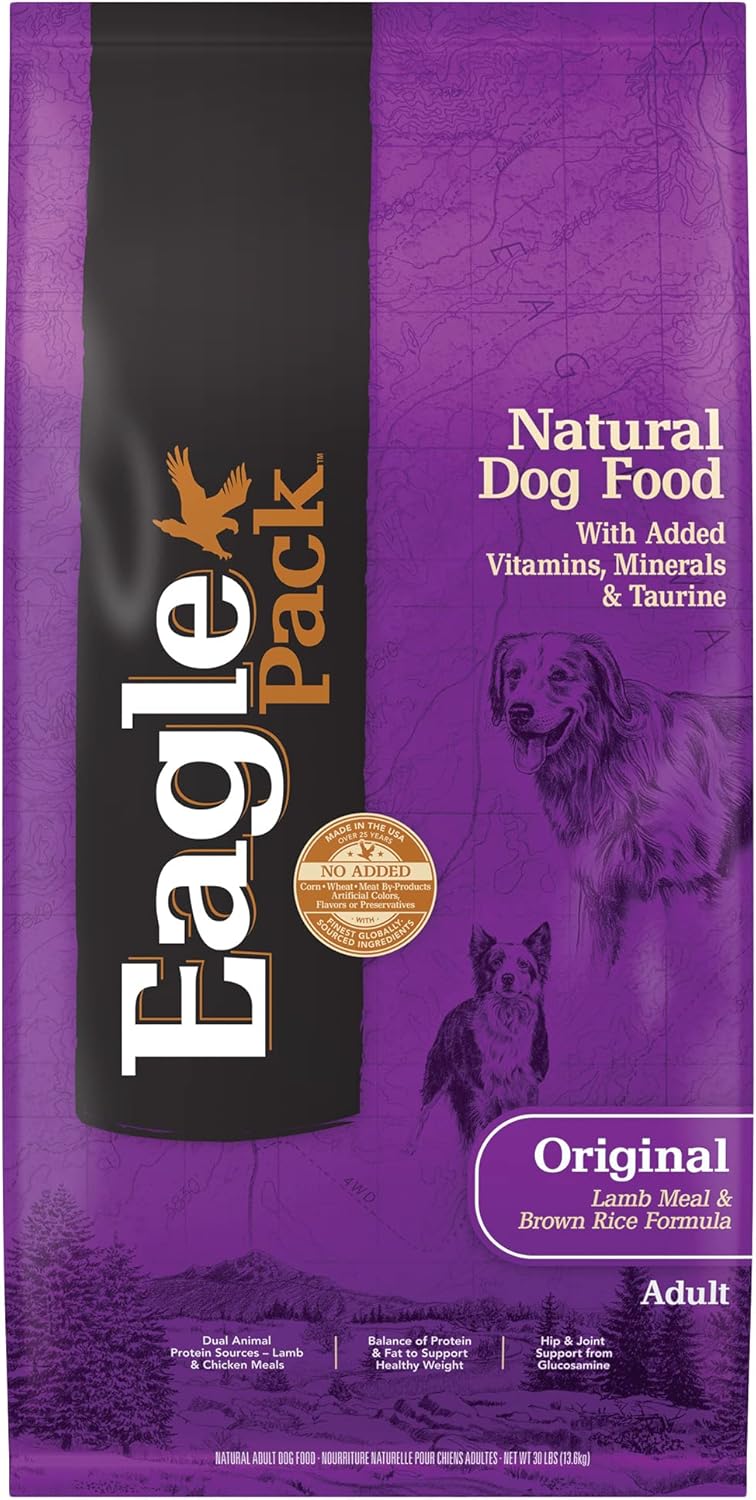
Common Buying Mistakes to Avoid
❌ Mistake: Choosing Food Based Solely on Price
Why it’s bad: Cheaper dog foods often rely on low-quality ingredients, fillers, and by-products that provide minimal nutritional value. Over time, this can lead to malnutrition, obesity, and increased veterinary costs. Large breed dogs already face higher health risks—feeding them subpar food compounds these issues.
What to do instead: Focus on cost per feeding rather than price per bag. A slightly more expensive food with higher nutrient density may actually be cheaper in the long run because you’ll feed less and your dog will be healthier.
❌ Mistake: Ignoring Life Stage Labels
Why it’s bad: Feeding an adult formula to a growing large breed puppy can result in stunted growth or skeletal deformities due to improper mineral balance. Conversely, feeding puppy food to an adult can cause rapid weight gain and joint stress.
What to do instead: Always match the food to your dog’s life stage. Check the packaging for “Large Breed Puppy,” “Adult,” or “Senior” designations and follow feeding guidelines accordingly.
❌ Mistake: Overlooking Ingredient Order and Quality
Why it’s bad: Ingredients are listed by weight. If the first few items are corn, wheat, or unnamed meat meals, the food is likely filler-heavy and protein-poor. This can lead to poor muscle development and digestive upset.
What to do instead: Look for named animal proteins (e.g., “chicken” or “salmon”) as the first ingredient. Avoid foods with artificial colors, flavors, or preservatives like BHA, BHT, or ethoxyquin.
❌ Mistake: Not Transitioning Gradually
Why it’s bad: Switching food abruptly can cause diarrhea, vomiting, or refusal to eat. Large breed dogs are especially sensitive to dietary changes due to their digestive anatomy.
What to do instead: Transition over 7–10 days: start with 25% new food and 75% old, gradually increasing the ratio every 2–3 days until fully switched.
❌ Mistake: Feeding Free-Choice or Overfeeding
Why it’s bad: Large breed dogs are prone to bloat, and free-feeding increases the risk. Overfeeding leads to obesity, which exacerbates joint problems and reduces lifespan.
What to do instead: Measure portions daily based on weight and activity level. Use a kitchen scale for accuracy. Feed 2–3 smaller meals instead of one large meal to reduce bloat risk.
❌ Mistake: Assuming “Natural” or “Holistic” Means Better
Why it’s bad: These terms are not regulated by the FDA or AAFCO. A food labeled “natural” may still contain low-quality ingredients or lack essential nutrients.
What to do instead: Focus on AAFCO statements, ingredient quality, and guaranteed analysis. Don’t be swayed by marketing buzzwords.
❌ Mistake: Neglecting Water Intake
Why it’s bad: Dry kibble contains only 10% moisture. Large breed dogs need ample water to support digestion, joint lubrication, and kidney function. Dehydration can lead to urinary stones and other issues.
What to do instead: Always provide fresh, clean water. Consider adding wet food or water to kibble to increase hydration, especially in hot climates or for less active dogs.
Budget Guidelines: How Much Should You Spend?
– Entry-Level ($1.50–$2.50/lb): These foods meet basic AAFCO standards but often use lower-quality proteins, grains, and by-products. Suitable for short-term use or multi-dog households on a tight budget, but not ideal for long-term health. Examples include Purina ONE Large Breed and Iams ProActive Health.
– Mid-Range ($2.50–$3.50/lb): This is the sweet spot for most large breed owners. These formulas use named meat sources, include joint-supportive ingredients, and avoid major fillers. Brands like Hill’s Science Diet Large Breed, Royal Canin Giant Adult, and Wellness CORE Large Breed offer excellent balance of quality and affordability.
– Premium ($3.50–$5.00/lb): Designed for optimal health, these foods feature human-grade ingredients, novel proteins, and advanced nutrition profiles. They often include probiotics, omega-3s from fish oil, and limited carbohydrates. Ideal for performance dogs, those with sensitivities, or owners prioritizing longevity. Examples: Orijen Large Breed, Acana Regionals, and Taste of the Wild High Prairie.
– Luxury ($5.00+/lb): Top-tier options with exotic proteins (kangaroo, bison), organic certification, and small-batch production. These are best for dogs with severe allergies, medical conditions, or owners seeking the absolute best. Brands include The Honest Kitchen, Ziwi Peak, and Open Farm.

Expert Tips for Getting the Best Deal
– Shop During Seasonal Sales: Major retailers like Chewy, Petco, and Amazon offer deep discounts during Black Friday, Prime Day, and end-of-season clearances. Sign up for newsletters to get early access.
– Use Subscription Services: Chewy Autoship and Amazon Subscribe & Save offer 5–15% off recurring orders and free shipping. You can pause or cancel anytime.
– Compare Unit Prices: Don’t just look at total bag price—calculate cost per pound or per cup. A larger bag may seem expensive but offer better value.
– Check for Rebates and Loyalty Programs: Brands like Hill’s and Royal Canin offer rebates for first-time buyers. Pet stores often have loyalty cards that accumulate points for future discounts.
– Read Verified Customer Reviews: Look for patterns in reviews—consistent complaints about diarrhea, refusal to eat, or packaging issues are red flags.
– Ask Your Vet for Samples: Many veterinary clinics provide free samples of prescription or therapeutic diets. This lets you test palatability before committing.
– Consider Store Brands: Premium store brands (like Costco’s Kirkland Signature or Sam’s Club’s Member’s Mark) often use the same manufacturers as name brands at lower prices.
– Test Before Committing: Buy a small bag first to assess your dog’s acceptance, stool quality, and energy levels. A food that looks great on paper may not agree with your dog.

Frequently Asked Questions
Q: Can I feed my large breed puppy regular adult dog food?
A: No. Large breed puppies have unique nutritional needs, especially regarding calcium and calorie density. Adult food lacks the precise balance required for controlled growth and can lead to skeletal abnormalities. Always use a formula labeled for large breed puppies.
Q: How much should I feed my 80-pound adult Labrador?
A: On average, an 80-pound active Labrador needs 3–4 cups of high-quality large breed adult food per day, split into two meals. Always refer to the feeding chart on the bag and adjust based on body condition—your dog should have a visible waist and palpable ribs.
Q: Is grain-free food better for large breed dogs?
A: Not necessarily. Grain-free diets are beneficial only if your dog has a diagnosed grain allergy. Most large breed dogs digest grains like rice and oats well. The FDA has also linked certain grain-free diets to dilated cardiomyopathy (DCM) in some breeds, so consult your vet before switching.
Q: How often should I change my dog’s food?
A: There’s no need to change food unless your dog shows signs of intolerance, you’re advised by a vet, or you find a better option. Frequent changes can disrupt digestion. If you do switch, do so gradually.
Q: Can large breed dogs eat raw diets?
A: Raw diets can be nutritionally complete but require careful formulation to avoid deficiencies or bacterial contamination. They are not recommended for inexperienced owners. If considering raw, work with a veterinary nutritionist to ensure balance.
Q: What’s the best way to prevent bloat?
A: Feed 2–3 smaller meals daily, avoid vigorous exercise 1–2 hours before and after eating, use a slow feeder bowl, and ensure your dog doesn’t gulp water. Elevated feeders are controversial—some studies suggest they increase bloat risk, so consult your vet.
Q: How do I know if my dog is overweight?
A: You should be able to feel (but not see) your dog’s ribs. There should be a visible waist when viewed from above and a tucked abdomen from the side. If you can’t feel the ribs or see a rounded belly, your dog may be overweight.
Q: Are supplements necessary if I feed high-quality food?
A: Not always. Premium diets often include added glucosamine, omega-3s, and probiotics. However, dogs with arthritis or skin issues may benefit from additional supplements—always consult your vet first.
Q: Can I mix wet and dry food?
A: Yes! Mixing can increase palatability and hydration. Just adjust portions to avoid overfeeding. For example, replace ¼ cup of kibble with ¼ cup of wet food.
Q: How long can I store opened dog food?
A: Store in an airtight container in a cool, dry place. Most kibble stays fresh for 6–8 weeks after opening. Avoid storing in garages or sheds where temperature fluctuations can spoil fats.
Our Final Recommendations
– Best for Budget-Conscious Buyers: Purina Pro Plan Large Breed Adult – Offers solid nutrition, joint support, and affordability at around $2.30/lb. Great for owners who want reliability without breaking the bank.
– Best Overall Value: Hill’s Science Diet Large Breed Adult – Veterinarian-recommended, scientifically formulated, and widely available. Priced at $2.80/lb, it balances quality, digestibility, and price.
– Best Premium Option: Orijen Original Large Breed – High-protein, biologically appropriate, with fresh regional ingredients. At $4.50/lb, it’s ideal for owners seeking top-tier nutrition and don’t mind the cost.
– Best for Beginners: Royal Canin Giant Adult – Specifically designed for dogs over 100 lbs, with precise kibble shape to encourage chewing and reduce bloat risk. Easy to find and vet-approved.
– Best for Advanced Users: Open Farm Homestead Turkey & Chicken – Ethically sourced, human-grade, and traceable ingredients. Includes probiotics and omega-3s. Perfect for owners who prioritize transparency and sustainability.
Conclusion: Making the Right Choice
Choosing the right diet food for your large breed dog is one of the most impactful decisions you’ll make as a pet owner. It affects everything from their energy levels and coat quality to their joint health and lifespan. By focusing on key factors like caloric density, mineral balance, protein quality, and life stage appropriateness, you can avoid common pitfalls and select a food that truly supports your dog’s well-being. Remember, the cheapest option isn’t always the most economical, and the most expensive isn’t always the best fit. Prioritize your dog’s individual needs—whether they’re a growing puppy, an active adult, or a senior needing gentle care.
Use this guide as your roadmap. Compare brands, read labels critically, and don’t hesitate to consult your veterinarian for personalized advice. Your large breed dog depends on you for more than love and walks—they rely on you for the nutrition that keeps them strong, happy, and by your side for as long as possible. Invest wisely, feed thoughtfully, and enjoy every moment with your gentle giant.