
As our beloved canine companions enter their golden years, their nutritional needs undergo significant changes. Just like humans, senior dogs experience shifts in metabolism, activity levels, joint health, and organ function—all of which directly impact what they should be eating. Choosing the right diet food for senior dogs isn’t just about convenience or preference; it’s a critical component of maintaining their quality of life, managing age-related conditions, and extending their healthy lifespan. With so many options flooding the market—from grain-free formulas to prescription diets and everything in between—it’s easy for pet parents to feel overwhelmed. This comprehensive buying guide cuts through the noise, offering expert-backed insights to help you make informed, compassionate decisions for your aging furry friend.
In this guide, you’ll learn how to evaluate senior dog food based on science, not marketing hype. We’ll break down the essential nutritional components your senior dog needs, explain how to interpret ingredient labels like a pro, and highlight common pitfalls that even experienced pet owners fall into. Whether your senior pup is still spry and active or dealing with arthritis, kidney issues, or weight gain, we’ll show you how to match their unique health profile with the right food. You’ll also discover budget-friendly strategies, top brand comparisons, and practical tips for transitioning your dog to a new diet without digestive upset. By the end, you’ll have the confidence to choose a diet that supports your dog’s vitality, comfort, and longevity.
The senior dog food market has exploded in recent years, driven by increasing pet ownership, advances in veterinary nutrition, and greater awareness of preventive care. Major brands like Hill’s Science Diet, Royal Canin, Purina Pro Plan, and Blue Buffalo now offer specialized senior lines, while boutique and holistic brands such as The Honest Kitchen, Wellness CORE, and Orijen have introduced grain-free, high-protein, and fresh-food alternatives. Online retailers, subscription services, and vet clinics all compete for your attention, each touting unique benefits. But not all “senior” formulas are created equal—some are little more than repackaged adult food with minor tweaks. This guide empowers you to navigate this crowded landscape with clarity, ensuring your senior dog gets the targeted nutrition they deserve.

What to Look for When Buying Senior Dog Food
1. Protein Quality and Digestibility
One of the most misunderstood aspects of senior dog nutrition is protein. Contrary to popular belief, senior dogs do not need less protein—they need high-quality, highly digestible protein to maintain muscle mass, support immune function, and prevent sarcopenia (age-related muscle loss). As dogs age, their ability to absorb and utilize protein declines, so the source and form of protein become crucial.
Look for named animal proteins as the first ingredient—such as “chicken meal,” “deboned salmon,” or “turkey”—rather than vague terms like “meat meal” or “animal by-product meal.” These indicate a consistent, identifiable source. Animal-based proteins contain all essential amino acids, including taurine and L-carnitine, which support heart health and metabolism. Plant-based proteins like pea protein or lentils can supplement but should not dominate the formula, as they’re less bioavailable for dogs.
Digestibility is equally important. Senior dogs often have sensitive stomachs or reduced enzyme production, so easily digestible proteins like chicken, turkey, or fish are ideal. Avoid formulas with excessive fillers like corn gluten meal or soy, which can be hard to digest and may trigger allergies. A good rule of thumb: if your dog has loose stools or gas after eating, the protein source may not be optimal.
2. Joint Support and Mobility Ingredients
Arthritis and joint stiffness are among the most common health issues in senior dogs, affecting up to 80% of dogs over the age of eight. The right diet can play a proactive role in managing inflammation, supporting cartilage health, and improving mobility. Look for foods that include proven joint-supportive ingredients such as glucosamine, chondroitin sulfate, and omega-3 fatty acids (especially EPA and DHA from fish oil).
Glucosamine and chondroitin help rebuild cartilage and reduce joint degradation. These are often added synthetically or derived from shellfish, so check the ingredient list. Omega-3s, particularly from cold-water fish like salmon, mackerel, or sardines, have potent anti-inflammatory effects. Aim for a food with an omega-6 to omega-3 ratio of 5:1 or lower—this balance helps reduce chronic inflammation without suppressing immune function.
Some premium formulas also include green-lipped mussel extract, which is rich in glycosaminoglycans and has been shown to improve joint comfort in clinical studies. Additionally, antioxidants like vitamin E and C can help reduce oxidative stress in aging joints. If your dog is already on joint supplements, consult your vet before doubling up—too much glucosamine can cause digestive upset.
3. Calorie Density and Weight Management
Senior dogs typically have slower metabolisms and lower activity levels, which increases their risk of obesity—a major contributor to diabetes, heart disease, and joint problems. At the same time, some seniors lose weight due to dental issues, reduced appetite, or underlying illness. Therefore, calorie control is a delicate balance.
Look for senior formulas that are moderately calorie-dense—not too high to promote weight gain, but not so low that your dog becomes underweight. Ideal calorie content ranges from 300–400 kcal per cup for dry food, depending on the dog’s size and activity level. Larger breeds may need fewer calories per pound than smaller breeds due to differences in metabolic rate.
Fiber plays a key role in weight management. Soluble fiber (like beet pulp or pumpkin) helps regulate digestion and promotes a feeling of fullness, while insoluble fiber supports gut motility. Avoid foods with excessive carbohydrates from corn, wheat, or rice, as these can spike blood sugar and contribute to fat storage. Instead, opt for complex carbs like sweet potatoes, oats, or barley, which provide sustained energy without the crash.
If your senior dog is overweight, consider a “light” or “weight management” formula, but ensure it still meets their protein and nutrient needs. Conversely, if your dog is underweight or has a poor appetite, a higher-calorie, highly palatable food with added fats (like chicken fat or flaxseed oil) may be necessary.
4. Digestive Health and Gut Support
As dogs age, their digestive systems become less efficient. Reduced stomach acid, slower gut transit, and changes in gut microbiota can lead to constipation, diarrhea, bloating, or food sensitivities. A senior dog food that supports digestive health is essential for nutrient absorption and overall well-being.
Probiotics are one of the most important additions to look for. These live beneficial bacteria (such as Lactobacillus and Bifidobacterium) help maintain a healthy gut microbiome, improve digestion, and boost immunity. Look for foods that specify the strain and colony-forming units (CFUs)—aim for at least 1 billion CFUs per serving. Some brands use heat-stable probiotics that survive the extrusion process, ensuring viability.
Prebiotics, such as fructooligosaccharides (FOS) and mannan oligosaccharides (MOS), feed the good bacteria and promote a balanced gut environment. They’re often listed as “chicory root extract” or “yeast culture.” Additionally, easily digestible fibers like pumpkin, psyllium husk, or beet pulp can help regulate bowel movements.
Avoid artificial preservatives like BHA, BHT, and ethoxyquin, which have been linked to digestive irritation and long-term health risks. Instead, opt for natural preservatives like mixed tocopherols (vitamin E) or rosemary extract. If your dog has a history of pancreatitis or inflammatory bowel disease (IBD), consult your vet before choosing a high-fat or high-fiber formula.
5. Dental Health and Kibble Design
Dental disease affects over 80% of dogs by age three, and the problem worsens with age. Poor oral health can lead to pain, tooth loss, and systemic infections that affect the heart, liver, and kidneys. While regular brushing is ideal, diet can also play a preventive role.
Look for senior dog foods with kibble designed to reduce plaque and tartar. Some brands use larger, textured kibble that encourages chewing, which helps scrape away debris. Others incorporate dental-enhancing ingredients like sodium hexametaphosphate (SHMP), which binds to calcium in saliva and prevents tartar formation.
Crunchy kibble is generally better than soft or wet food for dental health, but if your senior dog has missing teeth or gum disease, a softer texture or wet food may be more comfortable. In such cases, consider dental chews or water additives as supplements. Avoid foods with added sugars or molasses, which can feed harmful bacteria in the mouth.
Some premium brands offer “dental diets” specifically formulated for oral care, often with kibble that expands when chewed to clean more surface area. These can be a worthwhile investment if your dog resists brushing or has a history of dental issues.
6. Organ Support and Antioxidants
As dogs age, their organs—especially the liver, kidneys, and heart—work harder to filter toxins, regulate fluids, and maintain circulation. A diet rich in antioxidants and organ-supportive nutrients can help reduce oxidative stress and slow the progression of age-related diseases.
Antioxidants like vitamin E, vitamin C, beta-carotene, and selenium neutralize free radicals that damage cells. Look for foods that include natural sources such as blueberries, cranberries, spinach, and carrots. These also provide phytonutrients that support immune function.
For kidney health, lower phosphorus levels are often recommended—especially if your dog has early-stage kidney disease. However, don’t drastically reduce phosphorus without veterinary guidance, as it’s essential for bone health. Sodium should also be moderated, but not eliminated, as senior dogs still need electrolytes for nerve and muscle function.
Heart health is supported by taurine, L-carnitine, and omega-3 fatty acids. Taurine deficiency has been linked to dilated cardiomyopathy (DCM), particularly in certain breeds like Golden Retrievers. Ensure your senior dog’s food contains adequate levels of these nutrients, especially if they’re on a grain-free diet, which has been associated with DCM in some cases.
7. Palatability and Appetite Stimulation
Many senior dogs experience a decline in appetite due to reduced sense of smell, dental pain, or illness. A food that smells and tastes appealing can make a huge difference in ensuring they eat enough to maintain weight and energy.
Look for foods with natural flavor enhancers like real meat broth, liver, or fish oil. These ingredients not only improve taste but also add moisture and nutrients. Avoid artificial flavors and colors, which offer no nutritional benefit and may cause sensitivities.
Wet or canned food can be more palatable than dry kibble, especially for dogs with dental issues. Mixing wet food with dry can also increase water intake, which is important for kidney and urinary health. Some brands offer “toppers” or “gravies” designed to enhance flavor—these can be a great way to entice picky eaters.
If your dog is reluctant to eat, try warming the food slightly to release aromas, or hand-feed small portions to build positive associations. Never force-feed, as this can lead to food aversion. If appetite loss persists, consult your vet to rule out underlying conditions like cancer, thyroid issues, or gastrointestinal disease.
8. Brand Transparency and Quality Control
Not all pet food brands are created equal when it comes to sourcing, manufacturing, and testing. Choosing a reputable brand with strong quality control practices ensures your senior dog gets a safe, consistent, and nutritionally complete diet.
Look for brands that conduct AAFCO (Association of American Feed Control Officials) feeding trials or formulate to AAFCO nutrient profiles. This guarantees the food meets minimum nutritional standards for maintenance or growth. However, AAFCO compliance alone doesn’t guarantee quality—some brands meet the minimums but use lower-grade ingredients.
Transparency is key. Reputable brands disclose their ingredient sourcing, manufacturing locations, and testing protocols. They should be able to provide a lot number, expiration date, and batch-specific nutritional analysis upon request. Avoid brands that use vague terms like “meat meal” or “animal digest” without specifying the source.
Third-party certifications like USDA Organic, Non-GMO Project Verified, or Global Animal Partnership (GAP) can indicate higher standards, but they’re not mandatory. More important is whether the brand has a history of recalls, customer complaints, or veterinary endorsements. Brands like Hill’s, Royal Canin, and Purina have veterinary nutritionists on staff and conduct extensive research, while smaller brands may rely more on marketing than science.
Different Types of Senior Dog Food

Common Buying Mistakes to Avoid
❌ Mistake: Assuming All “Senior” Labels Are Equal
Why it’s bad: Many brands slap a “senior” label on food that’s nearly identical to their adult formula, with only minor adjustments to protein or fat. This can lead to overfeeding, nutrient imbalances, or missed opportunities to address age-specific needs.
What to do instead: Read the ingredient list and guaranteed analysis carefully. Look for targeted nutrients like glucosamine, omega-3s, and probiotics. Compare the food to AAFCO senior profiles and consult your vet if unsure.
❌ Mistake: Switching Foods Too Quickly
Why it’s bad: Sudden changes in diet can cause gastrointestinal upset, including vomiting, diarrhea, and loss of appetite. Senior dogs are especially sensitive to dietary shifts due to slower digestion.
What to do instead: Transition gradually over 7–10 days. Start by mixing 25% new food with 75% old food, increasing the ratio every 2–3 days. Monitor stool quality and energy levels throughout the process.
❌ Mistake: Ignoring Your Dog’s Individual Health Conditions
Why it’s bad: A food that’s ideal for a healthy senior may be harmful for a dog with kidney disease, diabetes, or heart issues. For example, high-protein diets can worsen kidney function, while high-sodium foods can strain the heart.
What to do instead: Work with your veterinarian to assess your dog’s health status. Request bloodwork if needed, and choose a diet that aligns with their medical needs—even if it means a prescription formula.
❌ Mistake: Overlooking Moisture Content
Why it’s bad: Senior dogs are prone to dehydration, which can exacerbate kidney disease and urinary tract issues. Dry kibble typically contains only 10% moisture, which may not be sufficient.
What to do instead: Supplement with wet food, bone broth, or water-rich toppers. Ensure your dog has constant access to fresh water, and consider a pet water fountain to encourage drinking.
❌ Mistake: Buying Based on Marketing Claims Alone
Why it’s bad: Terms like “natural,” “holistic,” or “premium” are not regulated and can be misleading. A food labeled “grain-free” may still contain high levels of legumes, which have been linked to DCM in some dogs.
What to do instead: Focus on ingredient quality, nutritional adequacy, and scientific backing. Research the brand’s reputation and look for third-party testing or veterinary endorsements.
❌ Mistake: Feeding the Same Amount as When They Were Younger
Why it’s bad: Senior dogs need fewer calories due to reduced activity, but many owners continue feeding the same portion size, leading to obesity and related health problems.
What to do instead: Adjust portions based on your dog’s weight, body condition score, and activity level. Use a measuring cup—not a scoop—and weigh your dog monthly to track changes.
Budget Guidelines: How Much Should You Spend?
Feeding your senior dog doesn’t have to break the bank, but it’s important to balance cost with quality. Here’s a breakdown of what to expect at different price points:
- Entry-Level ($1.50–$2.50 per lb): These foods often use by-product meals, corn, and soy as primary ingredients. While they meet AAFCO standards, they may lack the high-quality protein, joint support, and digestive aids that senior dogs need. Best for dogs with no health issues and tight budgets—but monitor closely for signs of poor digestion or weight gain.
- Mid-Range ($2.50–$4.00 per lb): This is the sweet spot for most pet owners. Brands like Purina Pro Plan, Iams, and Nutro offer senior formulas with named meat proteins, added glucosamine, and probiotics. These foods provide good nutritional value without premium pricing.
- Premium ($4.00–$6.00 per lb): These diets use human-grade ingredients, novel proteins (like duck or venison), and advanced formulations. Brands like Wellness, Blue Buffalo, and Merrick offer grain-free, high-protein options with added antioxidants and joint support. Ideal for dogs with sensitivities or owners seeking natural ingredients.
- Luxury ($6.00+ per lb): Includes fresh, frozen, or raw diets from brands like The Farmer’s Dog, Nom Nom, or Open Farm. These are minimally processed, often customized, and delivered to your door. While expensive, they offer the highest nutrient bioavailability and are excellent for dogs with complex health needs or picky appetites.

Expert Tips for Getting the Best Deal
- Buy in Bulk During Sales: Major retailers like Chewy, Petco, and Amazon often run seasonal promotions (e.g., Black Friday, Prime Day). Stock up on 3–6 months’ worth when prices drop, but check expiration dates.
- Subscribe and Save: Many online retailers offer 5–15% off for auto-delivery subscriptions. This also ensures you never run out and reduces the risk of sudden diet changes.
- Compare Unit Prices: Don’t assume larger bags are cheaper. Calculate cost per pound or per cup to find the best value.
- Ask Your Vet for Samples: Veterinary clinics often have samples of prescription or therapeutic diets. Try before you buy to see if your dog likes it.
- Check Return Policies: Some brands offer money-back guarantees if your dog doesn’t like the food. This reduces risk when trying something new.
- Join Loyalty Programs: Pet stores like PetSmart and Chewy offer rewards points, exclusive discounts, and free shipping for members.
- Consider Homemade Toppers: Boost palatability and nutrition with homemade additions like cooked chicken, pumpkin puree, or bone broth—cheaper than commercial toppers.

Frequently Asked Questions
Q: When should I switch my dog to senior food?
A: Most dogs can transition to senior food between 7 and 10 years of age, depending on breed and size. Small breeds tend to age slower, so they may not need senior food until 10+. Large and giant breeds (like Great Danes or Mastiffs) may benefit from senior formulas as early as 6–7 years. Consult your vet for personalized advice.
Q: Can I mix wet and dry food for my senior dog?
A: Absolutely! Mixing wet and dry food can increase moisture intake, improve palatability, and make eating easier for dogs with dental issues. Just adjust portions to avoid overfeeding—wet food is more calorie-dense per volume.
Q: Is grain-free food better for senior dogs?
A: Not necessarily. While grain-free diets can help dogs with grain allergies, they’re not inherently healthier. Some grain-free formulas use legumes (like peas or lentils) as fillers, which have been linked to DCM in certain breeds. Whole grains like oats and barley are nutritious and easily digestible for most dogs.
Q: How often should I feed my senior dog?
A: Most senior dogs do well with two meals per day to support digestion and prevent bloating. However, dogs with diabetes, kidney disease, or low appetite may benefit from smaller, more frequent meals. Follow your vet’s recommendations.
Q: What if my senior dog refuses to eat the new food?
A: Try warming the food, adding warm water or broth, or mixing in a small amount of wet food or topper. Hand-feeding can also build trust. If refusal persists for more than 24–48 hours, contact your vet—it could signal an underlying health issue.
Q: Are raw diets safe for senior dogs?
A: Raw diets can be nutritious but carry risks of bacterial contamination (like Salmonella) and nutritional imbalances if not properly formulated. Senior dogs with weakened immune systems may be more vulnerable. If considering raw, consult a veterinary nutritionist and practice strict food safety.
Q: Can senior dog food help with bad breath?
A: While no food can replace dental care, some senior formulas include ingredients that reduce plaque and tartar. However, persistent bad breath may indicate dental disease, kidney issues, or diabetes—see your vet for evaluation.
Our Final Recommendations
- Best for Budget-Conscious Buyers: Purina Pro Plan Bright Mind Adult 7+ – Offers excellent value with real chicken, added glucosamine, and brain-supporting nutrients. Affordable and widely available.
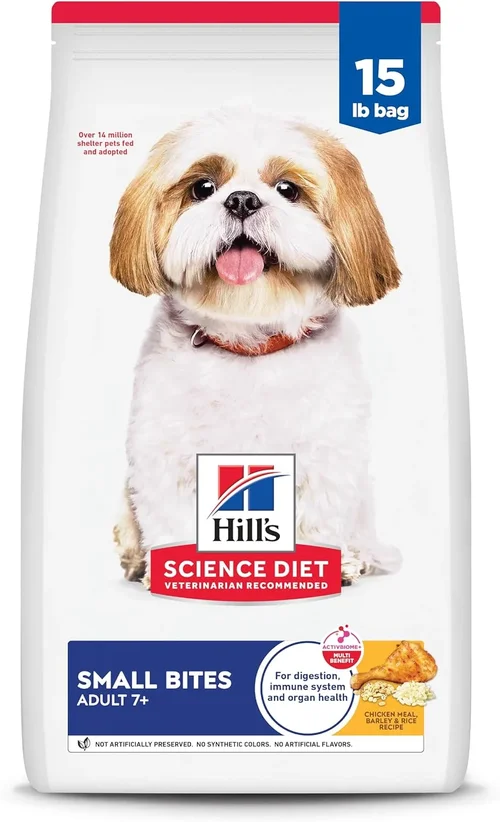
- Best Overall Value: Hill’s Science Diet Adult 7+ Small Bites – Veterinarian-recommended, with high-quality protein, joint support, and small kibble for easier chewing. Great for small to medium seniors.
- Best Premium Option: Wellness CORE Grain-Free Senior Recipe – High-protein, grain-free formula with deboned turkey, probiotics, and omega-3s. Ideal for active seniors or those with sensitivities.
- Best for Beginners: Blue Buffalo Life Protection Formula Senior – Easy to find, with natural ingredients, glucosamine, and L-carnitine. A solid all-around choice for first-time senior food buyers.
- Best for Advanced Users: The Farmer’s Dog Fresh Food – Customized, human-grade meals delivered fresh. Perfect for owners willing to invest in personalized, minimally processed nutrition.
Conclusion: Making the Right Choice
Choosing the best diet food for your senior dog is one of the most meaningful ways to show your love and commitment. It’s not just about extending their life—it’s about enhancing the quality of every moment you share. By focusing on high-quality protein, joint support, digestive health, and organ function, you can help your aging companion stay comfortable, active, and vibrant well into their golden years.
Remember, there’s no one-size-fits-all solution. Every senior dog is unique, with individual health needs, preferences, and challenges. Use this guide as a foundation, but always consult your veterinarian before making major dietary changes—especially if your dog has a medical condition. Monitor their weight, energy, coat condition, and stool quality closely, and don’t hesitate to adjust their diet as they age.
Ultimately, the best senior dog food is the one that keeps your furry friend happy, healthy, and by your side for as long as possible. With the right knowledge and care, you can make every meal a step toward a longer, more joyful life together.