
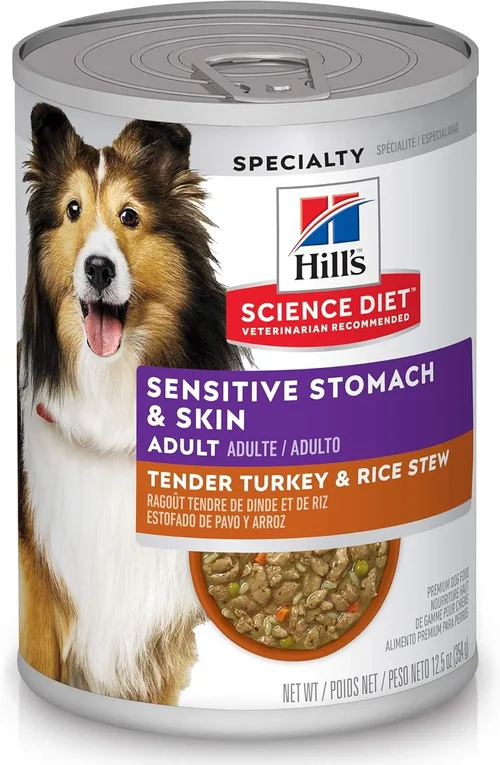
Food allergies in dogs are more common than many pet owners realize—and they can be incredibly frustrating to manage. If your dog is constantly scratching, suffering from ear infections, digestive upset, or skin irritations, food sensitivities might be the culprit. Unlike environmental allergies, which are triggered by pollen, dust, or mold, food allergies stem from an immune response to specific ingredients in your dog’s diet. The good news? With the right dietary approach, you can significantly reduce or even eliminate these symptoms, giving your furry friend a healthier, more comfortable life.
This comprehensive buying guide is designed to help you navigate the complex world of dog diets for food allergies. Whether you’re a first-time pet parent or a seasoned dog owner dealing with recurring health issues, this guide will equip you with the knowledge to make informed decisions. We’ll walk you through the key factors to consider when selecting a hypoallergenic or elimination diet, compare different types of specialized dog foods, highlight common pitfalls to avoid, and offer expert-backed recommendations based on real-world results. By the end, you’ll know exactly what to look for—and what to skip—when choosing the best diet for your allergic dog.
The market for allergy-friendly dog food has exploded in recent years, with dozens of brands claiming to offer “limited ingredient,” “hypoallergenic,” or “grain-free” formulas. While innovation is a good thing, it also means more confusion for pet owners. Not all “natural” or “premium” labels are created equal, and some products may even contain hidden allergens or fillers that worsen symptoms. This guide cuts through the marketing noise and focuses on science-backed, vet-recommended solutions that actually work. From hydrolyzed proteins to novel protein sources, we’ll break down the options so you can confidently choose a diet that supports your dog’s long-term health.
What to Look for When Buying Buying Guide
1. Ingredient Transparency and Simplicity
When your dog has food allergies, every ingredient matters. The first and most critical factor to consider is ingredient transparency. Look for brands that clearly list every component in their food—no vague terms like “meat by-products” or “animal digest.” A truly hypoallergenic diet should feature a limited number of high-quality, identifiable ingredients. This makes it easier to pinpoint and avoid allergens.
Simplicity is key. Diets with fewer ingredients reduce the risk of triggering an allergic reaction. For example, a food containing only one protein source (like duck or venison) and one carbohydrate (like sweet potato or peas) gives you better control over what your dog is consuming. Avoid foods with artificial colors, flavors, or preservatives, as these can also contribute to sensitivities. Always check the ingredient list for hidden allergens such as corn, soy, wheat, dairy, or eggs—common triggers in canine food allergies.
2. Protein Source: Novel vs. Hydrolyzed
The protein in your dog’s food is often the primary culprit in food allergies. Dogs can develop sensitivities to proteins they’ve been exposed to repeatedly, such as chicken, beef, or lamb. That’s why many allergy-friendly diets use either novel proteins or hydrolyzed proteins.
Novel proteins are ingredients your dog has never eaten before—like kangaroo, rabbit, duck, or venison. Because their immune system hasn’t encountered these proteins, they’re less likely to trigger a reaction. Hydrolyzed proteins, on the other hand, are broken down into such small molecules that the immune system no longer recognizes them as allergens. These are often used in prescription diets and are considered the gold standard for diagnosing and managing food allergies.
When choosing between the two, consider your dog’s history. If you’ve already tried multiple diets without success, a hydrolyzed formula may be more effective. For milder cases or maintenance after identifying safe ingredients, a novel protein diet can work well. Always consult your veterinarian before switching to a hydrolyzed diet, as these are typically available only through veterinary channels.
3. Carbohydrate Selection and Grain Content
While protein is the most common allergen, carbohydrates can also play a role. Grains like wheat, corn, and soy are frequent offenders, but even some grain-free diets use legumes (like peas or lentils) that may cause issues in sensitive dogs. The key is to choose easily digestible, low-allergen carbohydrates.
Sweet potatoes, peas, and potatoes are generally well-tolerated and provide good energy without spiking blood sugar. Avoid diets that rely heavily on corn, soy, or wheat—even if they’re labeled “grain-free,” as some substitute grains with other high-risk ingredients. Also, be cautious with diets that use multiple carbohydrate sources, as this increases the chance of including a hidden allergen.
It’s worth noting that “grain-free” doesn’t automatically mean “allergy-friendly.” In fact, some grain-free diets have been linked to dilated cardiomyopathy (DCM) in dogs due to high levels of legumes. Always prioritize balanced nutrition over trendy labels.
4. Additives, Preservatives, and Fillers
Even if the main ingredients are safe, additives and fillers can undermine an otherwise good diet. Artificial preservatives like BHA, BHT, and ethoxyquin have been linked to health issues and may exacerbate allergic reactions. Natural preservatives like mixed tocopherols (vitamin E) or rosemary extract are safer alternatives.
Fillers such as corn gluten meal, soybean meal, or beet pulp offer little nutritional value and can be difficult for sensitive dogs to digest. Similarly, artificial colors and flavors serve no purpose other than marketing and should be avoided. Look for foods that use natural sources for color and flavor, or better yet, none at all.
Some diets include probiotics, prebiotics, or omega-3 fatty acids (from fish oil), which can support gut health and reduce inflammation—beneficial for dogs with allergies. These functional additives are a plus, but only if they’re from high-quality, bioavailable sources.
5. Brand Reputation and Veterinary Backing
Not all pet food brands are created equal. When dealing with a medical condition like food allergies, it’s essential to choose a brand with a strong reputation for quality and safety. Look for companies that conduct feeding trials, publish nutritional adequacy statements, and are transparent about their manufacturing processes.
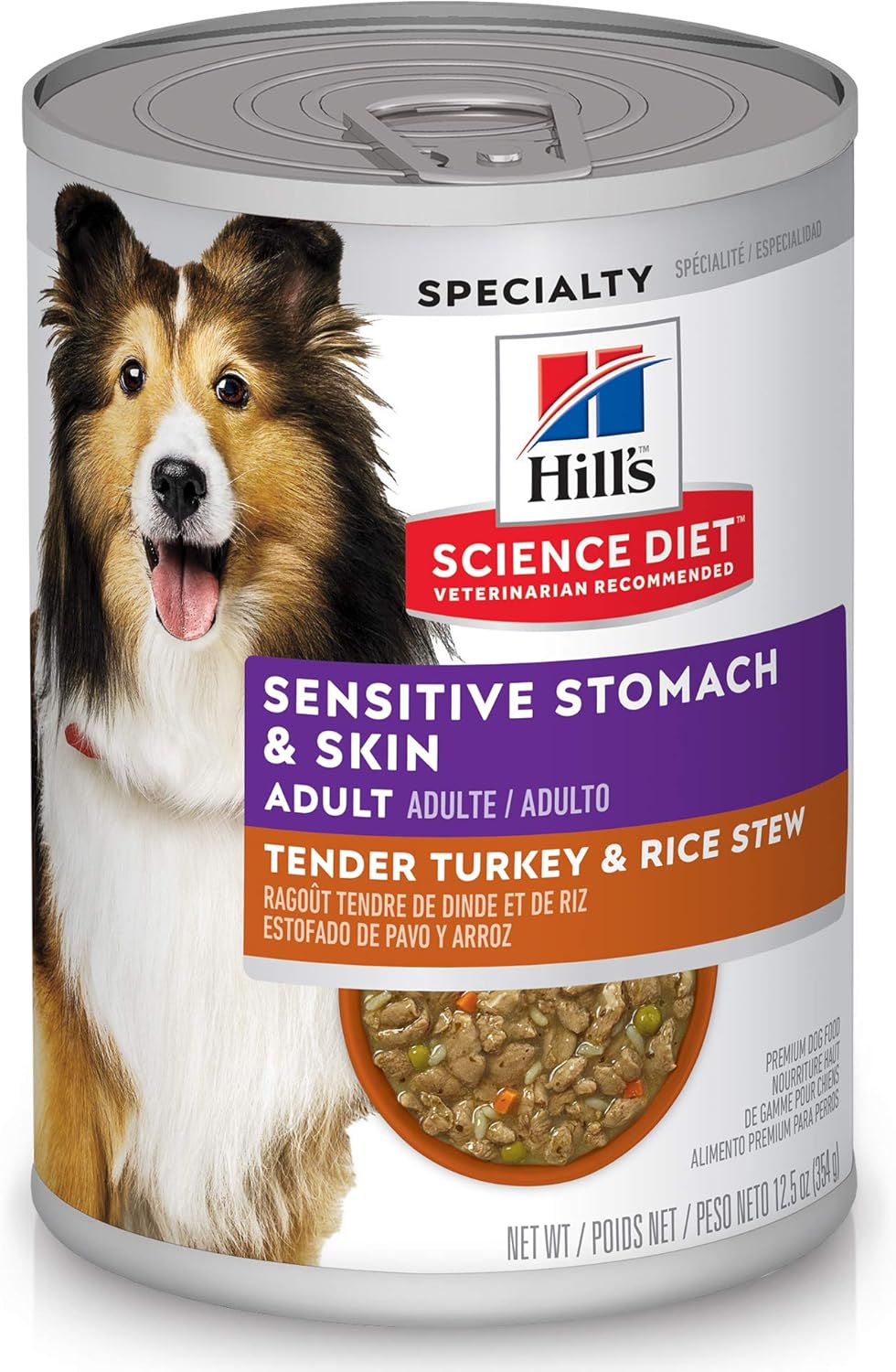
Brands that work closely with veterinary nutritionists or offer prescription diets (like Hill’s Science Diet, Royal Canin, or Purina Pro Plan Veterinary Diets) often have more rigorous standards. These companies invest in research and development to ensure their formulas meet strict nutritional guidelines. While prescription diets may be more expensive, they’re often worth the investment for dogs with confirmed allergies.
Independent brands that specialize in limited-ingredient or hypoallergenic diets—such as Natural Balance, Wellness Simple, or Blue Buffalo Basics—can also be excellent choices, provided they have positive reviews and third-party testing. Avoid unknown or boutique brands that lack transparency or scientific backing.
6. Price and Value for Money
Allergy-friendly dog food tends to be more expensive than standard kibble, but that doesn’t mean you need to break the bank. Prices can range from $2 to $6 per pound, depending on the brand, formulation, and availability. While cost is a factor, it shouldn’t be the only one—cheaper options may cut corners on ingredient quality or use fillers that worsen allergies.
Consider the long-term value. A higher-priced diet that eliminates symptoms and reduces vet visits can save you money over time. Look for bulk discounts, subscription plans, or auto-ship options that lower the per-pound cost. Some brands also offer money-back guarantees or free samples, which can help you test the food before committing.
Remember: the most expensive option isn’t always the best. Focus on finding a diet that works for your dog’s specific needs, not just one with a premium price tag.
7. Palatability and Digestibility
Even the best diet won’t help if your dog won’t eat it. Palatability is crucial, especially for picky eaters or dogs with sensitive stomachs. Some hypoallergenic diets use less common proteins or have a different texture, which can affect how appealing they are.
Look for reviews from other pet owners with allergic dogs—real-world feedback is invaluable. You can also ask your vet for samples or try small bags before buying in bulk. If your dog refuses to eat the food, it may be due to taste, smell, or texture. In such cases, you might need to experiment with different brands or forms (kibble, wet, freeze-dried).
Digestibility is equally important. A food that’s easy on the stomach reduces the risk of gastrointestinal upset, which can mimic or worsen allergy symptoms. High-quality proteins and fats, along with balanced fiber, contribute to better digestion. Monitor your dog’s stool quality, energy levels, and coat condition as indicators of how well they’re tolerating the diet.
8. Availability and Convenience
Managing a dog’s food allergies requires consistency. If your chosen diet is hard to find or only available through specialty retailers, it can be difficult to maintain long-term. Look for brands that are widely available online or in local pet stores, especially if you travel frequently or live in a rural area.
Prescription diets may require a vet’s authorization and are often only sold through veterinary clinics or authorized online pharmacies. While this ensures quality control, it can be inconvenient and costly. Some brands now offer telehealth consultations to streamline the process.
Convenience also includes packaging. Resealable bags, portion-controlled sizes, and easy-open containers make feeding simpler, especially for busy pet owners. Consider your lifestyle when choosing a brand—something that fits seamlessly into your routine will increase compliance and effectiveness.
Different Types of Buying Guide

Common Buying Mistakes to Avoid

❌ Mistake: Assuming All “Natural” or “Grain-Free” Foods Are Safe
Why it’s bad: The terms “natural” and “grain-free” are not regulated in the same way as “complete and balanced” diets. A food can be labeled natural but still contain allergens like chicken, beef, or soy. Similarly, grain-free diets often replace grains with legumes or potatoes, which can be problematic for some dogs.
What to do instead: Always read the full ingredient list, not just the front label. Look for specific claims like “limited ingredient” or “novel protein” and verify them with the ingredient panel. When in doubt, consult your vet or a veterinary nutritionist.
❌ Mistake: Switching Diets Too Frequently
Why it’s bad: Food trials for allergies require consistency. Switching between brands or formulas every few weeks makes it impossible to determine what’s causing a reaction. It can also stress your dog’s digestive system and worsen symptoms.
What to do instead: Stick to one diet for at least 8–12 weeks before evaluating results. During this time, avoid treats, table scraps, and flavored medications that could interfere with the trial. Keep a symptom journal to track progress.
❌ Mistake: Ignoring Treats and Supplements
Why it’s bad: Even if your dog’s main food is hypoallergenic, treats and supplements can contain hidden allergens. Many commercial treats include chicken, beef, or grains, which can sabotage an elimination diet.
What to do instead: Use treats made from the same protein source as your dog’s food, or choose single-ingredient options like freeze-dried duck or sweet potato. Always check supplement labels—especially for omega-3s or joint support products.
❌ Mistake: Skipping Veterinary Guidance
Why it’s bad: Food allergies can mimic other conditions like environmental allergies, parasites, or infections. Without a proper diagnosis, you might be treating the wrong issue, leading to prolonged discomfort for your dog.
What to do instead: Work with your veterinarian to rule out other causes and confirm a food allergy. They can recommend appropriate diets, conduct elimination trials, and monitor your dog’s progress. In some cases, they may suggest allergy testing or refer you to a specialist.
❌ Mistake: Choosing Based on Price Alone
Why it’s bad: While budget is important, the cheapest option may not be the most effective. Low-cost diets often use lower-quality proteins, fillers, or artificial additives that can trigger or worsen allergies.
What to do instead: Focus on value, not just cost. Consider the long-term benefits of a diet that reduces vet visits, improves coat condition, and enhances overall health. Look for brands that offer samples or money-back guarantees to test affordability and effectiveness.
❌ Mistake: Overlooking Cross-Contamination
Why it’s bad: Even trace amounts of an allergen can cause a reaction. Some manufacturers produce multiple formulas in the same facility, increasing the risk of cross-contamination with common allergens like chicken or beef.
What to do instead: Choose brands that use dedicated facilities or have strict cleaning protocols. Look for statements like “made in a facility free of common allergens” or “tested for cross-contamination.” When in doubt, contact the manufacturer directly.
❌ Mistake: Expecting Immediate Results
Why it’s bad: Food allergies develop over time, and reversing them takes patience. Some dogs show improvement within weeks, but others may take months. Expecting instant results can lead to frustration and unnecessary diet changes.
What to do instead: Be patient and consistent. Monitor your dog’s symptoms closely and give the diet a fair trial. If there’s no improvement after 12 weeks, consult your vet about trying a different approach, such as a hydrolyzed diet or further testing.
Budget Guidelines: How Much Should You Spend?
- Entry-Level ($2.00 – $3.50/lb): These diets are typically limited ingredient or grain-free formulas from mainstream brands. While affordable, they may use lower-quality proteins or include fillers. Best for dogs with mild sensitivities or as a starting point before upgrading. Examples include Blue Buffalo Basics or Iams Limited Ingredient.
- Mid-Range ($3.50 – $5.00/lb): This is the sweet spot for most pet owners. These diets offer high-quality novel proteins, better ingredient sourcing, and fewer additives. Brands like Natural Balance, Wellness Simple, and Merrick Limited Ingredient fall into this category. They’re widely available and effective for many allergic dogs.
- Premium ($5.00 – $6.50/lb): Premium diets include hydrolyzed protein formulas and prescription-grade options. These are often recommended for dogs with severe or multiple allergies. While more expensive, they offer the highest success rates. Examples include Hill’s Prescription Diet z/d and Royal Canin Hypoallergenic.
- Luxury ($6.50+/lb): At this level, you’ll find fresh, freeze-dried, or homemade-style diets with human-grade ingredients. These offer maximum control and customization but require more effort and cost. Brands like The Farmer’s Dog or Nom Nom fall here. Ideal for owners who want full transparency and are willing to invest in their dog’s health.

Expert Tips for Getting the Best Deal
- Buy in Bulk or Subscribe: Many brands offer discounts for larger bags or auto-ship programs. Subscribing can save 10–20% and ensure you never run out.
- Look for Sales and Promotions: Pet food brands often run seasonal sales (e.g., Black Friday, National Pet Day). Stock up during these periods to save money.
- Use Veterinary Discounts: Some clinics offer discounts on prescription diets for loyal clients or through wellness plans. Ask your vet about available programs.
- Compare Online Retailers: Prices can vary significantly between Chewy, Amazon, Petco, and brand websites. Use price comparison tools to find the best deal.
- Request Samples: Before committing to a large bag, ask your vet or the manufacturer for samples. This lets you test palatability and tolerance risk-free.
- Check Return Policies: Choose retailers with flexible return policies in case your dog doesn’t like the food or has a reaction.
- Join Loyalty Programs: Many pet stores offer rewards points, free shipping, or exclusive discounts for members. These can add up over time.
- Consider Local Co-ops or Buying Groups: Some communities organize group purchases to get wholesale pricing on premium dog food.

Frequently Asked Questions
Q: How long does it take to see results from a new allergy diet?
A: Most dogs show improvement within 4–8 weeks, but some may take up to 12 weeks. Consistency is key—avoid treats or foods outside the diet during this time.
Q: Can my dog outgrow a food allergy?
A: Unlike humans, dogs rarely outgrow food allergies. Once a sensitivity develops, it usually persists for life. However, proper management can keep symptoms under control.
Q: Are grain-free diets always better for allergic dogs?
A: Not necessarily. While some dogs are sensitive to grains, others react to proteins or legumes. Grain-free doesn’t equal hypoallergenic—always check the full ingredient list.
Q: Can I make my own hypoallergenic dog food at home?
A: Yes, but it requires careful planning to ensure nutritional balance. Consult a veterinary nutritionist to create a recipe that meets your dog’s needs.
Q: What if my dog reacts to a novel protein?
A: It’s rare, but possible. If your dog reacts to a new protein, try a different one or switch to a hydrolyzed diet. Keep a food diary to track reactions.
Q: Do I need a vet prescription for hydrolyzed diets?
A: Yes, most hydrolyzed diets are prescription-only and require authorization from a veterinarian. They’re typically sold through clinics or authorized online pharmacies.
Q: Can food allergies cause behavior changes?
A: Yes. Chronic discomfort from allergies can lead to irritability, restlessness, or anxiety. Improving diet often results in better mood and behavior.
Q: Are raw diets safe for allergic dogs?
A: Raw diets can be risky due to bacterial contamination and nutritional imbalances. If you choose raw, work with a vet to ensure it’s safe and complete.
Q: How do I know if my dog’s symptoms are from food or environmental allergies?
A: Food allergies often cause year-round symptoms, especially digestive issues and ear infections. Environmental allergies are typically seasonal and cause more respiratory or skin symptoms. A vet can help differentiate.
Q: Can I rotate proteins to prevent new allergies?
A: Protein rotation is controversial. Some experts believe it reduces the risk of developing new sensitivities, while others argue it can trigger reactions. Consult your vet before trying.
Our Final Recommendations
- Best for Budget-Conscious Buyers: Blue Buffalo Basics Limited Ingredient Diet – Affordable, widely available, and uses simple ingredients like turkey and potato. Great for mild sensitivities.
- Best Overall Value: Natural Balance L.I.D. Limited Ingredient Diets – Offers multiple novel protein options, high palatability, and excellent ingredient transparency at a reasonable price.
- Best Premium Option: Hill’s Prescription Diet z/d – A hydrolyzed protein formula with proven effectiveness for severe allergies. Requires a vet prescription but offers the highest success rate.
- Best for Beginners: Wellness Simple Limited Ingredient Diet – Easy to find, well-tolerated, and comes in multiple protein varieties. Ideal for first-time elimination diet users.
- Best for Advanced Users: The Farmer’s Dog – Fresh, customized meals with full ingredient control. Requires more effort and cost but offers unparalleled transparency and quality.
Conclusion: Making the Right Choice
Choosing the right diet for a dog with food allergies is one of the most important decisions you’ll make as a pet owner. It’s not just about managing symptoms—it’s about improving your dog’s quality of life, reducing vet visits, and building a stronger bond through better health. While the process can feel overwhelming, this guide has equipped you with the tools to navigate the options with confidence.
Remember, there’s no one-size-fits-all solution. What works for one dog may not work for another. The key is to prioritize ingredient quality, consistency, and veterinary guidance. Start with a clear understanding of your dog’s specific needs, avoid common pitfalls, and be patient throughout the trial period. With the right diet, most allergic dogs can live comfortably, happily, and symptom-free.
Don’t let marketing claims or trends dictate your choice. Focus on science, transparency, and your dog’s unique health profile. Whether you opt for a novel protein, a hydrolyzed formula, or a fresh homemade diet, the goal is the same: a healthier, itch-free, and vibrant companion. Take the first step today—your dog deserves nothing less.