
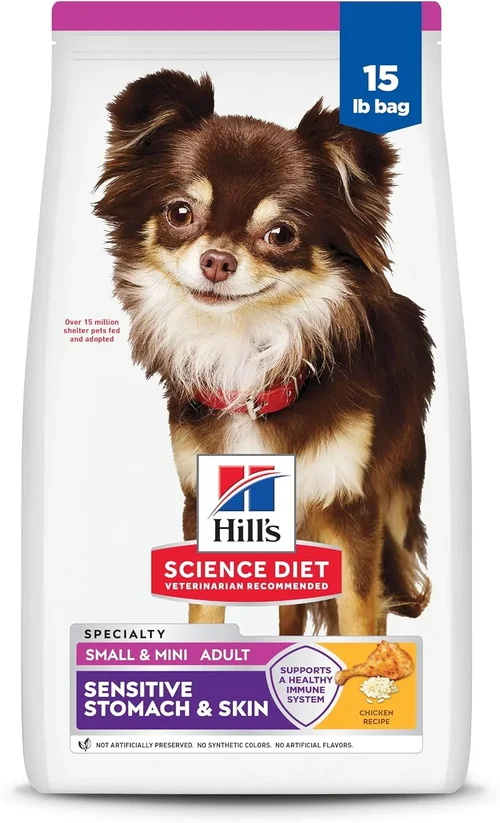
Pugs are more than just adorable, wrinkly-faced companions—they’re brachycephalic (short-nosed) dogs with unique dietary and health needs that require thoughtful consideration when choosing their food. With their compact build, tendency toward obesity, sensitive digestion, and predisposition to skin fold infections and joint issues, feeding your pug the right diet isn’t just about satisfying hunger—it’s about supporting lifelong wellness. The dog food market is flooded with options, from budget kibble to premium raw formulas, making it easy to feel overwhelmed. That’s why this comprehensive buyer’s guide exists: to cut through the noise and help you make an informed, confident decision that prioritizes your pug’s health, happiness, and longevity.
In this guide, you’ll learn exactly what to look for in a high-quality pug diet, including key nutritional components, ingredient red flags, portion control strategies, and how to match food type to your dog’s life stage and activity level. We’ll break down the most important factors—from protein sources and grain inclusion to kibble size and brand transparency—and compare different food categories like dry, wet, fresh, and raw. You’ll also discover common mistakes pug owners make (like overfeeding or ignoring dental health), get realistic budget guidelines, and receive expert tips for maximizing value without compromising quality. Whether you’re a first-time pug parent or a seasoned owner looking to upgrade your dog’s nutrition, this guide equips you with everything needed to choose the best possible food for your beloved companion.
The modern pet food landscape offers unprecedented variety, but not all options are created equal—especially for breeds like pugs with specific physiological challenges. From boutique brands touting “human-grade” ingredients to mass-market labels relying on fillers and artificial additives, the choices can be confusing. This guide demystifies the process by focusing on science-backed nutrition principles tailored specifically to pug biology. We’ll examine how factors like metabolism, jaw structure, and coat condition influence dietary needs, and provide actionable advice based on veterinary recommendations and real-world feeding experiences. By the end, you’ll have a clear roadmap to select a diet that supports healthy weight management, digestive balance, skin health, and overall vitality for your pug.

What to Look for When Buying Buying Guide
1. High-Quality Protein as the First Ingredient
Protein is the cornerstone of any healthy dog diet, but for pugs—who have moderate energy needs and are prone to weight gain—the source and quality matter greatly. Look for named animal proteins like “chicken,” “turkey,” or “salmon” listed as the first ingredient, not vague terms like “meat meal” or “animal by-products.” Whole meats provide complete amino acid profiles essential for muscle maintenance, immune function, and coat health. Avoid foods where carbohydrates dominate the top ingredients, as excess carbs can contribute to obesity—a major concern for pugs due to their low exercise tolerance and slow metabolism. Aim for diets with at least 25–30% crude protein on a dry matter basis, ideally from single or limited sources if your pug has sensitivities.
2. Controlled Fat Content for Weight Management
While fat provides concentrated energy and supports skin and coat health, pugs are notoriously prone to obesity—studies show over 50% of pugs are overweight or obese. Excess weight exacerbates breathing difficulties (due to their brachycephalic anatomy), strains joints, and increases diabetes risk. Therefore, choose foods with moderate fat levels—ideally between 12% and 16% on a dry matter basis. Look for healthy fat sources like chicken fat, flaxseed, or fish oil (rich in omega-3 fatty acids), which reduce inflammation and support cognitive function. Avoid foods listing generic “animal fat” or excessive plant oils high in omega-6, which can promote inflammation when unbalanced.
3. Digestible Carbohydrates and Fiber Balance
Pugs often suffer from sensitive stomachs and flatulence—partly due to their anatomy and partly due to poor digestion of low-quality carbs. Opt for easily digestible carbohydrate sources like sweet potatoes, peas, or oats instead of corn, wheat, or soy, which are common allergens and fillers. These complex carbs provide sustained energy without spiking blood sugar. Additionally, adequate fiber (around 3–5%) aids digestion and promotes satiety, helping prevent overeating. Prebiotic fibers like chicory root or beet pulp support gut microbiome health, which is linked to immune function and even mood regulation in dogs.
4. Appropriate Kibble Size and Shape
Pugs have small mouths and short muzzles, making it difficult for them to chew large or awkwardly shaped kibble. Large pieces can lead to choking, gulping, or incomplete chewing, increasing the risk of bloat (gastric dilatation-volvulus)—a life-threatening emergency. Choose small, bite-sized kibble designed for small breeds or toy dogs. Some brands offer uniquely shaped kibble that encourages chewing, which also supports dental health by reducing plaque buildup. If your pug tends to eat too quickly, consider a slow-feeder bowl or puzzle feeder to extend mealtime and improve digestion.
5. Joint and Skin Support Ingredients
Pugs are genetically predisposed to joint issues like patellar luxation and hip dysplasia, as well as skin fold dermatitis due to their deep wrinkles. Look for foods fortified with glucosamine and chondroitin—natural compounds that support cartilage health and joint lubrication. Omega-3 fatty acids (EPA and DHA from fish oil) are critical for reducing inflammation in both joints and skin. Antioxidants like vitamin E, selenium, and lutein help combat oxidative stress, supporting immune function and healthy skin barriers. Avoid artificial preservatives like BHA, BHT, or ethoxyquin, which may contribute to chronic inflammation.
6. Life Stage and Activity Level Alignment
Not all pug diets are created equal across life stages. Puppies need higher calories and calcium for growth, while senior pugs benefit from lower-calorie, high-fiber formulas to maintain weight and support aging organs. Active pugs may tolerate slightly higher fat, but most household pugs are relatively sedentary, so avoid “high-performance” or “active breed” formulas unless your dog has exceptional exercise needs. Always check the AAFCO (Association of American Feed Control Officials) statement on the packaging to ensure the food meets nutritional standards for your pug’s life stage (“growth,” “maintenance,” or “all life stages”).
7. Brand Transparency and Manufacturing Standards
Reputable brands disclose detailed information about sourcing, manufacturing locations, and testing protocols. Avoid companies that use vague language like “made with real meat” without specifying the source. Look for brands that conduct feeding trials (not just laboratory analysis) and publish ingredient traceability data. Third-party certifications like USDA Organic, Non-GMO Project Verified, or Global Animal Partnership (GAP) can offer additional assurance—but remember, certification doesn’t always equal superior nutrition. Prioritize brands with a history of recalls or ingredient scandals, and check sites like the FDA’s pet food recall database before purchasing.
8. Palatability Without Artificial Additives
Pugs can be picky eaters, but don’t sacrifice nutrition for taste. Many low-quality foods use artificial flavors, colors, or sweeteners (like corn syrup) to enhance palatability. Instead, choose foods that use natural flavor enhancers like real meat broth, dried liver, or yeast extract. These appeal to a dog’s sense of smell and taste without compromising health. If your pug refuses a new food, transition gradually over 7–10 days by mixing increasing amounts of the new food with the old. Never free-feed—measure portions and stick to a consistent schedule to monitor intake and adjust as needed.
Different Types of Buying Guide
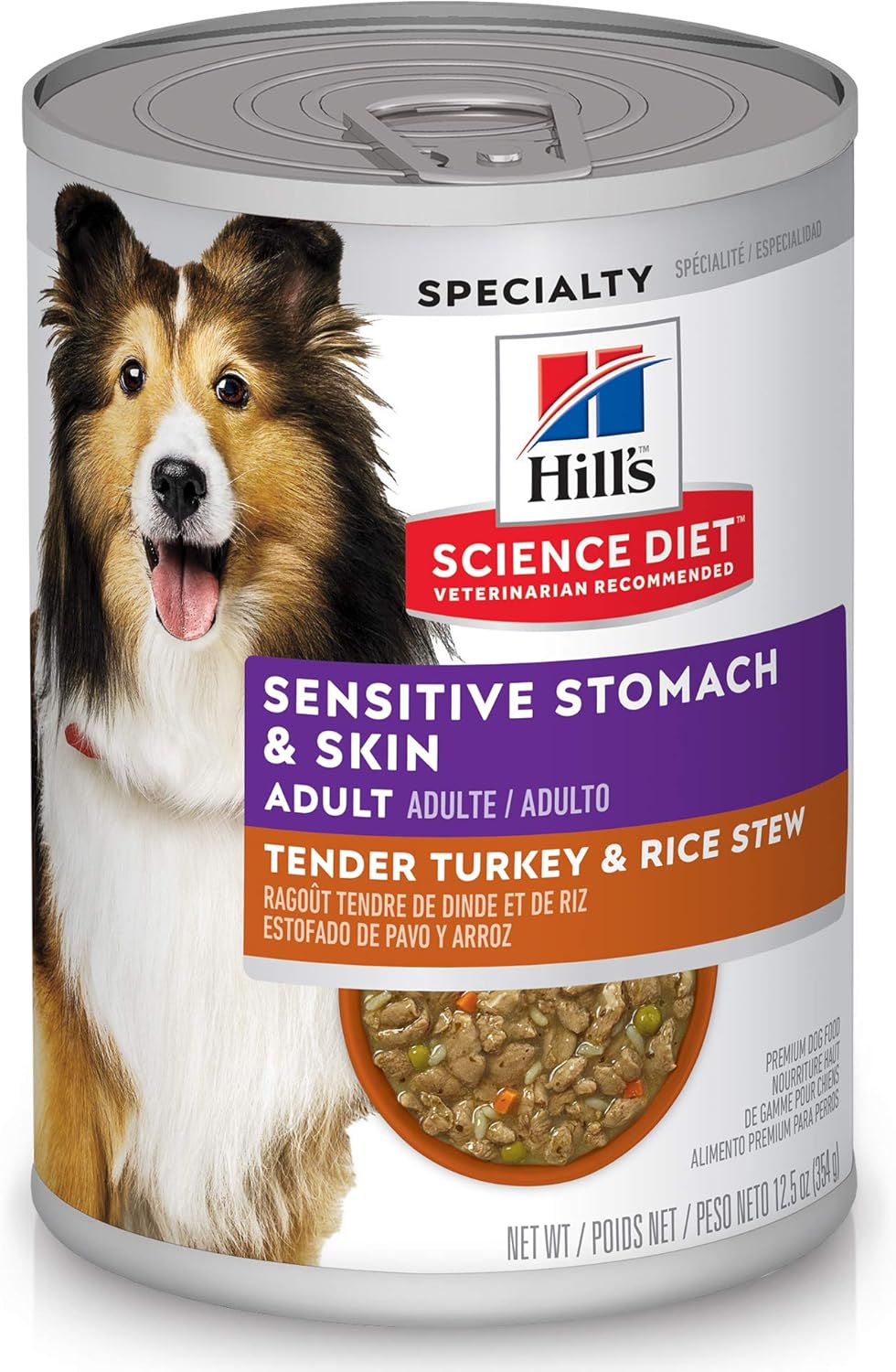
Common Buying Mistakes to Avoid
❌ Mistake: Choosing Food Based Solely on Price
Why it’s bad: Cheap dog foods often rely on fillers like corn, wheat, and soy, which offer little nutritional value and can trigger allergies or digestive upset in sensitive pugs. They may also contain unnamed meat meals or artificial preservatives linked to long-term health issues.
What to do instead: View dog food as a long-term investment in your pug’s health. A slightly higher upfront cost can prevent expensive vet bills down the line. Focus on ingredient quality and nutritional completeness rather than price per pound alone.
❌ Mistake: Overfeeding or Free-Feeding
Why it’s bad: Pugs have a strong food drive but low energy expenditure, making them prone to rapid weight gain. Free-feeding (leaving food out all day) removes portion control and encourages mindless snacking, increasing obesity risk.
What to do instead: Measure meals according to your pug’s ideal weight (not current weight if overweight) and feed twice daily. Use a kitchen scale for accuracy, and adjust portions based on body condition score (you should be able to feel—but not see—ribs).
❌ Mistake: Ignoring Life Stage Needs
Why it’s bad: Feeding adult food to a growing pug puppy can stunt development, while puppy food for seniors provides excess calories and calcium, straining kidneys and promoting weight gain.
What to do instead: Always match the food to your pug’s life stage. Transition gradually when moving between stages (e.g., from puppy to adult around 12–14 months).
❌ Mistake: Overlooking Dental Health
Why it’s bad: Pugs are predisposed to dental disease due to crowded teeth and small jaws. Soft or wet food alone doesn’t provide the mechanical abrasion needed to reduce plaque.
What to do instead: Combine dental-specific kibble (look for VOHC seal) with regular brushing and dental chews. Avoid sugary treats that accelerate decay.
❌ Mistake: Switching Foods Too Quickly
Why it’s bad: Sudden diet changes can cause diarrhea, vomiting, or refusal to eat—especially in sensitive pugs. The gut microbiome needs time to adapt.
What to do instead: Transition over 7–10 days: start with 25% new food + 75% old, gradually increasing the ratio every 2–3 days until fully switched.
❌ Mistake: Believing Marketing Claims Without Verification
Why it’s bad: Terms like “natural,” “holistic,” or “premium” are unregulated and meaningless without ingredient transparency. Some brands use these buzzwords to justify high prices for mediocre formulas.
What to do instead: Read the ingredient list and guaranteed analysis. Cross-check with independent reviews and veterinary nutrition resources. When in doubt, consult your vet.
❌ Mistake: Neglecting Hydration
Why it’s bad: Pugs on dry food diets are at higher risk of dehydration, which can contribute to urinary tract issues and kidney strain—especially in warmer climates.
What to do instead: Always provide fresh water and consider adding wet food or bone broth (unsalted) to increase moisture intake. Monitor urine color—pale yellow is ideal.
Budget Guidelines: How Much Should You Spend?
– Entry-Level ($1.50–$2.50/lb): What to expect… These foods often contain by-product meals, corn, and artificial additives. While some budget brands meet basic AAFCO standards, they rarely prioritize digestibility or breed-specific needs. Suitable for short-term use or supplemental feeding, but not ideal for long-term pug health. Examples include Purina Dog Chow or Iams.
– Mid-Range ($2.50–$4.00/lb): Sweet spot for most buyers… This tier offers high-quality proteins, limited fillers, and added functional ingredients like probiotics or omega fatty acids. Brands like Wellness Core Small Breed, Blue Buffalo Life Protection, and Nutro Ultra provide excellent balance of nutrition and affordability. Most pug owners find this range delivers optimal value without overspending.
– Premium ($4.00–$6.50/lb): For enthusiasts and professionals… These formulas use human-grade ingredients, novel proteins (like duck or venison), and advanced formulations targeting specific health concerns (e.g., joint support, sensitive skin). Brands such as Orijen, Acana, and The Honest Kitchen fall here. Ideal for pugs with allergies, chronic conditions, or owners seeking minimally processed options.
– Luxury ($6.50+/lb): Top-tier features… Includes fresh, raw, or custom-formulated diets with organic ingredients, rotational feeding plans, and veterinary oversight. Companies like Nom Nom, Farmer’s Dog, and Primal Pet Foods offer subscription-based services with personalized portions. Best for owners willing to invest significantly in preventive health and convenience.

Expert Tips for Getting the Best Deal
– Buy in bulk during seasonal sales: Major retailers like Chewy, Petco, and Amazon offer 20–30% off during Black Friday, Prime Day, or end-of-season clearances. Stock up on non-perishable kibble, but avoid overbuying—dog food loses freshness after opening.
– Subscribe and save: Most online pet stores offer 5–15% discounts for auto-ship subscriptions. Set reminders to pause or cancel if your pug’s needs change.
– Check local co-ops or vet clinics: Some independent pet stores or veterinary hospitals carry premium brands at competitive prices, especially if they partner directly with manufacturers.
– Compare unit pricing: Don’t just look at total price—calculate cost per pound or per meal. A larger bag isn’t always cheaper per unit.
– Read return policies: Ensure the retailer accepts returns if your pug refuses the food. Many online stores offer satisfaction guarantees.
– Test small quantities first: Before committing to a 20-lb bag, buy a trial size or split a multi-pack with a friend. Observe stool quality, energy levels, and coat condition over 2–3 weeks.
– Leverage loyalty programs: Sign up for rewards at PetSmart, Chewy, or local shops. Points can translate into free bags or discounts on future purchases.
– Consult your vet before switching: Especially if your pug has health conditions, get professional input on ingredient suitability. Some vets offer nutritional counseling at no extra cost.

Frequently Asked Questions
Q: Can pugs eat grain-free food?
A: Grain-free diets are not inherently better for pugs. Recent FDA investigations linked certain grain-free formulas (especially those high in legumes like peas and lentils) to dilated cardiomyopathy (DCM) in dogs. Unless your pug has a diagnosed grain allergy, whole grains like oats or barley can be healthy, digestible carbohydrate sources. Always prioritize balanced nutrition over trendy labels.
Q: How much should I feed my pug per day?
A: Most adult pugs (10–18 lbs) need 1/2 to 3/4 cup of high-quality dry food daily, split into two meals. Puppies may require up to 1 cup, while seniors need slightly less. Use the feeding guidelines on the package as a starting point, then adjust based on body condition. Avoid free-feeding.
Q: Is wet food better than dry for pugs?
A: Wet food offers superior hydration and palatability, making it great for picky eaters or dogs with dental issues. However, it’s more expensive and doesn’t provide the dental benefits of crunchy kibble. Many owners use a combination: dry food for meals, wet as a topper or occasional treat.
Q: Should I avoid chicken if my pug has allergies?
A: Chicken is a common allergen, but true food allergies are rare—most “allergies” are environmental (pollen, dust). If your vet confirms a chicken allergy, switch to a novel protein like duck, rabbit, or salmon. Never eliminate ingredients without professional guidance.
Q: Can I make homemade food for my pug?
A: Homemade diets can work but require careful formulation to avoid deficiencies (e.g., calcium, taurine). Consult a veterinary nutritionist to create a balanced recipe. Improperly balanced homemade food can lead to serious health problems over time.
Q: How often should I change my pug’s food?
A: There’s no need to rotate foods unless your pug develops sensitivities or you’re addressing specific health goals. Consistency is key for digestive health. If rotating, do so every 3–6 months and transition gradually.
Q: What signs indicate my pug’s food isn’t working?
A: Watch for persistent gas, loose stools, itchy skin, dull coat, lethargy, or excessive weight gain/loss. These may signal intolerance, poor digestibility, or nutritional imbalance. Keep a food journal to track changes.
Q: Are probiotics important in pug food?
A: Yes! Pugs often suffer from digestive upset due to their anatomy and sensitivity. Look for foods with added probiotics (like Lactobacillus) or supplement with vet-approved probiotic powders to support gut health.
Q: Can pugs eat fruits and vegetables?
A: In moderation, yes. Safe options include blueberries, carrots, green beans, and pumpkin (great for digestion). Avoid grapes, raisins, onions, and garlic—all toxic to dogs. Always chop finely and introduce slowly.
Q: How do I know if my pug is overweight?
A: Use the Body Condition Score (BCS): you should be able to feel ribs without seeing them, have a visible waist when viewed from above, and an abdominal tuck from the side. If ribs are hidden under fat or the waist is absent, consult your vet for a weight-loss plan.
Our Final Recommendations
– Best for Budget-Conscious Buyers: Wellness Complete Health Small Breed Dry Dog Food – Offers real deboned chicken, oats, and chelated minerals at an accessible price. No artificial additives, and kibble size is perfect for pugs.
– Best Overall Value: Blue Buffalo Life Protection Formula Small Breed – Combines high-quality protein, brown rice, and LifeSource Bits (antioxidant blend). Widely available and consistently rated for palatability and digestibility.
– Best Premium Option: Orijen Original Grain-Free Dry Dog Food – Biologically appropriate with 85% animal ingredients, including fresh regional meats. Excellent for pugs needing dense nutrition without fillers—though monitor for DCM risk factors.
– Best for Beginners: Royal Canin Pug Adult Dry Dog Food – Specifically formulated for pugs with kibble shape designed for their jaw, L-carnitine for weight control, and EPA/DHA for skin health. Backed by veterinary research.
– Best for Advanced Users: The Farmer’s Dog Fresh Beef Recipe – Human-grade, gently cooked meals delivered fresh. Customized portions, no preservatives, and excellent for pugs with sensitivities. Requires subscription but offers unparalleled transparency.
Conclusion: Making the Right Choice
Choosing the right diet for your pug is one of the most impactful decisions you’ll make as a pet parent. It influences everything from their energy levels and coat shine to their risk of chronic disease and overall lifespan. By prioritizing high-quality protein, appropriate fat levels, digestible carbs, and breed-specific considerations—and avoiding common pitfalls like overfeeding or falling for marketing hype—you set your pug up for a vibrant, healthy life. Remember, the “best” food is the one that meets your dog’s individual needs, fits your lifestyle, and aligns with your budget. Don’t hesitate to consult your veterinarian, especially if your pug has existing health conditions. With the knowledge from this guide, you’re now equipped to navigate the crowded pet food aisle with confidence. Your pug deserves nothing less than optimal nutrition—start their journey to better health today.