

When it comes to your dog’s health, most pet parents focus on protein, fats, and essential vitamins—but one often-overlooked nutrient plays a quietly powerful role in your dog’s overall well-being: dietary fiber. While it doesn’t provide energy like fats or build muscle like protein, fiber is a digestive superhero. It helps regulate bowel movements, supports gut microbiome balance, aids in weight management, and can even help manage blood sugar levels in diabetic dogs. Yet, despite its importance, many commercial dog foods fall short on adequate fiber content, leaving dogs with irregular digestion, constipation, or diarrhea.
This comprehensive buying guide is designed to cut through the confusion and help you make informed, science-backed decisions about the best dietary fiber sources for your canine companion. Whether you’re dealing with a senior dog struggling with constipation, a pup prone to loose stools, or simply want to optimize your dog’s digestive health, understanding how to choose the right fiber-rich foods is essential. In this guide, you’ll learn how to evaluate fiber sources, distinguish between soluble and insoluble types, avoid common pitfalls, and select products that align with your dog’s breed, age, activity level, and health needs. We’ll also break down price ranges, compare different fiber delivery methods, and offer expert tips to ensure you’re getting the most value—and the best results—for your investment.
The market for dog fiber supplements and high-fiber dog foods has exploded in recent years, driven by growing awareness of gut health and the rise of holistic pet care. From pumpkin puree and psyllium husk to specialized prescription diets and fiber-enriched kibble, the options are vast—and not all are created equal. Some products are backed by veterinary research and formulated with precision, while others are little more than marketing gimmicks with minimal nutritional benefit. This guide will help you navigate that landscape with confidence, empowering you to choose fiber solutions that are safe, effective, and tailored to your dog’s unique needs.
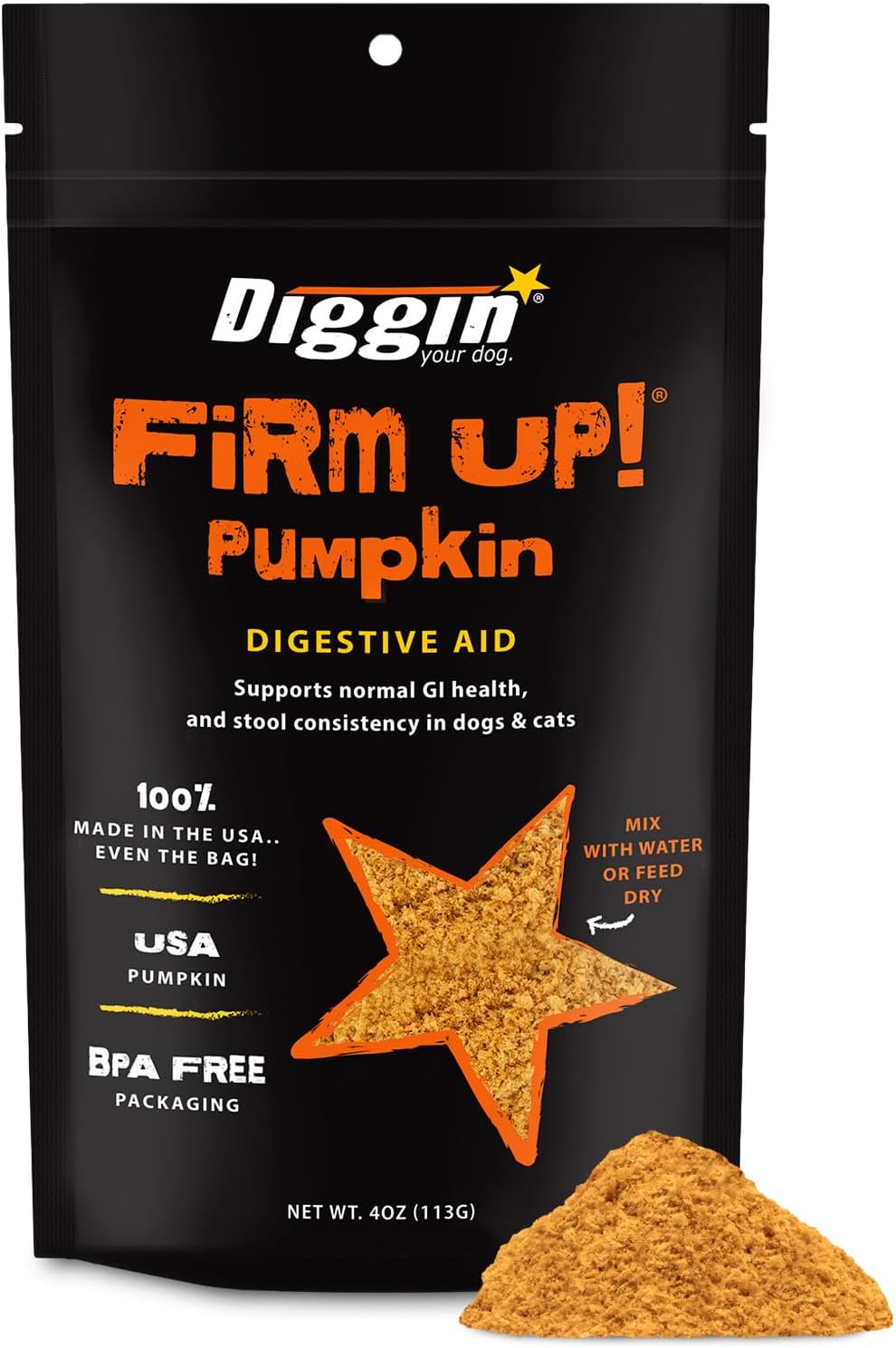
What to Look for When Buying Dietary Fiber Foods for Dogs
1. Type of Fiber: Soluble vs. Insoluble
Understanding the difference between soluble and insoluble fiber is the foundation of choosing the right product for your dog. Soluble fiber dissolves in water to form a gel-like substance in the digestive tract. It slows digestion, helps regulate blood sugar, and feeds beneficial gut bacteria. Sources like pumpkin, oats, and psyllium husk are rich in soluble fiber and are excellent for dogs with diarrhea or loose stools. Insoluble fiber, on the other hand, does not dissolve and adds bulk to the stool, promoting regular bowel movements. It’s ideal for dogs suffering from constipation. Common sources include beet pulp, cellulose, and certain vegetables like green beans.
For most dogs, a balanced mix of both types is ideal. However, the ratio should be adjusted based on your dog’s specific digestive issues. For example, a dog with chronic constipation may benefit from a higher proportion of insoluble fiber, while one with frequent diarrhea may need more soluble fiber to firm up stools. Always consult your veterinarian before making significant changes, especially if your dog has underlying health conditions.
2. Fiber Source Quality and Purity
Not all fiber sources are created equal. High-quality fiber should come from whole, minimally processed ingredients. For instance, canned pumpkin labeled as “100% pure pumpkin” is far superior to pumpkin-flavored fillers or byproducts. Similarly, psyllium husk should be free from additives, preservatives, or artificial colors. Organic and non-GMO options are preferable, especially for dogs with sensitive stomachs or allergies.
Be cautious of low-quality fillers like corn bran, wheat middlings, or soy hulls—these are often used as cheap fiber sources in budget dog foods but can be difficult to digest and may trigger food sensitivities. Always check the ingredient list: the fiber source should appear early and be clearly identified. If you see a long list of unrecognizable ingredients or chemical-sounding names, it’s a red flag.
3. Appropriate Fiber Content and Dosage
The amount of fiber your dog needs depends on their size, age, diet, and health status. Most healthy adult dogs thrive on a diet containing 2–5% dietary fiber. Puppies, seniors, and dogs with medical conditions may require adjustments. Too little fiber can lead to digestive sluggishness, while too much can cause gas, bloating, and nutrient malabsorption.
When selecting a fiber supplement or high-fiber food, check the guaranteed analysis on the packaging. This section lists the minimum or maximum percentages of key nutrients, including crude fiber. For supplements, follow the dosing instructions carefully—over-supplementation can do more harm than good. Start with a small amount and gradually increase over several days to allow your dog’s digestive system to adapt.
4. Form and Convenience: Powder, Kibble, Fresh, or Canned?
Fiber can be delivered in various forms, each with its own pros and cons. Kibble with added fiber is convenient and shelf-stable, making it ideal for daily feeding. However, many commercial kibbles use low-quality fiber sources or excessive fillers. Canned high-fiber foods often contain more moisture and palatable ingredients like pumpkin or sweet potato, which can be beneficial for dogs with low water intake or picky appetites.
Powdered supplements, such as psyllium husk or inulin, offer flexibility—you can mix them into your dog’s regular food. They’re especially useful for dogs on homemade diets or those needing targeted fiber support. Fresh or frozen options, like steamed green beans or pureed pumpkin, are excellent for occasional use but require refrigeration and have a shorter shelf life. Choose the form that best fits your lifestyle and your dog’s preferences.
5. Brand Reputation and Transparency
With so many pet food brands on the market, reputation matters. Look for companies with a proven track record of quality, safety, and transparency. Reputable brands publish detailed ingredient sourcing information, conduct third-party testing, and are responsive to customer inquiries. Avoid brands that use vague marketing claims like “all-natural” or “holistic” without backing them up with evidence.
Check for AAFCO (Association of American Feed Control Officials) statements on the packaging. These indicate whether the product meets nutritional standards for your dog’s life stage. Also, consider brands that have veterinary nutritionists on staff or collaborate with animal health experts. Online reviews and ratings can be helpful, but prioritize feedback from verified buyers and veterinary professionals.
6. Safety and Potential Allergens
Even natural fiber sources can cause adverse reactions in sensitive dogs. Common allergens include grains like wheat and corn, as well as certain legumes and dairy-based fibers. If your dog has known food allergies or intolerances, opt for hypoallergenic fiber sources such as pumpkin, sweet potato, or rice bran.
Introduce new fiber sources gradually to monitor for signs of digestive upset, such as vomiting, gas, or changes in stool consistency. Some dogs may experience temporary bloating when first adding fiber, but this usually resolves within a few days. If symptoms persist or worsen, discontinue use and consult your vet. Also, avoid fiber products containing xylitol, chocolate, or other toxic ingredients—even in small amounts.
7. Veterinarian Approval and Medical Considerations
While many fiber sources are safe for general use, dogs with medical conditions such as diabetes, pancreatitis, inflammatory bowel disease (IBD), or kidney disease may require specialized fiber formulations. For example, dogs with diabetes benefit from soluble fiber that slows glucose absorption, while those with IBD may need easily fermentable fibers like beet pulp to support gut healing.
Always consult your veterinarian before introducing fiber supplements, especially if your dog is on medication or has a chronic illness. Some fiber types can interfere with the absorption of certain drugs, such as antibiotics or thyroid medications. Your vet can also recommend prescription diets formulated with precise fiber levels for specific health conditions.
8. Cost-Effectiveness and Value
Price shouldn’t be the only factor, but it’s important to assess value for money. A cheaper product may seem appealing, but if it uses low-quality ingredients or requires large doses to be effective, it could end up costing more in the long run. Compare cost per serving or per gram of fiber to get a true sense of value.
Consider bulk purchasing for frequently used supplements, but only if the product has a long shelf life and your dog tolerates it well. Some premium brands offer subscription discounts or loyalty programs that can reduce overall costs. Remember: investing in high-quality fiber now can prevent costly vet visits later due to digestive issues.
Different Types of Dietary Fiber Foods for Dogs

Common Buying Mistakes to Avoid

❌ Mistake: Choosing Fiber Based Solely on Price
Why it’s bad: Opting for the cheapest option often means compromising on ingredient quality. Low-cost fiber sources like corn bran or wheat middlings may be poorly digested and can contribute to food sensitivities or inflammation. Over time, this can lead to chronic digestive issues, increased vet visits, and higher overall costs.
What to do instead: Focus on value, not just price. Compare cost per serving and ingredient quality. A slightly more expensive product with high-quality, digestible fiber will yield better results and long-term savings.
❌ Mistake: Ignoring Your Dog’s Specific Health Needs
Why it’s bad: Not all fiber is appropriate for every dog. For example, giving insoluble fiber to a dog with diarrhea can worsen symptoms, while soluble fiber may not help a constipated dog. Using a one-size-fits-all approach ignores individual digestive physiology and medical history.
What to do instead: Assess your dog’s current digestive health and consult your vet. Tailor your fiber choice to their specific needs—soluble for loose stools, insoluble for constipation, or a balanced blend for general maintenance.
❌ Mistake: Over-Supplementing Without Gradual Introduction
Why it’s bad: Adding too much fiber too quickly can cause gas, bloating, cramping, and even nutrient deficiencies. Dogs’ digestive systems need time to adapt to increased fiber intake, especially if they’re not used to it.
What to do instead: Start with a small amount—about ¼ to ½ teaspoon per 10 pounds of body weight—and gradually increase over 5 to 7 days. Monitor your dog’s stool, energy levels, and behavior closely.
❌ Mistake: Relying on Marketing Claims Over Ingredient Lists
Why it’s bad: Terms like “natural,” “premium,” or “high-fiber” are not regulated and can be misleading. A product labeled “high-fiber” might still contain low-quality fillers or insufficient active fiber to make a real difference.
What to do instead: Always read the ingredient list and guaranteed analysis. Look for specific, recognizable fiber sources and avoid products with vague or proprietary blends.
❌ Mistake: Using Human Fiber Supplements Without Vet Approval
Why it’s bad: Human fiber supplements may contain ingredients unsafe for dogs, such as xylitol, artificial sweeteners, or high levels of certain minerals. Even seemingly harmless options like Metamucil can be risky if not dosed correctly.
What to do instead: Use only pet-specific fiber products or vet-approved human alternatives. When in doubt, ask your veterinarian for a safe recommendation.
❌ Mistake: Neglecting Hydration When Increasing Fiber
Why it’s bad: Fiber absorbs water in the digestive tract. Without adequate hydration, increased fiber can lead to harder stools and worsen constipation, especially with insoluble types.
What to do instead: Ensure your dog has constant access to fresh water. Consider adding wet food or water to dry kibble to boost moisture intake, especially when introducing fiber supplements.
❌ Mistake: Assuming All Pumpkin Products Are Equal
Why it’s bad: Many canned pumpkin products contain added sugars, spices (like nutmeg, which is toxic to dogs), or preservatives. These can cause digestive upset or other health issues.
What to do instead: Choose only 100% pure pumpkin puree with no added ingredients. Libby’s 100% Pure Pumpkin is a widely trusted option. Avoid pumpkin pie filling at all costs.
Budget Guidelines: How Much Should You Spend?
- Entry-Level ($15–$30): This tier includes basic high-fiber kibble or canned foods from mainstream brands. While convenient, these products often use lower-quality fiber sources like beet pulp or corn bran and may contain fillers. Best for dogs with mild digestive needs or as a temporary solution. Expect limited ingredient transparency and fewer nutritional guarantees.
- Mid-Range ($30–$60): The sweet spot for most pet owners. These products typically feature higher-quality ingredients, balanced fiber profiles, and better sourcing. Brands in this range often include recognizable fiber sources like pumpkin, sweet potato, or oat bran. Many are AAFCO-compliant and suitable for daily feeding. Ideal for maintaining digestive health in healthy adult dogs.
- Premium ($60–$100): Designed for dogs with specific health concerns or those on specialized diets. These products often include veterinary-formulated fiber blends, probiotics, and prebiotics for enhanced gut support. Ingredients are typically organic, non-GMO, and sourced from trusted suppliers. Great for dogs with sensitive stomachs, weight issues, or chronic conditions.
- Luxury ($100+): Top-tier prescription diets or boutique brands with clinically proven formulations. These are often recommended by veterinarians for conditions like IBD, diabetes, or severe constipation. While expensive, they offer precise nutrient profiles, rigorous testing, and therapeutic benefits. Best for dogs with complex medical needs where diet plays a critical role in management.
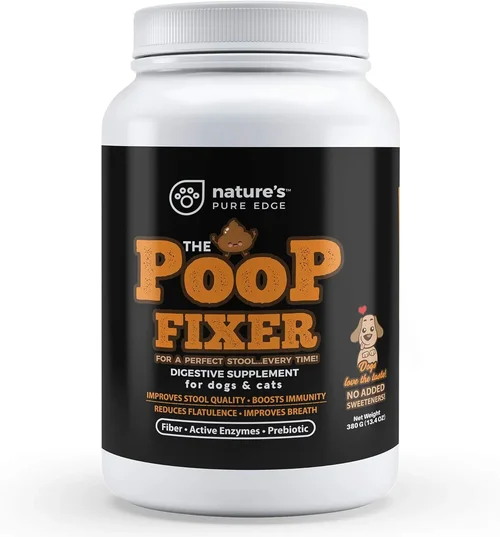
Expert Tips for Getting the Best Deal
- Buy in Bulk During Sales: Many pet food retailers offer discounts during seasonal promotions (e.g., Black Friday, end-of-summer sales). Stock up on shelf-stable items like kibble or powdered supplements when prices drop, but only if your dog tolerates the product well.
- Subscribe and Save: Online retailers like Chewy, Amazon, and Petco offer subscription services with 5–15% off recurring orders. This ensures you never run out and locks in lower prices over time.
- Compare Unit Prices: Don’t just look at the total cost—compare price per pound or per serving. A larger bag may seem expensive upfront but offer better value in the long run.
- Check for Coupons and Rebates: Sign up for brand newsletters, loyalty programs, or cashback apps like Rakuten. Many pet food companies offer first-time buyer discounts or referral bonuses.
- Ask Your Vet for Samples: Some veterinary clinics provide free samples of prescription or therapeutic diets. This allows you to test the product before committing to a full purchase.
- Read Return Policies: Ensure the retailer accepts returns if your dog doesn’t tolerate the product. Some brands offer money-back guarantees, which reduces financial risk.
- Test Small Quantities First: Before buying a large bag or container, purchase a small size or single-serving pack to assess your dog’s acceptance and digestive response.
- Monitor for Expired or Recalled Products: Check expiration dates and stay informed about recalls through the FDA or brand websites. Using expired fiber supplements can reduce efficacy or pose health risks.

Frequently Asked Questions
Q: Can I give my dog too much fiber?
A: Yes. Excessive fiber can interfere with the absorption of essential nutrients like calcium, zinc, and iron. It may also cause gas, bloating, and diarrhea. Always follow recommended dosages and introduce fiber gradually.
Q: Is pumpkin safe for dogs?
A: Yes, 100% pure pumpkin puree (not pie filling) is safe and highly beneficial for dogs. It’s rich in soluble fiber and helps regulate digestion. Use 1–4 tablespoons per day depending on your dog’s size.
Q: Can fiber help with my dog’s weight loss?
A: Absolutely. High-fiber diets increase satiety, helping dogs feel fuller longer. This can reduce overeating and support healthy weight management, especially when combined with portion control and exercise.
Q: Are fiber supplements necessary if my dog eats commercial kibble?
A: Not always. Many quality kibbles contain adequate fiber. However, if your dog has digestive issues, is on a homemade diet, or needs targeted support, supplements can be helpful. Consult your vet to determine if supplementation is needed.
Q: Can puppies eat high-fiber foods?
A: Puppies have different nutritional needs and should not be fed adult high-fiber diets unless advised by a vet. Excess fiber can interfere with growth. Use only puppy-specific formulas or vet-recommended supplements.
Q: How long does it take for fiber to work?
A: Most dogs show improvement in stool consistency within 24–48 hours. However, full digestive adaptation may take 5–7 days. Consistency is key—fiber works best when given regularly.
Q: Can I mix fiber supplements with wet food?
A: Yes. Mixing powdered or pureed fiber with wet food is an excellent way to enhance palatability and ensure even distribution. Just avoid overheating, as high temperatures can degrade some fiber types.
Q: Are there natural alternatives to commercial fiber supplements?
A: Yes. Steamed green beans, cooked sweet potatoes, and plain oatmeal are natural, fiber-rich options. Always prepare them plainly—no salt, butter, or seasonings.
Q: Should I stop fiber if my dog has diarrhea?
A: Not necessarily. Soluble fiber can actually help firm up stools. However, if diarrhea persists or is accompanied by vomiting, lethargy, or blood, seek veterinary care immediately.
Q: Can fiber help with anal gland issues?
A: Yes. Adequate fiber promotes firm, bulky stools that naturally express the anal glands during defecation. This can reduce the need for manual expression and prevent impaction.
Our Final Recommendations
- Best for Budget-Conscious Buyers: Purina Pro Plan High Fiber Dry Dog Food – Offers a balanced 5% fiber content with beet pulp and barley at an affordable price. Great for daily maintenance and mild digestive support.
- Best Overall Value: Wellness CORE Grain-Free Reduced Fat Recipe – Combines high-quality protein with pumpkin and flaxseed for natural fiber. Ideal for weight management and digestive health without breaking the bank.
- Best Premium Option: Hill’s Science Diet Adult Perfect Weight – Clinically proven to support weight loss with a precise fiber blend. Backed by veterinary research and formulated for long-term health.
- Best for Beginners: 100% Pure Pumpkin Puree (Libby’s) – Simple, safe, and effective. Easy to dose and mix into any diet. Perfect for first-time fiber users.
- Best for Advanced Users: Purina Pro Plan Veterinary Diets EN Gastroenteric Fiber-Enhanced – A prescription-grade formula for dogs with chronic digestive disorders. Offers targeted soluble and insoluble fiber in a highly digestible base.
Conclusion: Making the Right Choice
Choosing the right dietary fiber for your dog is more than just picking a product off the shelf—it’s about understanding your dog’s unique digestive needs, health status, and lifestyle. From the type of fiber and ingredient quality to form, dosage, and cost, every decision impacts your dog’s well-being. By prioritizing transparency, consulting your veterinarian, and avoiding common pitfalls, you can make a confident, informed choice that supports long-term digestive health.
Remember, fiber is not a cure-all, but when used correctly, it’s a powerful tool in maintaining regularity, managing weight, and promoting a healthy gut microbiome. Whether you opt for a high-fiber kibble, a simple pumpkin supplement, or a veterinary-prescribed diet, consistency and observation are key. Monitor your dog’s response, adjust as needed, and celebrate the small victories—like firm stools and improved energy.
Your dog relies on you to make the best decisions for their health. With the knowledge and guidance in this buying guide, you’re now equipped to do just that. Take the next step: assess your dog’s current diet, identify any digestive concerns, and choose a fiber solution that aligns with their needs. A healthier, happier dog starts with what’s in their bowl.