

A dog’s digestive health is one of the most critical—and often overlooked—aspects of their overall well-being. Just like humans, dogs rely on a balanced, easily digestible diet to absorb nutrients, maintain energy levels, support immune function, and promote healthy bowel movements. Yet, many pet owners unknowingly feed their dogs foods that cause gas, bloating, diarrhea, constipation, or long-term gastrointestinal issues. Whether your dog has a sensitive stomach, chronic digestive problems, or you’re simply aiming to optimize their nutrition, choosing the right digestive food can make a world of difference.
This comprehensive guide is designed to help you navigate the crowded and often confusing world of dog food with confidence. We’ll walk you through the essential factors to consider when selecting digestive-friendly dog food, explain the different types available, highlight common pitfalls to avoid, and provide expert-backed recommendations based on real-world performance and veterinary insights. Whether you’re dealing with a puppy with a tender tummy, an adult dog with food sensitivities, or a senior canine struggling with digestion, this guide will equip you with the knowledge to make the best choice for your furry friend.
The market for digestive dog food has exploded in recent years, driven by increased awareness of pet nutrition and the rise of specialized formulas targeting gut health. From prescription diets recommended by veterinarians to over-the-counter options packed with probiotics and prebiotics, the options are vast—and not all are created equal. Some brands use marketing buzzwords like “natural” or “grain-free” without delivering real digestive benefits, while others rely on low-quality fillers that do more harm than good. Our goal is to cut through the noise and deliver a clear, science-based, and practical roadmap to finding the best digestive food for your dog in 2026.
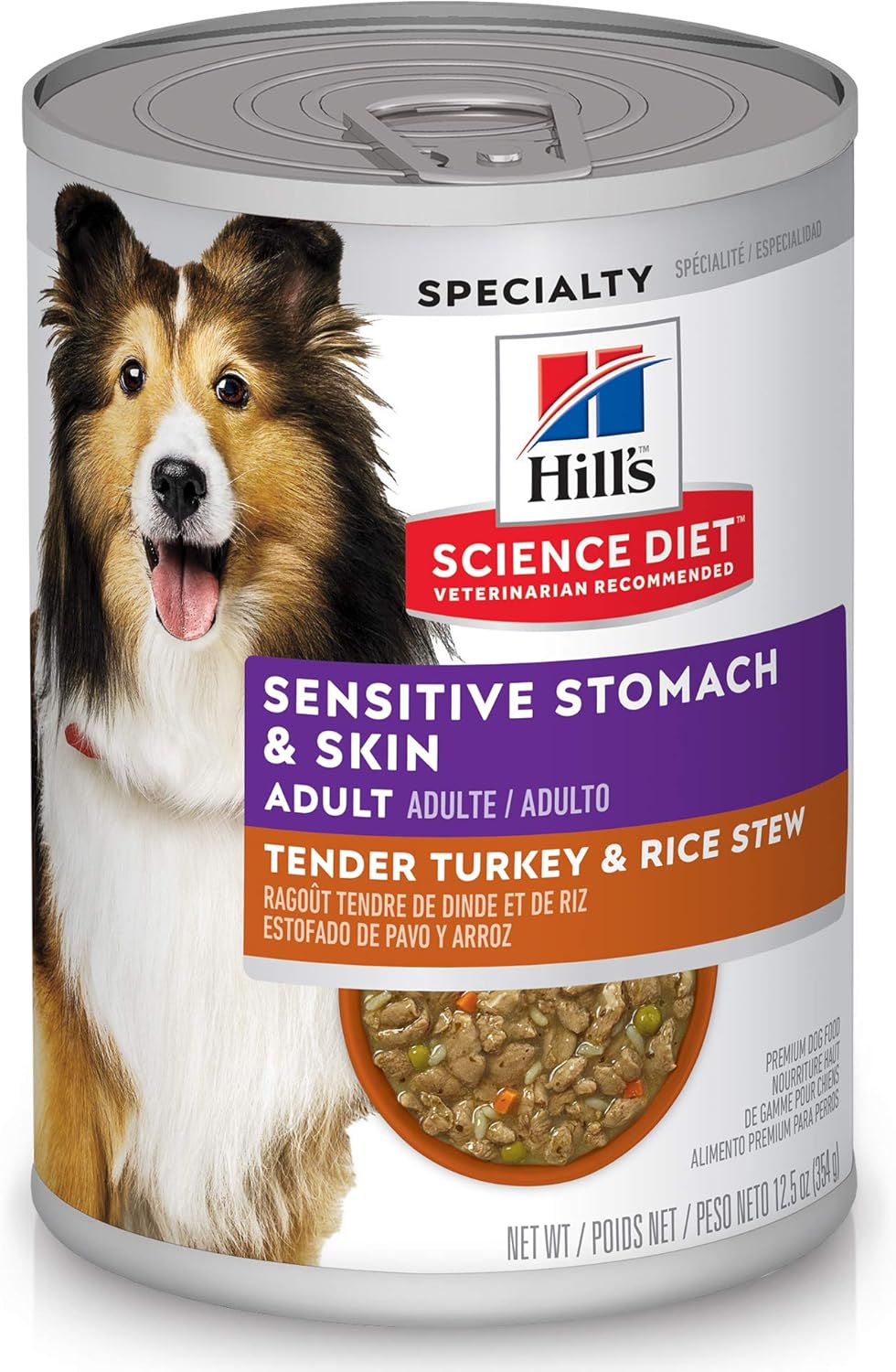
What to Look for When Buying Digestive Food for Dogs
1. High-Quality, Digestible Protein Sources
Protein is the foundation of any dog’s diet, but not all proteins are equally digestible. Dogs with sensitive stomachs or digestive issues often struggle with hard-to-digest proteins like beef, lamb, or chicken by-products. Look for named, whole meat sources such as deboned chicken, turkey meal, or salmon listed as the first ingredient. These are typically easier on the digestive system and provide complete amino acid profiles.
Avoid vague terms like “meat meal” or “animal digest,” which can indicate lower-quality or inconsistent protein sources. Highly digestible proteins reduce the workload on your dog’s pancreas and intestines, minimizing the risk of upset stomachs and improving nutrient absorption. For dogs with known allergies, novel proteins like duck, venison, or rabbit may be better options.
2. Prebiotics and Probiotics for Gut Health
A healthy gut microbiome is essential for digestion, immunity, and even mood regulation in dogs. Prebiotics are non-digestible fibers that feed beneficial gut bacteria, while probiotics are live microorganisms that help restore and maintain a balanced intestinal environment.
Look for dog foods that include FOS (fructooligosaccharides), MOS (mannan oligosaccharides), or inulin as prebiotic sources. For probiotics, check the ingredient list for specific strains such as Lactobacillus acidophilus, Bifidobacterium animalis, or Enterococcus faecium. These are well-researched and proven to support digestive health.
Not all probiotics survive the manufacturing process or reach the gut alive, so choose brands that guarantee live cultures and specify strain types and colony-forming units (CFUs). Some premium brands even include postbiotics—byproducts of bacterial fermentation—that further support gut lining integrity.
3. Easily Digestible Carbohydrates
While dogs don’t require carbohydrates, they can be a valuable energy source when sourced correctly. The key is choosing carbs that are gentle on the digestive system and don’t spike blood sugar. Avoid corn, wheat, and soy—common allergens and fillers that are difficult for many dogs to digest.
Instead, opt for pumpkin, sweet potato, peas, or oats. These ingredients are rich in soluble fiber, which helps regulate bowel movements and soothe the digestive tract. Pumpkin, in particular, is a natural remedy for both diarrhea and constipation due to its high water and fiber content.
4. Limited Ingredient Diets (LID)
Dogs with food sensitivities or allergies often benefit from limited ingredient diets, which contain fewer components to reduce the risk of triggering a reaction. These formulas typically feature one protein source and one carbohydrate source, along with minimal additives.
LID foods are especially useful during elimination trials, where you systematically remove potential allergens to identify the culprit. Common allergens include beef, dairy, chicken, eggs, wheat, and soy. By narrowing the ingredient list, you make it easier to pinpoint what’s causing digestive distress.
However, not all LID foods are created equal. Some still include artificial preservatives, colors, or flavor enhancers that can irritate the gut. Always read the full ingredient list and choose brands that prioritize transparency and simplicity.
5. Fiber Content and Balance
Fiber plays a dual role in digestion: it adds bulk to stool and feeds beneficial gut bacteria. However, too much or too little fiber can cause problems. The ideal fiber content for digestive health in dogs is typically between 3% and 5% on a dry matter basis.
Soluble fiber (found in oats, barley, and pumpkin) absorbs water and forms a gel-like substance that slows digestion and helps regulate bowel movements. Insoluble fiber (found in cellulose and beet pulp) adds bulk and speeds up transit time, which can help with constipation.
Avoid foods with excessive fiber (>7%), as this can lead to nutrient malabsorption and excessive gas. Conversely, very low-fiber diets may not provide enough support for gut motility. Look for a balanced blend of both types.
6. Absence of Artificial Additives
Artificial preservatives, colors, and flavors are not only unnecessary but can also irritate a sensitive digestive system. Common offenders include BHA, BHT, ethoxyquin, and artificial dyes like Red 40 or Yellow 5.
These chemicals have been linked to allergic reactions, hyperactivity, and long-term health issues in dogs. Instead, choose foods preserved with natural alternatives like mixed tocopherols (vitamin E), rosemary extract, or ascorbic acid (vitamin C).
Natural flavorings are generally safer, but be cautious—some “natural flavors” can still be derived from allergenic sources. When in doubt, contact the manufacturer for clarification.
7. Moisture Content (Wet vs. Dry Food)
Moisture plays a crucial role in digestion, especially for dogs prone to constipation or urinary issues. Wet food typically contains 70–80% water, which helps keep your dog hydrated and softens stool, making it easier to pass.
Dry kibble, while convenient and beneficial for dental health, contains only about 10% moisture. Dogs who don’t drink enough water may become dehydrated, leading to harder stools and slower digestion.
For dogs with chronic digestive issues, a combination of wet and dry food—or a fully wet diet—can be highly beneficial. Some brands offer dehydrated or freeze-dried raw foods that can be rehydrated, offering the convenience of dry food with the moisture content of wet food.
8. Veterinary Endorsement and AAFCO Compliance
Not all dog foods are held to the same nutritional standards. The Association of American Feed Control Officials (AAFCO) sets guidelines for complete and balanced nutrition in pet food. Look for a statement on the packaging indicating that the food meets AAFCO standards for your dog’s life stage (e.g., “for all life stages” or “for adult maintenance”).
For dogs with medical conditions like inflammatory bowel disease (IBD), pancreatitis, or exocrine pancreatic insufficiency (EPI), a veterinary therapeutic diet may be necessary. These prescription foods are formulated under strict guidelines and often include highly digestible ingredients, added enzymes, and targeted nutrients.
Even if your dog doesn’t have a diagnosed condition, choosing a brand that collaborates with veterinary nutritionists or has been clinically tested can provide added peace of mind.
Different Types of Digestive Dog Food

Common Buying Mistakes to Avoid

❌ Mistake: Choosing Based on Marketing Claims Alone
Why it’s bad: Terms like “natural,” “holistic,” or “premium” are not regulated and can be used by any brand. A food labeled “grain-free” might still contain hard-to-digest legumes or potatoes that cause bloating in sensitive dogs.
What to do instead: Always read the ingredient list and guaranteed analysis. Focus on what’s actually in the food, not the packaging.
❌ Mistake: Switching Foods Too Quickly
Why it’s bad: Sudden diet changes can shock your dog’s digestive system, leading to diarrhea, vomiting, or refusal to eat. Even high-quality digestive foods need time to adjust to.
What to do instead: Transition over 7–10 days by gradually increasing the new food and decreasing the old. Start with 25% new food and 75% old, then move to 50/50, then 75/25, and finally 100% new.
❌ Mistake: Ignoring Portion Sizes and Feeding Guidelines
Why it’s bad: Overfeeding can lead to obesity and digestive strain, while underfeeding may result in nutrient deficiencies. Digestive foods are often more nutrient-dense, so portion control is crucial.
What to do instead: Follow the feeding guidelines on the package based on your dog’s weight and activity level. Adjust as needed and monitor body condition.
❌ Mistake: Assuming All Dogs Need Digestive Food
Why it’s bad: Healthy dogs with no digestive issues may not benefit from specialized formulas and could miss out on variety or cost savings.
What to do instead: Only switch to digestive food if your dog shows signs of GI distress. Consult your vet before making changes.
❌ Mistake: Overlooking Expiration Dates and Storage
Why it’s bad: Rancid fats or spoiled food can cause severe digestive upset. Probiotics lose potency over time, especially if stored improperly.
What to do instead: Check expiration dates, store food in a cool, dry place, and use airtight containers. Discard opened bags after 6 weeks.
❌ Mistake: Not Monitoring Your Dog’s Response
Why it’s bad: Even the best food may not work for every dog. Without tracking stool quality, energy levels, and coat condition, you won’t know if the food is truly helping.
What to do instead: Keep a simple journal noting your dog’s digestion, appetite, and behavior for the first few weeks on a new food.
❌ Mistake: Skipping Veterinary Advice for Chronic Issues
Why it’s bad: Persistent vomiting, diarrhea, or weight loss could signal underlying conditions like parasites, infections, or organ disease. Diet alone may not be enough.
What to do instead: Always consult your veterinarian if digestive problems last more than 48 hours or are accompanied by other symptoms.
Budget Guidelines: How Much Should You Spend?
– Entry-Level ($20–$35 per 15 lb bag): These foods often use lower-cost protein sources and may include fillers like corn or soy. While some budget brands offer decent digestibility, they typically lack probiotics, prebiotics, or high-quality fiber. Best for dogs with mild sensitivities or as a temporary solution.
– Mid-Range ($35–$55 per 15 lb bag): This is the sweet spot for most pet owners. These foods usually feature named meat proteins, digestible carbs, and added fiber. Many include probiotics and avoid artificial additives. Brands like Wellness Simple, Blue Basics, and Nutro Limited Ingredient fall into this category.
– Premium ($55–$85 per 15 lb bag): Premium digestive foods often use human-grade ingredients, novel proteins, and advanced formulations with guaranteed live probiotics. They may also include digestive enzymes, postbiotics, and omega-3 fatty acids for gut lining support. Ideal for dogs with chronic issues or owners seeking top-tier nutrition.
– Luxury ($85+ per 15 lb bag): These include veterinary therapeutic diets and boutique brands with freeze-dried or fresh ingredients. While expensive, they offer clinically proven results for dogs with severe digestive disorders. Examples include Hill’s Prescription Diet i/d, Royal Canin Gastrointestinal, and Purina Pro Plan Veterinary Diets.

Expert Tips for Getting the Best Deal
– Buy during seasonal sales: Major pet retailers often run promotions in January (New Year, New Diet), July (summer clearance), and November (Black Friday). Stock up when prices drop.
– Compare online vs. in-store prices: Online retailers like Chewy, Amazon, and Petco often have lower prices and free shipping. Use price-tracking tools to monitor fluctuations.
– Look for manufacturer rebates: Brands like Hill’s and Royal Canin frequently offer mail-in rebates or free sample packs for new customers.
– Check return policies: If your dog doesn’t tolerate the food, you want to be able to return it. Chewy and Petco have generous return windows.
– Test small bags first: Before committing to a large bag, buy a small size or sample pack to see how your dog reacts.
– Ask your vet for samples: Many veterinary clinics provide free samples of prescription or therapeutic diets.
– Join loyalty programs: Sign up for rewards programs at Petco, Chewy, or local pet stores to earn points and receive exclusive discounts.
– Consider subscription models: Auto-ship programs often include discounts and ensure you never run out of food.

Frequently Asked Questions
Q: How long does it take for digestive food to work?
A: Most dogs show improvement within 3–7 days, but it can take up to 4 weeks for the gut microbiome to fully adjust. Consistency is key—don’t switch foods prematurely.
Q: Can I mix digestive food with regular food?
A: Yes, but only during the transition period. Once your dog is stable, it’s best to feed a single, consistent diet to avoid reintroducing irritants.
Q: Is grain-free food better for digestion?
A: Not necessarily. Grain-free diets eliminate grains but may replace them with legumes or potatoes, which can cause gas or allergies in some dogs. Only choose grain-free if your dog has a confirmed grain sensitivity.
Q: Can puppies eat digestive food?
A: Yes, but ensure the food is formulated for growth or all life stages. Puppies have different nutritional needs than adults, so avoid adult maintenance formulas.
Q: What if my dog refuses to eat the new food?
A: Try warming it slightly, adding low-sodium broth, or mixing in a small amount of wet food. If refusal persists, consult your vet—it could indicate an underlying issue.
Q: Are raw diets good for digestion?
A: Raw diets can be highly digestible for some dogs but carry risks of bacterial contamination and nutritional imbalances. If considering raw, consult a veterinary nutritionist.
Q: Can digestive food help with bad breath?
A: Indirectly, yes. Poor digestion can lead to gas and halitosis. A healthier gut may reduce odor, but dental health is the primary factor in bad breath.
Q: Should I rotate digestive foods?
A: Rotation can prevent sensitivities, but do it gradually. Switch every 3–6 months and monitor for any adverse reactions.
Q: Is wet food better than dry for digestion?
A: Wet food’s higher moisture content can aid digestion, especially for dogs prone to constipation. However, dry food supports dental health. A combination is often ideal.
Q: Can I make homemade digestive food?
A: Yes, but it’s challenging to balance nutrients. If you choose homemade, work with a veterinary nutritionist to formulate a complete diet.
Our Final Recommendations
– Best for Budget-Conscious Buyers: Wellness Simple Limited Ingredient Diet – Offers high-quality protein, digestible carbs, and no artificial additives at a mid-range price.
– Best Overall Value: Blue Buffalo Basics Limited Ingredient Diet – Combines real meat, pumpkin, and prebiotics with strong brand reputation and wide availability.
– Best Premium Option: Hill’s Prescription Diet i/d – Clinically proven to improve digestion in dogs with GI issues, backed by veterinary research.
– Best for Beginners: Purina Pro Plan Sensitive Skin & Stomach – Easy to find, affordable, and includes probiotics and salmon as the primary protein.
– Best for Advanced Users: The Honest Kitchen Dehydrated Dog Food – Human-grade, minimally processed, and can be rehydrated for maximum digestibility and moisture.
Conclusion: Making the Right Choice
Choosing the best digestive food for your dog is not just about solving immediate stomach issues—it’s about investing in their long-term health, energy, and quality of life. A well-balanced, easily digestible diet can reduce vet visits, improve coat condition, enhance mood, and even extend lifespan. By focusing on high-quality ingredients, gut-supporting additives, and your dog’s individual needs, you can make a decision that truly benefits their well-being.
Remember, every dog is unique. What works for one may not work for another. Start with a thorough assessment of your dog’s symptoms, consult your veterinarian when necessary, and be patient during the transition. Use the guidelines in this article to evaluate options critically, avoid common pitfalls, and prioritize nutrition over marketing hype.
Your dog relies on you to make the best choices for their health. With the knowledge from this guide, you’re now equipped to do just that. Whether you’re managing a chronic condition or simply aiming to optimize your dog’s digestion, the right food is out there—and it could be the key to a happier, healthier life for your furry companion. Take the first step today.