

Preparing homemade meals for your dog is one of the most meaningful ways to take control of their health, nutrition, and overall well-being. In recent years, more pet owners have turned away from commercial kibble—often packed with fillers, artificial preservatives, and low-quality protein sources—and toward DIY dog food as a way to provide fresher, more natural, and highly personalized meals. Whether you’re concerned about food sensitivities, want to support your dog through a medical condition, or simply believe in feeding your furry friend the same quality ingredients you’d eat yourself, homemade dog food offers a powerful alternative.
But while the idea of cooking for your dog sounds simple, doing it safely and effectively requires knowledge, planning, and consistency. This comprehensive guide is designed to help you navigate the world of DIY dog food with confidence. You’ll learn how to balance essential nutrients, choose the right ingredients, avoid common pitfalls, and tailor meals to your dog’s unique needs—whether they’re a senior with joint issues, a puppy in rapid growth, or an active working breed. We’ll also break down cost considerations, compare different feeding approaches, and offer expert-backed tips to ensure your dog thrives on a homemade diet.
The market for pet nutrition has evolved dramatically, with increasing awareness of how diet impacts longevity, energy levels, coat health, and even behavior. Yet, despite the abundance of commercial options, many still fall short of meeting a dog’s biological needs. Raw diets, grain-free kibble, and limited-ingredient formulas have all had their time in the spotlight—but none offer the full transparency and customization that homemade meals can provide. This guide cuts through the noise, giving you science-based, practical advice to make informed decisions about your dog’s diet in 2026 and beyond.

What to Look for When Buying Buying Guide
1. Nutritional Balance & Completeness
One of the most critical factors in DIY dog food is ensuring that meals are nutritionally complete and balanced. Dogs require a precise mix of protein, fat, carbohydrates, vitamins, and minerals to maintain optimal health. Unlike humans, they have specific dietary needs—such as taurine, arachidonic acid, and certain B vitamins—that must be met through their food. A diet that’s too high in fat can lead to pancreatitis, while insufficient calcium can cause bone deformities, especially in large-breed puppies.
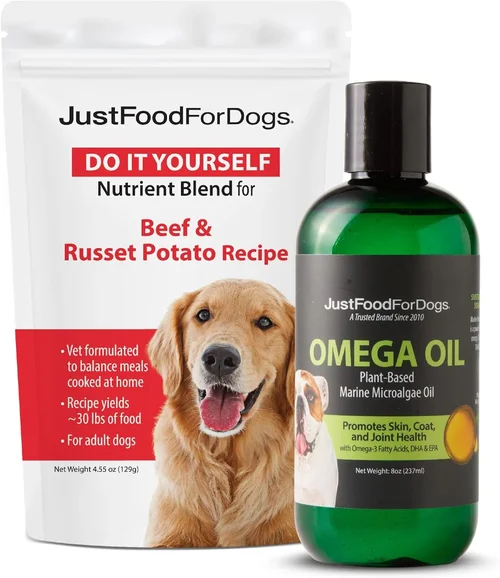
Look for recipes that are formulated by veterinary nutritionists or based on guidelines from organizations like the Association of American Feed Control Officials (AAFCO). These recipes typically include a balance of animal protein (like chicken, beef, or fish), healthy fats (such as salmon oil or flaxseed), digestible carbs (like sweet potatoes or oats), and essential supplements (including calcium, vitamin E, and omega-3s). Avoid recipes that rely solely on meat or that omit key nutrients—your dog’s long-term health depends on consistency and completeness.
2. Ingredient Quality & Sourcing
Not all ingredients are created equal. When preparing DIY dog food, prioritize human-grade, whole-food ingredients over processed or by-product-based alternatives. For example, choose fresh, lean cuts of meat instead of mechanically separated meat or meat meals. Opt for organic vegetables when possible, especially for items on the Environmental Working Group’s “Dirty Dozen” list, such as spinach and bell peppers.
Also consider the source of your ingredients. Locally sourced, pasture-raised, or grass-fed proteins often contain higher levels of beneficial nutrients like omega-3 fatty acids and conjugated linoleic acid (CLA). Avoid ingredients with added hormones, antibiotics, or artificial preservatives. If you’re unsure about a product’s quality, check labels carefully or consult with your veterinarian. Remember: what goes into your dog’s food directly impacts their energy, digestion, and immune function.
3. Dog-Specific Needs & Life Stage
Every dog is unique, and their dietary requirements vary based on age, size, breed, activity level, and health status. Puppies need more calories, protein, and calcium for growth, while senior dogs may benefit from lower-fat, high-fiber meals to support joint health and digestion. Active working dogs or sporting breeds require increased protein and fat for sustained energy, whereas sedentary or overweight dogs need calorie-controlled, nutrient-dense meals.
Health conditions also play a major role. Dogs with kidney disease may need reduced phosphorus and protein, while those with food allergies might require novel protein sources like duck or venison. Always consult your veterinarian before making significant dietary changes, especially if your dog has a medical condition. Tailoring meals to your dog’s individual needs ensures they receive the right fuel for their lifestyle.
4. Preparation Time & Convenience
While homemade dog food offers numerous benefits, it’s not always the most convenient option. Preparing balanced meals from scratch can be time-consuming, especially if you’re cooking for multiple dogs or have a busy schedule. Consider how much time you can realistically dedicate to meal prep each week. Some owners batch-cook meals and freeze them in portion-sized containers, while others use slow cookers or instant pots to simplify the process.
If time is a concern, look for recipes that require minimal prep or can be made in large quantities. You might also explore hybrid approaches—such as combining homemade meals with high-quality commercial toppers or supplements. The key is finding a system that fits your lifestyle without compromising your dog’s nutrition. Convenience shouldn’t come at the cost of quality, but it’s important to choose a method you can sustain long-term.
5. Storage & Shelf Life
Proper storage is essential to prevent spoilage and maintain nutrient integrity. Homemade dog food doesn’t contain the preservatives found in commercial kibble, so it has a shorter shelf life. Most cooked meals should be refrigerated and used within 5–7 days, while raw diets may last 3–5 days in the fridge. Freezing is the best option for long-term storage—portion meals into freezer-safe containers or silicone molds for easy thawing.
Label each container with the date and ingredients to avoid confusion. Thaw frozen meals in the refrigerator, never at room temperature, to reduce the risk of bacterial growth. If you notice any off smells, discoloration, or mold, discard the food immediately. Investing in quality storage solutions—like vacuum sealers or BPA-free containers—can extend freshness and make meal management easier.
6. Cost & Budget Considerations
One of the biggest misconceptions about DIY dog food is that it’s always more expensive than commercial options. While premium ingredients can add up, homemade meals can actually be cost-effective—especially if you buy in bulk, use seasonal produce, or choose less expensive protein sources like chicken thighs or ground turkey. Compare the cost per pound of your homemade meals to the price of high-end kibble or raw diets to get a realistic picture.
Keep in mind that initial costs may be higher due to the need for supplements, storage containers, and kitchen tools. However, over time, many owners find that homemade food reduces veterinary bills by improving overall health and preventing diet-related illnesses. Set a monthly budget and track your spending to ensure the diet remains sustainable. Remember: investing in quality nutrition now can lead to long-term savings in healthcare.
7. Safety & Food Handling
Food safety is paramount when preparing meals for your dog. Raw diets, in particular, carry a risk of bacterial contamination from pathogens like Salmonella, E. coli, and Listeria. Even cooked meals can become unsafe if not handled properly. Always wash your hands, utensils, and surfaces thoroughly before and after preparing food. Use separate cutting boards for raw meat and vegetables to avoid cross-contamination.
If you choose a raw diet, freeze meat for at least 48 hours before use to reduce parasite risk, especially with wild game or fish. Avoid feeding raw pork or undercooked eggs, which can carry harmful bacteria. For cooked meals, ensure all ingredients reach safe internal temperatures—meat should be cooked to at least 165°F (74°C). When in doubt, consult a veterinary nutritionist or use a food safety guide tailored to pet food preparation.
8. Transitioning & Monitoring
Switching your dog to a homemade diet should be done gradually to avoid digestive upset. Start by mixing a small amount of the new food with their current diet, increasing the proportion over 7–10 days. Watch for signs of intolerance, such as vomiting, diarrhea, or excessive gas. If symptoms persist, consult your vet—your dog may have a sensitivity to a specific ingredient.
Once on the new diet, monitor your dog’s weight, energy levels, coat condition, and stool quality. Regular check-ups with your veterinarian, including blood work, can help ensure the diet is meeting all nutritional needs. Adjust portions or ingredients as needed based on your dog’s response. A successful transition leads to improved vitality, better digestion, and a shinier coat—clear signs that your efforts are paying off.
Different Types of Buying Guide

Common Buying Mistakes to Avoid

❌ Mistake: Feeding an Unbalanced Diet
Why it’s bad: Many homemade diets fail to include essential nutrients like calcium, taurine, or vitamin E, leading to deficiencies over time. For example, a meat-only diet can cause calcium deficiency and bone problems, especially in growing puppies.
What to do instead: Use recipes formulated by veterinary nutritionists or consult a board-certified veterinary nutritionist (like those at BalanceIT.com) to ensure completeness. Always include a balanced ratio of protein, fat, carbs, and supplements.
❌ Mistake: Ignoring Portion Control
Why it’s bad: Overfeeding is a common issue with homemade diets, leading to obesity, joint stress, and reduced lifespan. Underfeeding can result in malnutrition and low energy.
What to do instead: Calculate your dog’s daily caloric needs based on weight, age, and activity level. Use a kitchen scale to measure portions accurately and adjust based on body condition scoring.
❌ Mistake: Using Toxic Ingredients
Why it’s bad: Some human foods are dangerous for dogs, including onions, garlic, grapes, chocolate, and xylitol. Even small amounts can cause toxicity or organ damage.
What to do instead: Familiarize yourself with dog-safe ingredients and avoid anything on the ASPCA’s toxic foods list. When in doubt, leave it out.
❌ Mistake: Not Consulting a Veterinarian
Why it’s bad: DIY diets can interact with medical conditions or medications. For example, a high-protein diet may worsen kidney disease.
What to do instead: Always discuss dietary changes with your vet, especially for dogs with health issues. Consider a referral to a veterinary nutritionist for complex cases.
❌ Mistake: Inconsistent Feeding Schedules
Why it’s bad: Dogs thrive on routine. Irregular feeding times can disrupt digestion, cause anxiety, and lead to overeating.
What to do instead: Feed at the same times each day, ideally twice daily for adult dogs. Stick to a consistent meal plan to support digestive health.
❌ Mistake: Overlooking Supplements
Why it’s bad: Even with high-quality ingredients, homemade diets often lack key nutrients unless supplemented. For example, calcium is rarely present in sufficient amounts in meat-based meals.
What to do instead: Use vet-recommended supplements like calcium carbonate, fish oil, or multivitamins. Follow dosing guidelines carefully to avoid toxicity.
❌ Mistake: Assuming All Dogs Need the Same Diet
Why it’s bad: A diet that works for a 10-pound Chihuahua won’t suit a 100-pound Mastiff. Ignoring individual needs can lead to poor health outcomes.
What to do instead: Customize meals based on your dog’s breed, size, age, and health. Regularly assess their condition and adjust the diet as needed.
Budget Guidelines: How Much Should You Spend?
- Entry-Level ($1.50–$2.50 per lb): This tier includes basic homemade meals using affordable proteins like chicken thighs, ground turkey, or eggs, paired with rice, carrots, and green beans. While cost-effective, these diets may require careful supplementation to avoid deficiencies. Best for healthy adult dogs with no special needs.
- Mid-Range ($2.50–$4.00 per lb): The sweet spot for most owners. Includes higher-quality proteins (like lean beef or salmon), organic vegetables, and essential supplements. Recipes are often balanced and vet-reviewed. Ideal for dogs with mild sensitivities or those transitioning from kibble.
- Premium ($4.00–$6.00 per lb): Features human-grade, organic, or ethically sourced ingredients, including grass-fed meats, wild-caught fish, and specialty supplements. Often includes functional add-ins like bone broth, probiotics, or turmeric. Best for performance dogs, those with chronic conditions, or owners prioritizing top-tier nutrition.
- Luxury ($6.00+ per lb): Top-tier diets with exotic proteins (like venison or duck), rare superfoods (such as spirulina or chia seeds), and custom formulations by veterinary nutritionists. May include freeze-dried components or raw diets with pathogen testing. Geared toward enthusiasts, show dogs, or dogs with complex medical needs.
Expert Tips for Getting the Best Deal
- Buy in Bulk: Purchase meat, grains, and supplements in larger quantities from warehouse clubs or online retailers like Costco or Chewy. This reduces the cost per meal and ensures you always have ingredients on hand.
- Shop Seasonally: Buy vegetables and fruits when they’re in season—like sweet potatoes in fall or berries in summer—for better prices and flavor. Frozen produce is also a great budget-friendly option and retains most nutrients.
- Use Sales & Coupons: Sign up for newsletters from pet supply stores and grocery chains to receive discounts. Look for BOGO deals on meat or promo codes for supplements.
- Batch Cook & Freeze: Prepare large batches of food on weekends and freeze in portioned containers. This saves time and reduces waste, especially if you’re feeding multiple dogs.
- Compare Online vs. In-Store: Online retailers often have lower prices and wider selections, but local butcher shops may offer discounts on off-cuts or organ meats. Compare prices and shipping costs before buying.
- Invest in Quality Tools: A good kitchen scale, food processor, and vacuum sealer can improve efficiency and food safety. These pay for themselves over time by reducing waste and spoilage.
- Track Your Spending: Keep a log of ingredient costs and meal outputs to calculate the true cost per pound. This helps you identify savings opportunities and stay within budget.
- Consider Co-Ops or Group Buys: Join local pet owner groups to split bulk purchases of meat or supplements. This is especially helpful for raw feeders who need large quantities.

Frequently Asked Questions
Q: Can I feed my dog a vegetarian or vegan diet?
A: While dogs are omnivores and can digest some plant matter, they require animal-based nutrients like taurine, vitamin B12, and arachidonic acid. A vegan diet is risky and not recommended without close veterinary supervision and synthetic supplementation. Most experts advise against it due to the high risk of deficiencies.
Q: How often should I feed my dog homemade food?
A: Adult dogs typically do well with two meals per day, while puppies may need three to four. Senior dogs or those with medical conditions may benefit from smaller, more frequent meals. Consistency in timing supports healthy digestion.
Q: Is raw food safer than cooked?
A: Raw diets carry a higher risk of bacterial contamination but may offer better nutrient retention and dental benefits. Cooked diets are safer for households with children, immunocompromised individuals, or dogs with weakened immune systems. Choose based on your comfort level and your dog’s health.
Q: Can I use leftovers for my dog’s meals?
A: Only if they’re plain, unseasoned, and free of toxic ingredients. Avoid fatty, salty, or spicy foods. Small amounts of cooked chicken, rice, or vegetables can be used as occasional additions, but they shouldn’t replace balanced meals.
Q: How do I know if my dog is getting enough nutrients?
A: Monitor their weight, energy, coat condition, and stool quality. Regular vet check-ups with blood work can detect deficiencies early. If your dog seems lethargic, has a dull coat, or digestive issues, consult your vet.
Q: Can I mix homemade food with kibble?
A: Yes, this hybrid approach can offer the best of both worlds—convenience and nutrition. Start by replacing 25% of kibble with homemade food and gradually increase. Ensure the combined diet remains balanced.
Q: What supplements are essential for homemade diets?
A: Calcium (especially for bone-in diets), omega-3 fatty acids (from fish oil), vitamin E, and a balanced multivitamin. Taurine may be needed for certain breeds or grain-free diets. Always follow dosing guidelines.
Q: How long can I store homemade dog food?
A: Cooked meals last 5–7 days in the fridge and up to 6 months in the freezer. Raw diets should be used within 3–5 days when refrigerated and frozen for longer storage. Always label containers with dates.
Q: Can puppies eat the same homemade food as adult dogs?
A: No. Puppies need higher levels of protein, fat, and calcium for growth. Use recipes specifically designed for puppies or consult a veterinary nutritionist to adjust adult recipes.
Q: What if my dog refuses homemade food?
A: Transition slowly by mixing it with their current food. Warm the meal slightly to enhance aroma, or add a small amount of bone broth or cooked egg to entice them. Patience and persistence usually pay off.
Our Final Recommendations
- Best for Budget-Conscious Buyers: Simple Chicken & Rice Recipe – Uses affordable, accessible ingredients like chicken thighs, brown rice, carrots, and green beans. Easy to prepare and gentle on the stomach. Add calcium and fish oil for balance.
- Best Overall Value: Balanced Beef & Sweet Potato Meal – Combines lean ground beef, sweet potatoes, spinach, and flaxseed for a nutrient-rich, tasty option. Mid-range cost with excellent digestibility and energy support.
- Best Premium Option: Wild-Caught Salmon & Quinoa Bowl – Features high-quality salmon, quinoa, blueberries, and pumpkin. Rich in omega-3s and antioxidants, ideal for active dogs or those with skin issues.
- Best for Beginners: Vet-Approved Chicken & Vegetable Stew – A slow-cooker recipe with chicken, carrots, peas, and oats. Simple, foolproof, and nutritionally complete with added supplements.
- Best for Advanced Users: Custom Raw Prey Model Diet – For experienced feeders, this includes whole prey elements like chicken necks, organs, and muscle meat. Requires careful balancing and sourcing but offers maximum biological appropriateness.
Conclusion: Making the Right Choice
Choosing to feed your dog a DIY diet is a powerful commitment to their health and happiness. It allows you to take control of what goes into their body, avoid harmful additives, and tailor meals to their unique needs. But with great power comes great responsibility—successful homemade feeding requires knowledge, planning, and ongoing attention to detail.
As you’ve learned, the best DIY dog food isn’t just about using fresh ingredients; it’s about creating balanced, complete meals that support your dog’s life stage, activity level, and health status. Whether you’re cooking up a simple chicken stew or crafting a raw prey model diet, the key is consistency, safety, and regular monitoring.
Remember, every dog is different. What works for one may not work for another. Stay flexible, listen to your dog’s cues, and don’t hesitate to seek professional guidance when needed. With the right approach, homemade meals can lead to shinier coats, better digestion, more energy, and a deeper bond between you and your furry companion.
So take the first step today. Start small, do your research, and build a feeding routine that works for both you and your dog. Your efforts will pay off in the form of a healthier, happier pet—and the peace of mind that comes from knowing exactly what your dog is eating. Here’s to many more tail wags, zoomies, and healthy years ahead.