
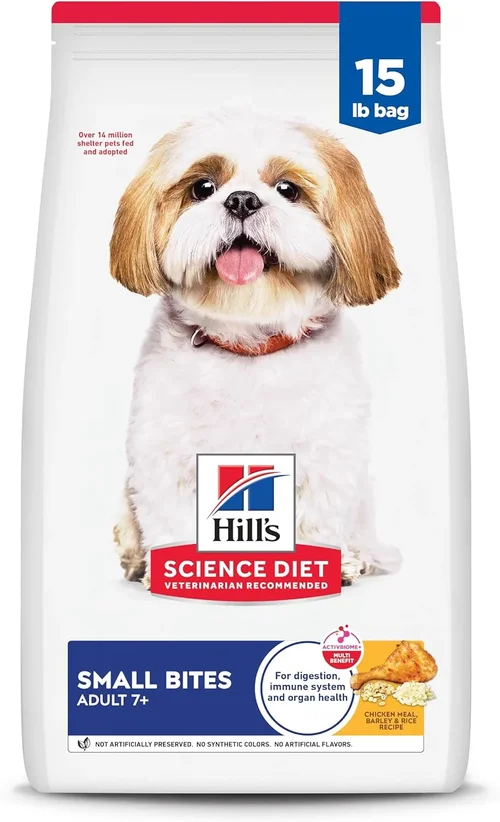
As our beloved canine companions age, their nutritional needs shift in ways that can significantly impact their health, mobility, and overall quality of life. Just like humans, older dogs experience changes in metabolism, digestion, joint function, and immune response—all of which demand a more thoughtful approach to diet. Unfortunately, many pet owners unknowingly continue feeding their senior dogs the same food they’ve always used, unaware that this could be contributing to weight gain, digestive issues, or even accelerated decline in organ function. This comprehensive guide is designed to cut through the confusion and help you make an informed, compassionate choice when selecting the best dog food for your aging friend.
In this detailed buying guide, you’ll learn exactly what to look for in senior dog food—from essential nutrients and ingredient quality to portion control and brand transparency. We’ll walk you through the most important factors to consider, compare different types of senior diets (including kibble, wet food, raw, and prescription options), highlight common mistakes to avoid, and provide expert-backed recommendations tailored to various budgets and lifestyles. Whether your dog is just entering their golden years or is already a seasoned senior, this guide will equip you with the knowledge to support their health at every stage.
The market for senior dog food has exploded in recent years, with hundreds of brands claiming to offer “age-appropriate” formulas. From premium organic lines to budget-friendly supermarket staples, the sheer volume of options can be overwhelming. Some products are genuinely formulated with science-backed nutrition, while others rely on clever marketing and buzzwords like “natural” or “holistic” without delivering real benefits. Our goal is to help you navigate this landscape with confidence, so you can choose a food that truly meets your dog’s unique needs—not just what sounds good on the label.

What to Look for When Buying Dog Food for Older Dogs
1. High-Quality Protein Sources
Protein is the cornerstone of a healthy senior dog diet, but not all proteins are created equal. As dogs age, their ability to digest and utilize protein decreases, which means they need highly bioavailable, easily digestible sources to maintain muscle mass and support immune function. Look for named animal proteins—such as chicken, turkey, lamb, or salmon—listed as the first ingredient. Avoid vague terms like “meat meal” or “animal by-product meal,” which can include low-quality or inconsistent sources.
Senior dogs are especially prone to sarcopenia, the age-related loss of muscle mass. Studies show that older dogs require up to 50% more protein than younger adults to preserve lean body tissue. However, this doesn’t mean you should feed high-protein diets indiscriminately. Dogs with kidney disease may need restricted protein, so always consult your vet if your dog has pre-existing conditions. Opt for foods with at least 25–30% crude protein on a dry matter basis, and ensure the protein comes from whole meats or high-quality meals—not fillers like corn gluten or soy.
2. Joint Support Ingredients
Arthritis and joint stiffness are among the most common health issues in older dogs. Over 60% of dogs over the age of seven show signs of osteoarthritis, making joint support a critical component of senior nutrition. Look for foods that include glucosamine, chondroitin sulfate, and omega-3 fatty acids (especially EPA and DHA from fish oil), all of which have been clinically proven to reduce inflammation and improve mobility.
Glucosamine and chondroitin help rebuild cartilage and lubricate joints, while omega-3s modulate the inflammatory response. Some premium senior formulas also include green-lipped mussel extract, which is rich in glycosaminoglycans and has shown promise in reducing joint pain. Avoid foods that rely solely on synthetic additives or lack measurable levels of these compounds—look for specific amounts listed on the label (e.g., “500 mg glucosamine per kg”).
Additionally, consider the calcium-to-phosphorus ratio. Older dogs need balanced mineral levels to support bone health without overloading the kidneys. Aim for a Ca:P ratio between 1:1 and 1.5:1. Excess phosphorus can be harmful, especially for dogs with early-stage kidney disease.
3. Digestive Health and Fiber Content
Digestive efficiency declines with age, and many senior dogs struggle with constipation, gas, or irregular bowel movements. A diet rich in fermentable fiber can help regulate digestion and support a healthy gut microbiome. Look for ingredients like pumpkin, beet pulp, chicory root (a source of inulin), and psyllium husk—all of which act as prebiotics, feeding beneficial gut bacteria.
Soluble fiber helps soften stools and improve nutrient absorption, while insoluble fiber adds bulk and promotes regular motility. However, too much fiber can interfere with the absorption of essential nutrients, so moderation is key. Aim for a total dietary fiber content between 3% and 6% on a dry matter basis.
Probiotics are another valuable addition. Strains like Lactobacillus acidophilus and Bifidobacterium animalis can improve gut health and boost immunity. Check the label for live active cultures and ensure the product is stored properly (some require refrigeration after opening). Avoid foods with excessive fillers like corn, wheat, or soy, which can cause bloating and digestive upset in sensitive seniors.
4. Calorie Density and Weight Management
Metabolism slows down as dogs age, often leading to weight gain even if their activity level remains the same. Obesity in senior dogs exacerbates joint problems, increases the risk of diabetes, and shortens lifespan. Therefore, calorie control is essential—but not at the expense of nutrition.
Look for senior formulas that are moderately calorie-dense (around 350–400 kcal per cup) but nutrient-rich. These foods allow you to feed appropriate portions without undernourishing your dog. Avoid “light” or “low-calorie” diets that skimp on protein or essential fats, as these can lead to muscle loss and dry skin.
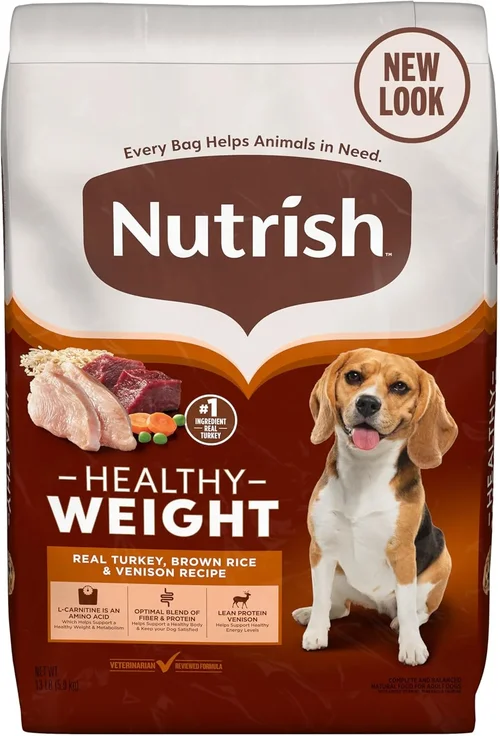
Portion control is just as important as the food itself. Use a measuring cup to avoid overfeeding, and adjust portions based on your dog’s body condition score (BCS). A healthy senior dog should have a visible waist when viewed from above and palpable ribs without a thick fat layer. If your dog is overweight, consider a weight management formula with added L-carnitine, an amino acid that helps convert fat into energy.
5. Antioxidants and Immune Support
The immune system weakens with age, making senior dogs more susceptible to infections, chronic inflammation, and even cancer. Antioxidants play a crucial role in neutralizing free radicals and supporting cellular health. Look for foods enriched with vitamins E and C, beta-carotene, selenium, and polyphenols from sources like blueberries, cranberries, and spinach.
Vitamin E, in particular, is vital for senior dogs—it protects cell membranes, supports skin health, and enhances immune function. Many high-quality senior diets include natural preservatives like mixed tocopherols (a form of vitamin E) instead of synthetic chemicals like BHA or BHT.
Some brands also add specialized immune-boosting ingredients such as colostrum, yeast beta-glucans, or turmeric (curcumin). While these can be beneficial, ensure they’re present in meaningful amounts and not just included as marketing gimmicks. Always prioritize whole-food sources of antioxidants over isolated supplements when possible.
6. Moisture Content and Hydration
Dehydration is a silent threat for older dogs, especially those with kidney issues or reduced thirst drive. Wet or canned food can be an excellent choice for seniors because it contains 70–80% moisture, significantly increasing daily water intake. This is particularly helpful for dogs who don’t drink enough water on their own.
If your dog prefers kibble, consider adding warm water or low-sodium broth to soften the food and boost hydration. Some owners also use slow-feeder bowls with water compartments to encourage drinking during meals. However, be cautious with homemade broths—many contain onions or garlic, which are toxic to dogs.
For dogs with dental issues or missing teeth, wet food is often easier to chew and digest. Just be mindful of dental health—wet food doesn’t provide the mechanical cleaning action of kibble, so regular teeth brushing or dental chews may be necessary.
7. Brand Transparency and Ingredient Sourcing
Not all dog food brands are equally trustworthy. Some use misleading labeling, obscure ingredient sourcing, or fail to conduct feeding trials. When choosing a senior dog food, prioritize brands that are transparent about their manufacturing processes, ingredient origins, and quality control.
Look for companies that:
– List specific meat sources (e.g., “deboned chicken” vs. “poultry meal”)
– Avoid artificial colors, flavors, and preservatives
– Conduct AAFCO (Association of American Feed Control Officials) feeding trials or formulate to meet AAFCO nutrient profiles
– Provide detailed nutritional information and batch testing results
– Are willing to answer questions about sourcing and production
Reputable brands often have veterinary nutritionists on staff and publish white papers or research supporting their formulations. Avoid brands that use excessive marketing jargon or make unsubstantiated health claims like “cures arthritis” or “extends lifespan.”
8. Palatability and Appetite Stimulation
Loss of appetite is common in older dogs due to reduced sense of smell, dental pain, or illness. A food that smells and tastes appealing can make a big difference in maintaining adequate nutrition. Look for foods with natural flavor enhancers like real meat broth, liver, or yeast extract—avoid artificial flavorings like “chicken flavor” or “beef flavor.”
Some senior dogs benefit from food toppers such as freeze-dried liver, plain cooked egg, or a spoonful of plain yogurt. These can boost interest without adding excessive calories. If your dog is a picky eater, try rotating between two high-quality senior formulas to prevent boredom.
Different Types of Dog Food for Older Dogs

Common Buying Mistakes to Avoid
❌ Mistake: Choosing Based Solely on Price
Why it’s bad: Cheap dog food often contains fillers, by-products, and low-quality proteins that can lead to malnutrition, obesity, and digestive issues. Over time, this can increase veterinary costs due to preventable health problems.
What to do instead: Focus on value, not just cost. A slightly more expensive food with high-quality ingredients can save money in the long run by promoting better health and reducing medical bills.
❌ Mistake: Ignoring the Ingredient List
Why it’s bad: The first few ingredients determine the nutritional foundation of the food. If corn, wheat, or unnamed meat meals are listed first, the food is likely low in usable protein and high in carbohydrates.
What to do instead: Always read the ingredient list. Look for whole meats, named meat meals, and recognizable vegetables. Avoid artificial preservatives like BHA, BHT, and ethoxyquin.
❌ Mistake: Overlooking Your Dog’s Specific Health Needs
Why it’s bad: A food that works for one senior dog may be harmful to another. For example, a high-protein diet could worsen kidney disease, while a low-fiber food might cause constipation in a sedentary dog.
What to do instead: Consult your veterinarian before switching foods, especially if your dog has chronic conditions. Consider a veterinary nutritionist for complex cases.
❌ Mistake: Feeding the Same Food Indefinitely
Why it’s bad: Dogs’ nutritional needs change as they age. A food that was perfect at age 8 may not meet the needs of a 12-year-old dog with reduced activity and slower metabolism.
What to do instead: Reassess your dog’s diet annually. Adjust portions, switch formulas, or add supplements as needed based on weight, energy level, and health status.
❌ Mistake: Relying on Marketing Claims
Why it’s bad: Terms like “natural,” “holistic,” or “premium” are not regulated and can be used misleadingly. A food labeled “grain-free” may still be high in legumes, which have been linked to heart issues in some dogs.
What to do instead: Look beyond the front of the bag. Check the guaranteed analysis, ingredient sourcing, and whether the food meets AAFCO standards.
❌ Mistake: Not Transitioning Foods Gradually
Why it’s bad: Sudden diet changes can cause diarrhea, vomiting, or refusal to eat—especially in sensitive senior dogs.
What to do instead: Transition over 7–10 days, mixing increasing amounts of the new food with the old. Monitor stool quality and appetite closely.
❌ Mistake: Over-Supplementing
Why it’s bad: Adding extra vitamins, minerals, or joint supplements to a complete and balanced diet can lead to toxicity or nutrient imbalances.
What to do instead: Only supplement under veterinary guidance. Many high-quality senior foods already include optimal levels of glucosamine, omega-3s, and antioxidants.
Budget Guidelines: How Much Should You Spend?
Entry-Level ($20–$35 per 30-lb bag): These foods are often available at grocery stores or big-box retailers. While convenient, they typically contain lower-quality proteins, more fillers, and fewer functional ingredients. Best for short-term use or dogs with no health issues, but not ideal for long-term senior nutrition.
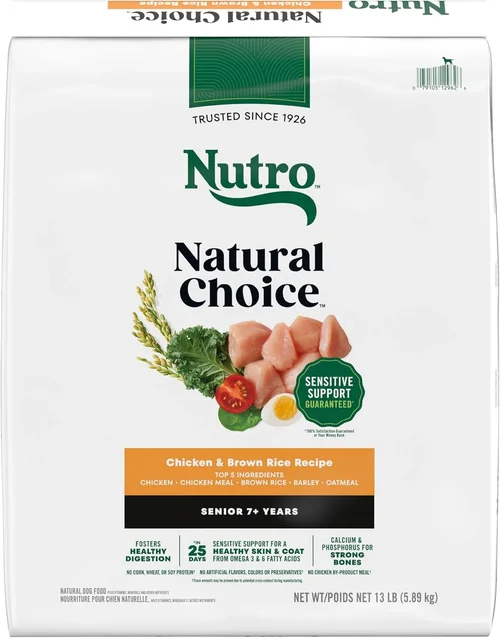
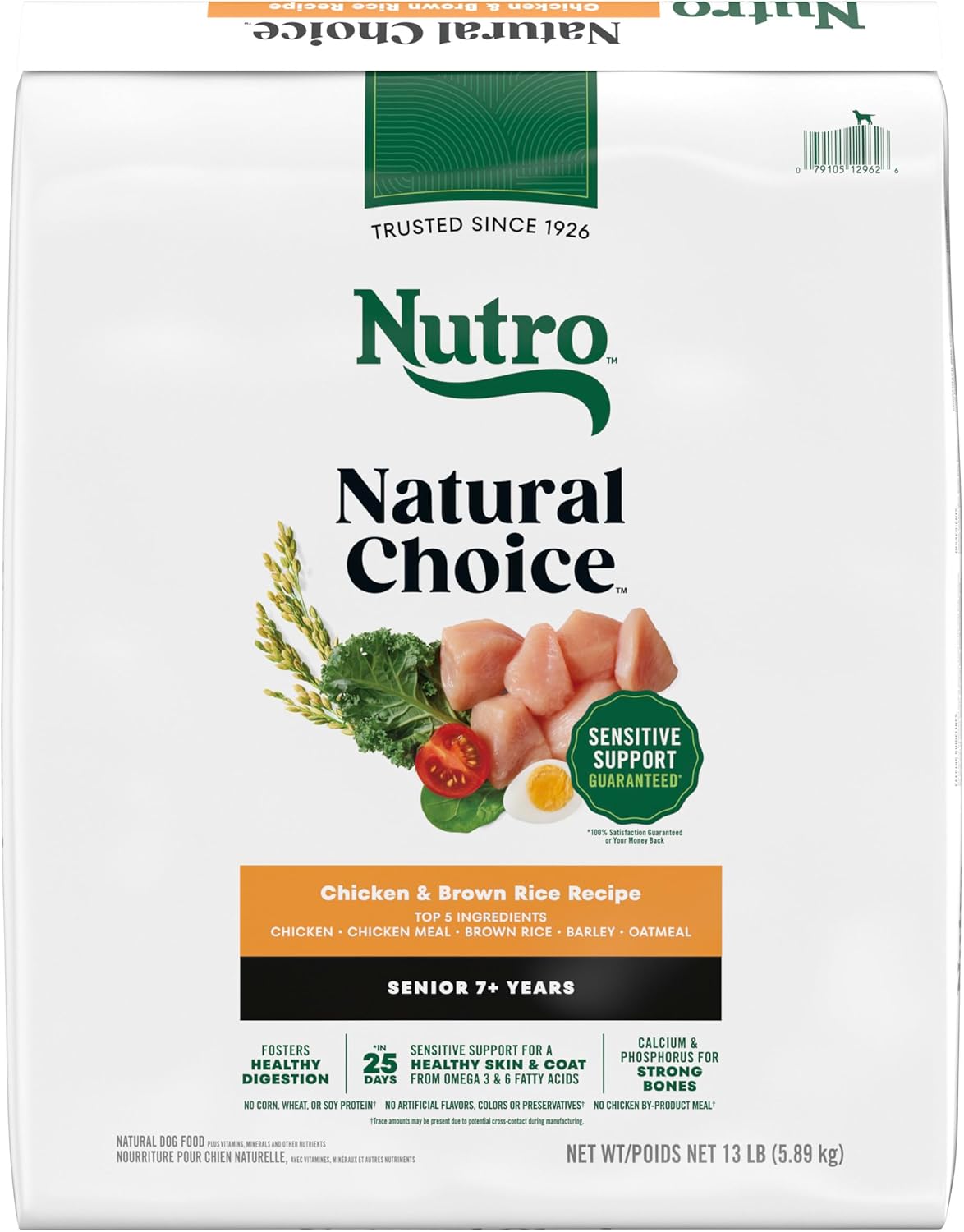
Mid-Range ($35–$55 per 30-lb bag): This is the sweet spot for most senior dog owners. These foods offer high-quality proteins, added joint support, and better digestibility. Brands like Wellness Core Senior, Blue Buffalo Life Protection Senior, and Nutro Senior fall into this category. They provide excellent value without breaking the bank.
Premium ($55–$80 per 30-lb bag): Premium senior foods include human-grade ingredients, novel proteins (like duck or venison), and advanced formulations with probiotics, prebiotics, and functional botanicals. Ideal for dogs with sensitivities, picky eaters, or owners who prioritize ingredient quality. Examples include Orijen Senior, Acana Senior, and The Honest Kitchen.
Luxury ($80+ per bag or per case): These include fresh, raw, or freeze-dried options that require refrigeration or freezing. They offer minimal processing, high bioavailability, and often custom formulations. Best for owners willing to invest in top-tier nutrition and who have the time and budget for daily preparation. Brands like Stella & Chewy’s, Primal, and Farmer’s Dog fall here.
Expert Tips for Getting the Best Deal
– Buy during seasonal sales: Look for discounts around Black Friday, Christmas, and end-of-summer clearance events. Many pet stores and online retailers offer 20–30% off senior dog food during these periods.
– Compare unit prices: Don’t just look at the total cost—check the price per pound or per cup. A larger bag may seem expensive upfront but cost less per serving.
– Use loyalty programs: Sign up for rewards at Chewy, Petco, or your local vet clinic. Points can add up to significant savings over time.
– Read return policies: If your dog doesn’t like the new food, you should be able to return unopened bags. Chewy and Amazon often have generous return windows.
– Test before committing: Buy a small bag or single cans first to see if your dog likes it and tolerates it well. Avoid purchasing large quantities of a new food without testing.
– Ask your vet for samples: Many veterinary clinics receive samples of prescription or therapeutic diets. They may offer free trials for dogs with health concerns.
– Consider subscription models: Services like The Farmer’s Dog or Nom Nom deliver fresh, customized meals on a schedule. While pricier, they offer convenience and portion control.
– Check for recalls: Before buying, visit the FDA’s pet food recall database to ensure the brand has a clean safety record.
Frequently Asked Questions
Q: When should I switch my dog to senior food?
A: Most dogs benefit from transitioning to senior food between 7 and 10 years of age, depending on breed and size. Small breeds may not need the switch until 10, while large breeds (like Great Danes or Mastiffs) may benefit as early as 6. Consult your vet to determine the right timing.
Q: Can I mix wet and dry food for my senior dog?
A: Absolutely! Many owners combine both to boost hydration, enhance palatability, and provide variety. Just adjust portions to avoid overfeeding—use a calorie calculator to balance the total intake.
Q: Is grain-free food better for older dogs?
A: Not necessarily. Most senior dogs do well on grain-inclusive diets unless they have a diagnosed grain allergy. Grains like oats and brown rice provide fiber and energy. The FDA has investigated a potential link between grain-free diets and dilated cardiomyopathy (DCM), so proceed with caution.
Q: How often should I feed my senior dog?
A: Most senior dogs do well with two meals per day to aid digestion and prevent bloating. However, dogs with diabetes or hypoglycemia may need smaller, more frequent meals. Follow your vet’s advice.
Q: Can senior dog food help with bad breath?
A: While no food can replace dental care, some senior formulas include ingredients like parsley or chlorophyll to freshen breath. Kibble also helps reduce plaque buildup. For persistent bad breath, schedule a dental checkup—it could signal gum disease or tooth decay.
Q: Should I add supplements to my senior dog’s food?
A: Only if recommended by your vet. Many high-quality senior foods already include joint support, omega-3s, and antioxidants. Over-supplementing can cause imbalances or toxicity.
Q: What if my senior dog refuses to eat the new food?
A: Try warming it, adding low-sodium broth, or mixing in a small amount of wet food or topper. Gradual transitions and patience are key. If refusal persists for more than 24–48 hours, consult your vet—it could indicate illness.
Q: Are homemade diets a good option for senior dogs?
A: Homemade diets can be nutritious but are difficult to balance correctly. They require careful planning and supplementation to avoid deficiencies. If you choose this route, work with a veterinary nutritionist to formulate a complete diet.
Q: How do I know if the food is working?
A: Monitor your dog’s energy level, coat condition, stool quality, weight, and mobility. Improvements in these areas over 4–6 weeks are good signs. Regular vet checkups can also track bloodwork and organ function.
Our Final Recommendations
Best for Budget-Conscious Buyers: Blue Buffalo Life Protection Formula Senior – Offers real chicken, brown rice, and added glucosamine at an affordable price. Widely available and AAFCO-compliant.
Best Overall Value: Wellness Core Senior Recipe – High-protein, grain-free, with probiotics and omega-3s. Excellent ingredient quality for the price.
Best Premium Option: Orijen Senior – Biologically appropriate with 85% animal ingredients, including fresh and raw meats. Ideal for owners seeking top-tier nutrition.
Best for Beginners: Nutro Wholesome Essentials Senior – Easy to find, gentle on digestion, and made with non-GMO ingredients. Great for first-time senior food switchers.
Best for Advanced Users: The Farmer’s Dog – Fresh, human-grade meals tailored to your dog’s age, weight, and health needs. Requires subscription but offers unparalleled customization and convenience.
Conclusion: Making the Right Choice
Choosing the best dog food for your older dog is one of the most meaningful ways you can support their health and happiness in their golden years. It’s not just about filling their bowl—it’s about providing the right balance of nutrients to maintain muscle, support joints, boost immunity, and promote overall well-being. By understanding the key factors we’ve outlined—from protein quality and joint support to hydration and brand transparency—you can make a confident, informed decision that truly benefits your aging companion.
Remember, every dog is unique. What works for one senior may not suit another. Pay attention to your dog’s individual needs, consult your veterinarian regularly, and don’t be afraid to adjust their diet as they age. The right food won’t turn back the clock, but it can help your dog live their later years with vitality, comfort, and joy.
Take the time to read labels, compare options, and prioritize quality over convenience. Your dog has given you years of love and loyalty—now it’s your turn to give them the best care possible. Start today, and give your senior dog the gift of optimal nutrition.