

When your dog is diagnosed with Cushing’s disease, it’s natural to feel overwhelmed. This hormonal disorder—most commonly caused by a tumor in the pituitary or adrenal glands—leads to excessive production of cortisol, the stress hormone. The result? A cascade of symptoms including increased thirst and urination, a pot-bellied appearance, hair loss, muscle weakness, and a compromised immune system. While medication and veterinary care are essential, nutrition plays a pivotal role in managing your dog’s quality of life. The right dry food can help stabilize blood sugar, support liver function, maintain lean muscle mass, and reduce inflammation—all critical factors in managing Cushing’s.
That’s why choosing the best dog dry food for a dog with Cushing’s isn’t just about picking a brand off the shelf. It’s about making an informed, science-backed decision that aligns with your dog’s unique health needs. Unfortunately, the pet food market is flooded with options, many of which are marketed with buzzwords like “natural,” “grain-free,” or “premium”—but not all of these labels translate to therapeutic benefits. Some ingredients can even worsen Cushing’s symptoms. This guide cuts through the noise. Whether you’re a first-time pet parent navigating a recent diagnosis or a seasoned caregiver looking to optimize your dog’s diet, you’ll find actionable advice, expert insights, and product recommendations tailored specifically for dogs with Cushing’s disease.
By the end of this comprehensive buying guide, you’ll understand exactly what to look for in a therapeutic dry food formula. We’ll break down the key nutritional components that support dogs with Cushing’s, compare different types of diets, highlight common pitfalls to avoid, and provide budget-friendly options across all price ranges. You’ll also learn how to read ingredient labels like a pro, interpret vet recommendations, and make adjustments as your dog’s condition evolves. Our goal isn’t just to help you buy food—it’s to empower you to become your dog’s best health advocate.

What to Look for When Buying Buying Guide
1. High-Quality, Easily Digestible Protein
Protein is essential for maintaining muscle mass, which often deteriorates in dogs with Cushing’s due to cortisol’s catabolic effects. However, not all proteins are created equal. Look for named animal proteins as the first ingredient—such as deboned chicken, turkey meal, or salmon—rather than vague terms like “meat meal” or “animal by-products.” These high biological value proteins are more digestible and provide a complete amino acid profile. Dogs with Cushing’s may also have compromised kidney function over time, so moderate protein levels (around 22–26% on a dry matter basis) are ideal to reduce renal strain while still supporting muscle health. Avoid formulas with excessive fillers like corn gluten meal or soy, which offer poor nutritional value and can trigger inflammation.
2. Controlled Fat Levels with Beneficial Fatty Acids
While fat provides concentrated energy, dogs with Cushing’s are prone to weight gain and pancreatitis, so fat content must be carefully balanced. Aim for moderate fat levels (10–15% dry matter) to prevent obesity without starving your dog of essential energy. More importantly, focus on the type of fat. Omega-3 fatty acids—especially EPA and DHA from fish oil—are anti-inflammatory and support skin, coat, and joint health, all of which are often compromised in Cushing’s dogs. Avoid foods high in omega-6 fatty acids (like corn oil or soybean oil), which can promote inflammation when not balanced with omega-3s. Look for formulas that list fish oil or flaxseed as a source of healthy fats.
3. Low to Moderate Carbohydrates with Low Glycemic Index
Cushing’s disease increases the risk of insulin resistance and diabetes, so managing blood sugar is crucial. High-carb diets, especially those with refined grains or sugars, can spike glucose levels and exacerbate symptoms. Instead, choose dry foods with complex carbohydrates that have a low glycemic index—such as sweet potatoes, peas, lentils, or oats. These digest slowly, providing steady energy without blood sugar fluctuations. Avoid ingredients like white rice, corn, wheat, and potato starch, which can cause rapid glucose spikes. Fiber content should also be moderate (3–7%) to support digestion without overloading the system.
4. Antioxidant-Rich Ingredients for Immune Support
Chronic cortisol elevation suppresses the immune system, making dogs with Cushing’s more susceptible to infections and slower to heal. Antioxidants like vitamins E and C, beta-carotene, selenium, and polyphenols help neutralize free radicals and reduce oxidative stress. Look for foods that include whole-food sources of antioxidants—such as blueberries, cranberries, spinach, carrots, and pumpkin—rather than synthetic additives. Some premium brands also add supplemental antioxidants like lutein or green tea extract. These compounds not only support immunity but also protect liver and kidney function, which are often under strain in Cushing’s patients.
5. Limited Sodium and Phosphorus
While sodium isn’t inherently harmful, excessive intake can contribute to hypertension—a common concern in dogs with Cushing’s. Similarly, phosphorus levels should be monitored, especially if kidney function begins to decline. High phosphorus can accelerate kidney damage. Choose dry foods with sodium levels under 0.3% and phosphorus under 0.8% on a dry matter basis. Many therapeutic or senior formulas are naturally lower in these minerals. Avoid foods that list salt or sodium-based preservatives (like sodium benzoate) near the top of the ingredient list.
6. Digestive Support with Prebiotics and Probiotics
Gastrointestinal health is often overlooked but critically important. Dogs with Cushing’s may experience changes in appetite, diarrhea, or constipation due to hormonal imbalances and medication side effects. Prebiotics (like fructooligosaccharides or FOS) and probiotics (such as Enterococcus faecium or Bacillus coagulans) promote a healthy gut microbiome, improve nutrient absorption, and reduce digestive upset. Look for foods that include these functional ingredients—ideally listed by their scientific names. Some brands also include pumpkin or beet pulp as natural sources of soluble fiber, which aids in stool consistency.
7. No Artificial Additives or Fillers
Artificial colors, flavors, and preservatives (like BHA, BHT, or ethoxyquin) offer no nutritional benefit and may contribute to inflammation or allergic reactions. Dogs with Cushing’s often have sensitive systems, so minimizing chemical exposure is wise. Opt for foods preserved with natural alternatives like mixed tocopherols (vitamin E) or rosemary extract. Similarly, avoid unnecessary fillers such as corn, wheat, or soy, which can trigger food sensitivities and provide little nutritional value. A shorter ingredient list with recognizable, whole-food components is usually a good sign.
8. Vet-Recommended or Therapeutic Formulations
While many commercial dry foods claim to support “senior” or “sensitive” dogs, few are specifically designed for endocrine disorders like Cushing’s. Whenever possible, choose a formula that has been developed in consultation with veterinary nutritionists or is available through veterinary channels. These diets are often backed by clinical research and formulated to address the metabolic challenges of chronic illness. Examples include Hill’s Prescription Diet, Royal Canin Veterinary Diet, and Purina Pro Plan Veterinary Diets. That said, some high-quality over-the-counter brands also meet therapeutic standards—just ensure they align with your vet’s guidance.
Different Types of Buying Guide

Common Buying Mistakes to Avoid
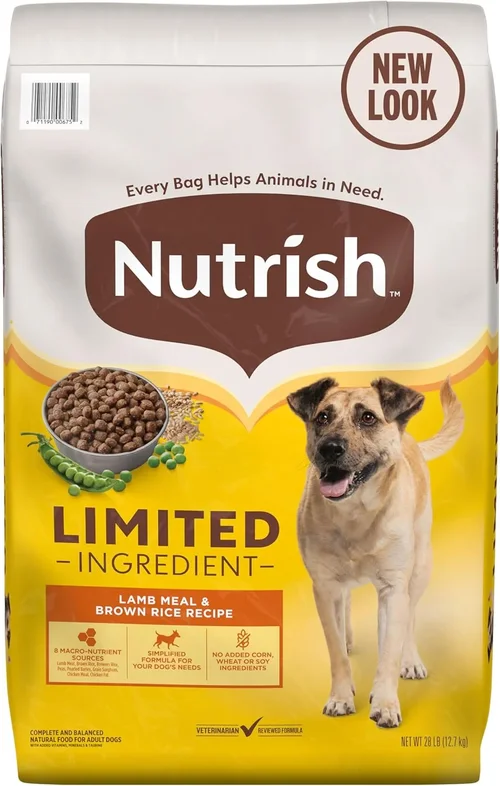
❌ Mistake: Choosing “Grain-Free” Without Considering Carbohydrate Quality
Why it’s bad: Many owners assume grain-free means healthier, but this isn’t always true. Grain-free diets often replace grains with high-glycemic starches like potatoes or peas, which can spike blood sugar—problematic for dogs with Cushing’s. Additionally, some grain-free formulas have been linked to dilated cardiomyopathy (DCM) in certain breeds.
What to do instead: Focus on the type and quality of carbohydrates, not just the absence of grains. Opt for low-glycemic, fiber-rich carbs like oats, barley, or sweet potatoes, even if they’re technically grains.
❌ Mistake: Overlooking Protein Source and Digestibility
Why it’s bad: Feeding low-quality protein sources (e.g., meat by-products or plant-based proteins like corn gluten meal) fails to support muscle maintenance and may increase kidney workload. Dogs with Cushing’s need highly digestible, animal-based proteins to preserve lean mass.
What to do instead: Prioritize named meat meals (e.g., “chicken meal”) or whole meats as the first ingredient. Check the guaranteed analysis for protein percentage and ensure it’s within the 22–26% range on a dry matter basis.
❌ Mistake: Ignoring Sodium and Phosphorus Levels
Why it’s bad: High sodium can contribute to hypertension, while excess phosphorus may accelerate kidney damage—both common concerns in Cushing’s dogs. Many owners don’t check these values, assuming commercial foods are automatically balanced.
What to do instead: Use a dry matter calculator to assess sodium and phosphorus content. Aim for sodium under 0.3% and phosphorus under 0.8%. If your dog has kidney issues, consider a renal-support formula.
❌ Mistake: Switching Foods Too Quickly or Frequently
Why it’s bad: Sudden dietary changes can cause gastrointestinal upset, especially in sensitive dogs. Frequent switching also makes it hard to determine which food is working—or causing problems.
What to do instead: Transition to a new food over 7–10 days, gradually increasing the proportion of new food. Once settled, stick with one formula unless advised otherwise by your vet.
❌ Mistake: Relying Solely on Marketing Claims
Why it’s bad: Terms like “natural,” “holistic,” or “premium” are unregulated and don’t guarantee therapeutic benefits. A food labeled “for seniors” may still be high in fat or sodium—unsuitable for Cushing’s.
What to do instead: Read the ingredient list and guaranteed analysis. Look for transparency in sourcing, AAFCO statements, and veterinary endorsements. When in doubt, ask your vet for a recommendation.
❌ Mistake: Neglecting Hydration
Why it’s bad: Dry food has low moisture content, and dogs with Cushing’s already drink excessively due to polydipsia. Without adequate water intake, dehydration and urinary tract issues can develop.
What to do instead: Always provide fresh water and consider adding warm water or low-sodium broth to dry kibble to increase moisture. Some owners mix in wet food or use rehydratable freeze-dried options.
❌ Mistake: Not Monitoring Response and Adjusting Accordingly
Why it’s bad: Cushing’s is a progressive condition, and nutritional needs may change over time. Sticking to the same food without reassessment can lead to suboptimal management.
What to do instead: Schedule regular vet check-ups and track symptoms like water intake, coat condition, energy levels, and body condition score. Adjust diet based on lab results and clinical signs.
Budget Guidelines: How Much Should You Spend?
– Entry-Level ($1.50–$2.20 per pound): What to expect… Budget-friendly options in this range often use lower-quality proteins, higher carbohydrate fillers, and synthetic preservatives. While some brands offer decent value, they may lack the targeted nutrition needed for Cushing’s. Look for formulas with named meat meals and avoid those with excessive corn, wheat, or soy. Examples include certain store-brand senior or sensitive stomach lines.
– Mid-Range ($2.20–$3.20 per pound): Sweet spot for most buyers… This tier offers the best balance of quality and affordability. Many reputable brands like Wellness Core, Blue Buffalo Life Protection, and Nutro Ultra fall here. These foods typically feature high-quality proteins, moderate fat, and beneficial supplements like probiotics and omega-3s. They’re widely available and suitable for dogs with mild to moderate Cushing’s.
– Premium ($3.20–$4.50 per pound): For enthusiasts and professionals… Premium dry foods often include novel proteins, organic ingredients, and advanced functional additives. Brands like Orijen, Acana, and Ziwi Peak offer biologically appropriate recipes with minimal processing. Veterinary therapeutic diets (e.g., Hill’s Prescription Diet i/d or Royal Canin Hepatic) also fall into this range and are ideal for dogs with complex health needs.
– Luxury ($4.50+ per pound): Top-tier features… At this price point, expect dehydrated, air-dried, or fresh-frozen options with human-grade ingredients. These diets offer maximum nutrient retention and palatability but require careful formulation to meet Cushing’s needs. Homemade diets prepared with veterinary guidance can also fall here—though they demand significant time and expertise.

Expert Tips for Getting the Best Deal
– Buy in Bulk During Sales: Many online retailers (like Chewy, Amazon, or Petco) offer discounts on larger bags or subscription orders. Stock up during seasonal promotions like Black Friday or end-of-year clearance events—but only if the food has a long shelf life and your dog tolerates it well.
– Use Veterinary Channels Wisely: While vet-prescribed diets can be pricey, some clinics offer loyalty programs or bulk discounts. Ask if they price-match online retailers or provide samples before committing to a large bag.
– Compare Dry Matter Basis, Not As-Fed: Moisture content varies between brands, so comparing protein or fat percentages “as-fed” can be misleading. Use a dry matter calculator (available online) to standardize comparisons and make accurate choices.
– Check Return Policies: Even the best food won’t work if your dog refuses to eat it. Choose retailers with generous return policies—especially for unopened bags. Some brands also offer satisfaction guarantees.
– Rotate Proteins Strategically: To prevent food sensitivities, consider rotating between two vet-approved formulas with different protein sources (e.g., chicken and salmon). This maintains nutritional balance while reducing allergy risk.
– Leverage Manufacturer Rebates: Companies like Hill’s and Royal Canin often run rebate programs for first-time buyers of therapeutic diets. These can save $10–$20 per bag and make premium options more accessible.
– Consult a Veterinary Nutritionist: If your dog has multiple health issues (e.g., Cushing’s + kidney disease + diabetes), a board-certified veterinary nutritionist can design a custom diet plan—sometimes even for homemade meals—ensuring optimal nutrient balance.
Frequently Asked Questions
Q: Can I feed my dog with Cushing’s a raw or homemade diet?
A: Yes, but with caution. Raw and homemade diets can offer high-quality ingredients and control over nutrients, but they require careful formulation to avoid deficiencies or imbalances. Work with a veterinary nutritionist to ensure the diet meets AAFCO standards and addresses your dog’s specific needs. Improperly balanced homemade diets can worsen health issues.
Q: Should I avoid all grains for my dog with Cushing’s?
A: Not necessarily. Whole grains like oats, barley, and brown rice are low-glycemic and provide fiber and B vitamins. The key is avoiding refined grains and focusing on digestibility. Many dogs with Cushing’s tolerate grains well—especially if they’re not allergic.
Q: How often should I feed my dog with Cushing’s?
A: Most dogs do well with two measured meals per day to help regulate blood sugar and prevent overeating. Avoid free-feeding, as it can lead to obesity and make symptom tracking difficult.
Q: Will changing my dog’s food cure Cushing’s?
A: No. Diet cannot cure Cushing’s disease, but it can significantly improve symptom management, slow progression, and enhance quality of life. Always follow your vet’s treatment plan, which may include medications like trilostane or mitotane.
Q: Can I mix wet and dry food?
A: Absolutely. Mixing wet food with dry kibble increases moisture intake, improves palatability, and can help with weight management. Just adjust portions to avoid overfeeding and ensure the combined diet meets nutritional goals.
Q: What if my dog refuses to eat the new food?
A: Try warming the food slightly or adding low-sodium broth to enhance aroma. Gradual transition over 7–10 days is essential. If refusal persists, consult your vet—it could indicate nausea, dental pain, or medication side effects.
Q: Are there supplements I should add to my dog’s diet?
A: Some dogs benefit from additional omega-3s, vitamin E, or SAM-e for liver support—but always consult your vet first. Supplements can interact with Cushing’s medications or exacerbate underlying conditions.
Q: How do I know if the food is working?
A: Monitor key indicators: reduced water intake, improved coat condition, stable weight, better energy levels, and fewer skin infections. Regular blood work (e.g., ALP, cortisol levels) will also show metabolic improvements.
Q: Can puppies or young dogs get Cushing’s?
A: Rarely, but it’s possible—especially with adrenal tumors. However, most cases occur in middle-aged to senior dogs (7+ years). Young dogs with Cushing’s require even more careful nutritional management due to their growth needs.
Our Final Recommendations
– Best for Budget-Conscious Buyers: Blue Buffalo Life Protection Formula Healthy Weight – Offers high-quality chicken, controlled calories, and added L-carnitine for weight management. At around $2.10/lb, it’s affordable and widely available.
– Best Overall Value: Wellness Core Reduced Fat – Features deboned turkey, turkey meal, and salmon oil with moderate protein and fat. Includes probiotics and antioxidants. Priced at $2.80/lb, it balances cost and therapeutic benefits.
– Best Premium Option: Hill’s Prescription Diet i/d Low Fat – Specifically formulated for digestive and metabolic support, this vet-recommended diet is ideal for dogs with Cushing’s and gastrointestinal sensitivity. At $3.90/lb, it’s a worthwhile investment for complex cases.
– Best for Beginners: Royal Canin Veterinary Diet Canine Glycemic Control – Designed to stabilize blood sugar, this formula uses low-glycemic carbohydrates and high fiber. Easy to find through vets and online, it’s a reliable starting point.
– Best for Advanced Users: Open Farm Homestead Turkey & Chicken Recipe – A human-grade, ethically sourced kibble with turmeric, coconut oil, and probiotics. At $4.20/lb, it’s ideal for owners seeking transparency and clean ingredients with functional benefits.
Conclusion: Making the Right Choice
Choosing the right dry food for a dog with Cushing’s disease is one of the most impactful decisions you can make as a pet owner. While no diet can reverse the condition, the right nutrition can dramatically improve your dog’s comfort, energy, and longevity. Throughout this guide, we’ve emphasized the importance of high-quality protein, balanced fats, low-glycemic carbohydrates, and immune-supportive ingredients—all tailored to the unique metabolic challenges of Cushing’s.
Remember, every dog is different. What works for one may not suit another. Always involve your veterinarian in dietary decisions, especially if your dog is on medication or has additional health concerns. Monitor your dog closely, keep detailed notes, and don’t hesitate to adjust the plan as needed.
Ultimately, the best food is the one that supports your dog’s overall well-being, aligns with your budget, and fits seamlessly into your lifestyle. With the knowledge and tools from this guide, you’re now equipped to make confident, informed choices that prioritize your dog’s health and happiness. Your furry friend deserves nothing less.