
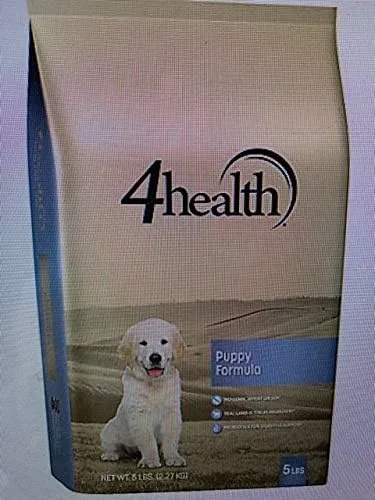
Choosing the right dry food for your puppy is one of the most important decisions you’ll make as a new pet parent. Puppies are in a critical stage of development—growing rapidly, building immune systems, forming strong bones and muscles, and laying the foundation for lifelong health. What they eat during these formative months directly impacts their energy levels, coat quality, digestion, behavior, and even their long-term risk for chronic diseases. With thousands of puppy food options on the market, each claiming to be “the best,” it’s easy to feel overwhelmed. That’s why this comprehensive buying guide exists: to cut through the noise, clarify what truly matters in puppy nutrition, and help you make an informed, confident choice.
In this guide, you’ll learn exactly what to look for when selecting high-quality puppy dry food in 2026. We’ll break down the essential nutritional components, explain how to interpret ingredient labels like a pro, compare different types of puppy food (including breed-specific and life-stage formulations), and highlight common pitfalls that even experienced owners fall into. Whether you’re raising a tiny Chihuahua or a giant Great Dane, feeding a rescue pup with unknown dietary history, or simply want to give your furry friend the very best start in life, this guide will equip you with expert-level knowledge. You’ll also get actionable tips on budgeting, where to shop, how to transition foods safely, and how to spot red flags in marketing claims.
The puppy food market has evolved significantly in recent years. Gone are the days when “complete and balanced” was enough—today’s pet parents demand transparency, science-backed formulations, and ethically sourced ingredients. Premium brands now use human-grade proteins, functional additives like probiotics and omega fatty acids, and avoid fillers, artificial preservatives, and by-products. At the same time, budget-friendly options have improved dramatically, offering better nutrition than ever before. However, not all “puppy formulas” are created equal. Some are designed for small breeds with high metabolism, others for large breeds needing controlled calcium levels to prevent joint issues, and many fall somewhere in between. Our goal is to help you navigate this complex landscape with clarity, confidence, and peace of mind—so your puppy thrives from day one.

What to Look for When Buying Puppy Dry Food
1. Age and Life Stage Appropriateness
Puppies aren’t just small dogs—they have unique nutritional needs that differ dramatically from adult dogs. Look for foods labeled specifically for “growth” or “puppy” that meet AAFCO (Association of American Feed Control Officials) standards for growth or all life stages. These formulas contain higher levels of protein, fat, calories, and key micronutrients like DHA (for brain and vision development), calcium, and phosphorus. Feeding an adult dog food to a puppy can lead to stunted growth, poor coat condition, and weakened immunity. Always check the packaging: reputable brands will clearly state whether the food is intended for puppies, and some even specify size categories (small, medium, large breed).
2. High-Quality Animal Protein as the First Ingredient
Protein is the cornerstone of puppy development—it builds muscle, supports immune function, and fuels energy. The first ingredient on the label should be a named animal protein source such as “chicken,” “salmon,” or “lamb,” not “meat meal” or “poultry by-product.” Whole meats provide complete amino acid profiles, while meals (like chicken meal) are concentrated protein sources that are also valuable—but avoid vague terms like “animal protein” or “meat derivatives.” Aim for a minimum of 22–32% crude protein on the guaranteed analysis, depending on your puppy’s breed size and activity level. For example, working breeds or large breeds may benefit from higher protein, while toy breeds might do better with slightly lower levels to match their metabolism.
3. Balanced Fat Content for Energy and Coat Health
Fat provides concentrated energy for growing puppies and supports healthy skin and a shiny coat. Look for foods with 8–20% crude fat, ideally from named sources like chicken fat, salmon oil, or flaxseed. Omega-3 and omega-6 fatty acids—especially DHA from fish oil—are crucial for cognitive development and reducing inflammation. Avoid foods that rely heavily on plant-based oils like corn or soybean oil as primary fat sources, as these offer less bioavailable nutrition. Also, be cautious of excessively high fat levels, which can lead to weight gain or pancreatitis in sensitive pups.
4. Controlled Calcium and Phosphorus for Bone Development
This is especially critical for large and giant breed puppies. Rapid growth combined with excessive calcium can cause skeletal abnormalities like hip dysplasia or osteochondrosis. Large-breed puppy foods are formulated with lower calcium (typically 0.8–1.2%) and a balanced calcium-to-phosphorus ratio (ideally 1.2:1 to 1.4:1) to support steady, healthy bone growth. Small and toy breeds, on the other hand, can tolerate slightly higher calcium levels due to their faster growth rates and shorter growth periods. Always choose a formula matched to your puppy’s expected adult size—don’t feed a large-breed formula to a small dog or vice versa.
5. Digestive Health Support
Puppies have sensitive digestive systems, so look for foods that include prebiotics (like FOS and MOS), probiotics (live beneficial bacteria), and highly digestible carbohydrates. Ingredients like pumpkin, sweet potato, and oats are gentle on the stomach and support regular bowel movements. Avoid fillers like corn, wheat, and soy, which are common allergens and offer little nutritional value. Some premium brands now include postbiotics—metabolites produced by probiotics—that enhance gut barrier function and immune response. If your puppy has a history of diarrhea or gas, consider a formula with added digestive enzymes.
6. Absence of Harmful Additives and Fillers
Steer clear of artificial colors, flavors, and preservatives like BHA, BHT, and ethoxyquin, which have been linked to health concerns in pets. Instead, look for natural preservatives such as mixed tocopherols (vitamin E) or rosemary extract. Fillers like corn gluten meal, brewers rice, and cellulose offer minimal nutrition and can dilute the food’s overall quality. While some grains are fine (and even beneficial), they shouldn’t dominate the ingredient list. Remember: just because a food is grain-free doesn’t mean it’s better—many grain-free diets use legumes or potatoes as substitutes, which may not be ideal for every puppy.
7. Brand Transparency and Quality Control
Not all pet food companies are equally committed to safety and transparency. Choose brands that conduct feeding trials (not just lab analysis), publish ingredient sourcing details, and have a history of recalls (or better yet, none at all). Look for third-party certifications like USDA Organic, Non-GMO Project Verified, or Global Animal Partnership (GAP) ratings. Brands that manufacture their own food in company-owned facilities often have tighter quality control than those that outsource to third-party co-packers. Don’t hesitate to contact the manufacturer with questions—reputable companies welcome inquiries about their sourcing and testing protocols.
8. Palatability and Kibble Size
Even the most nutritious food won’t help if your puppy won’t eat it. Kibble size should match your puppy’s mouth size—smaller breeds need tiny kibble to prevent choking and encourage chewing, while larger breeds benefit from larger pieces that promote dental health. Texture and flavor matter too: some puppies prefer poultry, others fish or lamb. If your pup is a picky eater, consider rotating between two high-quality brands (with gradual transitions) to maintain interest. Avoid foods with excessive sugar or salt added for flavor—these can lead to obesity and dental issues down the line.
Different Types of Puppy Dry Food

Common Buying Mistakes to Avoid
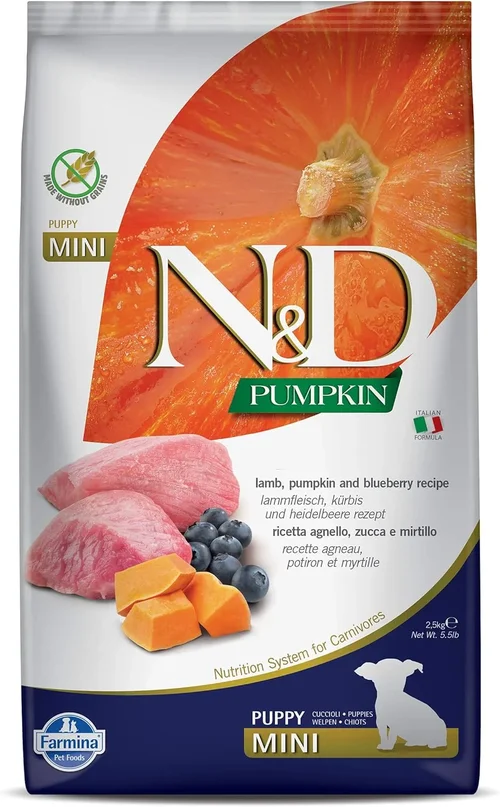
❌ Mistake: Choosing Based Solely on Price
Why it’s bad: Cheap puppy foods often rely on low-quality proteins, fillers, and synthetic additives that can compromise your puppy’s growth and long-term health. Over time, poor nutrition may lead to vet bills that far exceed the savings on food.
What to do instead: View puppy food as an investment in your dog’s future. Focus on cost per pound of high-quality protein, not just the bag price. Mid-range brands often offer excellent value without the premium markup.
❌ Mistake: Ignoring Breed-Specific Needs
Why it’s bad: Feeding a large-breed puppy formula to a toy breed (or vice versa) can result in nutritional imbalances—either excessive calories leading to obesity or insufficient nutrients causing developmental delays.
What to do instead: Identify your puppy’s expected adult size early (ask your breeder or vet) and select a formula designed for that category. Large breeds need slower growth support; small breeds need energy-dense food.
❌ Mistake: Falling for Marketing Buzzwords
Why it’s bad: Terms like “natural,” “premium,” or “gourmet” are unregulated and meaningless without context. A food labeled “grain-free” might still contain low-quality legumes linked to heart issues in dogs.
What to do instead: Read the ingredient list and guaranteed analysis, not the front label. Look for AAFCO statements, named protein sources, and transparent sourcing.
❌ Mistake: Overfeeding or Free-Feeding
Why it’s bad: Puppies have small stomachs but high energy needs. Free-feeding can lead to overeating, bloating (especially in deep-chested breeds), and inconsistent potty habits.
What to do instead: Follow the feeding guidelines on the package based on your puppy’s age and weight, and divide meals into 3–4 smaller portions per day until 6 months old.
❌ Mistake: Switching Foods Too Quickly
Why it’s bad: Sudden diet changes can cause diarrhea, vomiting, or refusal to eat. Puppies’ digestive systems are still maturing and need time to adapt.
What to do instead: Transition gradually over 7–10 days: start with 25% new food + 75% old, then increase the ratio every 2–3 days until fully switched.
❌ Mistake: Not Consulting a Veterinarian
Why it’s bad: Every puppy is unique—some have allergies, metabolic conditions, or special dietary needs that require professional guidance. Relying solely on online reviews or packaging claims can be risky.
What to do instead: Schedule a puppy wellness visit and discuss nutrition with your vet. They can recommend brands based on your dog’s health, breed, and lifestyle.
❌ Mistake: Sticking to One Brand Indefinitely
Why it’s bad: While consistency is good, never rotating foods can limit nutrient diversity and increase sensitivity to specific ingredients over time.
What to do instead: Consider rotating between two trusted brands every few months (with proper transitions) to provide a broader nutrient profile and reduce allergy risk.
Budget Guidelines: How Much Should You Spend?
– Entry-Level ($20–$35 per 15-lb bag): What to expect… These foods meet basic AAFCO standards but may use lower-quality proteins (like chicken by-product meal), include fillers, and lack functional additives. Suitable for short-term use or multi-dog households on a tight budget, but not ideal for long-term feeding. Brands like Purina ONE Puppy or Iams ProActive Health fall here.
– Mid-Range ($35–$55 per 15-lb bag): Sweet spot for most buyers… You’ll find named meat as the first ingredient, moderate protein/fat levels, some probiotics or omega fatty acids, and minimal fillers. Brands like Hill’s Science Diet Puppy, Royal Canin Puppy, and Wellness CORE Puppy offer excellent balance of quality and affordability. This tier supports healthy growth without breaking the bank.
– Premium ($55–$75 per 15-lb bag): For enthusiasts and professionals… These formulas use human-grade ingredients, novel proteins (like duck or venison), include multiple probiotics, antioxidants, and often feature grain-free or limited-ingredient recipes. Brands such as Orijen Puppy, Acana Puppy & Junior, and Taste of the Wild Puppy deliver top-tier nutrition with transparent sourcing.
– Luxury ($75+ per 15-lb bag): Top-tier features… Think fresh meats, air-dried or freeze-dried components, organic produce, and cutting-edge functional ingredients like postbiotics, colostrum, or green-lipped mussel for joint support. Brands like The Farmer’s Dog (fresh, not dry), Stella & Chewy’s, and Ziwi Peak offer exceptional quality but at a significant cost. Best for owners who prioritize ingredient purity and are willing to pay a premium.

Expert Tips for Getting the Best Deal
– Buy in bulk during seasonal sales: Major retailers like Chewy, Petco, and Amazon often run “Buy 2, Get 1 Free” or 20% off promotions in January (New Year pet resolutions) and September (back-to-school for pets). Stock up when prices drop—but don’t exceed your storage capacity.
– Subscribe and save: Most online pet stores offer 5–15% off for auto-ship subscriptions. This locks in pricing, ensures you never run out, and often includes free shipping. Just set reminders to pause or cancel if your puppy’s needs change.
– Compare unit pricing: Don’t just look at the total bag price—check the cost per pound or per cup. A $60 bag might be cheaper per serving than a $40 bag if it’s more nutrient-dense and your puppy eats less.
– Check return policies: If your puppy refuses the food or has a reaction, you want the option to return it. Chewy and Petco have generous return windows; smaller retailers may not.
– Look for rebates and loyalty programs: Brands like Hill’s and Royal Canin offer mail-in rebates or points through vet clinics. Sign up for brand newsletters for exclusive coupons.
– Test before committing: Buy a small bag (4–6 lbs) first to see if your puppy likes it and digests it well. Many premium brands offer trial sizes online.
– Consider local co-ops or farm stores: Some rural areas have co-ops that sell bulk pet food at discounted rates. Just ensure the brand meets AAFCO standards.
– Don’t overlook store brands: Retailers like Costco (Kirkland Signature), Trader Joe’s, and Walmart (Pure Balance) now offer high-quality puppy formulas that rival name brands at lower prices.

Frequently Asked Questions
Q: Can I feed my puppy adult dog food if it’s labeled “for all life stages”?
A: Technically yes, but it’s not ideal. “All life stages” foods meet minimum growth requirements but may lack optimal levels of DHA, calcium, or calories that puppies need for peak development. Whenever possible, choose a dedicated puppy formula.
Q: How long should I feed puppy food?
A: Most puppies switch to adult food between 12–18 months. Small breeds mature faster (10–12 months), while large/giant breeds may need puppy food until 18–24 months. Consult your vet for timing based on your dog’s growth curve.
Q: Is grain-free puppy food better?
A: Not necessarily. Grain-free diets are only beneficial if your puppy has a diagnosed grain allergy—which is rare. Most grains (like oats or rice) are healthy and digestible. The FDA has also linked certain grain-free diets to dilated cardiomyopathy (DCM) in dogs, so use caution and vet guidance.
Q: My puppy has diarrhea after switching food. What should I do?
A: Slow down the transition! Mix more of the old food and extend the process to 10–14 days. If symptoms persist beyond 48 hours, contact your vet—it could indicate a food intolerance or underlying illness.
Q: Can I mix wet and dry puppy food?
A: Absolutely! Many owners combine both for added moisture, flavor, and palatability. Just adjust portions to avoid overfeeding—wet food is less calorie-dense per volume.
Q: Are raw or homemade diets better than dry kibble?
A: Raw and homemade diets can be nutritious but require careful formulation to avoid deficiencies. Dry kibble is convenient, shelf-stable, and often fortified with essential nutrients. If considering alternatives, work with a veterinary nutritionist.
Q: How do I know if my puppy is getting enough food?
A: Your puppy should have a visible waist when viewed from above and ribs that can be felt but not seen. If they’re lethargic, losing weight, or constantly begging, they may be underfed. Conversely, if they’re gaining too fast or seem sluggish, reduce portions slightly.
Q: Should I choose a formula with probiotics?
A: Yes, especially if your puppy has a sensitive stomach or has recently been on antibiotics. Probiotics support gut health and immunity. Look for strains like Enterococcus faecium or Bacillus coagulans listed on the label.
Q: Is it okay to feed my puppy human food as treats?
A: Occasional small amounts of safe human foods (like plain cooked chicken or carrots) are fine, but avoid chocolate, grapes, onions, and xylitol. Stick to puppy-safe treats for training to maintain consistent nutrition.
Q: What if my puppy is a picky eater?
A: Try warming the kibble slightly to enhance aroma, mixing in a spoonful of wet food, or rotating between two high-quality brands. Avoid free-feeding—establish set meal times to encourage appetite.
Our Final Recommendations
– Best for Budget-Conscious Buyers: Purina Pro Plan Puppy Large Breed – Offers excellent large-breed support with real chicken, controlled calcium, and added DHA at a mid-range price. Widely available and vet-recommended.
– Best Overall Value: Wellness CORE Grain-Free Puppy – High-protein, grain-free formula with deboned turkey, probiotics, and omega fatty acids. Great for most breeds and sensitive stomachs, priced fairly for its quality.
– Best Premium Option: Orijen Puppy – Biologically appropriate with 85% animal ingredients, including fresh regional meats and organs. Packed with DHA, glucosamine, and no fillers. Ideal for owners who want the absolute best.
– Best for Beginners: Hill’s Science Diet Puppy Healthy Development – Trusted by vets for decades, this formula is easy to digest, widely available, and comes with detailed feeding guides. Perfect for first-time puppy parents.
– Best for Large Breeds: Royal Canin Large Breed Puppy – Specifically designed to support joint health and steady growth in big dogs. Includes L-carnitine for lean muscle and patented antioxidants for immunity.
– Best for Small Breeds: Blue Buffalo Life Protection Formula Puppy Small Breed – Small kibble, high calorie density, and DHA from fish oil. Contains LifeSource Bits with vitamins and minerals for immune support.
Conclusion: Making the Right Choice
Selecting the best dry food for your puppy isn’t about finding the most expensive or trendiest option—it’s about matching your puppy’s unique needs with a scientifically formulated, high-quality diet that supports healthy growth, strong immunity, and lifelong vitality. Throughout this guide, we’ve emphasized the importance of age-appropriate nutrition, ingredient transparency, breed-specific considerations, and avoiding common pitfalls like over-reliance on marketing claims or improper feeding practices. Remember, your puppy’s diet is the foundation of their health, and the choices you make now will echo for years to come.
As you evaluate options, prioritize your puppy’s individual requirements: their expected adult size, activity level, any known sensitivities, and your own budget and lifestyle. Don’t hesitate to consult your veterinarian—they’re your best ally in navigating nutritional decisions. And while it’s tempting to chase the latest fad or celebrity-endorsed brand, stick to evidence-based criteria: named animal proteins, balanced fats, controlled minerals, and digestive support. With the knowledge from this guide, you’re now equipped to read labels like an expert, spot quality differences, and choose a food that truly nourishes your growing companion.
Finally, remember that feeding your puppy is more than just nutrition—it’s an act of love, care, and commitment. Take the time to observe how they respond to their food: their energy, coat, stool quality, and overall demeanor are the ultimate indicators of success. If they’re thriving, you’ve made the right choice. And if not, don’t panic—small adjustments, guided by this guide and your vet, can make all the difference. Here’s to many happy, healthy years ahead with your furry best friend!