
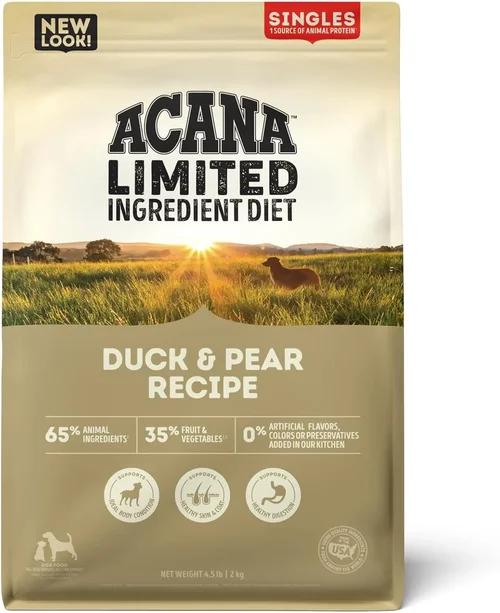
Choosing the right dry food for your small dog is one of the most important decisions you’ll make as a pet parent. Unlike larger breeds, small dogs have unique nutritional needs, faster metabolisms, and often more sensitive digestive systems. A high-quality diet tailored to their size can mean the difference between a vibrant, energetic companion and one plagued by health issues like dental problems, obesity, or skin irritations. With hundreds of brands flooding the market—each claiming to be “the best”—it’s easy to feel overwhelmed. That’s why this comprehensive guide exists: to cut through the noise, demystify ingredient lists, and help you make an informed, confident choice that supports your dog’s long-term health and happiness.
In this guide, you’ll learn exactly what to look for in small dog dry food—from protein sources and kibble size to life stage appropriateness and ingredient transparency. We’ll break down the key factors that truly matter, compare different types of diets (including grain-free, limited-ingredient, and vet-formulated options), and highlight common pitfalls that even experienced owners fall into. Whether you’re feeding a tiny Chihuahua, a spirited Pomeranian, or a cuddly Cavalier King Charles Spaniel, you’ll walk away with actionable insights and expert-backed recommendations. The pet food industry has evolved rapidly over the past decade, with science-driven formulations now available at nearly every price point—but not all “premium” labels are created equal. Our goal is to arm you with the knowledge to spot quality, avoid marketing gimmicks, and invest wisely in your dog’s nutrition.

What to Look for When Buying Small Dog Dry Food
1. High-Quality Protein as the First Ingredient
Protein is the cornerstone of any healthy canine diet—especially for small breeds, which require more protein per pound of body weight than larger dogs due to their rapid metabolism. Look for named animal proteins like “chicken,” “salmon,” or “turkey” listed as the first ingredient. Avoid vague terms like “meat meal” or “animal by-product meal,” which can include low-quality or inconsistent sources. Ideally, the protein source should be deboned (e.g., “deboned chicken”) and minimally processed. For small dogs prone to allergies or sensitivities, novel proteins like duck, rabbit, or venison may be preferable. The Association of American Feed Control Officials (AAFCO) recommends a minimum of 18% crude protein for adult maintenance and 22.5% for growth and reproduction—but many top-tier small breed formulas exceed these levels to support lean muscle mass and energy needs.
2. Appropriate Kibble Size and Shape
Small dogs have petite mouths and shorter snouts, making it difficult—and sometimes dangerous—to chew large kibble pieces. Oversized pellets can lead to choking, dental trauma, or incomplete digestion. Opt for kibble specifically designed for small or toy breeds, typically under 10mm in diameter. Some brands even offer uniquely shaped kibble (e.g., star-shaped or ring-shaped) to encourage chewing and slow eating, which aids digestion and reduces the risk of bloat—a serious concern even in small dogs. Additionally, smaller kibble increases surface area, enhancing flavor release and palatability, which is crucial for picky eaters. If your dog gulps food quickly, consider a slow-feeder bowl or kibble with textured surfaces that promote chewing.
3. Balanced Fat Content for Energy and Coat Health
Small dogs burn calories fast, so they need diets with moderate to high fat content—typically between 12% and 20%—to fuel their active lifestyles. However, not all fats are equal. Look for named fat sources like “chicken fat,” “salmon oil,” or “flaxseed oil,” which provide essential fatty acids such as omega-3 and omega-6. These support skin health, reduce inflammation, and give your dog a shiny coat. Avoid generic “animal fat” or excessive plant-based oils, which may lack bioavailability. Too little fat can lead to lethargy and dry skin, while too much can contribute to weight gain—a common issue in small breeds. Always check the guaranteed analysis on the label to ensure fat levels align with your dog’s activity level and age.
4. Digestibility and Gut Health Support
Small dogs often have sensitive stomachs, so digestibility is paramount. Highly digestible ingredients like real meat, sweet potatoes, and pumpkin are easier on their systems and maximize nutrient absorption. Look for added prebiotics (like chicory root or FOS/MOS) and probiotics, which promote a healthy gut microbiome and can reduce gas, diarrhea, or constipation. Avoid fillers like corn, soy, and wheat, which are not only low in nutritional value but can also trigger allergies or digestive upset. Some premium brands include digestive enzymes or hydrolyzed proteins to further enhance absorption. If your dog has chronic digestive issues, consult your vet about limited-ingredient or prescription diets.
5. Life Stage and Breed-Specific Formulation
Not all small dog foods are created equal—your dog’s age, weight, and breed play a critical role in determining the right formula. Puppies need higher calories, protein, and calcium for growth, while seniors benefit from lower calories, joint-supporting supplements (like glucosamine), and antioxidants for cognitive health. Toy breeds like Yorkshire Terriers may require extra taurine for heart health, while brachycephalic breeds (e.g., Pugs, French Bulldogs) often struggle with dental issues and benefit from kibble that promotes chewing. Always choose a food labeled for your dog’s life stage (“puppy,” “adult,” or “senior”) and, if possible, one formulated specifically for small or toy breeds. AAFCO statements on the packaging will confirm whether the food meets nutritional standards for your dog’s stage.
6. Ingredient Transparency and Sourcing
Transparency is a hallmark of trustworthy pet food brands. Reputable manufacturers clearly list all ingredients, avoid artificial preservatives (like BHA, BHT, or ethoxyquin), and disclose sourcing practices. Look for brands that use human-grade ingredients, conduct third-party testing, and provide batch-specific traceability. Avoid foods with long lists of unpronounceable additives, vague “flavorings,” or excessive carbohydrates. The best brands will often share information about their supply chain, manufacturing facilities, and quality control processes on their websites. If a company is evasive about ingredient origins or refuses to answer questions, it’s a red flag. Remember: you’re not just feeding your dog—you’re investing in their long-term well-being.
7. Caloric Density and Feeding Guidelines
Small dogs have high energy needs but small stomachs, so their food must be calorie-dense to meet nutritional requirements without overfeeding. Premium small breed formulas often contain 400–500 kcal per cup, allowing you to feed smaller portions while still providing adequate energy. Overfeeding is a leading cause of obesity in small dogs, which can lead to diabetes, joint problems, and shortened lifespan. Always follow the feeding guidelines on the bag, but adjust based on your dog’s activity level, age, and body condition. Use a measuring cup—never estimate—and monitor your dog’s weight monthly. If your dog gains or loses weight unexpectedly, consult your vet and reassess their diet.
8. Brand Reputation and Veterinary Backing
Not all pet food companies prioritize science over marketing. Research the brand’s history: Do they employ veterinary nutritionists? Have they been involved in recalls? Are their formulas developed with input from animal nutrition experts? Brands like Hill’s Science Diet, Royal Canin, and Purina Pro Plan have long-standing reputations and conduct extensive research, while newer boutique brands may lack rigorous testing. That said, some smaller companies (like The Honest Kitchen or Open Farm) have gained trust through transparency and high standards. Check online reviews, but also look for unbiased sources like the Dog Food Advisor or veterinary recommendations. A brand’s reputation matters—especially when it comes to your dog’s health.
Different Types of Small Dog Dry Food

Common Buying Mistakes to Avoid

❌ Mistake: Choosing Food Based Solely on Price
Why it’s bad: Cheap dog food often contains fillers, by-products, and artificial additives that offer little nutritional value and can harm your dog over time. Low-cost brands may use meat meals with unknown origins or excessive carbohydrates, leading to obesity, allergies, or digestive issues.
What to do instead: Focus on value, not just cost. A slightly more expensive food with high-quality ingredients can prevent costly vet bills down the line. Calculate cost per meal rather than per bag—some premium foods require smaller portions due to higher caloric density.
❌ Mistake: Ignoring Life Stage Requirements
Why it’s bad: Feeding adult food to a puppy or senior food to a young adult can lead to malnutrition or obesity. Puppies need more calcium and calories for growth, while seniors benefit from joint support and lower fat.
What to do instead: Always match the food to your dog’s life stage. Check the AAFCO statement on the label to confirm it’s formulated for “growth,” “maintenance,” or “all life stages.”
❌ Mistake: Overlooking Kibble Size
Why it’s bad: Large kibble can be difficult for small dogs to chew, leading to choking, dental damage, or swallowing whole—which reduces nutrient absorption.
What to do instead: Choose kibble specifically designed for small or toy breeds. If your dog struggles, try soaking the kibble in warm water or switching to a softer formula.
❌ Mistake: Falling for “Grain-Free” Hype
Why it’s bad: Grain-free diets have been linked to dilated cardiomyopathy (DCM) in some dogs, especially when they rely heavily on legumes like peas and lentils as primary ingredients. Not all small dogs need grain-free food.
What to do instead: Only choose grain-free if your dog has a diagnosed grain allergy. Otherwise, whole grains like brown rice or oats can be healthy, digestible sources of energy.
❌ Mistake: Not Reading the Ingredient List
Why it’s bad: Marketing claims like “natural” or “premium” are unregulated. The ingredient list tells the real story—ingredients are listed by weight, so the first few items matter most.
What to do instead: Scan the first five ingredients. Look for real meat, named fats, and recognizable vegetables. Avoid long lists of chemicals, artificial colors, or unnamed by-products.
❌ Mistake: Feeding the Same Food Forever
Why it’s bad: Dogs can develop sensitivities to ingredients over time, even if they’ve eaten the same food for years. Sticking to one diet also limits nutrient variety.
What to do instead: Rotate proteins occasionally (e.g., chicken, salmon, duck) to reduce allergy risk and provide a broader nutrient profile. Always transition gradually over 7–10 days.
❌ Mistake: Ignoring Your Dog’s Individual Needs
Why it’s bad: Every dog is unique. A food that works for your neighbor’s Shih Tzu may not suit your active Jack Russell Terrier.
What to do instead: Observe your dog’s energy levels, coat condition, stool quality, and weight. Adjust the diet based on their response, and consult your vet if you notice changes.
Budget Guidelines: How Much Should You Spend?
– Entry-Level ($1.00–$1.80/lb): These foods are widely available at big-box stores and supermarkets. While convenient, they often contain fillers like corn, soy, and meat by-products. Protein sources may be vague, and artificial preservatives are common. Best for temporary use or multi-dog households on a tight budget—but not ideal for long-term health.
– Mid-Range ($1.80–$3.00/lb): This is the sweet spot for most small dog owners. Brands like Purina Pro Plan Small Breed, Iams ProActive Health, and Blue Buffalo Life Protection offer high-quality proteins, appropriate kibble size, and added supplements like glucosamine and probiotics. These foods balance cost and nutrition, making them a reliable choice for healthy adult dogs.
– Premium ($3.00–$5.00/lb): Premium brands such as Wellness CORE, Taste of the Wild, and Nutro Ultra focus on whole ingredients, novel proteins, and enhanced formulations. They often include superfoods (like blueberries and spinach), omega fatty acids, and digestive enzymes. Ideal for dogs with sensitivities, high activity levels, or owners who prioritize ingredient quality.
– Luxury ($5.00+/lb): These top-tier options include raw-coated kibble (e.g., Stella & Chewy’s), air-dried foods (e.g., Ziwi Peak), and vet-formulated diets. They use human-grade ingredients, minimal processing, and advanced nutritional science. Best for dogs with medical conditions, picky eaters, or owners willing to invest in the highest standard of care.

Expert Tips for Getting the Best Deal
– Buy in Bulk During Sales: Pet food rarely goes on sale, but major retailers like Chewy, Petco, and Amazon often offer 20–30% off during holidays (Black Friday, Prime Day). Stock up during these periods—dry food lasts 6–12 months unopened.
– Subscribe and Save: Most online retailers offer subscription discounts (10–15% off) for recurring deliveries. This ensures you never run out and locks in a lower price.
– Compare Unit Price: Don’t just look at the total bag price. Divide the cost by the number of pounds to get the price per pound. A 4-lb bag may seem cheaper than a 15-lb bag, but the larger size often offers better value.
– Check for Rebates and Loyalty Programs: Brands like Hill’s and Royal Canin offer rebates through their websites. Pet stores like PetSmart have loyalty programs that earn points for discounts.
– Read Return Policies: If your dog refuses the food or has a reaction, you’ll want a hassle-free return. Chewy and Petco typically accept returns even after the bag is opened.
– Transition Gradually: Sudden diet changes can upset your dog’s stomach. Mix the new food with the old over 7–10 days, increasing the ratio daily.
– Ask Your Vet for Samples: Many vets keep samples of prescription or therapeutic diets. This lets you test the food before committing to a full bag.
– Monitor Your Dog’s Response: The best food is the one your dog thrives on. Track energy, coat shine, stool consistency, and weight. If something improves or declines, adjust accordingly.

Frequently Asked Questions
Q: Can I feed large breed food to my small dog?
A: It’s not recommended. Large breed formulas often have larger kibble, lower calorie density, and different mineral ratios (especially calcium and phosphorus) that aren’t ideal for small dogs. Small breeds need smaller kibble and higher energy per bite.
Q: How often should I feed my small dog?
A: Most adult small dogs do well with two meals per day. Puppies under 6 months may need three to four meals. Free-feeding (leaving food out all day) can lead to overeating and obesity.
Q: Is grain-free food better for small dogs?
A: Not necessarily. Unless your dog has a diagnosed grain allergy, whole grains like oats or brown rice can be healthy and digestible. The FDA has investigated a potential link between grain-free diets and heart disease in dogs, so consult your vet before switching.
Q: How do I know if my dog is allergic to their food?
A: Symptoms include itching, ear infections, chronic diarrhea, vomiting, or hair loss. Food allergies are different from intolerances—they involve the immune system. An elimination diet under veterinary supervision is the best way to identify triggers.
Q: Can I mix wet and dry food?
A: Yes! Many owners mix wet food into dry kibble to increase palatability and hydration. Just adjust portion sizes to avoid overfeeding. Wet food is higher in moisture and lower in calories per volume.
Q: How long can I store opened dry dog food?
A: Store in an airtight container in a cool, dry place. Most dry food stays fresh for 6–8 weeks after opening. Avoid storing in humid areas like garages, as moisture can cause mold.
Q: Should I switch foods as my dog ages?
A: Yes. Senior small dogs (typically 8+ years) benefit from lower-calorie, joint-supportive diets with added antioxidants. Look for formulas labeled “senior” or “mature” with glucosamine and reduced fat.
Q: Are raw diets safe for small dogs?
A: Raw diets carry risks like bacterial contamination (Salmonella, E. coli) and nutritional imbalances if not properly formulated. If you choose raw, consult a veterinary nutritionist and practice strict hygiene.
Q: What if my dog won’t eat the new food?
A: Try warming it slightly, adding warm water or low-sodium broth, or mixing in a small amount of wet food. Be patient—some dogs take weeks to adjust. Avoid switching brands too frequently, as this can create picky eating habits.
Q: How much should I feed my small dog?
A: Follow the feeding guidelines on the bag as a starting point, then adjust based on your dog’s weight, activity level, and body condition. A healthy small dog should have a visible waist and palpable ribs.
Our Final Recommendations
– Best for Budget-Conscious Buyers: Purina Pro Plan Small Breed Formula – Offers excellent nutrition at an affordable price, with real chicken as the first ingredient, small kibble, and added probiotics. Widely available and vet-recommended.
– Best Overall Value: Blue Buffalo Life Protection Small Breed – Balances quality and cost with deboned chicken, brown rice, and LifeSource Bits (a blend of antioxidants). No artificial preservatives or by-products.
– Best Premium Option: Wellness CORE Grain-Free Small Breed – High-protein, grain-free formula with turkey and chicken meal, plus probiotics and omega fatty acids. Ideal for active or sensitive small dogs.
– Best for Beginners: Iams ProActive Health Small & Toy Breed – Simple, reliable, and easy to find. Features small kibble, real meat, and essential nutrients. Great for first-time small dog owners.
– Best for Advanced Users: Stella & Chewy’s Freeze-Dried Raw-Coated Kibble – Combines the convenience of kibble with the benefits of raw. Made with 95% meat, organs, and bones, and coated in freeze-dried raw for enhanced flavor and nutrition.
Conclusion: Making the Right Choice
Choosing the best dry food for your small dog isn’t about finding the most expensive or trendiest option—it’s about understanding your dog’s unique needs and matching them with a scientifically formulated, high-quality diet. From protein content and kibble size to life stage appropriateness and ingredient transparency, every detail matters. Avoid common pitfalls like prioritizing price over nutrition or ignoring your dog’s individual response. Instead, take a proactive, informed approach: read labels, consult your vet, and observe how your dog thrives on their food.
Remember, the right diet can add years to your dog’s life and life to their years. Whether you’re feeding a sprightly puppy or a wise senior, the investment in quality nutrition pays dividends in energy, health, and happiness. Use this guide as your roadmap, but always let your dog’s well-being be the ultimate judge. Start today—your small companion deserves nothing less than the best.