
If you’re a dog parent whose furry friend is constantly scratching, licking their paws, or dealing with upset tummy issues, you know how stressful and heartbreaking it can be. Allergies in dogs are more common than many people realize—and they’re not just about seasonal sniffles. Food allergies, environmental triggers, and even ingredient sensitivities can cause chronic discomfort, skin irritation, ear infections, and digestive problems. The good news? One of the most effective ways to manage—and often eliminate—these symptoms starts with what’s in your dog’s food bowl. That’s why choosing the right dog food for allergies isn’t just a nice-to-have; it’s a necessity for your pet’s long-term health and happiness.
This comprehensive buying guide is designed to cut through the noise and help you make an informed, confident decision when shopping for allergy-friendly dog food at Walmart—one of the most accessible and budget-conscious retailers in the U.S. Whether you’re dealing with a puppy showing early signs of sensitivity or an older dog with long-standing digestive issues, we’ll walk you through everything you need to know. From understanding the difference between food allergies and intolerances to decoding ingredient labels and comparing top-rated brands available at Walmart, this guide covers it all. You’ll learn how to identify high-quality, hypoallergenic formulas, avoid common pitfalls, and find options that fit your budget without sacrificing nutrition.
The market for specialized dog food has exploded in recent years, with more pet owners seeking solutions for sensitive stomachs, itchy skin, and immune-related conditions. Walmart has responded by expanding its pet aisle to include a growing selection of premium and therapeutic-grade dog foods—many of which are formulated specifically for dogs with allergies. However, not all “grain-free” or “limited ingredient” labels are created equal. Some may still contain hidden allergens or fillers that do more harm than good. Our goal is to equip you with the knowledge and tools to navigate this landscape wisely, so you can choose a food that truly supports your dog’s well-being. By the end of this guide, you’ll know exactly what to look for, which brands to trust, and how to get the best value for your money—all while shopping conveniently at your local Walmart or online.
What to Look for When Buying Dog Food for Allergies
1. Limited Ingredient Diets (LID)
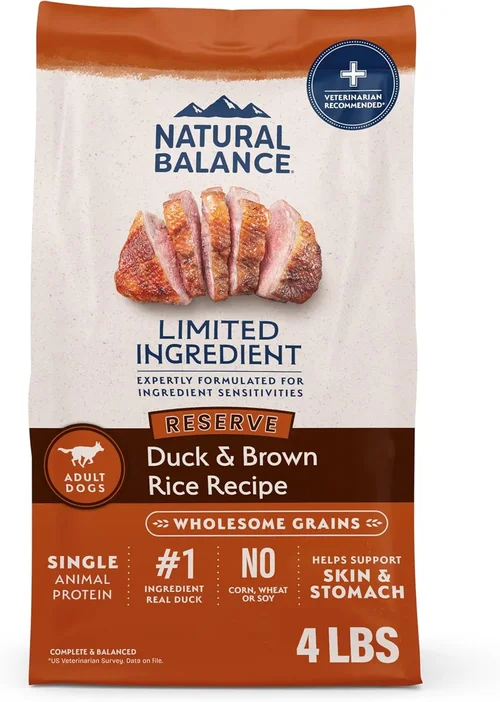
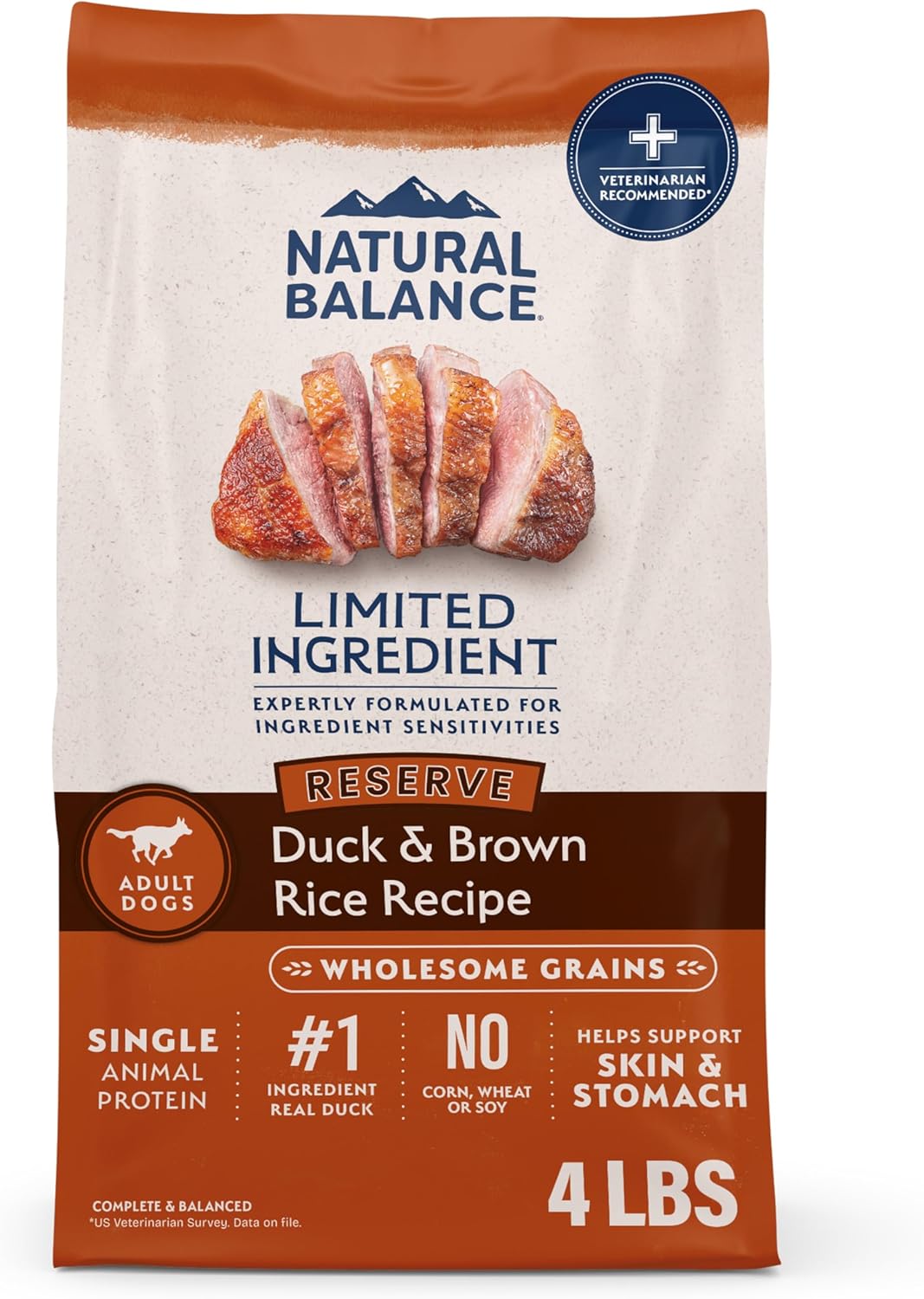
One of the most important factors when selecting dog food for allergies is whether it follows a limited ingredient diet (LID) approach. These formulas contain a minimal number of protein and carbohydrate sources, which reduces the likelihood of triggering an allergic reaction. For dogs with known or suspected food sensitivities, LID foods allow you to isolate and identify problematic ingredients more easily. Look for recipes that feature a single novel protein—such as duck, venison, salmon, or kangaroo—that your dog hasn’t been exposed to before. Similarly, the carbohydrate source should be simple and easily digestible, like sweet potato, peas, or chickpeas, rather than common grains like wheat or corn.
Why does this matter? Dogs develop food allergies over time through repeated exposure to certain ingredients. The most common culprits include beef, chicken, dairy, eggs, soy, and wheat. By switching to a novel protein and starch combination, you give your dog’s immune system a break and reduce inflammation. Many veterinarians recommend an elimination diet using LID food for 8–12 weeks to determine if symptoms improve. Always check the ingredient list: even if a bag says “limited ingredients,” it might still include multiple proteins or artificial additives that could cause issues.
2. Novel Proteins and Carbohydrates
Novel proteins are those that your dog has likely never eaten before, making them less likely to cause an allergic response. While chicken and beef are staples in many commercial dog foods, they’re also among the top allergens for canines. Novel options like lamb, rabbit, bison, or even insect-based proteins (such as black soldier fly larvae) are gaining popularity for their hypoallergenic properties. Similarly, novel carbohydrates—like quinoa, tapioca, or green lentils—can help avoid grain-related sensitivities without sacrificing energy or fiber.
It’s important to note that “novel” doesn’t always mean exotic or expensive. Some dogs respond well to simpler switches, such as going from chicken to turkey or from corn to oats. However, if your dog has been on a standard kibble for years, introducing a truly unfamiliar protein increases the chances of success. Always transition gradually over 7–10 days to avoid digestive upset. And remember: just because a protein is novel now doesn’t mean it will stay that way forever. If your dog eats the same food for too long, they can develop a sensitivity to it over time—so rotating proteins periodically may be beneficial under veterinary guidance.
3. Grain-Free vs. Grain-Inclusive Options
The grain-free trend has dominated pet food marketing for over a decade, but it’s not always the best choice for dogs with allergies. Contrary to popular belief, true grain allergies are relatively rare in dogs—most food allergies are linked to proteins, not grains. In fact, some grain-free diets have been associated with an increased risk of dilated cardiomyopathy (DCM) in certain breeds due to high levels of legumes like peas and lentils, which may interfere with taurine absorption.
That said, some dogs do have genuine sensitivities to wheat, barley, or rye—especially those with concurrent conditions like inflammatory bowel disease (IBD). For these pets, a grain-free formula using safe starches like potato or tapioca may be appropriate. The key is to evaluate your dog’s specific needs rather than following trends. If your dog tolerates grains well, a high-quality grain-inclusive diet with whole grains like brown rice or oatmeal can provide valuable fiber, vitamins, and sustained energy. Always consult your vet before making major dietary changes, especially if your dog has a diagnosed medical condition.
4. Absence of Common Allergens and Fillers
Reading the ingredient label is non-negotiable when shopping for allergy-friendly dog food. Avoid products that list common allergens near the top—such as “chicken by-product meal,” “wheat gluten,” or “soy protein concentrate.” Even seemingly harmless ingredients like “natural flavors” can be vague and potentially problematic. Instead, look for transparency: brands that specify the source of their ingredients (e.g., “deboned duck” vs. “poultry”) tend to be more trustworthy.
Fillers like corn syrup, artificial colors, and chemical preservatives (BHA, BHT, ethoxyquin) should also be avoided. These don’t provide nutritional value and may exacerbate skin or digestive issues. Opt for foods preserved naturally with mixed tocopherols (vitamin E) or rosemary extract. Additionally, watch out for “mystery meats”—ingredients listed as “meat meal” or “animal digest” without specifying the source. These can come from low-quality or inconsistent sources and may trigger reactions in sensitive dogs.
5. High Digestibility and Bioavailability
For dogs with allergies, especially those involving gastrointestinal symptoms like vomiting, diarrhea, or gas, digestibility is crucial. Highly digestible foods are broken down more efficiently in the gut, reducing the workload on the digestive system and minimizing the chance of undigested proteins triggering an immune response. Look for recipes that use whole, minimally processed ingredients and avoid excessive fiber or indigestible by-products.
Bioavailability refers to how well your dog can absorb and utilize the nutrients in their food. Foods with high bioavailability ensure your dog gets maximum nutrition even if they’re eating smaller portions due to sensitivity. Ingredients like real meat (not meal), easily digestible fats (such as chicken fat or salmon oil), and prebiotic fibers (like beet pulp or chicory root) support healthy digestion and nutrient absorption. Some premium brands also include probiotics to promote gut health—a major plus for dogs recovering from allergic flare-ups.
6. Veterinary Endorsement and AAFCO Compliance
Not all dog foods are created equal, and not all meet the nutritional standards required for complete and balanced diets. The Association of American Feed Control Officials (AAFCO) sets guidelines for pet food nutrition, and reputable brands will clearly state on the packaging whether their product meets AAFCO standards for your dog’s life stage (e.g., “for maintenance” or “for growth”). This ensures the food provides all essential nutrients in proper proportions.
Even better? Look for brands that are recommended or formulated by veterinarians. Prescription diets like Hill’s Science Diet z/d or Royal Canin Hypoallergenic are available at Walmart and are clinically proven to manage food allergies. While these tend to be more expensive, they undergo rigorous testing and are often the gold standard for elimination diets. Over-the-counter options like Purina Pro Plan Sensitive Skin & Stomach or Blue Buffalo Basics also carry vet endorsements and are widely trusted by pet owners and professionals alike.
7. Brand Reputation and Transparency
With so many brands flooding the market, it’s essential to choose one with a solid track record of quality, safety, and transparency. Research the company’s history: Have there been recalls? Do they manufacture their own food, or do they outsource to third-party facilities? Brands that own their production lines (like Merrick or Wellness) often have tighter quality control.
Transparency extends beyond ingredients—it includes sourcing practices, testing protocols, and customer support. Reputable companies provide detailed nutritional information, feeding guidelines, and even batch-specific testing results online. They’re also responsive to customer inquiries and willing to share data about allergen cross-contamination risks. Avoid brands that use vague marketing terms like “premium” or “gourmet” without backing them up with evidence. At Walmart, you’ll find a mix of national brands and store-exclusive lines (like Ol’ Roy), so prioritize those with proven allergy-friendly formulations.
8. Price vs. Value
It’s tempting to go for the cheapest option, especially when you’re buying dog food regularly. But when it comes to managing allergies, cost shouldn’t be the only deciding factor. Low-cost foods often rely on fillers, by-products, and synthetic additives to keep prices down—ingredients that can worsen your dog’s condition and lead to higher vet bills down the line.
Instead, think in terms of value: how much nutrition are you getting per dollar? A slightly more expensive food with high-quality ingredients may mean smaller portion sizes and fewer health issues, ultimately saving you money. Consider the cost per pound and per feeding, and factor in potential savings from reduced scratching, fewer ear infections, and better overall health. Many mid-range allergy-friendly foods at Walmart offer excellent value—providing vet-quality nutrition at a fraction of the price of prescription diets.
Different Types of Dog Food for Allergies

Common Buying Mistakes to Avoid

❌ Mistake: Assuming “Grain-Free” Means Hypoallergenic
Why it’s bad: Many pet owners mistakenly believe that grain-free automatically equals allergy-safe. However, as mentioned earlier, grains are rarely the primary cause of food allergies in dogs. In fact, some grain-free diets replace grains with legumes or potatoes, which can be harder to digest and may contribute to heart issues in certain breeds.
What to do instead: Focus on the protein source and overall ingredient quality rather than just the absence of grains. If your dog isn’t reacting to grains, there’s no need to eliminate them—they can be a healthy part of a balanced diet.
❌ Mistake: Switching Foods Too Frequently
Why it’s bad: Constantly rotating brands or formulas can make it impossible to determine what’s causing your dog’s symptoms. It also disrupts gut flora and can lead to digestive upset.
What to do instead: Stick with one food for at least 8–12 weeks during an elimination trial. Only switch if there’s no improvement or if new symptoms arise. Keep a symptom journal to track changes in itching, stool quality, energy levels, and coat condition.
❌ Mistake: Ignoring Treats and Table Scraps
Why it’s bad: Even if you’ve switched to a hypoallergenic kibble, giving your dog treats with common allergens (like chicken-flavored chews or cheese) can sabotage your efforts. Cross-contamination is real—and often overlooked.
What to do instead: Use treats made from the same novel protein as your dog’s food, or choose single-ingredient options like freeze-dried duck or sweet potato bites. Avoid human food entirely during an elimination diet.
❌ Mistake: Choosing Based on Marketing Claims Alone
Why it’s bad: Phrases like “natural,” “holistic,” or “vet-approved” are not regulated and can be misleading. A bag might look premium but still contain hidden allergens or low-quality ingredients.
What to do instead: Always read the full ingredient list and guaranteed analysis. Look for specific, identifiable ingredients and avoid vague terms. Cross-reference with trusted review sites or veterinary resources.
❌ Mistake: Not Consulting a Veterinarian
Why it’s bad: Self-diagnosing your dog’s allergies can lead to mismanagement. Skin issues, for example, could be caused by environmental allergens (like pollen or dust mites), parasites, or infections—not food at all.
What to do instead: Schedule a vet visit to rule out other causes and confirm whether a food trial is appropriate. Your vet can also recommend prescription diets if over-the-counter options aren’t effective.
❌ Mistake: Overlooking Cross-Contamination Risks
Why it’s bad: Some manufacturers produce multiple formulas in the same facility, increasing the risk of trace allergens ending up in “hypoallergenic” bags. This is especially problematic for dogs with severe sensitivities.
What to do instead: Choose brands that state they have dedicated allergen-free production lines or rigorous cleaning protocols. Contact customer service if you’re unsure—reputable companies will provide this information.
Budget Guidelines: How Much Should You Spend?
When it comes to feeding a dog with allergies, budgeting wisely is key. You don’t need to break the bank to provide high-quality nutrition, but you also shouldn’t compromise on safety or efficacy. Here’s a breakdown of what to expect at different price points, based on Walmart’s current offerings:
Entry-Level ($1.00–$1.75/lb): At this tier, options are limited but not impossible. Walmart’s store brand, Ol’ Roy, offers basic kibble, but it’s not ideal for dogs with allergies due to its use of common proteins and fillers. However, you might find occasional deals on mid-tier brands like Iams Sensitive Naturals or Purina ONE SmartBlend Sensitive during sales. These are better than generic brands but may still contain chicken or wheat derivatives. Use this range only as a temporary solution while saving for a more suitable formula.
Mid-Range ($1.75–$3.00/lb): This is the sweet spot for most pet owners managing mild to moderate allergies. Brands like Blue Buffalo Basics, Purina Pro Plan Sensitive Skin & Stomach, and Hill’s Science Diet Sensitive Stomach & Skin are widely available at Walmart and offer limited ingredient profiles, novel proteins, and high digestibility. Many include omega fatty acids for skin health and prebiotics for gut support. You’ll get excellent value here—quality ingredients without prescription-level pricing.
Premium ($3.00–$5.00/lb): For dogs with persistent or severe allergies, investing in premium food can make a significant difference. Options like Royal Canin Veterinary Diet Hydrolyzed Protein (available with a vet note) or Merrick Limited Ingredient Diet use hydrolyzed proteins or exotic meats to minimize immune reactions. These formulas are scientifically formulated and often recommended by veterinarians. While more expensive, they can reduce long-term healthcare costs by preventing flare-ups and secondary infections.
Luxury ($5.00+/lb): At this level, you’re looking at ultra-premium or fresh-frozen options, which may not always be stocked in-store at Walmart but are available online. Brands like The Honest Kitchen or Ollie offer human-grade, minimally processed meals tailored to specific allergies. These are best for owners who prioritize ingredient purity and are willing to pay a premium for convenience and peace of mind. However, for most Walmart shoppers, mid-range to premium options provide the best balance of quality and affordability.

Expert Tips for Getting the Best Deal
- Shop During Seasonal Sales: Walmart often runs pet food promotions around holidays like Memorial Day, Black Friday, and back-to-school season. Stock up during these periods to lock in lower prices. Check the weekly ad or use the Walmart app to track deals.
- Use Digital Coupons and Cashback Apps: Combine manufacturer coupons (found on brand websites) with Walmart’s digital coupons in the app. Apps like Ibotta or Rakuten offer cashback on pet food purchases—sometimes up to 10% back.
- Buy in Bulk When Possible: Larger bags (25–40 lbs) typically cost less per pound than smaller ones. If you have storage space and a dog who tolerates the food well, buying bulk can save significant money over time.
- Compare Online vs. In-Store Prices: Sometimes, Walmart.com offers exclusive online discounts or bundle deals not available in physical stores. Use the “pickup today” option to avoid shipping fees while still accessing online pricing.
- Check Return Policies: If your dog doesn’t tolerate a new food, you’ll want to return it. Walmart generally accepts unopened pet food returns within 90 days with a receipt. Keep the original packaging just in case.
- Ask About Vet Discounts: Some Walmart locations offer discounts on prescription pet foods with a valid vet prescription. Even if it’s not advertised, it never hurts to ask the pharmacy or pet care associate.
- Rotate Proteins Strategically: Once your dog’s symptoms are under control, consider rotating between two compatible novel proteins (e.g., salmon and duck) every few months to reduce the risk of developing new sensitivities. Just ensure both foods are from the same brand and line for consistency.
- Monitor Your Dog’s Response Closely: Keep a simple log of your dog’s symptoms, energy, coat condition, and stool quality for the first few weeks on a new food. This helps you assess effectiveness and provides valuable info if you need to consult your vet.

Frequently Asked Questions
Q: How long does it take to see improvement after switching dog food for allergies?
A: Most dogs show noticeable improvement within 2–4 weeks, but it can take up to 12 weeks for full results—especially if the allergy is long-standing. Skin issues may take longer to resolve than digestive symptoms. Be patient and consistent during the transition period.
Q: Can puppies have food allergies too?
A: Yes, puppies can develop food allergies as early as 6–12 months of age. Symptoms often include chronic ear infections, paw licking, and gastrointestinal upset. Start with a high-quality, limited ingredient puppy formula if you suspect sensitivity.
Q: Is raw food better for dogs with allergies?
A: Raw diets can work for some dogs, but they come with risks—including bacterial contamination and nutritional imbalances. They’re also not practical for most Walmart shoppers due to cost and storage requirements. Stick to commercially prepared hypoallergenic kibble or wet food unless advised otherwise by a vet.
Q: What if my dog is allergic to everything?
A: In rare cases, dogs may react to multiple ingredients. A hydrolyzed protein diet, available by prescription, breaks proteins into tiny fragments that the immune system doesn’t recognize as threats. These are highly effective for severe, multi-allergen cases.
Q: Can I mix old and new food during transition?
A: Yes—and you should. Gradually mix increasing amounts of the new food with the old over 7–10 days to avoid digestive upset. For sensitive dogs, extend this period to 2 weeks.
Q: Are grain-free diets linked to heart disease?
A: The FDA has investigated a potential link between certain grain-free diets high in legumes and DCM in dogs. While not all grain-free foods are risky, it’s wise to choose formulas with balanced starch sources and consult your vet if your dog is predisposed to heart conditions.
Q: Does Walmart carry prescription dog food?
A: Yes! Brands like Hill’s Science Diet and Royal Canin offer prescription formulas at Walmart pharmacies. You’ll need a valid vet prescription, but the convenience and competitive pricing make it a great option.
Q: What’s the difference between food intolerance and food allergy?
A: Food intolerance (like lactose intolerance) causes digestive issues but doesn’t involve the immune system. Food allergies trigger an immune response, leading to skin, ear, or systemic symptoms. Only allergies require strict dietary management.
Q: Can environmental allergies be helped by diet?
A: While diet won’t cure environmental allergies (like pollen or dust), omega-3 fatty acids in high-quality dog food can reduce inflammation and support skin barrier function, making your dog more comfortable during allergy season.
Our Final Recommendations
Best for Budget-Conscious Buyers: Purina Pro Plan Sensitive Skin & Stomach (Salmon & Rice) – At around $2.20/lb, this formula offers a single animal protein, prebiotic fiber, and omega-6 fatty acids for skin health. Widely available at Walmart and trusted by vets.
Best Overall Value: Blue Buffalo Basics Limited Ingredient Diet (Turkey & Potato) – Priced at $2.60/lb, it features real turkey as the first ingredient, no chicken or beef by-products, and includes pumpkin for digestion. A favorite among pet owners for its balance of quality and affordability.
Best Premium Option: Hill’s Science Diet Sensitive Stomach & Skin (Adult) – Around $3.80/lb, this vet-recommended formula uses highly digestible ingredients and includes clinically proven antioxidants. Ideal for dogs with both digestive and skin issues.
Best for Beginners: Royal Canin Veterinary Diet Hydrolyzed Protein (with prescription) – Though pricier ($5.50/lb), it’s the gold standard for confirmed food allergies. Easy to digest and virtually allergen-free, making it perfect for first-time elimination diet users.
Best for Advanced Users: Merrick Limited Ingredient Diet (Lamb & Chickpeas) – At $4.20/lb, this grain-free, single-protein recipe uses deboned lamb and is free from common irritants. Great for owners who want full ingredient transparency and rotational feeding flexibility.
Conclusion: Making the Right Choice
Choosing the right dog food for allergies isn’t just about finding something your dog will eat—it’s about finding something that helps them thrive. With Walmart’s expanding selection of high-quality, allergy-friendly options, you no longer have to choose between convenience, affordability, and nutrition. By focusing on limited ingredients, novel proteins, and vet-backed formulations, you can significantly improve your dog’s quality of life.
Remember, every dog is unique. What works for one may not work for another. Be patient, keep detailed notes, and don’t hesitate to involve your veterinarian. The journey to relief may take time, but the payoff—a happy, healthy, itch-free pup—is worth every effort.
Use this guide as your roadmap. Prioritize your dog’s needs over marketing hype, invest in quality where it matters, and take advantage of Walmart’s accessibility and value. Your furry friend deserves nothing less than the best.