
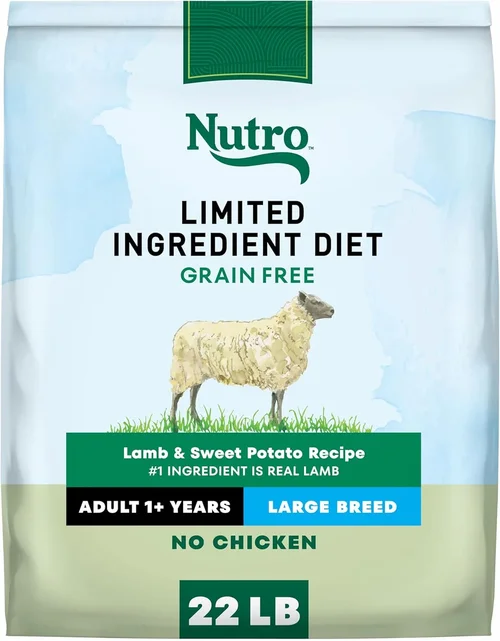
When it comes to raising a healthy, happy German Shepherd, few decisions are as critical as choosing the right dog food. These intelligent, active, and loyal companions have unique nutritional needs that differ significantly from smaller breeds or even other large breeds. German Shepherds are prone to specific health issues—such as hip and elbow dysplasia, digestive sensitivities, skin allergies, and obesity—that can be directly influenced by their diet. Unfortunately, not all dog foods are created equal, and with the overwhelming number of options available, it’s easy for even the most well-intentioned pet parent to make a poor choice. That’s why this comprehensive buying guide exists: to cut through the noise, simplify your decision-making process, and help you find the best dog food at Walmart specifically tailored to your German Shepherd’s needs.
In this guide, we’ll walk you through everything you need to know to make an informed, confident decision. You’ll learn how to evaluate dog food labels like a pro, understand the nutritional requirements of German Shepherds at different life stages, and identify which ingredients support joint health, digestion, coat quality, and energy levels. We’ll also break down the types of dog food available at Walmart—from dry kibble to wet food, grain-free to limited-ingredient formulas—and compare them based on value, quality, and suitability. Whether you’re a first-time German Shepherd owner or a seasoned enthusiast looking to upgrade your dog’s diet, this guide will equip you with expert-level knowledge to choose wisely. Plus, we’ll highlight real-world products you can find at your local Walmart or on Walmart.com, so you can shop with confidence.
The pet food market has exploded in recent years, with new brands, formulas, and marketing claims appearing daily. While this variety offers more choices, it also increases the risk of confusion and misinformation. Many dog foods claim to be “premium,” “natural,” or “specially formulated for large breeds,” but these terms aren’t always regulated or meaningful. At Walmart, you’ll find a mix of budget-friendly options, mid-tier brands, and even some premium lines—but not all are created equal. Some may contain fillers, artificial additives, or insufficient protein levels that don’t meet the demands of a high-energy German Shepherd. Others may be too high in fat or calories, contributing to weight gain. Our goal is to help you navigate this landscape with clarity, so you can select a food that supports your dog’s long-term health, vitality, and well-being—without overspending or compromising on quality.
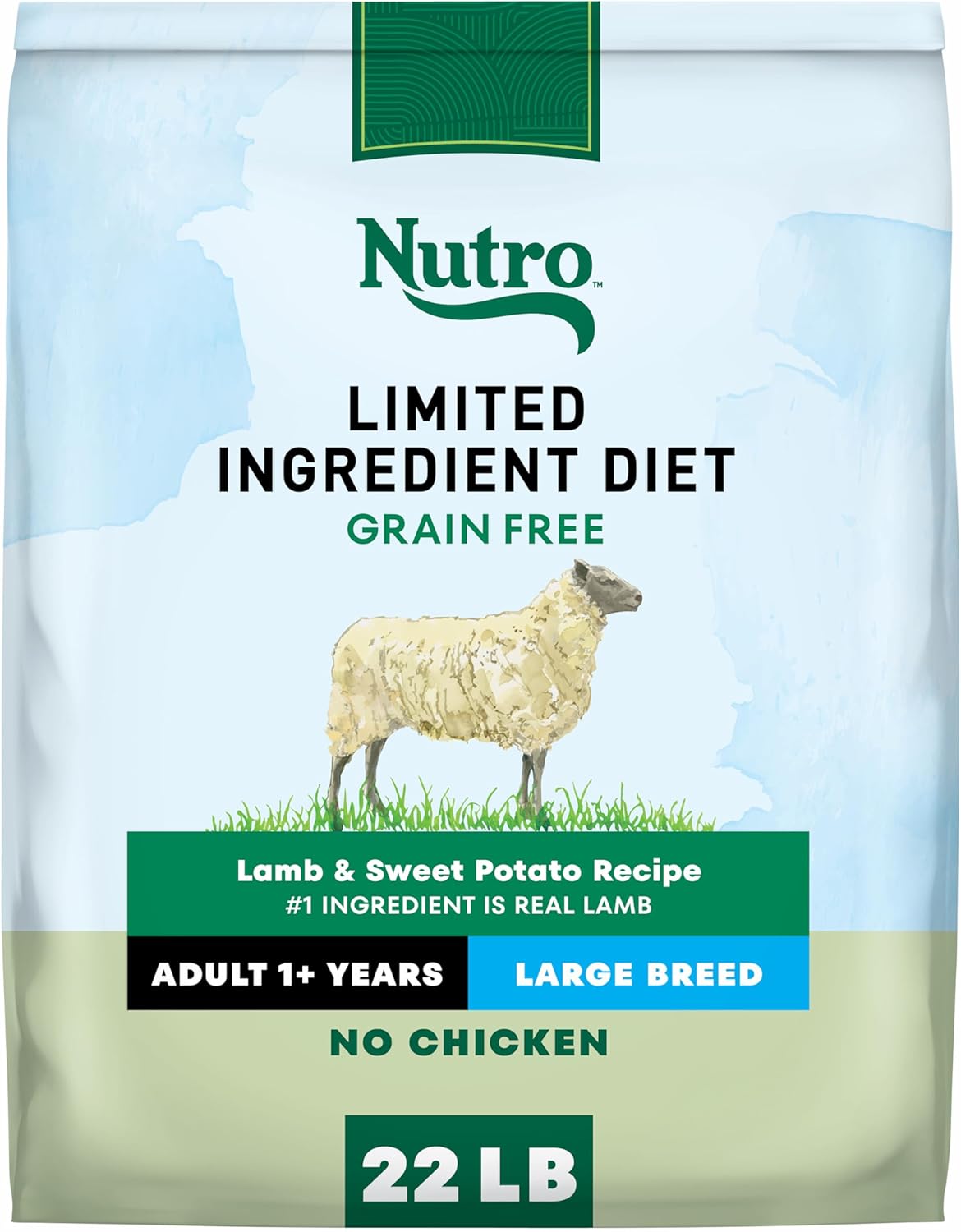
What to Look for When Buying Buying Guide
1. High-Quality Animal Protein as the First Ingredient
Protein is the cornerstone of any German Shepherd’s diet. These dogs are naturally muscular and active, requiring a steady supply of amino acids to maintain lean muscle mass, support immune function, and fuel their daily activities. When evaluating dog food at Walmart, always check the ingredient list: the first ingredient should be a named animal protein source such as “chicken,” “beef,” “lamb,” or “salmon”—not a by-product, meal, or plant-based substitute like “corn gluten meal” or “soy protein isolate.” Whole meats are preferable to meals (e.g., “chicken meal” is acceptable and concentrated, but “meat meal” is vague and less desirable), but both can be high-quality if sourced responsibly. Aim for a minimum of 22–26% protein for adult German Shepherds and 26–30% for puppies or highly active adults. Avoid foods where grains or vegetables dominate the top of the ingredient list, as this often indicates a lower-protein, filler-heavy formula.
2. Appropriate Fat Content for Energy and Coat Health
Fat is another essential macronutrient for German Shepherds, providing concentrated energy and supporting healthy skin and a shiny coat. However, too much fat can lead to weight gain, especially in less active or senior dogs. The ideal fat content for adult German Shepherds ranges from 10% to 15%, while puppies may benefit from slightly higher levels (12–16%) to support growth. Look for named fat sources such as “chicken fat,” “salmon oil,” or “flaxseed oil,” which are rich in omega-3 and omega-6 fatty acids. These fatty acids help reduce inflammation, support joint health, and improve skin conditions—common concerns for German Shepherds. Avoid foods with generic “animal fat” or excessive plant oils like corn oil, which offer less nutritional benefit and may contribute to inflammation.
3. Joint Support Ingredients (Glucosamine, Chondroitin, Omega-3s)
German Shepherds are genetically predisposed to joint issues like hip and elbow dysplasia, making joint support a top priority in their diet. Look for dog foods that include glucosamine and chondroitin—natural compounds that help maintain cartilage health and reduce the risk of arthritis. Many premium formulas, including some available at Walmart, now include these supplements directly in the kibble. Additionally, omega-3 fatty acids (especially EPA and DHA from fish oil) have been shown to reduce joint inflammation and improve mobility. If your German Shepherd is already showing signs of stiffness or discomfort, a food with added joint support can make a noticeable difference. Some brands even offer “large breed” or “joint care” formulas specifically designed for breeds like German Shepherds.
4. Digestive Health and Probiotics
German Shepherds are known for having sensitive stomachs. They can be prone to gas, bloating, diarrhea, and food intolerances—especially if their diet contains low-quality fillers or artificial additives. To support digestive health, look for dog foods that include probiotics (live beneficial bacteria), prebiotic fibers (like chicory root or beet pulp), and easily digestible carbohydrates. Probiotics help maintain a healthy gut microbiome, which is linked to improved digestion, stronger immunity, and even better mood regulation. Avoid foods with excessive corn, wheat, or soy, which are common allergens and can trigger digestive upset. Instead, opt for formulas with limited ingredients or novel proteins (like duck or venison) if your dog has known sensitivities.
5. Grain-Free vs. Whole Grains: What’s Best?
The grain-free debate has been a hot topic in pet nutrition for years. While grain-free diets were once touted as the gold standard, recent studies have raised concerns about a potential link between grain-free foods and dilated cardiomyopathy (DCM) in dogs—especially when legumes like peas, lentils, or potatoes are used as primary carbohydrate sources. For German Shepherds, whole grains like brown rice, oatmeal, or barley can actually be beneficial. They provide sustained energy, fiber for digestion, and essential B vitamins. Unless your dog has a diagnosed grain allergy, there’s no need to avoid grains entirely. In fact, many veterinarians now recommend including healthy grains in the diet. When shopping at Walmart, look for balanced formulas that use whole grains responsibly—not as fillers, but as functional ingredients.
6. Life Stage Appropriateness (Puppy, Adult, Senior)
German Shepherds have different nutritional needs at each stage of life. Puppies require higher levels of protein, fat, and calories to support rapid growth, but they also need controlled calcium and phosphorus levels to prevent skeletal abnormalities. Adult dogs need a balanced diet that maintains muscle mass and energy without promoting weight gain. Senior German Shepherds (typically 7+ years) benefit from lower-calorie formulas with added joint support, antioxidants, and joint supplements. Always choose a food labeled for your dog’s specific life stage. Feeding a puppy food to an adult dog can lead to obesity, while feeding adult food to a growing puppy may result in nutrient deficiencies. Walmart carries a range of life-stage-specific formulas, so be sure to match the product to your dog’s age and activity level.
7. Brand Reputation and Transparency
Not all dog food brands are created equal, and brand reputation matters. Look for companies that are transparent about their sourcing, manufacturing processes, and ingredient quality. Reputable brands often conduct feeding trials, publish nutritional analyses, and are members of the Association of American Feed Control Officials (AAFCO). Avoid brands that use vague labeling, have a history of recalls, or rely heavily on marketing buzzwords without substance. At Walmart, you’ll find both well-known national brands (like Purina, Iams, and Blue Buffalo) and store brands (like Ol’ Roy and Parent’s Choice). While store brands can be budget-friendly, they often use lower-quality ingredients and fillers. Stick to brands with a proven track record of quality and safety.
8. Price vs. Value: Getting the Most for Your Money
Price is an important factor, but it shouldn’t be the only one. The cheapest dog food is rarely the best value in the long run—poor nutrition can lead to health problems, vet bills, and shorter lifespans. That said, you don’t need to spend a fortune to feed your German Shepherd well. Focus on value: how much high-quality nutrition you’re getting per dollar. Compare the cost per pound or per cup, and consider the protein and fat content. A slightly more expensive food with higher meat content may actually be cheaper in the long run because your dog will eat less and absorb more nutrients. Walmart offers a range of options across price points, so you can find a balance between affordability and quality.
Different Types of Buying Guide
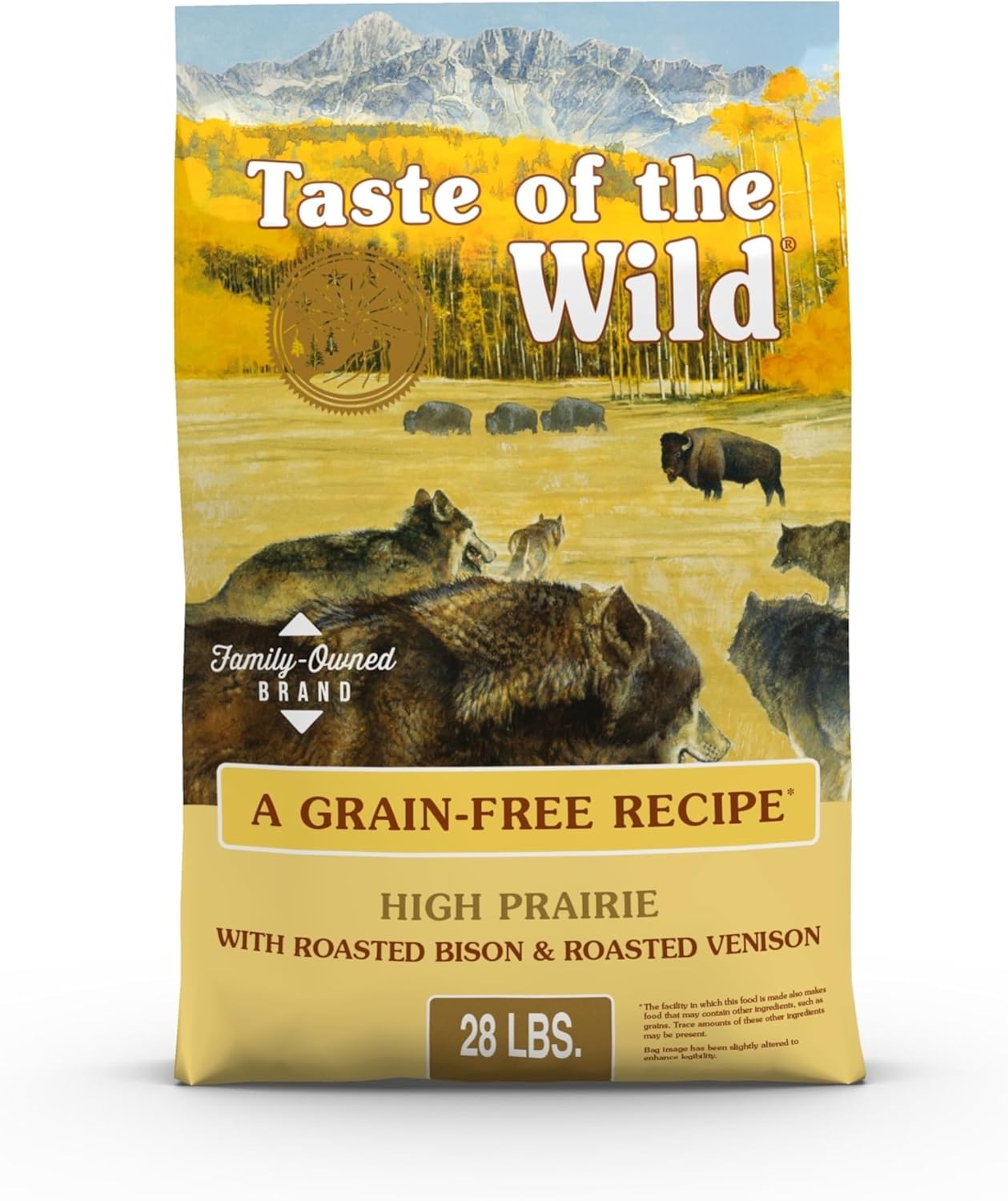
Common Buying Mistakes to Avoid

❌ Mistake: Choosing Based Solely on Price
Why it’s bad: Opting for the cheapest dog food may save money upfront, but it often leads to poor nutrition, digestive issues, and higher veterinary costs down the line. Low-cost brands frequently use fillers like corn, wheat, and soy, which provide little nutritional value and can trigger allergies.
What to do instead: Focus on value, not just price. Compare the cost per pound and evaluate the ingredient quality. A mid-range food with high meat content and no artificial additives is often a better long-term investment.
❌ Mistake: Ignoring the Ingredient List
Why it’s bad: Marketing claims like “natural” or “premium” don’t guarantee quality. Without reading the ingredient list, you might be feeding your dog a diet high in by-products, artificial preservatives, or low-grade proteins.
What to do instead: Always check the first five ingredients. Look for whole meats, named fats, and whole grains. Avoid foods with artificial colors, flavors, or preservatives like BHA, BHT, or ethoxyquin.
❌ Mistake: Feeding Puppy Food to Adult Dogs
Why it’s bad: Puppy food is higher in calories, fat, and calcium, which can lead to obesity and skeletal problems in adult German Shepherds. Over time, this can strain joints and organs.
What to do instead: Transition to an adult formula around 12–18 months of age. Choose a large-breed adult food that supports joint health and maintains lean muscle without excess calories.
❌ Mistake: Overlooking Life Stage and Activity Level
Why it’s bad: A sedentary senior dog has very different needs than a working or agility-trained German Shepherd. Feeding the wrong formula can result in weight gain, lethargy, or nutrient deficiencies.
What to do instead: Match the food to your dog’s age, size, and activity level. Active dogs may need higher protein and fat, while seniors benefit from lower calories and added joint support.
❌ Mistake: Switching Foods Too Quickly
Why it’s bad: Sudden changes in diet can cause digestive upset, including diarrhea, vomiting, and gas. German Shepherds are especially sensitive to abrupt transitions.
What to do instead: Gradually transition over 7–10 days. Start by mixing 25% new food with 75% old food, then increase the ratio every few days until fully switched.
❌ Mistake: Believing All “Grain-Free” Foods Are Better
Why it’s bad: Grain-free diets aren’t inherently healthier and may increase the risk of DCM if they rely heavily on legumes. Many German Shepherds thrive on whole grains like brown rice and oatmeal.
What to do instead: Choose a balanced diet that includes healthy carbohydrates unless your dog has a confirmed grain allergy. Consult your vet before going grain-free.
❌ Mistake: Not Monitoring Your Dog’s Response
Why it’s bad: Even the best dog food may not suit every individual. If your dog develops skin issues, digestive problems, or lethargy, the food could be the culprit.
What to do instead: Observe your dog’s coat, energy levels, stool quality, and overall health. Keep a food journal and consult your vet if you notice negative changes.
Budget Guidelines: How Much Should You Spend?
– Entry-Level ($15–$25 per 30-lb bag): These are typically store brands or budget lines like Ol’ Roy or Parent’s Choice. While convenient and affordable, they often contain fillers, by-products, and artificial additives. Best for temporary use or supplemental feeding, but not ideal for long-term health.
– Mid-Range ($25–$40 per 30-lb bag): This is the sweet spot for most German Shepherd owners. Brands like Purina ONE, Iams ProActive Health, and Blue Buffalo Life Protection offer balanced nutrition with real meat, whole grains, and added vitamins. These foods provide good value and support overall health without breaking the bank.
– Premium ($40–$60 per 30-lb bag): These formulas, such as Blue Buffalo Wilderness, Nutro Ultra, or Wellness CORE, feature high-protein recipes, named meat sources, and added supplements like glucosamine and probiotics. Ideal for active dogs, those with sensitivities, or owners prioritizing long-term wellness.
– Luxury ($60+ per 30-lb bag): Top-tier brands like Orijen, Acana, or Fromm (available at select Walmart locations or online) use human-grade ingredients, novel proteins, and advanced formulations. While excellent, they may be overkill for the average pet owner and aren’t always necessary for a healthy German Shepherd.

Expert Tips for Getting the Best Deal
– Shop During Sales: Walmart often runs promotions on pet food, especially during back-to-school season, Black Friday, and spring cleaning events. Sign up for their email alerts or check the weekly ad for discounts.
– Buy in Bulk: Larger bags (30–40 lbs) are usually more cost-effective per pound. If you have storage space, buying in bulk can save 10–20% over smaller bags.
– Use Walmart+ for Free Shipping: Walmart+ members get free shipping on online orders, including heavy dog food bags. This can save on delivery fees and make it easier to stock up.
– Check for Manufacturer Coupons: Many brands offer digital coupons through the Walmart app or their websites. Stack these with store sales for maximum savings.
– Read Customer Reviews: Look for reviews from other German Shepherd owners. They often share insights about palatability, digestion, and coat improvements.
– Consider Store Brands Carefully: While Ol’ Roy is budget-friendly, it’s not recommended for long-term feeding. However, Walmart’s Parent’s Choice Premium line offers better ingredients at a lower price point.
– Ask Your Vet: Your veterinarian can recommend specific brands or formulas based on your dog’s health history. Some vets even offer discounts on certain products.
– Rotate Proteins Occasionally: Feeding the same protein source long-term can increase the risk of sensitivities. Rotate between chicken, beef, lamb, or fish every few months to provide variety and reduce allergy risk.

Frequently Asked Questions
Q: Can I feed my German Shepherd a raw diet from Walmart?
A: Walmart does not typically carry raw dog food, and raw diets require careful preparation to avoid bacterial contamination and nutritional imbalances. While some owners choose raw feeding, it’s best done under veterinary supervision and with commercially prepared, balanced raw meals—not DIY recipes.
Q: How much should I feed my German Shepherd?
A: Feeding guidelines vary by weight, age, and activity level. Generally, adult German Shepherds need 3–5 cups of high-quality dry food per day, split into two meals. Always follow the package instructions and adjust based on your dog’s body condition.
Q: Is it okay to mix wet and dry food?
A: Yes! Mixing wet and dry food can increase palatability, improve hydration, and provide texture variety. Just adjust portions to avoid overfeeding—wet food is more calorie-dense per volume.
Q: How often should I change my dog’s food?
A: There’s no need to change food frequently unless your dog has allergies or health issues. Consistency is key for digestive health. Only switch when necessary, and do so gradually.
Q: Can German Shepherds eat grain-free food?
A: Yes, but only if they have a diagnosed grain allergy. For most dogs, whole grains are safe and beneficial. Avoid grain-free diets high in legumes unless recommended by a vet.
Q: What should I do if my dog has food allergies?
A: Look for limited-ingredient diets with novel proteins (like duck or venison) and no common allergens. Consult your vet for an elimination diet to identify triggers.
Q: Are supplements necessary with commercial dog food?
A: Most high-quality dog foods are complete and balanced, so supplements aren’t needed. However, joint supplements like glucosamine or omega-3s can be beneficial for German Shepherds, especially as they age.
Q: How can I tell if my dog’s food is working?
A: Look for a shiny coat, healthy weight, firm stools, high energy, and good dental health. If your dog is itchy, gassy, or lethargic, the food may not be suitable.
Q: Is Walmart a reliable place to buy dog food?
A: Yes, Walmart carries reputable brands and offers competitive prices. However, always check expiration dates and avoid damaged packaging. For premium brands, verify availability online or at larger stores.
Our Final Recommendations
– Best for Budget-Conscious Buyers: Purina ONE SmartBlend Large Breed Adult – Offers real chicken, whole grains, and added glucosamine at an affordable price. Widely available at Walmart and backed by solid nutrition.
– Best Overall Value: Blue Buffalo Life Protection Formula Large Breed – Features deboned chicken, brown rice, and LifeSource Bits with antioxidants. Excellent balance of quality and cost.
– Best Premium Option: Blue Buffalo Wilderness High Protein Large Breed – Grain-free, high-protein recipe with real meat as the first ingredient. Ideal for active or sensitive German Shepherds.
– Best for Beginners: Iams ProActive Health Large Breed – Easy to find, vet-recommended, and formulated for joint and digestive health. Great for first-time owners.
– Best for Advanced Users: Wellness CORE Grain-Free Large Breed – High meat content, no fillers, and added probiotics. Perfect for owners who prioritize ingredient quality and transparency.
Conclusion: Making the Right Choice
Choosing the right dog food for your German Shepherd is one of the most important decisions you’ll make as a pet parent. It impacts everything from their energy levels and coat shine to their joint health and longevity. With so many options at Walmart—from budget picks to premium formulas—it’s essential to look beyond marketing claims and focus on ingredient quality, nutritional balance, and your dog’s individual needs. Remember, the best food is one that supports your German Shepherd’s health, fits your budget, and is convenient for your lifestyle.
We’ve covered the key factors to consider, from protein content and joint support to life stage appropriateness and brand reputation. We’ve also highlighted common mistakes to avoid and provided practical tips for getting the best value. Whether you’re feeding a playful puppy, a working adult, or a wise senior, there’s a Walmart option that can meet your dog’s needs. Take the time to read labels, monitor your dog’s response, and consult your vet when in doubt. Your German Shepherd deserves the best—and with the knowledge from this guide, you’re well-equipped to give it to them. Start shopping smarter today, and watch your loyal companion thrive for years to come.