
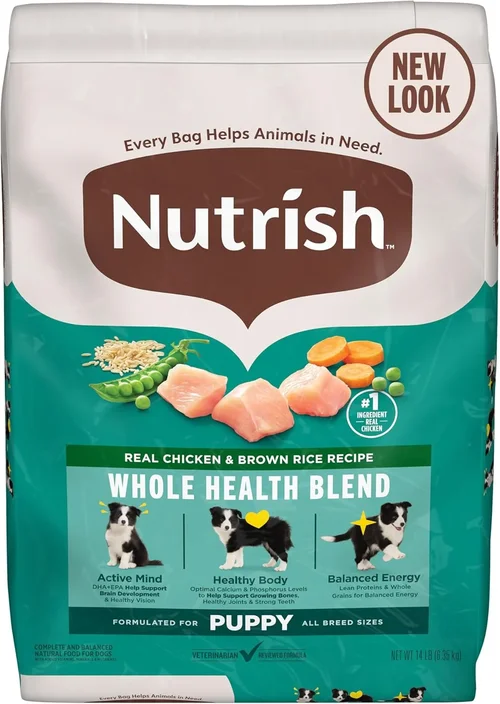
Puppies are bundles of energy, curiosity, and rapid growth—and what you feed them during these formative months can shape their health, behavior, and longevity for years to come. Choosing the right puppy food isn’t just about picking up the first bag you see on the shelf. It’s a critical decision that impacts everything from bone development and immune function to coat quality and digestive health. With so many options available, especially at large retailers like Walmart—where convenience meets affordability—it’s easy to feel overwhelmed. That’s why this comprehensive buying guide exists: to cut through the noise, clarify the science, and help you make an informed, confident choice for your furry friend.
In this guide, you’ll learn exactly what makes a high-quality puppy food, how to interpret labels like a pro, and which ingredients truly matter for growing dogs. We’ll walk you through key factors such as protein sources, life stage appropriateness, breed size considerations, and budget-friendly strategies—all tailored specifically to Walmart’s current puppy food offerings. Whether you’re raising a tiny Chihuahua or a future Great Dane, feeding a rescue pup with unknown dietary history, or simply looking to stretch your dollar without compromising nutrition, this guide has you covered. By the end, you’ll know not only which brands and formulas stand out at Walmart but also how to avoid common pitfalls and shop smarter.
The pet food market has exploded in recent years, with countless brands touting “premium,” “natural,” or “grain-free” claims—but not all buzzwords translate to real benefits. Walmart, as one of the largest retailers in the U.S., carries a wide range of puppy foods across price points, from value-oriented store brands to nationally recognized names like Purina, Iams, and Blue Buffalo. However, availability and formulations can vary by location and season, so it’s essential to understand what to look for beyond the packaging. This guide will empower you to navigate Walmart’s aisles (or online inventory) with confidence, ensuring your puppy gets the balanced, nutrient-rich diet they need to thrive—without overspending or falling for marketing gimmicks.

What to Look for When Buying Puppy Dog Food
1. Life Stage Appropriateness
One of the most fundamental—and often overlooked—factors when choosing puppy food is ensuring it’s specifically formulated for the “growth” life stage. The Association of American Feed Control Officials (AAFCO) sets nutritional standards for pet foods, and any product labeled for “growth” or “all life stages” must meet higher requirements for protein, fat, calcium, phosphorus, and essential fatty acids than adult maintenance formulas. Puppies grow rapidly in their first 6–18 months (depending on breed size), and their bodies demand more energy and specific nutrients to support skeletal development, brain function, and immune system maturation.
Look for clear labeling on the bag that states “formulated to meet the nutritional levels established by the AAFCO Dog Food Nutrient Profiles for Growth” or “for all life stages.” Avoid adult dog food, even if it seems cheaper—it won’t provide the caloric density or mineral balance your puppy needs. For example, large-breed puppies require controlled calcium levels to prevent joint issues like hip dysplasia, while small breeds need higher fat content for sustained energy. Always match the food to your puppy’s expected adult size: small (<20 lbs), medium (20–50 lbs), or large (>50 lbs).
2. High-Quality Protein Sources
Protein is the cornerstone of a puppy’s diet, fueling muscle development, tissue repair, and enzyme production. But not all proteins are created equal. The first ingredient listed should be a named animal protein source—such as “chicken,” “salmon,” or “lamb”—not a vague term like “meat meal” or “poultry by-product.” Whole meats (e.g., deboned chicken) contain more moisture and bioavailable nutrients, while meat meals (e.g., chicken meal) are concentrated protein sources that have been rendered to remove water and fat—still valuable, but ideally listed after a whole meat.
Avoid foods where corn, wheat, or soy appear before real meat, as these are often used as cheap fillers and provide lower-quality protein. Puppies need at least 22% crude protein on a dry matter basis, but many premium formulas offer 26–30%. For instance, Walmart carries Blue Buffalo Life Protection Formula Puppy Chicken & Brown Rice, which lists deboned chicken as the first ingredient and provides 28% protein—ideal for active growing pups. Always check the guaranteed analysis on the back of the bag to verify protein levels.
3. Balanced Fat and Essential Fatty Acids
Fat is a concentrated energy source for puppies, supporting brain development, skin health, and a shiny coat. Look for a fat content between 8–20% (dry matter basis), with higher levels beneficial for small or high-energy breeds. The best sources include chicken fat, salmon oil, flaxseed, and canola oil—these provide omega-3 and omega-6 fatty acids, particularly DHA (docosahexaenoic acid), which is crucial for cognitive and vision development in puppies.
Walmart’s store brand, Ol’ Roy, may be budget-friendly, but its fat sources are often less specified (e.g., “animal fat”), which could come from low-quality or inconsistent origins. In contrast, Purina Pro Plan Puppy Small Breed, available at Walmart, includes salmon oil and guaranteed DHA levels, making it a stronger choice for neurological development. Avoid foods with excessive vegetable oils or unnamed fat sources, as they may not offer the same nutritional benefits.
4. Appropriate Calcium-to-Phosphorus Ratio
Bone and teeth development in puppies is highly sensitive to mineral balance, especially calcium and phosphorus. An ideal ratio is between 1:1 and 1.8:1 (calcium to phosphorus). Too much calcium—common in homemade or improperly formulated diets—can lead to skeletal abnormalities in large and giant breeds, while too little can cause weak bones and delayed growth. AAFCO recommends a minimum of 1.0% calcium and 0.8% phosphorus for growth diets, but exceeding 1.8% calcium is risky.
Large-breed puppy foods are specially formulated with lower calcium levels to support slower, steadier growth. For example, Iams ProActive Health Smart Puppy Large Breed, sold at Walmart, contains 1.1% calcium and 0.9% phosphorus—well within the safe range. Always choose a formula matched to your puppy’s expected adult size. If you’re unsure, consult your veterinarian or use breed-specific growth charts.
5. Digestibility and Gut Health Support
A puppy’s digestive system is still developing, making them prone to sensitivities, gas, and loose stools. Highly digestible ingredients reduce the workload on their gut and improve nutrient absorption. Look for foods with prebiotics (like chicory root or FOS/MOS), probiotics (live beneficial bacteria), and easily digestible carbohydrates such as brown rice, oatmeal, or sweet potatoes.
Walmart carries several options with digestive support, including Wellness Complete Health Puppy Deboned Chicken & Oatmeal, which includes probiotics and prebiotic fiber. Avoid foods with excessive fillers like corn gluten meal or beet pulp, which can be harder to digest and offer limited nutritional value. If your puppy has a sensitive stomach, consider limited-ingredient diets or formulas with novel proteins (e.g., duck or lamb) to reduce allergen exposure.
6. Avoidance of Harmful Additives and Fillers
Not all ingredients are beneficial—some can be harmful or unnecessary. Artificial colors (like Red 40 or Yellow 5), flavors, and preservatives (BHA, BHT, ethoxyquin) have been linked to health concerns in dogs and offer no nutritional value. While these may be present in lower-cost brands, many mid-tier and premium options now use natural preservatives like mixed tocopherols (vitamin E) and rosemary extract.
Fillers such as corn, soy, and wheat are often used to bulk up kibble cheaply but can trigger allergies or provide poor-quality protein. While small amounts of whole grains can be beneficial, they shouldn’t dominate the ingredient list. For example, Walmart’s Great Value Puppy Food lists corn as the first ingredient—a red flag for quality. Instead, opt for brands like Nutro Wholesome Essentials Puppy, which uses whole grain brown rice and real chicken as primary ingredients.
7. Brand Transparency and Manufacturing Standards
Not all pet food companies are equally transparent about their sourcing, manufacturing, or testing practices. Reputable brands conduct feeding trials, publish ingredient sourcing information, and are members of organizations like the Pet Food Institute or AAFCO. They also avoid vague terms like “flavor” (e.g., “chicken flavor” instead of “chicken”) and provide clear contact information for customer inquiries.
Walmart carries several trustworthy brands, including Purina, Hill’s Science Diet, and Blue Buffalo, all of which have strong safety records and nutritional research backing. Be cautious with lesser-known or private-label brands that lack transparency. If a company doesn’t list a phone number or website for questions, or if recalls are frequent, it may be a sign of inconsistent quality control.
8. Price vs. Value: Getting the Most for Your Money
While budget is a real concern for many pet owners, the cheapest option isn’t always the most cost-effective. Lower-priced foods often use less digestible ingredients, meaning your puppy may need to eat more to meet nutritional needs—offsetting the savings. Additionally, poor-quality diets can lead to health issues down the line, resulting in higher vet bills.
Instead of focusing solely on price per pound, calculate the cost per feeding based on your puppy’s recommended daily intake. For example, a 30-pound bag of Ol’ Roy may cost $15, but if your puppy needs 3 cups per day, it lasts only 10 days ($1.50/day). A $45 bag of Purina Pro Plan that requires only 2 cups daily could last 15 days ($3.00/day)—but provide superior nutrition. Mid-range options often offer the best balance of quality and affordability.
Different Types of Puppy Dog Food

Common Buying Mistakes to Avoid
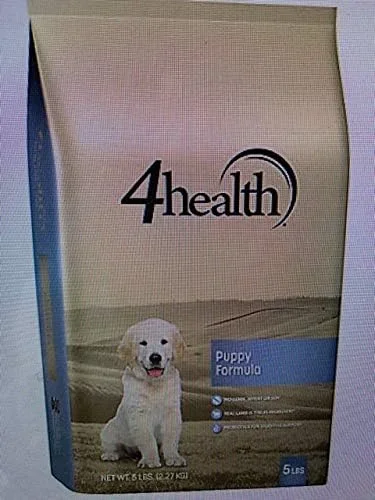
❌ Mistake: Choosing Based Solely on Price
Why it’s bad: The cheapest puppy food often uses low-quality proteins, fillers, and artificial additives that can lead to poor digestion, dull coats, and long-term health issues. Puppies have higher nutritional demands than adult dogs, and cutting corners now may result in costly vet visits later.
What to do instead: Focus on value, not just cost. Compare ingredients and guaranteed analysis across brands. A mid-range food with real meat as the first ingredient and no artificial preservatives will often save money in the long run by promoting better health and reducing the need for supplements or medical care.
❌ Mistake: Ignoring Breed Size and Growth Rate
Why it’s bad: Feeding a large-breed puppy a standard puppy food high in calcium and calories can accelerate growth, increasing the risk of orthopedic problems like hip dysplasia. Conversely, small breeds may not get enough energy from large-breed formulas.
What to do instead: Select a formula specifically designed for your puppy’s expected adult size. Walmart carries breed-specific options like Purina Pro Plan Puppy Large Breed and Iams ProActive Health Small Breed. If you’re unsure of your puppy’s final size, consult your breeder or veterinarian.
❌ Mistake: Overlooking the Ingredient List
Why it’s bad: Marketing claims like “natural” or “premium” don’t guarantee quality. Many foods use vague terms or list fillers before real meat, misleading consumers about nutritional value.
What to do instead: Always read the ingredient list, not just the front label. The first three ingredients should be high-quality proteins and recognizable whole foods. Avoid products where grains or by-products dominate the list.
❌ Mistake: Switching Foods Too Quickly
Why it’s bad: Sudden diet changes can upset a puppy’s digestive system, causing diarrhea, vomiting, or refusal to eat. This is especially true for sensitive stomachs.
What to do instead: Transition gradually over 7–10 days, mixing increasing amounts of the new food with the old. Start with 25% new food and 75% old, then move to 50/50, then 75/25, before fully switching. This allows the gut microbiome to adapt.
❌ Mistake: Feeding Adult Dog Food to Puppies
Why it’s bad: Adult dog food lacks the higher protein, fat, and mineral levels required for growth. Puppies fed adult food may experience stunted development, weakened immunity, and behavioral issues due to energy deficits.
What to do instead: Always choose a food labeled for “growth” or “all life stages.” Even if your puppy is nearly full-grown, continue with puppy food until they reach maturity—usually 12 months for small breeds, 18 months for large breeds.
❌ Mistake: Believing All “Grain-Free” Foods Are Better
Why it’s bad: Grain-free diets have been linked to a potential increase in dilated cardiomyopathy (DCM) in dogs, especially when they rely heavily on legumes like peas and lentils as primary ingredients. Most dogs don’t need grain-free food unless they have a diagnosed allergy.
What to do instead: Only choose grain-free if your vet recommends it for a specific health issue. Otherwise, opt for whole grains like brown rice or oatmeal, which provide fiber and energy without the risks associated with certain grain-free formulations.
❌ Mistake: Not Adjusting Portions as Your Puppy Grows
Why it’s bad: Puppies grow rapidly, and their caloric needs change weekly. Overfeeding can lead to obesity, while underfeeding can cause malnutrition and developmental delays.
What to do instead: Follow the feeding guidelines on the bag as a starting point, but adjust based on your puppy’s body condition. Use the “rib test”: you should be able to feel ribs without seeing them. Weigh your puppy weekly and consult your vet if you’re unsure about portion sizes.
Budget Guidelines: How Much Should You Spend?
When it comes to puppy food, your budget should reflect both your financial situation and your commitment to your dog’s long-term health. While it’s tempting to go for the lowest price, remember that nutrition is an investment. Here’s a realistic breakdown of what to expect at different price points available at Walmart:
Entry-Level ($10–$20 per 30-lb bag): This tier includes store brands like Ol’ Roy and Great Value. These foods often list corn or by-products as primary ingredients and may contain artificial preservatives. While they meet AAFCO minimums, they offer lower digestibility and fewer high-quality nutrients. Best for temporary use or multi-dog households on tight budgets—but not ideal for long-term feeding.
Mid-Range ($25–$40 per 30-lb bag): This is the sweet spot for most puppy owners. Brands like Purina ONE, Iams ProActive Health, and Nutro Wholesome Essentials fall here. These foods feature real meat as the first ingredient, balanced minerals, and added benefits like probiotics or DHA. They provide excellent value, with strong nutritional profiles and reliable availability at Walmart.
Premium ($45–$60 per 30-lb bag): Premium options such as Blue Buffalo Life Protection, Hill’s Science Diet Puppy, and Wellness Complete Health offer higher protein levels, named meat meals, and advanced formulations for specific needs (e.g., sensitive skin, large breed support). These are ideal for owners who prioritize ingredient quality and are willing to pay more for peace of mind.
Luxury ($60+ per 30-lb bag): While Walmart’s in-store selection rarely exceeds $60, their online inventory may include limited premium brands like Orijen or Acana. These foods use fresh, regional ingredients and often avoid grains and fillers entirely. They’re best for owners with specific dietary goals or dogs with complex health needs—but may be overkill for the average puppy.
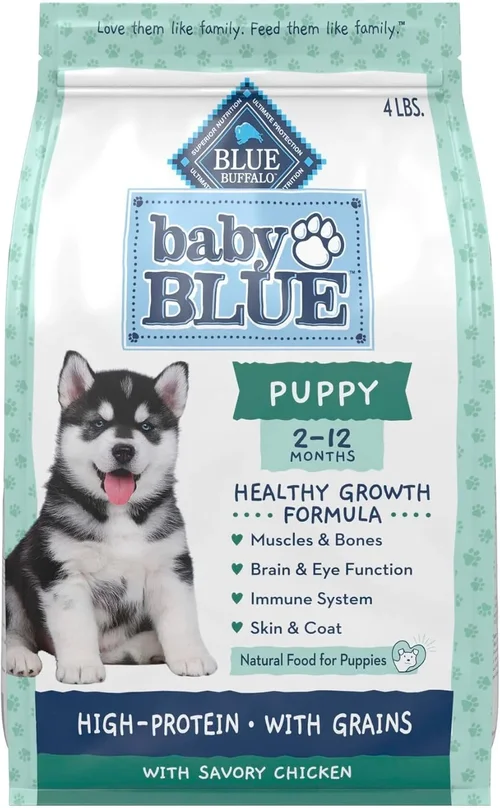
Expert Tips for Getting the Best Deal
- Shop During Seasonal Sales: Walmart often runs pet food promotions around holidays like Memorial Day, Black Friday, and back-to-school season. Stock up during these periods to save 10–20% on premium brands.
- Compare Online vs. In-Store Prices: Walmart’s website frequently offers online-exclusive deals, bundle packs, or free shipping on orders over $35. Check both channels before purchasing.
- Use the Walmart App: The app features digital coupons, price alerts, and in-store navigation to help you find specific puppy foods quickly. You can also scan items for instant price checks.
- Buy in Bulk (When Practical): Larger bags (30–40 lbs) typically cost less per pound than smaller ones. If you have storage space and a puppy who eats consistently, bulk buying can save money over time.
- Check for Manufacturer Rebates: Brands like Purina and Hill’s often offer mail-in rebates or instant savings through Walmart’s partnership programs. Visit the brand’s website for current promotions.
- Read Return Policies: If your puppy refuses a new food or has an adverse reaction, ensure you can return unopened bags. Walmart generally accepts returns within 90 days with a receipt.
- Consult Your Vet Before Switching: If you’re considering a specialized diet (e.g., grain-free or limited ingredient), get professional advice first. Your vet can help determine if it’s necessary and safe.
- Track Your Puppy’s Response: Keep a journal of your puppy’s energy levels, coat condition, stool quality, and appetite for the first few weeks on a new food. This helps you assess whether the diet is working or needs adjustment.

Frequently Asked Questions
Q: Can I feed my puppy adult dog food if it’s all that’s available?
A: It’s not recommended. Adult dog food doesn’t meet the higher nutritional demands of growing puppies. If you must use it temporarily, supplement with high-protein treats or consult your vet for guidance. Always transition back to puppy food as soon as possible.
Q: How often should I feed my puppy?
A: Puppies under 6 months should be fed 3–4 times daily. From 6–12 months, reduce to 2–3 meals. Large breeds may benefit from slower, more frequent feeding to prevent bloat. Always follow the feeding chart on the bag as a starting point.
Q: Is grain-free puppy food better?
A: Not necessarily. Unless your puppy has a diagnosed grain allergy, whole grains like brown rice or oatmeal are safe and beneficial. Grain-free diets may pose risks if they rely heavily on legumes. Consult your vet before choosing grain-free.
Q: What if my puppy won’t eat the food I bought?
A: Try mixing it with warm water or a small amount of wet food to enhance aroma. Ensure the food isn’t stale or improperly stored. If refusal persists beyond a few days, consider a different flavor or brand. Some puppies are simply picky eaters.
Q: How do I know if my puppy is getting enough nutrients?
A: Signs of good nutrition include a shiny coat, healthy weight gain, firm stools, high energy, and clear eyes. Regular vet check-ups and growth monitoring are the best ways to confirm your puppy is thriving.
Q: Can I mix different brands of puppy food?
A: Yes, but do so gradually to avoid digestive upset. Mixing can help transition between brands or add variety, but ensure both foods are AAFCO-compliant for growth.
Q: Are raw or homemade diets better than kibble?
A: Raw and homemade diets require careful balancing to meet nutritional needs and can pose risks like bacterial contamination or nutrient deficiencies. If you choose this route, work with a veterinary nutritionist. For most owners, high-quality kibble is safer and more convenient.
Q: How long should I feed puppy food?
A: Continue until your puppy reaches maturity: 12 months for small breeds, 15–18 months for large breeds. Switching too early can deprive them of essential growth nutrients.
Q: What should I do if my puppy has diarrhea after switching food?
A: Slow down the transition process. Go back to a higher ratio of the old food and extend the transition period to 10–14 days. If symptoms persist, consult your vet to rule out infections or allergies.
Q: Does Walmart carry prescription puppy food?
A: Walmart does not typically carry veterinary-exclusive prescription diets (like Hill’s Prescription Diet or Royal Canin Veterinary). These are usually available only through vets or authorized online retailers. However, they do carry therapeutic-style formulas for sensitive stomachs or skin support.
Our Final Recommendations
Best for Budget-Conscious Buyers: Purina ONE SmartBlend Puppy Formula – At around $25 for a 30-lb bag, this offers real chicken as the first ingredient, DHA for brain development, and no artificial flavors. It’s widely available at Walmart and provides solid nutrition without breaking the bank.
Best Overall Value: Iams ProActive Health Smart Puppy Large Breed – Ideal for medium to large breeds, this formula balances protein, controlled calcium, and joint-supporting nutrients. Priced under $30, it’s a reliable, vet-recommended choice with excellent digestibility.
Best Premium Option: Blue Buffalo Life Protection Formula Puppy Chicken & Brown Rice – With deboned chicken, whole grains, and LifeSource Bits (a blend of antioxidants), this food delivers high-quality nutrition. At $45–$50, it’s a step up in ingredient quality and is available both in-store and online at Walmart.
Best for Beginners: Nutro Wholesome Essentials Puppy – Simple, clean ingredients with no artificial additives make this a great entry point for new puppy owners. It’s easy to find, moderately priced ($35–$40), and gentle on sensitive stomachs.
Best for Advanced Users (with Vet Guidance): Wellness Simple Limited Ingredient Diet Puppy – For puppies with food sensitivities, this grain-free, single-protein formula (salmon or lamb) minimizes allergens. Available online at Walmart, it’s ideal for owners managing dietary restrictions under veterinary supervision.
Conclusion: Making the Right Choice
Choosing the best puppy food at Walmart doesn’t have to be overwhelming. By focusing on life stage appropriateness, high-quality protein, balanced minerals, and ingredient transparency, you can confidently select a diet that supports your puppy’s growth, health, and happiness. Remember, the cheapest option isn’t always the best value, and marketing claims can be misleading—always read the label and prioritize nutrition over packaging.
Your puppy’s early months are a critical window for development, and the food you provide lays the foundation for a long, vibrant life. Whether you’re feeding a tiny Yorkie or a future Mastiff, the principles remain the same: real meat, balanced nutrients, and consistency. Use the tips, comparisons, and recommendations in this guide to shop smarter, avoid common pitfalls, and give your furry friend the best possible start.
Take the time to assess your puppy’s individual needs, consult your veterinarian when in doubt, and don’t hesitate to experiment (safely) to find the perfect match. With Walmart’s wide selection and the knowledge you’ve gained here, you’re well-equipped to make a decision that’s both informed and compassionate. Here’s to many healthy, joyful years ahead with your growing pup!