
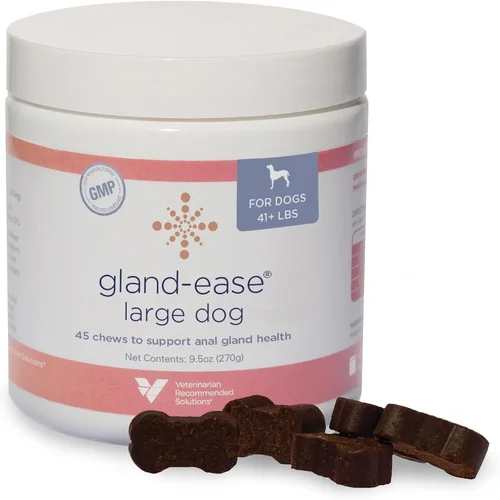
When your dog starts scooting across the carpet or licking their rear end obsessively, it’s more than just an embarrassing behavior—it’s often a sign of anal gland issues. These small sacs located on either side of your dog’s anus are designed to release a smelly fluid during defecation, helping with scent marking and digestion. But when they don’t empty properly, they can become impacted, infected, or even abscessed. While veterinary care is essential in severe cases, diet plays a surprisingly powerful role in preventing and managing these uncomfortable conditions.
That’s why choosing the right dog food isn’t just about nutrition—it’s about proactive health care. The best dog food for anal gland issues supports healthy digestion, promotes firm stools, and ensures regular bowel movements that naturally express the glands. Unfortunately, not all kibble or wet food is created equal when it comes to this specific need. Many commercial diets are low in fiber, contain fillers that disrupt gut health, or lack the balanced nutrition required for optimal digestive function. This guide cuts through the noise to help you make an informed decision based on science, expert insight, and real-world results.
In this comprehensive buyer’s guide, you’ll learn exactly what to look for in a dog food that supports anal gland health, how different ingredients and formulations impact your dog’s digestive system, and which brands consistently deliver results. We’ll break down key factors like fiber content, protein quality, moisture levels, and ingredient sourcing. You’ll also discover common mistakes pet owners make when selecting food for gland issues, budget-friendly options that don’t compromise quality, and expert tips to get the best value. Whether you’re dealing with chronic impactions or simply want to prevent future problems, this guide equips you with everything you need to choose confidently.
The market for specialized dog food has exploded in recent years, with countless brands claiming to support digestive health, sensitive stomachs, or “complete and balanced” nutrition. However, very few are formulated with anal gland health as a primary focus. Some high-fiber diets may help, but others can worsen the issue if not properly balanced. Others rely on artificial additives or low-quality proteins that irritate the gut. With so many choices—from grain-free kibble to raw frozen meals—it’s easy to feel overwhelmed. This guide simplifies the process by focusing on what truly matters: ingredients that promote consistent, firm stools, support microbiome balance, and reduce inflammation.
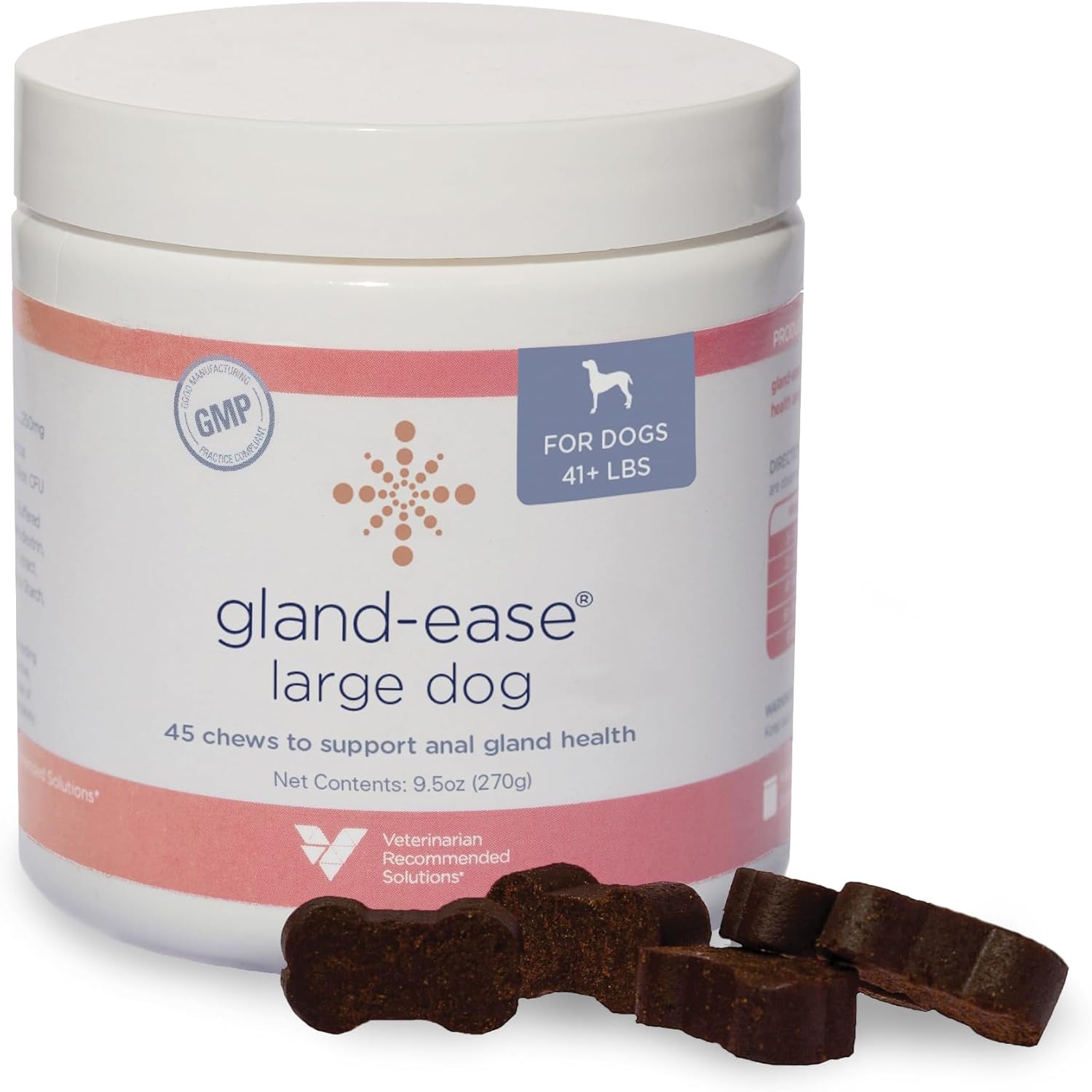
What to Look for When Buying Buying Guide
1. Fiber Content and Type
Fiber is arguably the most critical factor when selecting dog food for anal gland issues. Why? Because adequate dietary fiber increases stool bulk and firmness, which helps naturally express the anal glands during defecation. Without enough fiber, stools remain soft or loose, failing to apply the necessary pressure on the glands. However, not all fiber is created equal. Soluble fiber (like that found in pumpkin, sweet potatoes, and oats) absorbs water and forms a gel-like substance that supports gut motility. Insoluble fiber (such as cellulose, beet pulp, or pea fiber) adds bulk and speeds up transit time through the colon.
Look for dog foods that contain a balanced mix of both types, with a total crude fiber content between 3% and 8%. Anything below 3% may not provide enough support, while excessively high levels (above 10%) can lead to overly hard stools or nutrient malabsorption. Ingredients like pumpkin puree, flaxseed, psyllium husk, and chicory root are excellent natural sources. Avoid foods that rely solely on low-quality fillers like corn bran or wheat middlings, which offer minimal nutritional benefit and may trigger sensitivities in some dogs.
2. Protein Quality and Digestibility
High-quality, easily digestible protein is essential for maintaining muscle mass, supporting immune function, and promoting healthy digestion. Poor-quality proteins—often listed as “meat by-products,” “animal digest,” or vague terms like “poultry meal”—can be harder for dogs to break down, leading to incomplete digestion and softer stools. This indirectly affects anal gland expression because inconsistent bowel movements reduce the natural compression needed to empty the glands.
Opt for dog foods that list a named animal protein as the first ingredient, such as “deboned chicken,” “salmon meal,” or “lamb.” These indicate a higher concentration of muscle meat and fewer fillers. Additionally, look for brands that specify the source of their protein (e.g., “farm-raised salmon” vs. “fish meal”) and avoid those with excessive plant-based proteins like soy, corn gluten meal, or pea protein isolate, which are less bioavailable for dogs.
Digestibility matters just as much as source. A highly digestible protein ensures more nutrients are absorbed in the small intestine, leaving less undigested material to ferment in the colon—a process that can cause gas, bloating, and loose stools. Many premium brands now include prebiotics (like FOS and MOS) and probiotics to enhance protein utilization and gut health.
3. Moisture Content and Hydration
While dry kibble is convenient and cost-effective, it typically contains only 10% moisture, which can contribute to dehydration—especially in dogs who don’t drink enough water. Chronic mild dehydration can lead to harder, drier stools that are difficult to pass, increasing the risk of constipation and anal gland impaction. Wet or canned dog food, on the other hand, contains 70–80% moisture, significantly boosting hydration and softening stool consistency.
For dogs prone to anal gland issues, incorporating wet food—either as a topper or full meal—can be a game-changer. It not only improves hydration but also encourages more frequent and complete bowel movements. If you prefer kibble for its shelf life and dental benefits, consider rehydrating it with warm water or low-sodium broth before serving. Some owners also use freeze-dried raw food, which retains nutrients while offering high moisture when rehydrated.
However, balance is key. Too much moisture without adequate fiber can result in overly soft stools, which also fail to express the glands effectively. The ideal scenario is a diet that combines sufficient fiber with optimal hydration to produce firm, well-formed stools that pass easily.
4. Ingredient Transparency and Sourcing
Not all dog food labels are honest about what’s inside the bag. Some brands use vague terms like “meat meal” or “animal fat” without specifying the source, which can hide low-quality or potentially contaminated ingredients. Others include artificial preservatives (like BHA, BHT, or ethoxyquin), colors, or flavors that may irritate sensitive digestive systems and contribute to inflammation.
When evaluating a brand, prioritize those that provide full ingredient transparency—meaning they clearly identify every component, including the type of meat, fat source, and fiber type. Look for certifications like AAFCO (Association of American Feed Control Officials) compliance, which ensures the food meets minimum nutritional standards. Even better are brands that go beyond AAFCO with third-party testing, human-grade ingredients, or sustainable sourcing practices.
Avoid foods with long lists of unpronounceable additives, corn syrup, or unnamed “flavorings.” These can disrupt gut flora and lead to irregular digestion. Instead, choose formulas with whole-food ingredients like real meat, vegetables, fruits, and healthy fats. Brands that publish their ingredient sourcing policies or manufacturing standards (e.g., made in FDA-registered facilities) demonstrate greater accountability.
5. Probiotics and Gut Health Support
A healthy gut microbiome is foundational to digestive wellness—and by extension, anal gland health. The balance of beneficial bacteria in your dog’s intestines influences everything from nutrient absorption to stool consistency. When this balance is disrupted (due to antibiotics, stress, or poor diet), it can lead to diarrhea, constipation, or irregular bowel movements—all of which affect gland expression.
Dog foods that include live probiotics (such as Lactobacillus acidophilus, Bifidobacterium animalis, or Enterococcus faecium) help maintain a thriving gut environment. These beneficial bacteria support digestion, reduce inflammation, and improve stool quality. Some advanced formulas also include prebiotics—non-digestible fibers that feed good bacteria—creating a synergistic effect.
Look for labels that specify the strain and colony-forming units (CFUs) of probiotics, as generic claims like “contains probiotics” don’t guarantee efficacy. Shelf-stable probiotics are preferable, as they remain viable until consumption. Avoid foods that rely solely on synthetic additives for gut support; natural sources like fermented vegetables or yogurt powder (in moderation) can be gentler and more effective.
6. Grain Inclusion vs. Grain-Free
The grain-free trend has dominated pet food marketing for years, but it’s not always the best choice for dogs with anal gland issues. While some dogs have genuine grain allergies (rare, affecting less than 10% of dogs), most do not. In fact, grains like brown rice, oats, and barley provide valuable fiber, B vitamins, and slow-burning energy—all of which support digestive health.
Grain-free diets often replace grains with legumes (like peas, lentils, or chickpeas) or potatoes, which are high in starch and can cause gas, bloating, or loose stools in sensitive dogs. There’s also emerging research linking certain grain-free diets to dilated cardiomyopathy (DCM) in dogs, particularly those high in legumes or potatoes.
Unless your veterinarian has diagnosed a grain allergy, there’s no need to avoid grains. Instead, focus on whole, minimally processed grains that contribute to fiber content and overall nutrition. If your dog tolerates grains well, they can be a helpful component of a gland-supportive diet. However, if your dog has a known sensitivity, opt for grain-free formulas that use alternative fiber sources like sweet potato, pumpkin, or tapioca—without overloading on legumes.
7. Brand Reputation and Veterinary Endorsement
Not all pet food companies prioritize animal health over profit. Some cut corners with ingredient quality, manufacturing processes, or nutritional research. That’s why brand reputation matters. Look for companies with a proven track record of producing high-quality, science-backed formulas. Brands that employ veterinary nutritionists, conduct feeding trials, or partner with universities for research are more likely to deliver reliable results.
Veterinary-endorsed brands—such as Hill’s Science Diet, Royal Canin, or Purina Pro Plan Veterinary Diets—are formulated with input from board-certified veterinary nutritionists and often recommended by vets for specific health conditions, including digestive disorders. While these can be more expensive, they offer peace of mind knowing the food has been rigorously tested.
That said, many independent and boutique brands also excel in quality and transparency. Read reviews from other pet owners dealing with similar issues, check for recalls or complaints on the FDA’s pet food recall database, and consider whether the company stands behind its products with strong customer support.
8. Price vs. Value
It’s tempting to assume that the most expensive dog food is automatically the best, but price doesn’t always correlate with quality—or suitability for your dog’s specific needs. A $100 bag of kibble might contain exotic ingredients your dog doesn’t need, while a $40 bag could offer everything required for healthy digestion and gland function.
Instead of focusing solely on price per pound, evaluate the cost in terms of value: how much nutrition are you getting for your money? Consider factors like protein digestibility, fiber quality, ingredient sourcing, and added functional benefits (like probiotics or omega-3s). A mid-priced food with high digestibility may actually be more cost-effective than a cheaper option that requires larger portions or leads to vet bills due to poor digestion.
Also, factor in long-term savings. Dogs on a diet that prevents anal gland issues may require fewer vet visits for expression, antibiotics, or surgeries—offsetting the higher upfront cost of premium food.
Different Types of Buying Guide

Common Buying Mistakes to Avoid

❌ Mistake: Choosing Based Solely on “High Fiber” Claims
Why it’s bad: Many brands market their food as “high fiber” but use low-quality, poorly digestible sources like cellulose or corn bran. These may increase stool bulk but don’t support overall gut health and can cause gas or discomfort.
What to do instead: Look beyond the marketing and check the ingredient list. Prioritize natural, soluble fiber sources like pumpkin, sweet potato, or oats, and ensure total fiber is between 3–8%.
❌ Mistake: Switching Foods Too Quickly
Why it’s bad: Abrupt diet changes can disrupt your dog’s microbiome, leading to diarrhea, vomiting, or worsened gland issues. The digestive system needs time to adapt.
What to do instead: Transition gradually over 7–10 days, mixing increasing amounts of the new food with the old. Monitor stool consistency and behavior closely.
❌ Mistake: Ignoring Moisture Needs
Why it’s bad: Feeding only dry kibble without ensuring adequate water intake can lead to dehydration and hard stools, increasing impaction risk.
What to do instead: Add water or low-sodium broth to kibble, or incorporate wet food into the diet. Always provide fresh water and encourage drinking.
❌ Mistake: Overlooking Probiotics
Why it’s bad: Without beneficial bacteria, even the best ingredients may not be properly digested, leading to irregular bowel movements.
What to do instead: Choose foods with added probiotics or consider a vet-approved supplement to support gut flora.
❌ Mistake: Assuming Grain-Free Is Always Better
Why it’s bad: Grain-free diets can lack sufficient fiber and may contain high-starch alternatives that worsen digestion in some dogs.
What to do instead: Only go grain-free if your dog has a confirmed allergy. Otherwise, choose grain-inclusive formulas with whole grains for balanced nutrition.
❌ Mistake: Not Consulting a Veterinarian
Why it’s bad: Anal gland issues can signal underlying problems like parasites, infections, or food allergies. Treating only the symptom (impaction) without addressing the cause may lead to recurrence.
What to do instead: Schedule a vet visit to rule out medical conditions before making dietary changes. Your vet can also recommend specific therapeutic diets.
❌ Mistake: Buying the Cheapest Option Available
Why it’s bad: Budget foods often contain fillers, low-quality proteins, and artificial additives that compromise digestion and long-term health.
What to do instead: Invest in a mid-range or premium food that prioritizes digestibility and fiber quality. The long-term savings in vet bills outweigh the upfront cost.
Budget Guidelines: How Much Should You Spend?
Entry-Level ($20–$35 per 20 lb bag): These foods may meet basic nutritional needs but often rely on corn, wheat, or soy as fillers. Fiber content is usually low, and protein sources are vague. Best for short-term use or dogs with mild, occasional issues—but not ideal for chronic gland problems.
Mid-Range ($35–$60 per 20 lb bag): This is the sweet spot for most pet owners. Brands in this range typically use named meat proteins, include functional fibers (like pumpkin or beet pulp), and may add probiotics. They offer excellent value and are often recommended by holistic vets.
Premium ($60–$90 per 20 lb bag): These diets feature high-quality, human-grade ingredients, advanced gut support (prebiotics, probiotics, enzymes), and transparent sourcing. Ideal for dogs with recurring gland issues or sensitive digestion.
Luxury ($90+ per 20 lb bag): Top-tier brands like The Farmer’s Dog or Nom Nom offer fresh, customized meals delivered to your door. While expensive, they provide maximum digestibility, minimal processing, and personalized nutrition—perfect for dogs with complex health needs.

Expert Tips for Getting the Best Deal
- Buy in bulk during seasonal sales: Many retailers offer discounts in January (New Year pet resolutions) or August (back-to-school). Stock up on 3–6 months’ supply to save 10–20%.
- Subscribe and save: Online retailers like Chewy, Amazon, or brand websites often provide 5–15% off recurring orders. You can pause or cancel anytime.
- Check for rebates and trials: Some premium brands offer money-back guarantees or free sample packs. Try before committing to a full bag.
- Compare cost per feeding: A $70 bag may seem expensive, but if it lasts longer due to higher digestibility, it could be cheaper per meal than a $40 bag.
- Ask your vet for samples: Veterinary clinics often have sample sizes of therapeutic diets. Test these before purchasing large quantities.
- Read return policies: Ensure the retailer accepts returns if your dog doesn’t tolerate the food. Some brands offer satisfaction guarantees.
- Monitor your dog’s response: Keep a journal of stool quality, frequency, and gland expression for 2–4 weeks after switching. Adjust as needed.

Frequently Asked Questions
Q: Can I fix anal gland issues with diet alone?
A: In many cases, yes—especially if the problem is mild or recurring due to soft stools. A high-fiber, digestible diet can restore normal gland expression. However, if your dog has an infection, abscess, or chronic impaction, veterinary intervention is necessary. Diet supports prevention and management but isn’t a substitute for medical care.
Q: How long does it take to see results from a new diet?
A: Most dogs show improvement in stool consistency within 3–7 days. Anal gland expression may normalize within 2–4 weeks. If no change occurs after a month, consult your vet—there may be an underlying issue.
Q: Should I add fiber supplements to my dog’s food?
A: Only if recommended by your vet. While pumpkin or psyllium can help, too much fiber can cause constipation or nutrient imbalances. It’s better to choose a complete diet with built-in fiber support.
Q: Can puppies have anal gland issues?
A: Yes, though less common. Puppies with poor digestion, parasites, or dietary sensitivities may experience impaction. Focus on age-appropriate, high-quality puppy food with moderate fiber.
Q: Is wet food better than dry for gland health?
A: Not necessarily better—but it can be more effective for hydration. Many dogs benefit from a mix of both. Rehydrating kibble with water achieves similar results.
Q: Do probiotics really help with anal glands?
A: Indirectly, yes. Probiotics improve gut health, which leads to more consistent digestion and firmer stools—both of which support natural gland expression.
Q: Can I feed raw food to a dog with gland issues?
A: Yes, if properly balanced. Raw diets can be highly digestible and low in fillers, but they require careful formulation to ensure adequate fiber and calcium. Consult a veterinary nutritionist.
Q: How often should anal glands be expressed?
A: Healthy dogs should express glands naturally during bowel movements. Manual expression should only be done by a vet or groomer if needed—over-expression can cause irritation.
Q: Are there breeds more prone to anal gland problems?
A: Yes. Small breeds like Chihuahuas, Toy Poodles, and Dachshunds are more susceptible due to their anatomy and softer stools. However, any dog can be affected.
Q: Can food allergies cause anal gland issues?
A: Absolutely. Allergies often lead to diarrhea or inflammation, disrupting normal digestion and gland function. An elimination diet under vet supervision can help identify triggers.
Our Final Recommendations
Best for Budget-Conscious Buyers: Purina ONE SmartBlend True Instinct – Offers real meat as the first ingredient, includes fiber from peas and beet pulp, and is widely available at an affordable price. Great for mild cases.
Best Overall Value: Wellness CORE Grain-Free Digestive Health – Combines high-protein turkey and chicken with pumpkin, probiotics, and prebiotic fiber. Excellent balance of quality and cost.
Best Premium Option: The Honest Kitchen Human Grade Dehydrated Dog Food (Turkey Recipe) – Made with whole foods, gently dehydrated to retain nutrients, and rich in natural fiber. Ideal for dogs with sensitive systems.
Best for Beginners: Hill’s Science Diet Adult Sensitive Stomach & Skin – Veterinarian-recommended, easy to find, and formulated for digestive health with prebiotic fiber and omega-6s.
Best for Advanced Users: Nom Nom Fresh Dog Food (Beef Bowl) – Customized, fresh meals with precise nutrition, high moisture, and gut-supportive ingredients. Perfect for owners willing to invest in top-tier care.
Conclusion: Making the Right Choice
Choosing the best dog food for anal gland issues isn’t just about picking a bag off the shelf—it’s about understanding how nutrition impacts your dog’s digestive health, stool quality, and overall well-being. The right diet can prevent painful impactions, reduce vet visits, and improve your dog’s comfort and quality of life. By focusing on key factors like fiber content, protein quality, moisture, and ingredient transparency, you can make a decision that supports long-term health.
Remember, every dog is unique. What works for one may not work for another. Monitor your dog’s response closely, stay in touch with your veterinarian, and don’t hesitate to adjust your approach. With the insights from this guide, you’re now equipped to navigate the crowded pet food market with confidence.
Your dog’s health is worth the investment. Start today—because a happy, comfortable pup begins with what’s in their bowl.