
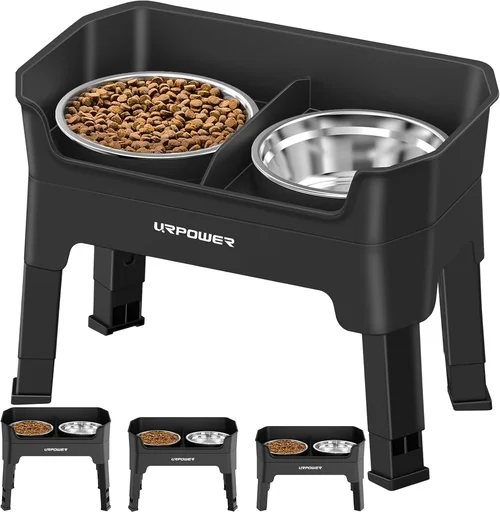
When it comes to caring for a Cane Corso—a powerful, intelligent, and large-breed Italian mastiff—every detail of their daily routine matters. From exercise and training to nutrition and hydration, responsible ownership means making informed choices that support your dog’s health, comfort, and longevity. One often-overlooked but critically important aspect of canine care is the food bowl. While it may seem like a simple accessory, the right food bowl can significantly impact your Cane Corso’s digestion, posture, dental health, and overall mealtime experience.
Cane Corsos are not just big dogs—they’re giants with specific physiological needs. Their deep chests, strong jaws, and rapid growth rates (especially in puppies) make them prone to bloat (gastric dilatation-volvulus or GDV), a life-threatening condition that can be exacerbated by improper feeding practices. Additionally, their size means they require larger portions, which can lead to messy eating, spills, and even joint strain if the bowl isn’t positioned correctly. Choosing the right food bowl isn’t just about aesthetics or convenience—it’s about safety, health, and long-term well-being.
In this comprehensive buying guide, we’ll walk you through everything you need to know to select the best dog food bowl for your Cane Corso in 2026. Whether you’re a first-time owner or a seasoned breeder, you’ll learn how to evaluate key factors like material, size, height, anti-slip features, and slow-feed functionality. We’ll compare different types of bowls, highlight common mistakes to avoid, provide budget-friendly recommendations, and share expert tips to help you make a confident, informed decision. By the end, you’ll have a clear roadmap to finding a bowl that supports your dog’s unique needs—because when it comes to your Cane Corso, every meal should be as safe and enjoyable as possible.

What to Look for When Buying a Dog Food Bowl
1. Size and Capacity
One of the most critical factors when selecting a food bowl for a Cane Corso is size. These dogs typically weigh between 90 and 120 pounds, with males often reaching up to 140 pounds. They require substantial meals—usually 4 to 6 cups of high-quality kibble per day, depending on age, activity level, and metabolism. A bowl that’s too small will lead to frequent refills, frustration, and potential spills. Conversely, a bowl that’s excessively large may encourage overeating or make it difficult for your dog to access food comfortably.
Look for bowls with a capacity of at least 6 to 8 cups for dry food. For water bowls, aim for 10 to 16 cups to ensure your Cane Corso stays hydrated throughout the day, especially in warmer climates or after exercise. Wide, shallow bowls are ideal for large breeds because they allow easy access to food without requiring your dog to bury their face too deeply, which can strain the neck and jaw.
2. Height and Ergonomics
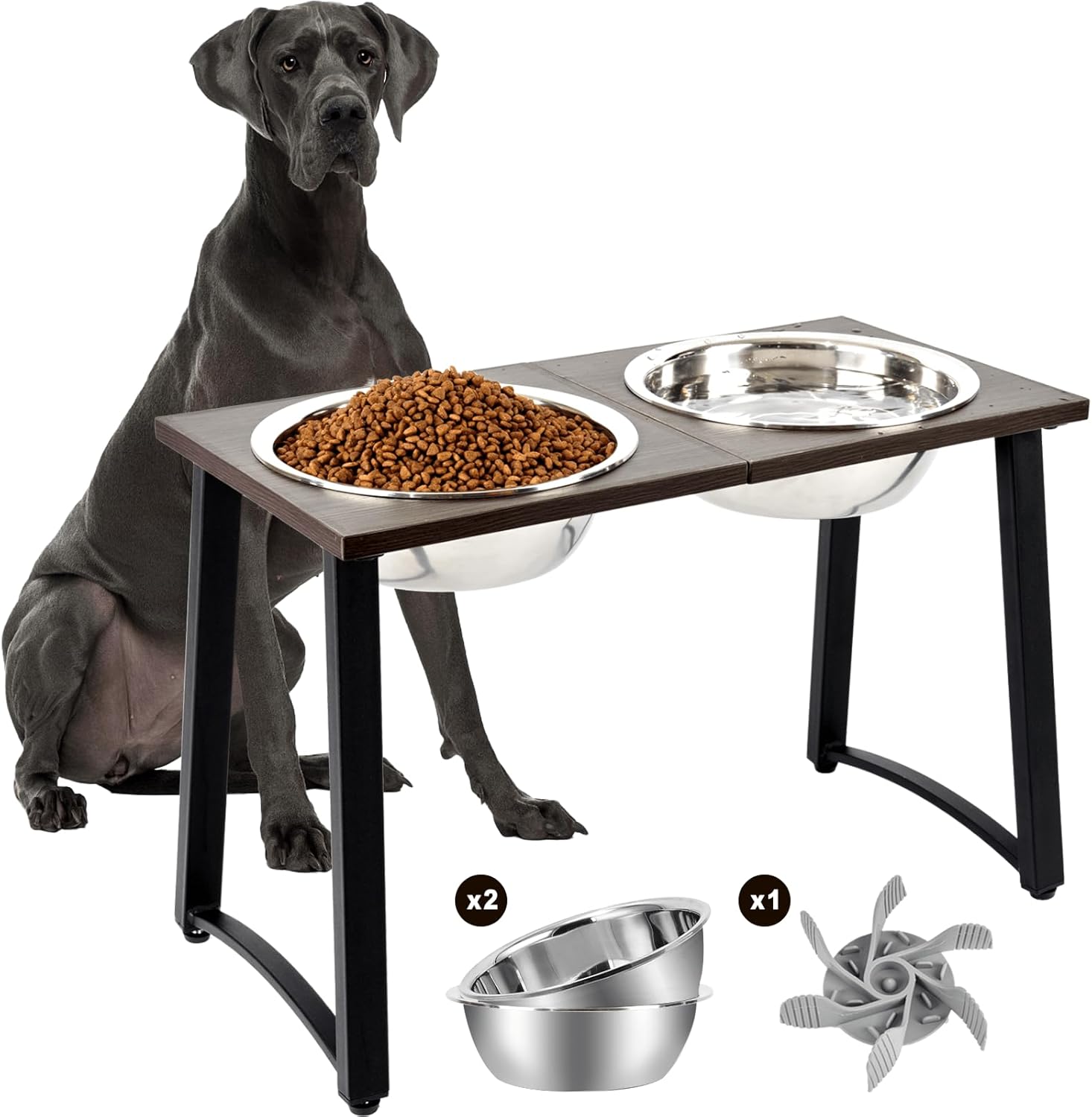
Cane Corsos are tall dogs, with shoulder heights ranging from 23.5 to 27.5 inches. Feeding them from a bowl placed directly on the floor can cause unnecessary strain on their neck, spine, and digestive system. Studies have shown that elevated feeding stations can reduce the risk of bloat in large and giant breeds by promoting better posture during meals.
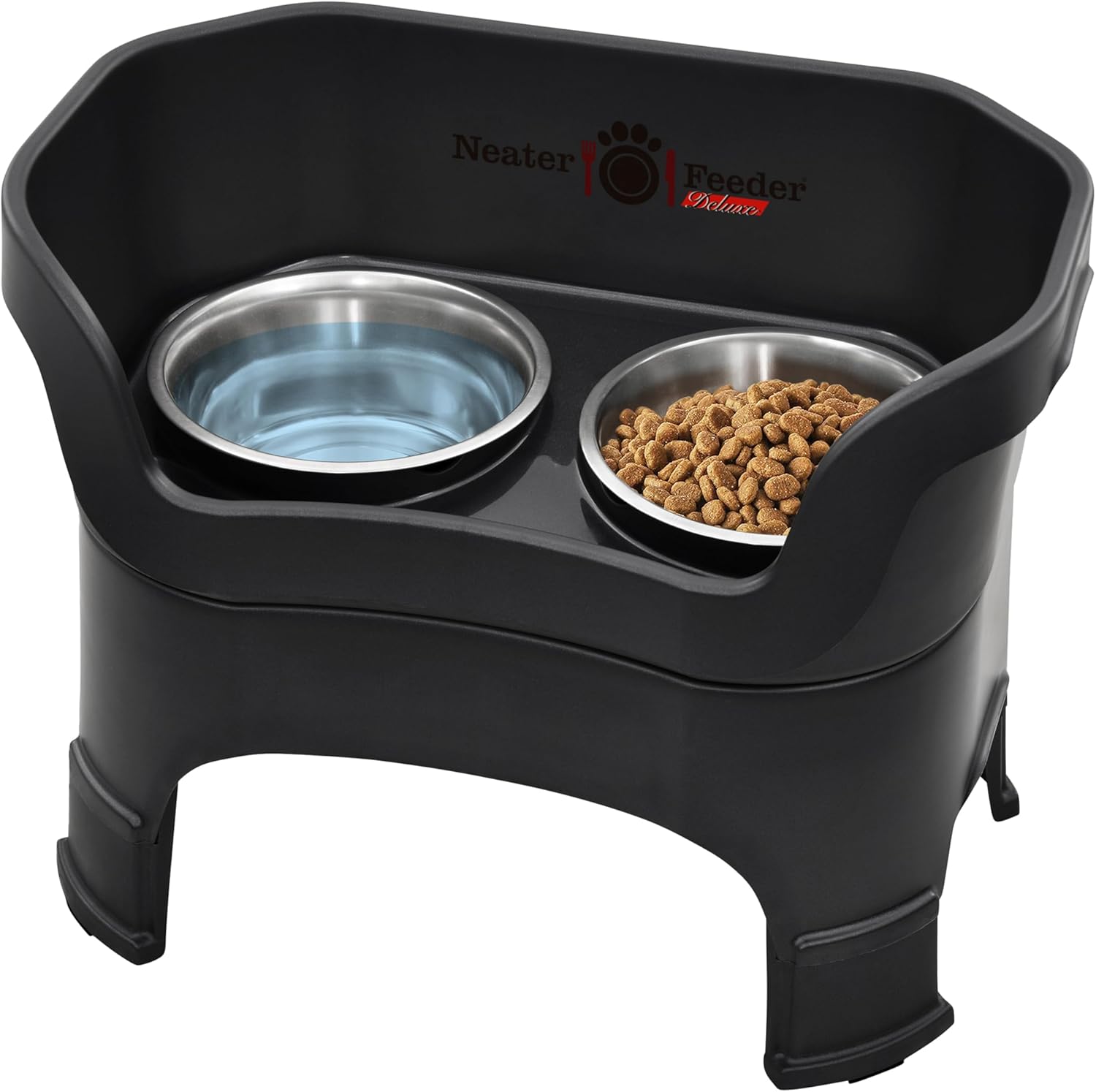
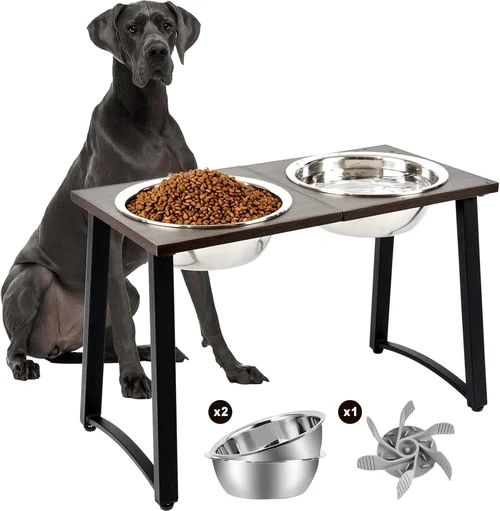
An elevated bowl stand or raised feeder with a height of 8 to 12 inches is ideal for most adult Cane Corsos. This height allows your dog to eat with their head in a natural, slightly lowered position—similar to how they would eat in the wild. It also improves digestion by reducing air intake and encouraging slower, more controlled eating.
When selecting an elevated feeder, ensure the stand is stable and non-tip. Look for models with wide bases, rubber feet, or weighted bottoms. Avoid flimsy plastic stands that can easily topple over when your enthusiastic Cane Corso dives into their meal.
3. Material and Durability
The material of the food bowl plays a major role in hygiene, longevity, and safety. Cane Corsos are strong chewers and can easily damage or ingest pieces from low-quality bowls. Here’s a breakdown of the most common materials:
- Stainless Steel: The gold standard for dog bowls. It’s non-porous, rust-resistant, easy to clean, and doesn’t retain odors or bacteria. High-quality stainless steel bowls are nearly indestructible and safe for dishwashers. Look for 304 or 316-grade stainless steel for maximum durability.
- Ceramic: Offers a stylish look and good weight, but can chip or crack if dropped. Ensure the glaze is lead-free and food-safe. Ceramic bowls are heavier, which helps prevent sliding, but may not be ideal for very active eaters.
- Plastic: Lightweight and inexpensive, but prone to scratching, which can harbor bacteria. Avoid plastic bowls for Cane Corsos, as they can chew through them and ingest harmful microplastics.
- Silicone: Flexible and portable, but not recommended for large breeds due to lack of stability and potential for tearing.
For Cane Corsos, stainless steel is the clear winner. It’s durable, hygienic, and built to last a lifetime with proper care.
4. Anti-Slip and Stability Features
A Cane Corso’s mealtime can be enthusiastic—bordering on chaotic. Without a stable bowl, your dog may push their food across the kitchen floor, creating a mess and potentially ingesting debris. Anti-slip features are essential to keep the bowl in place during feeding.
Look for bowls with rubberized bases, silicone grips, or weighted bottoms. Some elevated feeders come with non-slip pads or suction cups to anchor the bowl to the stand. Additionally, wider bowls with a low center of gravity are less likely to tip over.
Avoid bowls with smooth, slick bottoms—especially on tile or hardwood floors. Even a slight nudge from a large dog can send a lightweight bowl skidding across the room.
5. Slow-Feed and Anti-Gulping Design
Cane Corsos are prone to eating too quickly, which increases the risk of bloat, indigestion, and vomiting. Slow-feed bowls are designed with ridges, mazes, or raised centers that force your dog to eat more slowly and chew their food properly.
These bowls are particularly beneficial for puppies, senior dogs, or any Cane Corso with a history of rapid eating. Look for slow-feed designs made from safe, easy-to-clean materials like stainless steel or BPA-free plastic. Avoid overly complex patterns that are difficult to clean or may trap food particles.
Some elevated feeders come with built-in slow-feed bowls, combining ergonomic benefits with digestive support. This dual functionality makes them an excellent investment for Cane Corso owners.
6. Ease of Cleaning and Maintenance
Hygiene is paramount when it comes to your dog’s food and water bowls. Bacteria, mold, and food residue can build up quickly, especially in warm, moist environments. A bowl that’s difficult to clean increases the risk of contamination and can lead to health issues like diarrhea or oral infections.
Choose bowls that are dishwasher-safe and have smooth, seamless interiors. Avoid bowls with crevices, seams, or decorative elements that trap food. Stainless steel and high-quality ceramic bowls are typically the easiest to sanitize.
For water bowls, consider models with removable liners or self-cleaning features. Some advanced feeders include UV sterilization or automatic refill systems, though these are typically found in premium models.
7. Brand Reputation and Customer Support
Not all dog bowl brands are created equal. Some companies prioritize aesthetics over functionality, while others cut corners on materials and safety. When investing in a bowl for a large, powerful breed like the Cane Corso, it’s important to choose a reputable brand known for quality and durability.
Look for brands with positive reviews from other large-breed owners, especially those with mastiffs, Great Danes, or Rottweilers. Check for certifications like FDA-approved materials, BPA-free labeling, or ISO quality standards. Brands like Outward Hound, Bergan, and MidWest Homes for Pets are well-regarded in the pet industry for their reliable products.
Additionally, consider customer support and return policies. A company that stands behind its products with a solid warranty or hassle-free returns is more likely to deliver a quality item.
8. Aesthetic and Home Integration
While functionality should always come first, many Cane Corso owners also want a bowl that complements their home decor. Fortunately, there are plenty of stylish options that don’t sacrifice performance.
Stainless steel bowls come in brushed, polished, or hammered finishes that look sleek in modern kitchens. Ceramic bowls offer a wide range of colors and patterns, from minimalist white to rustic terracotta. Some elevated feeders are designed to resemble furniture, with wood or metal frames that blend seamlessly into living spaces.
If aesthetics matter to you, look for bowls that combine form and function—such as a stainless steel bowl with a wooden stand or a ceramic bowl with a non-slip silicone base. Just ensure that style doesn’t compromise safety or durability.
Different Types of Dog Food Bowls
Common Buying Mistakes to Avoid
❌ Mistake: Choosing a Bowl That’s Too Small
Why it’s bad: A bowl that’s too small forces your Cane Corso to eat in cramped conditions, which can lead to frustration, spills, and inefficient feeding. It may also encourage rapid eating as the dog tries to consume their meal before it’s gone.
What to do instead: Measure your dog’s daily food intake and select a bowl with at least 1.5 times that capacity. For most Cane Corsos, a 6- to 8-cup bowl is ideal.
❌ Mistake: Using Plastic Bowls
Why it’s bad: Plastic bowls are prone to scratching, which creates grooves where bacteria can thrive. Cane Corsos can chew through plastic, potentially ingesting harmful chemicals or microplastics.
What to do instead: Opt for stainless steel or high-quality ceramic bowls that are non-porous, durable, and safe for long-term use.
❌ Mistake: Ignoring Elevation for Large Breeds
Why it’s bad: Feeding from floor-level bowls can strain your dog’s neck and spine, and increase the risk of bloat—a life-threatening condition common in deep-chested breeds like the Cane Corso.
What to do instead: Use an elevated feeder with a height of 8 to 12 inches to promote proper posture and safer digestion.
❌ Mistake: Overlooking Anti-Slip Features
Why it’s bad: A sliding bowl can create a messy, frustrating mealtime experience. It may also cause your dog to eat too quickly or ingest dirt and debris from the floor.
What to do instead: Choose bowls with rubber bases, silicone grips, or weighted bottoms to keep them securely in place.
❌ Mistake: Skipping Slow-Feed Options for Fast Eaters
Why it’s bad: Rapid eating increases the risk of bloat, choking, and digestive upset. Cane Corsos are especially vulnerable due to their size and deep chests.
What to do instead: Invest in a slow-feed bowl with ridges or mazes to encourage mindful eating and better digestion.
❌ Mistake: Neglecting Regular Cleaning
Why it’s bad: Dirty bowls can harbor bacteria, mold, and food residue, leading to infections, bad breath, and gastrointestinal issues.
What to do instead: Wash food and water bowls daily with hot, soapy water or in the dishwasher. Rotate between two sets if possible.
❌ Mistake: Prioritizing Style Over Function
Why it’s bad: A beautiful bowl that’s fragile, hard to clean, or unstable can compromise your dog’s safety and health.
What to do instead: Choose a bowl that balances aesthetics with durability, hygiene, and functionality. Stainless steel with a stylish stand is a great compromise.
Budget Guidelines: How Much Should You Spend?
When it comes to dog food bowls, you don’t need to break the bank—but you also shouldn’t go for the cheapest option available. Here’s a breakdown of what to expect at different price points:
- Entry-Level ($10 – $25): Basic stainless steel or plastic bowls. These are functional but may lack anti-slip features, slow-feed designs, or durability. Suitable for temporary use or backup bowls, but not ideal for daily use with a Cane Corso.
- Mid-Range ($25 – $60): The sweet spot for most owners. Includes high-quality stainless steel bowls, slow-feed options, and simple elevated stands. These bowls offer excellent value, durability, and safety features without unnecessary frills.
- Premium ($60 – $120): Elevated feeders with adjustable heights, built-in slow-feed bowls, and premium materials like powder-coated steel or solid wood. Ideal for owners who want long-term solutions and enhanced ergonomics.
- Luxury ($120+): High-end automatic feeders, smart bowls with portion control, or designer ceramic sets. These are best for tech-savvy owners or those who prioritize aesthetics and automation. While convenient, they’re not essential for most Cane Corso owners.
Expert Tips for Getting the Best Deal
- Buy During Pet Sales: Major retailers like Chewy, Petco, and Amazon often run seasonal sales during Black Friday, Prime Day, and back-to-school periods. Sign up for newsletters to get early access to discounts.
- Check for Bundles: Some elevated feeders come with two bowls (food and water) at a discounted price. These bundles offer better value than buying separately.
- Read Verified Reviews: Look for reviews from owners of large or giant breeds. They’ll provide the most relevant insights into durability, stability, and real-world performance.
- Consider Used or Refurbished: High-quality stainless steel bowls can last decades. Check reputable resale sites for gently used elevated feeders or bowls at a fraction of the cost.
- Test Before Committing: If possible, visit a pet store to see the bowl in person. Check the weight, stability, and ease of cleaning.
- Look for Warranties: Some brands offer limited lifetime warranties on stainless steel bowls. This is a sign of confidence in their product’s durability.
- Buy from Reputable Retailers: Stick to trusted pet supply stores or manufacturer websites to avoid counterfeit or low-quality products.
- Don’t Overbuy on Tech: While smart feeders are tempting, they’re not necessary for most Cane Corso owners. Focus on core features like height, material, and slow-feed design.
Frequently Asked Questions
Q: Can I use a regular bowl for my Cane Corso?
A: Technically, yes—but it’s not recommended. Regular floor-level bowls can contribute to bloat and joint strain. An elevated, appropriately sized bowl is safer and more comfortable for large breeds.
Q: How often should I replace my dog’s food bowl?
A: Stainless steel bowls can last a lifetime with proper care. Replace ceramic or plastic bowls if they chip, crack, or show signs of wear. Always replace bowls that are difficult to clean or harbor odors.
Q: Are slow-feed bowls safe for Cane Corsos?
A: Yes, especially if your dog eats quickly. Slow-feed bowls reduce the risk of bloat and improve digestion. Choose one made from safe, easy-to-clean materials.
Q: Should I get separate bowls for food and water?
A: Yes. Cane Corsos drink a lot of water, and a separate, larger water bowl ensures they stay hydrated. It also prevents food from contaminating the water.
Q: Can elevated feeders cause bloat?
A: There’s some debate, but most veterinary experts agree that elevated feeders can reduce bloat risk when used correctly. The key is proper height, slow eating, and avoiding exercise immediately after meals.
Q: What’s the best material for a Cane Corso bowl?
A: Stainless steel is the best choice due to its durability, hygiene, and resistance to damage. Avoid plastic and low-quality ceramic.
Q: How do I clean a slow-feed bowl?
A: Most slow-feed bowls are dishwasher-safe. If hand-washing, use a bottle brush to clean deep grooves and rinse thoroughly to remove all food particles.
Q: Can I use an automatic feeder for my Cane Corso?
A: Yes, but ensure it’s designed for large breeds and has a capacity of at least 6 cups. Look for models with portion control and programmable schedules.
Q: Should I adjust the bowl height as my Cane Corso grows?
A: Yes. Puppies should start with lower elevation and gradually increase as they grow. The bowl should be at chest level when your dog is standing.
Q: Are there bowls designed specifically for Cane Corsos?
A: While there’s no breed-specific bowl, many products are marketed for large and giant breeds. Look for “large breed,” “giant breed,” or “mastiff” in the product description.
Our Final Recommendations
- Best for Budget-Conscious Buyers: MidWest Homes for Pets Stainless Steel Dog Bowl – Durable, affordable, and dishwasher-safe. Comes in large sizes perfect for Cane Corsos.
- Best Overall Value: Outward Hound Fun Slow Feeder Bowl – Combines slow-feed functionality with a wide, stable design. Ideal for fast eaters.
- Best Premium Option: Bergan Elevated Feeder with Slow-Feed Bowls – Adjustable height, stainless steel bowls, and excellent stability. A long-term investment in your dog’s health.
- Best for Beginners: PetSafe Healthy Pet Simply Feed Automatic Feeder – Great for owners new to automatic feeding. Reliable, easy to program, and suitable for large portions.
- Best for Advanced Users: Petnet SmartFeeder 2.0 – Wi-Fi enabled, app-controlled, and offers precise portion control. Best for tech-savvy owners who want full automation.
Conclusion: Making the Right Choice
Choosing the right food bowl for your Cane Corso is more than a minor decision—it’s a vital part of their daily health and well-being. From reducing the risk of bloat to improving digestion and posture, the right bowl can make a significant difference in your dog’s quality of life. By prioritizing size, material, elevation, and functionality, you’re not just buying a bowl—you’re investing in your dog’s long-term health.
Remember, every Cane Corso is unique. Consider your dog’s eating habits, age, and physical needs when making your choice. Don’t be swayed by flashy designs or unnecessary tech—focus on what truly matters: safety, durability, and comfort. Whether you opt for a simple stainless steel bowl or a high-tech automatic feeder, the best choice is one that supports your dog’s natural behaviors and promotes a healthy, happy life.
Take the time to evaluate your options, read reviews, and consult with your veterinarian if you’re unsure. With the insights from this guide, you’re now equipped to make a confident, informed decision. Your Cane Corso deserves the best—start with the bowl they eat from every day.