
If you’re the proud owner of a bulldog—especially one with a reputation for turning mealtime into a full-blown food tornado—you already know the struggle. Drool on the floor, kibble scattered across three rooms, water splashed like a mini tsunami—it’s not just messy, it’s a daily cleaning ritual. And while your bulldog’s charm is undeniable, their eating habits? Less so. That’s why choosing the right dog food bowl isn’t just a nice-to-have—it’s essential for maintaining sanity, protecting your floors, and ensuring your pup eats safely and comfortably.
This comprehensive buying guide is designed specifically for bulldog parents who are tired of the mealtime mess. Whether you’re dealing with a slobbering English Bulldog, a wrinkly Frenchie, or a stocky American Bulldog, we’ve got you covered. In this guide, you’ll learn how to evaluate dog food bowls based on real-world performance, durability, ease of cleaning, and design features that actually make a difference for messy eaters. We’ll break down the key factors to consider, compare different bowl types, highlight common mistakes to avoid, and provide expert-backed recommendations tailored to your bulldog’s unique needs.
The market is flooded with options—from basic stainless steel dishes to high-tech slow feeders and anti-slip silicone mats—but not all are created equal. Some promise to reduce mess but fail under pressure. Others look stylish but are a nightmare to clean. Our goal is to cut through the noise and help you find a bowl that not only contains the chaos but also supports your bulldog’s health and comfort. By the end of this guide, you’ll have a clear understanding of what to look for, how much to spend, and which products deliver on their promises.

What to Look for When Buying a Dog Food Bowl for Messy Bulldog Eaters
1. Material: Durability and Safety First
The material of your dog food bowl plays a critical role in both safety and longevity—especially for bulldogs, who are known for their strong jaws and tendency to chew or tip over bowls. Stainless steel is the gold standard for a reason: it’s non-toxic, rust-resistant, easy to clean, and nearly indestructible. Unlike plastic, which can harbor bacteria in scratches and cracks, stainless steel remains hygienic even after years of use. Ceramic bowls are another option, but they can chip or crack, potentially creating sharp edges that could harm your dog’s mouth or paws.
Avoid low-quality plastics, especially those containing BPA or other harmful chemicals. These can leach into your dog’s food, especially when exposed to heat or sunlight. If you do opt for plastic, make sure it’s labeled as food-grade and BPA-free. Silicone is a flexible, lightweight alternative that’s great for travel or as a base layer under a bowl, but it’s not ideal as a primary food dish due to its tendency to trap moisture and bacteria in crevices.
For bulldogs, who often have sensitive skin and allergies, hypoallergenic materials are a plus. Stainless steel and high-grade silicone are generally safe choices. Always check for certifications like FDA-approved or NSF-certified materials to ensure the bowl meets food safety standards.
2. Design: Anti-Splash and Spill-Proof Features
Bulldogs are notorious for their messy eating habits—whether it’s dragging food out of the bowl, splashing water everywhere, or using their faces as a battering ram against the dish. That’s why design features that minimize spillage are non-negotiable. Look for bowls with wide, heavy bases that resist tipping. A low center of gravity helps prevent your bulldog from flipping the bowl over in excitement.
Anti-splash rims or raised edges can significantly reduce the amount of food and water that ends up on your floor. Some bowls feature inward-curving lips or lipped edges that catch stray kibble as your dog pulls food out. For water bowls, consider models with built-in splash guards or floating discs that limit access and reduce sloshing.
Another smart design element is a non-slip bottom. Rubberized feet or silicone bases keep the bowl firmly in place, even when your bulldog gets enthusiastic. This not only reduces mess but also prevents the bowl from sliding into walls or furniture, which can be noisy and stressful for both you and your pet.
3. Size and Depth: Matching Your Bulldog’s Needs
Bulldogs come in different sizes—French Bulldogs are smaller, while English and American Bulldogs can be quite large—so choosing the right bowl size is crucial. A bowl that’s too shallow may encourage your dog to eat too quickly or drag food out, while one that’s too deep can make it difficult for brachycephalic (short-nosed) breeds to reach their food comfortably.
For most bulldogs, a medium to large bowl with a depth of 2–3 inches is ideal. This allows enough room for a full meal without forcing your dog to strain their neck or breathe awkwardly while eating. Elevated bowls are popular, but they’re not always the best choice for bulldogs. Due to their short snouts and potential for bloat (gastric dilatation-volvulus), elevated feeders can increase the risk of swallowing air during meals. The American College of Veterinary Surgeons recommends against elevated bowls for breeds prone to bloat unless specifically advised by a vet.
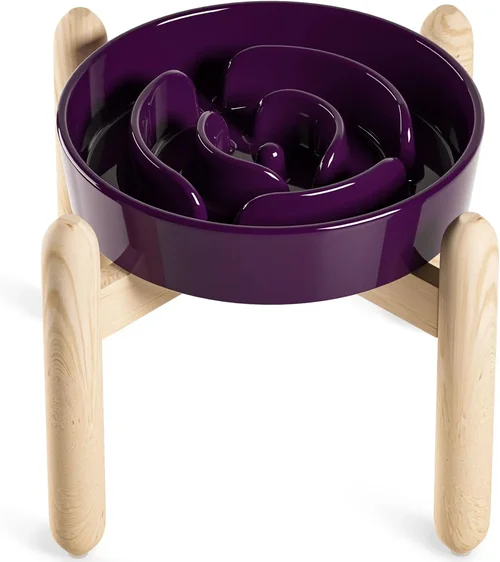
If you do choose an elevated stand, opt for a low-rise model (no more than 4–6 inches off the ground) and pair it with a wide, stable bowl. Always monitor your dog’s eating posture and consult your veterinarian if you notice signs of discomfort, gagging, or excessive gas.
4. Ease of Cleaning: Hygiene Is Non-Negotiable
Let’s face it—bulldogs are messy eaters, and their bowls get dirty fast. Food residue, saliva, and water can create a breeding ground for bacteria, mold, and yeast, especially in warm, moist environments. That’s why ease of cleaning is one of the most important factors to consider.
Stainless steel bowls are the easiest to clean—most are dishwasher-safe and can be wiped down in seconds. Look for bowls with smooth, seamless interiors to prevent food from getting trapped in crevices. Avoid bowls with decorative coatings, painted designs, or intricate patterns, as these can chip or harbor bacteria.
If you’re using a slow feeder or a bowl with grooves, make sure the design allows for thorough cleaning. Some slow feeders have removable parts or are made from dishwasher-safe materials, which makes maintenance much easier. Silicone bowls should be checked regularly for mold or discoloration, as they can absorb odors and bacteria over time.
5. Slow Feeding Features: Reducing Gulping and Bloat Risk
Bulldogs are prone to eating too quickly, which can lead to choking, vomiting, or even bloat—a life-threatening condition where the stomach fills with gas and twists. Slow feeder bowls are designed to combat this by incorporating ridges, mazes, or obstacles that force your dog to eat more slowly and mindfully.
When choosing a slow feeder, look for one with shallow, wide grooves rather than deep, narrow tunnels. Deep designs can be frustrating for bulldogs with short muzzles and may cause them to give up eating altogether. The best slow feeders have a flat or gently sloped base with evenly spaced bumps or spirals that slow consumption without obstructing access.
Avoid slow feeders made from flimsy plastic or those with small, detachable parts that could become choking hazards. Stainless steel or heavy-duty ceramic slow feeders are more durable and safer for strong chewers. Some models even combine slow feeding with anti-slip bases and splash guards, offering multiple benefits in one design.
6. Stability and Anti-Tip Construction
A wobbly or lightweight bowl is a recipe for disaster with a bulldog. These dogs are strong, enthusiastic eaters who often use their bodies to push or nudge their bowls around. A stable, heavy base is essential to keep the bowl in place during mealtime.
Look for bowls with wide, weighted bottoms or non-slip rubber feet. Some models come with suction cups that attach to smooth surfaces like tile or hardwood floors. While suction cups can be effective, they may lose grip over time or on textured surfaces, so they’re best used as a secondary feature rather than the primary stabilizer.
Ceramic and cast iron bowls are naturally heavy and stable, but they can be prone to chipping. Stainless steel bowls with added weight or silicone bases offer a good balance of durability and stability. If your bulldog is particularly rambunctious, consider a bowl with a built-in mat or one that’s designed to snap into a feeding station.
7. Aesthetic and Space Considerations
While functionality should always come first, the look and fit of the bowl matter too. You don’t want a bulky, unattractive dish cluttering your kitchen or living room. Fortunately, many modern dog bowls are designed with both form and function in mind.
Choose a bowl that complements your home decor—matte finishes, neutral colors, and minimalist designs are popular choices. Some brands offer customizable options, allowing you to add your dog’s name or choose a color that matches your style.
Consider where the bowl will be placed. If you’re using it in a high-traffic area, a compact design with a built-in mat can help contain spills. For small spaces, wall-mounted or foldable bowls are available, though they may not be ideal for large or messy eaters.
8. Brand Reputation and Customer Support
Not all dog bowl brands are created equal. Some prioritize style over substance, while others focus on innovation and durability. Research brands with a strong reputation for quality pet products—companies like Outward Hound, PetSafe, and Neater Feeder are known for their reliable designs and customer service.
Read customer reviews to see how the bowl performs in real-world conditions. Look for feedback from other bulldog owners, as their experiences will be most relevant to your situation. Pay attention to comments about durability, ease of cleaning, and whether the bowl actually reduces mess.
Also, check the warranty and return policy. A good brand will stand behind its product with a satisfaction guarantee or replacement program. If a bowl breaks or doesn’t meet expectations, you should be able to return or exchange it without hassle.
Different Types of Dog Food Bowls for Messy Bulldog Eaters

Common Buying Mistakes to Avoid

❌ Mistake: Choosing Style Over Function
Why it’s bad: A beautifully designed bowl may look great on your counter, but if it’s made of fragile ceramic or has a narrow opening, it won’t stand up to your bulldog’s eating style. Fancy coatings or painted designs can chip, creating sharp edges or exposing toxic materials.
What to do instead: Prioritize functionality—look for durable, easy-to-clean materials and designs that match your dog’s needs. A simple stainless steel bowl with a non-slip base is often more effective than a decorative piece that ends up in the trash.
❌ Mistake: Ignoring Your Bulldog’s Brachycephalic Anatomy
Why it’s bad: Bulldogs have short muzzles and flat faces, which can make it difficult to reach food in deep or narrow bowls. Forcing them to strain can lead to discomfort, breathing issues, or even aspiration.
What to do instead: Choose wide, shallow bowls that allow easy access. Avoid elevated feeders unless recommended by your vet. Monitor your dog’s eating posture and adjust the bowl height or depth as needed.
❌ Mistake: Overlooking Cleaning Requirements
Why it’s bad: Bowls that are hard to clean can become breeding grounds for bacteria, leading to infections or digestive issues. Crevices, grooves, and decorative elements can trap food and moisture.
What to do instead: Opt for seamless, dishwasher-safe designs. Clean the bowl daily and inspect it regularly for signs of wear or damage. Replace bowls that show cracks, scratches, or discoloration.
❌ Mistake: Buying the Cheapest Option Available
Why it’s bad: Low-cost bowls are often made from inferior materials that can break, leach chemicals, or wear out quickly. You may end up replacing them frequently, costing more in the long run.
What to do instead: Invest in a high-quality bowl that will last. A $25 stainless steel bowl is a better value than a $5 plastic one that cracks after a month. Look for warranties and customer reviews to ensure you’re getting a reliable product.
❌ Mistake: Not Testing the Bowl Before Committing
Why it’s bad: Every dog is different. What works for one bulldog may not work for another. Buying a bowl without testing it can lead to frustration if your dog refuses to eat from it or continues to make a mess.
What to do instead: Start with a small investment or choose a brand with a good return policy. Observe your dog’s behavior during meals and make adjustments as needed. Some dogs prefer certain shapes, sizes, or materials over others.
❌ Mistake: Using Multiple Bowls Without a Plan
Why it’s bad: While having separate food and water bowls is fine, using too many dishes or switching between types can confuse your dog or create clutter. It can also make cleaning more complicated.
What to do instead: Stick to a consistent setup. Use one food bowl and one water bowl, both designed for messy eaters. If you need a slow feeder, replace the food bowl rather than adding another dish.
Budget Guidelines: How Much Should You Spend?
Entry-Level ($8 – $15): At this price point, you’ll find basic stainless steel or plastic bowls. While some are functional, they may lack features like non-slip bases or anti-splash rims. Look for simple, durable designs from reputable brands. Avoid ultra-cheap options that may be made from unsafe materials.
Mid-Range ($15 – $35): This is the sweet spot for most bulldog owners. You’ll find high-quality stainless steel bowls with added features like weighted bases, slow-feed designs, or silicone mats. These bowls offer excellent value, combining durability, functionality, and ease of cleaning.
Premium ($35 – $75): Premium bowls often include advanced features like built-in water filtration, temperature control, or smart technology (e.g., portion tracking). They’re ideal for owners who want the best for their pets and are willing to invest in long-term solutions.
Luxury ($75+): At this tier, you’ll find designer bowls, custom-engraved dishes, or high-end feeding stations. While they may offer aesthetic appeal or unique materials, the functionality is often similar to mid-range options. These are best for collectors or those who prioritize style.
Expert Tips for Getting the Best Deal
– Buy during seasonal sales: Pet supply stores often offer discounts during holidays like Black Friday, Cyber Monday, or back-to-school season. Sign up for newsletters to get early access to deals.
– Check online retailers: Amazon, Chewy, and Petco frequently run promotions and offer customer reviews that can help you make an informed decision.
– Look for bundle deals: Some brands sell food and water bowl sets or include mats and slow feeders at a discounted price.
– Read the fine print on warranties: A longer warranty often indicates higher quality. Make sure it covers defects, not just normal wear and tear.
– Test before you commit: If possible, buy one bowl first and see how your bulldog responds before purchasing additional sets.
– Consider long-term savings: A more expensive bowl that lasts five years is cheaper than replacing a $10 bowl every six months.
– Ask your vet: Your veterinarian may have recommendations based on your bulldog’s health and eating habits.

Frequently Asked Questions
Q: Can I use a regular bowl for my bulldog, or do I need a special one?
A: While a basic bowl may work, bulldogs benefit greatly from specialized designs that address their unique needs—such as slow feeding, anti-splash features, and stability. A regular bowl may lead to faster eating, more mess, and potential health risks.
Q: Are elevated bowls safe for bulldogs?
A: Elevated bowls are controversial for brachycephalic breeds. While they can improve posture, they may increase the risk of bloat. Consult your veterinarian before using one, and if you do, choose a low-rise model.
Q: How often should I clean my bulldog’s bowl?
A: Daily cleaning is recommended to prevent bacterial growth. Use hot, soapy water or a dishwasher, and sanitize weekly with a vinegar solution.
Q: Can slow feeder bowls cause frustration in bulldogs?
A: Yes, if the design is too complex. Choose a slow feeder with shallow, wide grooves that don’t obstruct access. Introduce it gradually and monitor your dog’s reaction.
Q: What’s the best material for a bulldog food bowl?
A: Stainless steel is the best choice due to its durability, safety, and ease of cleaning. Avoid plastic and low-quality ceramics.
Q: Do anti-splash water bowls really work?
A: Yes, especially models with floating discs or inward-curving rims. They significantly reduce water spillage and keep floors dry.
Q: Can I use a human food bowl for my dog?
A: It’s not recommended. Human bowls may not be the right size, depth, or material for dogs. They can also encourage bad habits like counter-surfing.
Q: How do I stop my bulldog from tipping over the bowl?
A: Use a heavy, wide-based bowl with non-slip feet or a suction base. Placing it on a rubber mat can also help.
Our Final Recommendations
Best for Budget-Conscious Buyers: MidWest Homes for Pets Stainless Steel Dog Bowl – Affordable, durable, and easy to clean. Comes in multiple sizes and has a non-tip design.
Best Overall Value: Outward Hound Fun Feeder Slow Bowl – Combines slow feeding with a wide, stable base. Made from BPA-free plastic and dishwasher-safe.
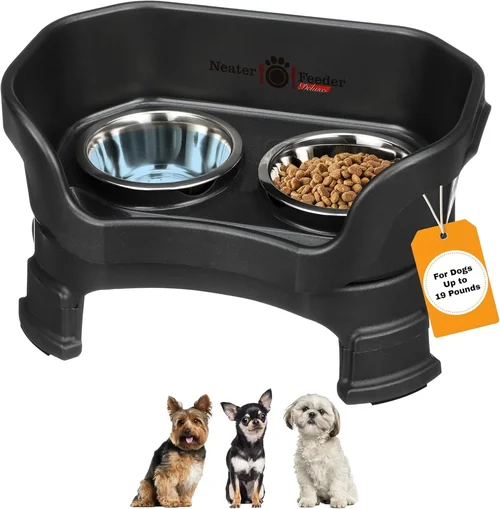
Best Premium Option: Neater Feeder Deluxe – Includes a built-in mat, stainless steel bowls, and splash guards. Ideal for the messiest eaters.
Best for Beginners: PetSafe Healthy Pet Simply Feed Automatic Feeder – While not a traditional bowl, it reduces mess by dispensing food slowly and can be paired with a slow feeder insert.
Best for Advanced Users: PetSafe Smart Feed Automatic Dog Feeder – Wi-Fi enabled, portion-controlled, and compatible with slow feed bowls. Perfect for tech-savvy owners.
Conclusion: Making the Right Choice
Choosing the best dog food bowl for your messy bulldog eater isn’t just about reducing cleanup—it’s about supporting your dog’s health, comfort, and happiness. From material and design to size and ease of cleaning, every factor plays a role in creating a positive mealtime experience. By prioritizing durability, functionality, and safety, you can find a bowl that stands up to your bulldog’s unique habits and keeps your home cleaner in the process.
Remember, the right bowl is an investment in your pet’s well-being. Don’t settle for the cheapest or most stylish option—look for one that truly meets your bulldog’s needs. Use the guidelines in this article to evaluate your options, avoid common pitfalls, and make a confident decision. And don’t forget to clean that bowl daily—your floors (and your dog) will thank you.
Whether you’re dealing with a slobbering Frenchie or a kibble-scattering English Bulldog, the perfect bowl is out there. Take the time to choose wisely, and enjoy more peaceful, mess-free meals with your beloved companion.