
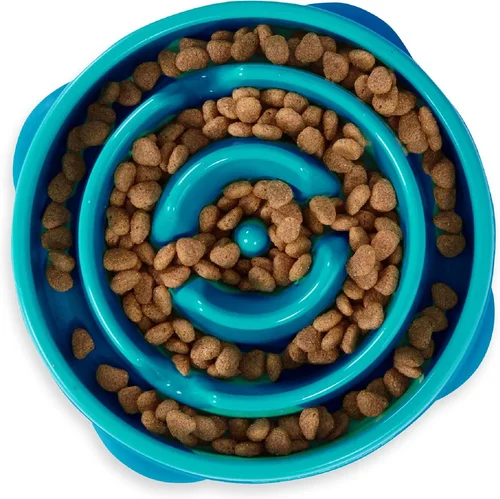
Fast eating in dogs isn’t just a quirky behavior—it’s a serious health concern that can lead to life-threatening conditions like bloat (gastric dilatation-volvulus or GDV), choking, vomiting, and digestive upset. If your dog inhales their kibble in seconds flat, gulping air and barely chewing, you’re not alone. Studies suggest up to 30% of dogs eat too quickly, especially those in multi-dog households, high-energy breeds, or rescue dogs with past food insecurity. The good news? A simple, often overlooked solution exists: the right dog food bowl.
This comprehensive buying guide is designed to help you navigate the crowded market of slow-feeder bowls and anti-gulping solutions with confidence. Whether you’re a first-time dog owner or a seasoned pet parent looking to upgrade your pup’s mealtime experience, you’ll learn exactly what to look for, how different bowl types work, and which options deliver real results. We’ve tested dozens of products, consulted veterinary nutritionists, and analyzed hundreds of customer reviews to bring you the most up-to-date, evidence-based recommendations for 2026.
From budget-friendly silicone puzzles to high-tech smart bowls with portion control, the options are vast—but not all are created equal. Some slow feeders are flimsy and tip over; others are so complex they frustrate your dog instead of helping them. Others claim to slow eating but fail under real-world conditions. This guide cuts through the noise, offering clear criteria, honest comparisons, and expert-backed advice so you can choose a bowl that’s safe, effective, and built to last. By the end, you’ll know not only which bowls are best but also how to use them correctly for maximum benefit.

What to Look for When Buying Buying Guide
1. Bowl Design & Slow-Feeding Mechanism
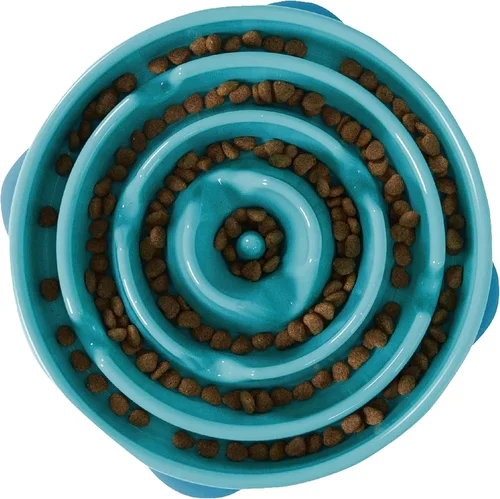
The core purpose of a slow-feeder bowl is to physically slow down your dog’s eating by creating obstacles that force them to work for their food. The design of these obstacles—whether ridges, mazes, domes, or spiral patterns—determines how effective the bowl will be. Look for bowls with raised centerpieces, deep grooves, or irregular shapes that require your dog to eat around barriers rather than scooping large mouthfuls. The best designs mimic natural foraging behaviors, encouraging nibbling and licking instead of gulping.
Avoid bowls with shallow or poorly spaced obstacles—they may look like slow feeders but offer minimal resistance. For example, a bowl with widely spaced bumps might slow a small dog but do nothing for a large, determined eater. Conversely, overly complex mazes can frustrate anxious or senior dogs. The ideal design strikes a balance: challenging enough to reduce eating speed by at least 50%, but intuitive enough that your dog doesn’t give up or become stressed. Always check product descriptions for phrases like “clinically tested,” “veterinarian recommended,” or “proven to reduce eating speed.”
2. Material Safety & Durability
The material your dog’s food bowl is made from affects not only its lifespan but also your pet’s health. Always prioritize non-toxic, food-grade materials. Stainless steel is the gold standard—it’s rust-proof, easy to clean, doesn’t retain odors, and won’t leach chemicals. It’s also highly durable, resisting scratches and dents even from large or enthusiastic eaters. Look for 304 or 316 grade stainless steel, which are medical-grade and safe for long-term use.
Ceramic bowls are another popular option, offering a stylish, heavy base that prevents tipping. However, they must be labeled “lead-free” and “cadmium-free” to ensure safety. Cheap ceramics can chip or crack, exposing sharp edges or harboring bacteria in micro-cracks. Silicone bowls are lightweight, flexible, and often collapsible—great for travel—but they can be chewed or torn by aggressive eaters. Avoid plastic bowls entirely; they scratch easily, harbor bacteria, and may contain BPA or phthalates that can disrupt hormones.
Durability also ties into longevity. A bowl that cracks after a few months isn’t just inconvenient—it’s a waste of money and potentially hazardous. Check warranty terms and user reviews for mentions of cracking, warping, or discoloration over time.
3. Size & Capacity Matching Your Dog’s Needs
Choosing the right size bowl is critical for both effectiveness and comfort. A bowl that’s too small forces your dog to eat in cramped conditions, which can actually increase gulping. Conversely, a bowl that’s too large may not provide enough resistance to slow eating. Match the bowl’s capacity to your dog’s daily food portion. For example, if your dog eats 2 cups per meal, choose a bowl designed for 2–3 cup servings.
Consider your dog’s breed and snout shape. Brachycephalic (short-nosed) breeds like Bulldogs, Pugs, and Frenchies struggle with deep bowls that require them to stretch their necks. Look for shallow, wide designs that allow easy access without strain. Large breeds like Great Danes or Mastiffs need extra-deep bowls to accommodate their size, but the internal obstacles should still be proportionate to prevent frustration.
Also, think about portability. If you travel frequently or use daycare services, a lightweight, collapsible silicone bowl might be ideal. But for home use, a heavier, stable bowl (like stainless steel or ceramic) reduces tipping and spills.
4. Ease of Cleaning & Maintenance
A slow-feeder bowl with intricate patterns may slow eating effectively, but if it’s a nightmare to clean, you’re less likely to maintain it properly—and dirty bowls breed bacteria. Always check whether the bowl is dishwasher-safe. Most stainless steel and high-quality silicone bowls are, but ceramic and some plastic models may warp or degrade in high heat.
Avoid bowls with hard-to-reach crevices, glued-on parts, or removable inserts that trap food particles. These become breeding grounds for mold and salmonella. One-piece designs are generally easier to sanitize. If the bowl has a non-slip base, ensure it’s removable or fully sealed to prevent moisture buildup underneath.
For households with multiple dogs or dogs prone to allergies, daily cleaning is essential. Consider bowls with smooth, seamless interiors and minimal texturing. Some premium models even feature antimicrobial coatings, though these should complement—not replace—regular washing.
5. Stability & Anti-Slip Features
A wobbly or sliding bowl can turn mealtime into a chaotic mess, especially for fast eaters who push and paw at their food. Stability is crucial for both safety and effectiveness. Look for bowls with wide, weighted bases or rubberized bottoms that grip flooring. Stainless steel bowls often come with silicone rings or suction cups to prevent movement.
Avoid lightweight plastic or thin silicone bowls that tip easily. Even if the slow-feed design is excellent, a bowl that flips over defeats the purpose. For tile or hardwood floors, anti-slip features are non-negotiable. Some bowls include adjustable feet or removable grippers for different surfaces.
Also consider height. Elevated bowls can improve posture and digestion for large or senior dogs, but they must be stable at increased heights. Look for models with wide legs and a low center of gravity. Never use makeshift risers—opt for purpose-built elevated feeders with integrated slow-feed bowls.
6. Brand Reputation & Customer Support
Not all pet product brands are created equal. Established companies with a history of safety, innovation, and transparency are more likely to deliver reliable products. Research the brand’s background: Do they specialize in pet feeding solutions? Are they transparent about materials and manufacturing? Do they offer responsive customer service?
Check for third-party certifications like FDA compliance, BPA-free labeling, or ISO standards. Brands that invest in veterinary partnerships or clinical testing (e.g., collaborating with animal nutritionists) often produce higher-quality products. Read customer reviews on multiple platforms—Amazon, Chewy, and independent pet forums—to spot recurring issues like poor durability, misleading sizing, or unhelpful support.
A good warranty is a sign of confidence in the product. Look for at least a 1-year warranty, with clear terms covering defects, breakage, or dissatisfaction. Avoid brands with vague return policies or those that charge restocking fees.
7. Price vs. Value Proposition
While it’s tempting to go for the cheapest option, dog food bowls—especially slow feeders—are an investment in your pet’s health. A $10 plastic bowl may seem economical, but if it cracks in a month or fails to slow eating, you’ll end up replacing it or dealing with health issues down the line. Conversely, a $60 smart bowl may be overkill for a small, mild-mannered eater.
Focus on value, not just price. Consider cost per use: a $30 stainless steel bowl that lasts 5 years costs just $6 per year. Factor in durability, ease of cleaning, and effectiveness. Mid-range bowls ($20–$40) often offer the best balance of quality and affordability. Premium models ($50+) may include advanced features like portion control, timers, or app connectivity—useful for tech-savvy owners or dogs with medical conditions.
8. User Reviews & Real-World Performance
Spec sheets and marketing claims can be misleading. The best way to gauge a bowl’s true performance is through real user feedback. Look for reviews that mention specific outcomes: “My dog used to vomit after meals—now he eats slowly and digests well.” or “The bowl tipped over every time my Lab ate.”
Pay attention to patterns. If multiple users report the same issue—like poor suction, difficulty cleaning, or ineffectiveness for large breeds—it’s likely a genuine flaw. Also, check how the brand responds to negative reviews. A company that offers replacements, refunds, or troubleshooting advice shows accountability.
Useful review platforms include Chewy (known for detailed pet owner feedback), Amazon (for volume and variety), and specialized forums like Reddit’s r/dogs or The Dog Forum. Video reviews on YouTube can also show the bowl in action, revealing how dogs interact with the design.
Different Types of Buying Guide

Common Buying Mistakes to Avoid
❌ Mistake: Choosing Based on Looks Alone
Why it’s bad: A beautifully designed ceramic bowl may catch your eye, but if it’s too shallow or has ineffective obstacles, it won’t slow your dog’s eating. Prioritizing aesthetics over function can lead to continued health risks.
What to do instead: Focus on design mechanics first. Look for deep grooves, central domes, or spiral patterns that create real resistance. Use style as a secondary filter.
❌ Mistake: Ignoring Your Dog’s Breed and Size
Why it’s bad: A bowl designed for a Chihuahua won’t work for a Great Dane. Similarly, brachycephalic dogs can’t navigate deep bowls comfortably. Mismatched sizing leads to frustration and ineffective slowing.
What to do instead: Measure your dog’s food portion and consider their snout length and neck mobility. Choose a bowl specifically sized for your dog’s category (small, medium, large, extra-large).
❌ Mistake: Buying the Cheapest Option
Why it’s bad: Low-cost plastic or thin silicone bowls often lack durability and safety. They scratch easily, harbor bacteria, and may contain harmful chemicals. You’ll likely replace them frequently, costing more long-term.
What to do instead: Invest in a mid-range stainless steel or high-quality silicone bowl. The upfront cost pays off in longevity, safety, and performance.
❌ Mistake: Not Testing the Bowl Gradually
Why it’s bad: Introducing a complex slow feeder abruptly can confuse or stress your dog, leading to food refusal or anxiety. Some dogs may even try to chew or destroy the bowl out of frustration.
What to do instead: Start by mixing the new bowl with their old one, or place a favorite treat in the slow feeder to encourage exploration. Gradually increase food amount over several days.
❌ Mistake: Overlooking Cleaning Requirements
Why it’s bad: Bowls with intricate designs or glued parts trap food and moisture, promoting bacterial growth. Poor hygiene can lead to digestive issues or skin infections.
What to do instead: Choose dishwasher-safe, one-piece designs. Clean the bowl daily with hot, soapy water or in the dishwasher. Inspect regularly for cracks or wear.
❌ Mistake: Assuming All Slow Feeders Work Equally
Why it’s bad: Some “slow feeders” have minimal obstacles or poor spacing, offering little to no reduction in eating speed. Relying on ineffective products delays addressing the real issue.
What to do instead: Read independent reviews and look for bowls with proven results. Test your dog’s eating time before and after—aim for at least a 50% increase in meal duration.
❌ Mistake: Neglecting Elevation for Large or Senior Dogs
Why it’s bad: Large dogs eating from floor-level bowls strain their necks and esophagus, increasing the risk of bloat and discomfort. Senior dogs with arthritis may struggle to bend down.
What to do instead: Use an elevated feeder with an integrated slow-feed bowl. Ensure the height allows your dog to eat with their head level or slightly lowered—never stretched upward.
Budget Guidelines: How Much Should You Spend?
Entry-Level ($10–$20): This range includes basic silicone or plastic slow feeders. While affordable, they often lack durability and may not slow eating effectively. Best for small dogs or temporary use. Look for food-grade silicone with simple ridge designs. Avoid anything with small detachable parts.
Mid-Range ($20–$40): The sweet spot for most dog owners. This tier offers stainless steel bowls with effective maze patterns, durable silicone models, and some elevated options. Products here balance quality, safety, and performance. Ideal for everyday use and long-term value.
Premium ($40–$70): Designed for serious slow-feeding needs. Includes heavy-duty stainless steel bowls with complex designs, high-end ceramic models with lead-free glazes, and elevated feeders with adjustable heights. Often come with warranties and excellent customer support.
Luxury ($70+): Top-tier smart feeders with app connectivity, portion control, timers, and even cameras. Best for tech enthusiasts, dogs with medical conditions (like diabetes or obesity), or owners who want detailed feeding analytics. While expensive, they offer unmatched convenience and monitoring.

Expert Tips for Getting the Best Deal
1. Buy During Seasonal Sales: Major retailers like Chewy, Petco, and Amazon offer significant discounts during Black Friday, Prime Day, and back-to-school seasons. Sign up for alerts to catch slow-feeder bowl deals.
2. Compare Retailers: Prices vary widely between online and in-store options. Chewy often has competitive pricing and free shipping, while local pet stores may offer in-person testing. Use price-tracking tools like Honey or CamelCamelCamel.
3. Look for Bundles: Some brands sell slow-feeder bowls with matching water dishes, travel bags, or cleaning brushes. These bundles can save 15–20% compared to buying separately.
4. Check Return Policies: Ensure the retailer or manufacturer accepts returns if the bowl doesn’t work for your dog. Avoid sellers with restocking fees or short return windows.
5. Test Before Committing: If possible, try a low-cost model first to see how your dog reacts. Observe their eating behavior and adjust accordingly before investing in a premium option.
6. Read the Warranty: A good warranty (1–2 years) protects against defects. Avoid products with “limited” or “non-transferable” terms that limit your rights.
7. Join Loyalty Programs: Stores like Petco and Chewy offer rewards programs that give points for purchases, redeemable for future discounts. Over time, this can add up to significant savings.
8. Consider Refurbished or Open-Box: Some retailers sell returned items at a discount. As long as they’re sanitized and functional, these can be a great way to save on high-end models.

Frequently Asked Questions
Q: How do I know if my dog eats too fast?
A: Signs include finishing meals in under 2 minutes, gulping sounds, vomiting shortly after eating, excessive drooling, or restlessness during meals. You can time your dog’s eating—if they finish a standard meal in under 60 seconds, they’re likely a fast eater.
Q: Can a slow feeder cause stress or anxiety?
A: In rare cases, yes—especially if the design is too complex or introduced too quickly. Most dogs adapt within a few days. Start with simpler designs and positive reinforcement (treats, praise) to ease the transition.
Q: Are slow feeders safe for puppies?
A: Yes, but choose age-appropriate sizes. Puppies have smaller mouths and may struggle with deep or complex bowls. Look for shallow, wide designs with gentle obstacles.
Q: Can I use a slow feeder with wet food?
A: Most slow feeders are designed for dry kibble. Wet food can clog grooves and be harder to clean. Some silicone models work with wet food, but check the manufacturer’s guidelines.
Q: Do slow feeders prevent bloat?
A: While they reduce risk factors like rapid eating and air swallowing, they don’t eliminate bloat entirely. Other factors include genetics, exercise after meals, and diet. Always consult your vet if bloat is a concern.
Q: How often should I clean the bowl?
A: Daily cleaning is ideal, especially for slow feeders with crevices. Use hot, soapy water or a dishwasher. Deep clean weekly with a pet-safe disinfectant.
Q: Can I use a slow feeder for multiple dogs?
A: Yes, but ensure each dog has their own bowl to prevent competition and stress. Monitor during meals to ensure fair access.
Q: What if my dog chews the bowl?
A: Switch to stainless steel or reinforced silicone. Avoid plastic or soft silicone if your dog is destructive. Provide chew toys to redirect the behavior.
Q: Are elevated slow feeders better?
A: For large or senior dogs, yes—they improve posture and reduce strain. For small dogs, floor-level bowls are usually fine. Always match height to your dog’s shoulder level.
Q: Do smart feeders really work?
A: They can, especially for portion control and monitoring. However, they’re not necessary for all dogs. Evaluate your needs—tech features are helpful but not essential for slowing eating.
Our Final Recommendations
Best for Budget-Conscious Buyers: Outward Hound Fun Feeder Slo Bowl ($18–$25) – A durable, dishwasher-safe silicone bowl with effective maze design. Great for small to medium dogs and travel.
Best Overall Value: Neater Feeder Stainless Steel Slow Feed Bowl ($35–$45) – Combines a heavy stainless steel bowl with a non-slip base and deep ridges. Ideal for large breeds and multi-dog homes.
Best Premium Option: PetSafe Smart Feed Automatic Dog Feeder ($120–$150) – Features portion control, slow-feed mode, app monitoring, and a built-in camera. Perfect for tech-savvy owners or dogs with medical needs.
Best for Beginners: Kong Classic Slow Feeder Insert ($15–$20) – A simple, affordable silicone insert that fits standard bowls. Easy to introduce and clean.
Best for Advanced Users: Dr. Gary’s Slow Feed Bowl (Elevated) ($60–$80) – A veterinary-designed elevated feeder with a patented spiral slow-feed bowl. Excellent for large breeds with joint issues.
Conclusion: Making the Right Choice
Choosing the right dog food bowl for fast eaters is more than a convenience—it’s a proactive step toward better health and longevity for your pet. By slowing down mealtime, you reduce the risk of bloat, improve digestion, and encourage mindful eating habits. This guide has equipped you with the knowledge to evaluate design, material, size, and functionality, ensuring your choice is both safe and effective.
Remember, the best bowl is the one that fits your dog’s unique needs, your lifestyle, and your budget. Don’t rush the decision. Take time to observe your dog’s eating behavior, read real reviews, and consider a trial period if possible. And once you’ve made your choice, introduce it gradually and monitor progress.
Your dog’s health is worth the investment. With the right bowl, you’re not just feeding them—you’re nurturing them. Make the switch today, and give your pup the gift of slower, safer, and more enjoyable meals.