
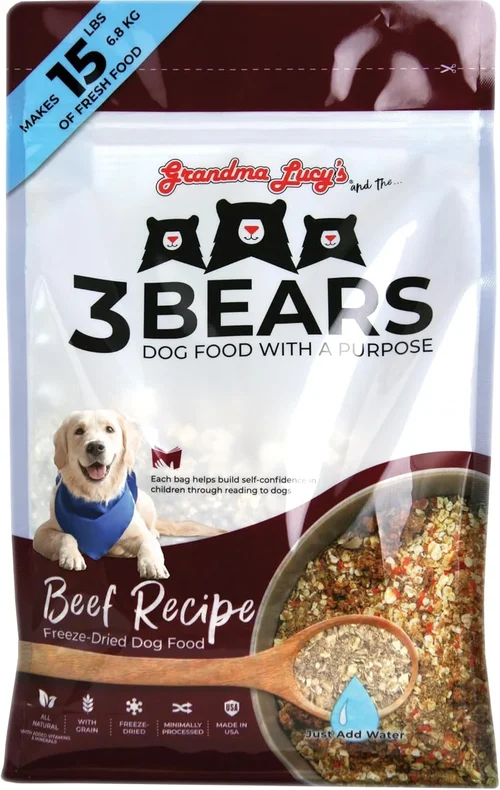
When it comes to feeding a Great Dane, most dog owners quickly realize that not all kibble is created equal. These gentle giants—often weighing between 120 and 200 pounds—have unique nutritional needs that differ significantly from smaller breeds. Their rapid growth rate, susceptibility to bloat (gastric dilatation-volvulus), joint stress due to their size, and long-term health concerns like hip dysplasia and heart conditions all demand a specialized approach to diet. Choosing the wrong dog food can lead to developmental issues in puppies, obesity in adults, or even life-threatening emergencies. That’s why this comprehensive buying guide exists: to help you navigate the crowded pet food market with confidence and make informed decisions that support your Great Dane’s longevity, vitality, and overall well-being.
In this guide, you’ll learn exactly what to look for in a high-quality dog food formulated for large and giant breeds. We’ll break down the science behind protein sources, fat content, calcium-to-phosphorus ratios, and the importance of controlled calorie density. You’ll discover how to read ingredient labels like a pro, avoid misleading marketing claims, and distinguish between premium nutrition and overpriced filler. Whether you’re feeding a rambunctious Great Dane puppy, a mature adult, or a senior dog with slowing metabolism, we’ve got tailored advice for every life stage. By the end of this article, you’ll have a clear roadmap to selecting the best dog food brand for your gentle giant—one that supports strong bones, healthy digestion, shiny coats, and sustained energy without breaking the bank.
The dog food industry has exploded in recent years, with hundreds of brands vying for your attention through flashy packaging, celebrity endorsements, and buzzwords like “grain-free,” “human-grade,” and “holistic.” While innovation is welcome, it’s also created confusion. Many products marketed as “premium” or “natural” fall short on actual nutritional value, especially for large-breed dogs with specific requirements. Meanwhile, veterinary nutritionists and canine researchers continue to emphasize the importance of balanced macronutrients, appropriate mineral levels, and digestible ingredients. This guide cuts through the noise, combining expert insights, peer-reviewed research, and real-world feedback from Great Dane owners to deliver actionable, trustworthy recommendations. Our goal isn’t to sell you on one brand—it’s to empower you with the knowledge to choose wisely, safely, and sustainably for your dog’s unique needs.

What to Look for When Buying Buying Guide
1. Protein Source and Quality
Protein is the cornerstone of any dog’s diet, but for Great Danes, the source and quality matter even more. As large-breed dogs, they require high-quality, highly digestible animal protein to support muscle maintenance, immune function, and tissue repair—without overloading their systems. Look for named meat sources as the first ingredient, such as “deboned chicken,” “lamb meal,” or “salmon.” Avoid vague terms like “meat meal” or “animal by-product meal,” which can include low-quality or inconsistent protein sources. Ideally, protein should come from whole meats or meat meals that have been rendered to remove moisture while retaining nutrients.
For Great Danes, aim for a crude protein content between 22% and 26% for adults and slightly higher (26%–30%) for puppies—but never exceed recommended levels, as excessive protein can strain developing kidneys and contribute to rapid growth, which increases the risk of skeletal abnormalities. The key is balance: the protein must be bioavailable, meaning your dog can actually absorb and utilize it. Ingredients like chicken meal, turkey meal, and fish meal are excellent because they’re concentrated sources of amino acids. Plant-based proteins like pea protein or soy should never dominate the ingredient list, as they’re less complete and harder for dogs to digest efficiently.
2. Fat Content and Omega Fatty Acids
Fat provides concentrated energy and supports skin, coat, and brain health—but for giant breeds, moderation is crucial. Great Danes are prone to weight gain, which exacerbates joint stress and increases the risk of bloat. Therefore, fat content should be moderate: typically between 10% and 15% for adults. Puppies may benefit from slightly higher fat (up to 16%) to support growth, but avoid formulas that exceed this unless recommended by a veterinarian.
More important than total fat is the type of fat. Look for sources rich in omega-3 and omega-6 fatty acids, such as salmon oil, flaxseed, chia seeds, or canola oil. Omega-3s (especially EPA and DHA) have anti-inflammatory properties that can help manage joint inflammation and support cognitive function. Omega-6s promote healthy skin and a glossy coat. A balanced ratio of omega-6 to omega-3 (ideally between 5:1 and 10:1) is ideal. Avoid foods that rely heavily on generic “animal fat” or vegetable oils like corn oil, which offer little nutritional benefit and may contribute to inflammation when overconsumed.
3. Calcium-to-Phosphorus Ratio
This is perhaps the most critical factor for Great Dane puppies and young adults. Rapid growth in giant breeds makes them extremely sensitive to mineral imbalances, particularly calcium and phosphorus. Too much calcium—common in puppy foods not formulated for large breeds—can lead to skeletal disorders like osteochondrosis or hypertrophic osteodystrophy. Conversely, too little calcium weakens bones and increases fracture risk.
The ideal calcium-to-phosphorus ratio for large and giant breeds is between 1.1:1 and 1.4:1. Total calcium should not exceed 1.8% on a dry matter basis for puppies, and adult foods should stay below 1.5%. Always check the guaranteed analysis on the label and calculate dry matter values if necessary (we’ll cover how to do this in the FAQ section). Reputable brands will explicitly state that their formula is “formulated for large breed puppies” or “suitable for giant breeds,” indicating careful mineral balancing. Never feed a standard puppy food to a Great Dane puppy—it’s one of the most common and dangerous mistakes owners make.
4. Kibble Size and Shape
Great Danes have massive jaws, but that doesn’t mean they should gulp down large kibble pieces. In fact, larger kibble can encourage faster eating, which is a major risk factor for bloat—a life-threatening condition where the stomach twists on itself. To slow ingestion, look for kibble designed for large breeds that is either smaller in size or has a unique shape (like ridges or grooves) that forces chewing.
Some brands offer “slow-feed” kibble specifically engineered to reduce gulping. Additionally, consider using a slow-feeder bowl alongside appropriately sized kibble. Avoid extra-large or jumbo kibble unless your dog has a history of chewing thoroughly. The goal is to promote mindful eating and reduce air intake during meals. This simple adjustment can significantly lower the risk of GDV (gastric dilatation-volvulus), which affects up to 40% of Great Danes during their lifetime.
5. Digestibility and Fiber Content
A highly digestible diet means more nutrients are absorbed and less waste is produced—important for both health and convenience when dealing with a 150-pound dog! Digestibility is influenced by ingredient quality, processing methods, and fiber type. Look for moderate fiber content (3%–5%) from sources like beet pulp, pumpkin, chicory root, or oat bran. These fibers support gut health and regular bowel movements without causing loose stools.
Avoid excessive fillers like corn, wheat, or soy, which are not only low in nutritional value but can also trigger food sensitivities in some dogs. Prebiotics (such as FOS and MOS) and probiotics are excellent additions, as they promote a healthy microbiome and improve nutrient absorption. If your Great Dane has a sensitive stomach, consider limited-ingredient diets or novel protein sources (like duck or venison), but always transition gradually to avoid digestive upset.
6. Life Stage Appropriateness
Great Danes have distinct nutritional needs at different life stages, and feeding the wrong formula can have serious consequences. Puppies require controlled calories and balanced minerals to support steady, healthy growth—not rapid bulk. Adult foods should maintain muscle mass while preventing obesity. Senior Danes (typically over 6 years old) benefit from lower-calorie, joint-supportive formulas with added glucosamine, chondroitin, and antioxidants.
Never feed an adult or senior formula to a growing Great Dane puppy—it won’t provide enough energy or nutrients for development. Conversely, avoid high-calorie puppy food for adults, as it can lead to excessive weight gain. Many premium brands offer “large breed puppy,” “adult maintenance,” and “senior support” lines specifically for giant breeds. Always match the food to your dog’s age, weight, and activity level.
7. Brand Transparency and Testing
Not all dog food companies are equally committed to quality control. Look for brands that conduct AAFCO (Association of American Feed Control Officials) feeding trials or formulate their recipes to meet AAFCO nutrient profiles. Even better, choose companies that publish third-party test results for contaminants like heavy metals, mycotoxins, and pesticides.
Transparency extends beyond labels. Reputable brands will disclose their manufacturing locations, sourcing practices, and whether they own their facilities (vertical integration often means better quality control). Avoid brands that use excessive marketing jargon without scientific backing. Check if the company has a veterinary nutritionist on staff or consults with board-certified specialists. Brands like Royal Canin, Hill’s Science Diet, and Purina Pro Plan have long-standing relationships with veterinary professionals and invest heavily in research.
8. Price vs. Value
While cost is a legitimate concern, especially when feeding a dog that may consume 6–10 cups of food per day, the cheapest option is rarely the best value. Low-cost foods often rely on fillers, by-products, and synthetic additives to cut costs, which can lead to health issues down the line—resulting in higher veterinary bills. That said, premium doesn’t always mean better. Some mid-tier brands offer excellent nutrition at reasonable prices.
Calculate cost per pound or per cup to compare fairly. A $60 bag of 40 lbs may seem expensive, but if it’s highly digestible and your dog eats less due to better satiety, it could be more economical than a $40 bag of 30 lbs that requires larger portions. Consider subscription services or bulk buying to reduce costs. Always prioritize nutritional adequacy over price alone—your Great Dane’s health is worth the investment.
Different Types of Buying Guide

Common Buying Mistakes to Avoid
❌ Mistake: Feeding Standard Puppy Food to a Great Dane Puppy
Why it’s bad: Standard puppy formulas are often too high in calories, fat, and especially calcium—perfect for small breeds that grow quickly but disastrous for giant breeds. Excess calcium disrupts bone development, leading to painful orthopedic diseases.
What to do instead: Always choose a formula explicitly labeled “for large breed puppies” or “giant breed puppy.” These diets have controlled growth rates and balanced mineral ratios to support steady, healthy development.
❌ Mistake: Ignoring the Ingredient List
Why it’s bad: Marketing claims like “natural” or “premium” are unregulated. The first five ingredients determine nutritional quality. If corn, wheat, or by-products dominate, your dog isn’t getting optimal nutrition.
What to do instead: Read the ingredient list carefully. Prioritize named animal proteins, whole grains (if any), and recognizable vegetables. Use online tools like DogFoodAdvisor.com to check brand ratings.
❌ Mistake: Overfeeding or Free-Feeding
Why it’s bad: Great Danes are prone to obesity, which strains joints and increases bloat risk. Free-feeding encourages overeating and makes portion control impossible.
What to do instead: Measure meals based on your dog’s weight, age, and activity level. Feed twice daily (never once) to reduce bloat risk. Use a measuring cup—not guesswork.
❌ Mistake: Switching Foods Too Quickly
Why it’s bad: Sudden diet changes can cause diarrhea, vomiting, or refusal to eat. Great Danes often have sensitive stomachs, making transitions even more delicate.
What to do instead: Transition over 7–10 days: start with 25% new food + 75% old, gradually increasing the ratio. Monitor stool quality and appetite throughout.
❌ Mistake: Choosing Based on Price Alone
Why it’s bad: Cheap foods often contain fillers, artificial preservatives, and low-quality proteins that lead to health problems, higher vet bills, and poor coat/energy levels.
What to do instead: Focus on value, not just cost. Calculate price per pound and consider digestibility. A slightly more expensive food may require smaller portions and yield better health outcomes.
❌ Mistake: Neglecting Hydration
Why it’s bad: Dry kibble provides minimal moisture. Dehydration can worsen kidney function and contribute to urinary issues, especially in older Danes.
What to do instead: Always provide fresh water. Consider adding warm water or low-sodium broth to kibble, or rotate in wet food occasionally to boost hydration.
❌ Mistake: Not Consulting a Veterinarian
Why it’s bad: Every Great Dane is unique. Health conditions, allergies, or metabolic rates may require specialized diets that over-the-counter brands can’t address.
What to do instead: Schedule annual check-ups and discuss diet with your vet. For puppies or seniors, ask for a nutritional assessment to ensure you’re meeting their specific needs.
Budget Guidelines: How Much Should You Spend?
- Entry-Level ($1.50–$2.50/lb): What to expect… These foods often contain corn, soy, or meat by-products as primary ingredients. While they meet minimum AAFCO standards, they lack optimal protein quality and may include artificial preservatives like BHA or BHT. Suitable for short-term use or budget constraints, but not recommended for long-term feeding of a Great Dane due to potential health risks.
- Mid-Range ($2.50–$4.00/lb): Sweet spot for most buyers… This tier includes reputable brands like Purina Pro Plan Large Breed, Iams ProActive Health, and Nutro Wholesome Essentials. They feature named meat sources, balanced minerals, and added supplements like glucosamine. Many offer large-breed-specific formulas with appropriate kibble size and controlled calories. Excellent value for the price.
- Premium ($4.00–$6.50/lb): For enthusiasts and professionals… Brands like Royal Canin Giant Breed, Hill’s Science Diet Large Breed, and Wellness CORE Large Breed fall here. These diets undergo rigorous testing, include novel proteins or limited ingredients for sensitivities, and often feature probiotics, omega fatty acids, and joint support compounds. Ideal for owners prioritizing long-term health and preventative care.
- Luxury ($6.50+/lb): Top-tier features… Includes fresh/frozen raw diets (The Farmer’s Dog, Nom Nom), boutique kibble (Ollie, Open Farm), and custom veterinary formulations. These offer human-grade ingredients, personalized nutrition plans, and minimal processing. Best for owners with flexible budgets or dogs with complex health needs. Requires careful handling and storage.

Expert Tips for Getting the Best Deal
- Buy in Bulk During Sales: Major retailers like Chewy, Petco, and Amazon often run seasonal promotions (e.g., Black Friday, Prime Day). Stock up on 30–40 lb bags when discounts hit 20%–30%.
- Subscribe and Save: Most online pet stores offer 5%–15% off for auto-ship subscriptions. You’ll never run out, and the savings add up over time—especially for a high-volume eater like a Great Dane.
- Check Local Feed Stores: Independent pet shops sometimes carry premium brands at competitive prices and may offer loyalty programs or bulk discounts not available online.
- Compare Dry Matter Basis: Wet food appears cheaper per can, but when adjusted for moisture (dry matter basis), it’s often more expensive than kibble. Use a dry matter calculator to compare fairly.
- Look for Manufacturer Rebates: Brands like Hill’s and Royal Canin frequently offer mail-in rebates or free sample packs through vet clinics. Ask your veterinarian about current promotions.
- Rotate Proteins Wisely: Introduce new proteins gradually to prevent allergies, but don’t switch brands too often—consistency supports digestive health. Keep a 2–3 month supply of your chosen food.
- Read Return Policies: If your dog refuses a new food or has an adverse reaction, you want the option to return it. Chewy and Petco have generous return windows; read the fine print before purchasing.
- Join Breed-Specific Groups: Great Dane forums and Facebook groups often share exclusive discount codes, recall alerts, and honest reviews from fellow owners who’ve tested dozens of brands.
Frequently Asked Questions
Q: Can I feed my Great Dane grain-free food?
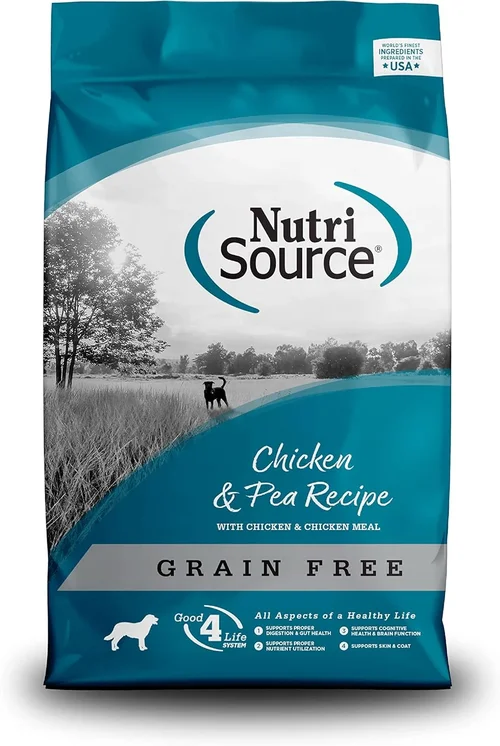
A: Grain-free diets are not inherently better and may pose risks. Recent FDA investigations linked certain grain-free foods (especially those with legumes like peas and lentils) to dilated cardiomyopathy (DCM) in dogs. Unless your Great Dane has a diagnosed grain allergy, there’s no proven benefit to going grain-free. Whole grains like oats, barley, or brown rice provide fiber and energy without the DCM risk.
Q: How much should I feed my Great Dane per day?
A: Portion sizes vary by age, weight, and activity level. A typical adult Great Dane (140 lbs) may need 6–8 cups of high-quality kibble daily, split into two meals. Puppies require more frequent feeding (3–4 times/day) with controlled portions to avoid rapid growth. Always follow the feeding guidelines on the bag as a starting point, then adjust based on body condition score (you should be able to feel—but not see—ribs).
Q: Is raw food safe for Great Danes?
A: Commercial raw diets can be safe if they’re AAFCO-compliant and handled properly. However, raw feeding carries risks of bacterial contamination (Salmonella, E. coli) and nutritional imbalances if not formulated by a veterinary nutritionist. If you choose raw, opt for commercially prepared, flash-frozen options from reputable brands and practice strict hygiene. Never feed homemade raw diets without professional guidance.
Q: Should I add supplements to my Great Dane’s food?
A: If you’re feeding a complete, balanced commercial diet, additional supplements are usually unnecessary and can cause harm (e.g., excess calcium). However, some owners add fish oil for coat health or glucosamine/chondroitin for joints—especially in seniors. Always consult your vet before supplementing, as over-supplementation can lead to toxicity or interact with medications.
Q: How do I calculate dry matter basis?
A: To compare foods accurately, remove moisture from the equation. For example, if a canned food is 78% moisture and 10% protein, the dry matter protein is: (10 ÷ (100 – 78)) × 100 = 45.5%. Do the same for kibble (typically 10% moisture). This reveals the true nutrient concentration.
Q: What are the signs of a food allergy in Great Danes?
A: Common signs include chronic ear infections, paw licking, skin rashes, gastrointestinal upset (vomiting, diarrhea), or excessive gas. Unlike humans, dogs rarely show respiratory symptoms. If suspected, work with your vet to try an elimination diet using a novel protein (e.g., duck, kangaroo) and single carbohydrate source for 8–12 weeks.
Q: Can I mix wet and dry food?
A: Yes! Many owners mix wet food with kibble to increase palatability, hydration, and variety. Just adjust portions to avoid overfeeding. For example, replace 1 cup of kibble with ½ can of wet food. Ensure the combined diet meets AAFCO standards.
Q: How often should I change my Great Dane’s food?
A: Consistency is key. Unless there’s a medical reason or your dog shows intolerance, stick with one high-quality food long-term. Frequent changes disrupt gut flora and can cause digestive issues. If switching, do so gradually over 7–10 days.
Q: Are “holistic” or “natural” labels meaningful?
A: Not really. These terms are marketing-driven and unregulated by the FDA or AAFCO. A food labeled “holistic” may still contain by-products or synthetic additives. Focus instead on ingredient quality, AAFCO statements, and brand transparency.
Q: What’s the best way to store dog food?
A: Keep kibble in its original bag inside an airtight container in a cool, dry place. Avoid plastic bins without the bag—they can trap moisture and degrade fats. Use within 6 weeks of opening to preserve freshness and prevent rancidity.
Our Final Recommendations
- Best for Budget-Conscious Buyers: Purina Pro Plan Large Breed Adult – Offers excellent nutrition at an affordable price, with real chicken as the first ingredient, balanced minerals, and added glucosamine. Widely available and vet-recommended.
- Best Overall Value: Royal Canin Giant Breed Adult – Specifically formulated for dogs over 100 lbs, with precise calcium-phosphorus balance, large kibble to slow eating, and antioxidants for immune support. Trusted by breeders and veterinarians worldwide.
- Best Premium Option: Hill’s Science Diet Large Breed Perfect Weight – Ideal for Danes prone to weight gain, this formula supports lean muscle maintenance with L-carnitine and high-quality protein. Includes joint-supporting nutrients and is backed by decades of research.
- Best for Beginners: Iams ProActive Health Large Breed – Easy to find, reasonably priced, and formulated with chicken, beet pulp for digestion, and omega fatty acids. Great starting point for new Great Dane owners.
- Best for Advanced Users: The Farmer’s Dog (Fresh Turkey Recipe) – For owners willing to invest in fresh, human-grade food, this personalized, minimally processed diet eliminates guesswork and supports optimal health. Requires refrigeration and higher budget, but delivers unmatched quality.
Conclusion: Making the Right Choice
Choosing the right dog food for your Great Dane isn’t just about filling a bowl—it’s about investing in a lifetime of health, happiness, and companionship. These majestic dogs deserve nutrition that respects their unique physiology, from controlled growth in puppyhood to joint support in their golden years. By prioritizing high-quality protein, balanced minerals, appropriate kibble design, and brand transparency, you’re not just feeding your dog; you’re safeguarding their well-being.
Remember, no single brand is perfect for every dog. What works for one Great Dane may not suit another due to individual sensitivities, activity levels, or health conditions. Use this guide as your foundation, but stay attuned to your dog’s cues: a shiny coat, firm stools, steady energy, and a happy demeanor are the ultimate indicators of a good diet. When in doubt, consult your veterinarian—they’re your best partner in making informed nutritional decisions.
Finally, don’t let marketing hype or fleeting trends dictate your choices. Stick to science, read labels diligently, and feed with intention. Your Great Dane relies on you for everything—give them the gift of optimal nutrition. With the knowledge from this guide, you’re now equipped to make confident, compassionate, and smart decisions that will keep your gentle giant thriving for years to come.