

When it comes to feeding your Alaskan Malamute, making the right choice isn’t just about filling their bowl—it’s about supporting a large, active, and genetically unique breed with specific nutritional needs. These majestic northern dogs are built for endurance, strength, and cold climates, which means their diet must fuel not only their daily energy output but also support joint health, coat condition, digestion, and long-term vitality. Unfortunately, not all dog foods are created equal—and many mainstream brands fall short when it comes to meeting the demands of a high-performance breed like the Malamute.
That’s why this comprehensive buying guide exists. Whether you’re a first-time Malamute owner or a seasoned enthusiast looking to optimize your dog’s nutrition, this guide will equip you with everything you need to make an informed, confident decision. We’ll walk you through the critical factors that separate good dog food from great—especially for large, active breeds. You’ll learn how to decode ingredient labels, understand protein sources, evaluate kibble quality, and avoid common marketing traps. We’ll also break down budget considerations, compare different food types (like kibble, raw, and freeze-dried), and share expert-backed recommendations based on real-world feeding experiences and veterinary insights.
The dog food market is flooded with options—over 2,000 brands in the U.S. alone—and it’s easy to feel overwhelmed. Premium labels promise “grain-free,” “high-protein,” or “vet-recommended” formulas, while budget brands offer affordability at the cost of nutritional integrity. For Alaskan Malamutes, whose size, metabolism, and predisposition to certain health issues (like hip dysplasia and bloat) require careful dietary management, choosing wisely is non-negotiable. This guide cuts through the noise, focusing exclusively on what matters most for Malamutes: balanced nutrition, digestibility, ingredient transparency, and long-term health outcomes. By the end, you’ll know exactly what to look for—and what to avoid—when selecting the best dog food for your loyal, hardworking companion.

What to Look for When Buying Dog Food for Alaskan Malamutes
1. High-Quality Animal Protein as the First Ingredient
Alaskan Malamutes are carnivorous by nature and thrive on diets rich in animal-based protein. As large, muscular dogs with high energy needs—especially if they’re active in sledding, hiking, or agility—protein is essential for maintaining lean muscle mass, supporting recovery, and sustaining endurance. When evaluating dog food, always check the ingredient list: the first ingredient should be a named, whole animal protein such as chicken, beef, lamb, salmon, or turkey—not a by-product, meal derivative, or plant-based filler.
Avoid vague terms like “meat meal” or “poultry by-product meal,” which can include low-quality or inconsistent sources. Instead, look for specifics like “deboned chicken” or “salmon meal,” which indicate higher digestibility and nutritional value. The Association of American Feed Control Officials (AAFCO) recommends a minimum of 18% protein for adult maintenance and 22% for growth, but for active Malamutes, aim for 26–32% protein from high-quality sources. This ensures your dog gets the amino acids needed for tissue repair, immune function, and coat health.
2. Balanced Fat Content for Energy and Coat Health
Fat is a concentrated source of energy—especially important for cold-weather breeds like the Alaskan Malamute, who burn calories rapidly to maintain body heat. Dietary fat also supports healthy skin and a shiny, thick coat, which is crucial for insulation and protection against harsh weather. Look for foods with 12–18% fat content, ideally from animal sources like chicken fat, salmon oil, or flaxseed.
Omega-3 and omega-6 fatty acids are particularly beneficial. Omega-3s (found in fish oil, flaxseed, and chia seeds) reduce inflammation, support joint health, and improve coat condition. Omega-6s (from poultry fat and vegetable oils) promote skin health and immune function. A balanced ratio of omega-6 to omega-3 (ideally between 5:1 and 10:1) helps prevent skin allergies and excessive shedding—common issues in Malamutes.
Avoid foods with excessive plant-based oils (like corn or soybean oil) as primary fat sources. While these provide calories, they lack the bioavailability and health benefits of animal-derived fats. Also, be cautious of “low-fat” formulas marketed for weight management—unless your Malamute is sedentary or overweight, these can deprive them of essential energy and nutrients.
3. Appropriate Kibble Size and Texture
Alaskan Malamutes are large dogs with strong jaws, but their eating habits can be problematic. Many Malamutes are prone to bloat (gastric dilatation-volvulus or GDV), a life-threatening condition where the stomach twists after rapid eating. To reduce this risk, choose a kibble that encourages slower chewing and digestion.
Opt for larger kibble sizes (1 inch or more in diameter) that require more chewing, which slows down eating and promotes saliva production—naturally buffering stomach acid. Avoid small, dense kibbles that can be swallowed whole. Some brands offer “slow-feed” or “large-breed” formulas specifically designed to reduce gulping.
Texture also matters. Kibble should be crunchy enough to help scrape plaque from teeth, supporting dental health—a common concern in large breeds. Avoid overly soft or moist kibbles unless they’re part of a wet food supplement. If you feed dry food, consider using a slow-feeder bowl or puzzle feeder to further reduce eating speed.
4. Digestibility and Gut Health Support
Malamutes have sensitive digestive systems, and poor-quality ingredients can lead to gas, diarrhea, or chronic loose stools. Digestibility refers to how well your dog can break down and absorb nutrients from their food. High digestibility means more nutrients are utilized and less waste is produced—key for maintaining energy and reducing cleanup.
Look for foods with highly digestible protein sources (like chicken, turkey, or fish) and easily fermentable fibers such as beet pulp, pumpkin, or chicory root. These support healthy gut bacteria and regular bowel movements. Probiotics (like Lactobacillus or Bifidobacterium) are a major plus—they help maintain a balanced microbiome, especially after antibiotics or dietary changes.
Avoid foods with excessive fillers like corn, wheat, soy, or artificial additives. These are harder to digest and can trigger food sensitivities. If your Malamute has a history of digestive issues, consider limited-ingredient diets or novel proteins (like duck or venison) to identify and eliminate allergens.
5. Joint and Bone Support Ingredients
Alaskan Malamutes are genetically predisposed to joint problems, particularly hip and elbow dysplasia. Their large size and active lifestyle put significant stress on joints, making preventive nutrition essential. Look for foods fortified with glucosamine, chondroitin, and MSM (methylsulfonylmethane)—compounds that support cartilage health and reduce inflammation.
These ingredients are often found in “large-breed” or “joint support” formulas, but not all brands include them in meaningful amounts. Check the guaranteed analysis or product description to ensure they’re present. Additionally, omega-3 fatty acids (especially EPA and DHA from fish oil) have anti-inflammatory properties that can help manage joint discomfort.
Calcium and phosphorus balance is also critical. Large-breed puppies need controlled calcium levels to prevent rapid bone growth, which can lead to skeletal deformities. For adult Malamutes, maintain a calcium-to-phosphorus ratio of approximately 1.2:1 to 1.4:1. Avoid foods with excessive calcium supplementation unless recommended by a vet.
6. Grain Inclusion vs. Grain-Free: What’s Right for Malamutes?
The grain-free debate has caused confusion among dog owners. While some believe grains are harmful, the truth is more nuanced. For most Alaskan Malamutes, whole grains like brown rice, oats, or barley are beneficial—they provide sustained energy, fiber, and essential B vitamins. Unless your dog has a diagnosed grain allergy (rare), there’s no need to avoid grains.
However, grain-free diets have gained popularity due to concerns about fillers and allergies. If you choose grain-free, ensure the carbohydrates are replaced with nutrient-dense alternatives like sweet potatoes, peas, or lentils—not just starchy fillers. Be cautious: some grain-free diets high in legumes (peas, lentils, chickpeas) have been linked to dilated cardiomyopathy (DCM) in dogs, especially when they displace animal protein.
The FDA has investigated a potential link between certain grain-free diets and DCM, particularly in breeds not traditionally prone to the condition. While Malamutes aren’t at the top of the risk list, it’s wise to choose grain-free options from reputable brands that conduct feeding trials and prioritize animal protein. If in doubt, consult your veterinarian before switching.
7. Brand Transparency and Manufacturing Standards
Not all dog food brands are transparent about their sourcing, manufacturing, or testing practices. For a breed as sensitive as the Alaskan Malamute, you need to trust that your food is safe, consistent, and nutritionally complete. Look for brands that:
- Conduct AAFCO feeding trials (not just formulate to meet nutrient profiles)
- Provide clear ingredient sourcing information (e.g., “human-grade,” “sustainably sourced”)
- Manufacture in their own facilities (not co-packed by third parties)
- Offer batch testing and recall history transparency
- Have a veterinary nutritionist on staff
Brands like Orijen, Acana, Wellness Core, and The Honest Kitchen are known for high standards and transparency. Avoid brands that use vague language, hide behind “proprietary blends,” or have a history of recalls due to contamination or nutritional imbalances.
8. Life Stage and Activity Level Appropriateness
Alaskan Malamutes have different nutritional needs at different life stages. Puppies require higher protein and fat for growth, while seniors need joint support and easier digestion. Active working Malamutes (e.g., sled dogs) need calorie-dense, high-fat diets, whereas less active pets may require lower-calorie formulas to prevent obesity.
Always choose a food labeled for your dog’s life stage: Puppy, Adult, or Senior. Some brands offer “all life stages” formulas, which can be convenient but may not optimize nutrition for specific needs. For example, a senior Malamute may benefit from reduced phosphorus for kidney health, while a puppy needs DHA for brain development.
If your Malamute is highly active, consider performance or working dog formulas with increased fat and protein. Conversely, if they’re overweight or sedentary, look for weight management options with added L-carnitine and fiber to support fat metabolism and satiety.
Different Types of Dog Food for Alaskan Malamutes
Common Buying Mistakes to Avoid
❌ Mistake: Choosing Based on Marketing Claims Alone
Why it’s bad: Phrases like “natural,” “holistic,” or “premium” are unregulated and can be used by any brand—even those with low-quality ingredients. A food labeled “grain-free” might still be packed with potatoes and pea protein, offering little nutritional value.
What to do instead: Always read the ingredient list and guaranteed analysis. Focus on the first 5–7 ingredients and ensure animal protein leads the list. Use resources like the Dog Food Advisor or AAFCO guidelines to verify claims.
❌ Mistake: Overfeeding Due to Misleading Portion Sizes
Why it’s bad: Feeding guidelines on bags are estimates and often too generous for less active dogs. Overfeeding leads to obesity, which exacerbates joint problems and reduces lifespan in Malamutes.
What to do instead: Start with the recommended amount, then adjust based on your dog’s body condition score (aim for a visible waist and palpable ribs). Use a measuring cup—never free-feed—and monitor weight monthly.
❌ Mistake: Switching Foods Too Quickly
Why it’s bad: Sudden diet changes can cause digestive upset, including diarrhea and vomiting. Malamutes are especially sensitive to abrupt transitions.
What to do instead: Transition over 7–10 days: start with 25% new food + 75% old, gradually increasing the ratio. If your dog has a sensitive stomach, extend the transition to 2–3 weeks.
❌ Mistake: Ignoring Expiration Dates and Storage
Why it’s bad: Rancid fats and spoiled kibble can cause illness. Opened bags lose freshness quickly, especially in humid climates.
What to do instead: Buy bags sized for your dog’s consumption rate (e.g., 15–30 lbs for a 3–4 week supply). Store in an airtight container in a cool, dry place. Discard after 6 weeks of opening.
❌ Mistake: Feeding Human Food as Treats or Supplements
Why it’s bad: Many human foods (onions, chocolate, grapes, xylitol) are toxic to dogs. Even “safe” foods like cheese or bread can lead to weight gain or pancreatitis.
What to do instead: Use dog-safe treats or small pieces of cooked meat. Limit treats to 10% of daily calories. Consult your vet before adding supplements like fish oil or glucosamine.
❌ Mistake: Not Consulting a Veterinarian for Special Needs
Why it’s bad: Conditions like allergies, kidney disease, or thyroid issues require specialized diets. Self-prescribing can worsen health problems.
What to do instead: Schedule regular check-ups and discuss diet with your vet. For health concerns, ask about prescription or therapeutic diets formulated for specific conditions.
Budget Guidelines: How Much Should You Spend?
Feeding an Alaskan Malamute isn’t cheap—these dogs eat a lot. A 30–40 lb bag of premium kibble typically lasts 2–3 weeks, depending on activity level. Here’s a realistic breakdown of what to expect at different price points:
- Entry-Level ($1.50–$2.50/lb): Brands like Purina One, Iams, or Pedigree. These meet basic AAFCO standards but often use by-products, corn, and artificial additives. Suitable for budget-conscious owners, but may not optimize health long-term.
- Mid-Range ($2.50–$3.50/lb): Sweet spot for most owners. Brands like Blue Buffalo Life Protection, Wellness Complete Health, or Nutro offer high-quality proteins, limited fillers, and added supplements. Good balance of cost and nutrition.
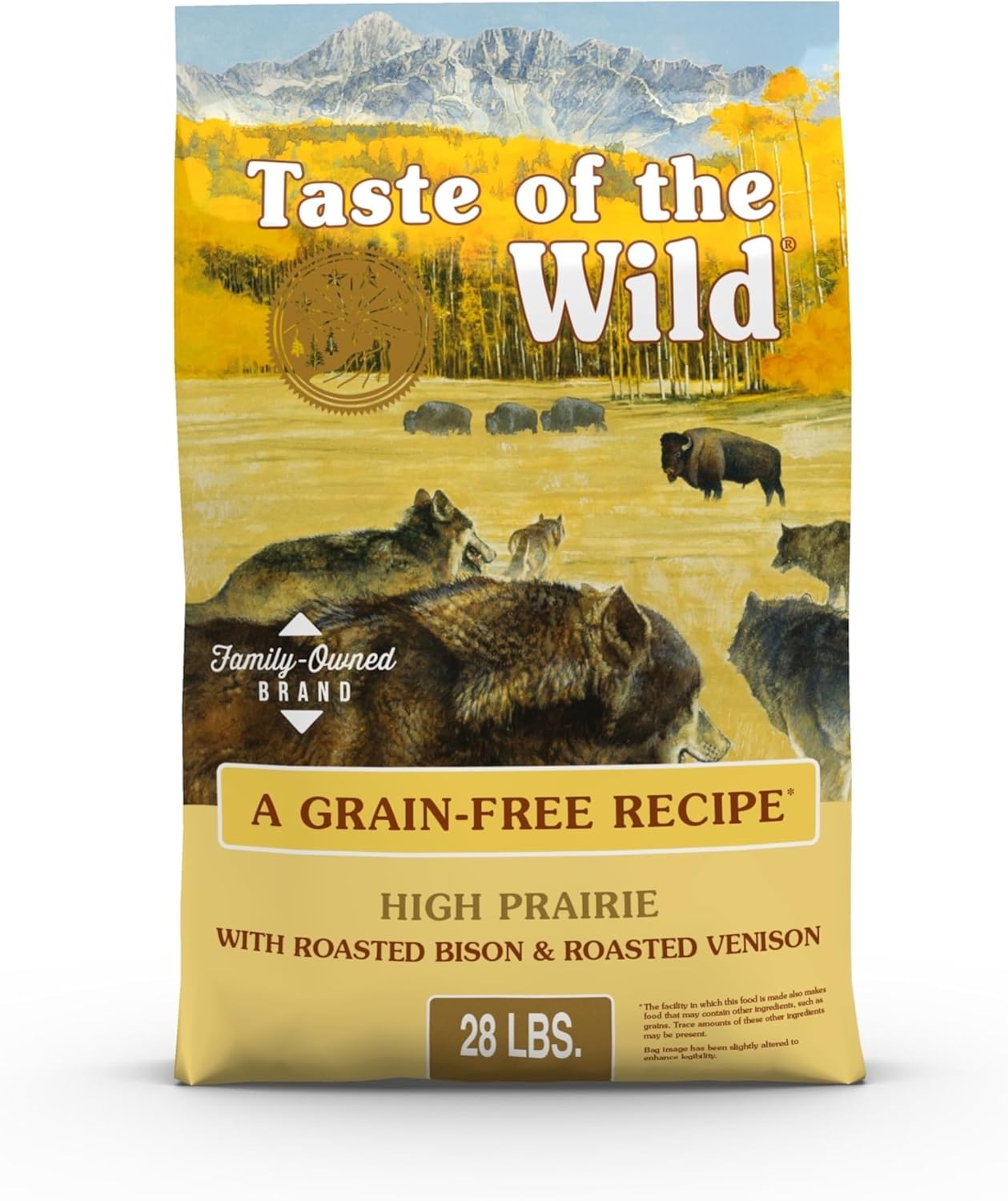
- Premium ($3.50–$5.00/lb): For enthusiasts and health-focused owners. Orijen, Acana, and Taste of the Wild provide biologically appropriate diets with fresh meats, regional ingredients, and no artificial preservatives. Ideal for active or sensitive Malamutes.
- Luxury ($5.00+/lb): Raw, fresh, or custom-formulated diets from brands like The Farmer’s Dog, Nom Nom, or Open Farm. These offer human-grade ingredients, personalized nutrition, and minimal processing—best for owners willing to invest in top-tier health.
While premium food costs more upfront, it can reduce long-term vet bills by preventing diet-related illnesses. Consider it an investment in your Malamute’s quality of life.

Expert Tips for Getting the Best Deal
- Buy in bulk during sales: Stock up on 30–40 lb bags during Black Friday, Amazon Prime Day, or seasonal promotions. Many retailers offer 15–20% off large orders.
- Subscribe and save: Use auto-ship programs from Chewy, Petco, or brand websites for 5–10% discounts and free shipping.
- Check local feed stores: Some independent stores offer loyalty programs or discounts on premium brands not available online.
- Compare cost per pound, not per bag: A 15 lb bag at $3.00/lb may be cheaper than a 30 lb bag at $3.20/lb—even if the total price is higher.
- Read return policies: Ensure you can return unopened bags if your dog doesn’t like the food. Most reputable brands offer satisfaction guarantees.
- Test small bags first: Before committing to a large purchase, buy a 4–6 lb trial size to assess palatability and digestion.
- Join breed-specific groups: Online communities often share discount codes, recall alerts, and feeding tips from experienced Malamute owners.

Frequently Asked Questions
Q: Can I feed my Alaskan Malamute a raw diet?
A: Yes, but it requires careful planning. Raw diets can provide excellent nutrition but must be balanced to avoid deficiencies. Consult a veterinary nutritionist to formulate a complete meal plan. Be aware of bacterial risks (like Salmonella) and handle raw food safely.
Q: How often should I feed my Malamute?
A: Adult Malamutes do best with two meals per day to reduce bloat risk. Puppies under 6 months may need 3–4 meals. Always feed at consistent times and avoid exercise immediately before or after meals.
Q: Is grain-free food better for Malamutes?
A: Not necessarily. Unless your dog has a grain allergy, whole grains provide valuable energy and fiber. Focus on high-quality ingredients rather than grain inclusion alone.
Q: My Malamute is a picky eater. What should I do?
A: Try warming the food slightly, adding a small amount of low-sodium broth, or mixing in a spoonful of wet food. Avoid constantly switching brands, as this can encourage pickiness.
Q: How do I know if my dog’s food is working?
A: Look for a shiny coat, healthy weight, firm stools, high energy, and good muscle tone. Regular vet check-ups and blood work can also confirm nutritional adequacy.
Q: Can I mix different brands of dog food?
A: It’s not recommended. Different formulas can have conflicting nutrient levels, leading to imbalances. Stick to one brand and formula unless advised by a vet.
Q: What supplements should I add?
A: For most Malamutes, a balanced diet provides all needed nutrients. However, fish oil (for omega-3s) and glucosamine/chondroitin (for joints) are safe and beneficial additions. Always consult your vet first.
Q: How much should my Malamute eat daily?
A: On average, an adult Malamute needs 3–5 cups of high-quality kibble per day, depending on size, age, and activity level. Adjust based on body condition and vet recommendations.
Our Final Recommendations
- Best for Budget-Conscious Buyers: Blue Buffalo Life Protection Formula Large Breed – Offers real meat, whole grains, and added glucosamine at a reasonable price.
- Best Overall Value: Wellness Core Large Breed – High protein, grain-free, with probiotics and joint support. Excellent balance of quality and cost.
- Best Premium Option: Orijen Original – Biologically appropriate with 85% animal ingredients, regional sourcing, and no fillers. Ideal for active Malamutes.
- Best for Beginners: Purina Pro Plan Large Breed – Vet-recommended, widely available, and formulated for joint and immune health. Great for first-time owners.
- Best for Advanced Users: The Farmer’s Dog – Fresh, human-grade, customized meals delivered to your door. Perfect for owners seeking maximum control and transparency.
Conclusion: Making the Right Choice
Choosing the best dog food for your Alaskan Malamute is one of the most important decisions you’ll make as an owner. It’s not just about taste or convenience—it’s about supporting a breed built for strength, endurance, and resilience. By prioritizing high-quality animal protein, balanced fats, joint support, and digestive health, you’re laying the foundation for a long, vibrant life.
Remember, no single food is perfect for every dog. What works for one Malamute may not suit another. Pay attention to your dog’s individual needs, monitor their response to new foods, and don’t hesitate to consult your veterinarian. With the knowledge from this guide, you’re now equipped to navigate the crowded dog food market with confidence.
Your Malamute depends on you for more than love and walks—they rely on you for nourishment that fuels their spirit and protects their health. Make every meal count.